Cryptocoryne fusca
Cryptocoryne fusca
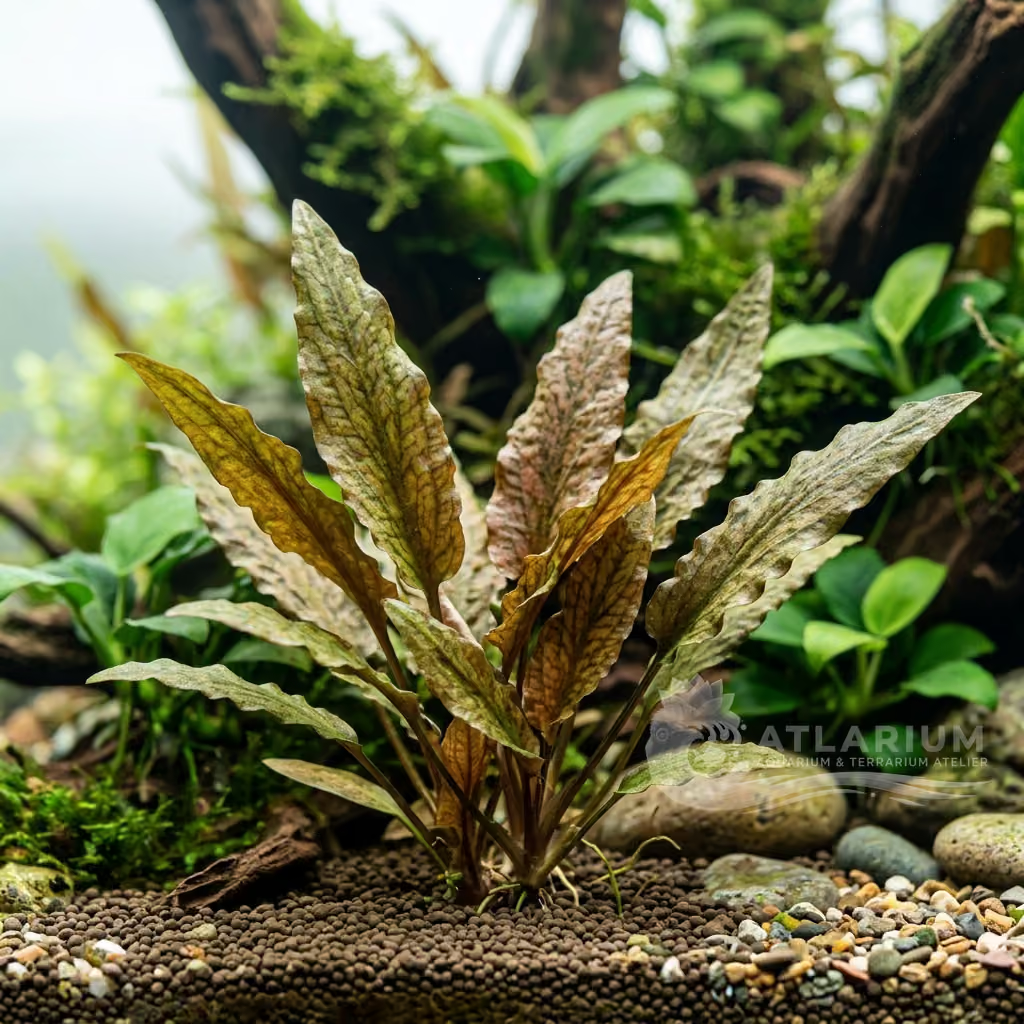
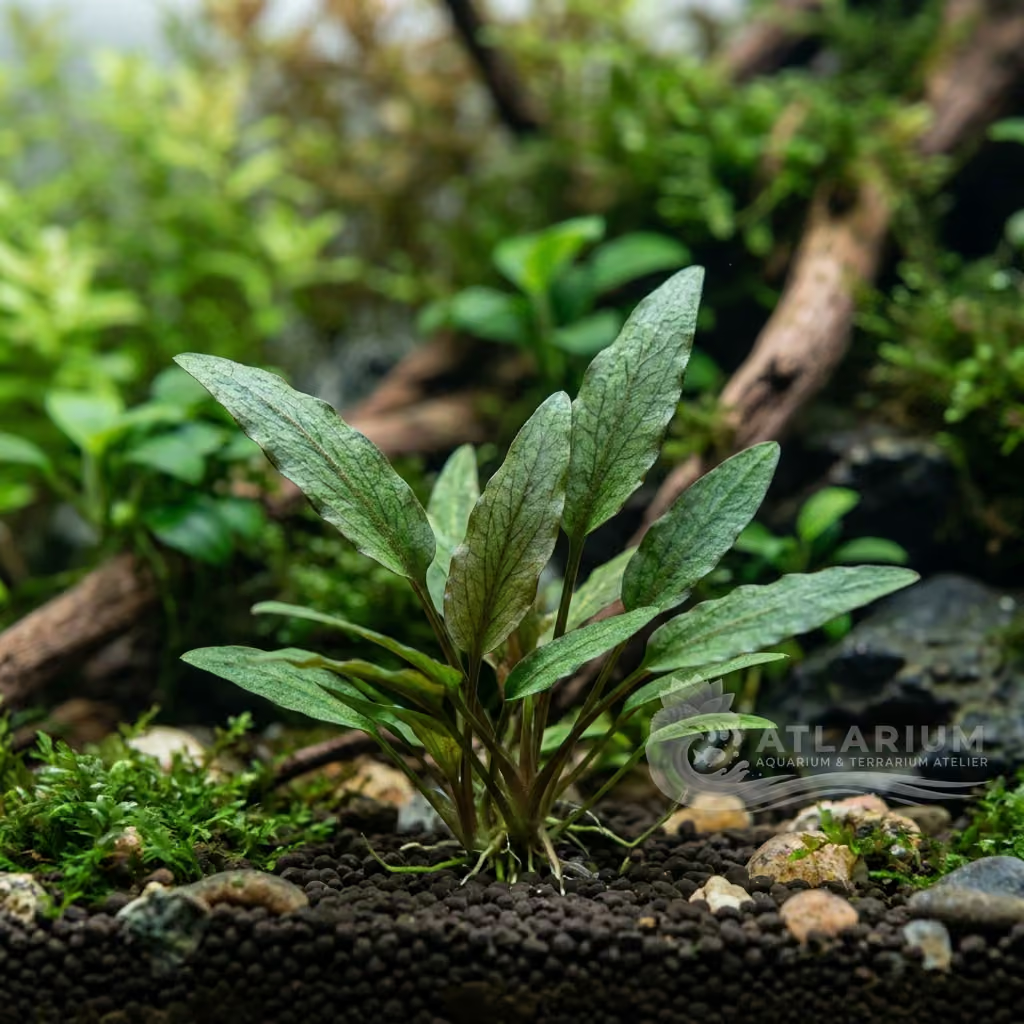
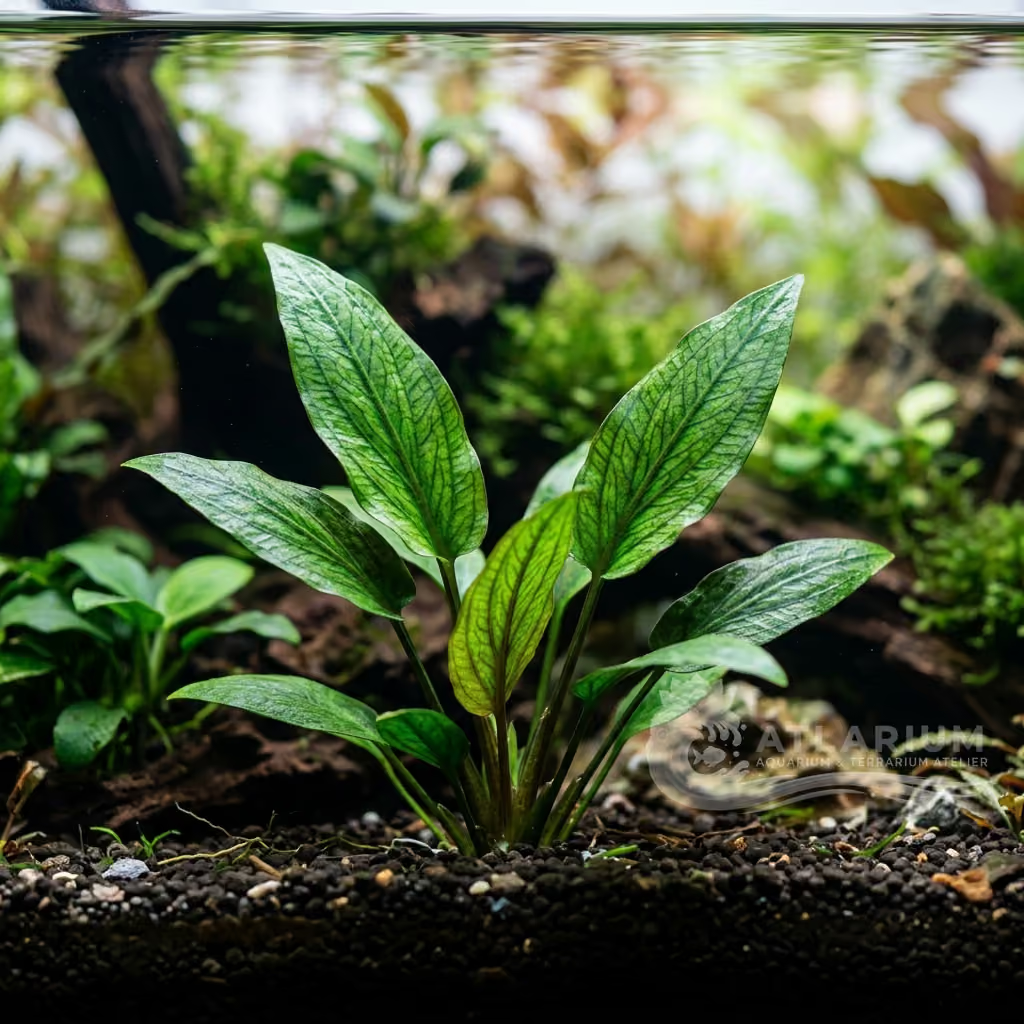
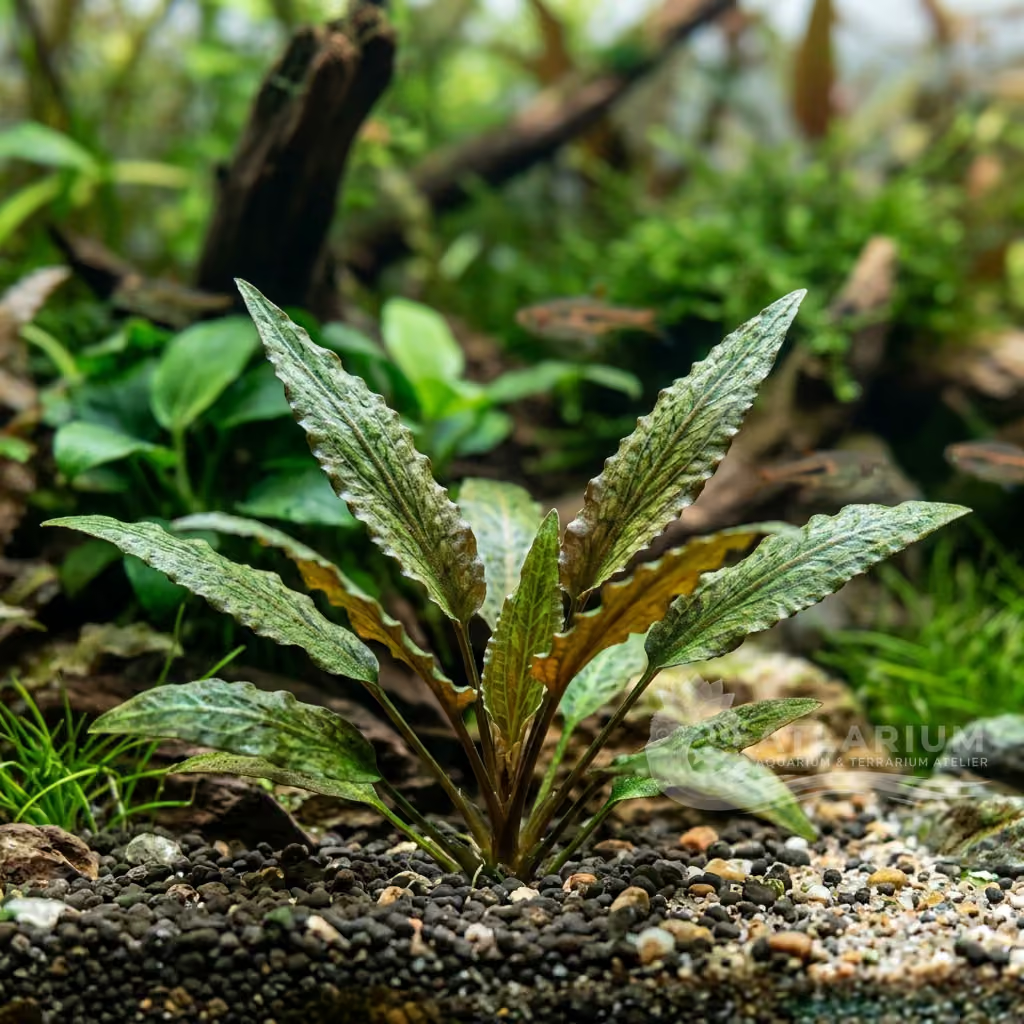
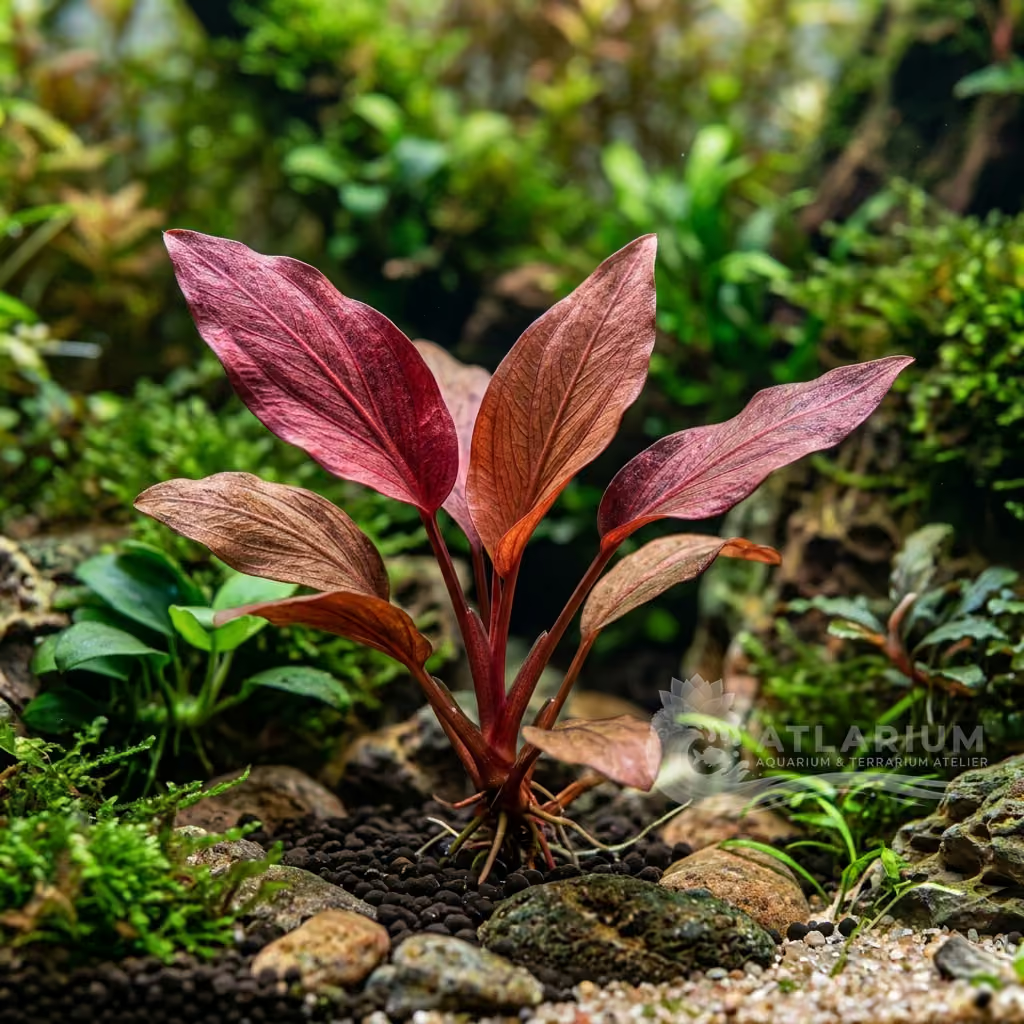
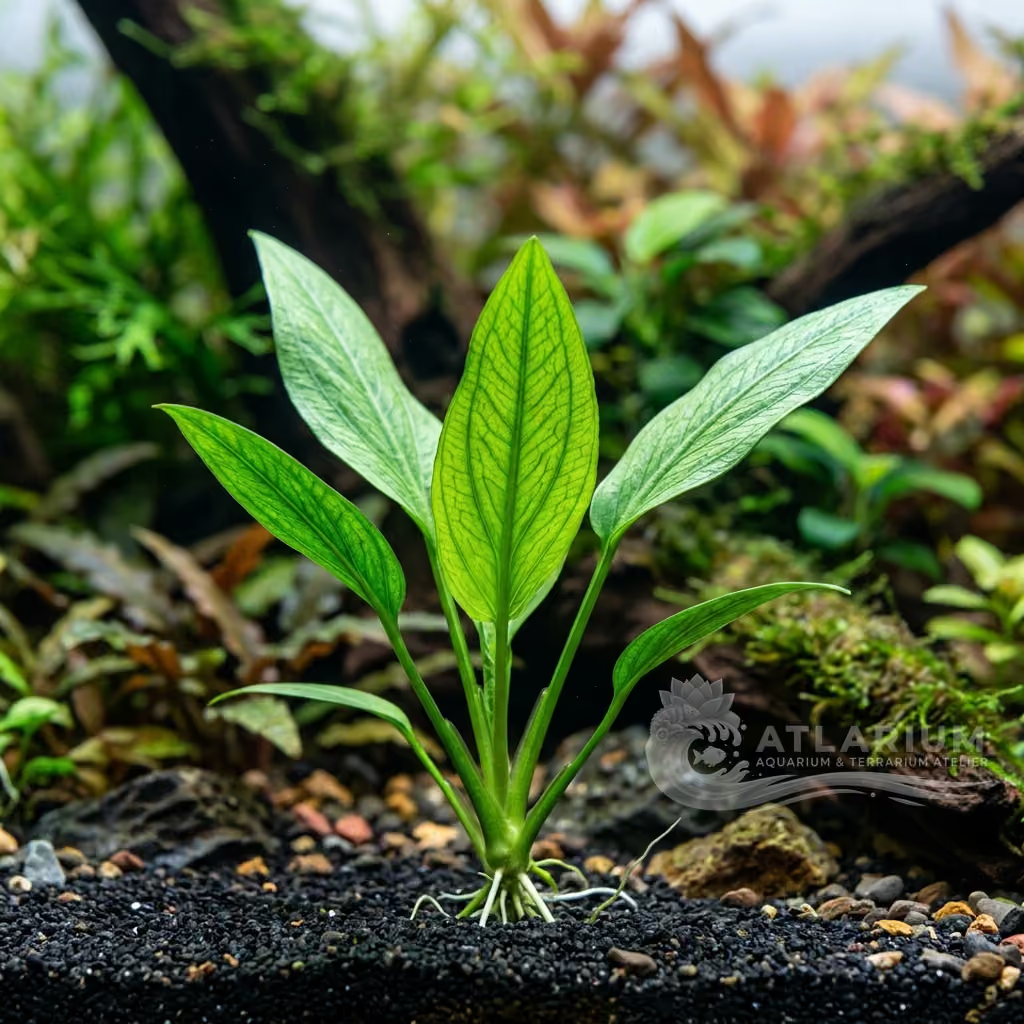
Cryptocoryne fusca: a rare and compact rosette plant with dark copper and purple-toned leaves. Prefers soft, acidic water and rich substrates. Light: Low to medium.
Wassertemperatur
22 - 28 °C
pH-Wert
5 - 6.8
Wassertyp
Süßwasser
Licht
Low to Medium
CO2
Niedrig - Hoch
Erwartete Höhe
25 cm
Erwartete Breite
25 cm
KH
0 - 6 dKH

Artbeschreibung
Geographical Origin and Habitat: Cryptocoryne fusca is native to the island of Borneo (Indonesia and Malaysia), where it grows in blackwater forest streams and acidic swamps. This habitat is characterized by warm, extremely mineral-poor waters rich in humic acids and tannins from decaying vegetation, which give the water an amber or dark
Color & Texture: and keep the pH distinctly acidic.
Taxonomy & Genetics: It belongs to the Araceae family, genus Cryptocoryne. The name 'fusca' refers to the dark brown coloration of its foliage. Genetically, it has adapted to thrive in acidic, oxygen-poor soils, with a root system specialized in taking up nutrients even under low mineral availability.
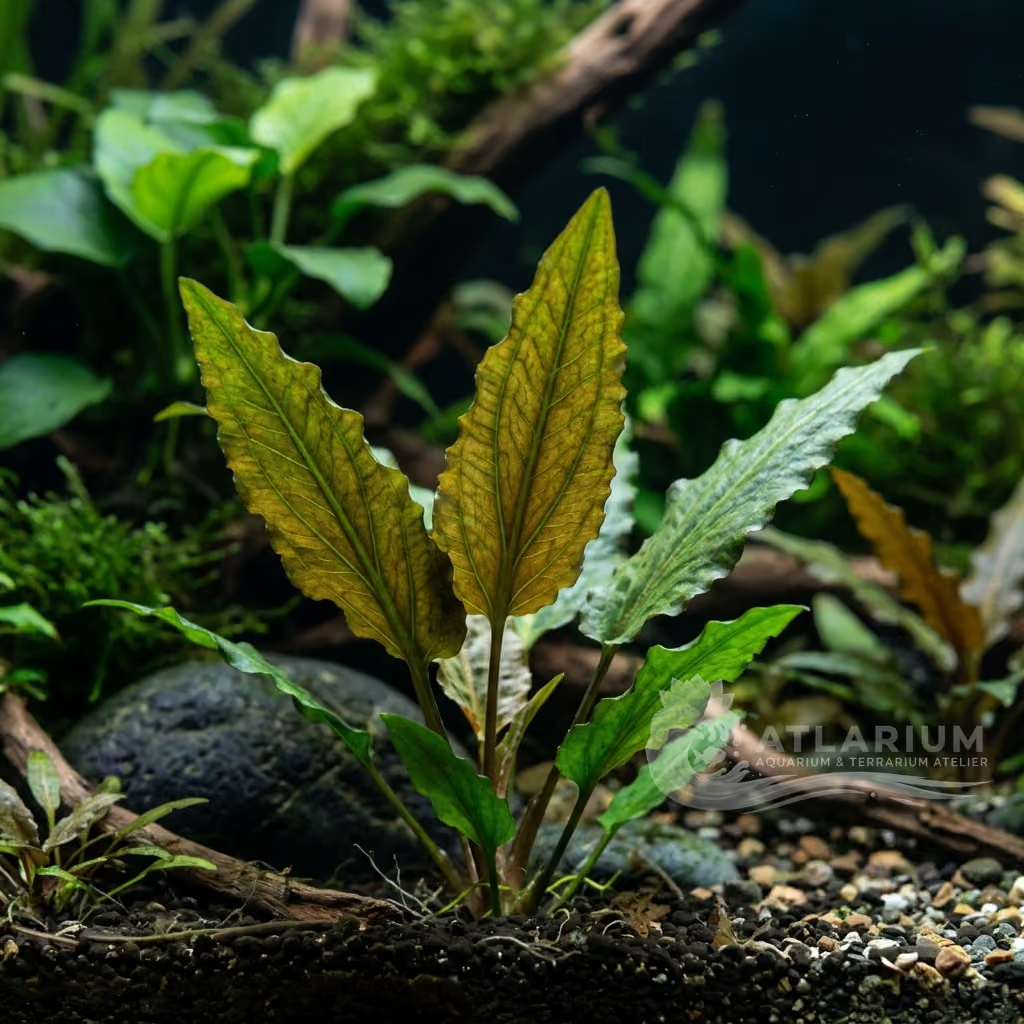
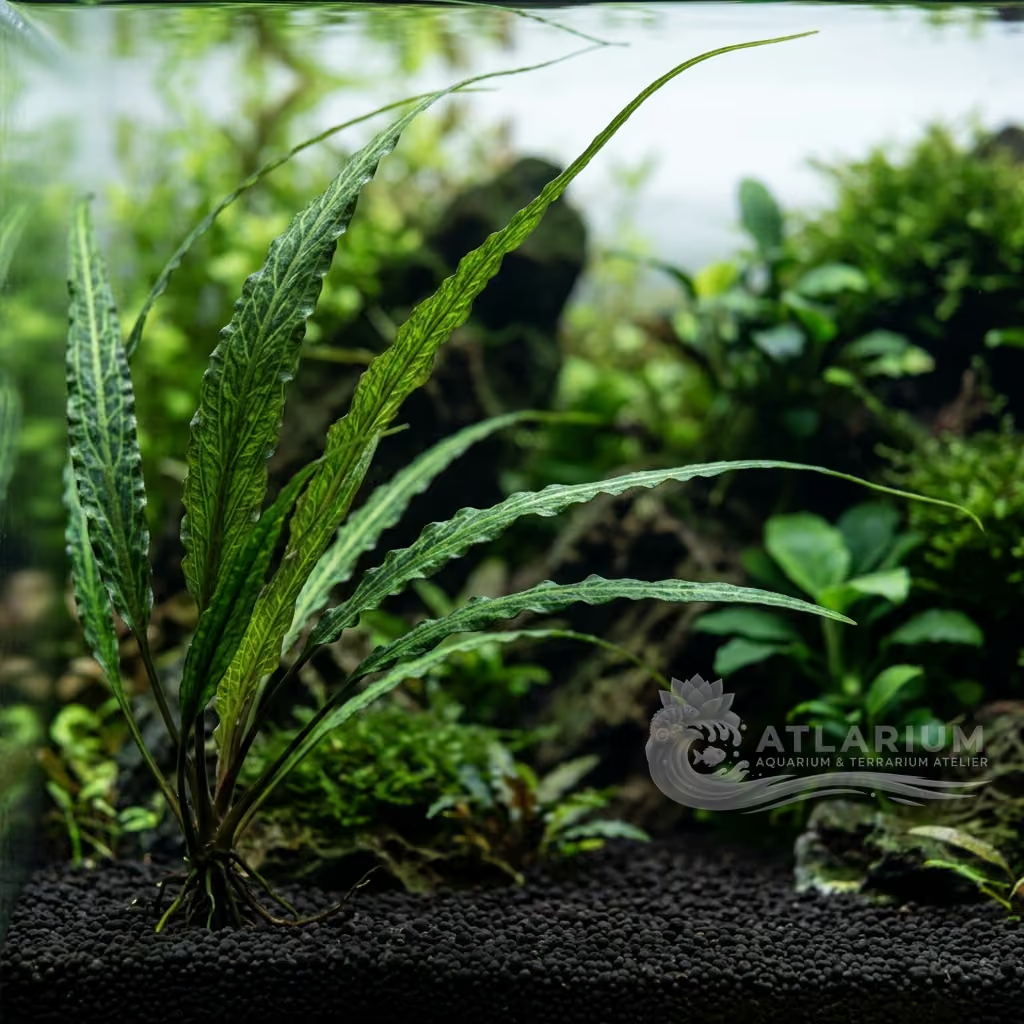
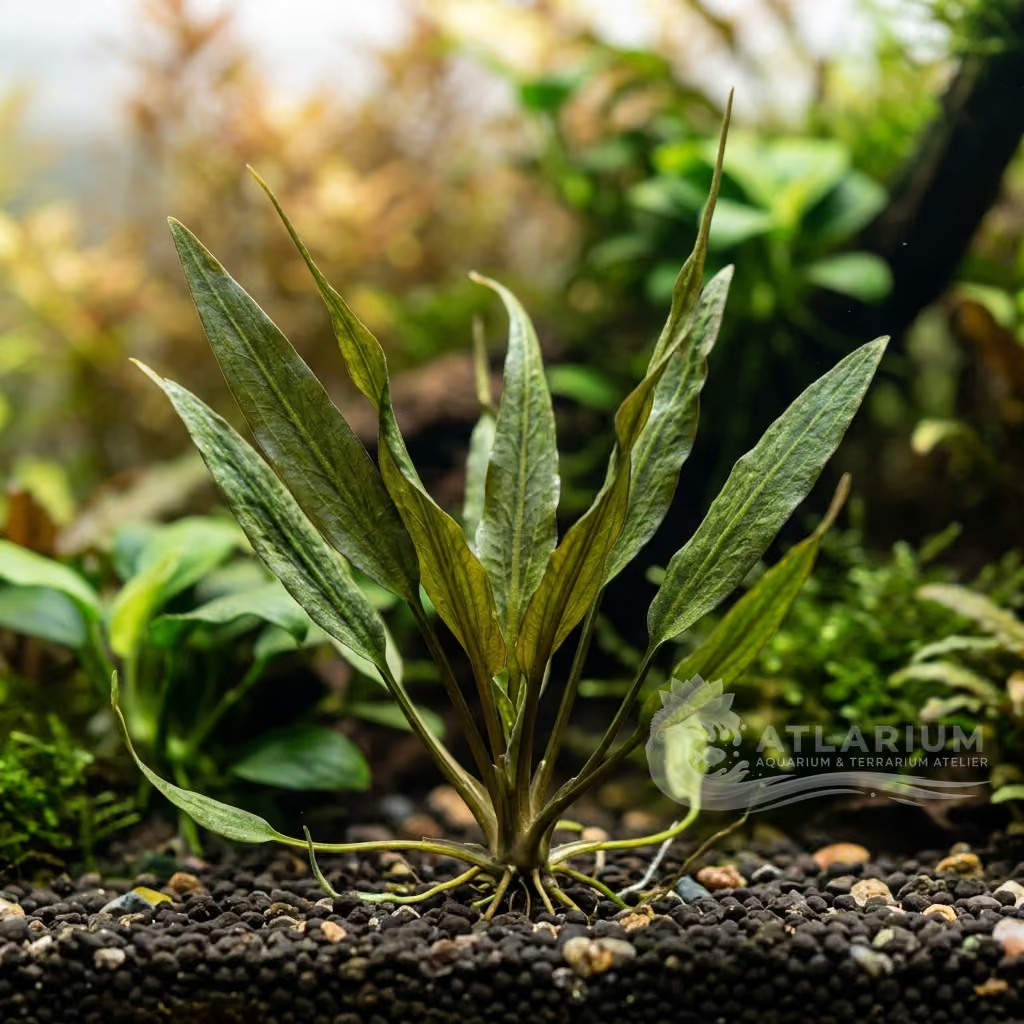
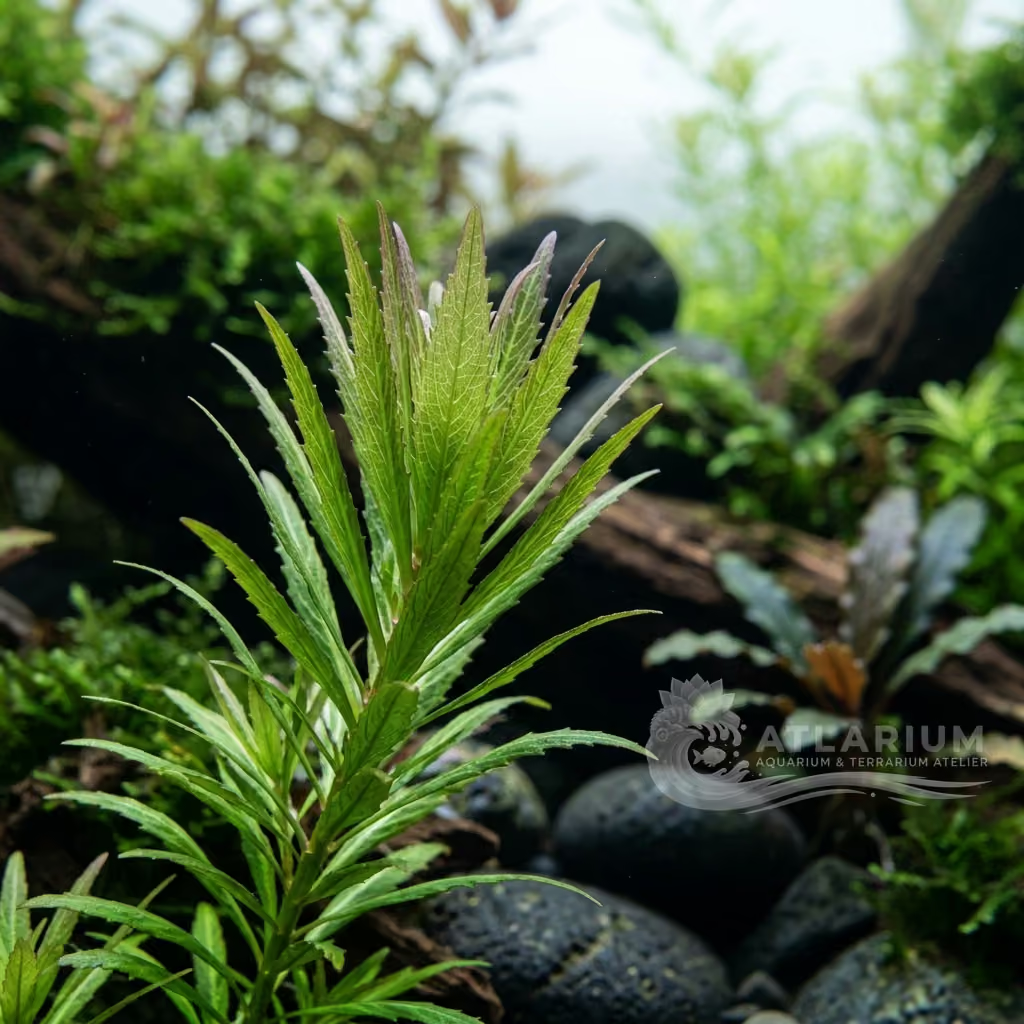
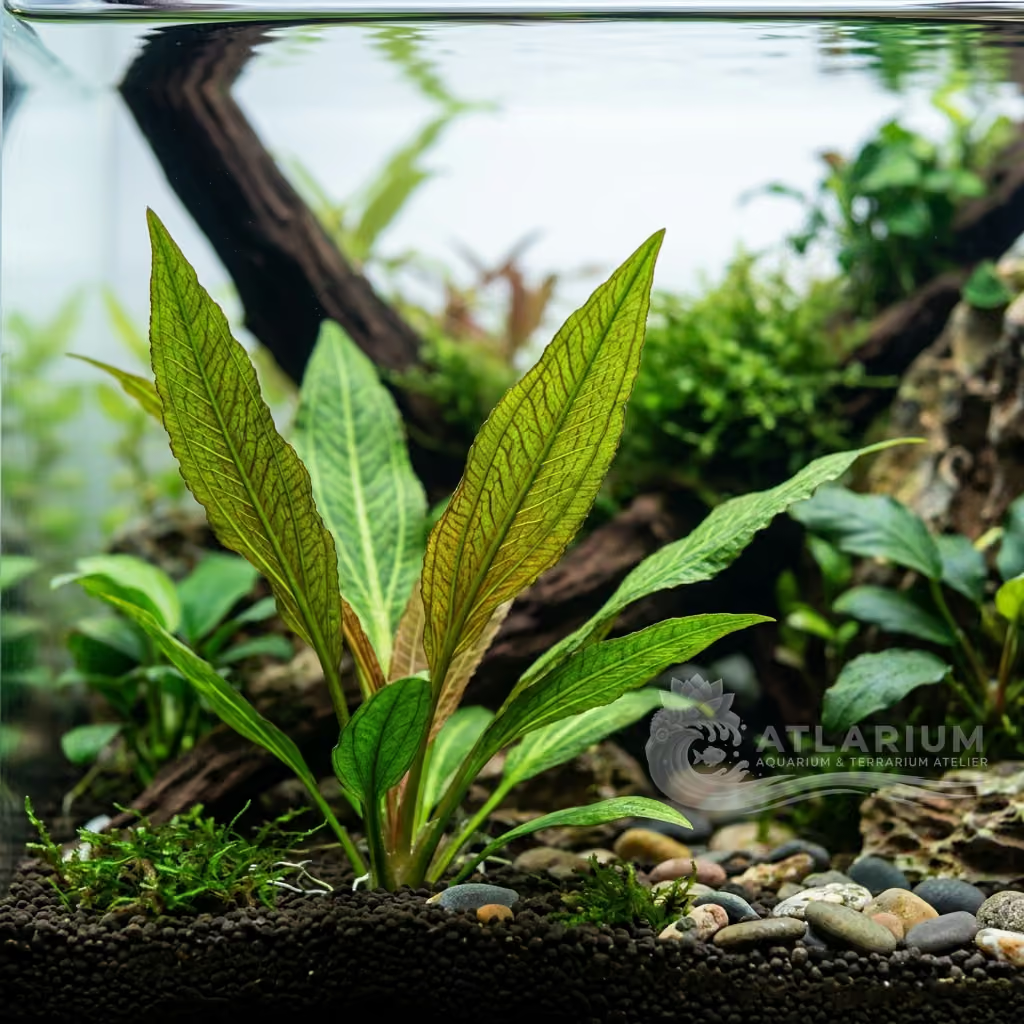
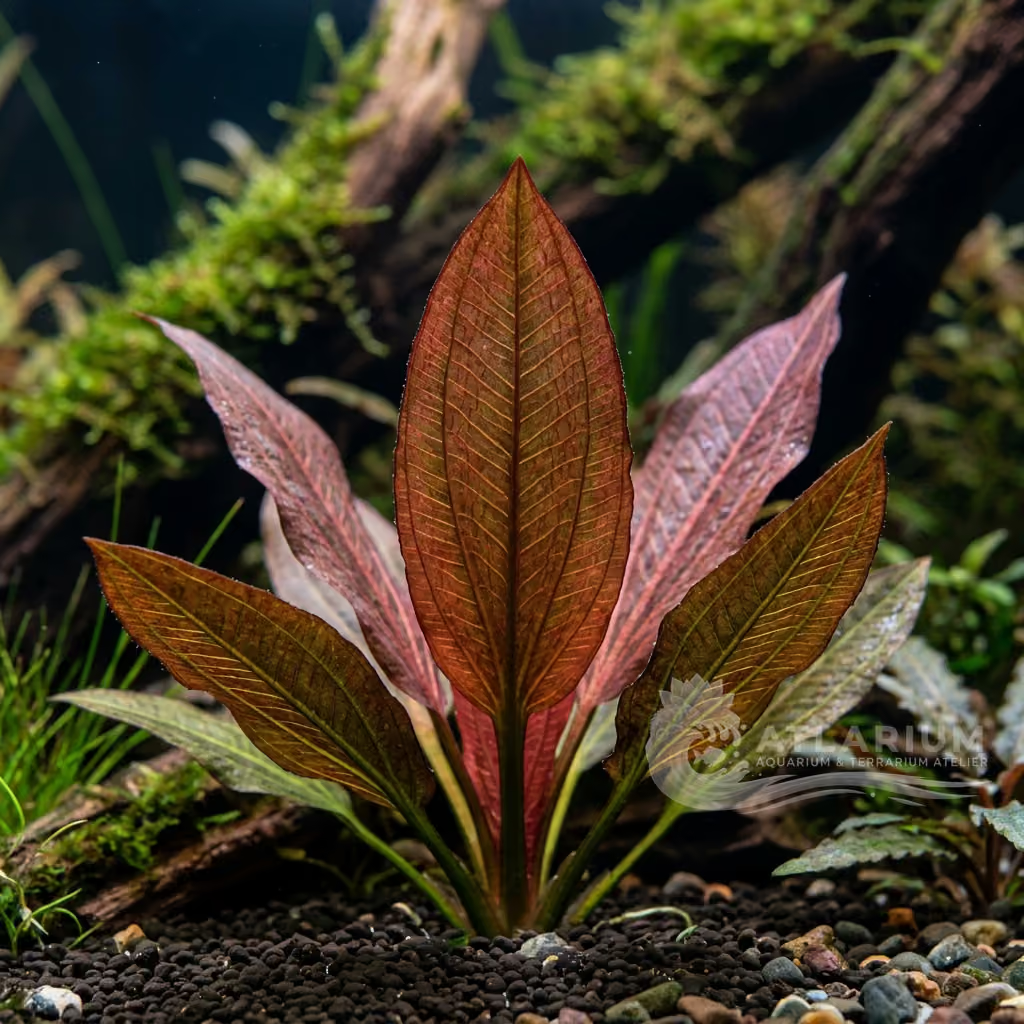
Physical Structure: It forms a compact and dense rosette that reaches a height and width of about 15-25 cm. The leaves are lanceolate with wavy margins and sturdy petioles. The root system, although slow-growing, is branched and anchors firmly into muddy or sandy substrates.
Color & Texture: The leaves display fascinating shades ranging from coppery brown to dark olive-green, with lighter or reddish veins. The underside ranges from dull pink to dark purple. The leaf surface has a slightly rough, leathery texture with a faint metallic luster under aquarium lighting.

Pflege, Zucht und Mitbewohner
Lighting & CO2: It requires low to moderate lighting. Under high light, the leaves tend to grow flatter and closer to the substrate, whereas under lower light, they grow more upright. CO2 is not strictly necessary, but a modest supply supports regular growth and prevents the vegetative stagnation typical of this slow species.
Nutrition & Substrate: An acidic, nutrient-rich substrate, such as active aquasoil, is essential. It benefits greatly from root tabs placed near the roots. Liquid fertilization should be light to prevent algae issues due to the plant's slow growth rate.
Water Chemistry: It prefers soft and acidic water (pH 5.0-6.8, KH 0-6 dKH). It is sensitive to hard, alkaline water, where it struggles to grow and may decline. The ideal temperature range is 22°C to 28°C; regular but small water changes are recommended to keep parameters stable.
Space Management & Placement: It is ideal for the midground or foreground of medium-sized aquariums. Because it grows very slowly, it should be placed where faster-growing plants will not overshadow or choke it out. Do not move it once planted.
Pruning: Pruning consists only of the occasional removal of older or damaged leaves that decay near the base of the rosette. Use sharp scissors to make clean cuts and avoid pulling on the rhizome.
Risks & Diseases: It is vulnerable to leaf melt if pH or hardness changes abruptly. It is important to prevent organic debris from settling on the rosette, as this can smother the plant's crown and lead to rot.

Geografische Herkunft und Verbreitung
Cryptocoryne fusca is native to the island of Borneo (Indonesia and Malaysia), where it grows in blackwater forest streams and acidic swamps. This habitat is characterized by warm, extremely mineral-poor waters rich in humic acids and tannins from decaying vegetation, which give the water an amber or dark
Ursprung
Süd- und Südostasien

Pflanzenprofil
- Platzierung
- Mittelgrund
- With its moderate size and attractive, broad leaves, it is ideally placed in the midground of the aquarium. It looks highly natural when planted amongst decaying leaf litter, botanicals, or near pieces of bogwood. Creating a dedicated area of softer, darker substrate will help highlight its beautiful, moody colors.
- Botanische Form
- Rosette
- This species features ovate to broadly lanceolate leaves that carry a distinct, rich brownish to dark olive-green coloration. The undersides of the leaves often display a gorgeous reddish or purple hue, adding depth to its appearance. It grows from a central crown, maintaining a relatively compact and bushy form.
- Wachstum
- Langsam
- It exhibits a slow but steady growth rate when submersed, requiring significant patience as it establishes a robust root network. Once comfortable, it will continuously put out new leaves, though it rarely overtakes the surrounding space. Emersed growth in a humid paludarium setting is notably faster.
- Substrat
- Hoch
- Cryptocoryne fusca requires an enriched base layer to sustain its thick root system and support healthy leaf development. It performs best in a high-quality aqua soil that offers a slightly acidic environment and abundant mineral content. The substrate bed should ideally be at least 2.5 inches (6 cm) thick to accommodate root expansion and secure the plant properly. If planted in inert substrates, dedicated root capsules must be provided regularly to make up for the lack of inherent bottom nutrients.
- Säulendüngung
- Empfohlen
- Liquid fertilizers should be used sparingly, primarily focusing on maintaining adequate iron and micronutrient levels. Since the plant grows slowly and prefers subdued lighting, heavy NPK dosing in the water column can easily invite algae. Soft, acidic water is more important than high water column nutrients.
- Wurzeldüngung
- Empfohlen
- Substrate fertility is paramount for C. fusca. An active soil that buffers pH downwards creates the ideal acidic conditions it loves, while providing necessary macronutrients. Regular insertion of root tabs under the plant ensures it has a constant supply of energy to grow its broad leaves.
- Trimmen
- Gelegentlich
- Trimming requirements are extremely low. Only oldest, naturally degrading leaves should be pruned away by snipping the petiole close to the base. Unnecessary trimming should be avoided as it takes the plant considerable time and energy to replace lost foliage.
- Ausbreitung
- Ausläufer
- Propagation is straightforward but requires time; the plant will naturally send out runners beneath the substrate. Over many months, these will emerge as small daughter plants around the mother rosette. Once they have 3-4 healthy leaves, the runner can be cleanly cut for relocation.
- Empfindlichkeit
- Mäßig
- It is somewhat sensitive to sudden changes in hardness and pH, preferring stable, soft water conditions. Like many Crypts, moving the plant or drastically altering the lighting will likely trigger 'Crypt melt'. However, its resilient rhizome will almost always recover if left alone in a favorable environment.
- Layoutrolle
- midground contrast plant
- Its dark, brownish tones make it a superb contrast plant against bright green foreground carpets or light-colored stem plants. It brings a deeply natural, 'blackwater' or biotope aesthetic to the midground of an aquascape. Planted in small clusters, it creates a dark, visually anchoring focal point.

Verwandte Arten
Empfehlungen gruppiert nach nahen Verwandten, Auswahl von Begleitern und ähnlicher Betreuung.