Ottelia mesenterium
Ottelia mesenterium
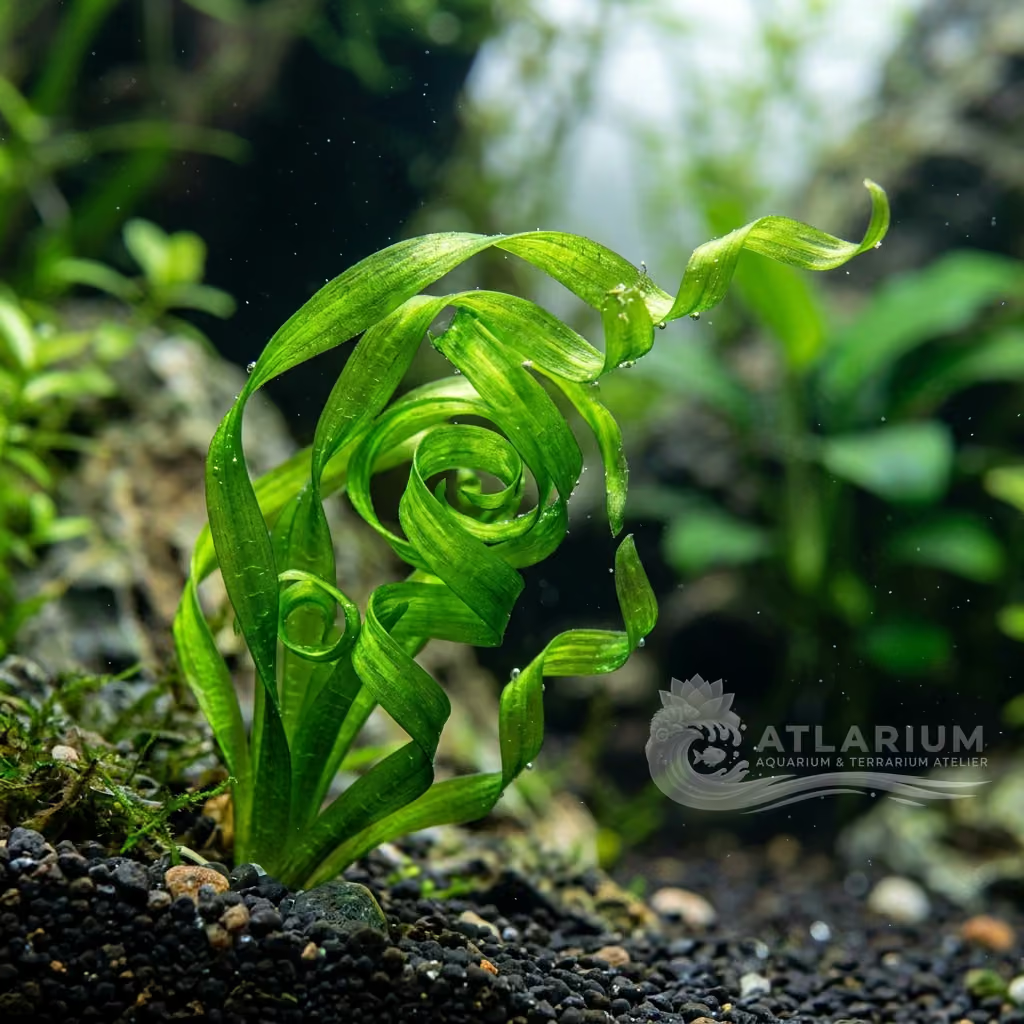
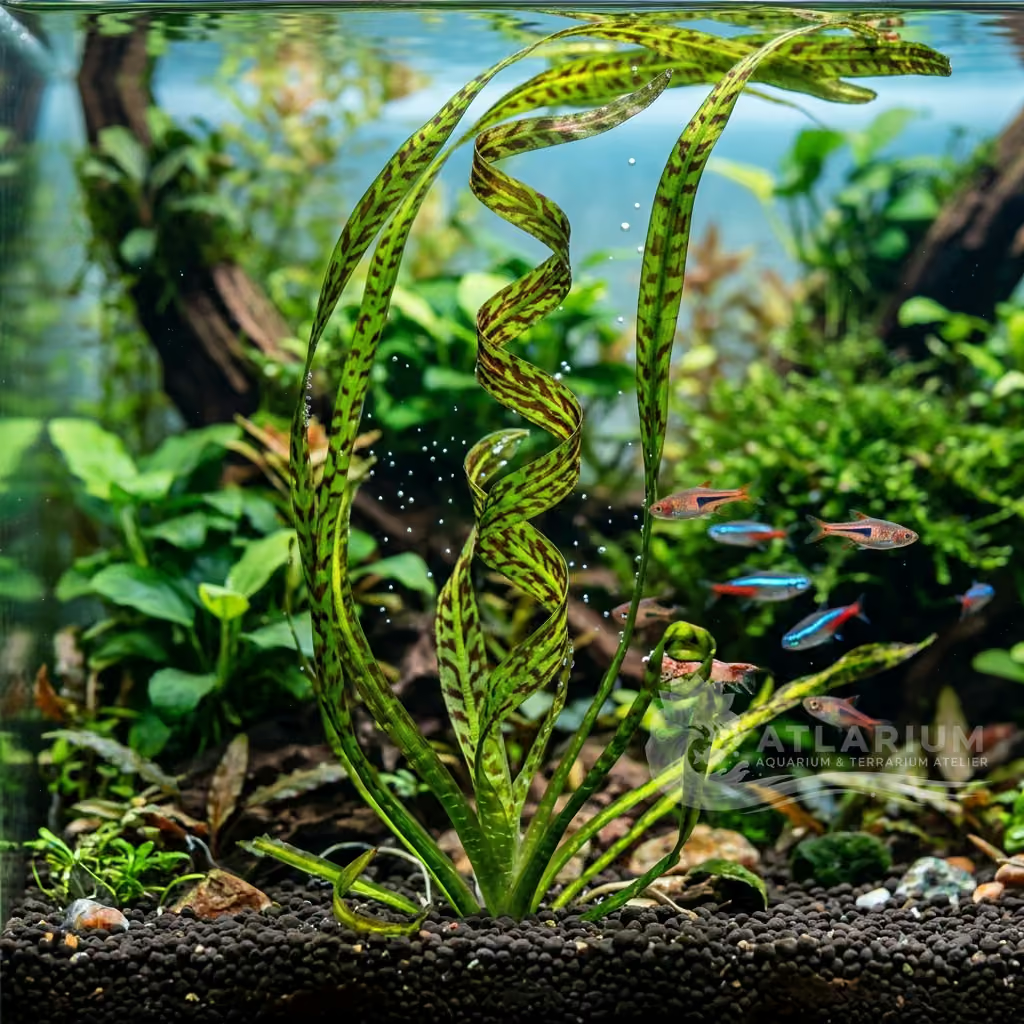
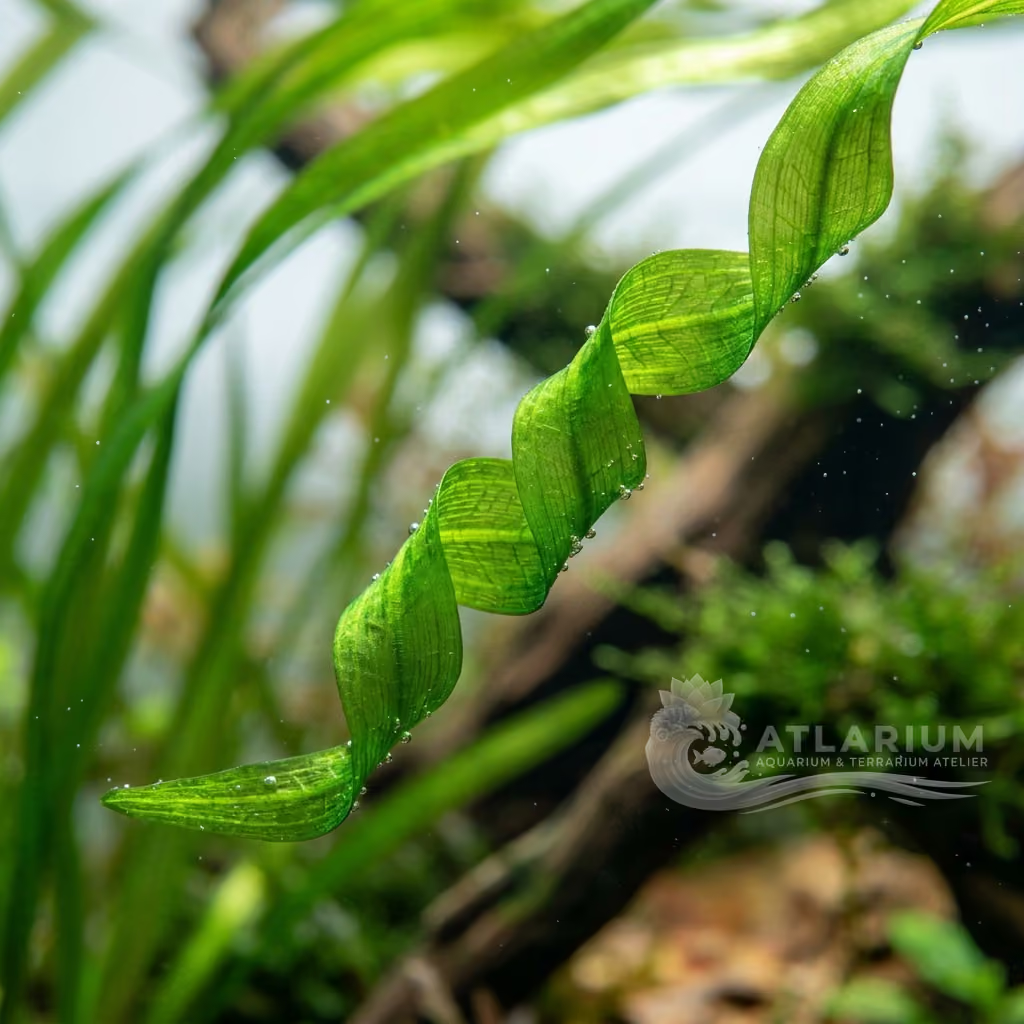
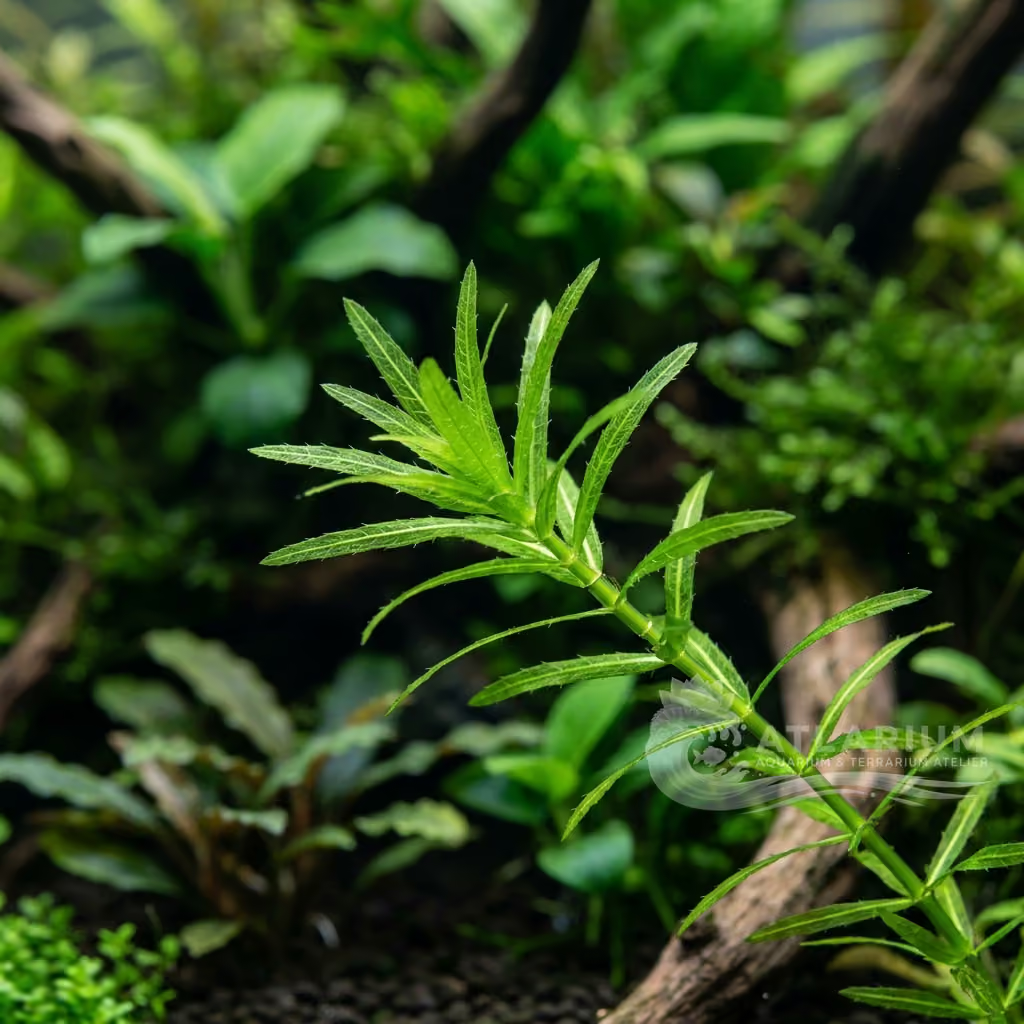
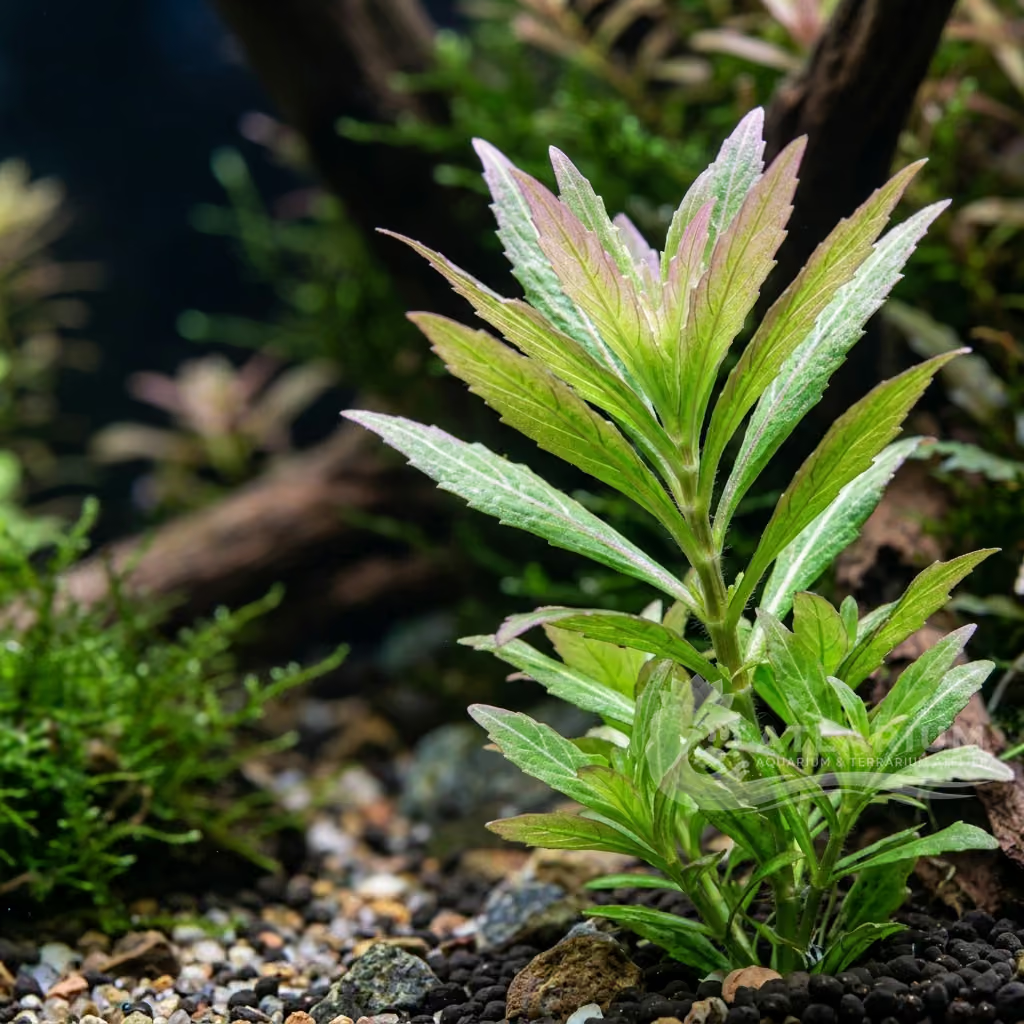
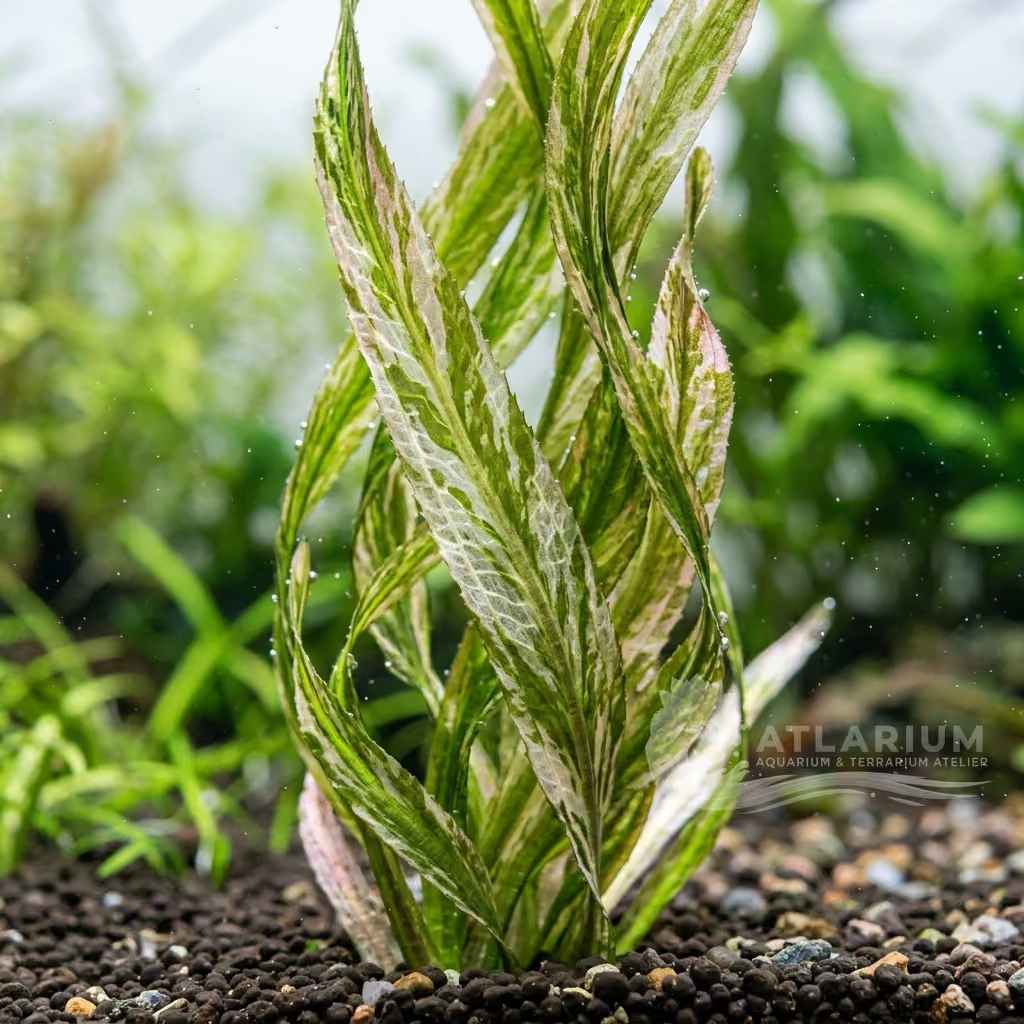
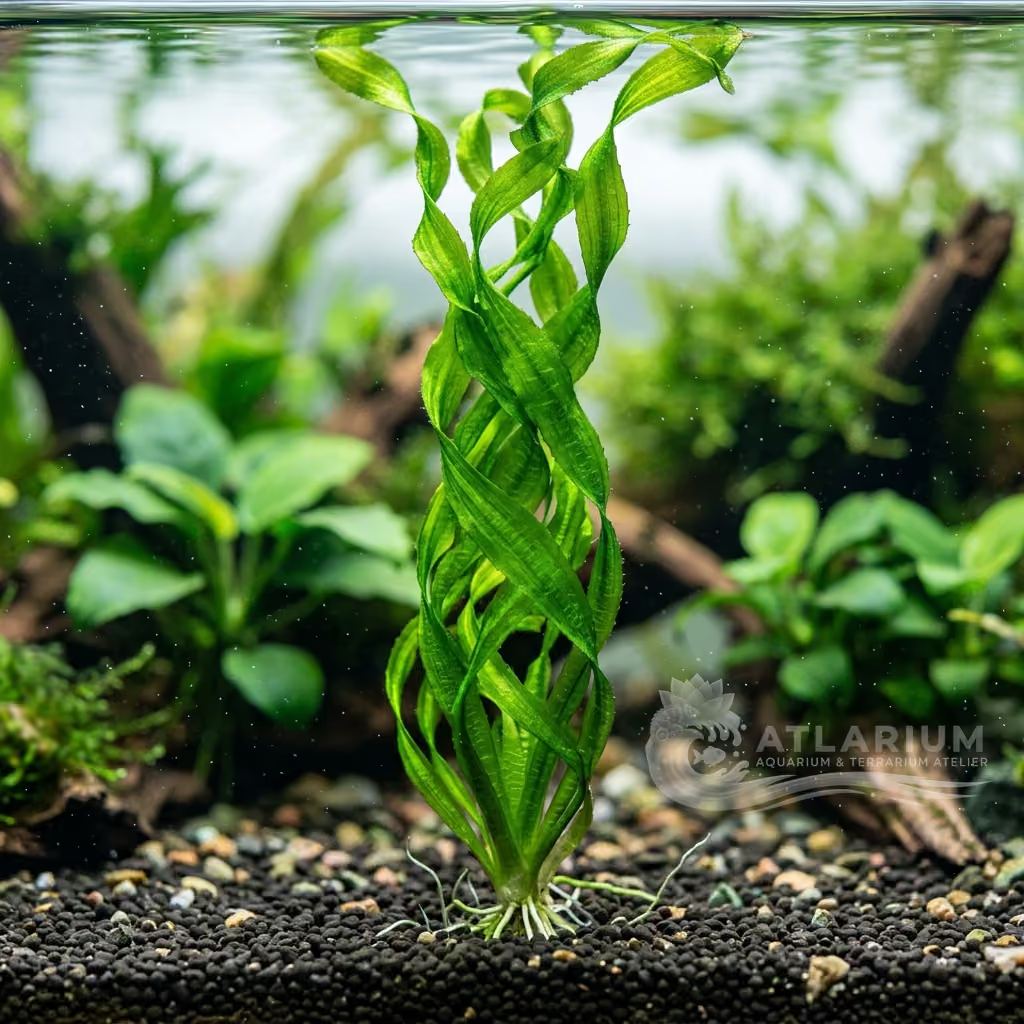
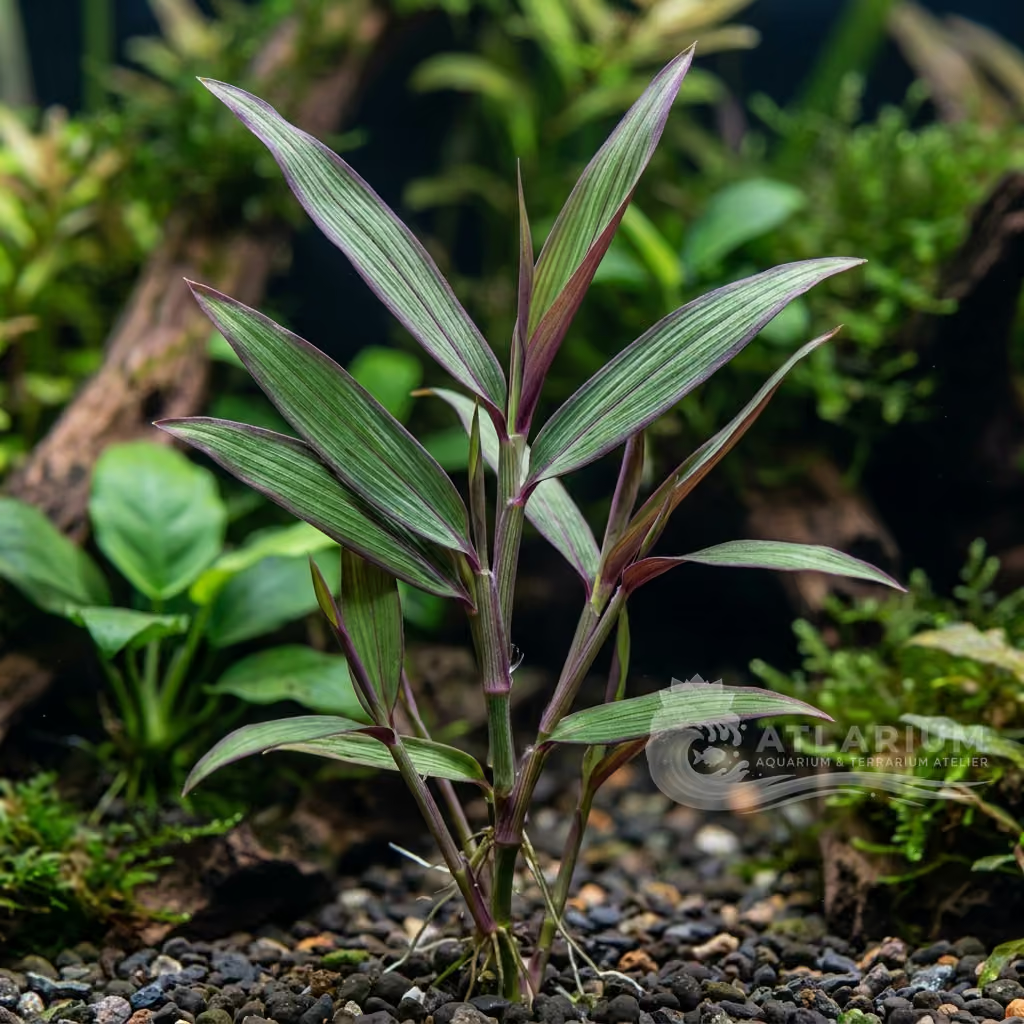
Ottelia mesenterium is a beautiful midground rosette plant known for its medium growth rate and elegant appearance. Its often-undulating leaves provide an interesting visual texture and focal point in the aquarium.
Wassertemperatur
22 - 28 °C
pH-Wert
6 - 7.5
Wassertyp
Süßwasser
Licht
Mittel - Hoch
CO2
Mittel - Hoch
KH
2 - 10 dKH

Artbeschreibung
Geographical Origin and Habitat: Ottelia mesenterium is an aquatic species native to tropical and subtropical regions of Africa, where it thrives in freshwater environments such as lakes, slow-moving rivers, and swamps. In these natural habitats, it is commonly found rooted in muddy substrates, forming dense colonies under filtered sunlight. Its adaptability to various water conditions has contributed to its widespread distribution, making it a common presence in diverse natural aquatic ecosystems.
Taxonomy & Genetics: This plant belongs to the Hydrocharitaceae family, a group of aquatic plants known for their submerged or floating growth habits. Ottelia mesenterium therefore shares genetic affinities with other popular aquarium species like Vallisneria and Egeria. Its classification underscores its nature as an aquatic monocot, possessing distinctive structural characteristics that enable it to flourish entirely submerged in water.
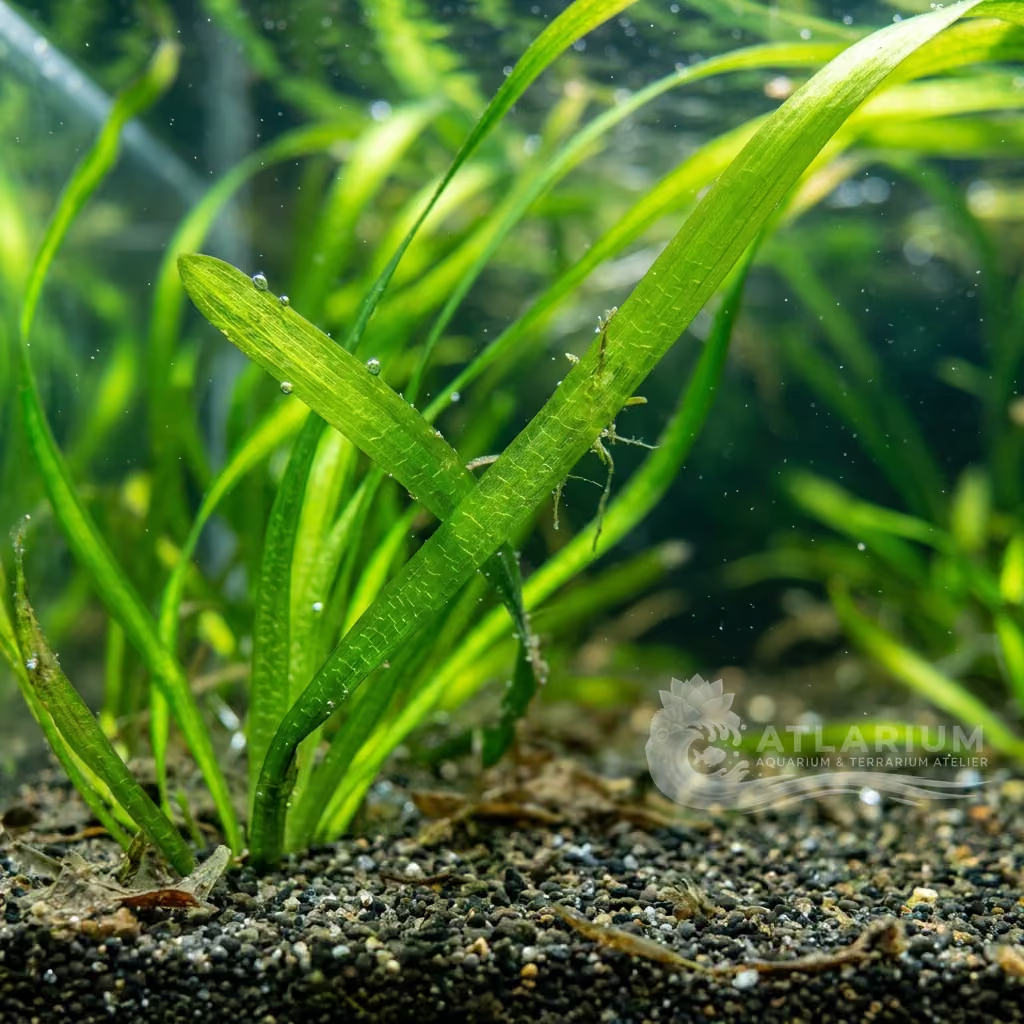
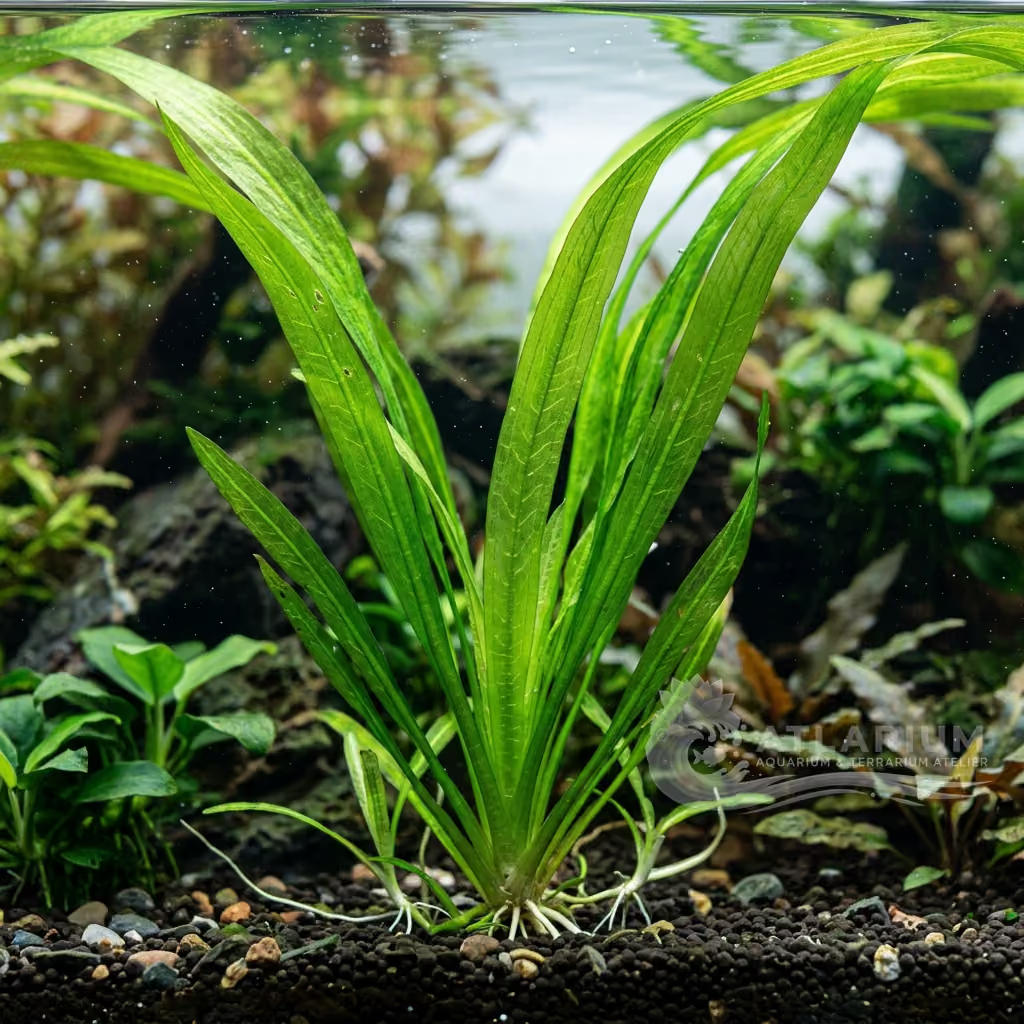
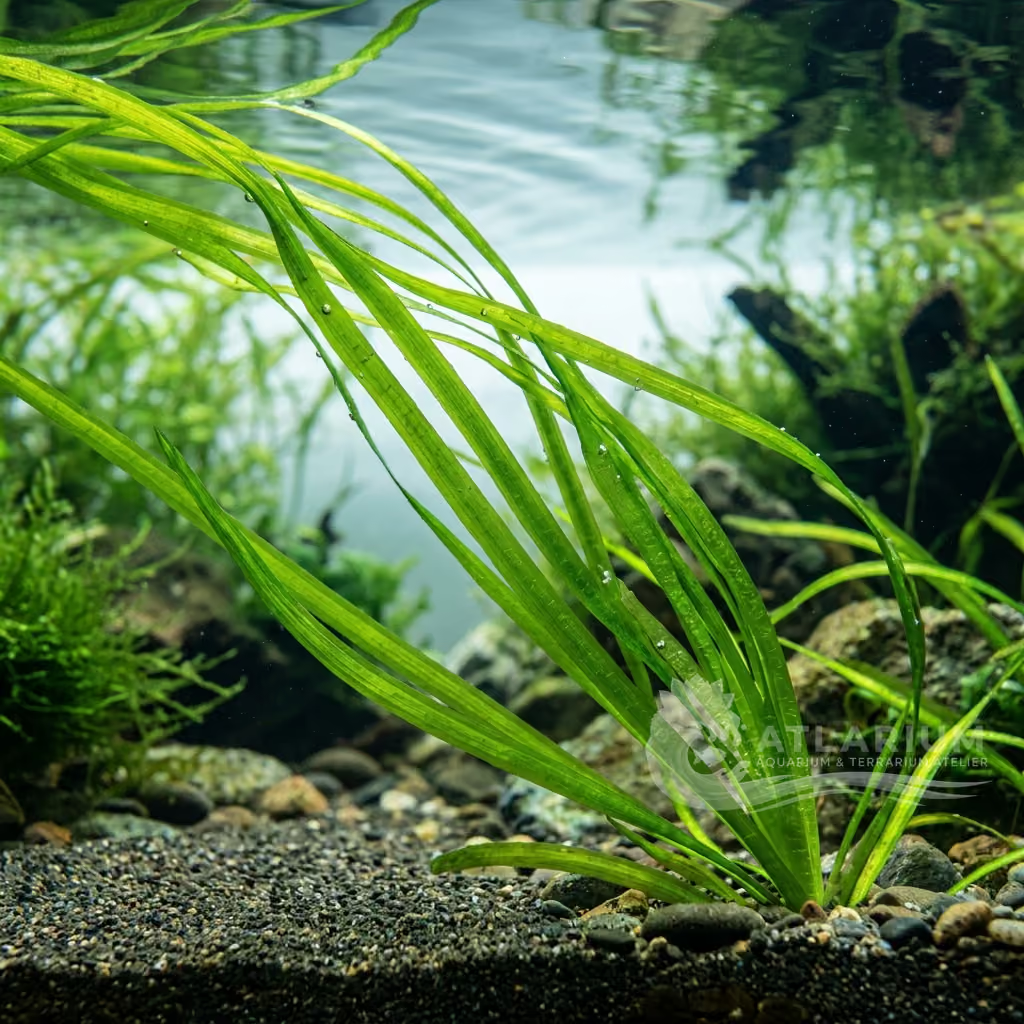
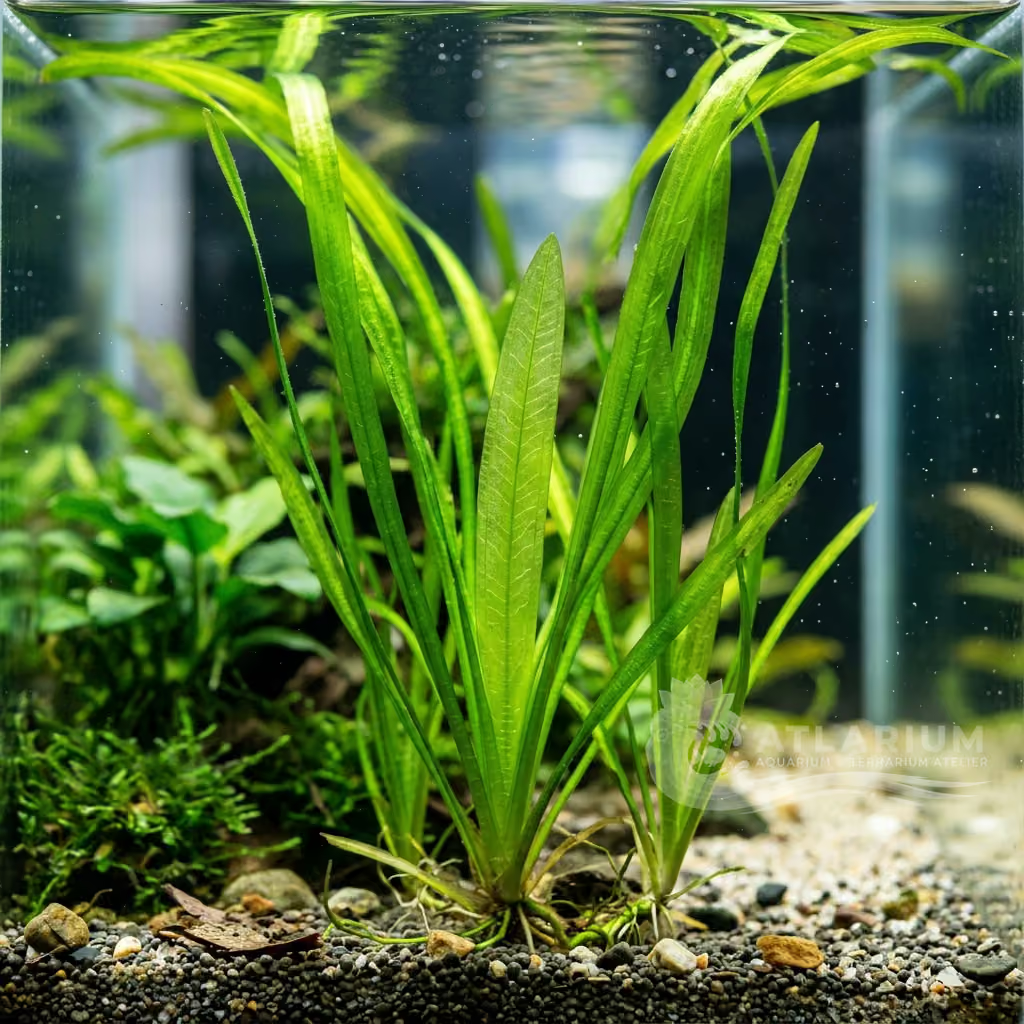
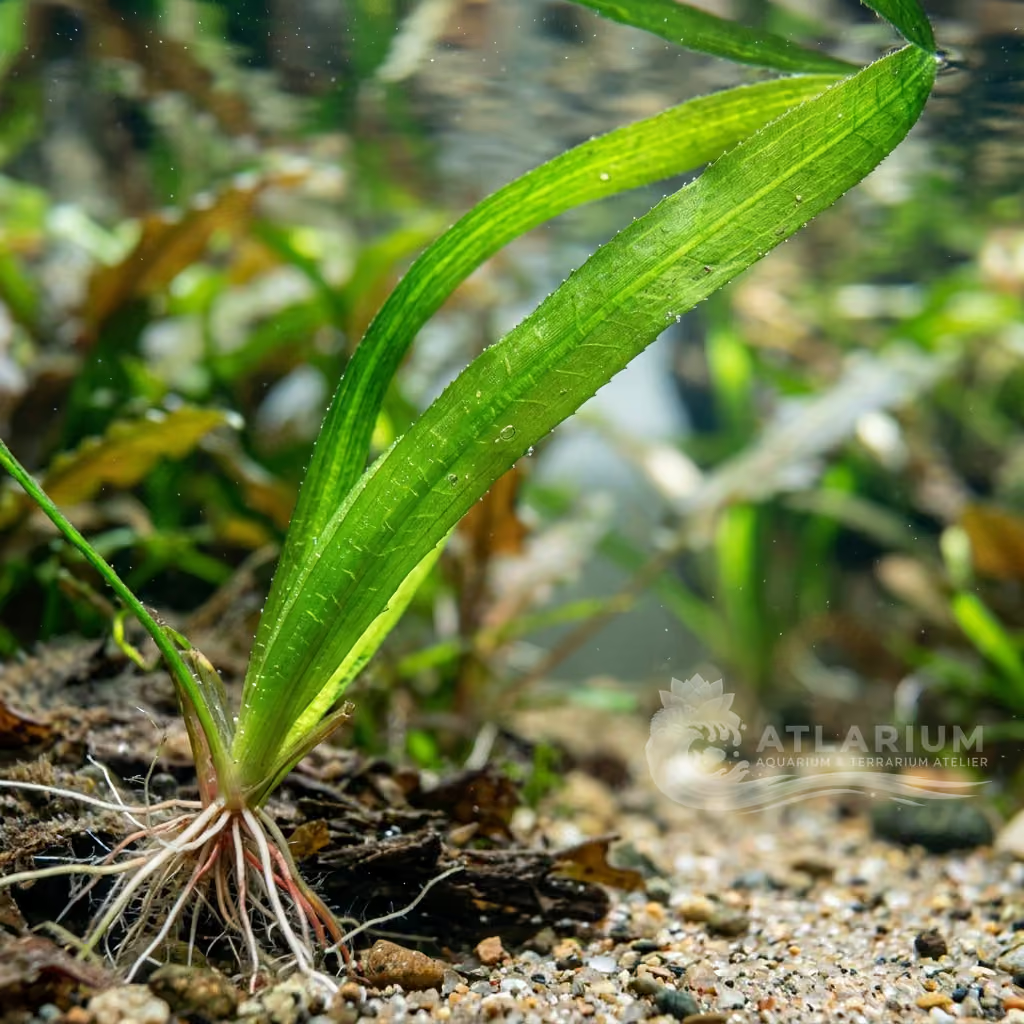
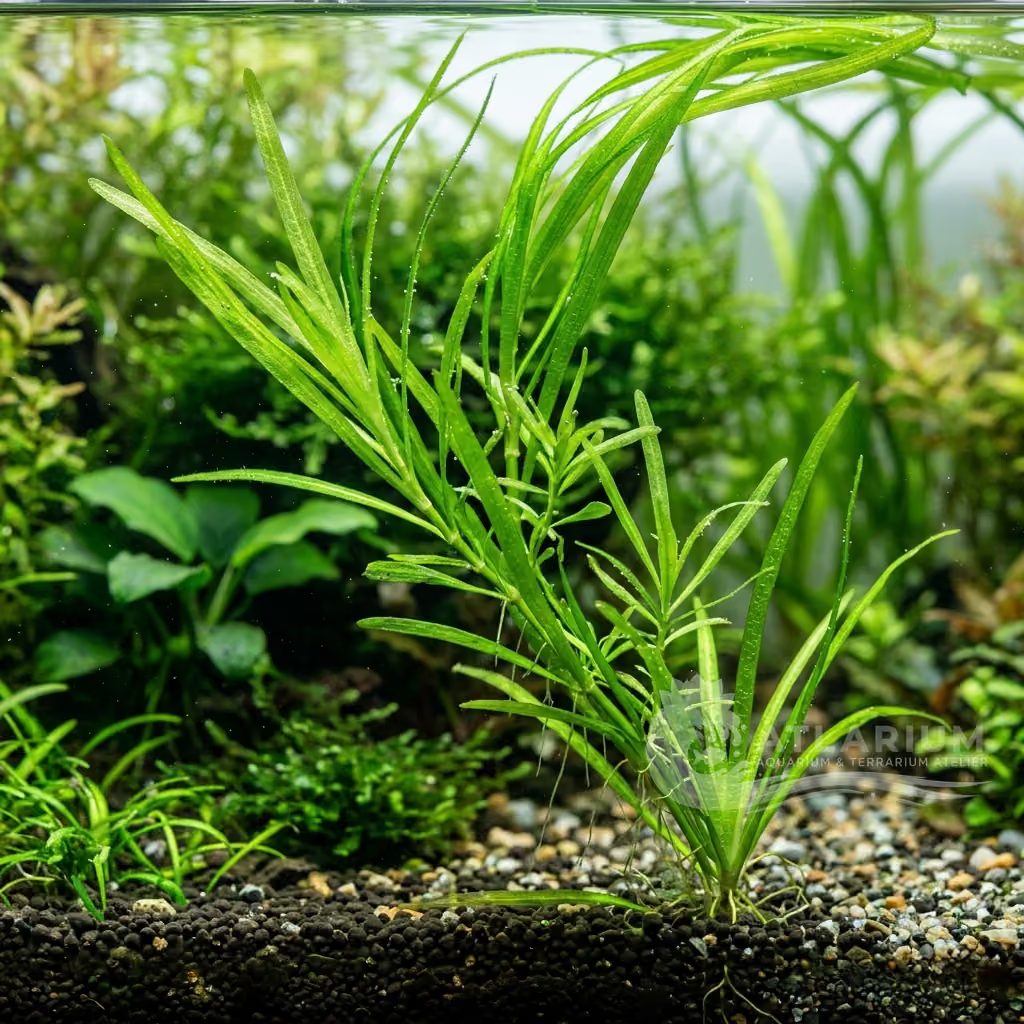
Physical Structure: Ottelia mesenterium develops a basal rosette structure from which lanceolate or strap-shaped leaves emerge, anchored by a robust root system. The leaves can reach considerable sizes depending on aquarium conditions, often exhibiting wavy or ruffled margins that add visual dynamism. Its upright and imposing growth habit makes it a significant presence within the underwater landscape, providing a striking focal point.
Color & Texture: The dominant color of Ottelia mesenterium is a brilliant, vibrant green, which can vary in intensity depending on lighting and nutrient availability. The leaf surface is generally smooth but may display subtle embossing or prominent venation, lending an interesting visual texture. These aesthetic characteristics make it an attractive addition to any aquascape, capable of captivating the eye with its fresh hue and graceful form.

Pflege, Zucht und Mitbewohner
Lighting & CO2: For optimal growth, Ottelia mesenterium requires medium intensity lighting, which supports balanced photosynthesis without inducing excessive stress or algal growth on its leaves. While it can survive in lower light, its growth rate and color vibrancy would be diminished. Carbon dioxide (CO2) injection is not strictly essential but is highly recommended, as it significantly boosts growth rate, leaf robustness, and color saturation, contributing to a more lush and healthy plant.
Nutrition & Substrate: As a plant with a well-developed root system, Ottelia mesenterium is primarily a root feeder, thus a rich, nutritious substrate is crucial for its prosperity. The use of fertilizer tabs inserted into the substrate near the roots is highly recommended to supply essential micronutrients such as iron and potassium. Supplementation with liquid fertilizers can complement available nutrients and benefit emerging leaves and overall growth, ensuring a balanced supply of macro and microelements.
Water Chemistry: Ottelia mesenterium prefers stable and well-maintained water parameters to prevent stress and leaf melting. The ideal temperature range is between 20 and 28 C, with a slightly acidic to neutral pH, ranging from 6.0 to 7.5. Carbonate hardness (KH) should be maintained between 2 and 12, indicating a preference for soft to moderately hard water. Sudden fluctuations in these values can compromise plant health, making regular water changes and accurate testing crucial.
Space Management & Placement: Due to its potential size and rosette growth habit, Ottelia mesenterium is ideally suited for midground placement, where it can serve as a focal point without obstructing views of smaller plants. It is important to ensure it has sufficient space to spread its leaves without excessively shading other species, nor being overshadowed by larger background plants. Strategic placement will enhance its elegant form and distinctive foliage within the aquascape.
Pruning: Pruning Ottelia mesenterium is relatively straightforward and focuses on removing older, damaged, or yellowing outer leaves directly at the base of the rosette. This operation not only improves the plant's aesthetics but also encourages the growth of new, healthier leaves from the center. It is crucial to use sharp, clean scissors to avoid causing unnecessary injury to the plant tissues, which could lead to infections or rot.
Risks & Diseases: Ottelia mesenterium is generally robust, but it can be susceptible to melting if water conditions are unstable or undergo drastic changes, especially after transplanting. Nutritional deficiencies, particularly of iron or potassium, can manifest as yellowing leaves or hole formation, compromising its vitality. Careful monitoring and implementing a balanced fertilization regimen are essential to prevent these issues and maintain plant health.

Geografische Herkunft und Verbreitung
Ottelia mesenterium is an aquatic species native to tropical and subtropical regions of Africa, where it thrives in freshwater environments such as lakes, slow-moving rivers, and swamps. In these natural habitats, it is commonly found rooted in muddy substrates, forming dense colonies under filtered sunlight. Its adaptability to various water conditions has contributed to its widespread distribution, making it a common presence in diverse natural aquatic ecosystems.
Ursprung
Afrika und Madagaskar

Pflanzenprofil
- Platzierung
- Mittelgrund
- This plant is typically placed in the midground or background, depending on the size of the aquarium. Its broad leaves require ample space to spread out naturally without being shaded. It serves as an excellent focal point in the aquascape.
- Botanische Form
- Rosette
- The plant grows in a classic rosette pattern, with leaves radiating from a central crown. The leaves are often broad, elegantly textured, and sometimes undulated. Its striking form makes it a bold architectural element in any aquatic garden.
- Wachstum
- Mittel
- Under favorable conditions, Ottelia mesenterium grows at a steady, moderate rate. High lighting and CO2 supplementation encourage faster production of new leaves from the central rosette. It continuously replaces older outer leaves with fresh central ones.
- Substrat
- Hoch
- Ottelia mesenterium requires a deeply enriched and substantial substrate environment to support its unique, heavily textured leaves and overall health. A fertile aquasoil base is essential, as this species heavily relies on root absorption to obtain crucial macronutrients and trace elements. To accommodate its extensive and vigorous root network, a substrate depth of 7 to 10 centimeters should be provided, ensuring optimal stabilization and long-term vitality.
- Säulendüngung
- Empfohlen
- While root feeding is primary, Ottelia mesenterium also benefits from liquid fertilization. Comprehensive water column dosing ensures micronutrients like iron and trace elements are readily available. Regular dosing complements root nutrition perfectly.
- Wurzeldüngung
- Erforderlich
- A rich substrate is absolutely critical for the long-term success of this rosette plant. Root tabs should be placed deeply near the crown every few months to replenish exhausted nutrients. Aquasoils provide an excellent foundation for its massive root structure.
- Trimmen
- Gelegentlich
- Pruning involves selectively removing older, decaying, or algae-covered leaves from the outer edge of the rosette. Cut the leaf stems as close to the crown as possible to prevent rot. Never cut the central new growth, as this can severely stunt the plant.
- Ausbreitung
- Teilung
- Propagation usually occurs naturally through the production of side shoots or daughter plants from the base. Once a daughter plant has developed its own roots and several leaves, it can be carefully detached. Alternatively, some species propagate via seeds.
- Empfindlichkeit
- Mäßig
- Ottelia mesenterium can be sensitive to root disturbance once established, so transplanting should be minimized. It is prone to melting if introduced to drastically different water parameters. Herbivorous fish or large snails might damage the tender foliage.
- Layoutrolle
- Mittelgrund, accent
- Its main role is to serve as a strong focal point or a dominant feature in the midground. The broad, textured leaves break up the fine foliage of stem plants beautifully. In larger tanks, it anchors the aquascape with its solid visual weight.

Verwandte Arten
Empfehlungen gruppiert nach nahen Verwandten, Auswahl von Begleitern und ähnlicher Betreuung.