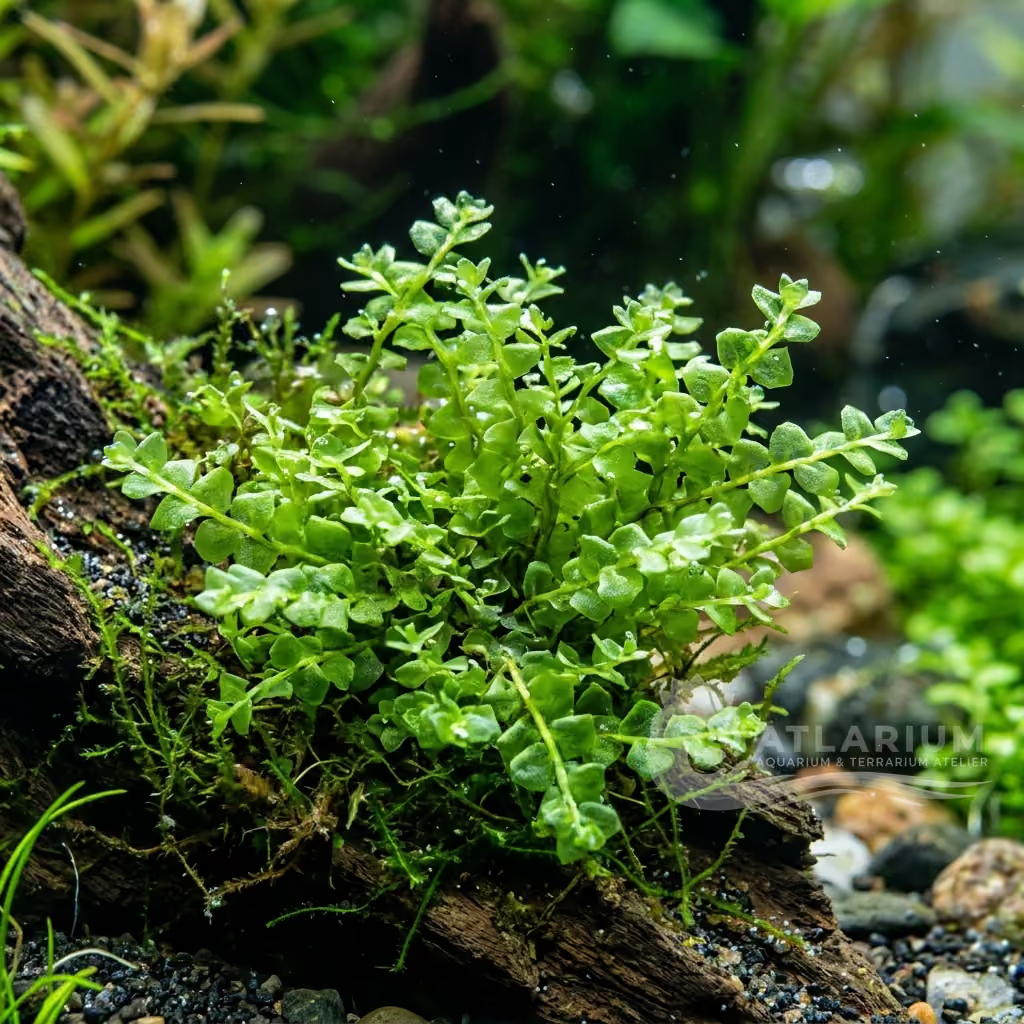
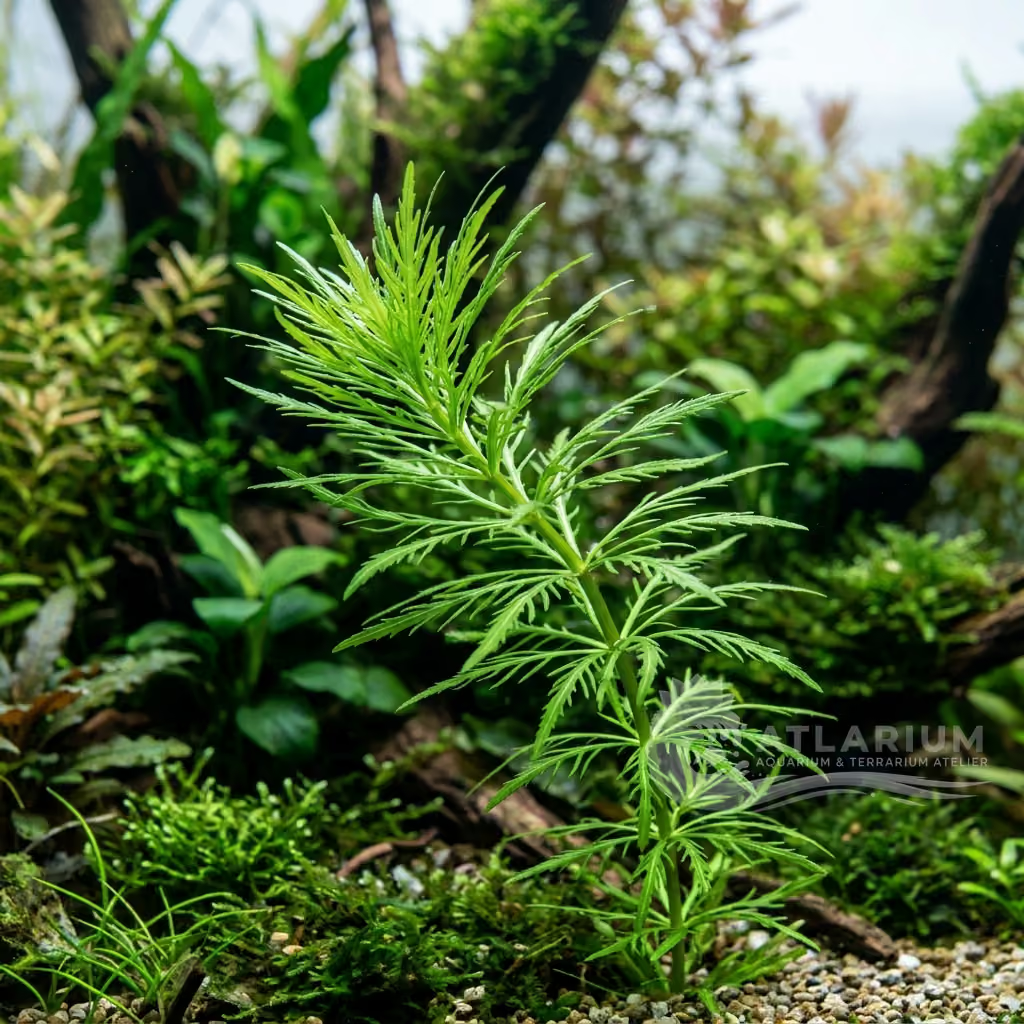
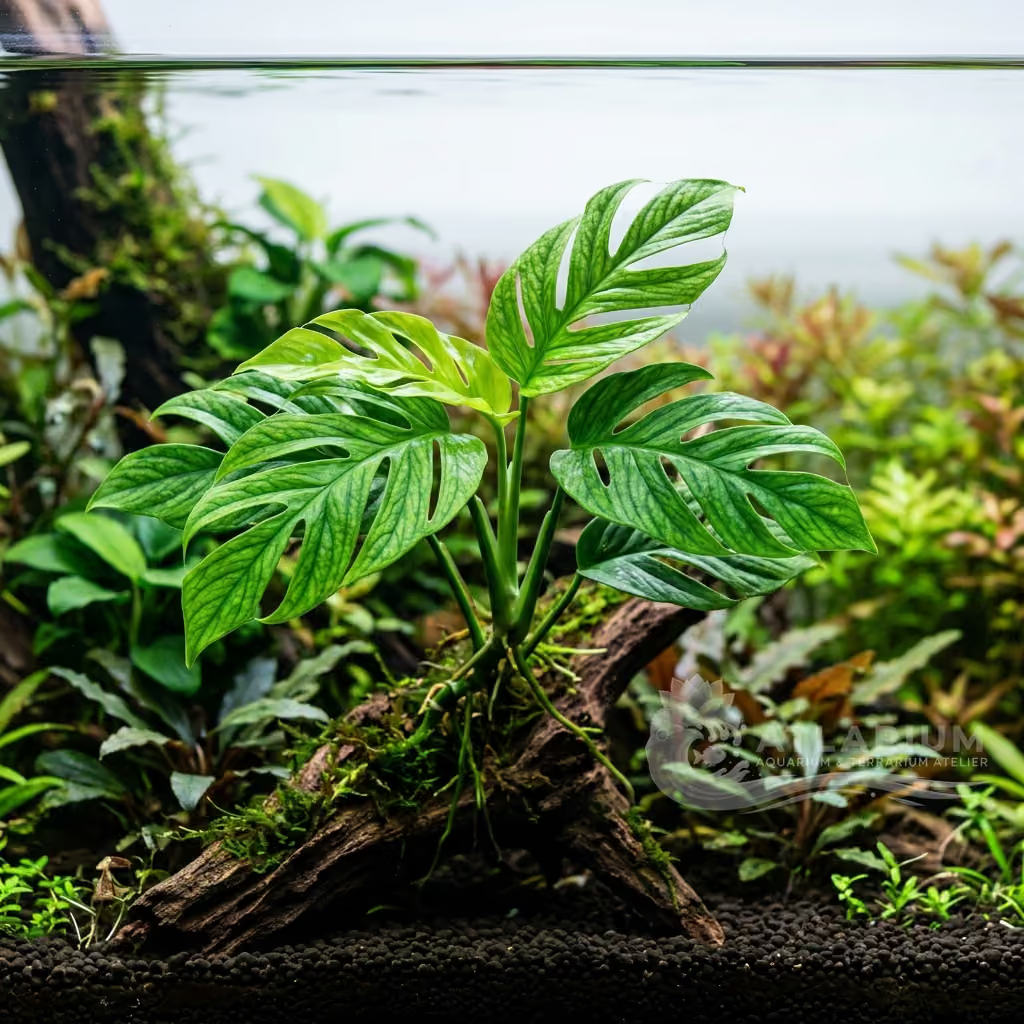
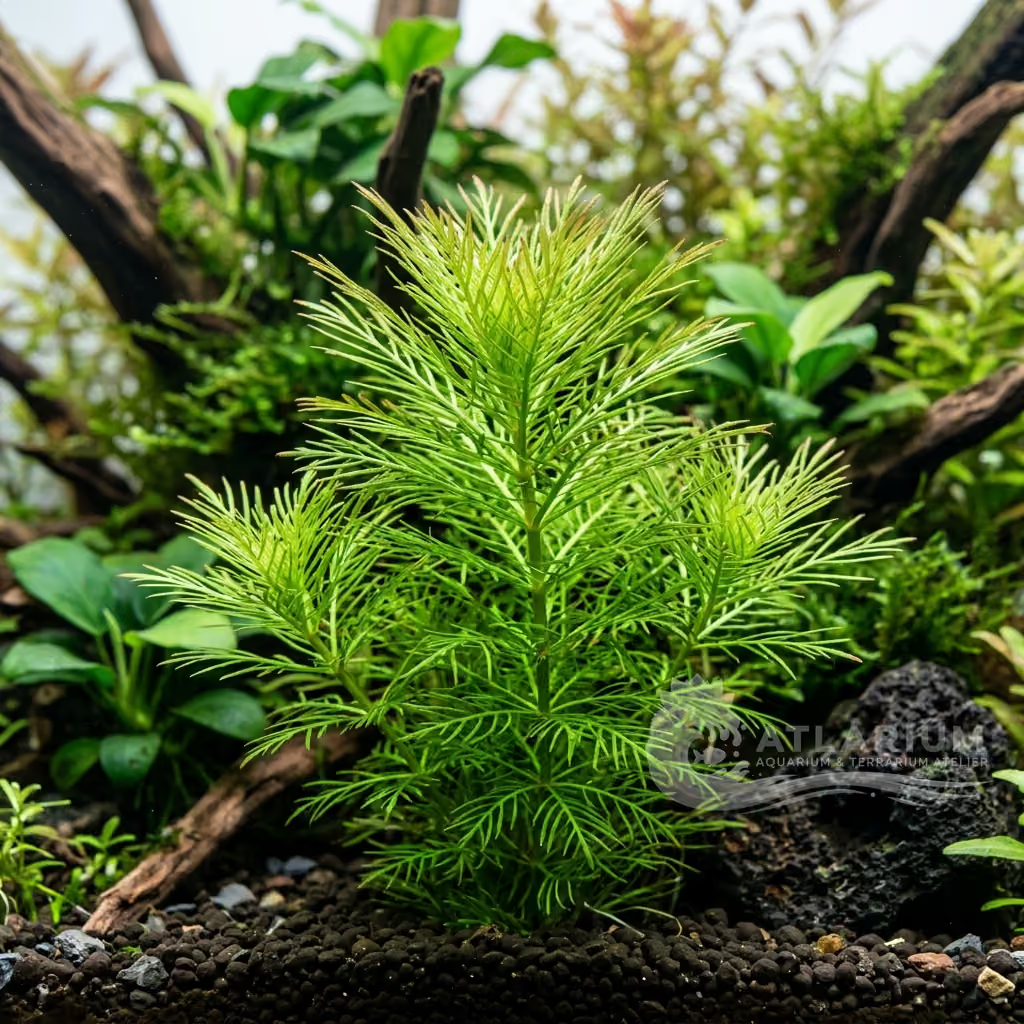
Plagiomnium cf. affine
Plagiomnium cf. affine
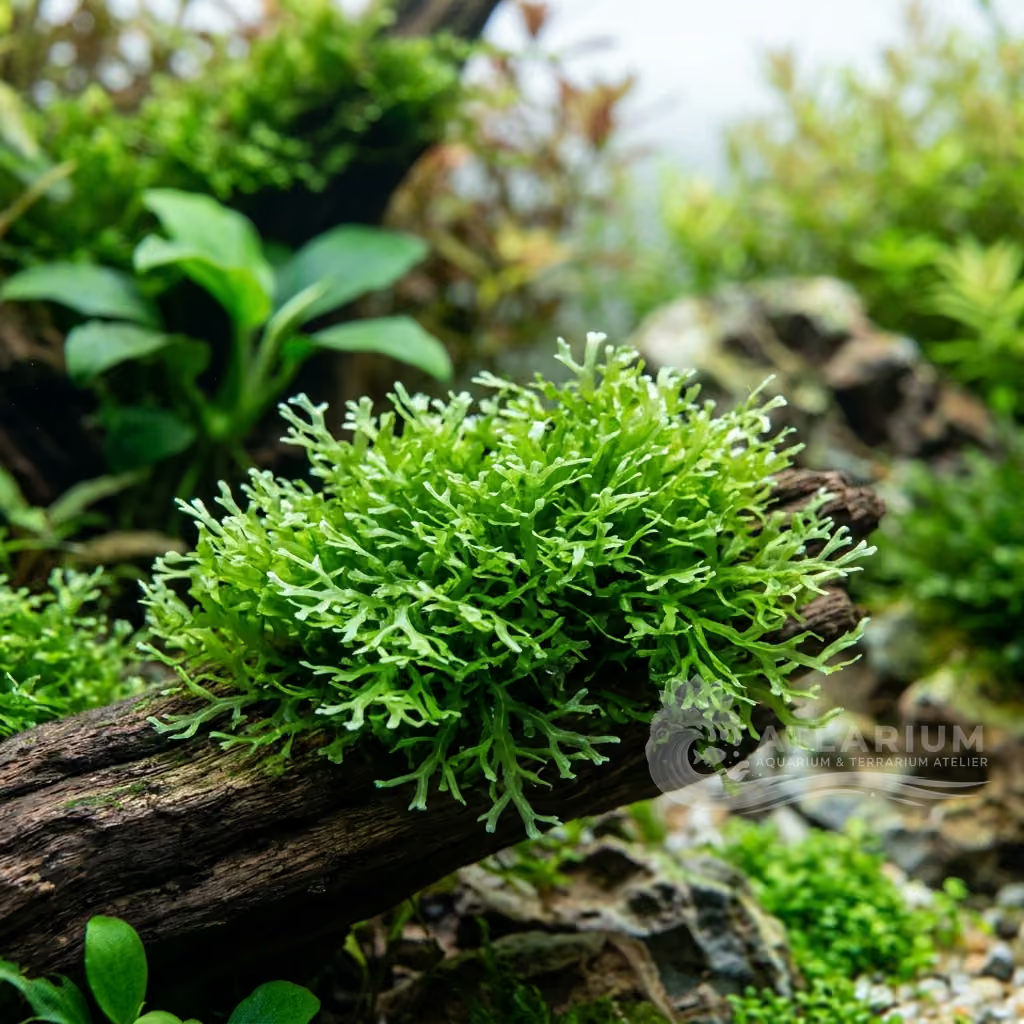
Plagiomnium cf. affine is a very-slow growing moss, best suited for midground placement in an aquascape, offering a naturalistic texture. Its delicate appearance provides excellent cover and breeding grounds for small aquatic inhabitants, contributing to a stable and aesthetically pleasing environment.
Wassertemperatur
20 - 28 °C
pH-Wert
6 - 7.5
Wassertyp
Süßwasser
Licht
Medium to High
CO2
Mittel - Hoch
KH
2 - 10 dKH

Artbeschreibung
Geographical Origin and Habitat: While the "cf." in Plagiomnium cf. affine indicates uncertainty regarding the exact species identification, members of the genus Plagiomnium are generally widespread, often found in temperate to subtropical regions across the Northern Hemisphere. These mosses typically thrive in damp, shaded environments, such as stream banks, moist woodlands, and alongside rocky outcrops, where humidity levels are consistently high. Their natural habitat often involves growing terrestrially or semi-aquatically on soil, rocks, or decaying wood, rarely fully submerged but adapted to periods of inundation.
Taxonomy & Genetics: Plagiomnium cf. affine belongs to the family Mniaceae, a group renowned for its robust and often decorative mosses characterized by distinctive leaf structures. The "cf. affine" designation suggests a strong resemblance to Plagiomnium affine but with slight variations or insufficient data for definitive identification, implying a close genetic relationship or a local ecotype. This taxonomic nuance is common in bryophytes, where morphological plasticity and hybridization can complicate precise species determination without genetic sequencing. Understanding its family background helps predict its general growth habits and environmental preferences.
Physical Structure: Plagiomnium cf. affine typically forms dense, compact cushions or mats, characterized by its upright stems adorned with relatively large, ovate to oblong leaves. These leaves often have distinct midribs and serrated margins, giving the moss a finely textured yet substantial appearance compared to many other aquatic mosses. Its rhizoids are primarily used for attachment rather than nutrient absorption, firmly anchoring the plant to hardscape elements or substrate. The overall structure contributes significantly to creating intricate detailing within an aquascape, offering myriad hiding spots.
Color & Texture: The coloration of Plagiomnium cf. affine ranges from a vibrant light green to a deeper emerald green, especially under optimal lighting and nutrient conditions. Its leaves possess a slightly translucent quality, allowing light to diffuse beautifully through the foliage and enhancing its delicate texture. When cultivated underwater, the moss maintains its lush, velvety appearance, providing a soft contrast to harder aquascape elements like rocks and wood. This rich green hue remains consistent, offering a reliable aesthetic foundation for midground arrangements.

Pflege, Zucht und Mitbewohner
Lighting & CO2: Plagiomnium cf. affine benefits from Medium to High lighting conditions to maintain its compact growth and vibrant green coloration. While it can survive in lower light, its growth will be significantly slower, and its density may be compromised. The introduction of CO2 supplementation is highly recommended, as it greatly enhances the moss's photosynthetic efficiency, leading to more robust growth and a healthier overall appearance, despite its naturally very-slow growth rate. Consistent lighting periods of 8-10 hours per day are ideal to promote stable development.
Nutrition & Substrate: As a moss, Plagiomnium cf. affine absorbs nutrients primarily from the
Water Chemistry: Plagiomnium cf. affine thrives in soft to moderately hard water, with a KH range of 2-12, and a slightly acidic to neutral pH between 6.0 and 7.5. Stable water parameters are paramount for this moss; sudden fluctuations can stress the plant and lead to melting or poor growth. Maintaining a consistent water temperature between 20-28 C (68-82 F) is also important to prevent metabolic slowdowns or overheating. Regular monitoring of these parameters ensures a conducive environment for its delicate structure.
Space Management & Placement: Given its very-slow growth rate and preference for attachment, Plagiomnium cf. affine is ideally suited for midground placement in an aquascape. It can be meticulously attached to rocks, driftwood, or even fine mesh using fishing line or super glue, allowing for precise shaping and integration into the layout. Its ability to form dense cushions makes it excellent for creating natural pockets, accentuating hardscape, or providing a lush foreground texture in larger tanks. Proper initial placement is key, as frequent relocation can disturb its establishment.
Pruning: Due to its very-slow growth rate, Plagiomnium cf. affine requires minimal pruning. When necessary, trimming should be done sparingly, focusing on removing any unruly or discolored sections to maintain the desired shape and density. Using sharp, fine-tipped scissors will prevent excessive damage to the delicate stems and leaves. Over-pruning can set back its growth considerably, so a conservative approach is always recommended to ensure the moss recovers well and continues to thrive.
Risks & Diseases: Plagiomnium cf. affine is generally hardy but can be susceptible to issues like algae overgrowth, particularly in conditions of imbalanced nutrients or excessive light. Black beard algae (BBA) or hair algae can quickly engulf its delicate structure, inhibiting growth and potentially leading to melting. It is also sensitive to sudden shifts in water parameters or strong chemical treatments, which can cause significant stress. Preventing these issues through stable water conditions, balanced fertilization, and good tank hygiene is crucial for its long-term health.

Geografische Herkunft und Verbreitung
While the "cf." in Plagiomnium cf. affine indicates uncertainty regarding the exact species identification, members of the genus Plagiomnium are generally widespread, often found in temperate to subtropical regions across the Northern Hemisphere. These mosses typically thrive in damp, shaded environments, such as stream banks, moist woodlands, and alongside rocky outcrops, where humidity levels are consistently high. Their natural habitat often involves growing terrestrially or semi-aquatically on soil, rocks, or decaying wood, rarely fully submerged but adapted to periods of inundation.
Ursprung
Europa, Mittelmeerraum und WestasienNordamerikaOstasien

Pflanzenprofil
- Platzierung
- Mittelgrund
- This plant is highly versatile and is best placed in the foreground or midground areas. Attaching it to wood or stone creates a very natural, mature aesthetic in the aquascape. Careful placement in areas with gentle to moderate flow prevents debris accumulation. It can also be used to soften harsh transitions between hardscape elements.
- Botanische Form
- moss / liverwort or fern prothallium
- Botanically, Plagiomnium cf. affine is characterized by round to oval leaves along creeping stems. It develops a complex network of branching shoots that form a visually appealing cushion. Its fine texture provides an excellent contrast to broader-leaved species. This dense structure also offers ideal hiding spaces for shrimp and fry.
- Wachstum
- Very slow
- The growth rate is generally slow to moderate, depending heavily on light intensity and CO2 availability. With supplemental CO2 and strong lighting, it will form dense, thick clumps much faster. In lower tech setups, it grows steadily but requires far less maintenance. Periodic thinning is beneficial to ensure light reaches the underlying layers.
- Substrat
- Keiner
- As an epiphyte, Plagiomnium cf. affine does not depend on a nutrient-rich substrate for survival. It prefers to be attached directly to hardscape materials such as porous rocks or driftwood. If placed on the substrate, ensure it is resting on the surface rather than buried, as burying will cause severe rot. A coarse surface allows its rhizoids to anchor securely.
- Säulendüngung
- Empfohlen
- Column fertilization is the primary method of delivering essential nutrients to Plagiomnium cf. affine. Since it lacks a true root system, it absorbs all required elements through its leaf surfaces. A comprehensive liquid fertilizer containing potassium, trace elements, and moderate nitrates is ideal. Consistent dosing yields the most stable and attractive growth.
- Wurzeldüngung
- Keine
- Root tabs and nutrient-rich substrates provide absolutely no benefit to this specific plant. It is entirely incapable of extracting nutrients buried within the soil. Do not attempt to bury it with fertilizer tabs. All nutritional focus should remain strictly on the water column.
- Trimmen
- Gelegentlich
- Trimming Plagiomnium cf. affine requires a careful approach to encourage bushy and attractive regrowth. Use sharp aquascaping scissors to make clean cuts just above a healthy set of leaves or nodes. Regular pruning prevents the lower portions from becoming shaded and bare. The cuttings can often be replanted to propagate the species further.
- Ausbreitung
- Stecklinge
- Propagation is incredibly straightforward and relies on simple mechanical division. By carefully tearing or cutting a clump into smaller sections, you create multiple new plants. These new pieces can be tied or glued to new hardscape locations. Under favorable conditions, the separated clumps will rapidly attach and resume their outward growth.
- Empfindlichkeit
- Mäßig
- Plagiomnium cf. affine can be somewhat sensitive to sudden fluctuations in water parameters, particularly large pH or temperature swings. Algaecides and certain chemical treatments should be used with extreme caution. It requires a stable environment with consistent CO2 levels to prevent melting. Maintaining excellent water quality through regular changes is essential for its well-being.
- Layoutrolle
- Aufsitzerpflanze, Mittelgrund, Vordergrund
- In terms of aquascaping, Plagiomnium cf. affine plays a vital role as a structural or accent element. Its moss nature and vibrant green appearance make it perfect for creating focal points or softening hardscape lines. By grouping several stems or patches together, you can achieve a dense and visually striking effect. It seamlessly bridges the gap between different zones in the aquarium.

Verwandte Arten
Empfehlungen gruppiert nach nahen Verwandten, Auswahl von Begleitern und ähnlicher Betreuung.