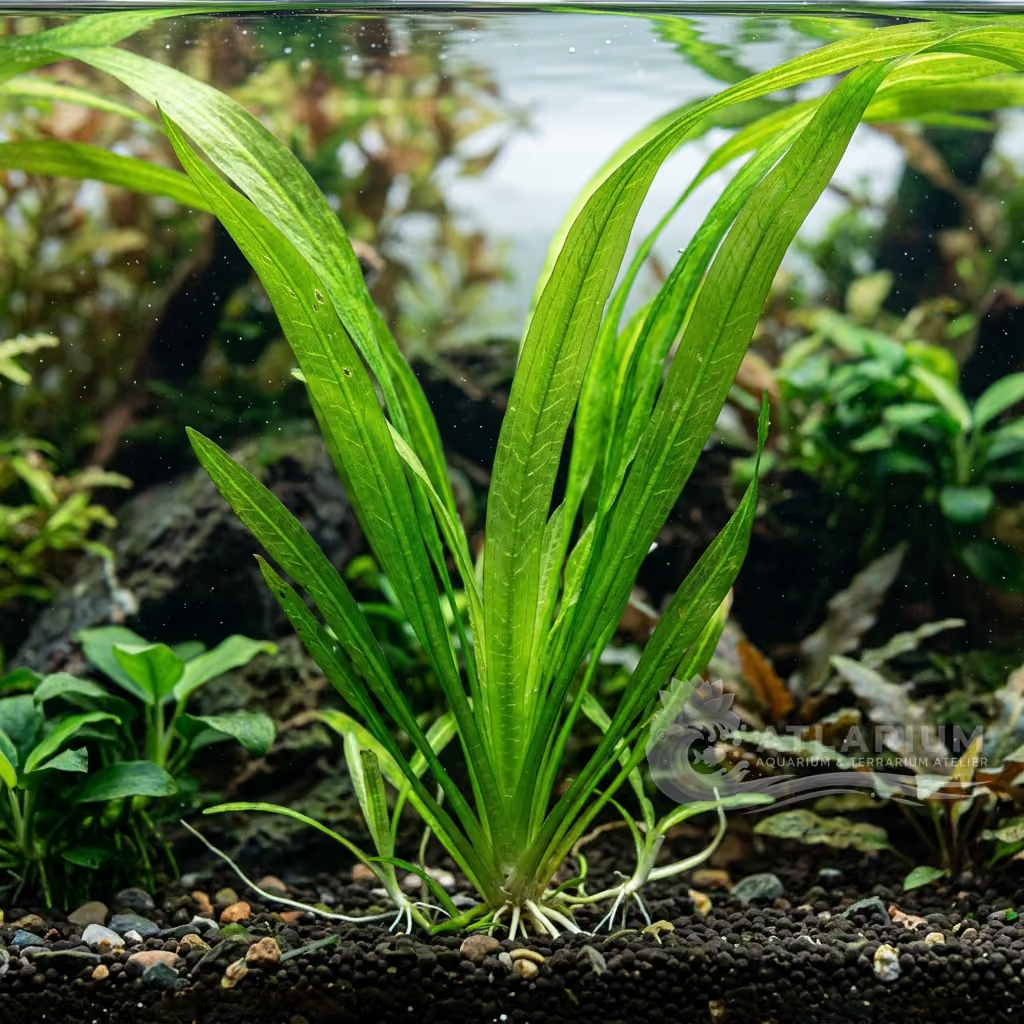
Staurogyne sp. 'Low Grow'
Staurogyne sp. 'Low Grow'
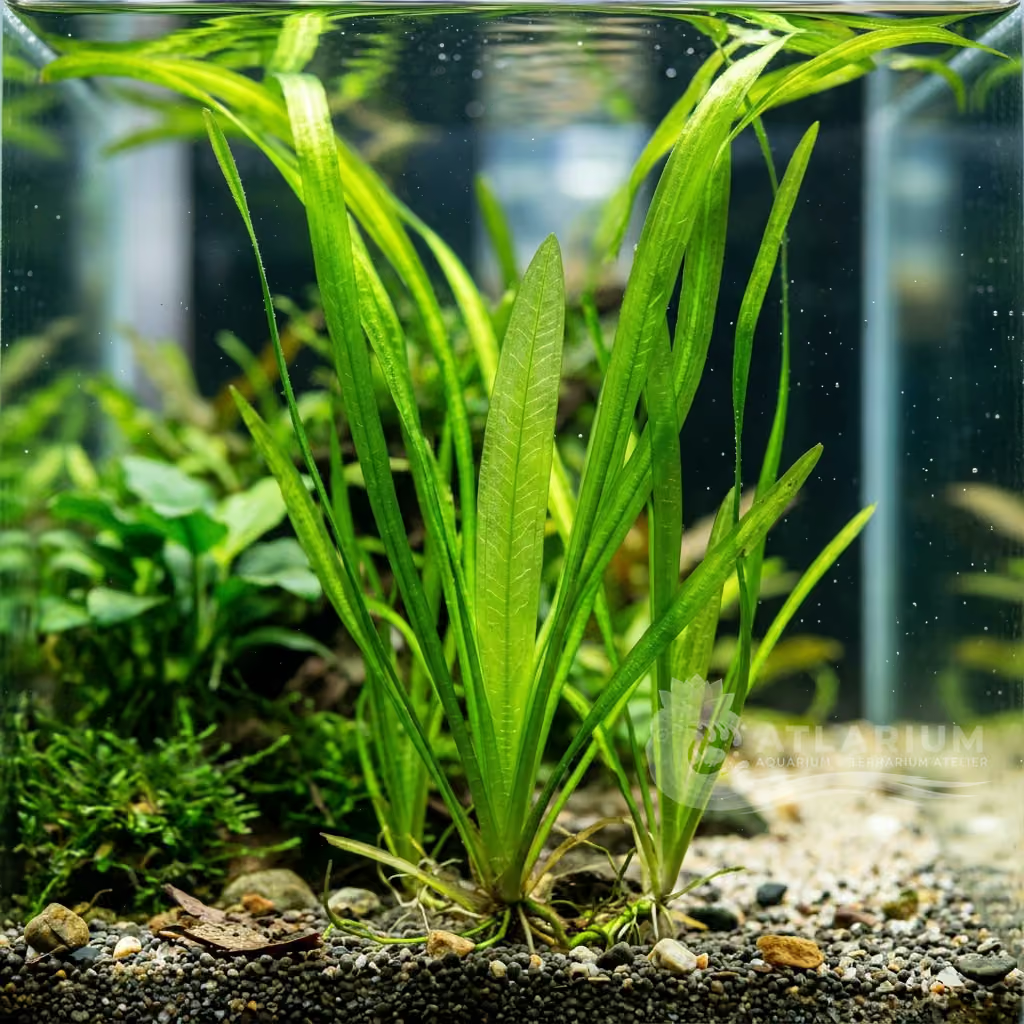
Staurogyne sp. 'Low Grow' is a versatile and compact midground plant that exhibits medium growth, making it excellent for creating dense green carpets or bushy formations. It thrives under proper lighting and CO2 conditions, adding a lush, detailed element to any aquascape.
Wassertemperatur
20 - 30 °C
pH-Wert
6 - 7.5
Wassertyp
Süßwasser
Licht
Medium to High
CO2
Niedrig - Hoch
Erwartete Höhe
8 cm
Erwartete Breite
10 cm
KH
2 - 10 dKH

Artbeschreibung
Geographical Origin and Habitat: While 'Staurogyne sp. 'Low Grow'' denotes a selected variant or ecotype rather than a specific wild species, most wild Staurogyne species originate from the tropical and subtropical regions of South America, particularly Brazil and surrounding areas, where they inhabit slow-moving streams or moist riverbanks. This specific form was likely cultivated for its more contained and compact growth characteristics, making it highly suitable for aquascaping. Its implied origins suggest a warm, stable aquatic environment with nutrient-rich substrates.
Taxonomy & Genetics: Staurogyne sp. 'Low Grow' belongs to the extensive Acanthaceae family, a group of dicotyledonous plants known for their diverse forms and habitats, many of which are utilized in aquaristics. The "sp." (species) designation indicates that the exact botanical identification of the species is undetermined, or it is a hybrid or cultivar not yet formally described with a specific epithet. The suffix "'Low Grow'" is not a scientific name but a common descriptor that highlights its compact growth characteristic, likely derived from genetic selection to optimize its performance in aquariums.
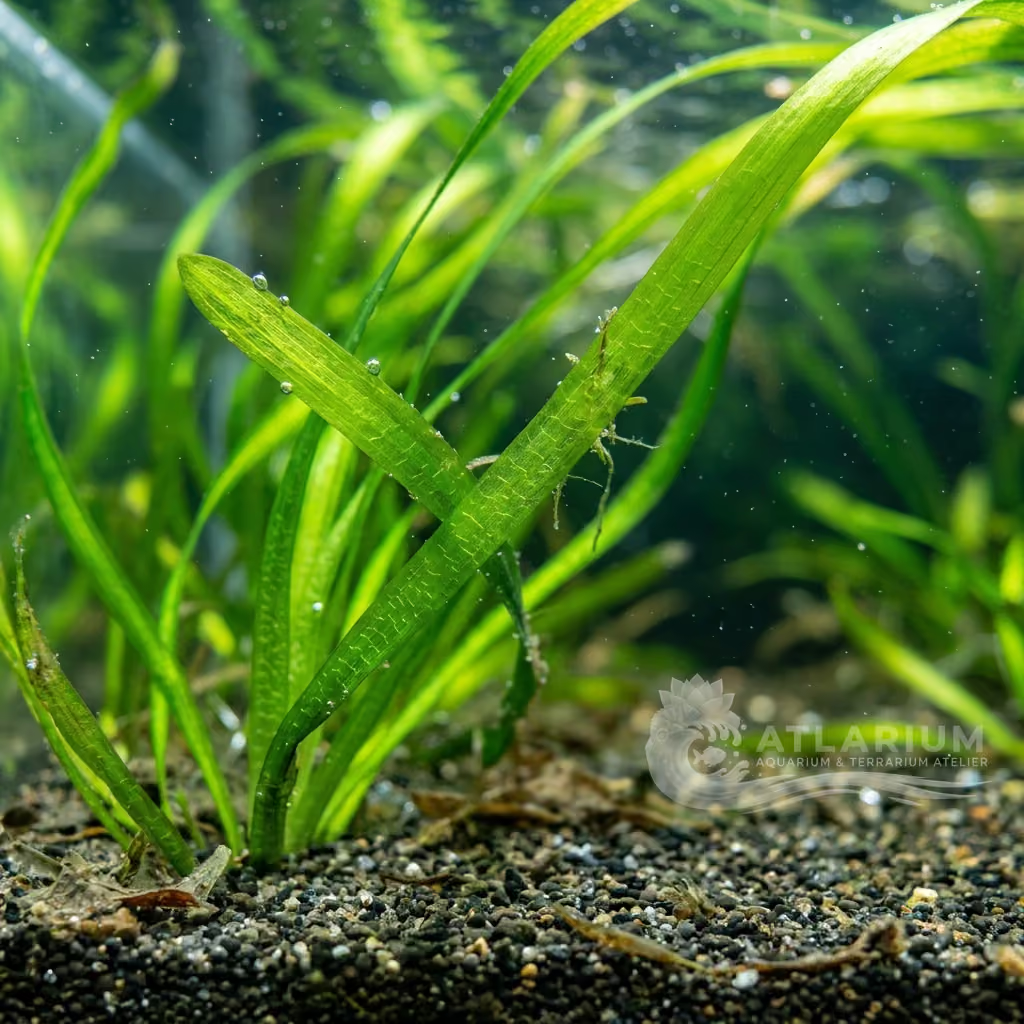
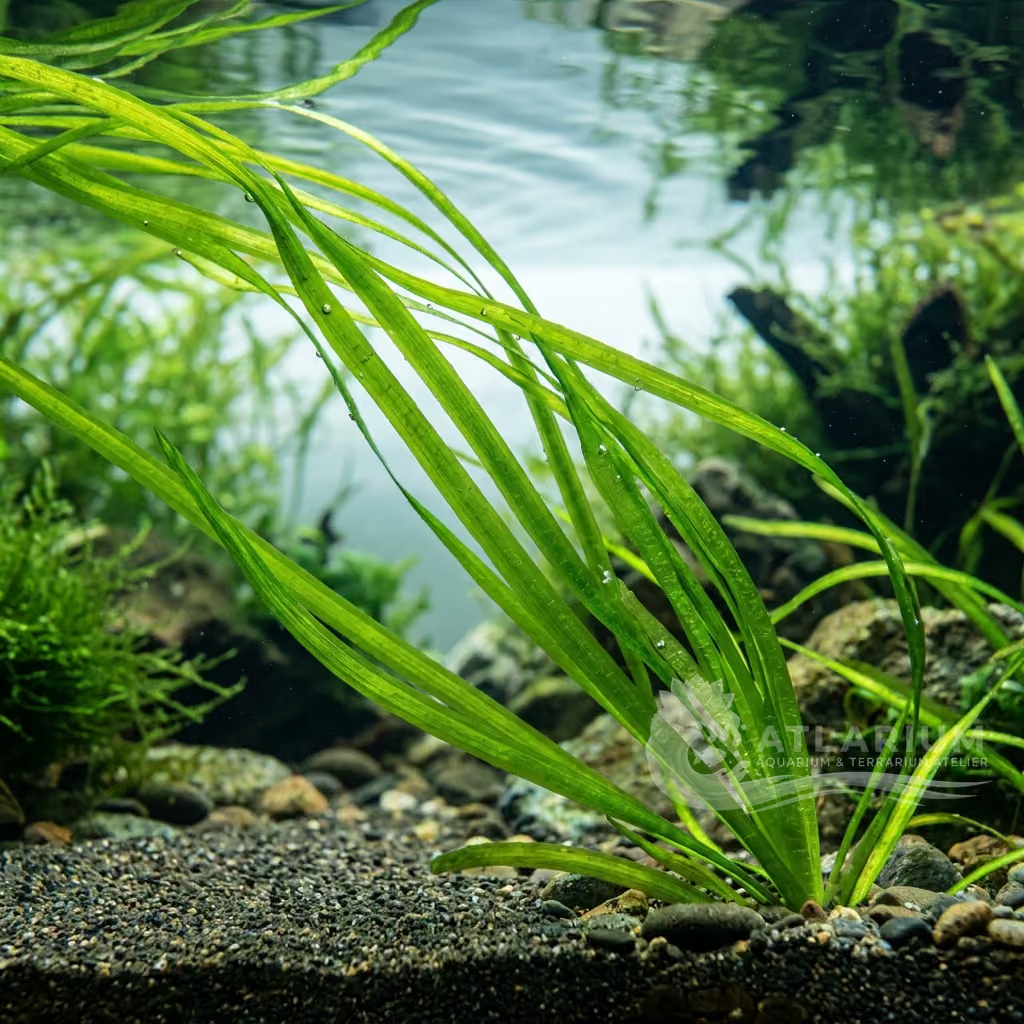
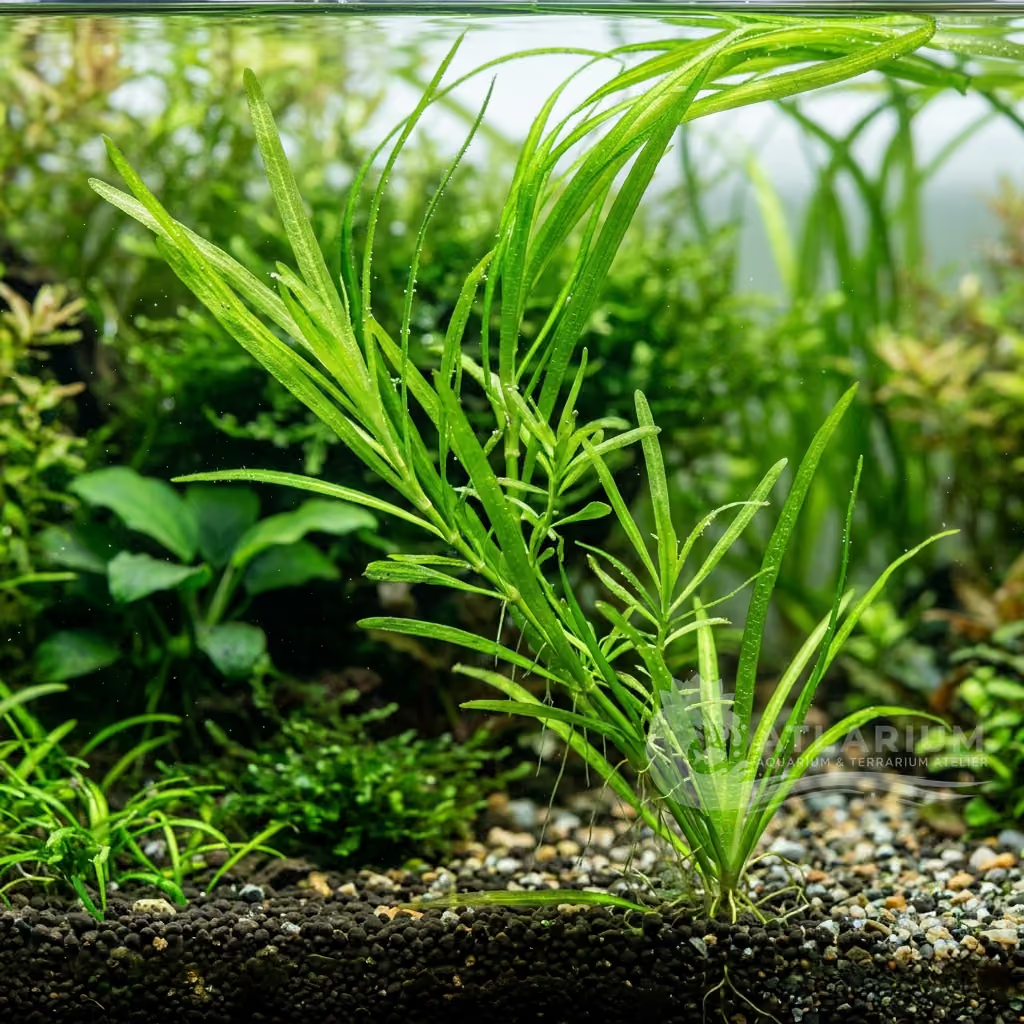
Physical Structure: This Staurogyne variant features relatively slender yet robust stems that tend to grow upright initially, then branch laterally, forming a dense and compact bush. The leaves are lanceolate or ovate, of moderate size, and are arranged oppositely along the stem, giving the plant an orderly and structured appearance. Its root system is well-developed, serving both to firmly anchor the plant to the substrate and to absorb essential nutrients for its vigorous growth.
Color & Texture: The predominant color of Staurogyne sp. 'Low Grow' is a vibrant, bright green, which can vary in intensity depending on lighting conditions and nutrient availability, tending towards a deeper green with good illumination and iron supplementation. The leaves possess a smooth and slightly fleshy texture, contributing to a clean and tidy appearance within the aquarium setup. This uniform coloration and fine texture make it an excellent transition plant that integrates harmoniously with various other plant species.

Pflege, Zucht und Mitbewohner
Lighting & CO2: For optimal growth and a compact habit, Staurogyne sp. 'Low Grow' requires medium to high lighting, preferably with an 8-10 hour photoperiod. Insufficient light can lead to stem elongation (etiolation) and a loss of desired density, while excessive light without adequate nutrients can promote algae growth. Supplemental CO2 injection is highly recommended; levels of 20-30 ppm promote faster growth, more robust leaves, and more intense color, which are essential for a successful aquascaping layout.
Nutrition & Substrate: As a plant that thrives both as a rhizome and a stem plant, Staurogyne sp. 'Low Grow' greatly benefits from a nutritious substrate enriched with clay and peat, or specific commercial aquatic plant substrates.
Water Chemistry: Maintaining stable water parameters is essential for the health of Staurogyne sp. 'Low Grow', thriving in a temperature range between 20.0 and 30.0 C. The ideal pH is between 6.0 and 7.5, while carbonate hardness (KH) should be maintained between 2 and 12. Sudden fluctuations in these parameters can stress the plant, leading to stunted growth or leaf deterioration. Regular and measured water changes are recommended to prevent nitrate buildup and maintain a balanced aquatic environment.
Space Management & Placement: Due to its compact habit and contained growth, Staurogyne sp. 'Low Grow' is ideal for placement in the midground of the aquarium, where it can create a natural transition between taller plants and the foreground. If lighting and CO2 conditions are optimal, it can also be used as a carpeting plant in the foreground, forming a dense green mat. It is important to plant stems with some spacing initially to allow adequate water and light circulation, promoting branching and uniform coverage.
Pruning: Regular pruning is crucial to maintain the desired shape and promote dense, bushy growth of Staurogyne sp. 'Low Grow'. Trimming the stem tips encourages the plant to produce new lateral branches, increasing its density and preventing excessive elongation. It is advisable to remove about 1/3 of the stem's length, favoring clean, precise cuts to minimize stress. The removed apical sections can be easily replanted to propagate new plants, further densifying the layout.
Risks & Diseases: Staurogyne sp. 'Low Grow' is generally robust, but can be susceptible to nutrient deficiencies if fertilizer balance is not maintained, manifesting as yellowing or stunted growth. Like many aquatic plants, it is also sensitive to algal competition, especially in the presence of imbalances between light, CO2, and nutrients. Excessive algal growth can suffocate the plant, hindering photosynthesis. Careful monitoring of water parameters and plant health allows for timely intervention to prevent more severe problems.

Geografische Herkunft und Verbreitung
While 'Staurogyne sp. 'Low Grow'' denotes a selected variant or ecotype rather than a specific wild species, most wild Staurogyne species originate from the tropical and subtropical regions of South America, particularly Brazil and surrounding areas, where they inhabit slow-moving streams or moist riverbanks. This specific form was likely cultivated for its more contained and compact growth characteristics, making it highly suitable for aquascaping. Its implied origins suggest a warm, stable aquatic environment with nutrient-rich substrates.
Ursprung
Extra-Amazonas-Südamerika

Pflanzenprofil
- Platzierung
- Mittelgrund
- As the name implies, it is ideal for the foreground or midground where it can spread outwards to form a thick, undulating bush. It serves perfectly to fill transitions between hardscape stones and finer carpeting plants. Ensure it is not shaded by taller, overhanging flora.
- Botanische Form
- Stängel
- This species features elongated, slightly lanceolate leaves that are a vibrant green, growing along creeping horizontal stems. It is visually somewhat similar to S. repens but typically has slightly narrower leaves and a stronger inherent tendency to crawl along the substrate. It forms very dense root nodes along its stem.
- Wachstum
- Mittel
- It exhibits a moderate growth rate, focusing its energy primarily on lateral rather than vertical expansion. With the addition of CO2 and high light, its growth becomes denser and faster. Under low light, it may lose its creeping habit and begin to reach upwards slowly.
- Substrat
- Hoch
- Staurogyne sp. 'Low Grow' demands a nutrient-rich substrate, such as a high-quality aqua soil, to sustain its compact and creeping habit. The plant anchors itself firmly by developing a strong root system that efficiently extracts necessary minerals. A substrate depth of about 4-5 cm ensures that it has enough space to establish its spreading network of roots.
- Säulendüngung
- Empfohlen
- Regular liquid fertilization is essential to provide the rapidly accessible nutrients needed for its dense foliage. A complete fertilizer containing trace elements prevents chlorosis and stunted new leaves. A steady supply ensures the plant remains vigorous and full.
- Wurzeldüngung
- Empfohlen
- Root feeding is highly beneficial as this plant anchors itself firmly and extensively into the substrate. Utilizing a nutrient-rich aquasoil or inserting root tabs will significantly enhance root development and overall plant vitality. Strong roots correlate directly with thicker, healthier stems.
- Trimmen
- Regelmäßig
- Trimming involves selectively cutting back any shoots that grow vertically to encourage further horizontal spread. Regular pruning helps maintain a low, dense profile and prevents the lower leaves from being shaded out. Trimmed stems can be replanted to fill gaps.
- Ausbreitung
- Stecklinge
- Propagation is simple by cutting the creeping stems or horizontal runners and replanting them. Even small cuttings with a couple of healthy nodes will quickly establish roots in a soft substrate. This makes multiplying the plant quite efficient.
- Empfindlichkeit
- Mäßig
- It is generally hardy but requires stable parameters to avoid leaf melt, similar to other Staurogyne species. Sudden changes in CO2 or extreme shifts in water chemistry can trigger a loss of foliage. Algae can become an issue on older leaves if water circulation is poor.
- Layoutrolle
- Vordergrund, Mittelgrund, group, Nano
- It acts as a superb transition plant, bridging the gap between very low carpets and taller midground groups. Its distinct crawling nature and slightly elongated leaves offer a wonderful textural contrast against both rocks and finer-leaved species. It provides excellent shelter for small shrimp.

Verwandte Arten
Empfehlungen gruppiert nach nahen Verwandten, Auswahl von Begleitern und ähnlicher Betreuung.