Vallisneria caulescens
Vallisneria caulescens
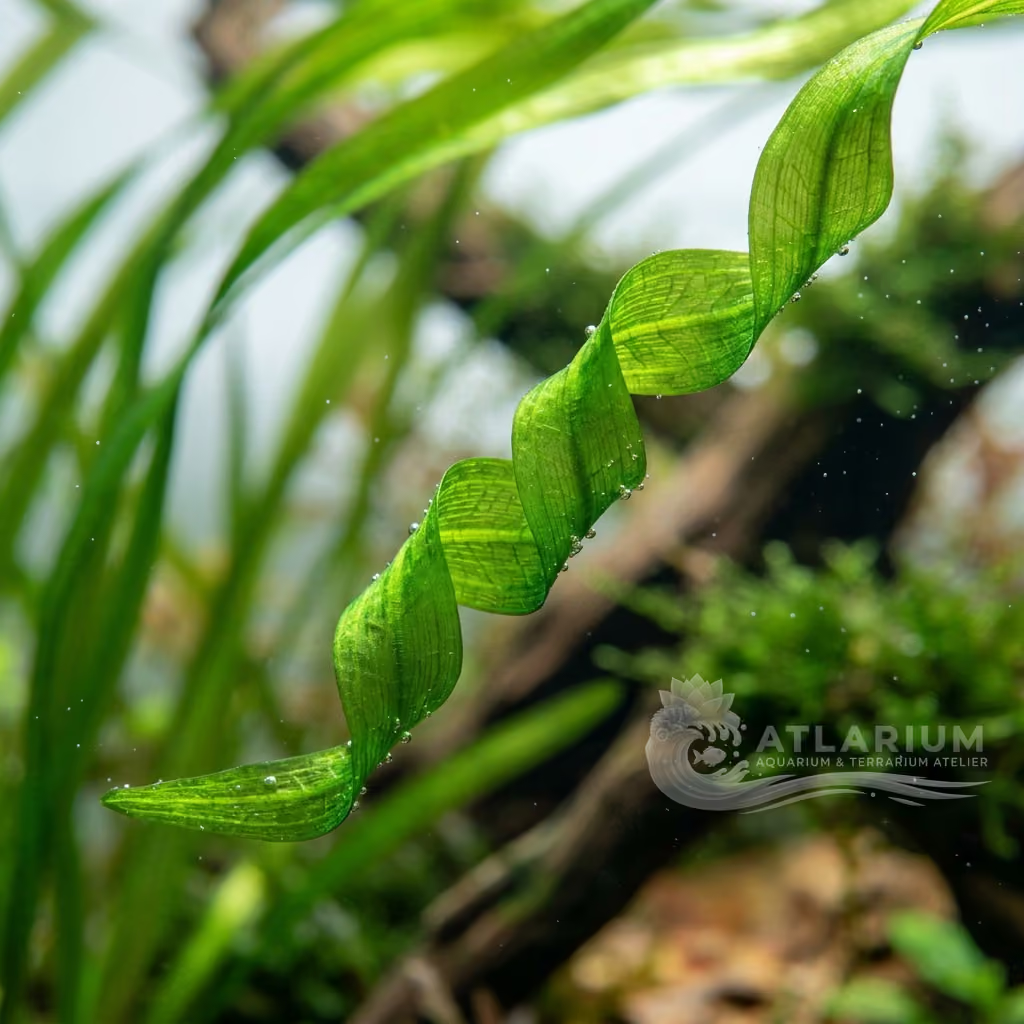
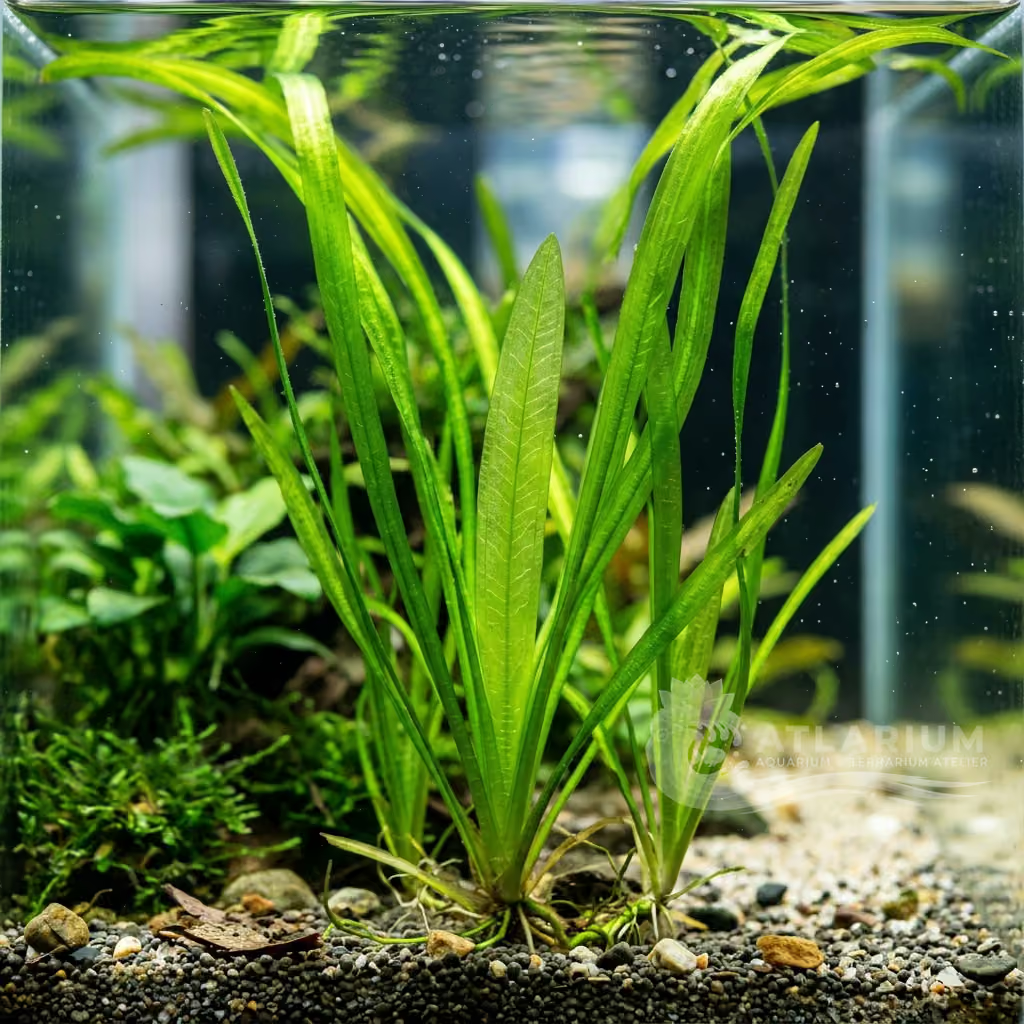
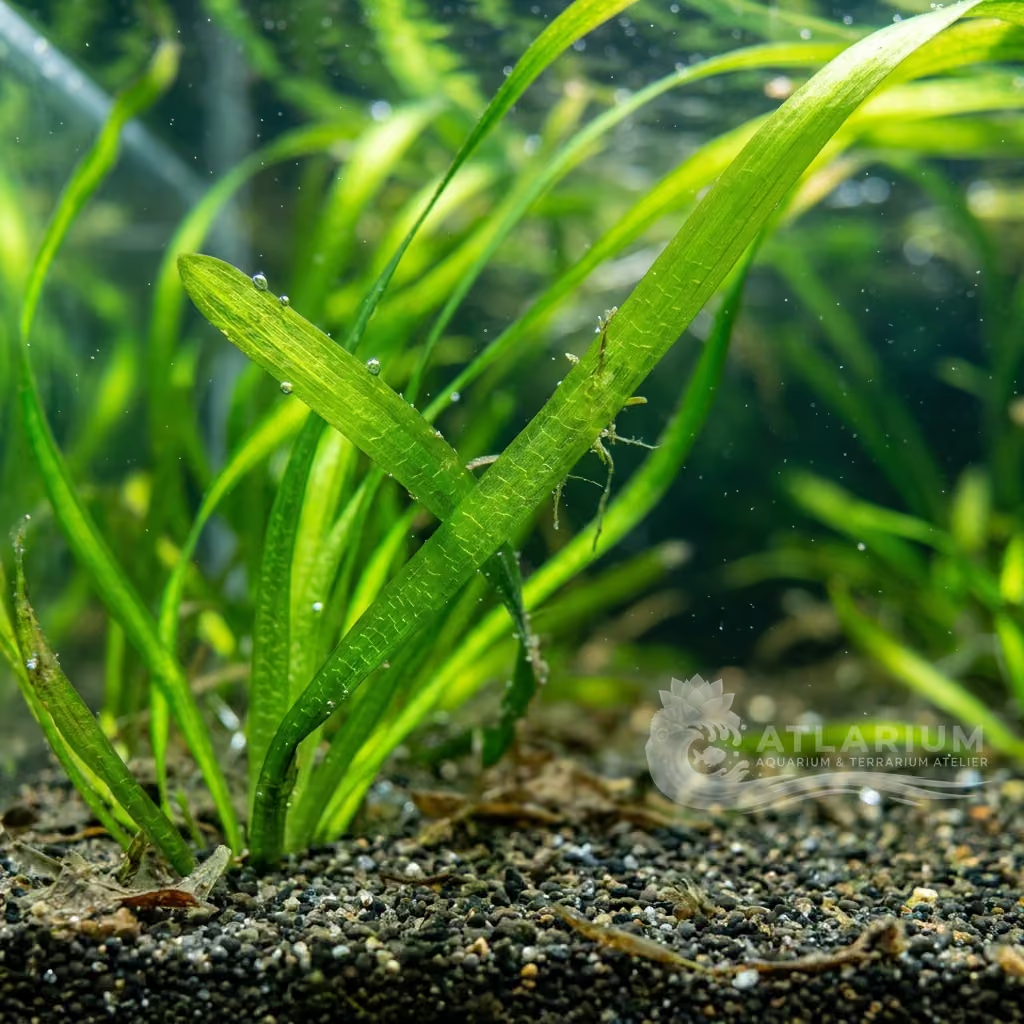
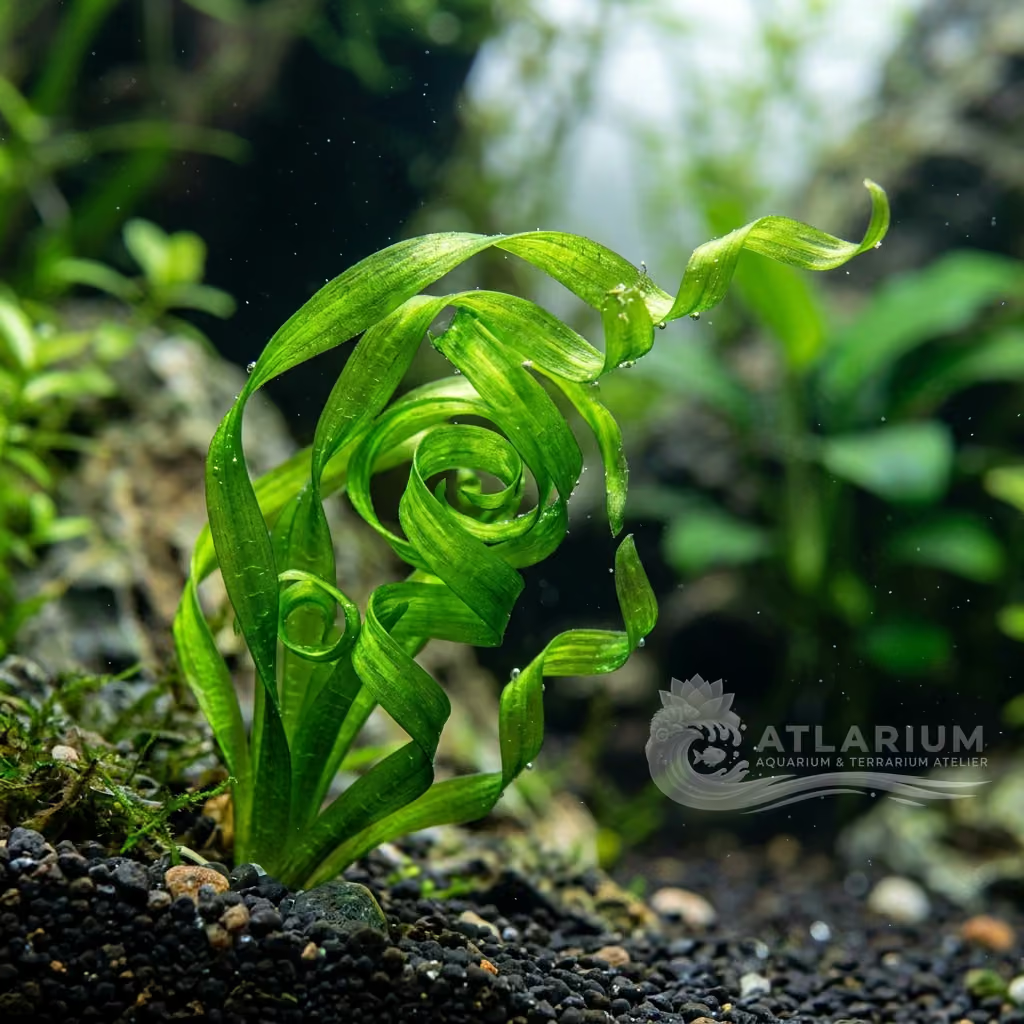
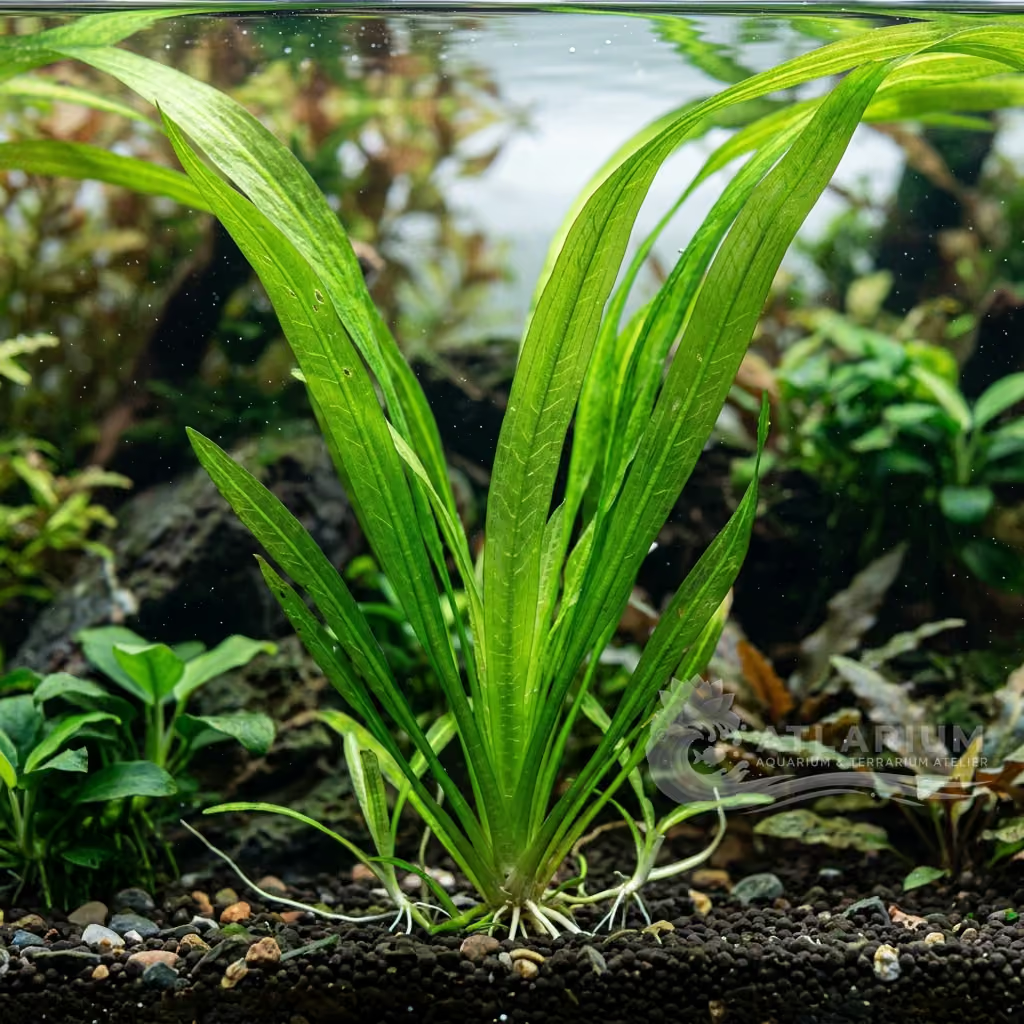
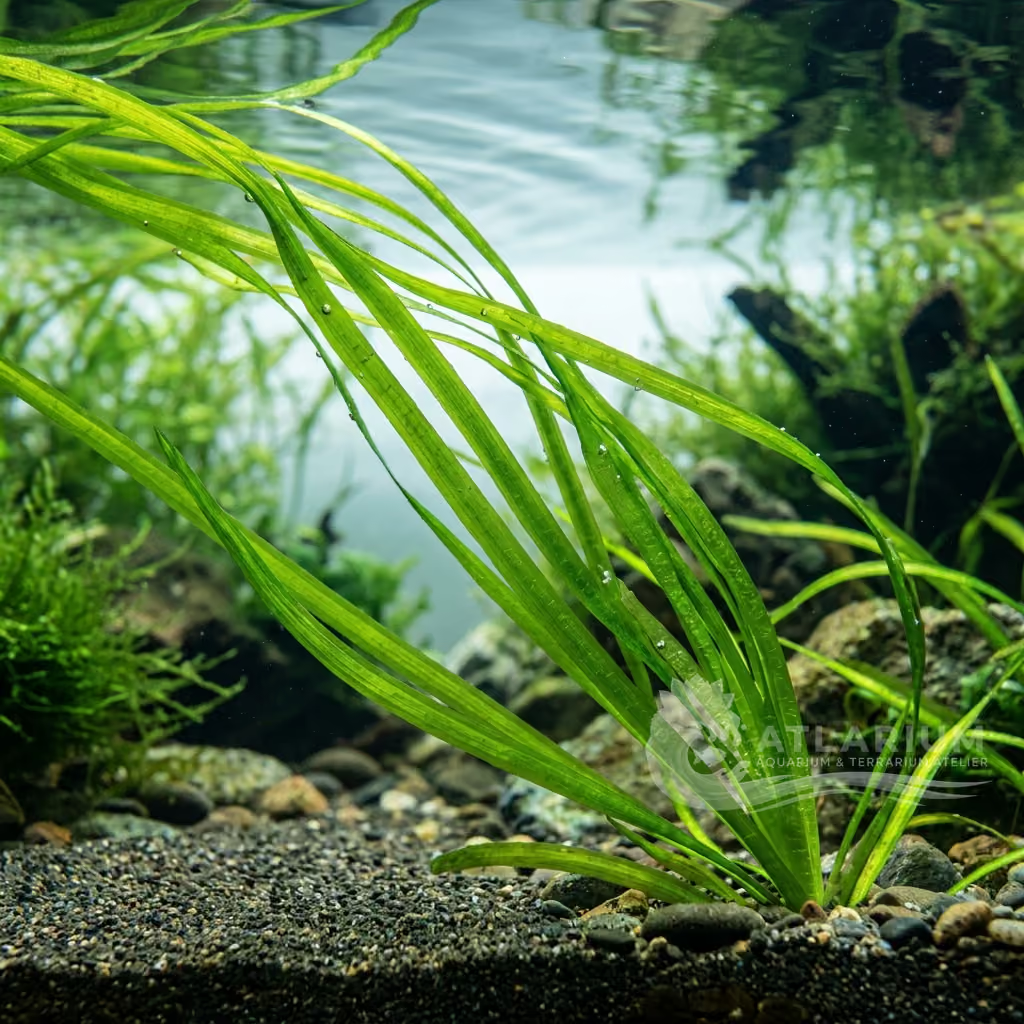
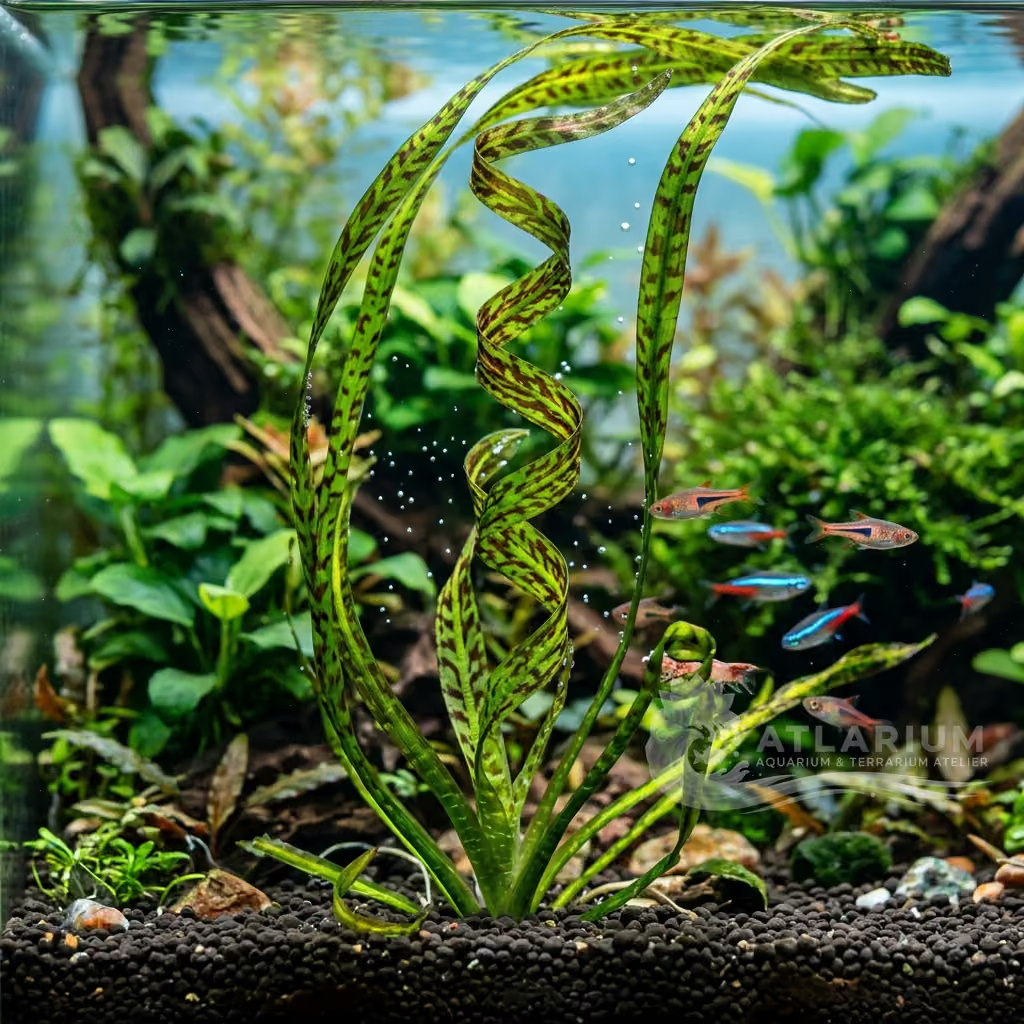
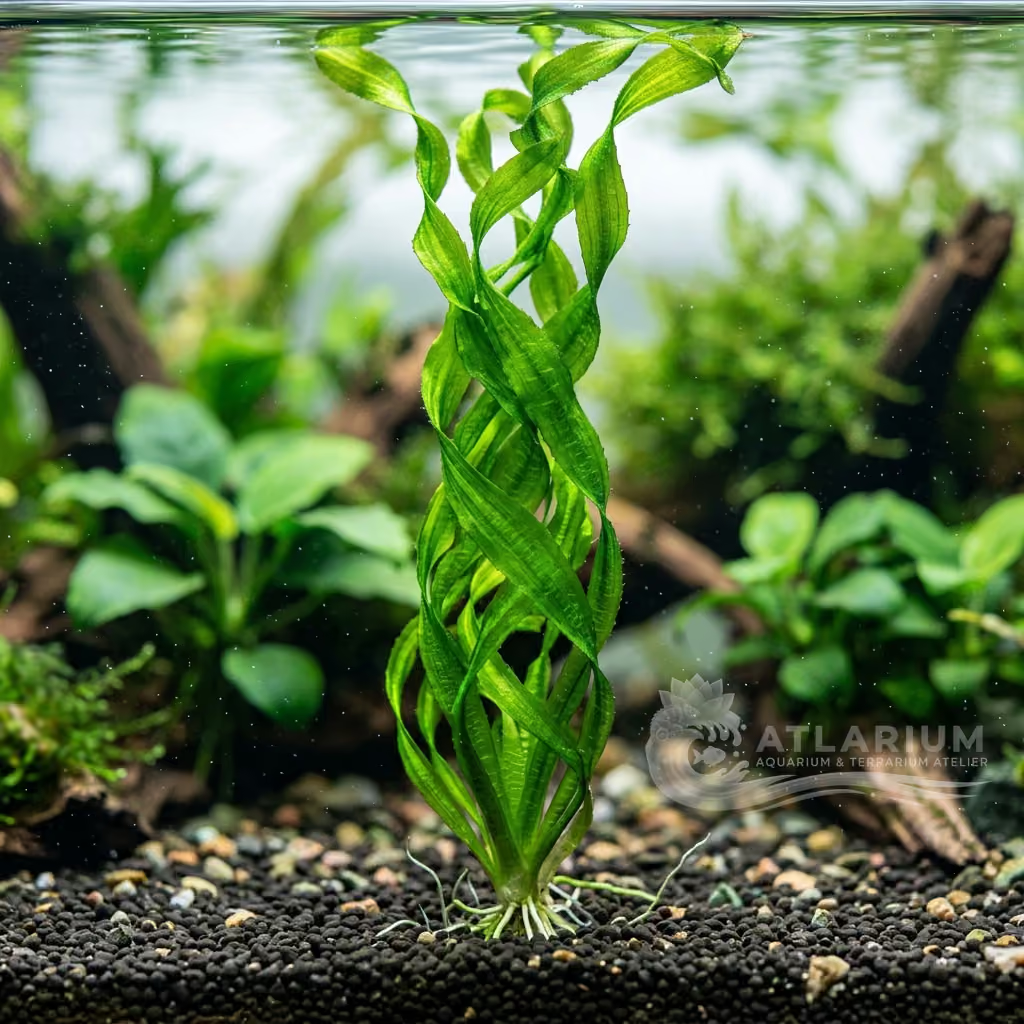
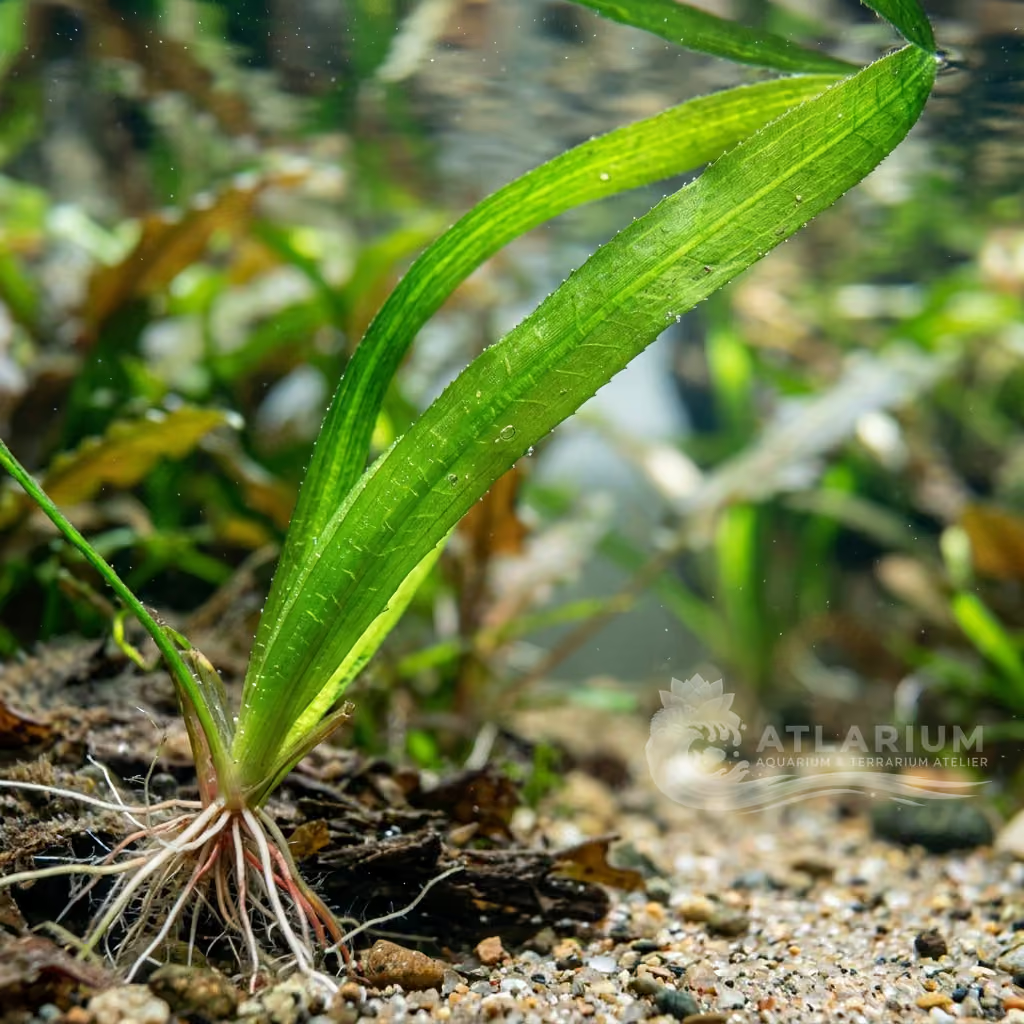
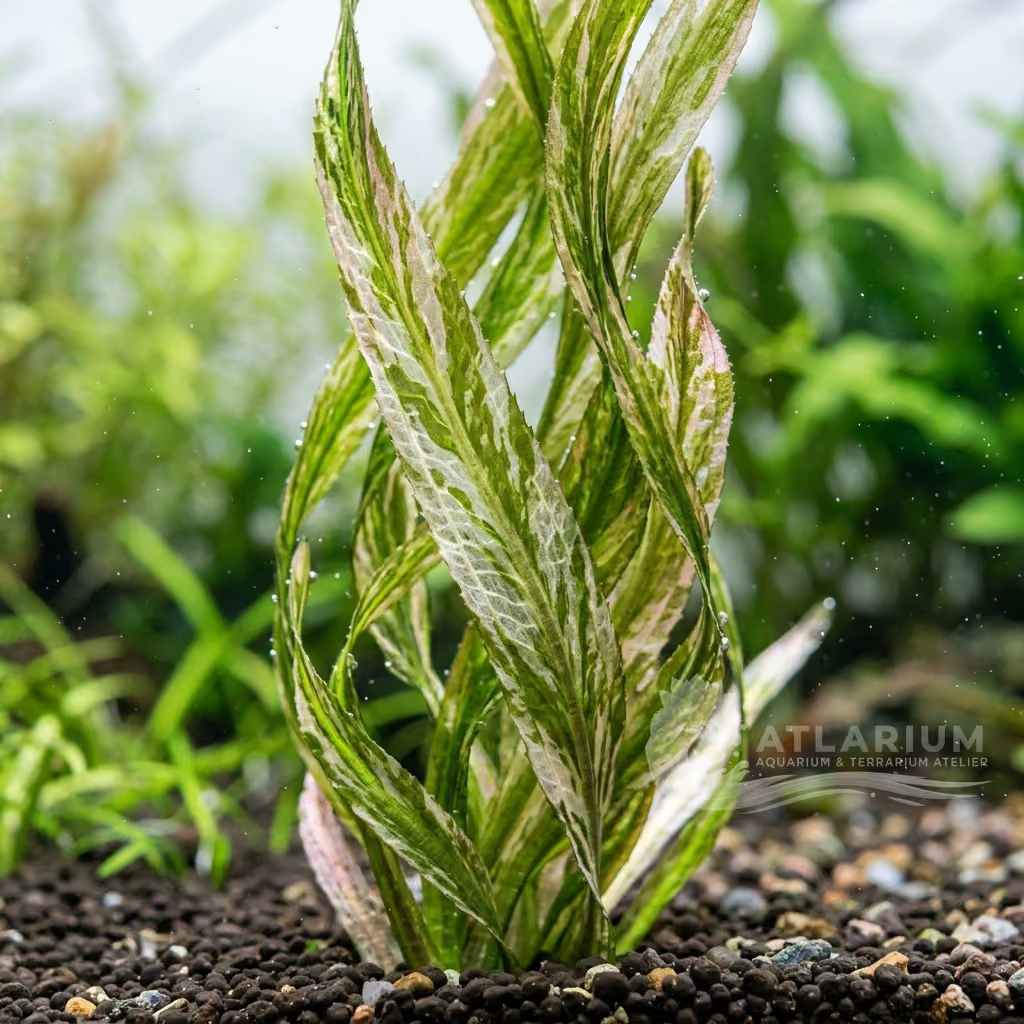
Vallisneria caulescens is a distinctive midground aquatic plant known for its medium growth rate and elegant upright stems with long, ribbon-like leaves. It forms attractive dense stands, providing a natural and lush appearance in the aquarium.
Wassertemperatur
18 - 30 °C
pH-Wert
4.5 - 6.5
Wassertyp
Süßwasser
Licht
Medium to High
CO2
Niedrig - Hoch
KH
1 - 10 dKH

Artbeschreibung
Geographical Origin and Habitat: Vallisneria caulescens, though less common than some other Vallisneria species, originates from tropical regions of Asia and Australia, thriving in freshwater environments such as slow-moving rivers, lakes, and ponds. Its natural habitat is characterized by clear or slightly turbid waters with rich, silty substrates, allowing it to anchor securely and spread via runners. This species adapts to a wide range of environmental conditions, demonstrating remarkable resilience in its native surroundings. Its presence in these ecosystems contributes to substrate stability and offers shelter for various aquatic species.
Taxonomy & Genetics: Belonging to the Hydrocharitaceae family, Vallisneria caulescens stands out within the Vallisneria genus due to its peculiar "caulescent" morphology, meaning it forms an actual stem. This characteristic distinguishes it from most other Vallisneria species, which are typically rosulate and stemless. The epithet "caulescens" specifically highlights this unique taxonomic and structural feature. Genetic studies have confirmed its position within the genus, showcasing its phylogenetic relationships with allied species while also pointing to its distinct adaptive evolutions that led to the formation of the stem.
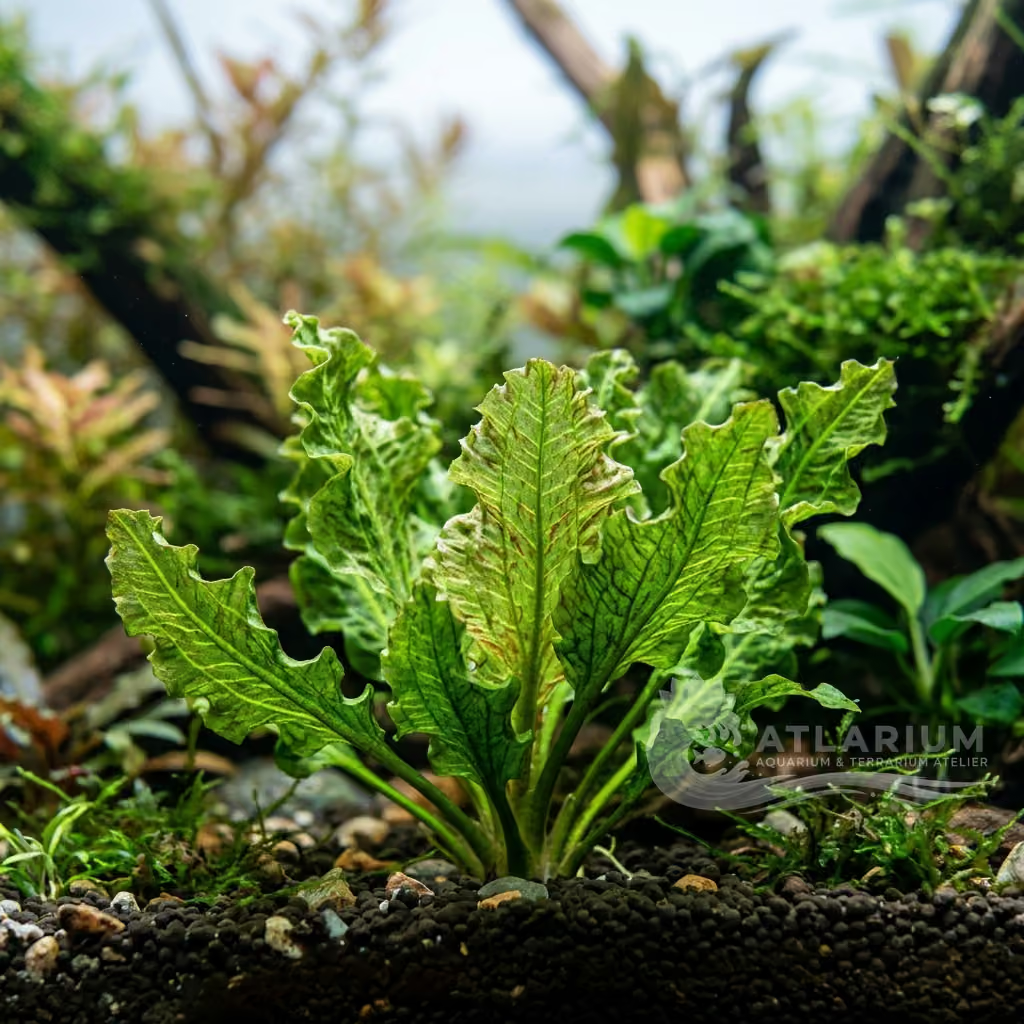
Physical Structure: Vallisneria caulescens exhibits an elegant physical structure that is atypical for the Vallisneria genus, characterized by a true vertical stem from which its leaves emerge, setting it apart from rosulate species. Its leaves are long, narrow, and ribbon-shaped, typically a vibrant medium green, and can reach considerable lengths, gracefully swaying in the current. The stem, although robust, is often semi-submerged or hidden by the density of the leaves, yet it is the distinctive feature that allows the plant to grow upwards. It propagates effectively through subterranean runners, rapidly forming new plantlets that emerge from the substrate.
Color & Texture: The leaves of Vallisneria caulescens display a coloration ranging from medium green to more intense and vibrant hues, sometimes showing reddish tinges under very intense light or nitrogen deficiency. Their surface is smooth and slightly glossy, reflecting light attractively underwater. The texture is robust yet flexible, allowing the leaves to undulate naturally with water movement, adding dynamism to the aquascape. This contrast between the darker stem base and the light-catching leaves creates a deep and engaging visual effect in the aquarium.

Pflege, Zucht und Mitbewohner
Lighting & CO2: For optimal growth, Vallisneria caulescens requires medium to high lighting; insufficient light can stunt growth and cause leaf yellowing. While it can survive with less light, its distinctive features, such as vibrant coloration and vigorous growth, are fully expressed under adequate illumination. CO2 injection is not strictly necessary for this species' survival but is highly recommended to stimulate faster and more lush growth, especially in setups with higher light intensity. A consistent supply of carbon dioxide supports photosynthesis, making the plant more robust and resilient.
Nutrition & Substrate: Vallisneria caulescens is primarily a root feeder, therefore a nutrient-rich substrate is essential for its well-being. Using a fertile substrate or incorporating root tabs beneath the plants will promote vigorous growth and healthy coloration. While it mainly absorbs nutrients through its roots, it also benefits from a balanced liquid fertilization for the uptake of dissolved micronutrients and macroelements in the
Water Chemistry: This species is tolerant of a wide range of water parameters, making it suitable for various aquarium types. It prefers temperatures between 18.0 and 30.0 °C, adapting well to both tropical and temperate aquariums. The ideal pH ranges from 4.5 to 6.5, indicating a preference for slightly acidic waters, but it can tolerate slightly higher values. Carbonate hardness (KH) should be maintained between 1.0 and 10.0, suggesting a preference for soft to medium-hard water, though its robustness allows for some flexibility in this parameter. Maintaining stable conditions is more crucial than achieving extreme values.
Space Management & Placement: Given its growth potential, Vallisneria caulescens is ideal for midground placement, where its long, flowing leaves can create a natural partition or a dense backdrop. Its ability to propagate via runners makes it excellent for establishing thick, lush areas, perfect for concealing equipment or providing shelter for fish. It is important to allow sufficient space for its lateral expansion through rhizomes to prevent it from outcompeting smaller plants or becoming too invasive. Careful layout planning will help manage its growth and maintain the aquarium's harmony.
Pruning: Pruning Vallisneria caulescens is relatively simple and aimed at maintaining the plant's size and health. Older, outer leaves that may yellow or show signs of deterioration should be removed at the base using sharp scissors. It is crucial to avoid cutting leaves midway, as this can cause the remaining part of the leaf to rot and encourage algae growth. To control the spread of the plant and prevent it from becoming too dense, regularly trim and remove excess runners and new plantlets. This type of pruning helps direct the plant's energy towards healthy, controlled growth.
Risks & Diseases: Vallisneria caulescens is generally a robust plant, but it can encounter problems if conditions are not ideal. One of the main risks is "melting" or leaf decomposition, often caused by sudden changes in water parameters or significant stress from transport or acclimatization. Nutritional deficiencies, particularly of iron or potassium, can manifest as yellowing (chlorosis) or holes in the leaves. Algae can proliferate on its leaves if the balance between light, CO2, and nutrients is not maintained, or in the presence of excess organic matter. It is also sensitive to some algaecides and copper-based medications, which can cause significant damage.

Geografische Herkunft und Verbreitung
Vallisneria caulescens, though less common than some other Vallisneria species, originates from tropical regions of Asia and Australia, thriving in freshwater environments such as slow-moving rivers, lakes, and ponds. Its natural habitat is characterized by clear or slightly turbid waters with rich, silty substrates, allowing it to anchor securely and spread via runners. This species adapts to a wide range of environmental conditions, demonstrating remarkable resilience in its native surroundings. Its presence in these ecosystems contributes to substrate stability and offers shelter for various aquatic species.
Ursprung
Süd- und SüdostasienAustralien, Neuguinea und Ozeanien

Pflanzenprofil
- Platzierung
- Mittelgrund
- It is best suited for the midground or background of the aquarium, depending on the tank height. Because it forms upright stems rather than long trailing ribbons, it creates a distinct vertical element. Place it where it receives plenty of light without being overshadowed.
- Botanische Form
- Stängel
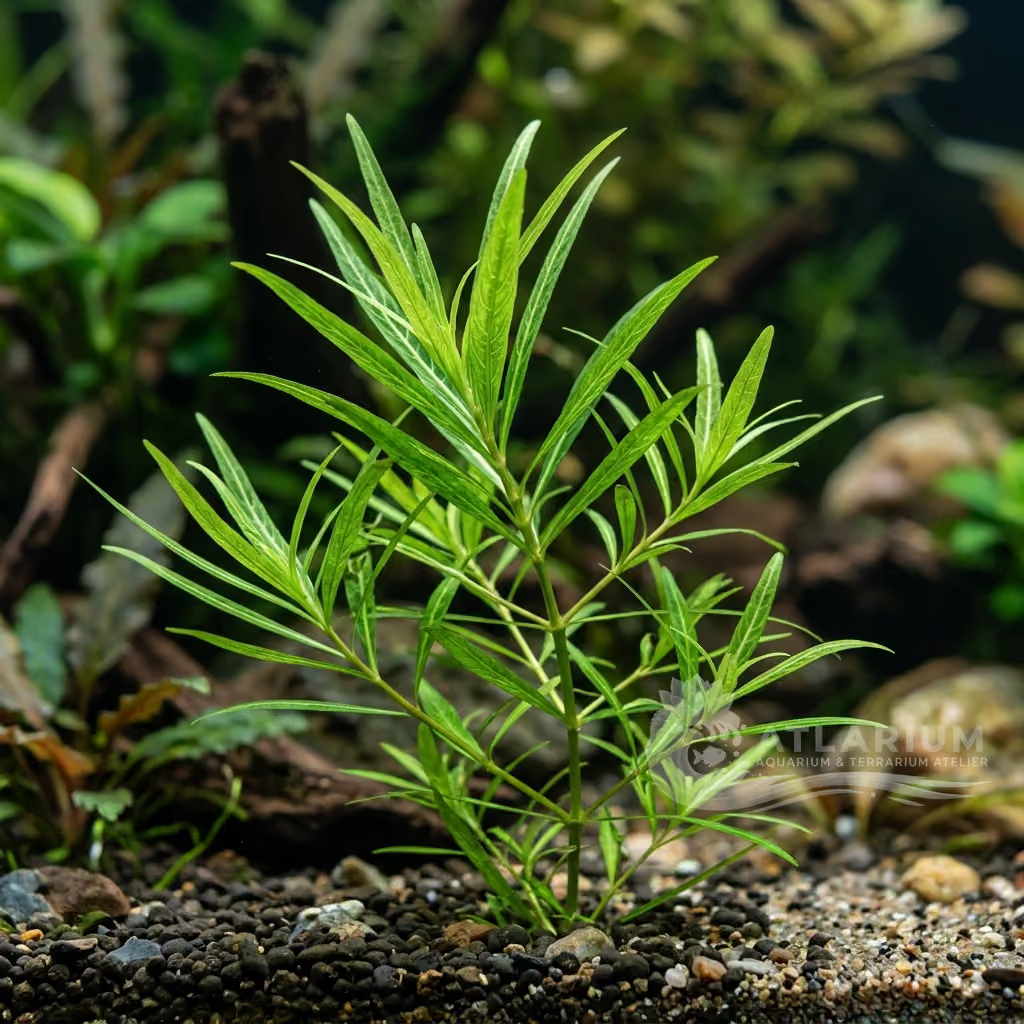
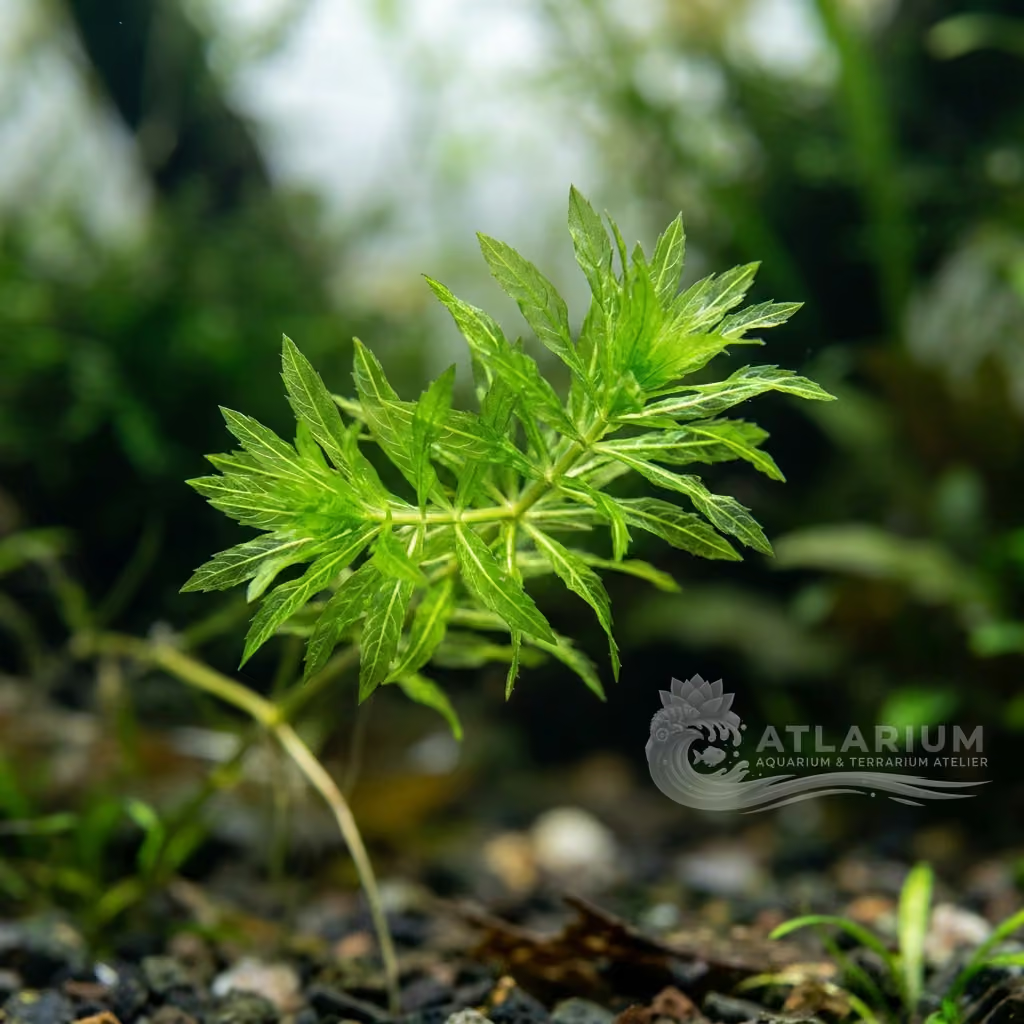
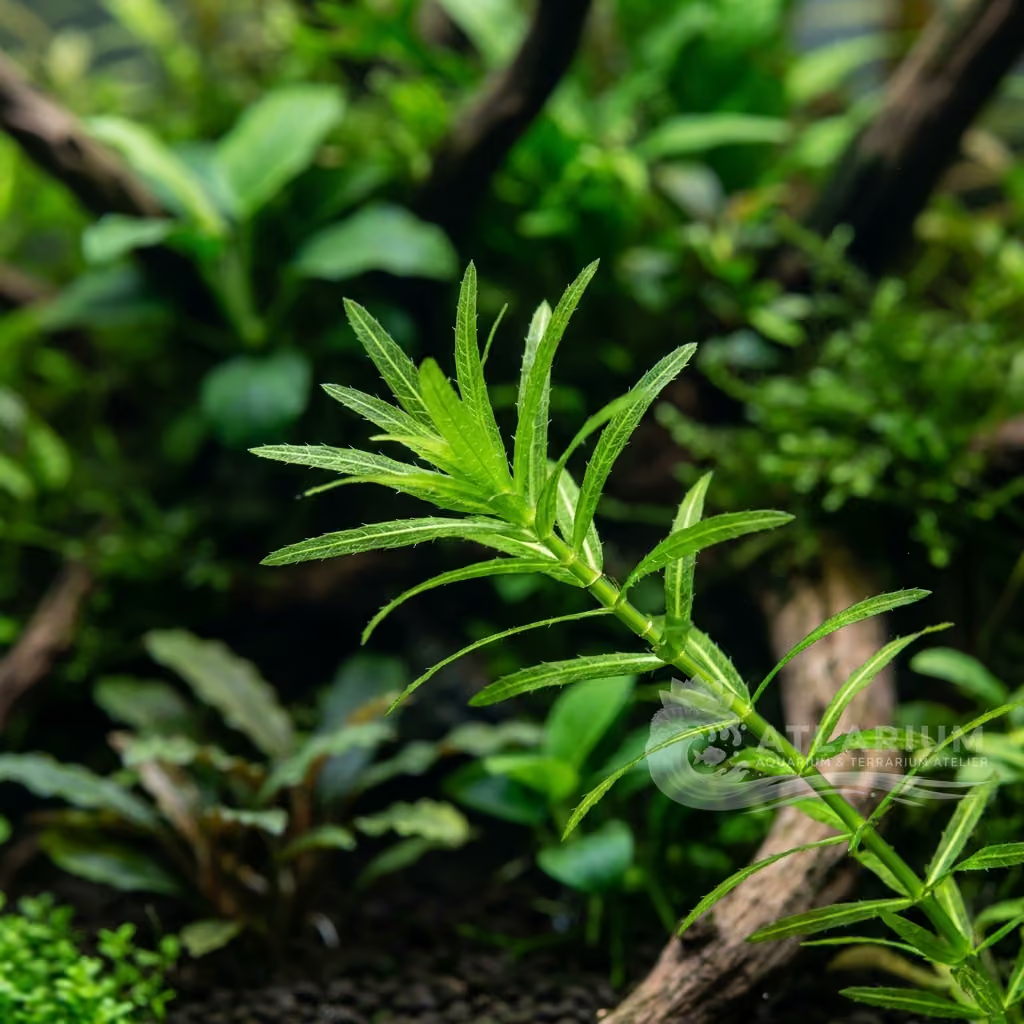
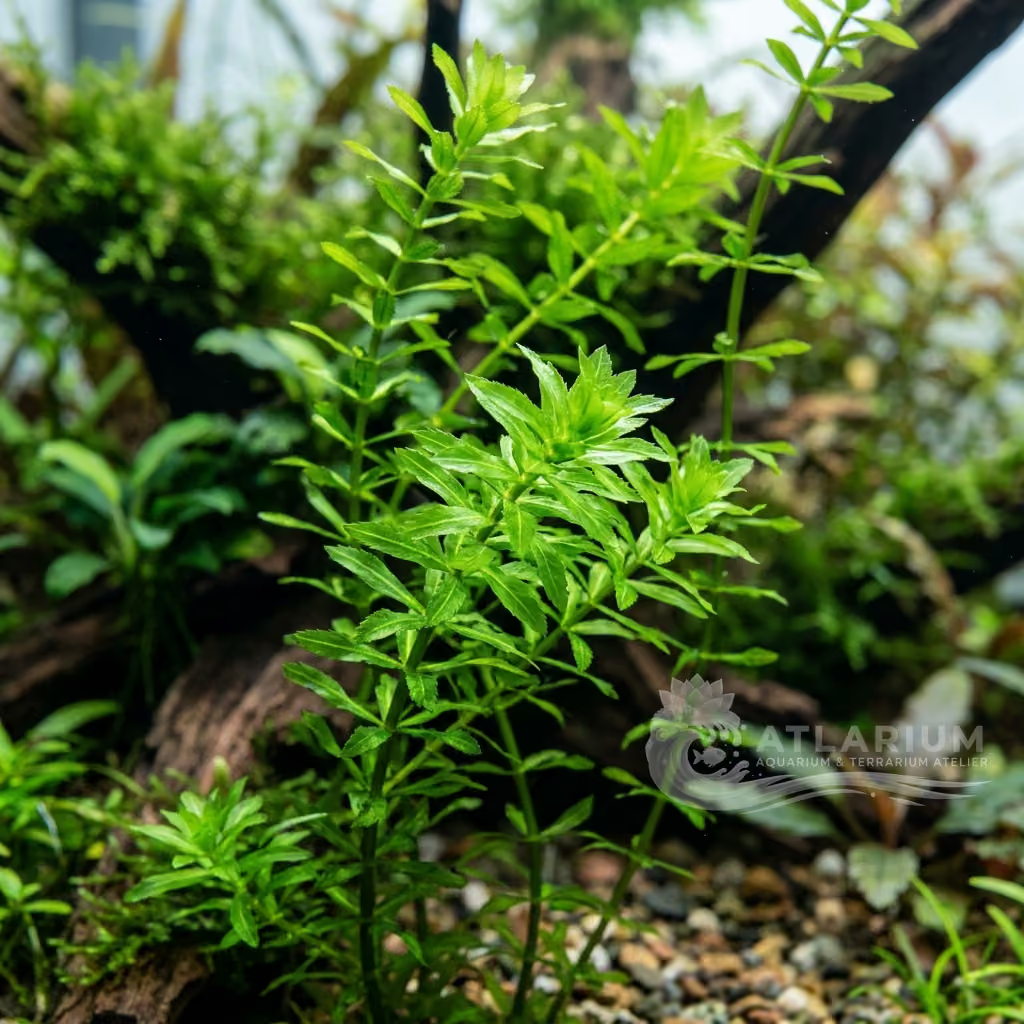
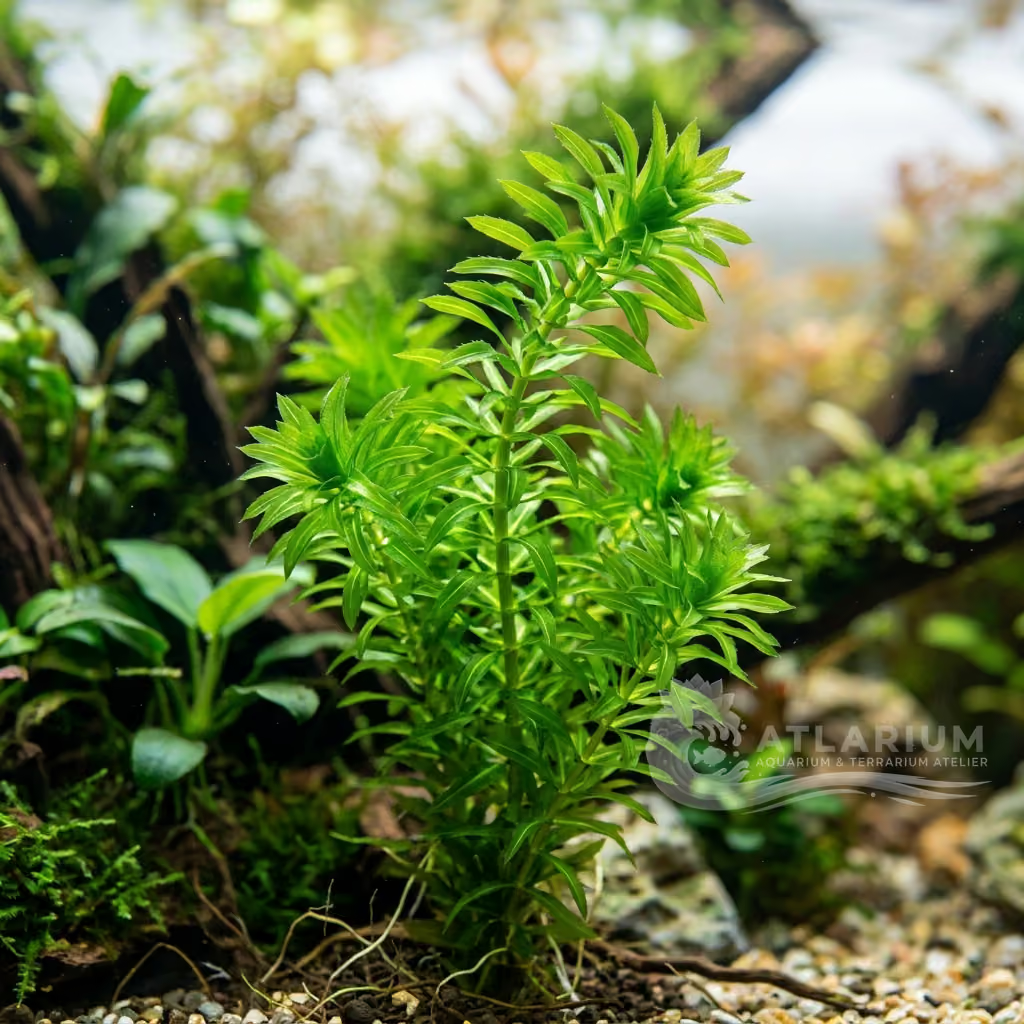
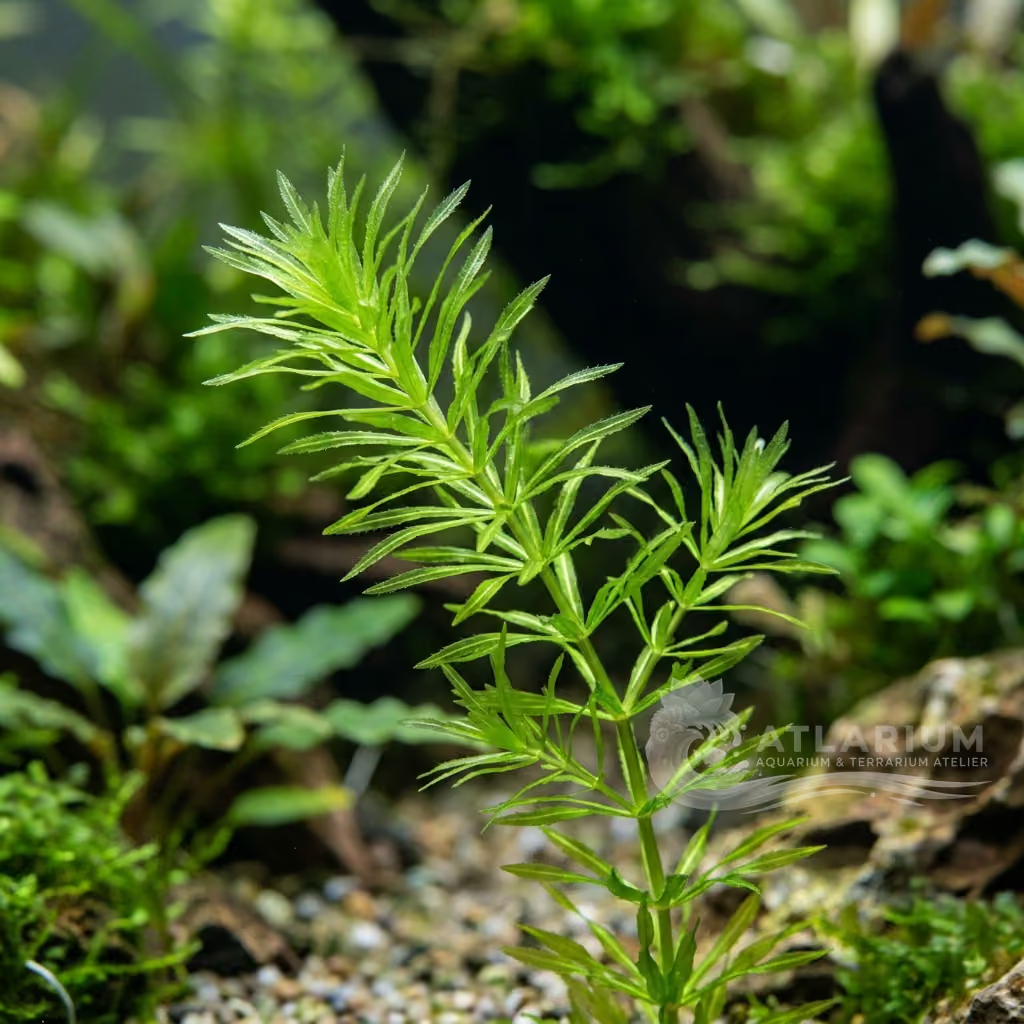
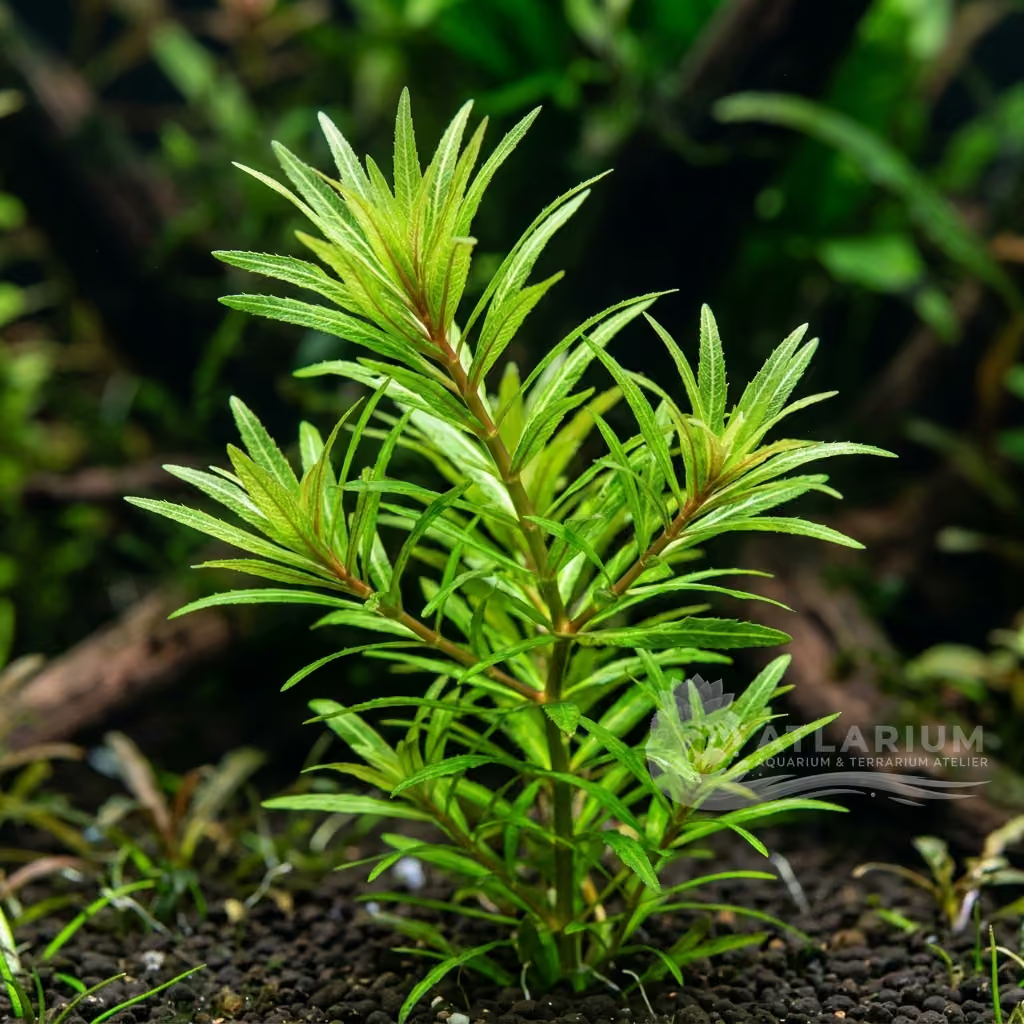
- Unlike the typical rosette form of other Vallisneria species, V. caulescens grows a distinct stem with alternate leaves. The leaves are relatively short, broad, and somewhat rigid. This gives it an appearance more akin to a strict stem plant than a ribbon grass.
- Wachstum
- Mittel
- The growth rate is moderate, which is unusual for a Vallisneria. It takes time to establish and develop its distinct stem-like structure. Under optimal conditions with high light and CO2, its vertical growth accelerates significantly.
- Substrat
- Hoch
- *Vallisneria caulescens* possesses a vigorous root system that strongly demands a nutrient-rich substrate, such as aquatic soil or supplemented gravel, for optimal growth. Providing a substrate depth of 2 to 3 inches (5-8 cm) allows the roots to anchor securely and facilitates the spread of its lateral runners. This species absorbs the majority of its essential macronutrients through its roots, making a fertile bed critical for maintaining its health and promoting steady development.
- Säulendüngung
- Empfohlen
- Liquid fertilization is crucial for maintaining healthy foliage and vibrant green coloration. A regular dosing schedule of trace elements and macronutrients supports its leaf development. It absorbs a fair amount of nutrients directly from the water column through its stem leaves.
- Wurzeldüngung
- Empfohlen
- Despite its stem-like habit, it still develops a robust root system that appreciates nutrient-rich substrate. Using a good aquasoil or root tabs will promote stronger vertical growth and better overall health. Well-fed roots help the plant anchor securely and resist uprooting.
- Trimmen
- Gelegentlich
- It can be trimmed by cutting the stem at the desired height, much like typical stem plants. The remaining bottom portion will often sprout new side shoots. Regular trimming helps maintain a bushy appearance and prevents it from reaching the surface too quickly.
- Ausbreitung
- Ausläufer
- Propagation is easily achieved by taking stem cuttings and replanting the tops into the substrate. It may also occasionally produce runners at the base, similar to its relatives. Both methods yield healthy new plants if given adequate light and nutrients.
- Empfindlichkeit
- Mäßig
- This species is somewhat sensitive to sudden changes in water parameters and requires stable conditions. It needs higher light levels than most Vallisneria and may drop its lower leaves if shaded. It is also sensitive to liquid carbon treatments.
- Layoutrolle
- Mittelgrund, Hintergrund
- It offers a unique structural element in an aquascape, bridging the gap between typical stem plants and grassy textures. It provides an excellent focal point in the midground or a structured background. Its distinctive upright posture breaks the visual monotony of traditional Vallisneria backgrounds.

Verwandte Arten
Empfehlungen gruppiert nach nahen Verwandten, Auswahl von Begleitern und ähnlicher Betreuung.