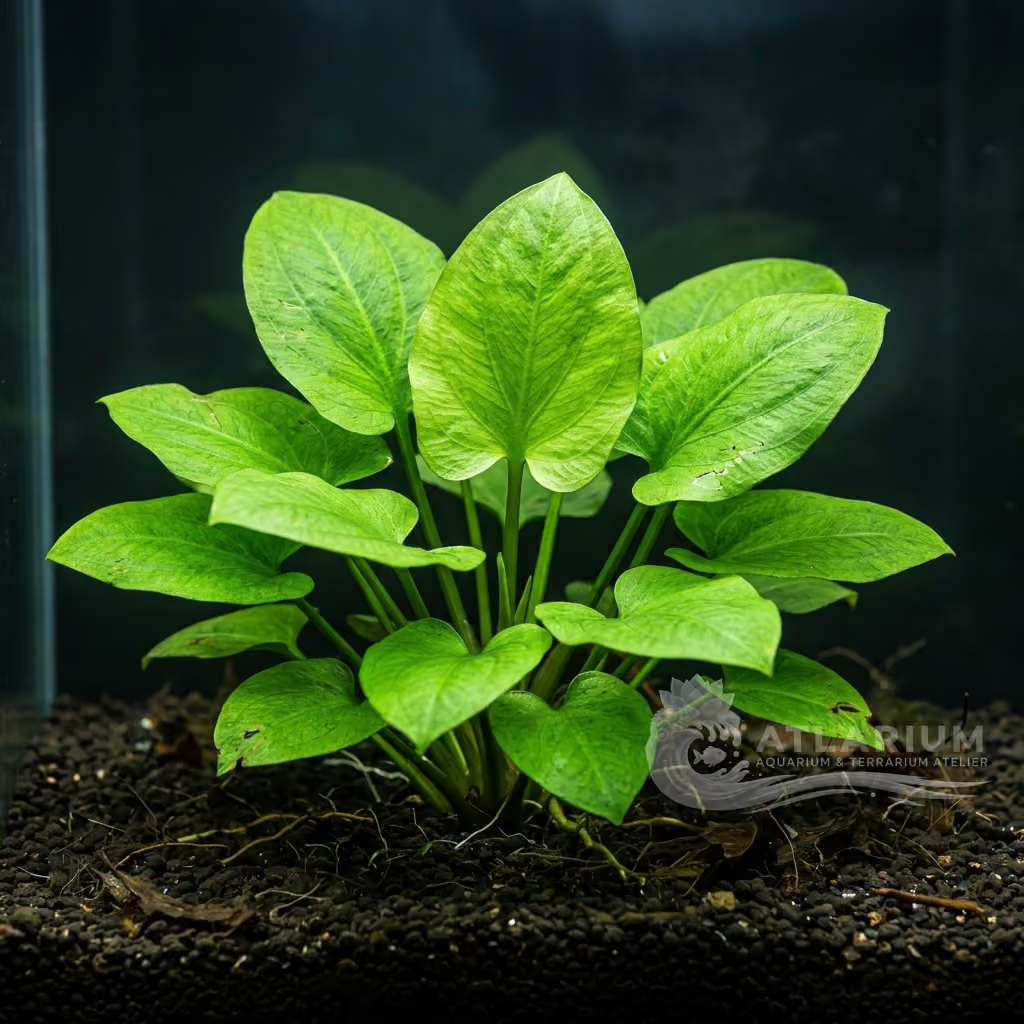
Vallisneria gracilis
Vallisneria gracilis
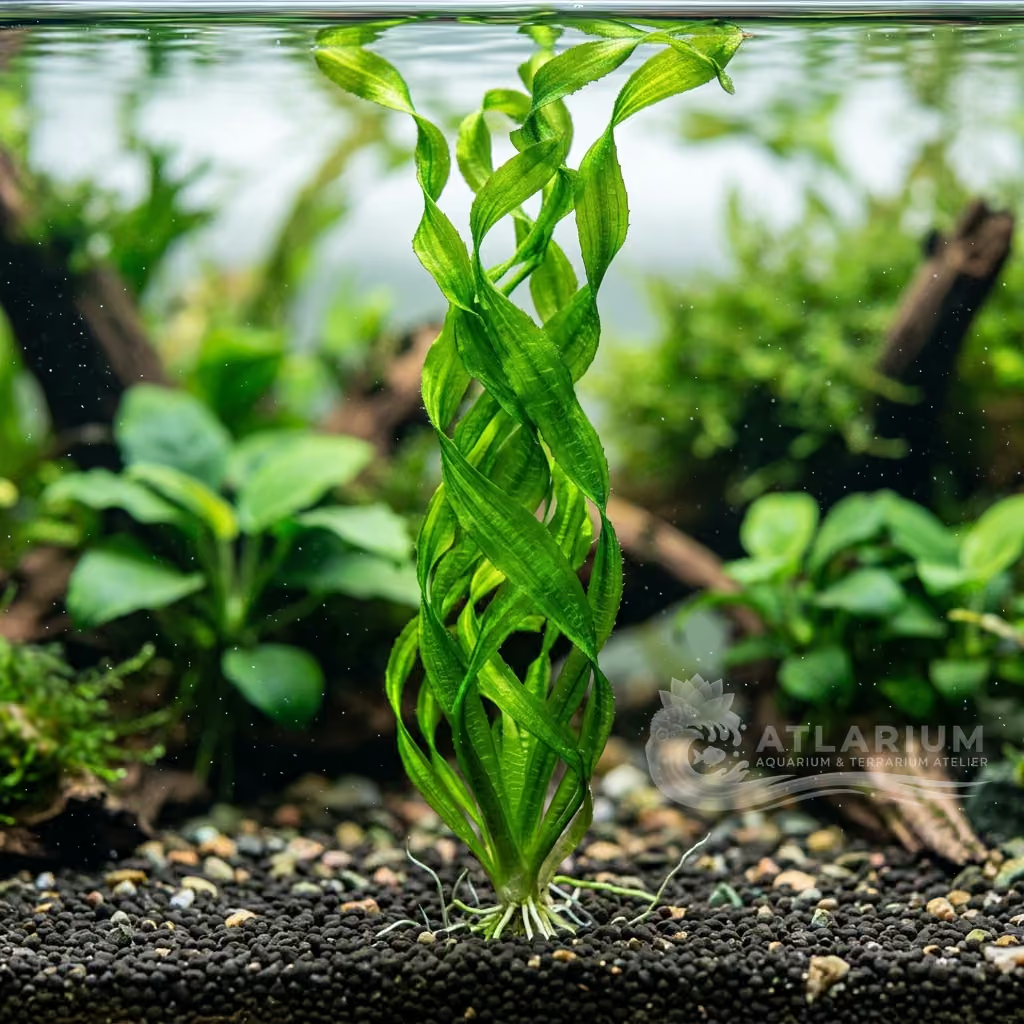
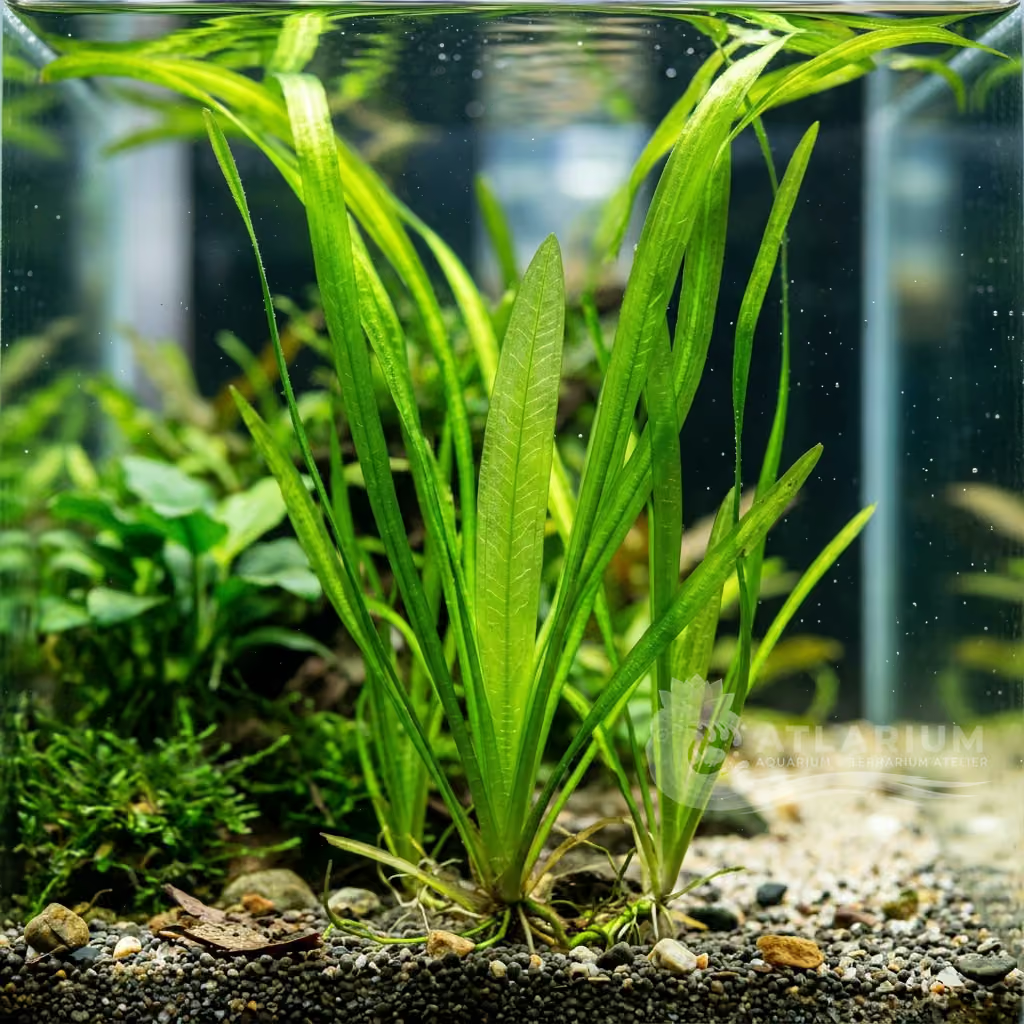
Vallisneria gracilis is a versatile aquatic plant, ideal for midground or background placement in the aquarium, providing a naturalistic aesthetic. With its medium growth rate and efficient runner propagation, it forms lush green walls or dense thickets, adding depth and a dynamic feel to any aquascape.
Wassertemperatur
15 - 30 °C
pH-Wert
6 - 8
Wassertyp
Süßwasser
Licht
Medium to High
CO2
Niedrig - Hoch
Erwartete Höhe
60 cm
Erwartete Breite
15 cm
KH
2 - 21 dKH

Artbeschreibung
Geographical Origin and Habitat: Vallisneria gracilis, like many species within the Vallisneria genus, boasts a rather extensive geographical distribution, found across various tropical and subtropical regions worldwide. It thrives in freshwater aquatic habitats, particularly slow-moving streams, ponds, and lakes with silty or sandy substrates. In these natural environments, it often forms dense submerged colonies, offering shelter and sustenance to numerous aquatic species, demonstrating a remarkable adaptability to diverse environmental conditions.
Taxonomy & Genetics: Belonging to the Hydrocharitaceae family, Vallisneria gracilis is related to other well-known aquatic plants in the aquarium hobby, such as Elodea and Hydrilla. Its classification highlights the common characteristics of the Vallisneria genus, which includes submerged aquatic plants with ribbon-like leaves and predominant asexual reproduction via runners. Genetic and morphological studies continue to refine the distinction between various Vallisneria species, given their tendency towards hybridization and phenotypic variability based on their environment.
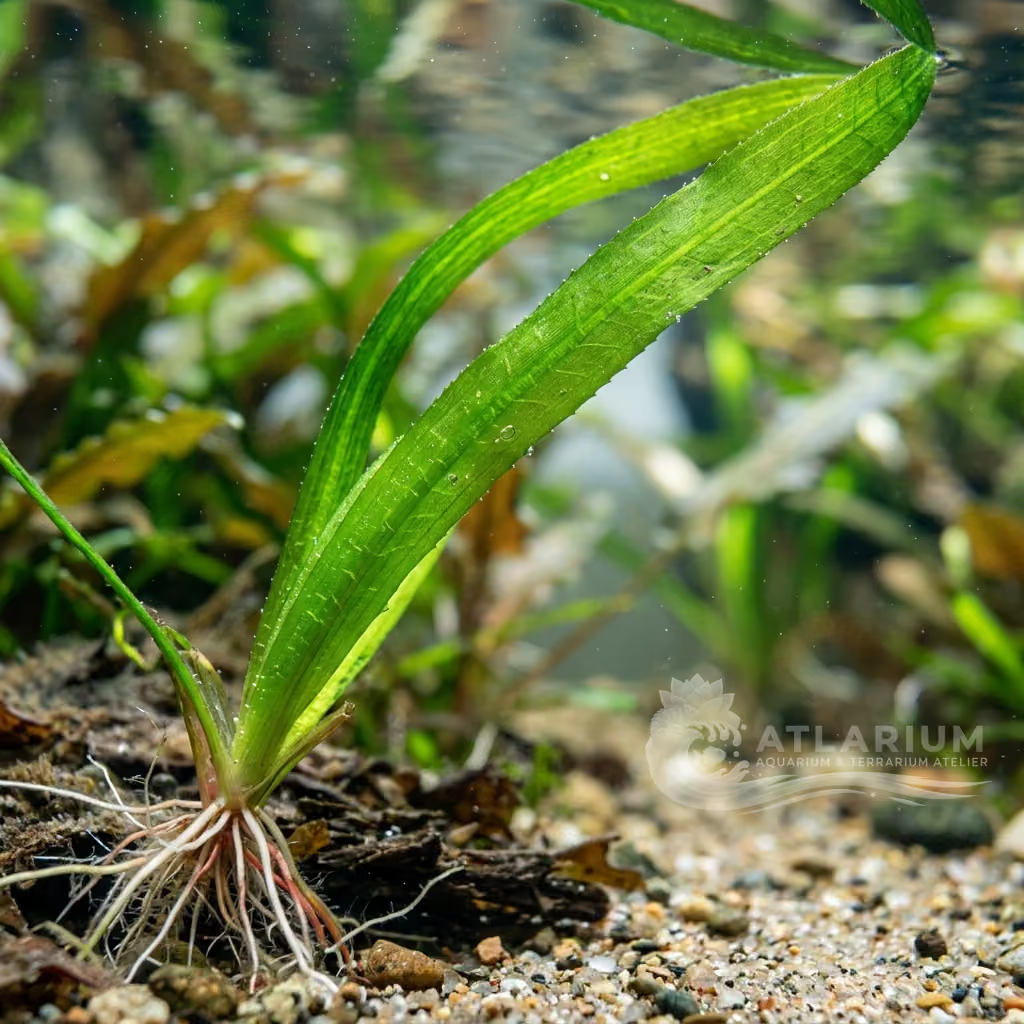
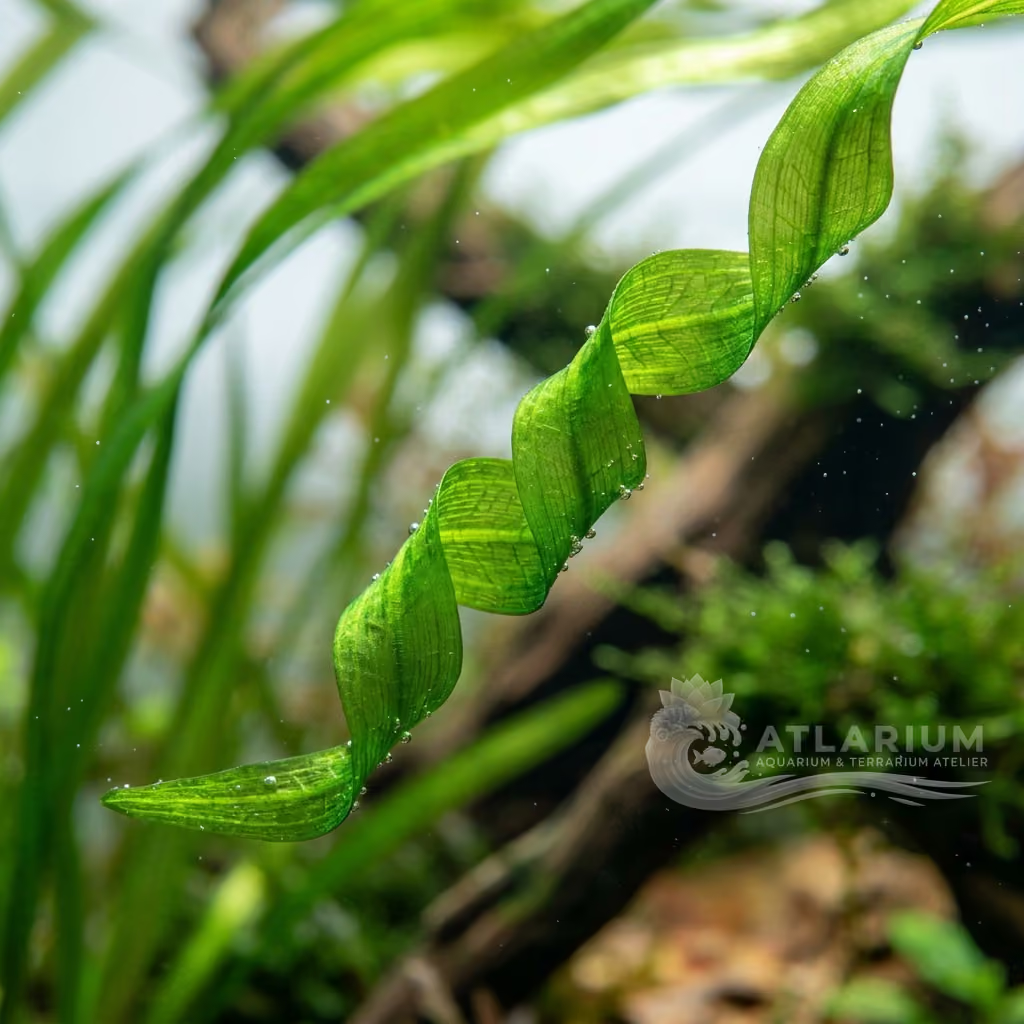
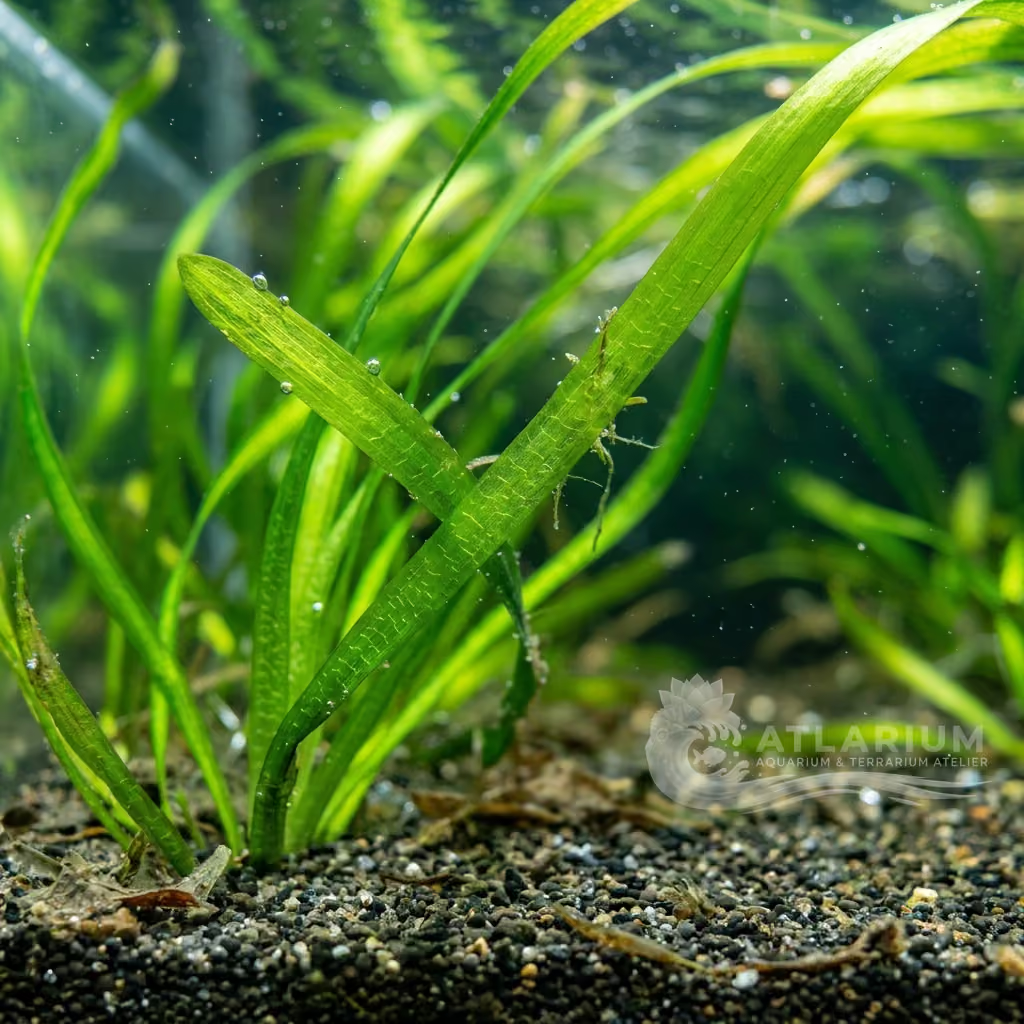
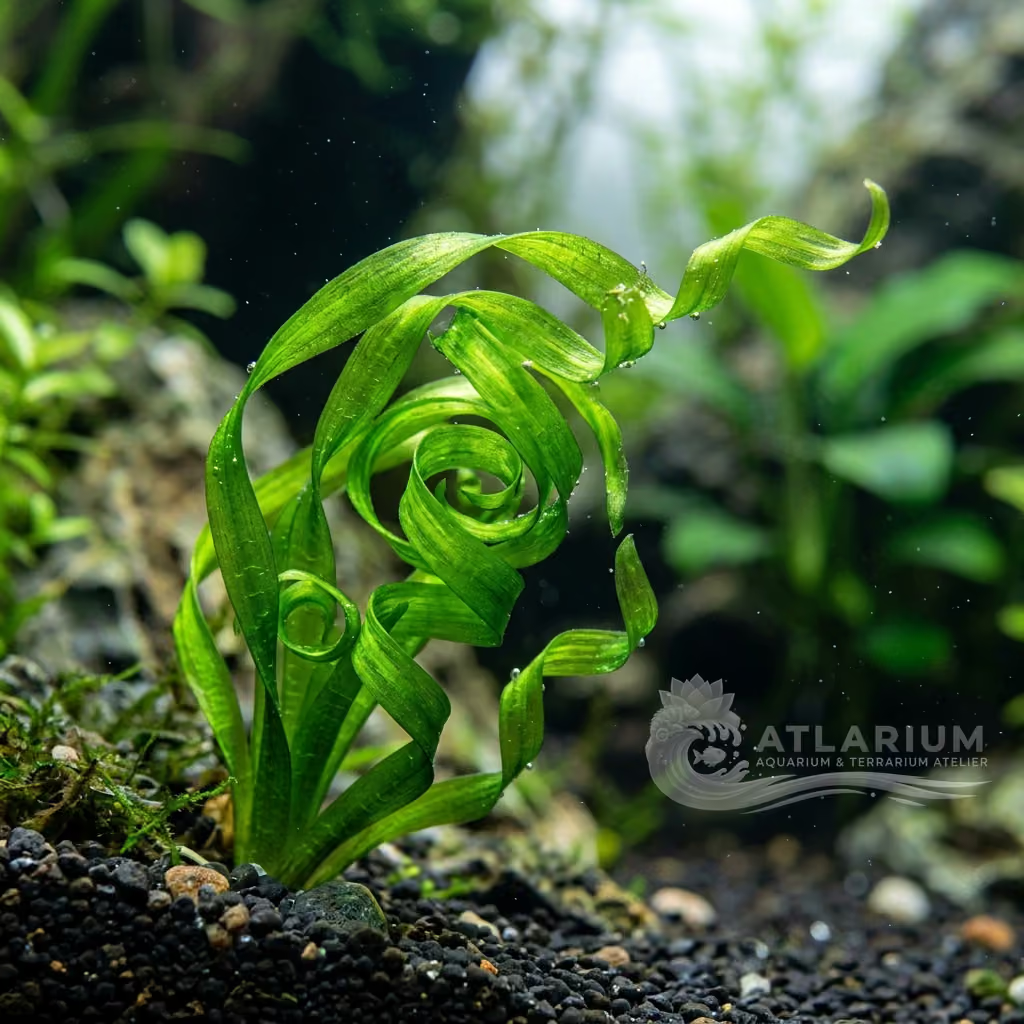
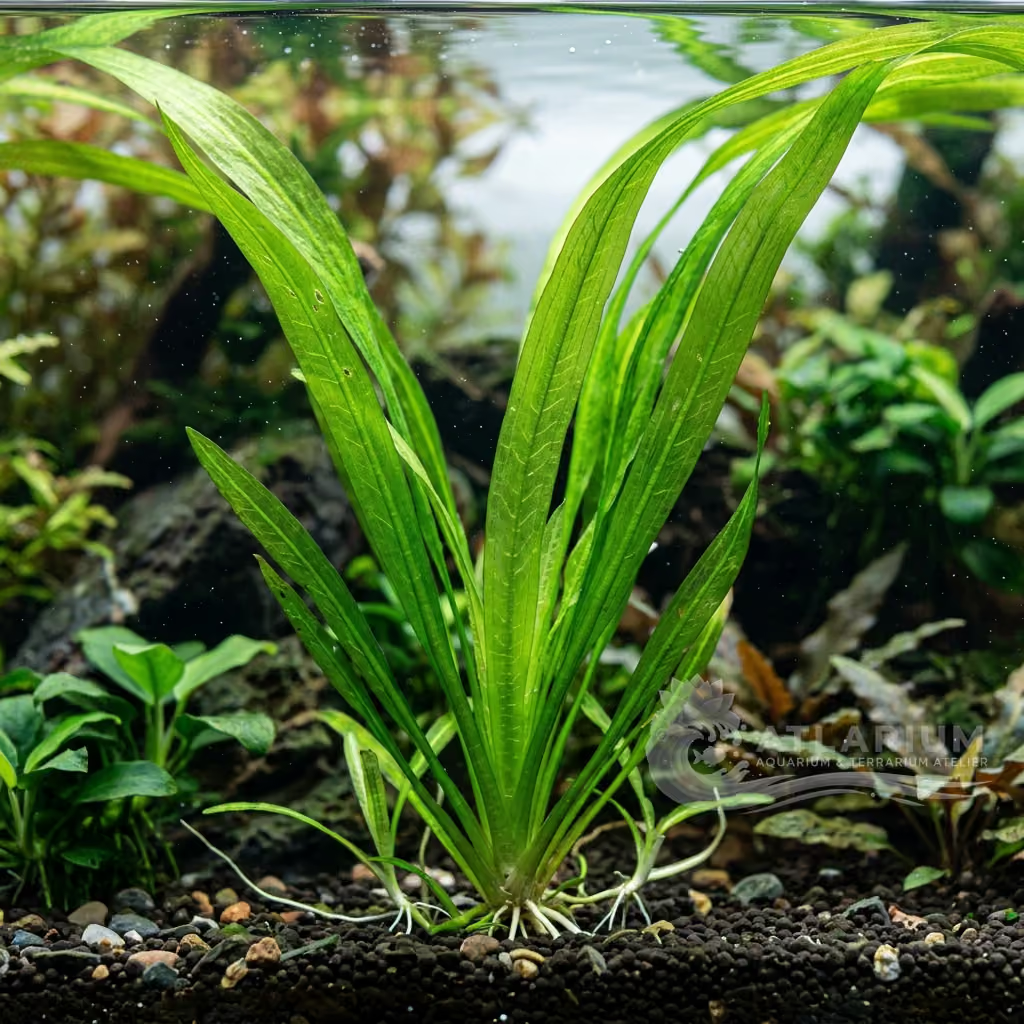
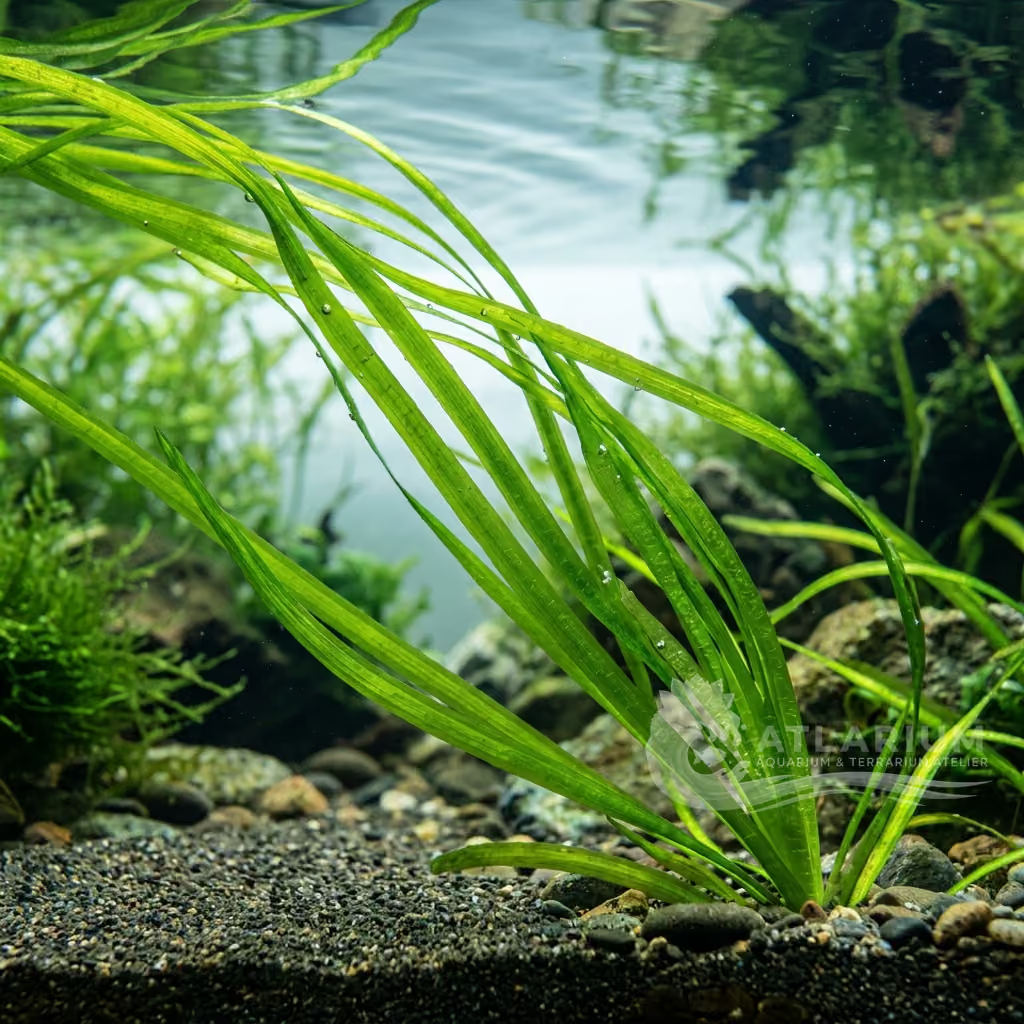
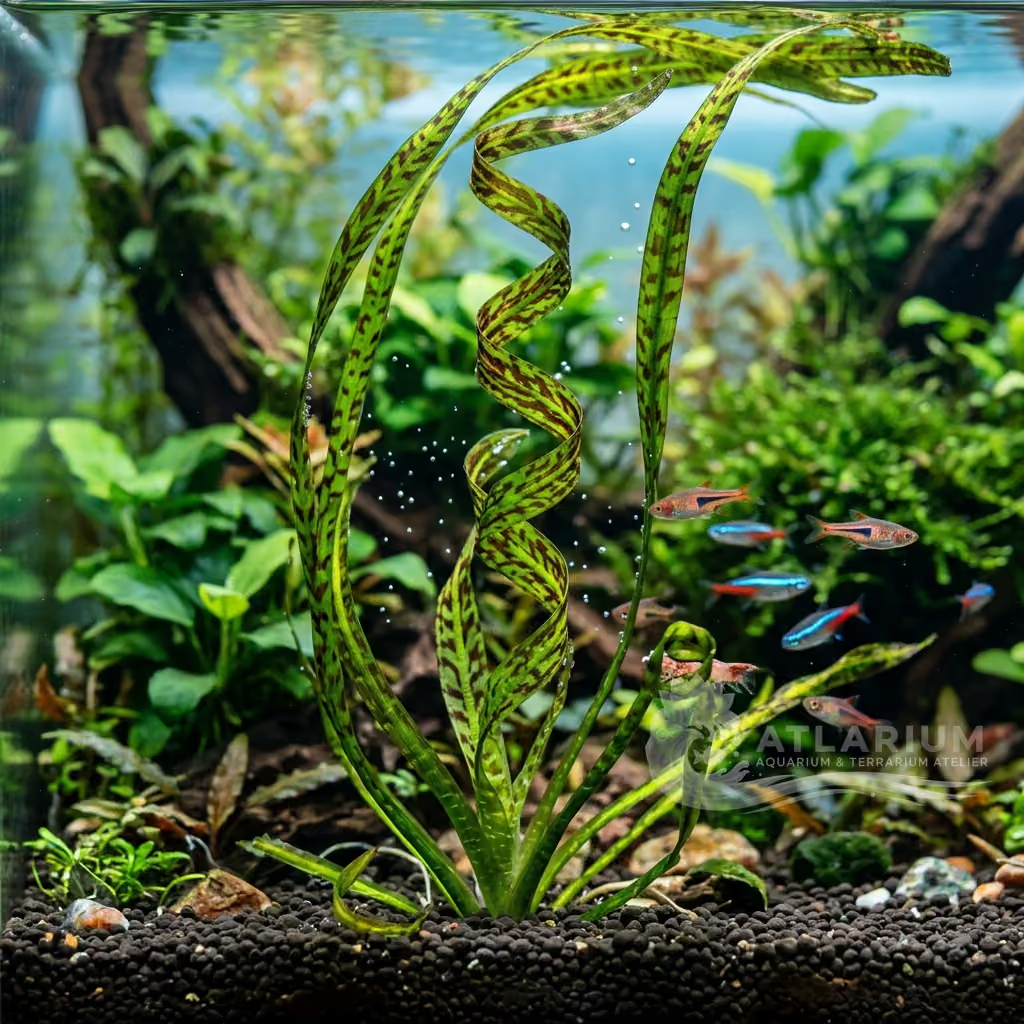
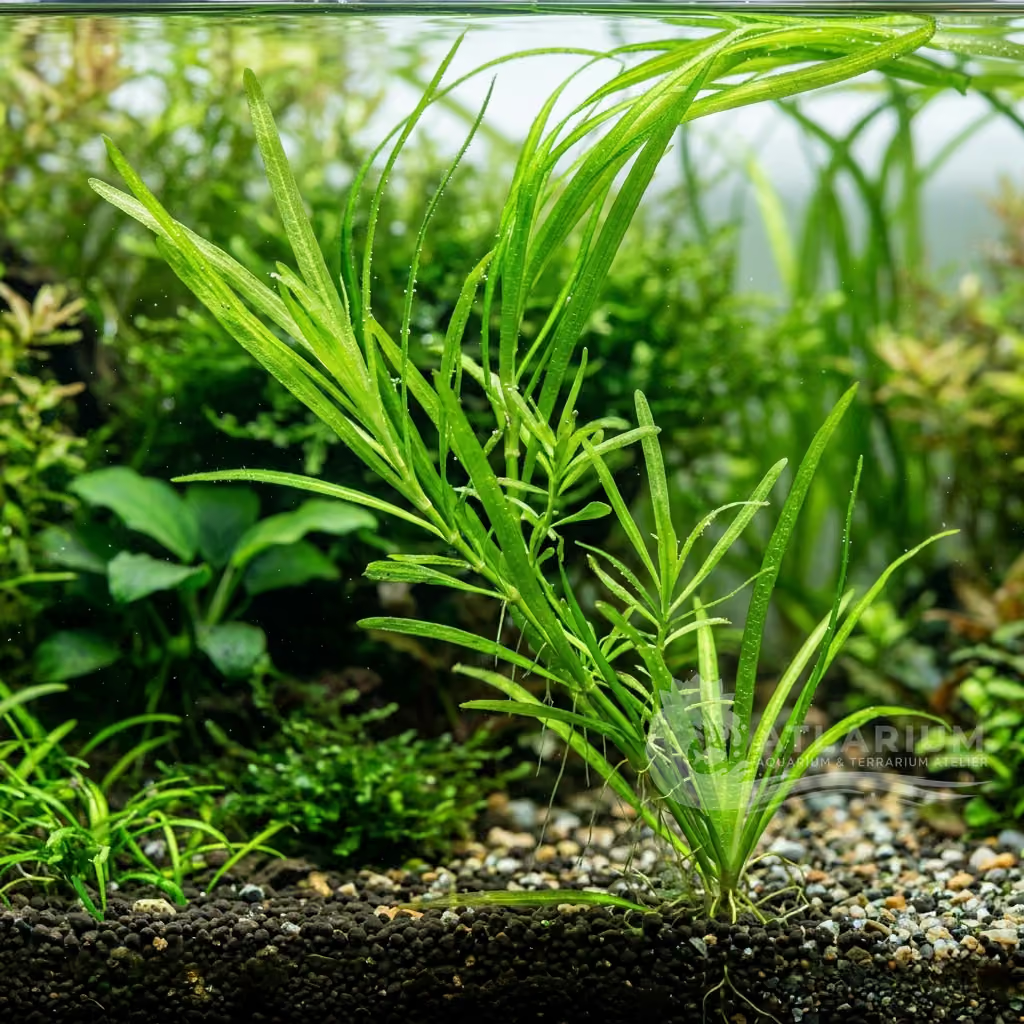
Physical Structure: Vallisneria gracilis is distinguished by its elegant physical structure, characterized by long, narrow, ribbon-like leaves that emerge from a basal rosette or a short rhizome. These leaves can reach considerable lengths, extending towards the water's surface, and are typically devoid of pronounced spirals, unlike some other Vallisneria species. The plant propagates vigorously via stolons, from which new plantlets arise, rapidly forming dense colonies, making it an excellent species for creating green walls or visual barriers in the aquarium.
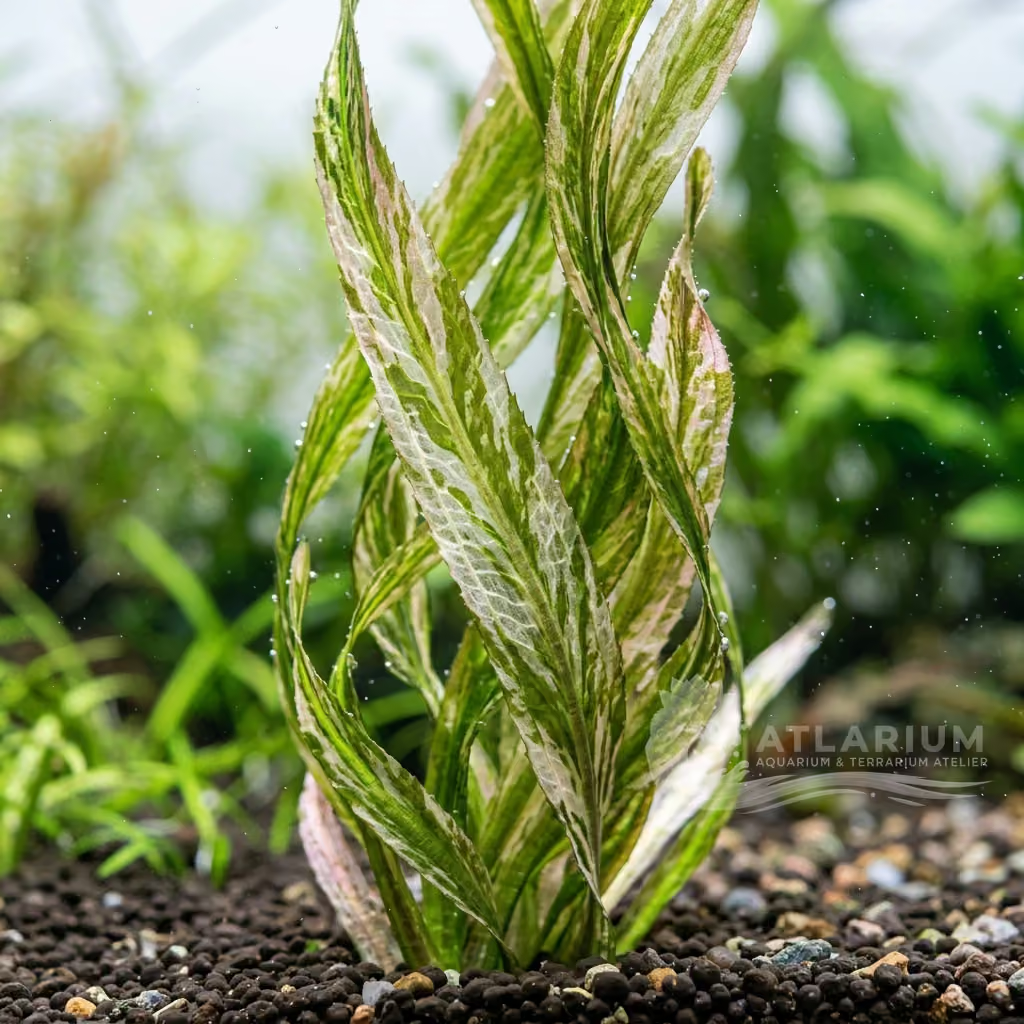
Color & Texture: The leaves of Vallisneria gracilis display a vibrant green coloration, which can range from light to medium-deep green depending on lighting conditions and nutrient availability. Their surface is smooth and slightly glossy, lending the plant a delicate yet robust appearance. This shade of green contributes to creating a pleasing visual contrast with plants of different colors or decorative elements, enhancing the depth and vivacity of the aquascape. The texture is flexible but resilient, capable of withstanding gentle water currents without easily sustaining damage.

Pflege, Zucht und Mitbewohner
Lighting & CO2: Vallisneria gracilis thrives under medium to high lighting, which promotes more robust growth and intense leaf coloration. Although not strictly essential, CO2 supplementation can significantly accelerate its growth rate and improve overall plant health by promoting increased photosynthesis. A photoperiod of 8-10 hours per day is generally sufficient to maintain this species in excellent condition, while avoiding excessive lighting that could encourage undesirable algae growth.
Nutrition & Substrate: For Vallisneria gracilis, a nutrient-rich substrate is highly recommended, as it is a plant that absorbs a significant portion of its nutrients through its root system. The use of root tabs inserted into the substrate, especially with inert substrates, is crucial to ensure a constant supply of micronutrients such as iron and manganese. Regular dosing of a complete liquid fertilizer will further supplement the plant's needs, preventing deficiencies that might manifest as yellowing leaves or stunted growth.
Water Chemistry: This species is tolerant of a wide range of water parameters, making it suitable for various aquarium setups. The ideal temperature ranges between 15.0 and 30.0 C, while the pH should be maintained between 6.0 and 8.0 to facilitate optimal nutrient absorption. Carbonate hardness (KH) can vary between 2.0 and 21.0, indicating significant flexibility; however, intermediate values tend to be the most stable and beneficial for its growth and overall well-being.
Space Management & Placement: Vallisneria gracilis is classified as a midground plant, but its potential height also makes it suitable for the background, where it can form a dense green "wall". Due to its rapid propagation via runners, it is essential to manage space to prevent it from outcompeting slower-growing plants. It is advisable to initially space individual plantlets apart, allowing them to expand naturally and fill the designated area with their new offshoots.
Pruning: Pruning Vallisneria gracilis is relatively straightforward and primarily aims to control its expansion and remove old or damaged leaves. Yellowed or browning leaves can be trimmed at their base with sharp scissors, promoting more vigorous growth of new, healthy leaves. It is important not to cut leaves halfway, as this can cause necrosis of the remaining portion and weaken the plant, as well as detract from the overall aesthetic of the aquarium.
Risks & Diseases: Despite its hardiness, Vallisneria gracilis can be susceptible to common risks and diseases if aquarium conditions are not optimal. Iron deficiencies can cause leaf yellowing (chlorosis), while poor lighting or general nutrient deficiency can lead to stunted growth or holes in the leaves. It is also susceptible to algal growth in the presence of nutrient imbalances or excessive lighting, which can suffocate the plant and compromise its photosynthetic capacity.

Geografische Herkunft und Verbreitung
Vallisneria gracilis, like many species within the Vallisneria genus, boasts a rather extensive geographical distribution, found across various tropical and subtropical regions worldwide. It thrives in freshwater aquatic habitats, particularly slow-moving streams, ponds, and lakes with silty or sandy substrates. In these natural environments, it often forms dense submerged colonies, offering shelter and sustenance to numerous aquatic species, demonstrating a remarkable adaptability to diverse environmental conditions.
Ursprung
Süd- und SüdostasienAfrika und MadagaskarAustralien, Neuguinea und Ozeanien

Pflanzenprofil
- Platzierung
- Mittelgrund
- Because of its very fine, delicate leaves, it is well-suited for the midground or background of smaller aquariums. In larger tanks, it can be used to create dense grassy thickets in the midground. It should not be overshadowed by larger, broader-leaved plants.
- Botanische Form
- Rosette
- This species is characterized by its extremely narrow, slender leaves. The foliage is thin and almost grass-like, giving it a very delicate and graceful appearance. The leaves are typically a bright, fresh green color and grow completely straight.
- Wachstum
- Mittel
- It grows at a moderate pace, making it easier to manage than larger Vallisneria species. It steadily sends out runners to form a nice, dense colony over time. The growth rate can be accelerated with the addition of CO2 and higher light.
- Substrat
- Hoch
- *Vallisneria gracilis* possesses a delicate yet extensive root network that benefits significantly from a nutrient-rich substrate like aqua soil or fine gravel combined with root tabs. Although thinner than other species, its roots still require a substrate depth of around 2 inches (5 cm) to secure the plant and allow the unimpeded growth of runners. Since it draws most of its nourishment from the bottom layer, a fertile substrate ensures vibrant green leaves and consistent vegetative reproduction.
- Säulendüngung
- Empfohlen
- Occasional liquid fertilization helps maintain the bright green color of its fine leaves. While it feeds primarily from the roots, trace elements in the water column are beneficial. A standard all-in-one liquid fertilizer is usually sufficient.
- Wurzeldüngung
- Empfohlen
- Root fertilization is important for establishing a strong colony. Using a nutrient-rich substrate or adding small root tabs will encourage the production of healthy runners. A good root system ensures the delicate leaves do not easily detach from the base.
- Trimmen
- Gelegentlich
- Trim by carefully removing older or damaged leaves at the base of the plant. Do not cut the leaves across the middle, as this will lead to decay. Keep the colony contained by snipping off runners that spread into unwanted areas.
- Ausbreitung
- Ausläufer
- Propagation is entirely natural and occurs via runners along the substrate. Small plantlets will develop at intervals along these runners. They can be easily separated and replanted once they have formed their own small root systems.
- Empfindlichkeit
- Mäßig
- It is sensitive to liquid carbon treatments, which should be avoided to prevent melting. Because its leaves are so fine, it can be susceptible to algae growth if nutrient levels are imbalanced. It is otherwise an adaptable plant that tolerates a range of water conditions.
- Layoutrolle
- Mittelgrund, Hintergrund
- It creates a beautiful, fine-textured grassy background or midground accent. The slender leaves sway gently in the current, adding a sense of movement to the aquascape. It provides excellent hiding places for small fish, shrimp, and fry.

Verwandte Arten
Empfehlungen gruppiert nach nahen Verwandten, Auswahl von Begleitern und ähnlicher Betreuung.