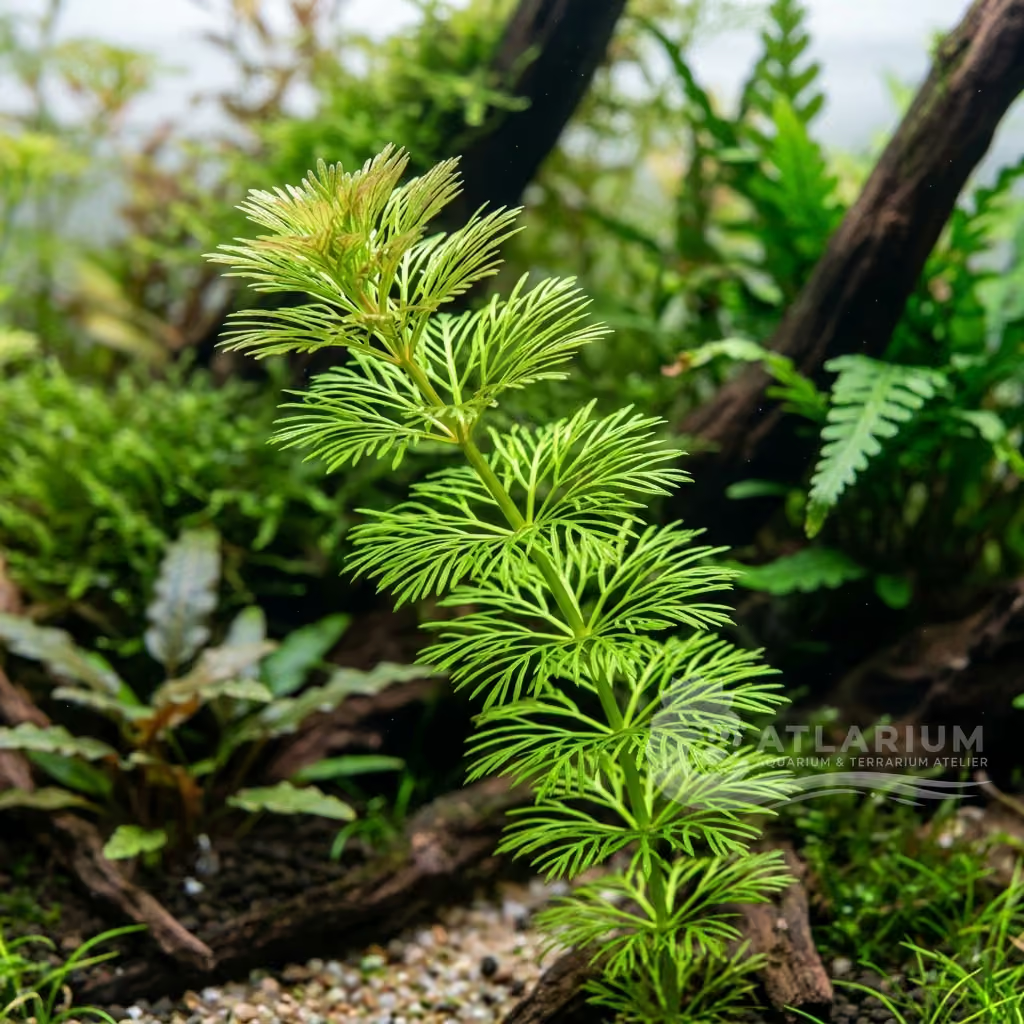
Curly Waterweed
Lagarosiphon major
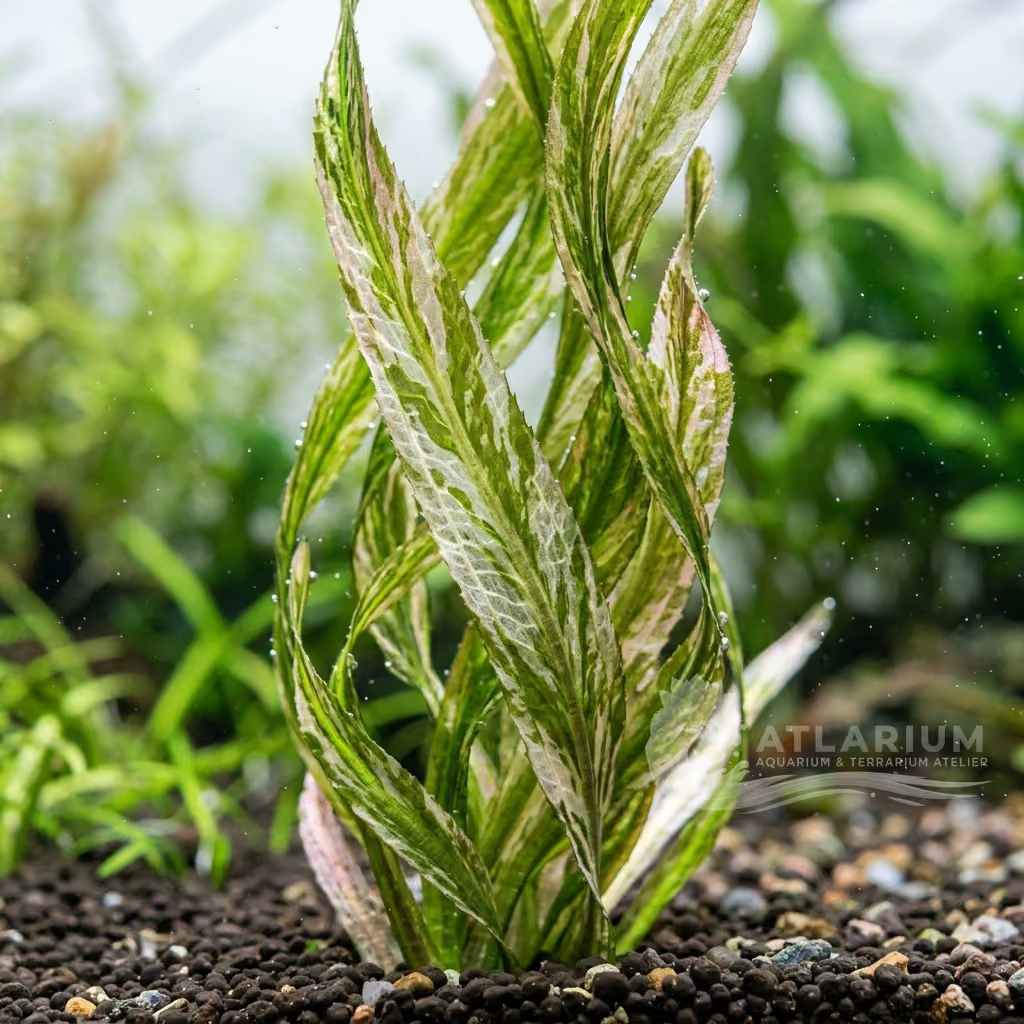
A fast-growing stem plant featuring stiff, strongly downward-curled leaves. Hardy and robust, it thrives in cool water and is ideal for background layouts.
Wassertemperatur
20 - 23 °C
pH-Wert
6 - 8
Wassertyp
Süßwasser
Licht
Mittel - Hoch
CO2
Niedrig - Hoch
Erwartete Höhe
300 cm
Erwartete Breite
100 cm
GH
4 - 20 dGH
KH
2 - 14 dKH

Artbeschreibung
Geographical Origin and Habitat: Lagarosiphon major is native to the cool, freshwater habitats of Southern Africa, including South Africa, Lesotho, and Zimbabwe. It inhabits clear, still or slow-flowing streams, ponds, and reservoirs. Having been introduced to Europe, New Zealand, and other temperate regions, it has shown immense adaptability and invasive potential in cooler climates. In its native habitat, it forms dense submerged beds that provide shelter for small aquatic life.
Taxonomy & Genetics: It belongs to the Hydrocharitaceae family and is closely related to the genus Elodea, with which it is frequently confused (sometimes referred to as curly waterweed). Morfologically, it is distinguished by leaves arranged in an alternate spiral rather than whorls. Genetically robust, this species has a high photosynthetic rate and is capable of using bicarbonates in hard water when free CO2 is scarce.
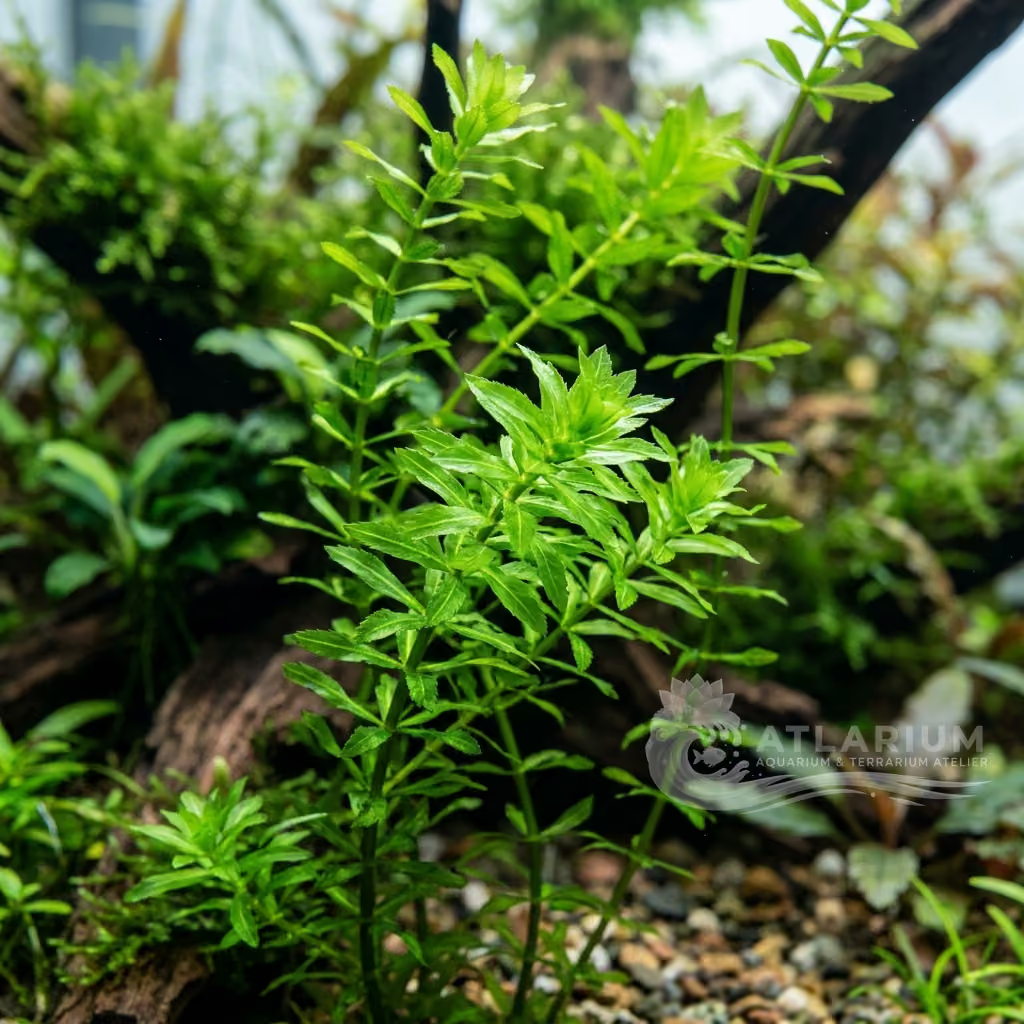
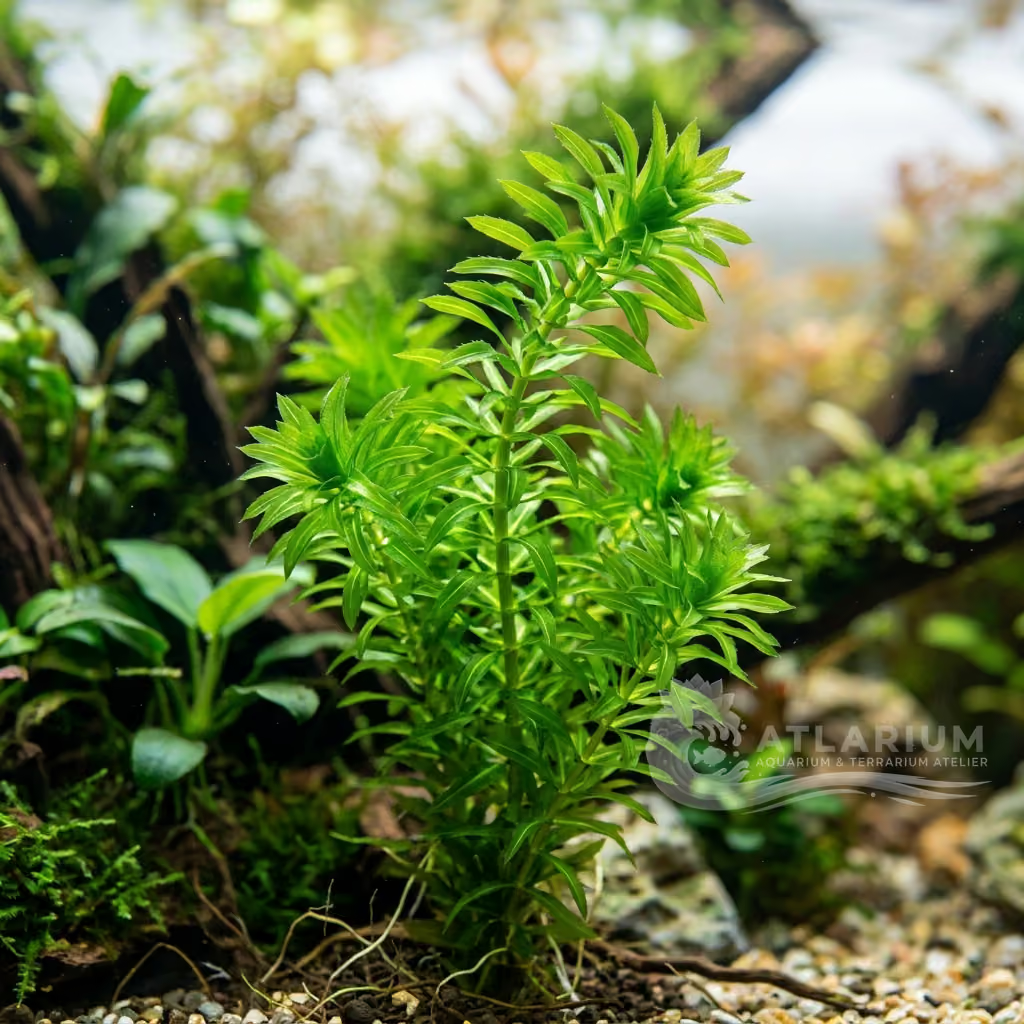
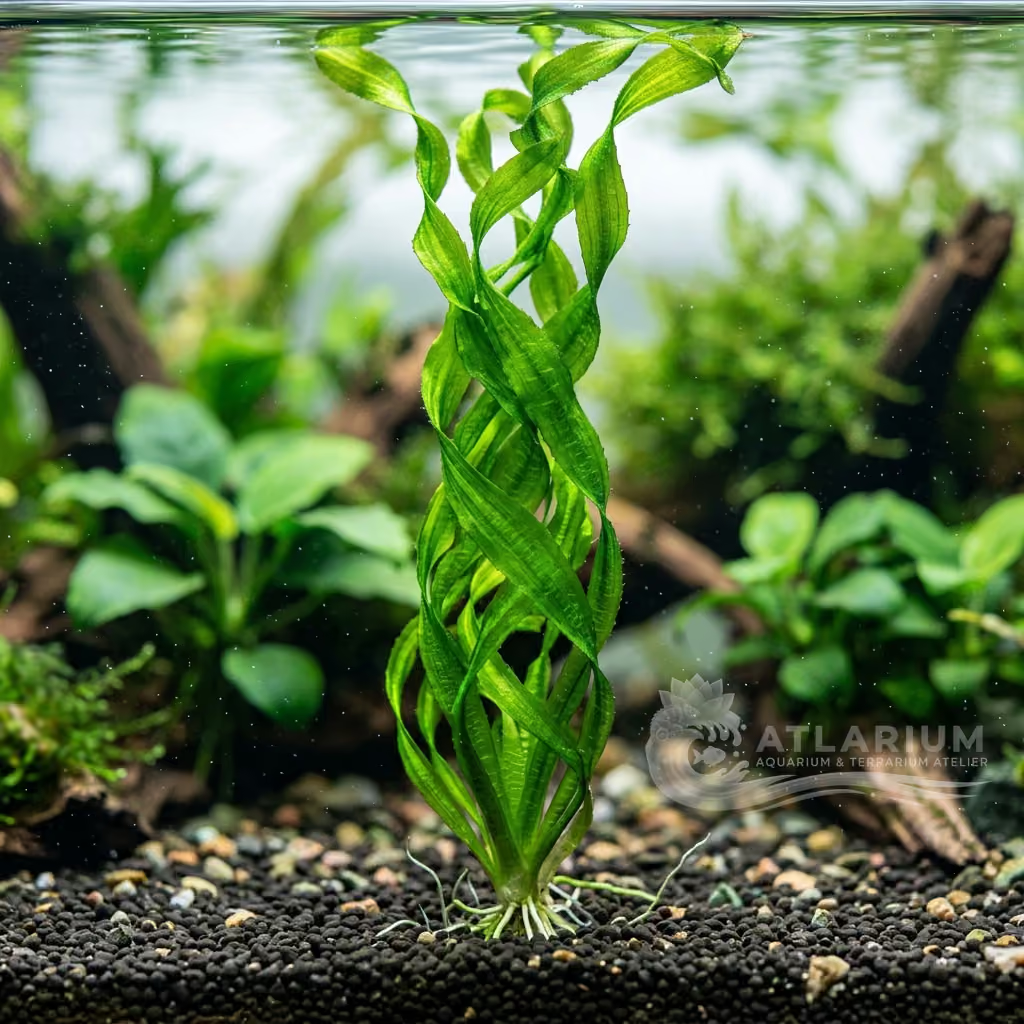
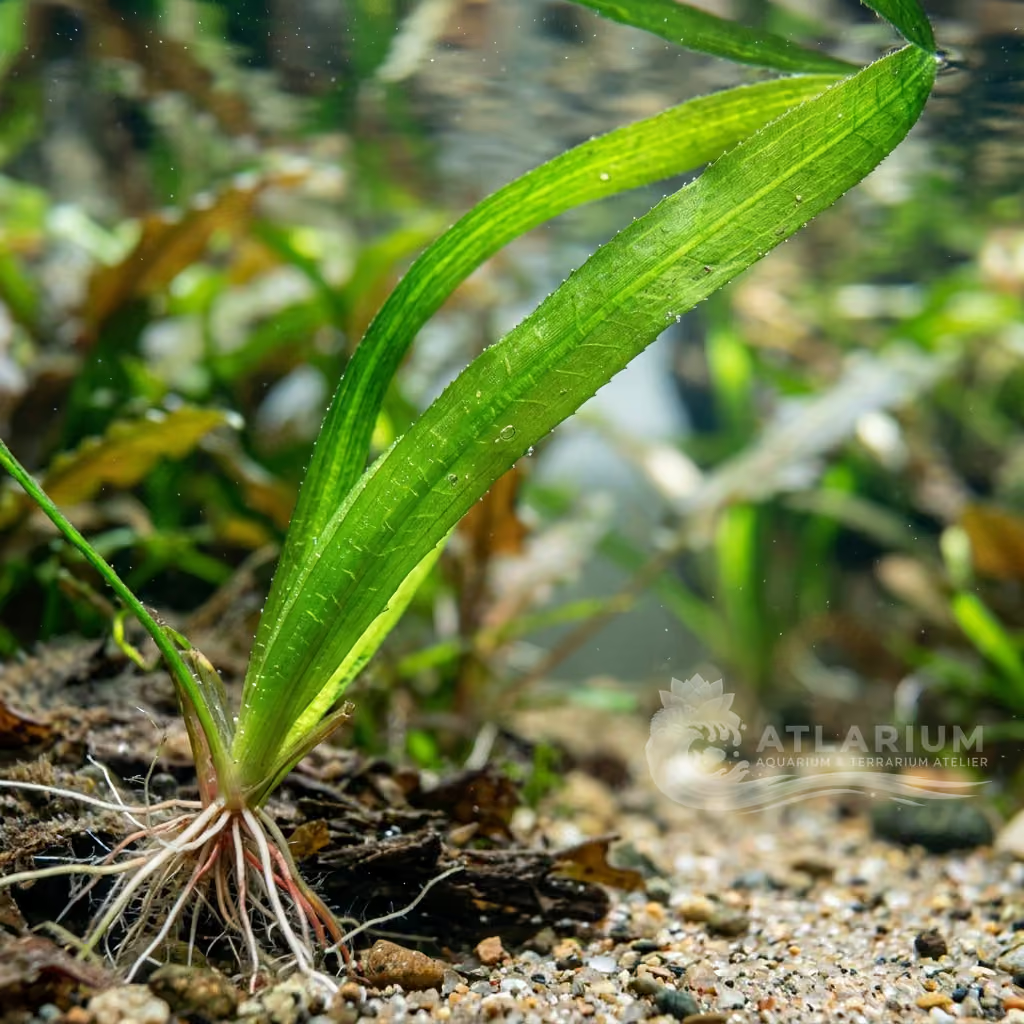
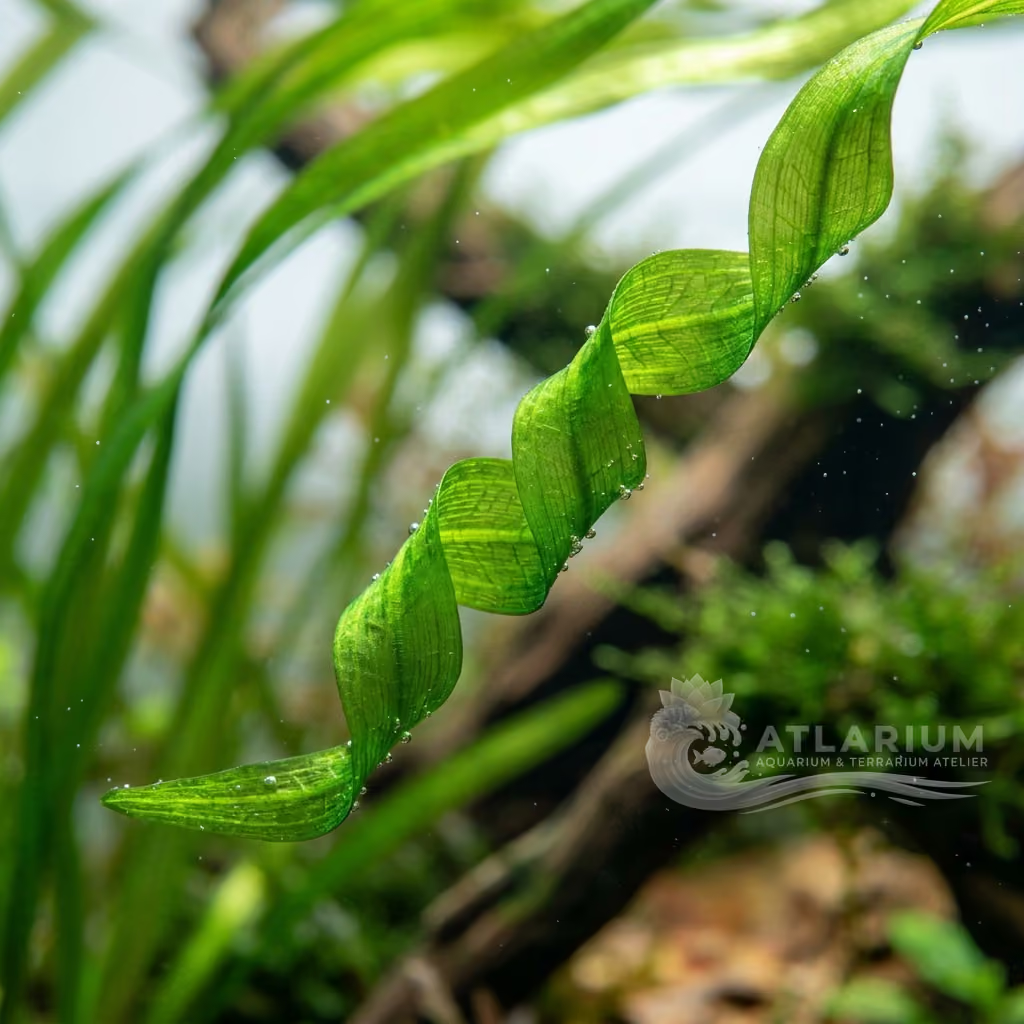
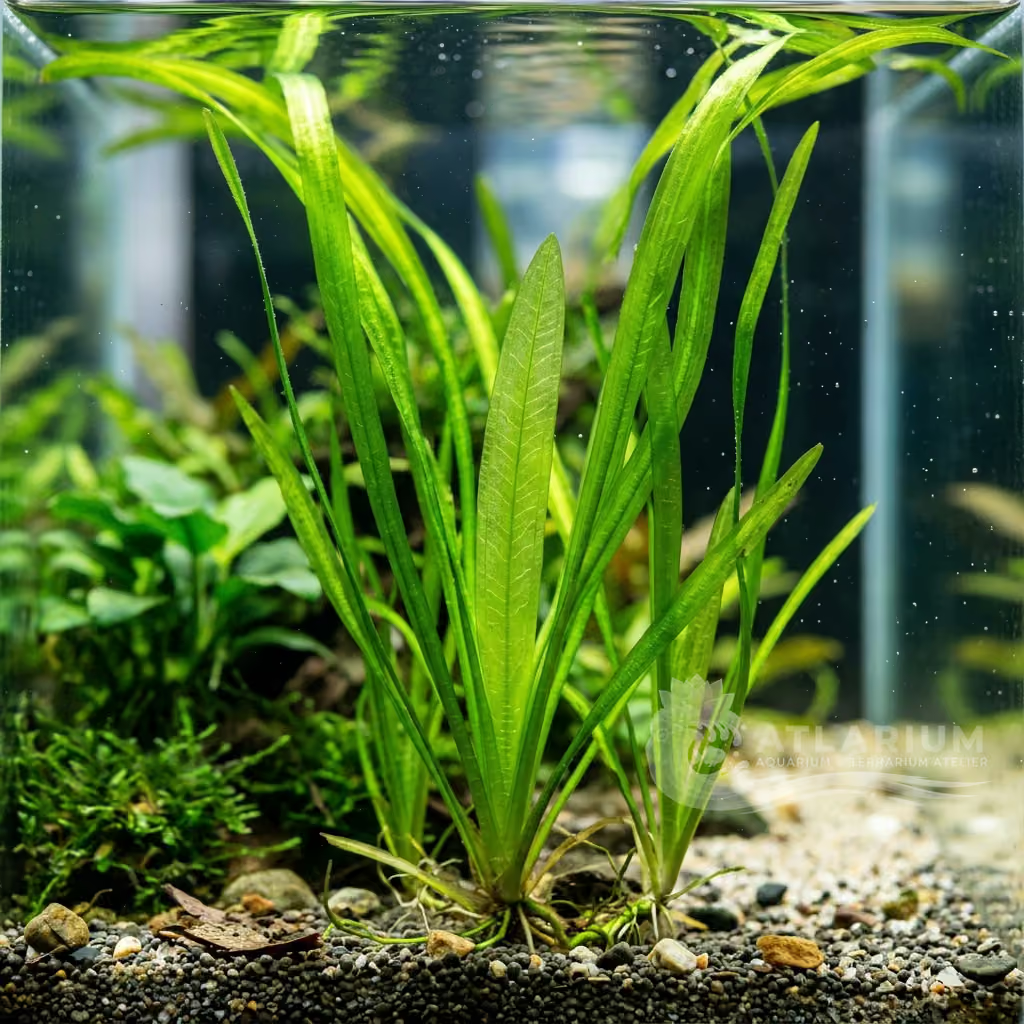
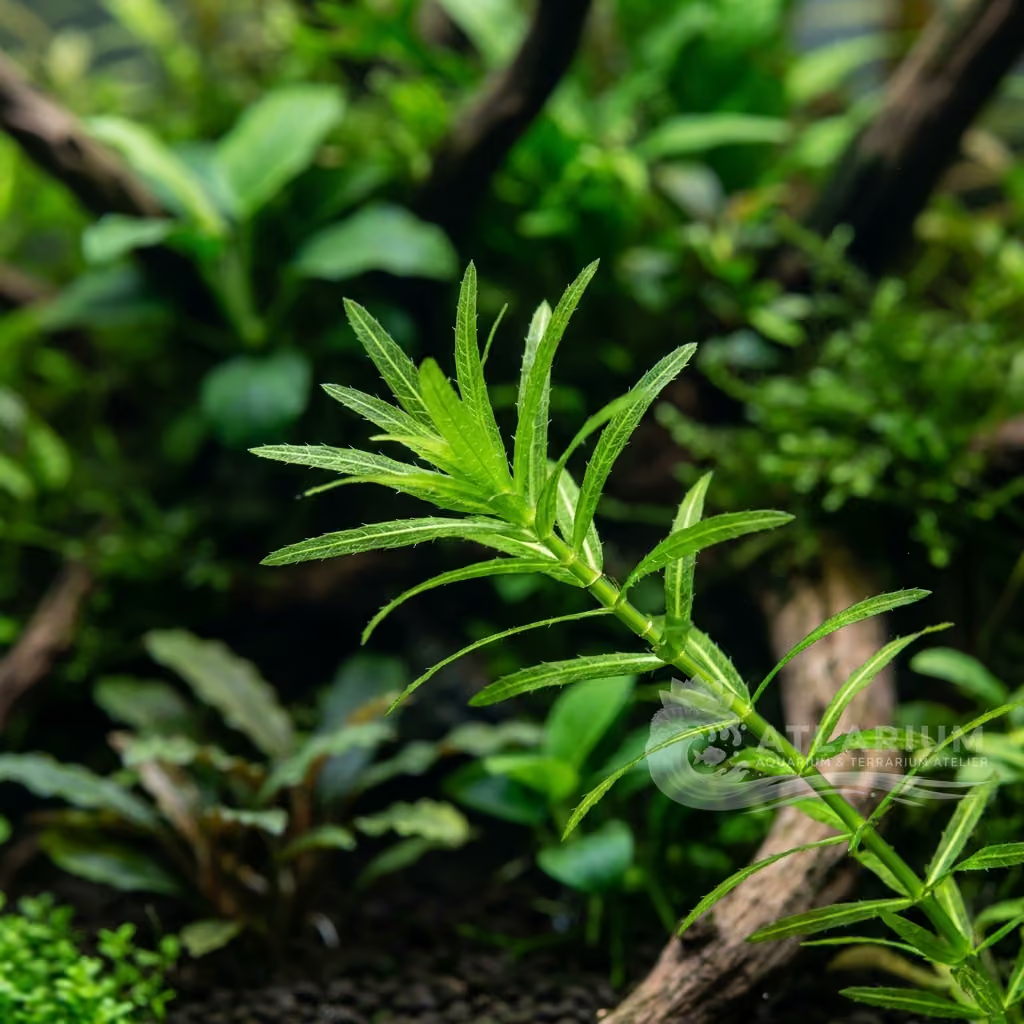
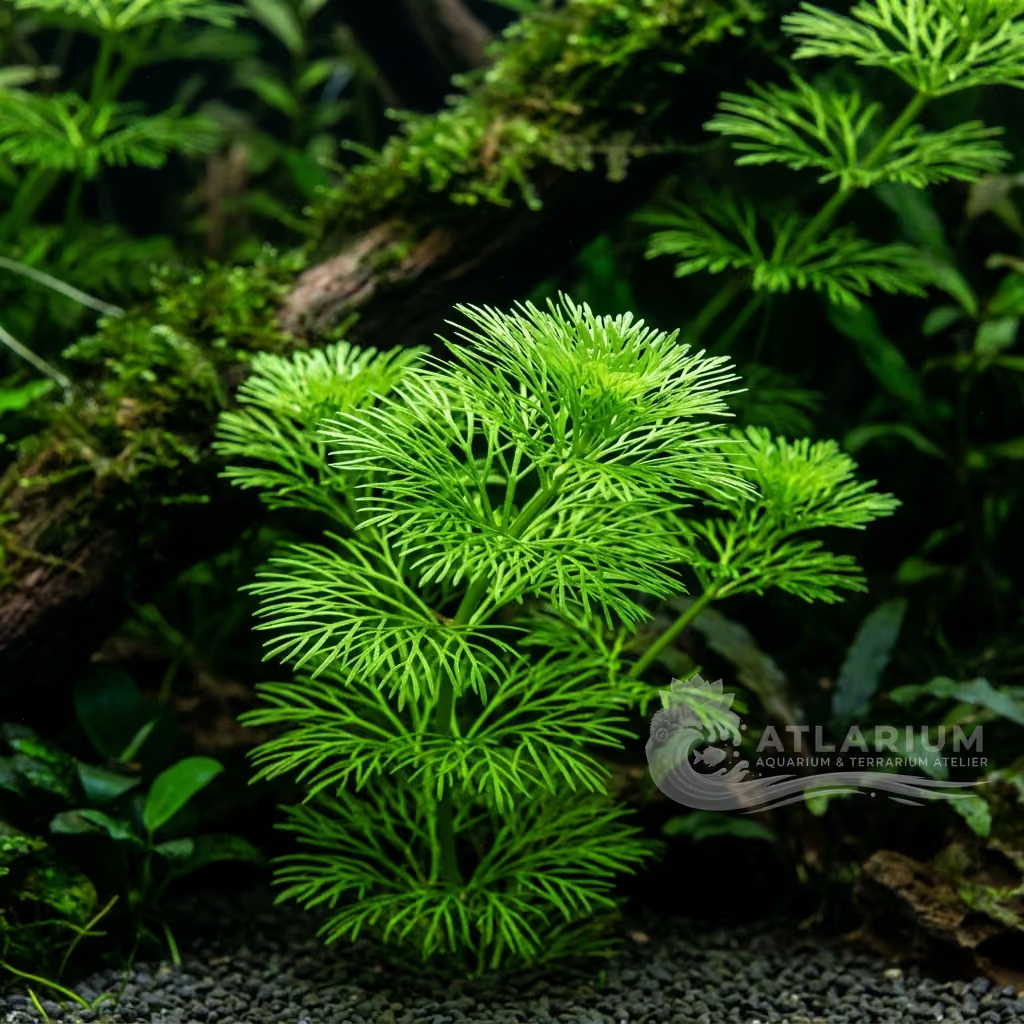
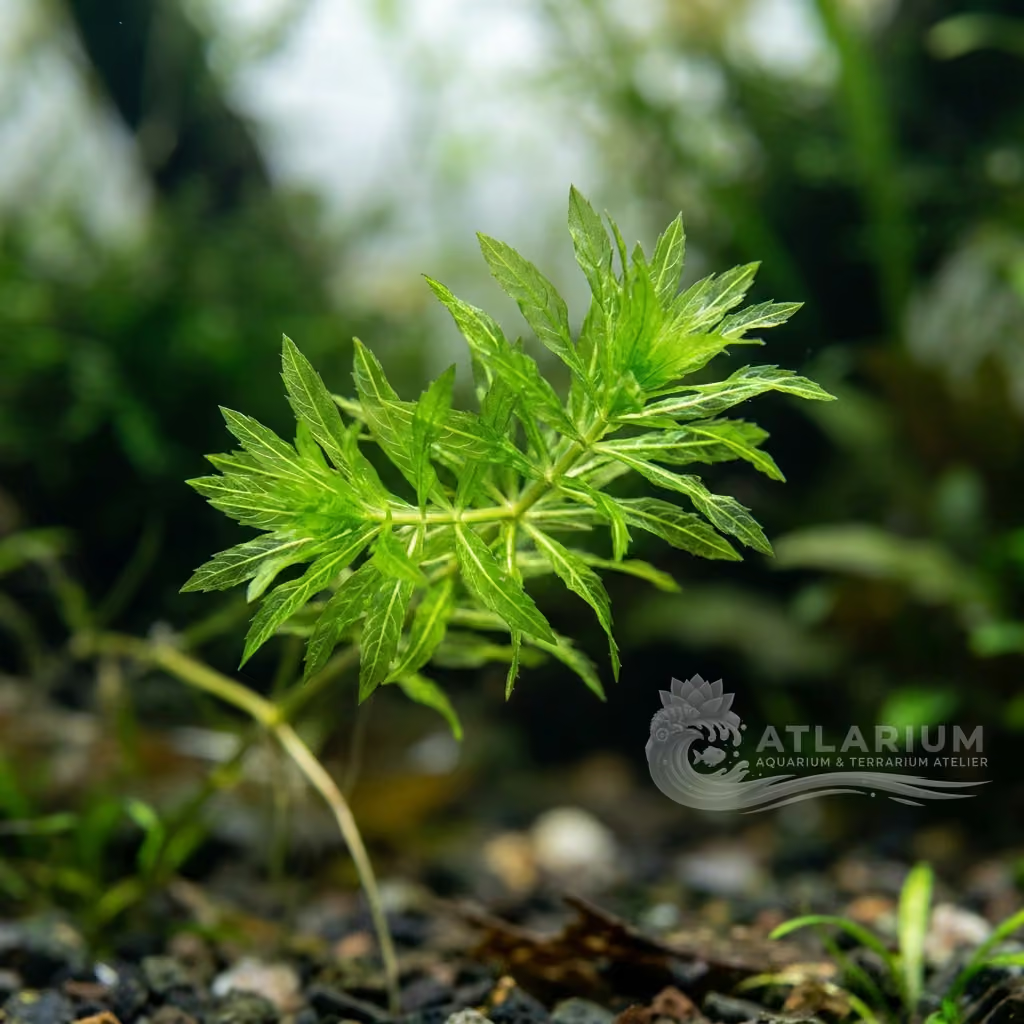
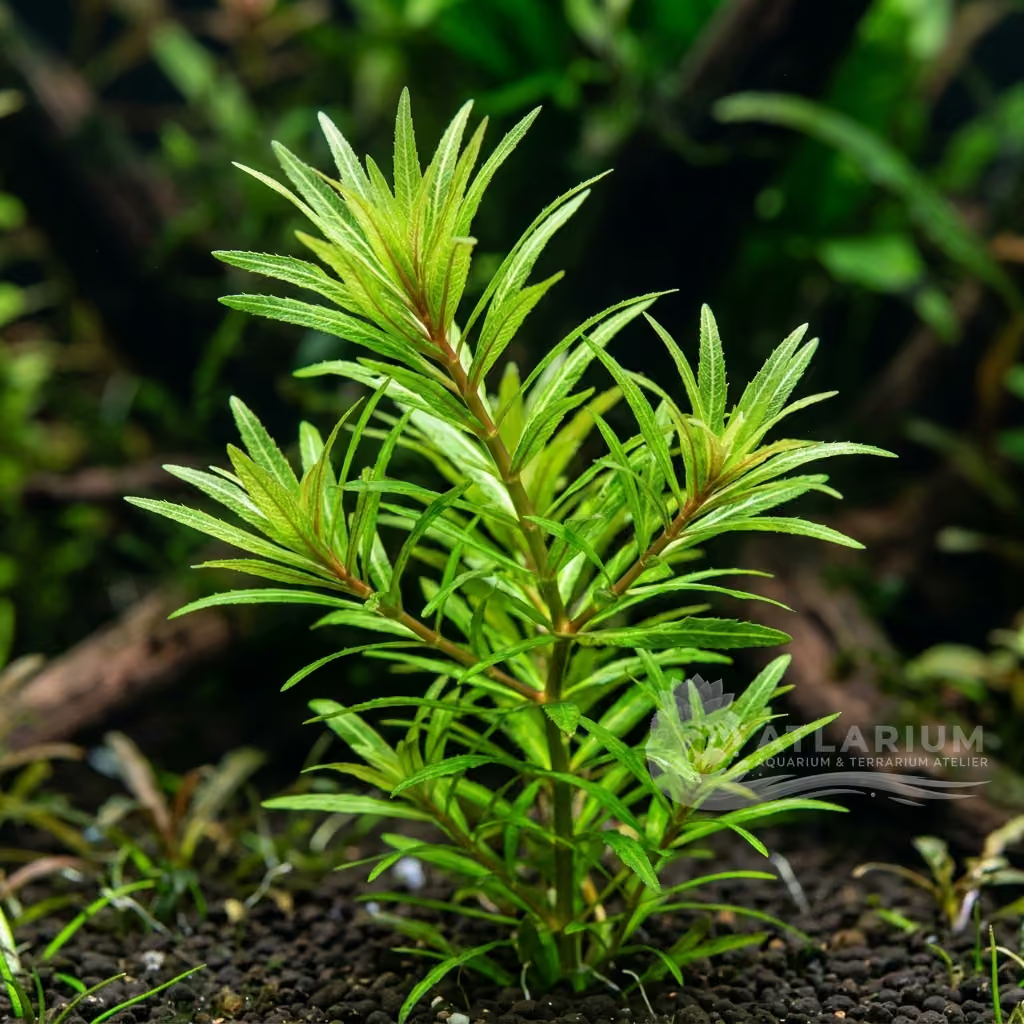
Physical Structure: The plant features upright, rigid stems several millimeters thick that can grow several meters long. The leaves are sessile, linear, tough, and strongly curved downward in a semi-circle. This unique leaf structure gives the stem a spiky, cylindrical profile. The root system is simple, serving mainly to anchor the plant in sandy or muddy substrates.
Color & Texture: The color of Lagarosiphon major is a deep, glossy dark green, which sets it apart from lighter-green waterweeds. The foliage is stiff yet brittle; the stems snap easily when bent, but every broken piece can produce adventitious roots and quickly establish a new, independent plant.

Pflege, Zucht und Mitbewohner
Lighting & CO2: This plant adapts well to moderate to high light levels. Under intense light, growth becomes more compact and the downward curl of the leaves is more pronounced. Gaseous CO2 is not a limiting factor for this species because it can utilize bicarbonate ions (biogenic decalcification), although CO2 supplementation will accelerate its growth rate.
Nutrition & Substrate: It does not require a highly fertile substrate, as it absorbs the majority of its nutrients from the
Water Chemistry: Lagarosiphon major prefers hard, alkaline water with a pH range of 6.0 to 8.0 and high general hardness. Unlike many tropical plants, it thrives in cooler temperatures, ideally between 15 and 23 °C. It struggles in warm, tropical aquariums maintained above 25-26 °C, where stems tend to soften and decay.
Space Management & Placement: Its natural placement is in the background of the aquarium, where it forms dense, defensive barriers. Because of its rapid growth, it requires substantial space and should not be placed next to delicate, slow-growing plants that could be easily shaded out.
Pruning: Regular pruning is required to keep the plant within bounds. Cut the stems with sharp scissors, pull out the bare lower portions, and replant the healthy tops (at least 15-20 cm long) back into the substrate. Care should be taken to remove all cut fragments from the water to prevent unwanted propagation.
Risks & Diseases: The main risk is stem rot under high temperatures or in stagnant water conditions. It is highly resistant to common plant diseases, but it may develop chalky calcium deposits on its leaves (due to biogenic decalcification) when grown in hard water without CO2 injection.

Geografische Herkunft und Verbreitung
Lagarosiphon major is native to the cool, freshwater habitats of Southern Africa, including South Africa, Lesotho, and Zimbabwe. It inhabits clear, still or slow-flowing streams, ponds, and reservoirs. Having been introduced to Europe, New Zealand, and other temperate regions, it has shown immense adaptability and invasive potential in cooler climates. In its native habitat, it forms dense submerged beds that provide shelter for small aquatic life.
Ursprung
Afrika und Madagaskar

Pflanzenprofil
- Platzierung
- Hintergrund
- Given its potential to grow very tall and bushy, it is best placed in the background of the aquarium. It can be planted in dense clusters to quickly create a lush, green backdrop. It's also suitable for coldwater tanks and ponds due to its adaptability.
- Botanische Form
- Stängel
- It features relatively thick, brittle stems with strongly recurved, dark green leaves that spiral densely along the stem. The plant has a robust, somewhat stiff appearance compared to other stem plants. Under bright light, the growth becomes very compact, creating a thick, rope-like look.
- Wachstum
- Schnell
- This plant has an exceptionally fast growth rate and can easily take over an aquarium if left unchecked. Regular and sometimes aggressive trimming is required to keep it from shading out other plants. Its rapid growth is highly beneficial for competing against algae and oxygenating the water.
- Substrat
- Keiner
- Lagarosiphon major can grow vigorously without any substrate, absorbing essential minerals and nutrients directly through its leaves and stems from the surrounding water. If placed in the substrate, it uses fine gravel or sand merely as a physical anchor rather than a nutritional source. It can be easily cultivated either by floating freely or by lightly burying the lower stem portions in a shallow layer of inert substrate.
- Säulendüngung
- Empfohlen
- It draws the vast majority of its nutrients directly from the water column through its leaves and stem. Because of its fast growth, it can quickly deplete nitrates and phosphates in the water. Regular column fertilization is beneficial but often not strictly necessary in moderately stocked tanks.
- Wurzeldüngung
- Optional
- Root fertilization is generally unnecessary for Lagarosiphon major. While it does produce fine white roots to anchor itself, it doesn't rely heavily on substrate nutrients. It can even grow well if left floating freely in the water.
- Trimmen
- Regelmäßig
- Trimming is straightforward: simply cut the stem anywhere along its length. The lower portion will often branch out and produce new side shoots, making the bush denser. The cut tops can be replanted to easily expand the group.
- Ausbreitung
- Stecklinge
- Propagation is incredibly easy and occurs through simple stem cuttings or by the plant naturally branching out. Any broken piece of the stem with a few healthy leaves can grow into a new plant. It also produces lateral shoots that can be pinched off and planted.
- Empfindlichkeit
- Mäßig
- It is highly resilient and not particularly sensitive to water parameters, tolerating hard water and a wide pH range. It prefers cooler water temperatures and can struggle if the aquarium is kept constantly above 26°C (79°F). In very warm water, the stems may become thin and brittle.
- Layoutrolle
- Hintergrund
- It serves primarily as a fast-growing, dense background plant that provides structure and bright green color. Its robust nature makes it ideal for setups with active or herbivorous fish that might damage more delicate plants. It is excellent for creating a wild, natural jungle look.

Verwandte Arten
Empfehlungen gruppiert nach nahen Verwandten, Auswahl von Begleitern und ähnlicher Betreuung.