Limnophila heterophylla
Limnophila heterophylla
Beautiful midground plant with a fast growth rate. Perfect for the midground, providing a smooth transition in the aquascape.. Excellent background cover to hide aquarium equipment.
Wassertemperatur
15 - 30 °C
pH-Wert
5 - 8
Wassertyp
Süßwasser
Licht
Mittel - Hoch
CO2
Niedrig - Hoch
GH
4 - 30 dGH
KH
2 - 21 dKH

Artbeschreibung
Geographical Origin and Habitat: The species Limnophila heterophylla is native to the wetlands and tropical watercourses of South Asia and Southeast Asia, commonly found in canals and rice paddies. In its natural environment, it is typically found in slow-flowing or stagnant waters, such as swamps, ponds, and tropical riverbanks, where it adapts beautifully to seasonal water level variations. This habitat provides a rich organic substrate and consistent, filtered light exposure. The plant's ability to grow both submersed and emersed is a testament to its extraordinary evolutionary resilience in these humid ecosystems.
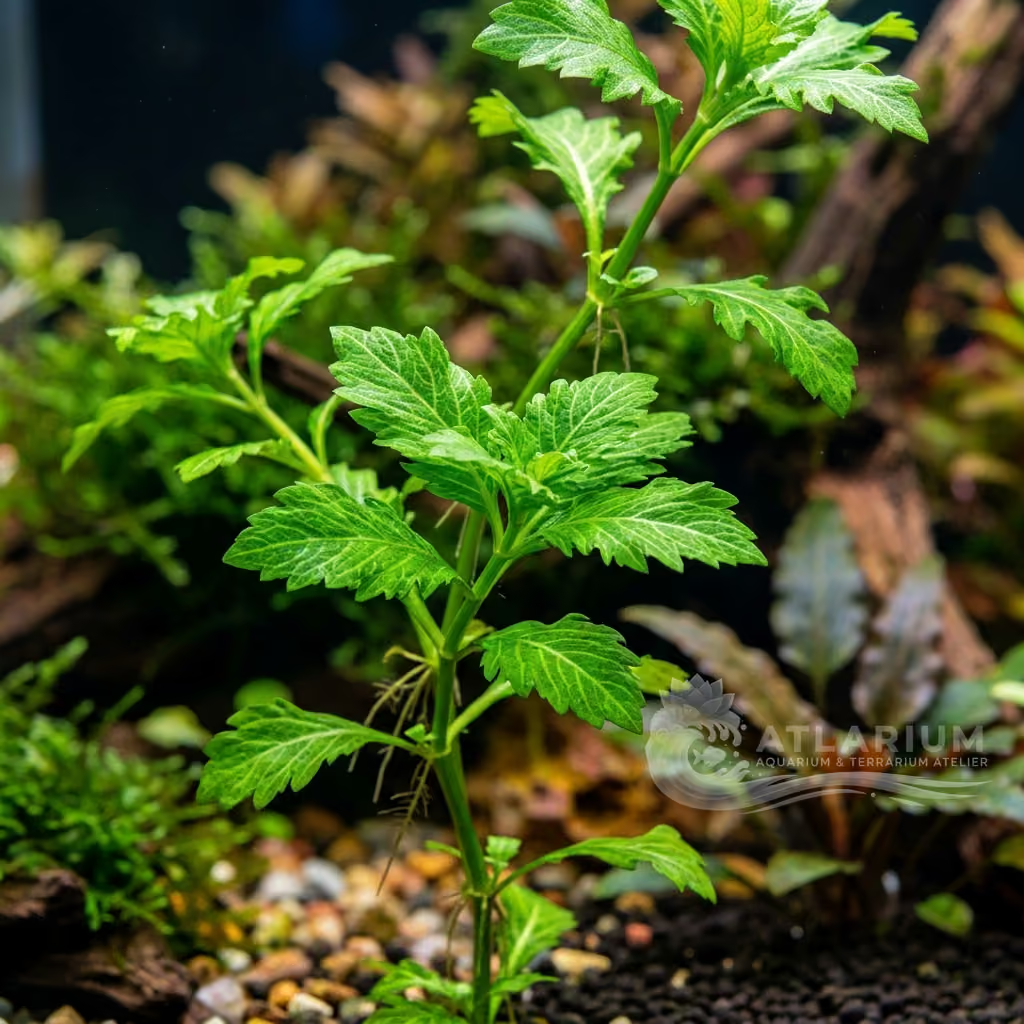
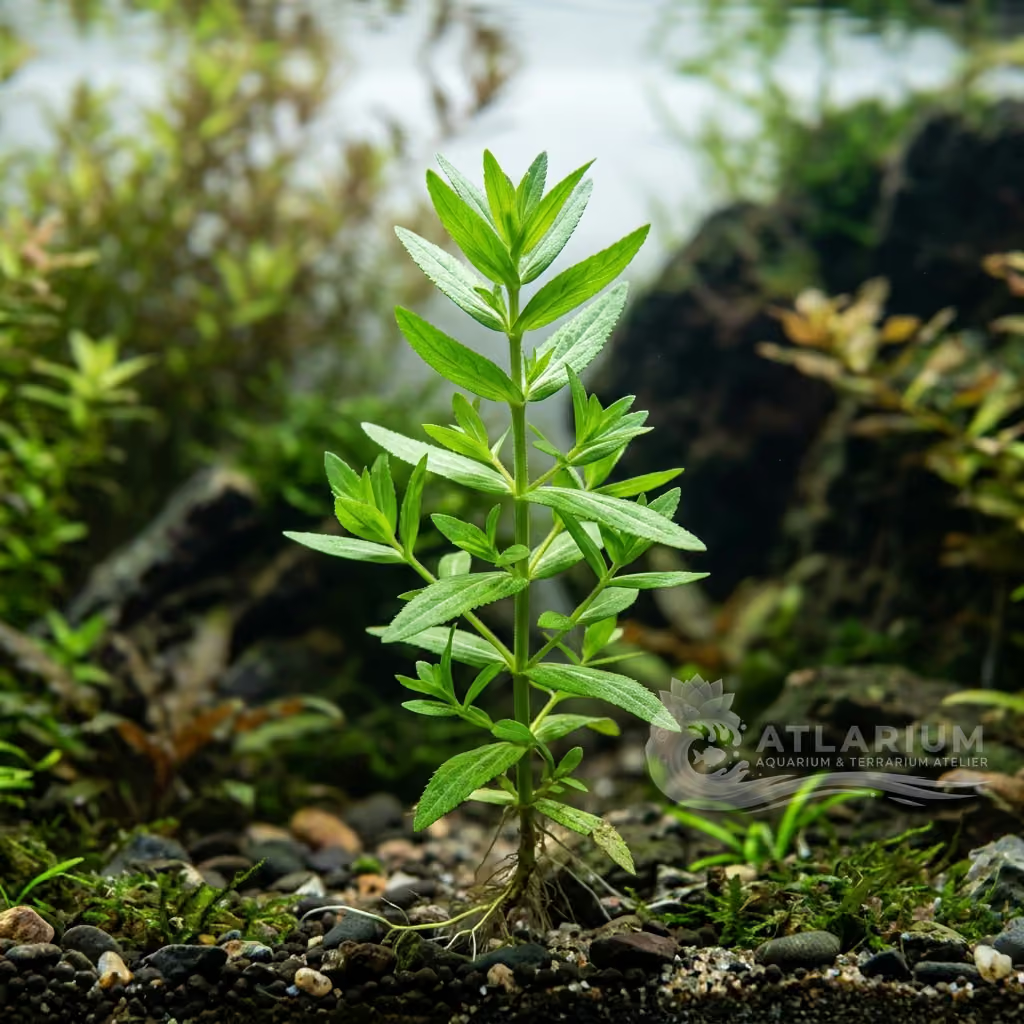
Taxonomy & Genetics: From a taxonomic perspective, the plant belongs to the genus Limnophila within the family Plantaginaceae. The name 'heterophylla' highlights its ability to produce differently shaped leaves submersed and emersed. This phylogenetic placement places it within a group of vascular plants highly specialized for aquatic life. Genetically, species in this genus exhibit high phenotypic plasticity, meaning their outward appearance can vary drastically based on available light and nutrient conditions. Selection and hybridization efforts have led to the development of specific cultivars suited for aquarium cultivation.
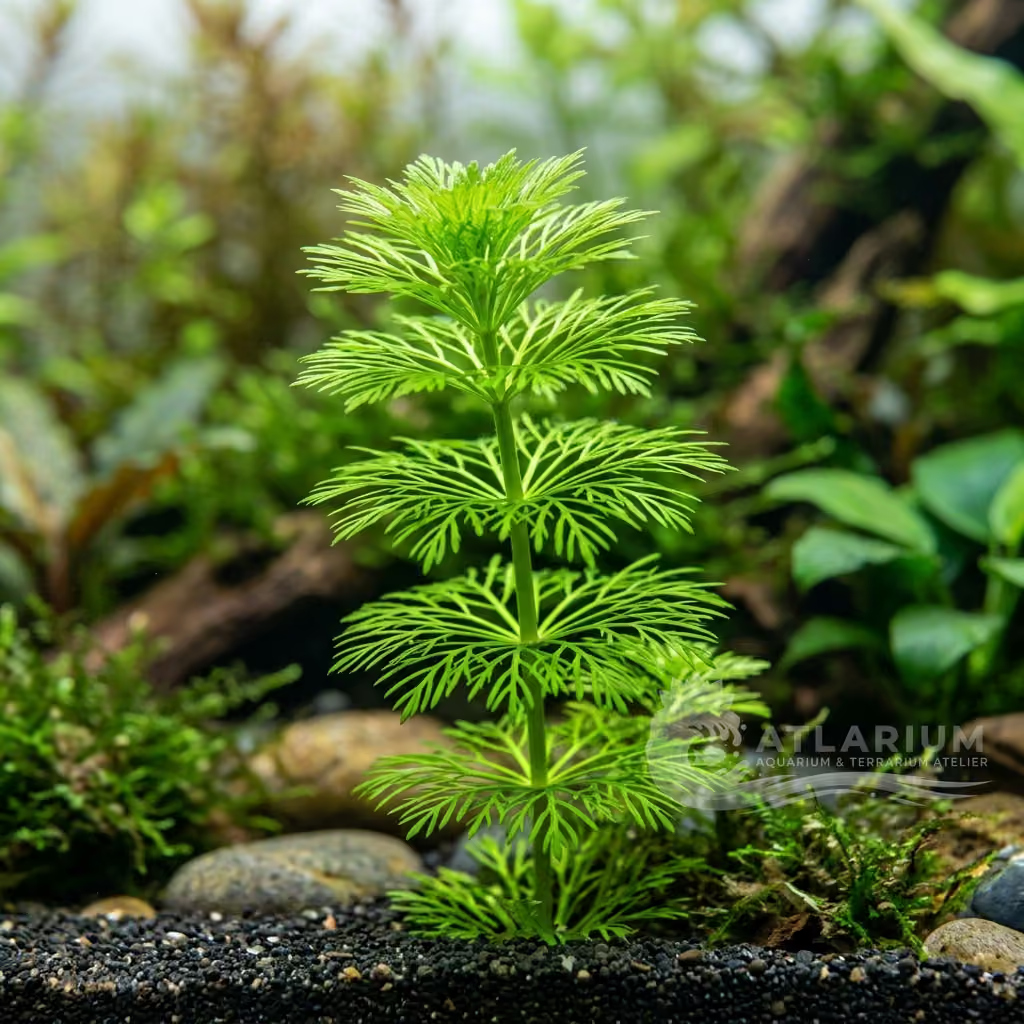
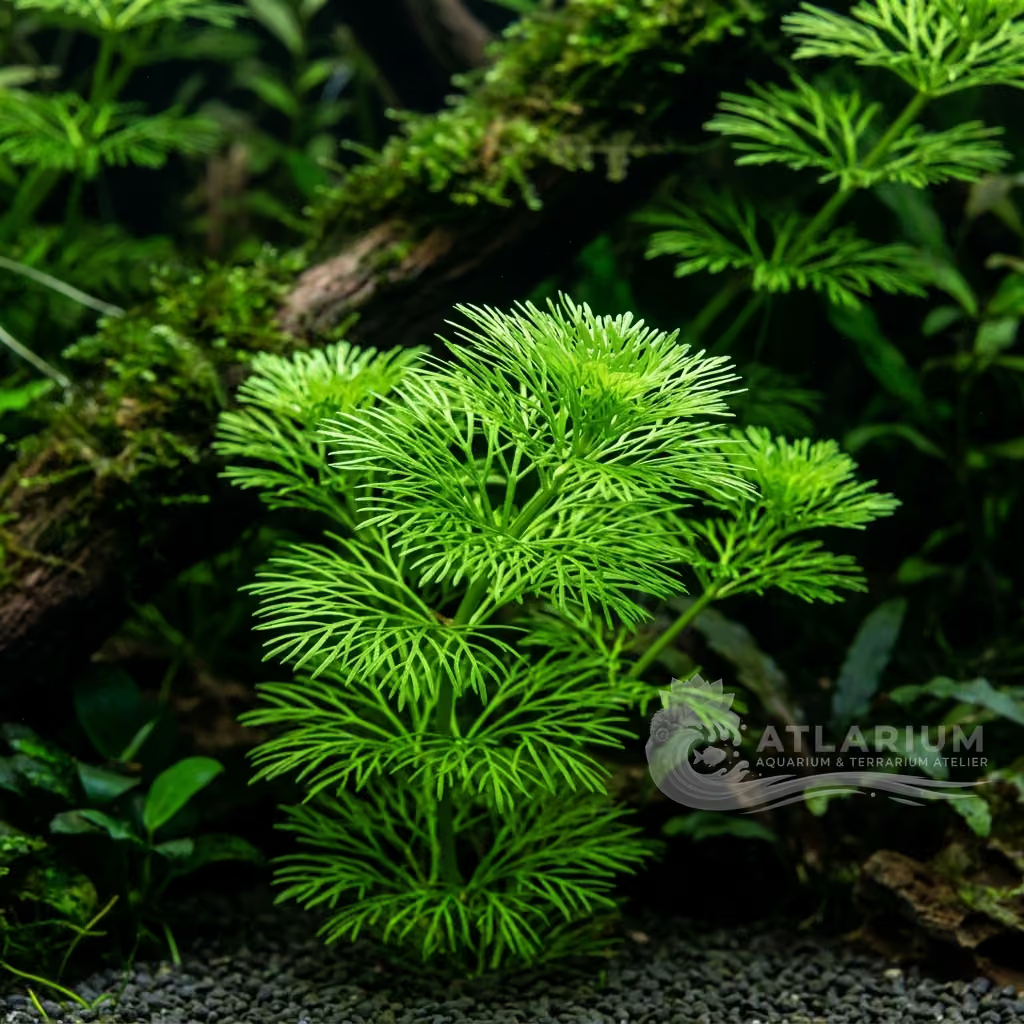
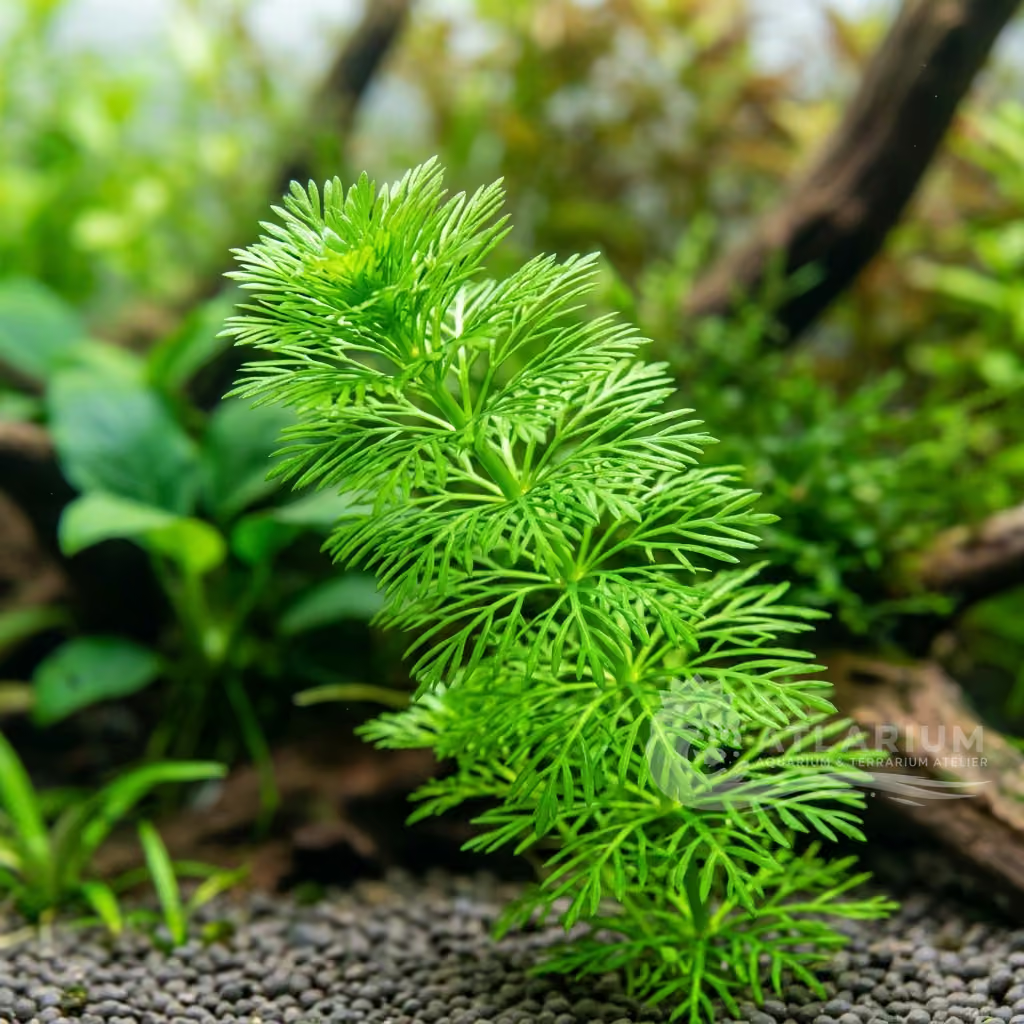
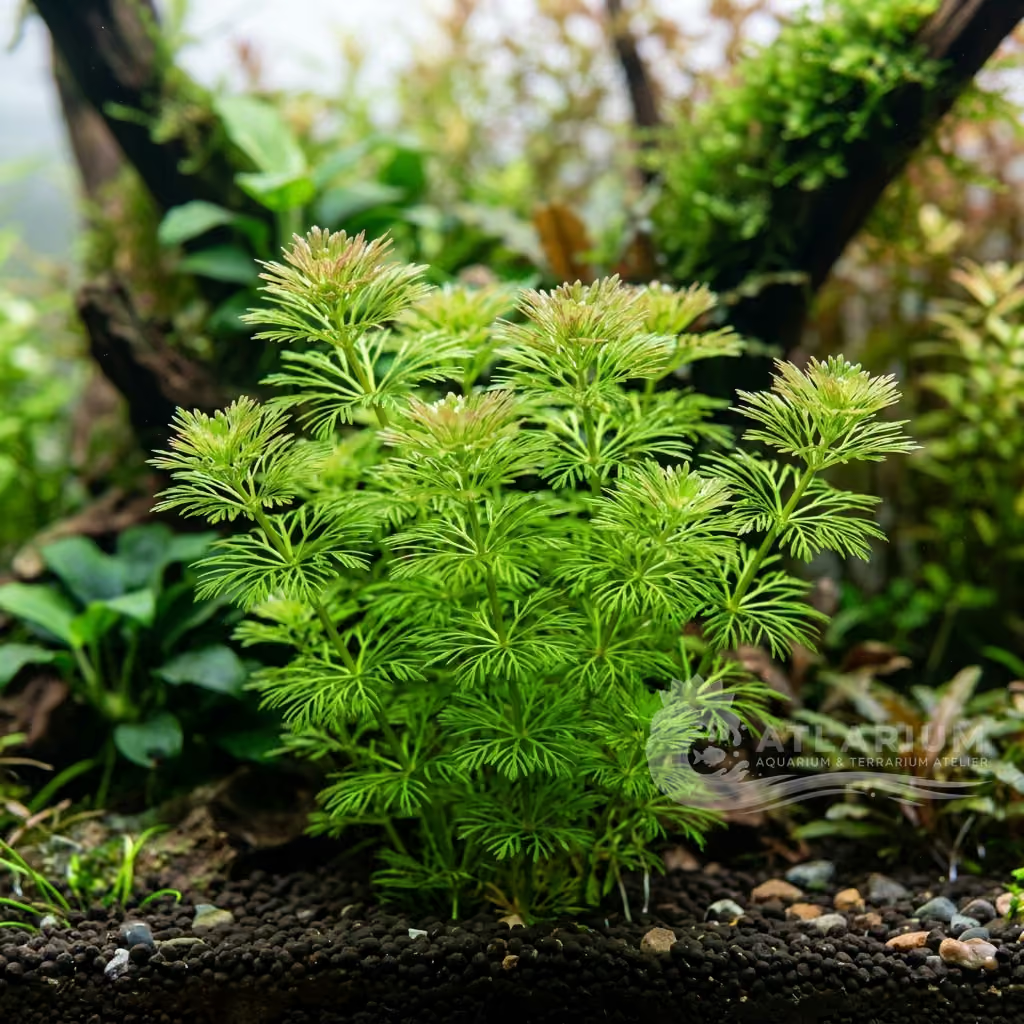
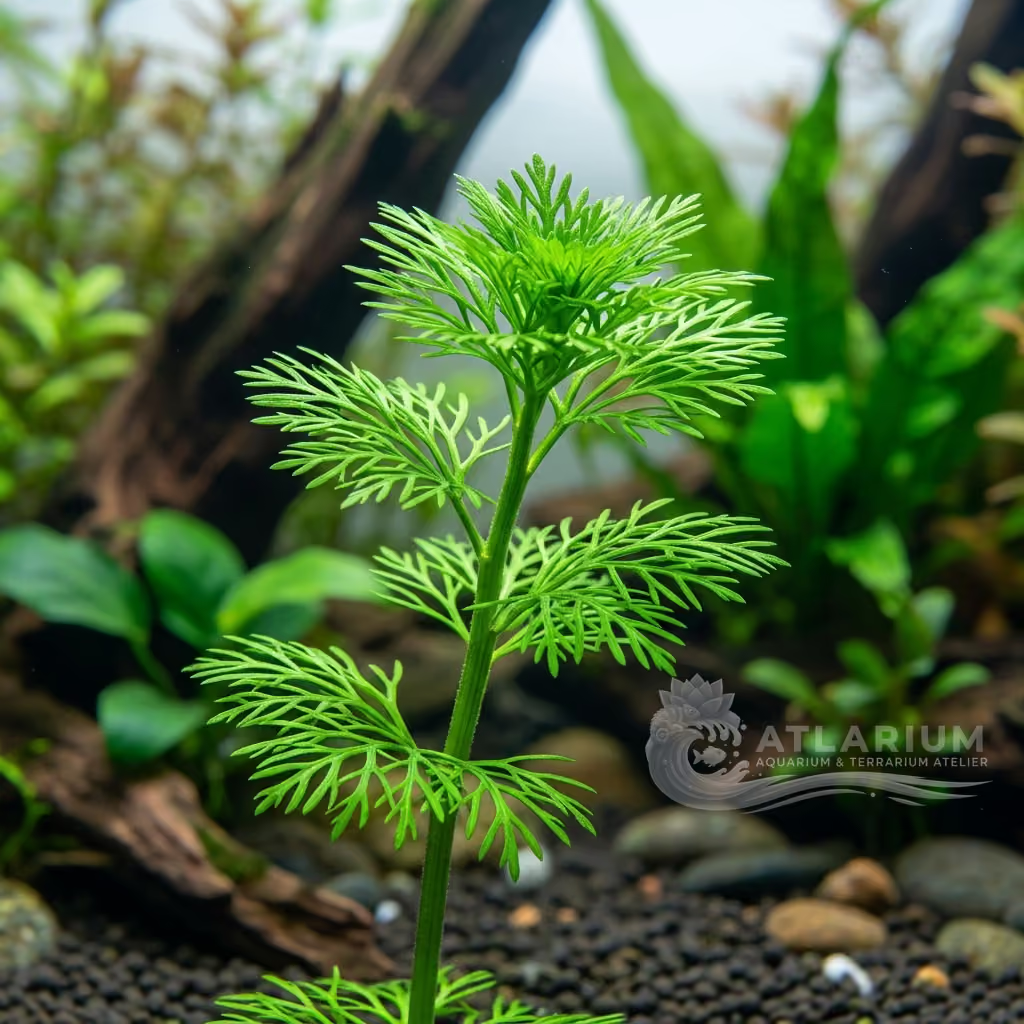
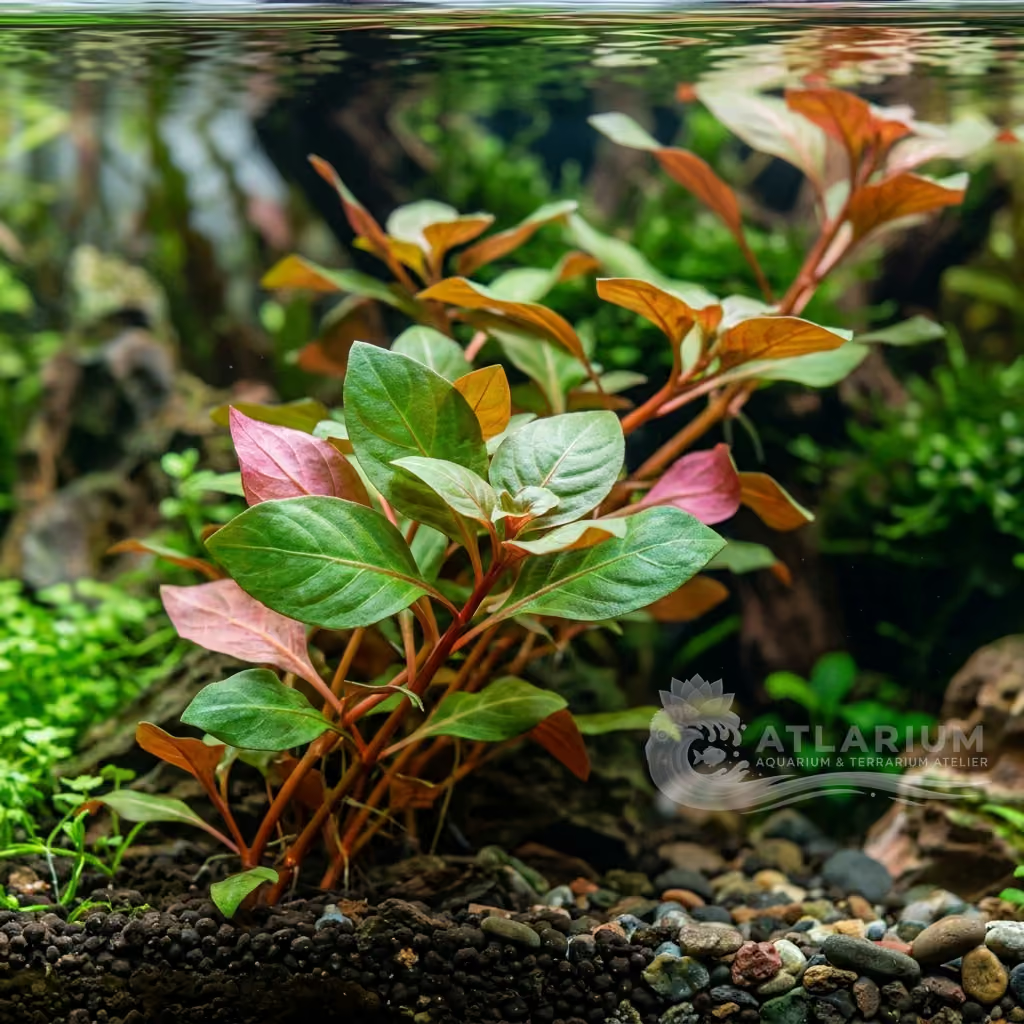
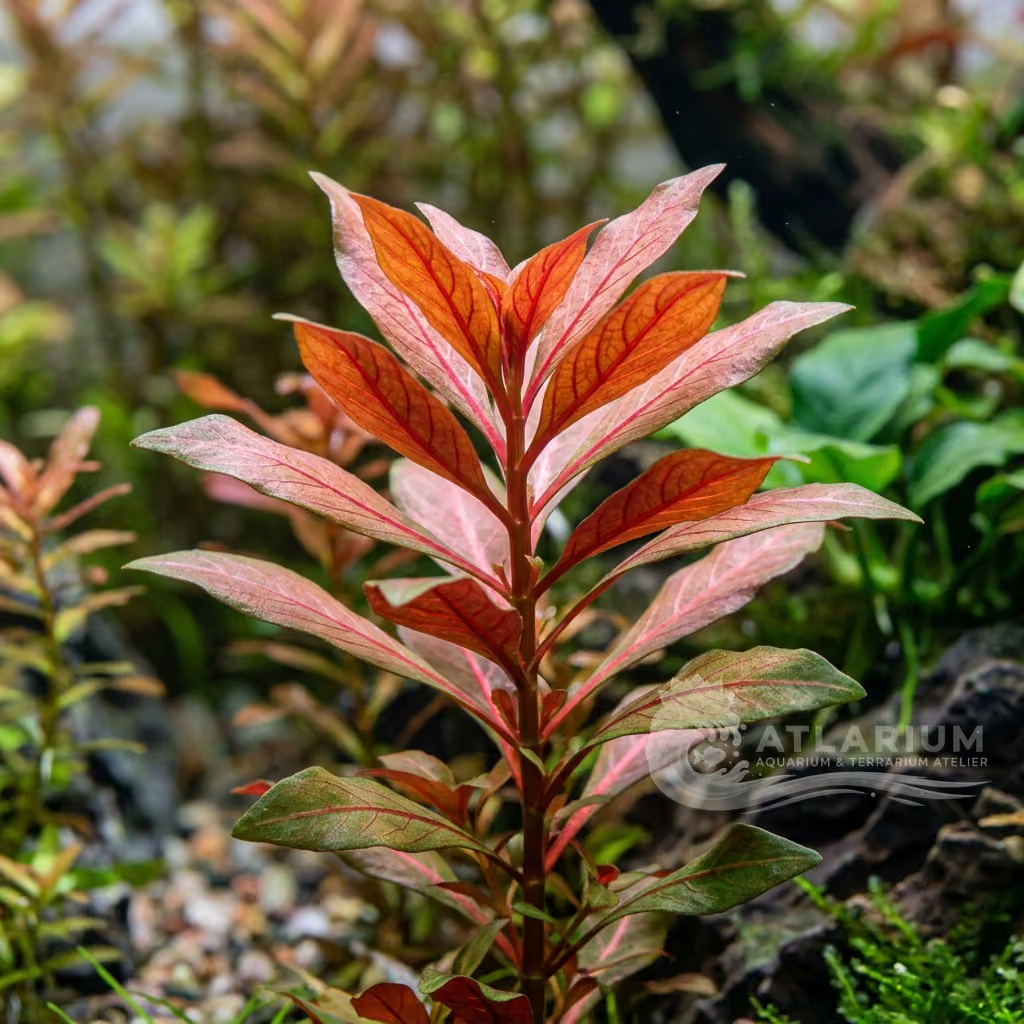
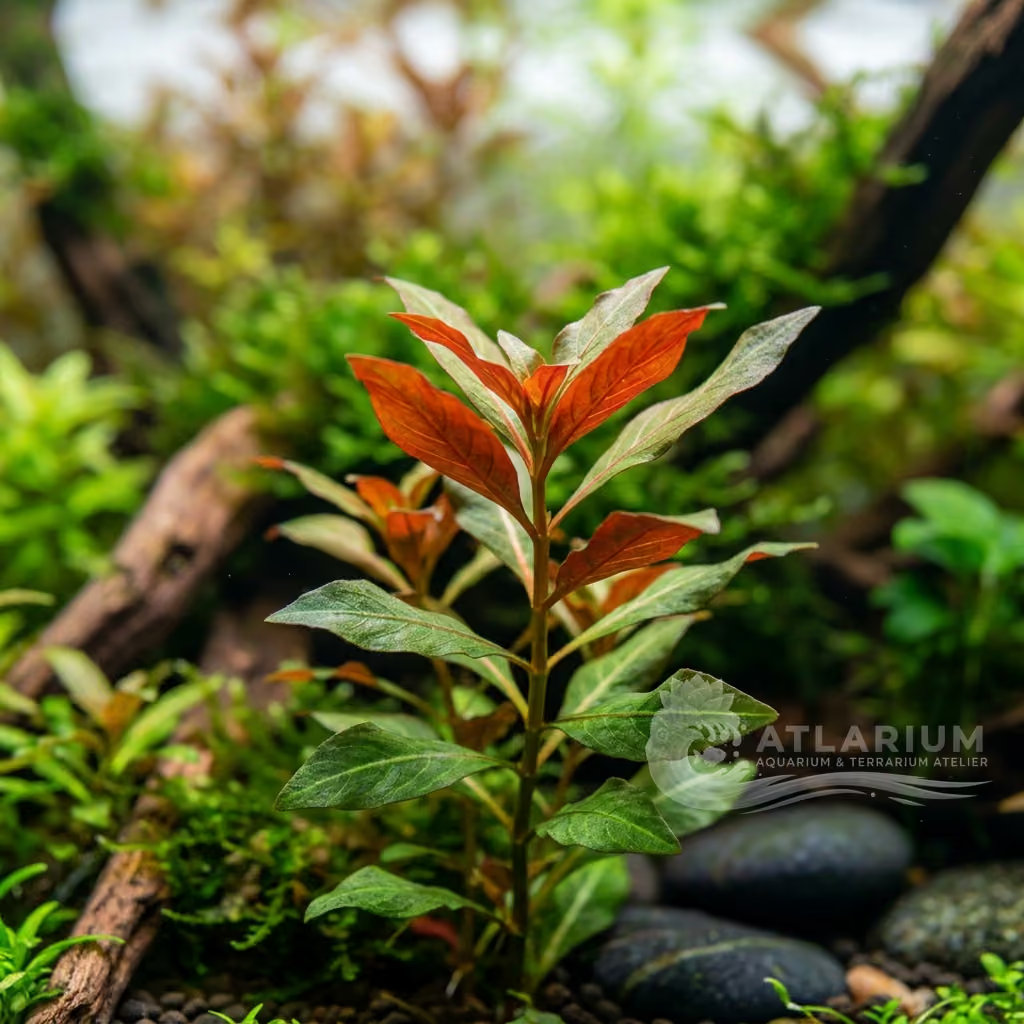
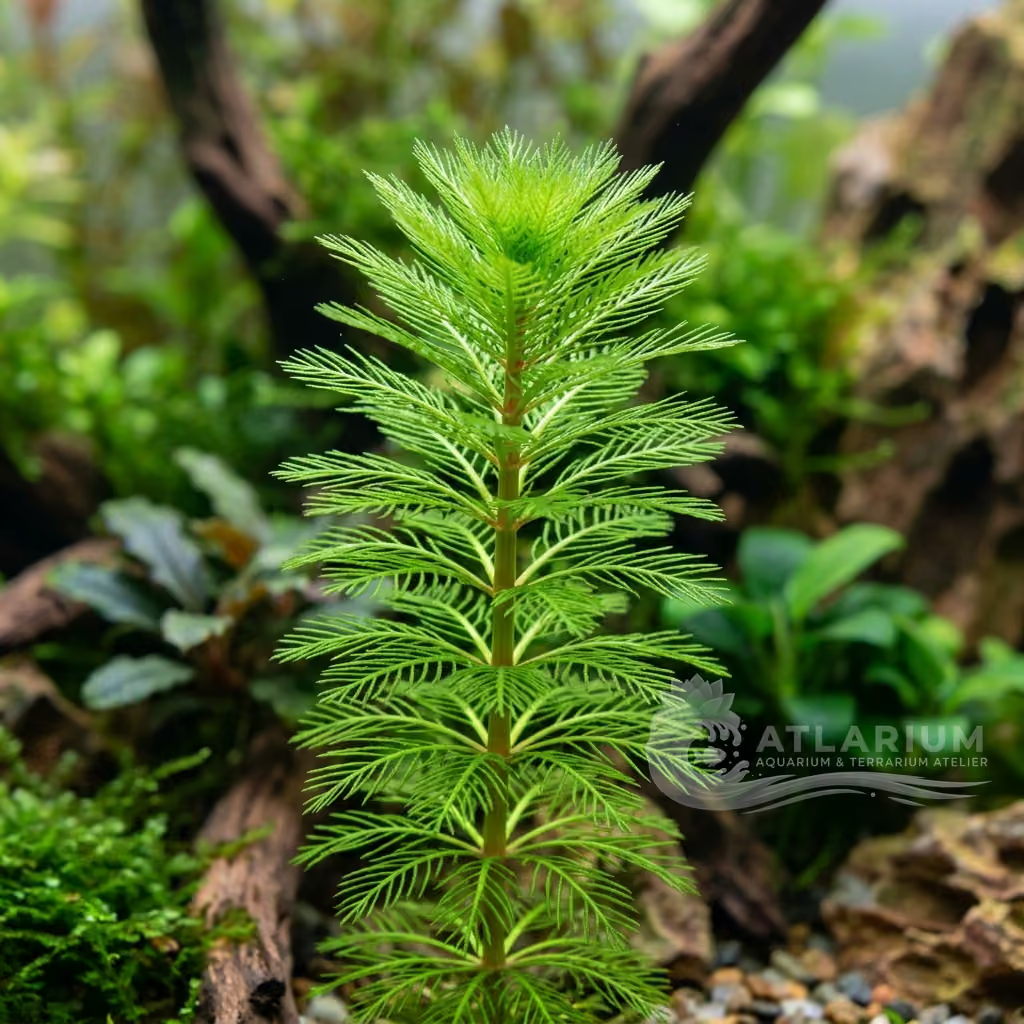
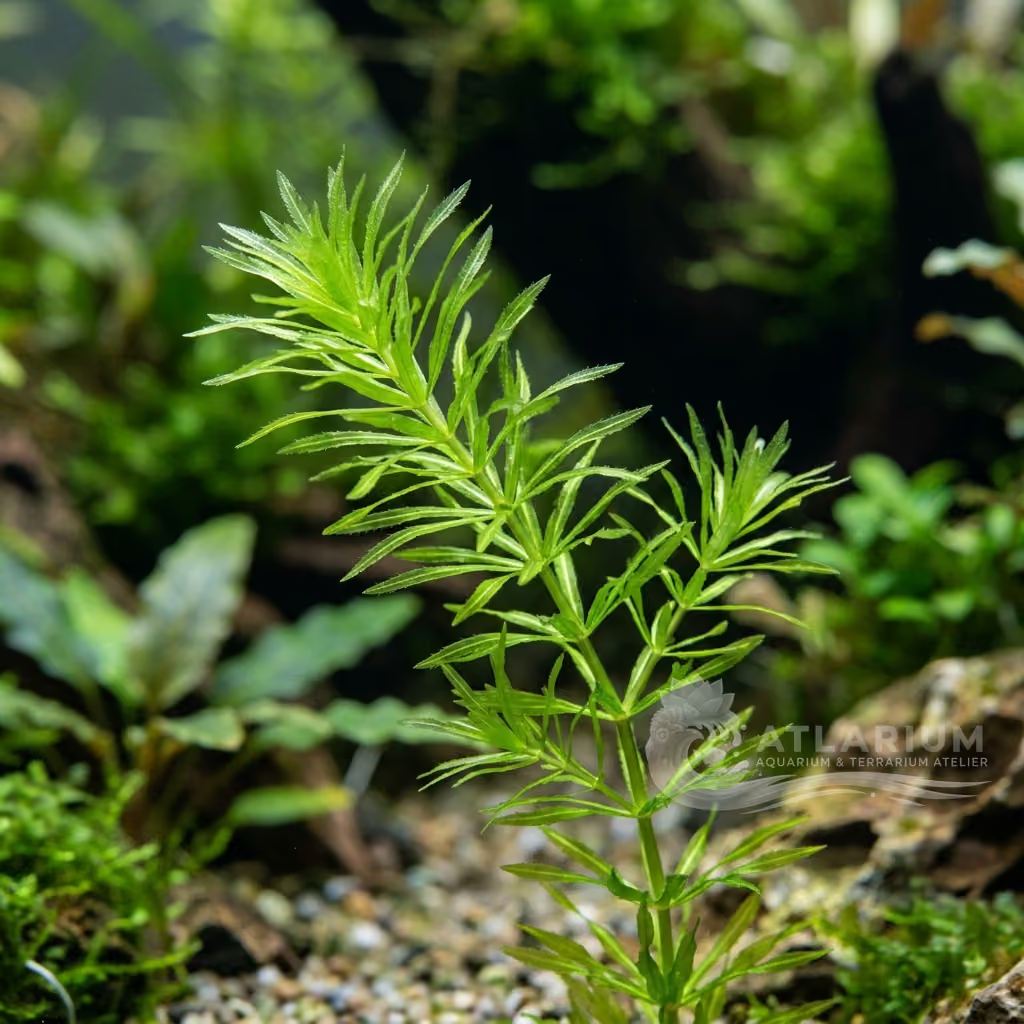
Physical Structure: The morphology of this plant is characterized by very long and branched stems that develop rapidly, covered with very fine needle-like leaves arranged in dense whorls. This structural conformation allows the plant to withstand moderate water currents and maximize the absorption of carbon dioxide and light. The root system is designed to anchor the plant firmly to the soil and absorb mineral nutrients. In aquariums, the vertical or creeping development provides excellent natural barriers and shelter zones for small fish and invertebrates.
Color & Texture: Aesthetically, the plant offers a bright and refreshing light green coloration that brightens up shaded areas of the aquascape. The leaf texture, soft yet resilient to the touch, adds visual depth and a sense of naturalness to any aquascaping composition. The chromatic variation serves as an excellent color contrast compared to traditional, all-green plants. Under strong lighting and targeted fertilization, the intensity of the color reaches its maximum visual splendor.

Pflege, Zucht und Mitbewohner
Lighting & CO2: For optimal growth, the plant requires moderate to intense lighting, growing decently even without CO2 although carbon dioxide injection makes it significantly bushier. Intense light promotes shorter internodes and the development of more saturated colors, while the CO2 supply ensures stable photosynthesis, preventing plant tissue decay. In the absence of these elements, the plant will tend to stretch excessively towards the light, losing its lower leaves and exhibiting weak, stunted growth.
Nutrition & Substrate: Nutrition must be managed by providing a regular supply of potassium and trace elements in the
Water Chemistry: This species prefers soft to very hard water with temperature between 15 and 30 °C, pH between 5.0 and 8.0, and a carbonate hardness (KH) of 2-21. Regular water changes are recommended to maintain stable parameters and low levels of pollutants such as nitrates and phosphates. Good mechanical and biological filtration will ensure an environment free of suspended particles, which could settle on the leaves and limit photosynthesis.
Space Management & Placement: The ideal placement is the background of the aquarium, ideal for quickly filling large spaces and hiding filtration equipment. As a plant that can expand laterally or vertically, it is important to carefully calculate distances from neighboring species to avoid mutual shading. Proper water circulation among the foliage also prevents the formation of stagnant zones susceptible to bacterial infections.
Pruning: Maintenance is carried out by frequently trimming the stems that reach the surface and replanting the tops to thicken the group. Periodically removing older or damaged leaves at the base stimulates the plant to focus energy on new growth. Using sterile, very sharp tools is essential to avoid crushing stem tissues, which could lead to necrosis or fungal infections.
Risks & Diseases: The main risks include the risk of suffocating neighboring plants due to its rapid growth, and the appearance of small leaf holes if potassium is lacking. Under conditions of poor water movement or nutrient imbalance, the leaves can be colonized by filamentous or green spot algae. In cases of severe stress, the stems can rot from the inside; if this occurs, damaged parts must be removed immediately to prevent infecting the entire plant.

Geografische Herkunft und Verbreitung
The species Limnophila heterophylla is native to the wetlands and tropical watercourses of South Asia and Southeast Asia, commonly found in canals and rice paddies. In its natural environment, it is typically found in slow-flowing or stagnant waters, such as swamps, ponds, and tropical riverbanks, where it adapts beautifully to seasonal water level variations. This habitat provides a rich organic substrate and consistent, filtered light exposure. The plant's ability to grow both submersed and emersed is a testament to its extraordinary evolutionary resilience in these humid ecosystems.
Ursprung
Süd- und Südostasien

Pflanzenprofil
- Platzierung
- Mittelgrund
- This plant is best suited for the background of an aquarium due to its height and bushy growth. It can also be placed in the midground if trimmed regularly to maintain a lower profile. Grouping several stems together creates a dense, attractive thicket. Ensure it is planted where it can receive unobstructed light.
- Botanische Form
- Stängel
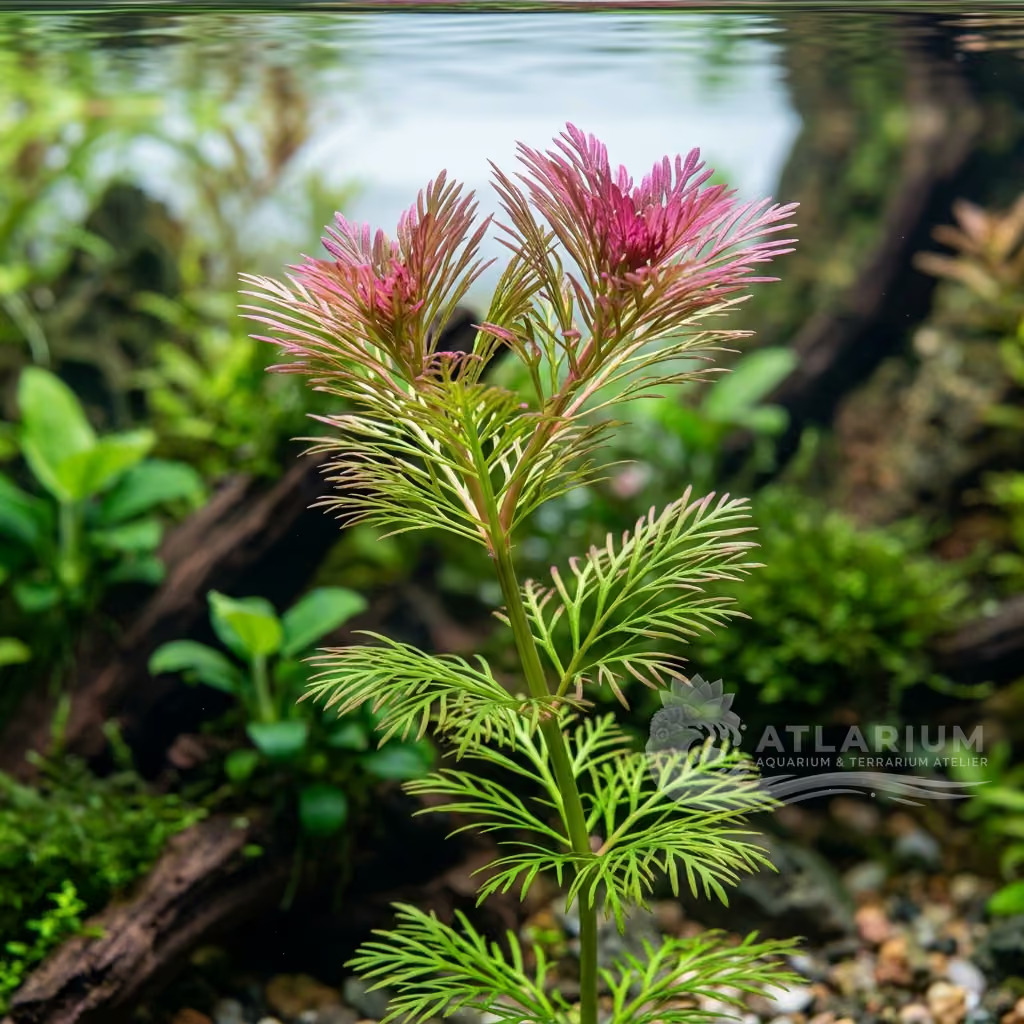
- It features a classic stem plant structure with finely divided, needle-like leaves arranged in whorls. The delicate foliage provides a feathery texture that contrasts nicely with broad-leaved plants. The bright green coloration adds a lively touch to the aquascape. Under high light, the tips may occasionally show reddish or yellowish hues.
- Wachstum
- Schnell
- Limnophila heterophylla exhibits a fast growth rate, especially under optimal lighting and nutrient conditions. It can quickly reach the water surface, requiring frequent trimming. Its rapid growth makes it an excellent choice for outcompeting algae. New aquarists often enjoy its fast response to good conditions.
- Substrat
- Mittel
- Limnophila heterophylla is highly adaptable but truly excels when planted in a fertile aqua soil with a depth of at least 5 cm to support its swift vertical growth. Its root structure is fibrous and efficiently explores the surrounding substrate to absorb both macro and micronutrients. While it can survive in plain gravel, enriching the root zone will lead to thicker stems, denser whorls of leaves, and overall better disease resistance.
- Säulendüngung
- Empfohlen
- Liquid column fertilization is highly beneficial for this species, as it absorbs many nutrients through its leaves. A comprehensive liquid fertilizer should be dosed regularly to ensure all micro and macronutrients are available. Maintaining adequate CO2 levels further enhances its nutrient uptake and overall vigor. Regular water changes are recommended to reset nutrient levels.
- Wurzeldüngung
- Keine
- While primarily drawing nutrients from the water column, it also develops a strong root system. A nutrient-rich substrate or root tabs can promote healthier and more robust growth. Good root nutrition helps stabilize the plant in the substrate. It is particularly helpful when first establishing the plant in a new tank.
- Trimmen
- Gelegentlich
- Regular trimming is necessary to prevent it from shading other plants and to encourage lateral branching. Cut the stems just above a node using sharp scissors. The replanted tops will quickly take root and grow into new plants. Discard any older, woody bottom sections if they lose their visual appeal.
- Ausbreitung
- Stecklinge
- Propagation is straightforward through stem cuttings. Simply snip the upper portion of a healthy stem and replant it in the substrate. Ensure the cutting has at least a few sets of leaves to support new growth. Side shoots will often develop from the cut portion left in the substrate.
- Empfindlichkeit
- Mäßig
- It is generally hardy but can be sensitive to sudden changes in water parameters or insufficient light. Lower leaves may melt or drop off if the light is too dim. Algae growth on its fine leaves can occur if nutrient levels are unbalanced. Ensure good water circulation to prevent debris buildup on the leaves.
- Layoutrolle
- Mittelgrund, Hintergrund
- Its feathery texture and fast growth make it an ideal background filler. It creates a soft, natural look that contrasts well with hardscape materials and broad-leaved plants. The dense growth provides excellent hiding spots for shy fish and fry. It can also be used to conceal equipment like heaters and filter intakes.

Verwandte Arten
Empfehlungen gruppiert nach nahen Verwandten, Auswahl von Begleitern und ähnlicher Betreuung.