Ammannia gracilis
Ammannia gracilis
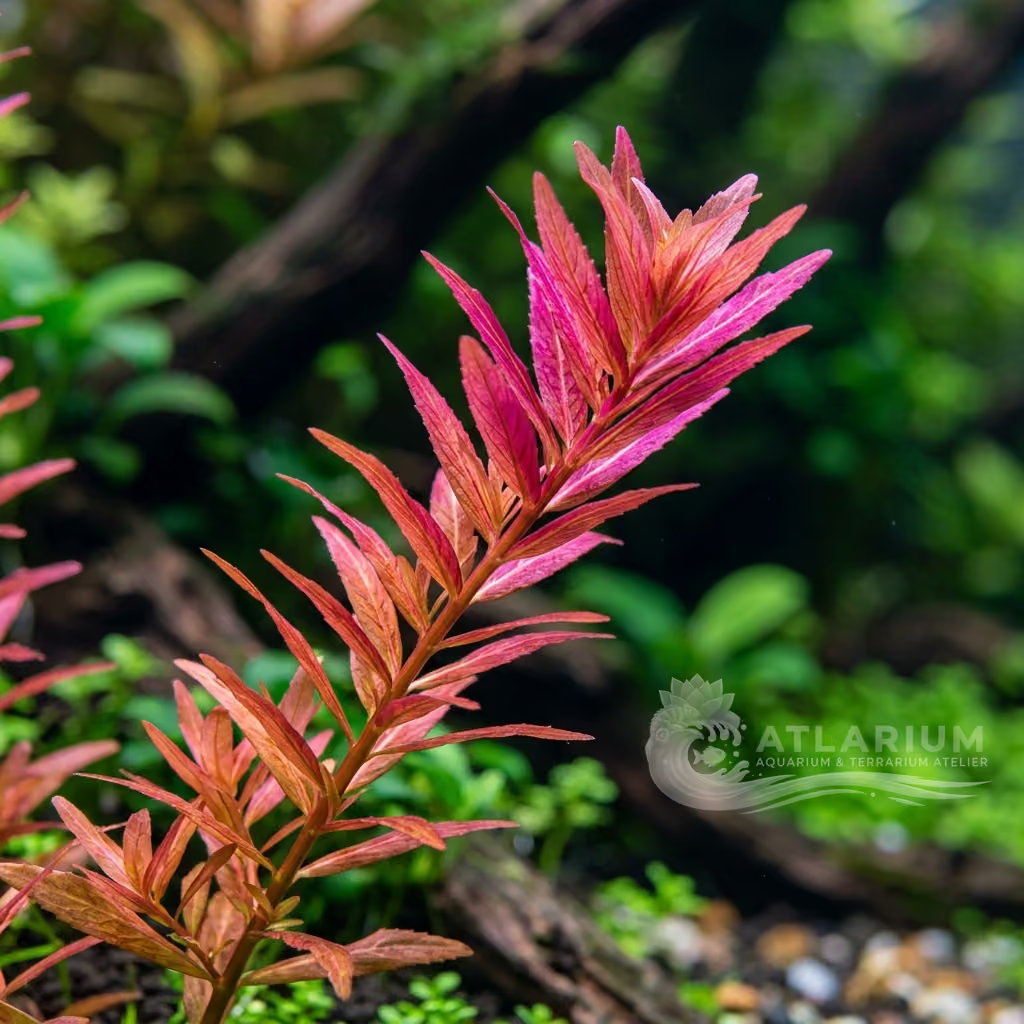
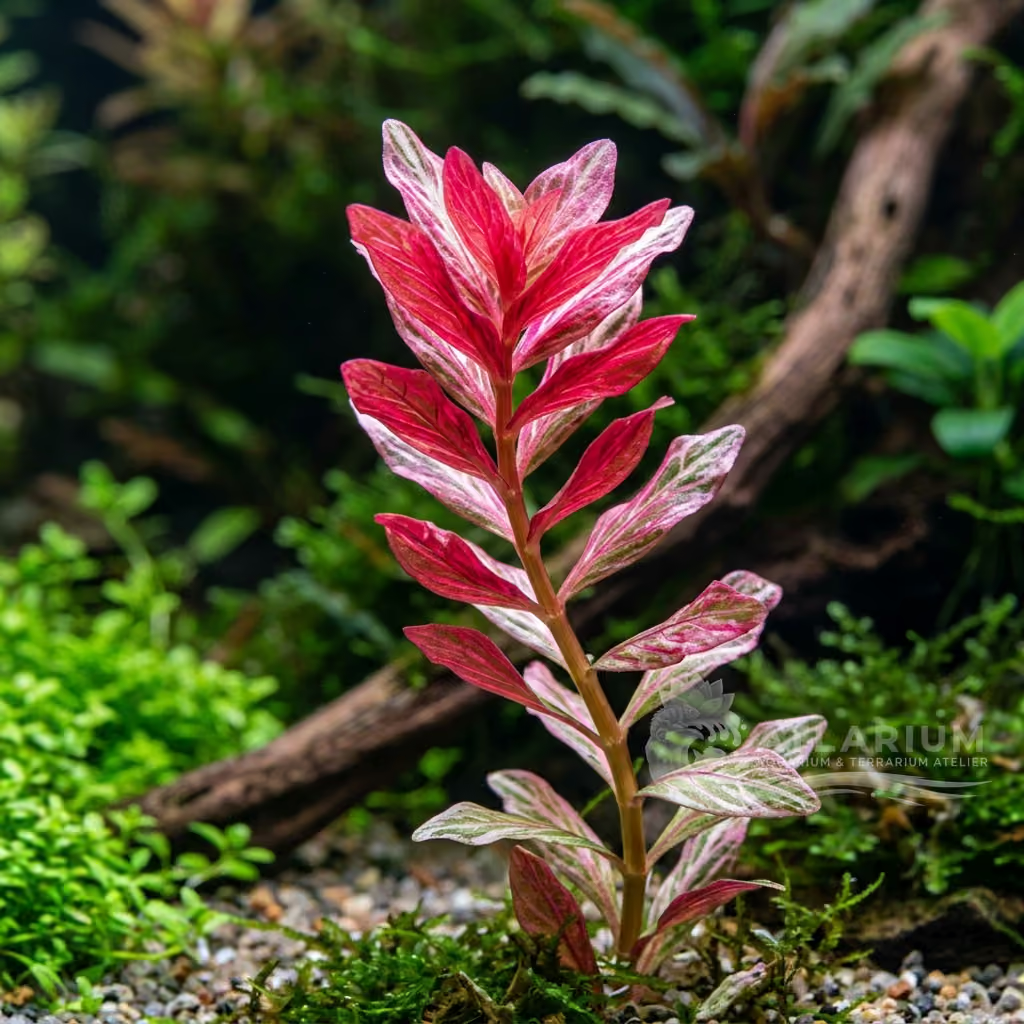
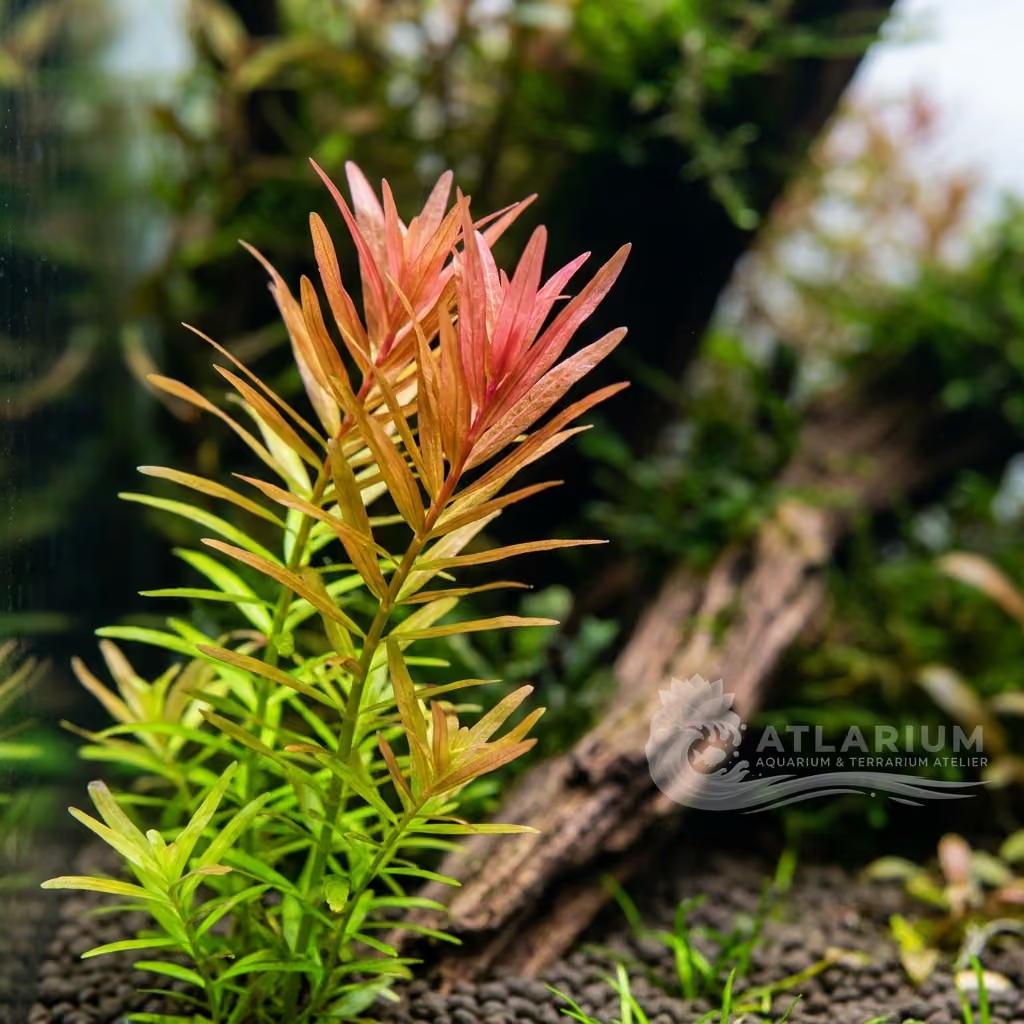
West African amphibious plant. Needs intense lighting and continuous CO2 to develop characteristic warm, vibrant reddish hues and prevent leaf shedding.
Wassertemperatur
12 - 32 °C
pH-Wert
5 - 7.5
Wassertyp
Süßwasser
Licht
Mittel - Hoch
CO2
Niedrig - Hoch
Erwartete Höhe
50 cm
Erwartete Breite
20 cm
KH
0 - 14 dKH

Artbeschreibung
Geographical Origin and Habitat: Ammannia gracilis is native to the wetlands of West Africa, particularly found in countries like Senegal, Gambia, and Guinea. In its natural habitat, it grows as an amphibious plant along slow-flowing riverbanks, drainage canals, and temporary marshes exposed to full tropical sun. During the wet season, it lives completely submerged in warm, nutrient-rich waters, whereas in the dry season, it adapts to an emersed form on muddy soils, where it blooms producing small purple flowers.
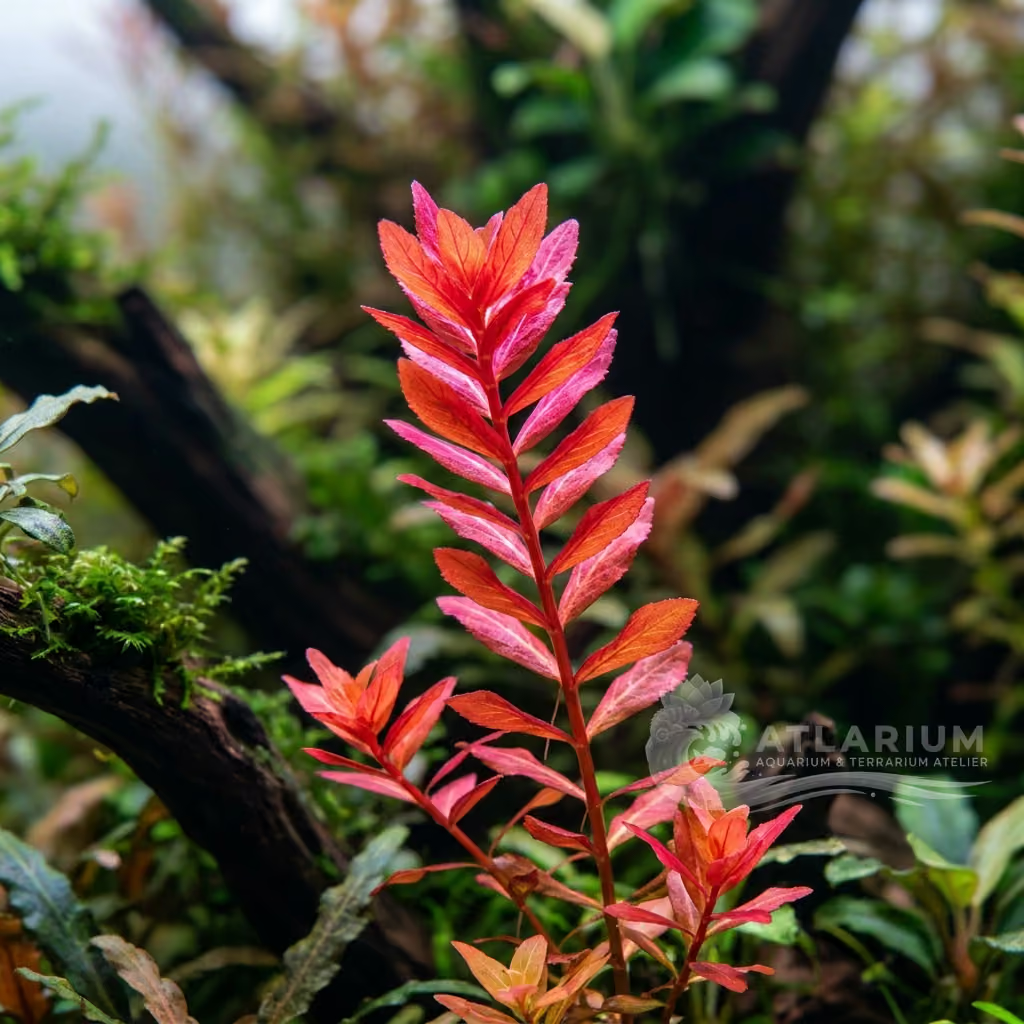
Taxonomy & Genetics: It belongs to the Lythraceae family, genus Ammannia, which is known to include several fast-growing marsh species. Genetically, Ammannia gracilis is closely related to species like Ammannia senegalensis, with which it is frequently confused. The plant exhibits high phenotypic plasticity: its genetic expression responds drastically to light intensity and iron availability, modifying leaf shape from lanceolate to linear and stimulating the production of reddish pigments (anthocyanins) as a protective mechanism against intense light.
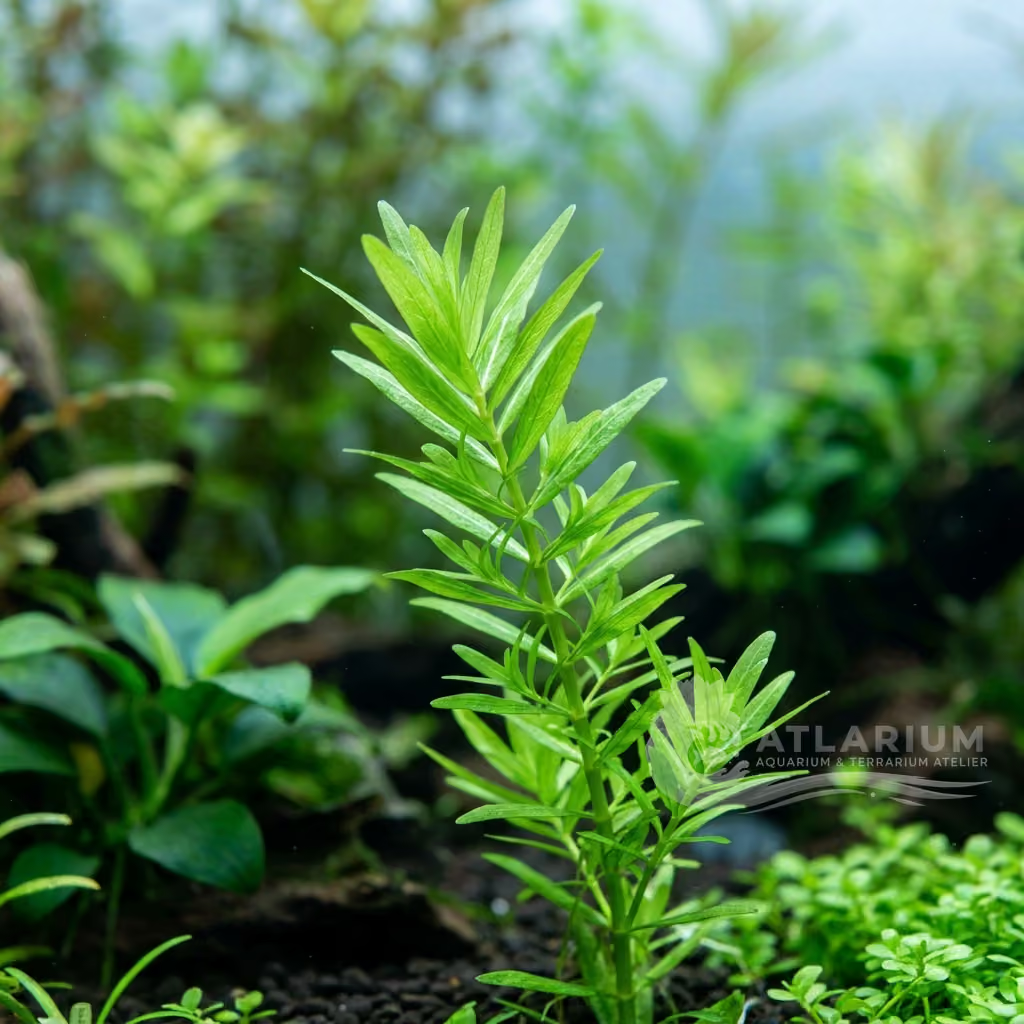
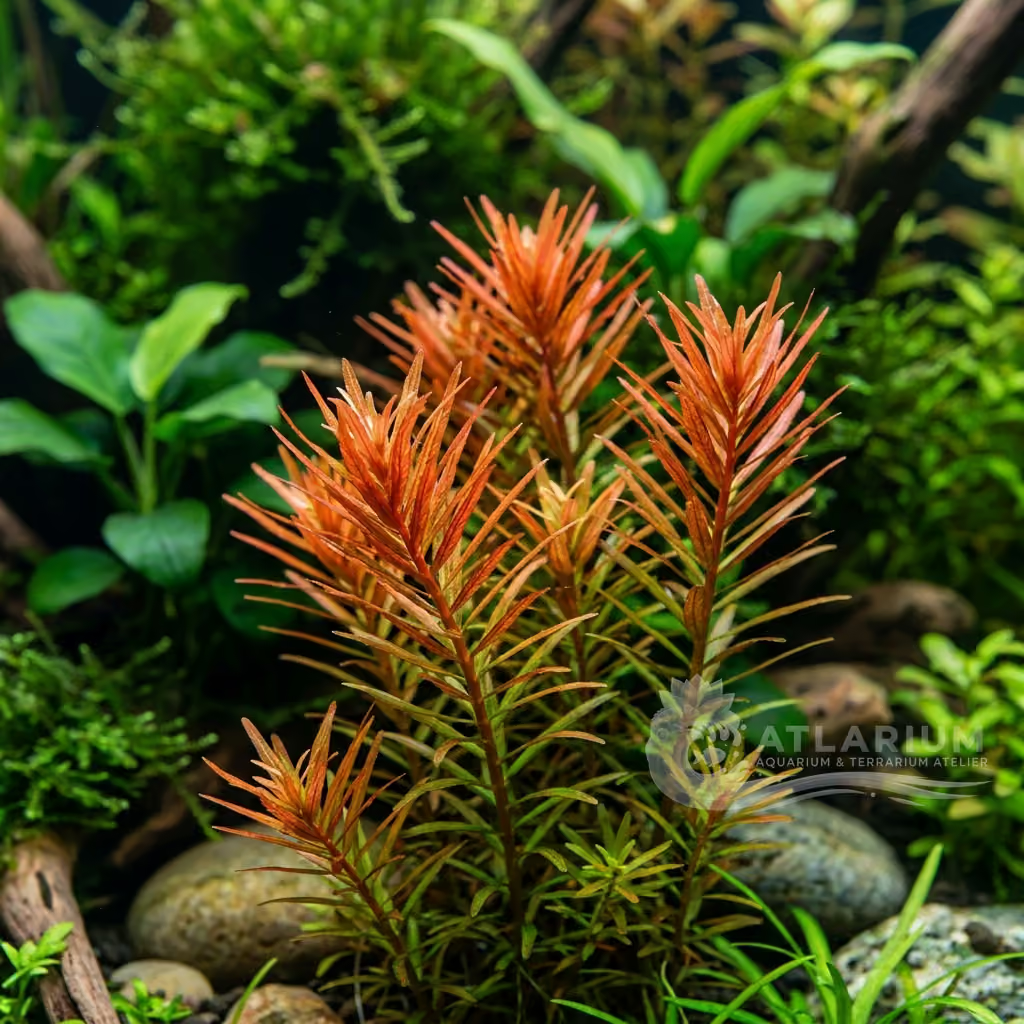
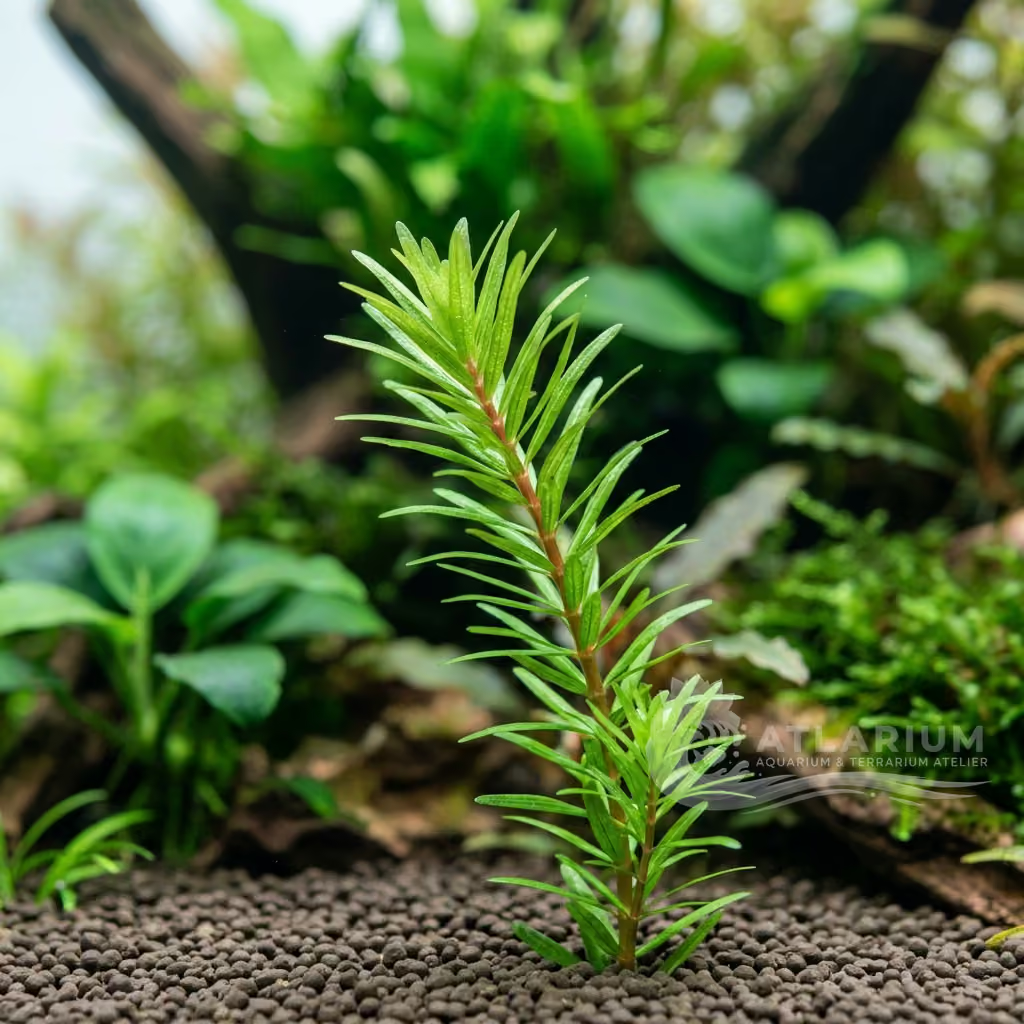
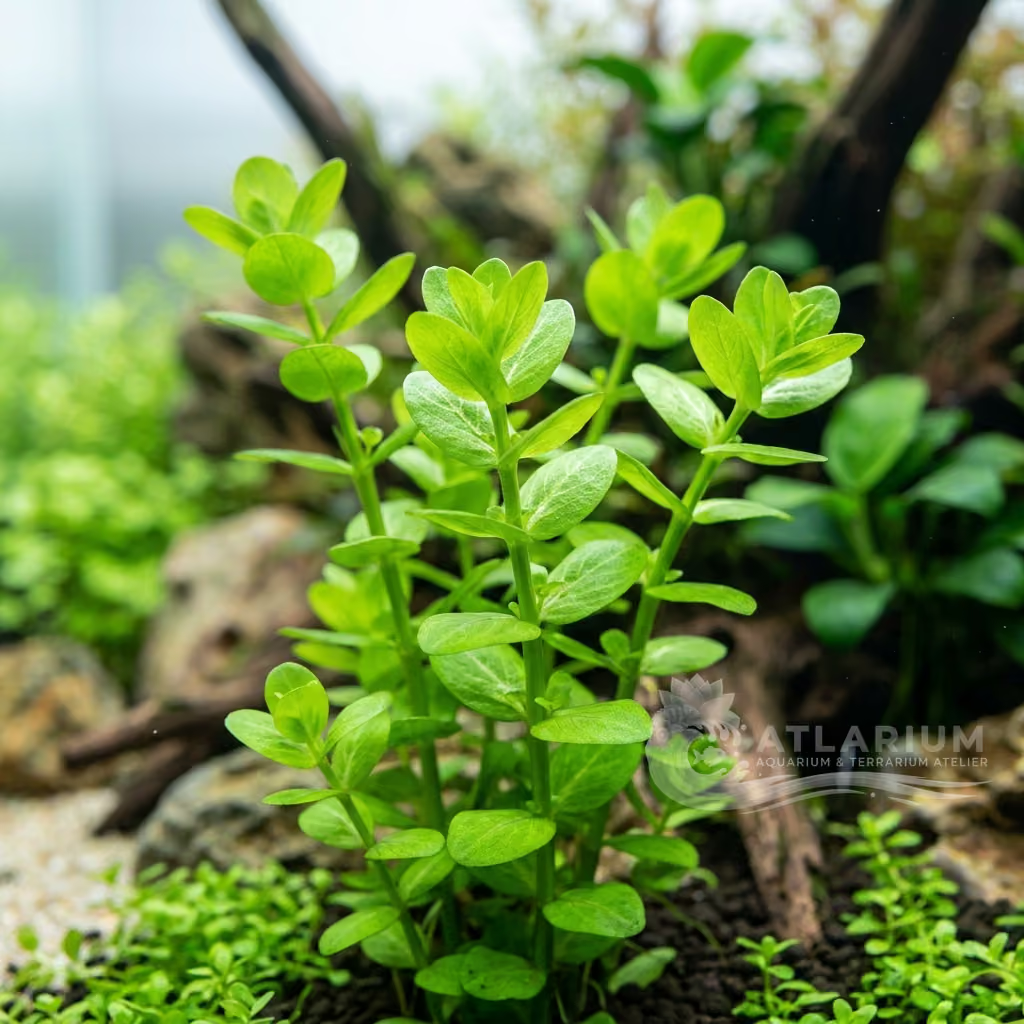
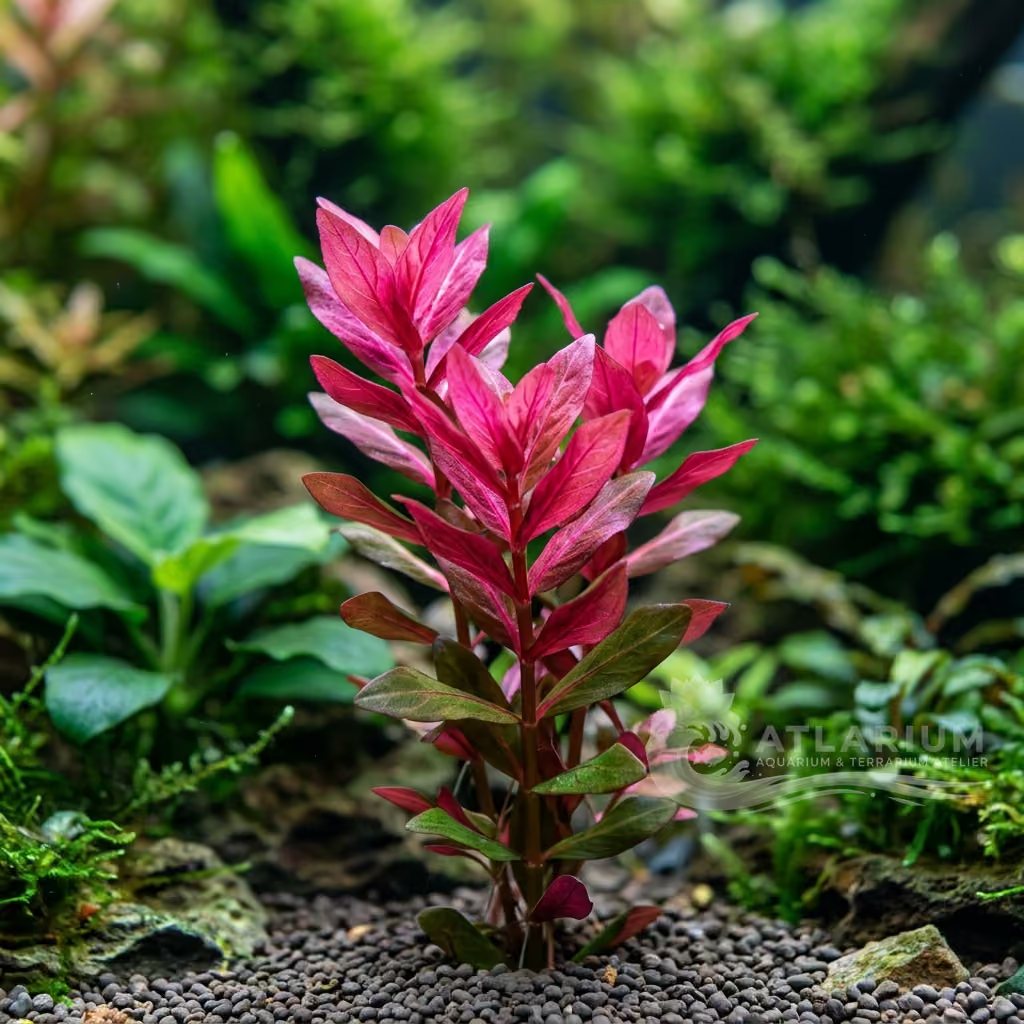
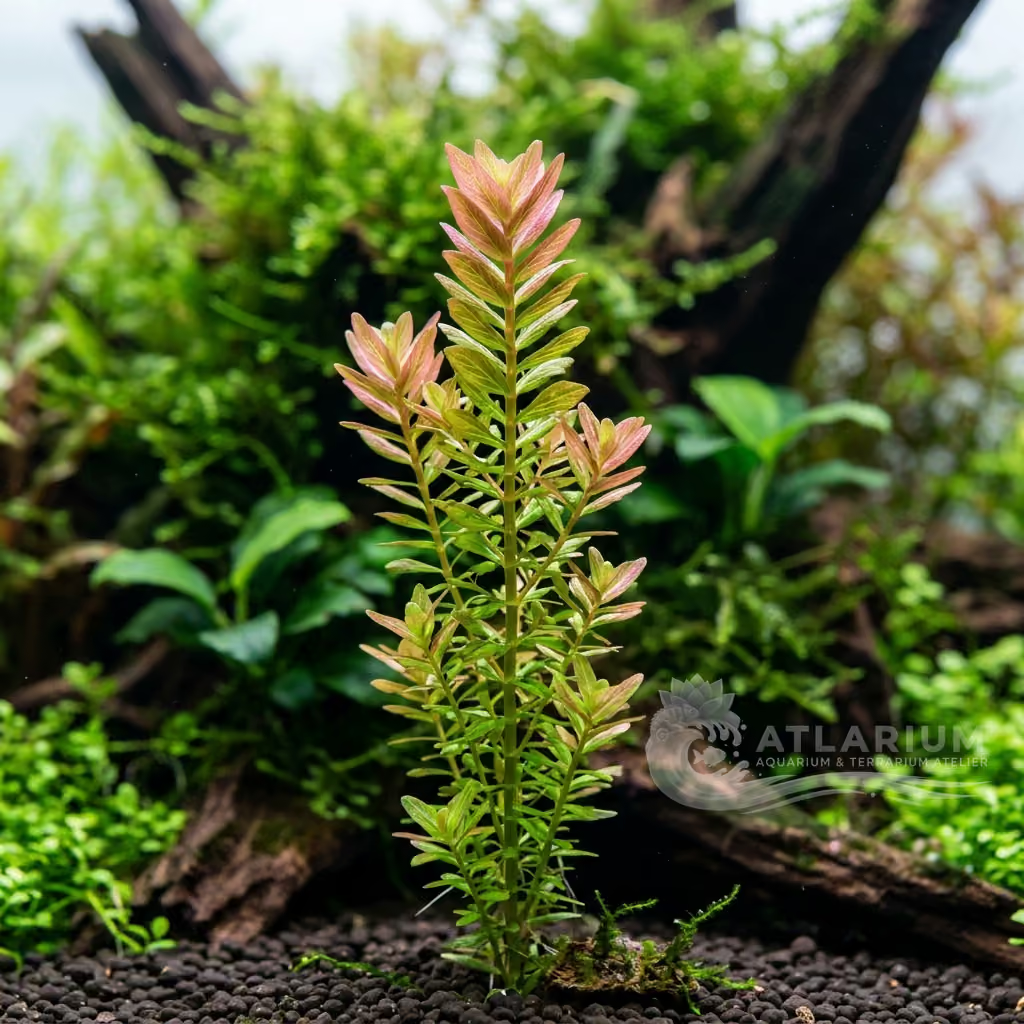
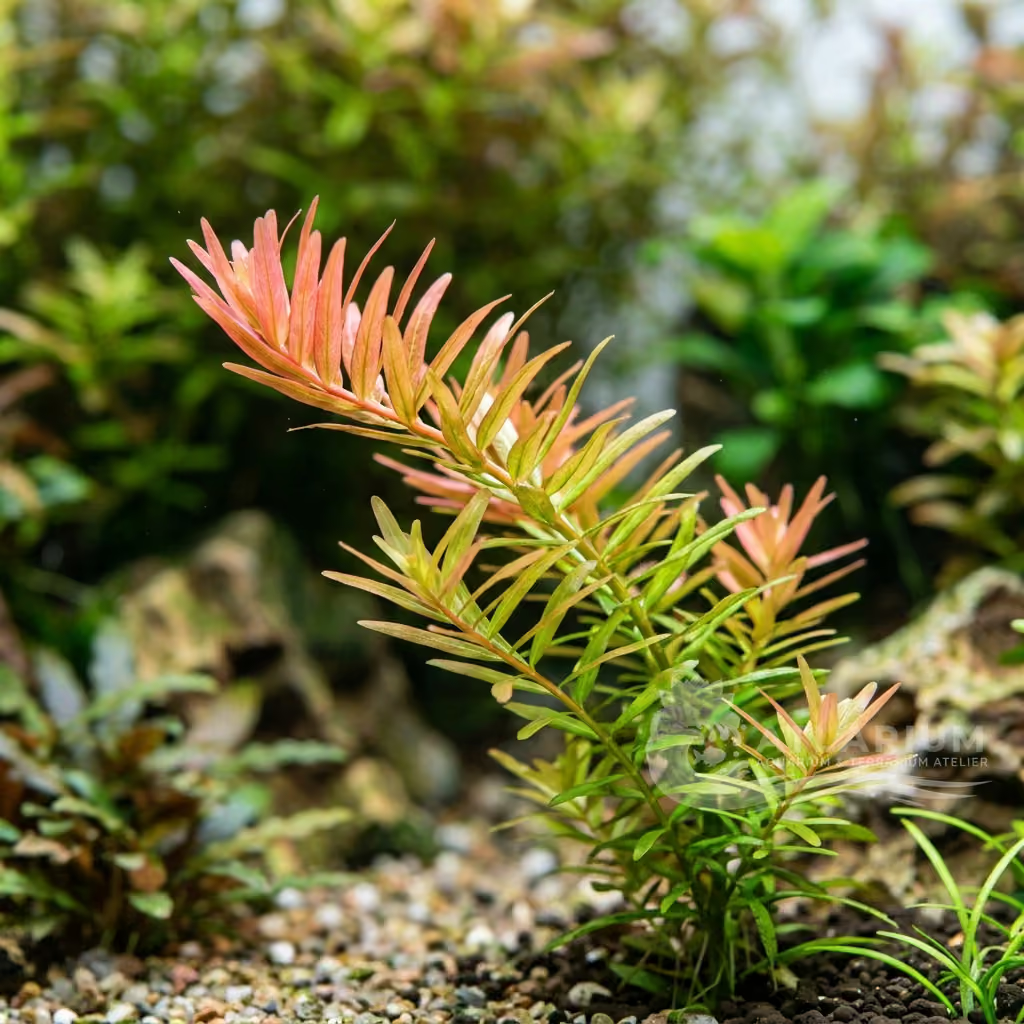
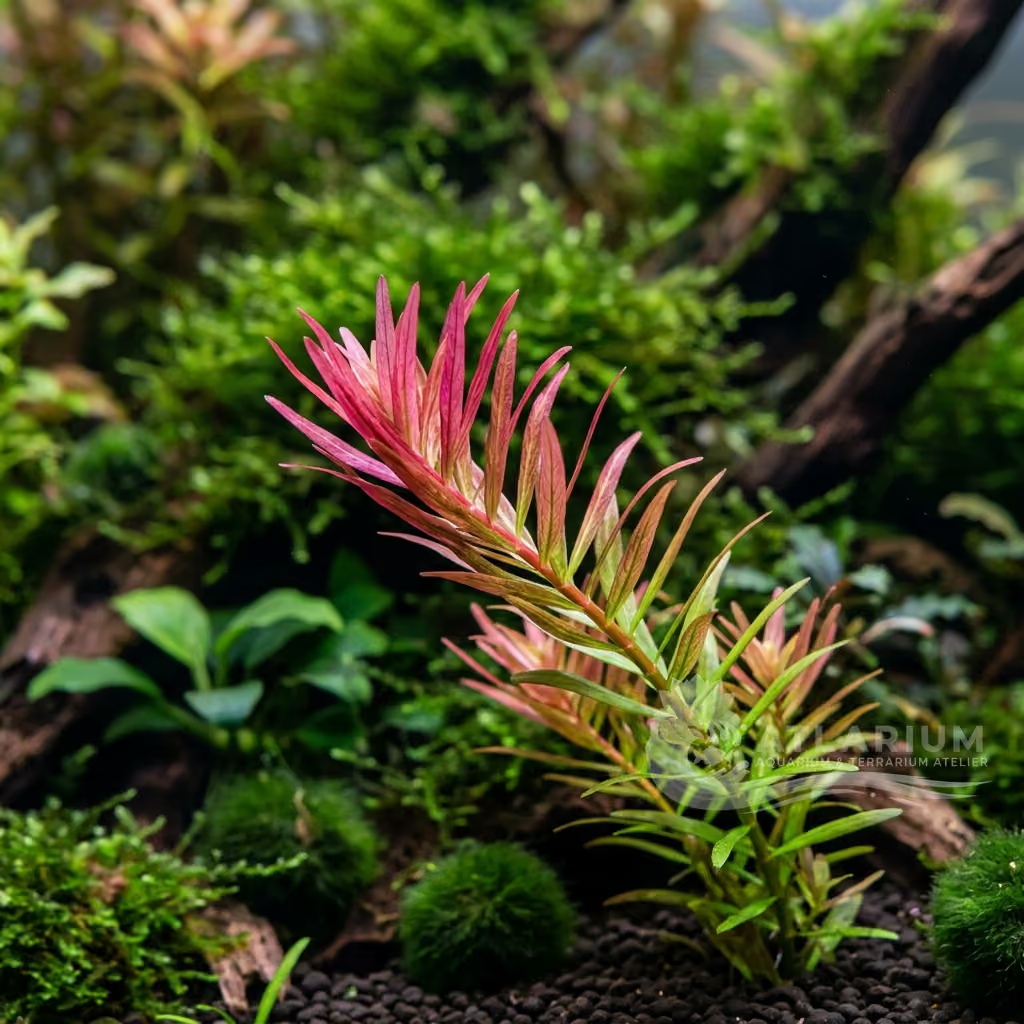
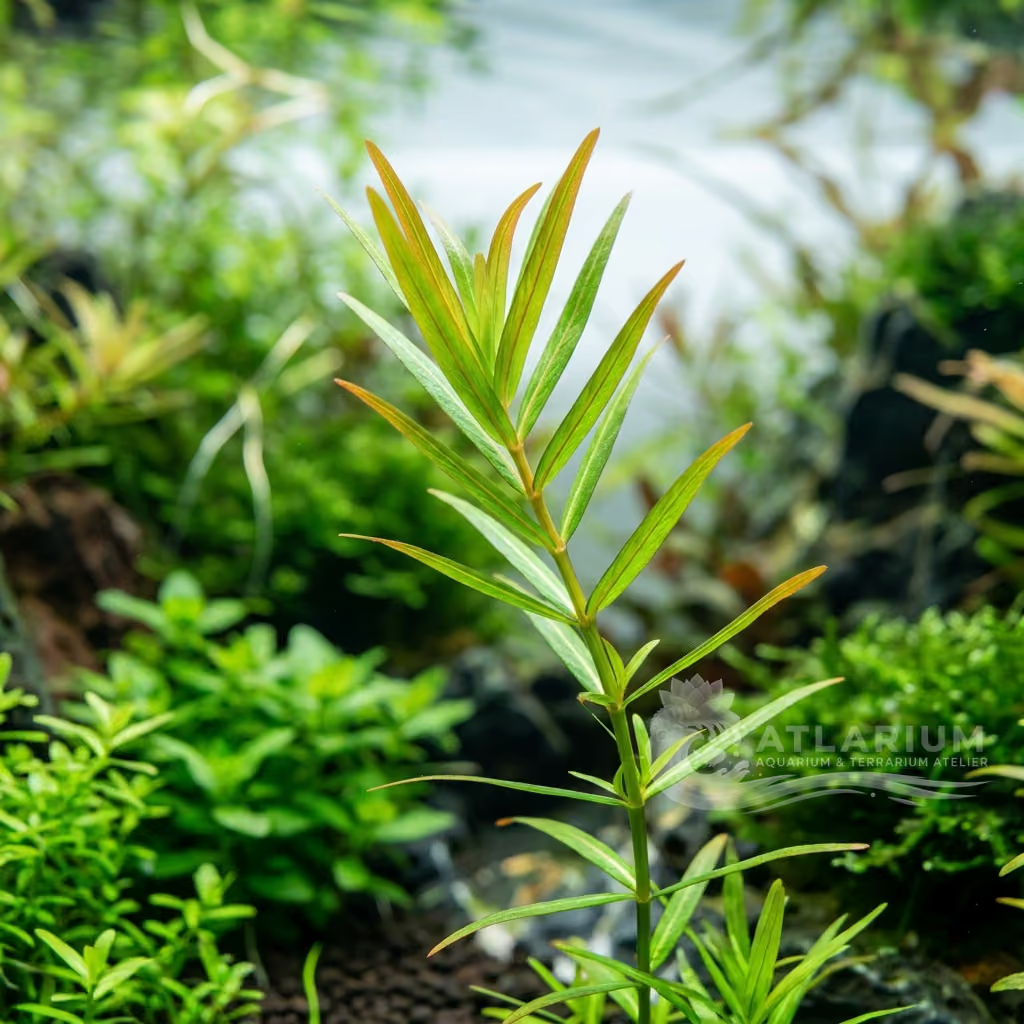
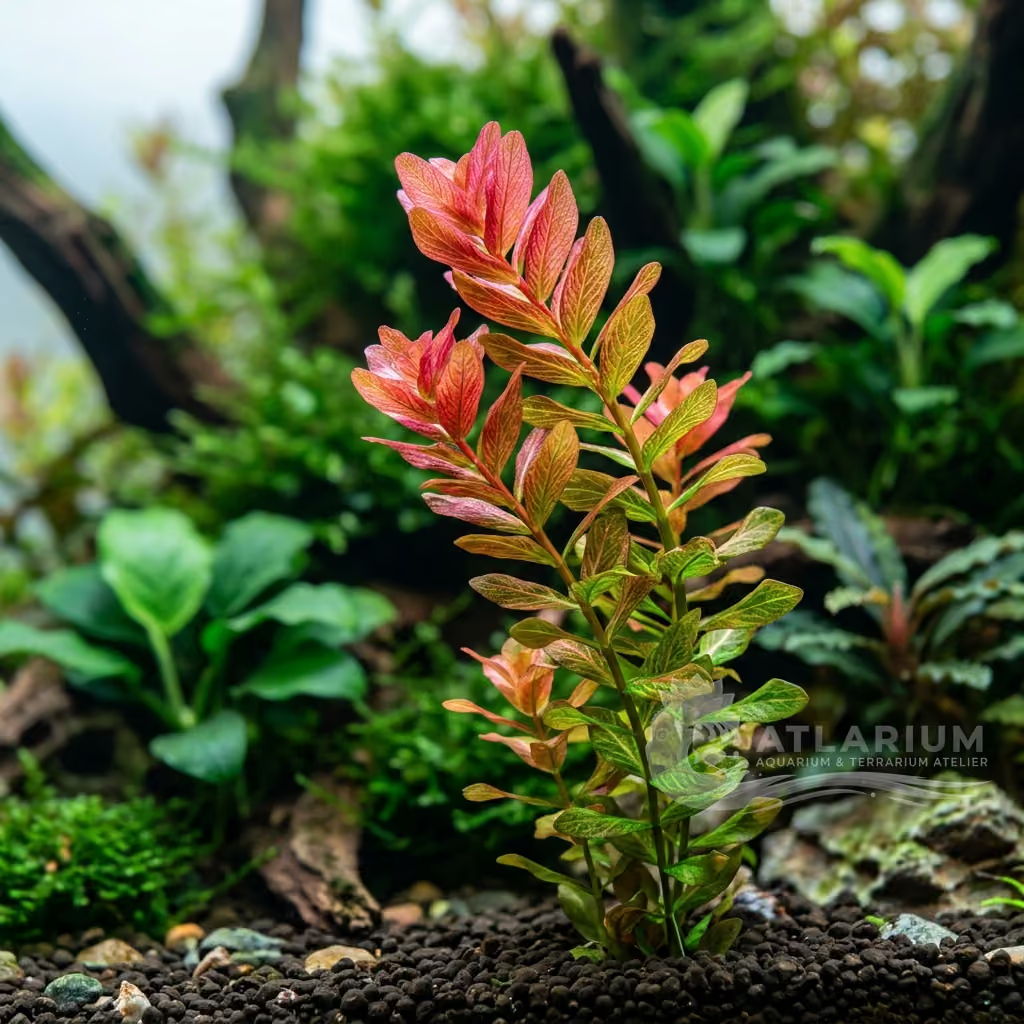
Physical Structure: It is an erect stem plant that can easily reach 50 cm in height and 20 cm in bush width in the aquarium. It features sturdy, fleshy, tubular stems from which opposite and decussate leaves branch out. Submerged leaves are long, narrow, wavy, and delicate in texture, whereas emersed leaves are shorter, thicker, and spatulate in shape. The root system is vigorous, anchoring deeply into the substrate.
Color & Texture: The coloration of Ammannia gracilis is one of its most spectacular features: under optimal conditions, the submerged leaves range from pale pink to copper-red, orange, or deep purple. The leaf underside retains a very bright pinkish-purple hue. The leaf texture is smooth and almost translucent under light, with fine veins creating a delicate chromatic contrast with the rest of the blade.

Pflege, Zucht und Mitbewohner
Lighting & CO2: It requires intense lighting to develop its characteristic warm colors; under weak light, the plant turns a dull green, and the lower stems shed their leaves. Continuous carbon dioxide (CO2) injection at levels of 20-30 mg/L is essential to support its fast photosynthesis rate and promote thick, healthy stems.
Nutrition & Substrate: A fertile substrate is recommended to support root development.
Water Chemistry: It tolerates a wide temperature range, from 12°C to 32°C, with an optimal range between 22°C and 28°C. It prefers soft to moderately hard water (KH 0-14 dKH) and a slightly acidic to neutral pH (5.0-7.5). Regular water changes help keep organic pollutant levels low, which the plant does not tolerate well.
Space Management & Placement: Due to its significant height and width, it must be placed in the background or middle zone as an accent plant. Plant individual stems at least 4-5 cm apart to prevent them from shading each other, which leads to lower leaf loss.
Pruning: It grows very fast and requires regular pruning. It is recommended to cut the top part of the stem (tip) and replant it in the substrate; the bottom part left behind will produce numerous lateral shoots. If the bush becomes too dense and shaded at the base, it is better to uproot the old base and replant only the young, healthy tops.
Risks & Diseases: It is sensitive to potassium and iron deficiencies, which manifest as perforated, fragile, or pale leaves. Growing tips can deform or turn black in case of macronutrient imbalances or calcium deficiency. Due to the tender texture of its leaves, it can be targeted by pest snails or herbivorous fish.

Geografische Herkunft und Verbreitung
Ammannia gracilis is native to the wetlands of West Africa, particularly found in countries like Senegal, Gambia, and Guinea. In its natural habitat, it grows as an amphibious plant along slow-flowing riverbanks, drainage canals, and temporary marshes exposed to full tropical sun. During the wet season, it lives completely submerged in warm, nutrient-rich waters, whereas in the dry season, it adapts to an emersed form on muddy soils, where it blooms producing small purple flowers.
Ursprung
Afrika und Madagaskar

Pflanzenprofil
- Platzierung
- Mittelgrund
- Ideal for the midground or background. Needs plenty of unobstructed light, so do not plant it in the shadow of larger hardscape or overhanging foliage.
- Botanische Form
- Stängel
- Features large, wavy, opposite leaves that are broadly lanceolate. The plant stems are thick and fleshy, often taking on a pale green to pinkish hue. Its large leaves create a bold texture.
- Wachstum
- Schnell
- Fast-growing under optimal conditions (high light and CO2). It can quickly reach the surface, making regular maintenance necessary to keep it looking tidy.
- Substrat
- Hoch
- Ammannia gracilis is a nutrient-hungry stem plant that exhibits its best form and intense red coloration when rooted in a fertile, active substrate. It develops an extensive root network that aggressively mines the soil for iron, nitrogen, and trace elements. To properly anchor its large, buoyant stems, the substrate should be at least 6 centimeters deep and composed of fine to medium-sized porous granules. Without a nutrient-dense foundation, the plant may suffer from bottom rot and progressive leaf loss along the lower stem.
- Säulendüngung
- Empfohlen
- Responds very well to water column fertilization. Daily dosing of a complete liquid fertilizer ensures consistent growth and prevents pale or curled new leaves.
- Wurzeldüngung
- Empfohlen
- Highly root-dependent for large, robust stems. Plant in a nutrient-rich aquasoil or supplement inert gravel with high-quality root tabs regularly.
- Trimmen
- Regelmäßig
- Trim by removing the top portion and replanting it. Be cautious with the lower stump; if it doesn't receive enough light, it may rot instead of producing side shoots.
- Ausbreitung
- Stecklinge
- Propagated by stem cuttings. Cut a healthy shoot of at least 4 inches and replant. Side shoots will eventually form on healthy trimmed stumps.
- Empfindlichkeit
- HIGH
- Extremely sensitive to low light and CO2 deficiencies. Can easily suffer from lower leaf decay and stem rot if water circulation or nutrient levels drop.
- Layoutrolle
- accent, Mittelgrund, Hintergrund
- A classic Dutch aquascape plant used to create vibrant red streets or focal bushes. Its large leaves provide excellent contrast against fine-leaved background plants.

Verwandte Arten
Empfehlungen gruppiert nach nahen Verwandten, Auswahl von Begleitern und ähnlicher Betreuung.