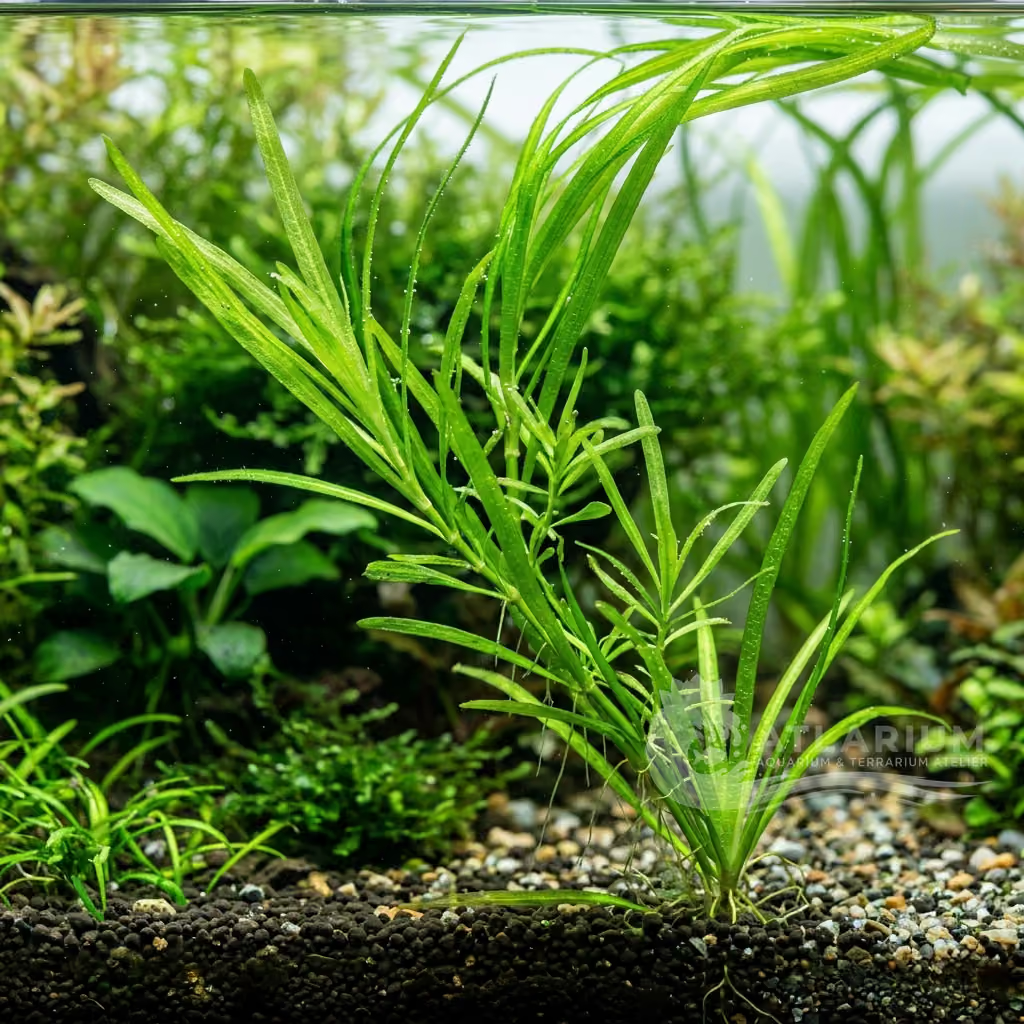
Rotala pusilla
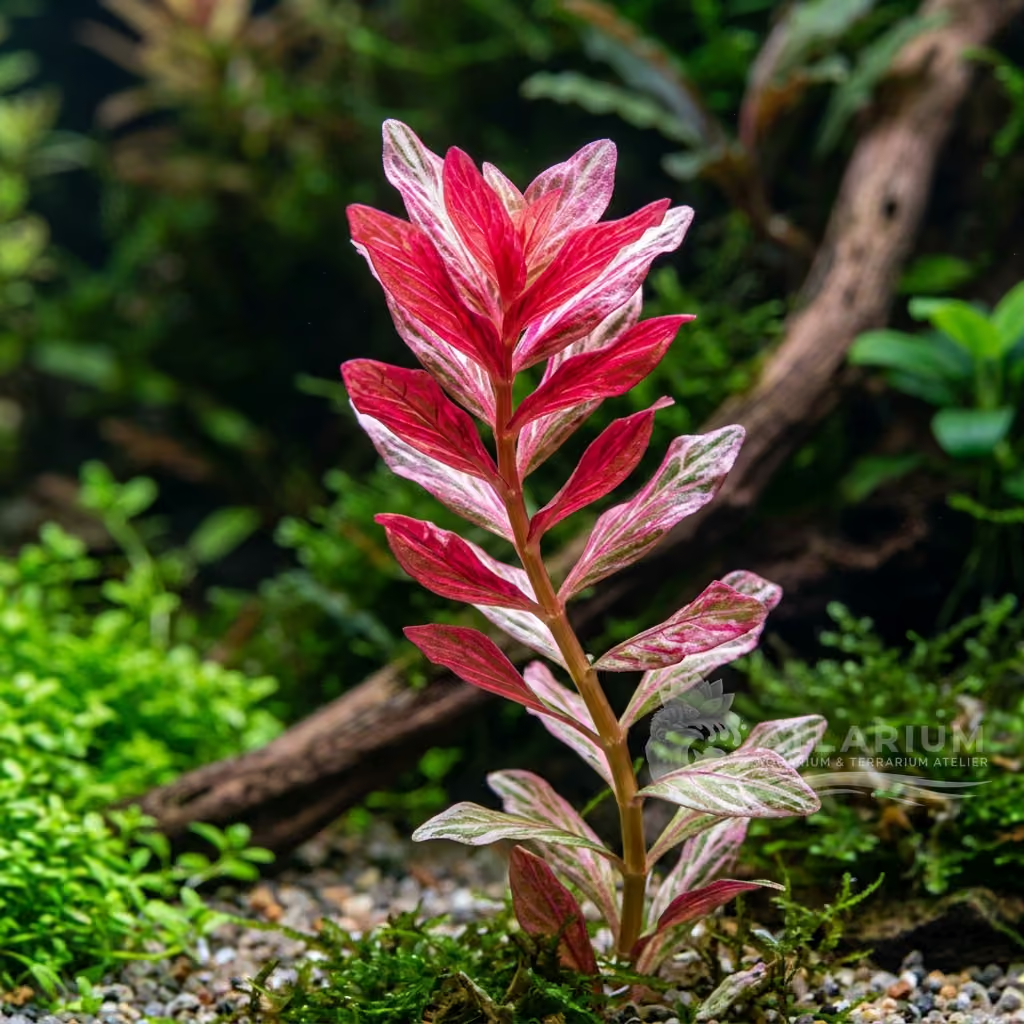
Rotala mexicana
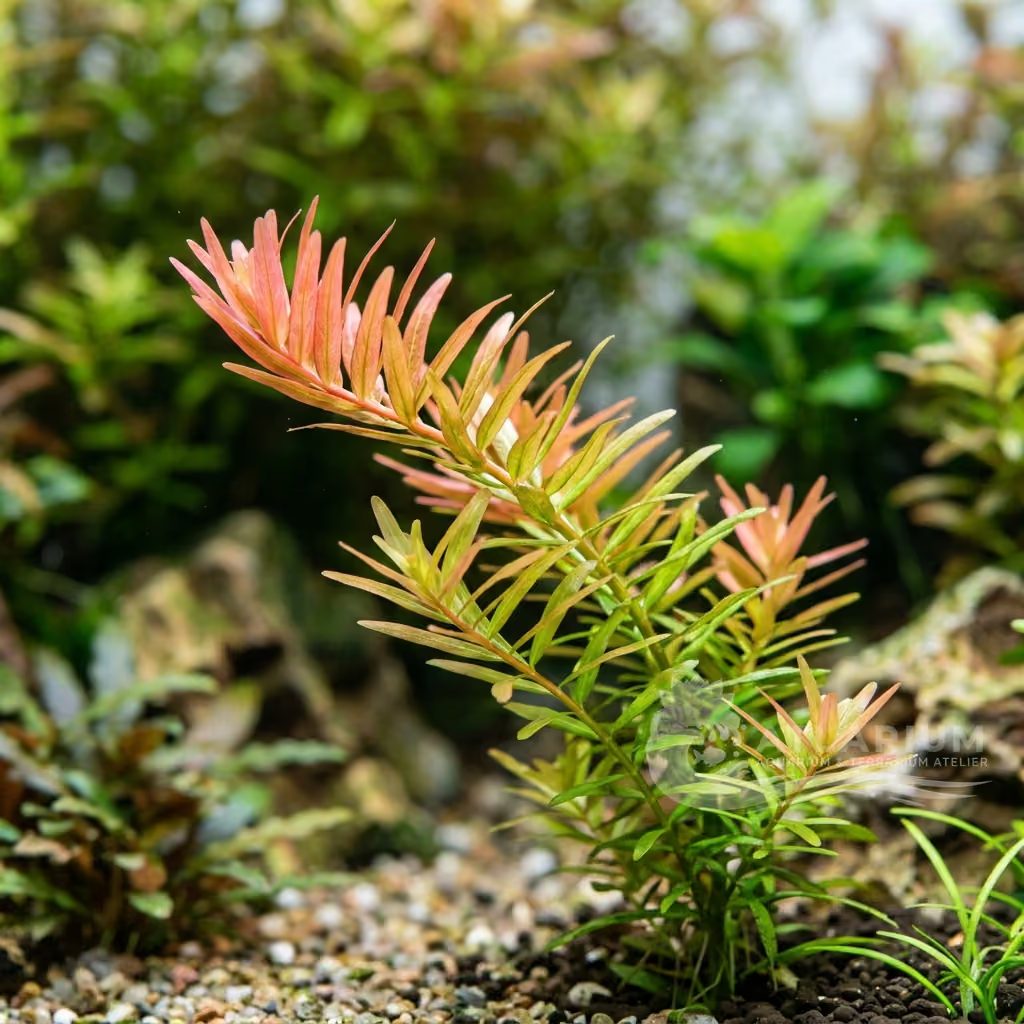
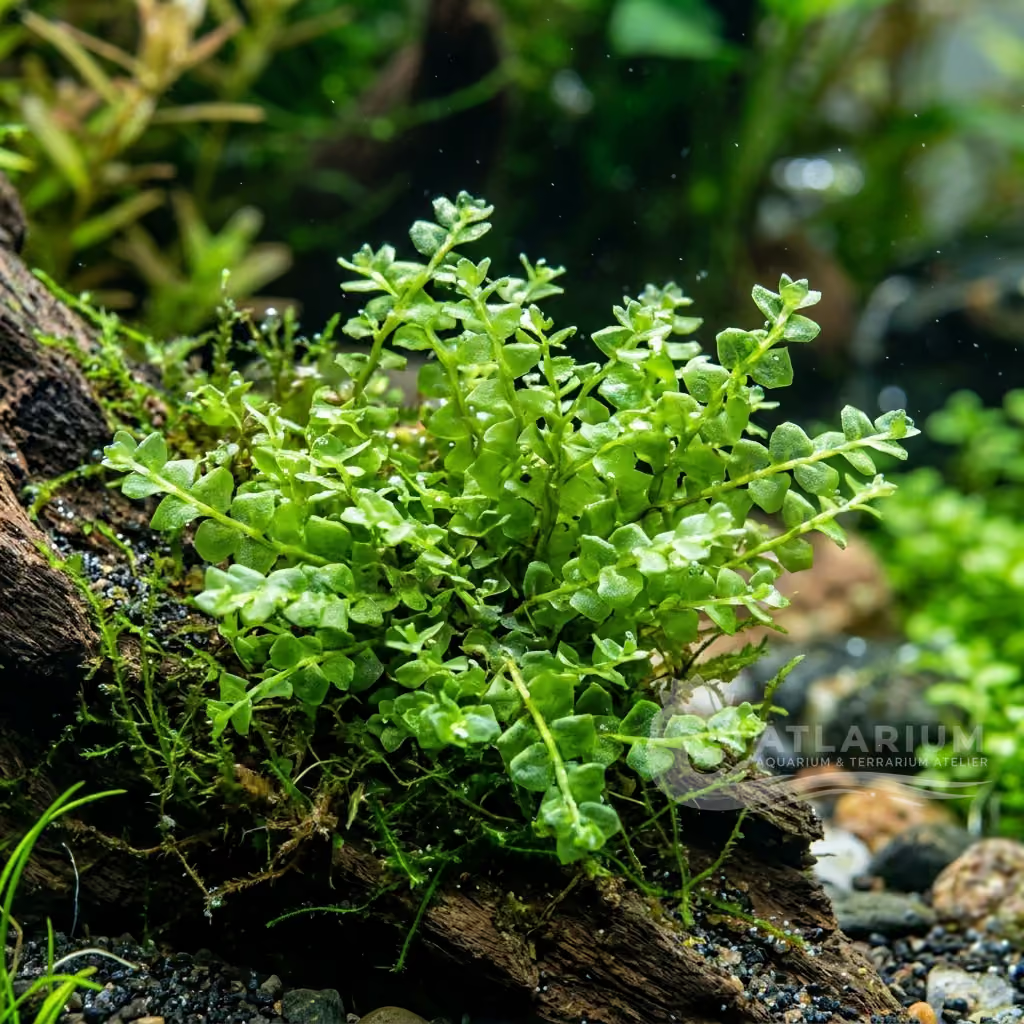
Rotala pusilla is a versatile, medium-growth stem plant ideal for creating lush transitional zones in the aquarium's midground. With its small leaves and delicate appearance, it adds a touch of elegance and visual depth to any aquascape.
Wassertemperatur
18 - 30 °C
pH-Wert
5 - 7
Wassertyp
Süßwasser
Licht
Mittel - Hoch
CO2
Niedrig - Hoch
Erwartete Höhe
25 cm
Erwartete Breite
15 cm
KH
0 - 14 dKH

Artbeschreibung
Geographical Origin and Habitat: Rotala pusilla, like many species within the Rotala genus, originates from the tropical and subtropical regions of Asia, specifically areas such as India and Southeast Asia. In its natural habitat, this species thrives in shallow aquatic environments, including the edges of slow-moving rivers, ponds, and rice paddies, where it can grow in both submerged and emergent forms. The typical environmental conditions in these habitats include warm waters with varying nutrient levels, often exposed to periods of intense sunlight, contributing to its hardiness and adaptability. Its presence in such contexts testifies to its ability to adjust to diverse chemical and physical water parameters.
Taxonomy & Genetics: Belonging to the Lythraceae family, Rotala pusilla shares distinctive characteristics with other Rotala species, such as leaf arrangement and stem structure. The Rotala genus encompasses numerous species prized in aquascaping, many of which exhibit significant phenotypic plasticity in response to environmental conditions, altering their
Color & Texture: and form. The genetic classification of Rotala pusilla distinguishes it from similar species by subtle differences in floral morphology and DNA sequences, although in the aquarium, its peculiarities are often related to leaf size and density. This species is considered a true aquatic plant, although in nature it can adopt an emergent form during periods of low water or seasonal drought.
Physical Structure:
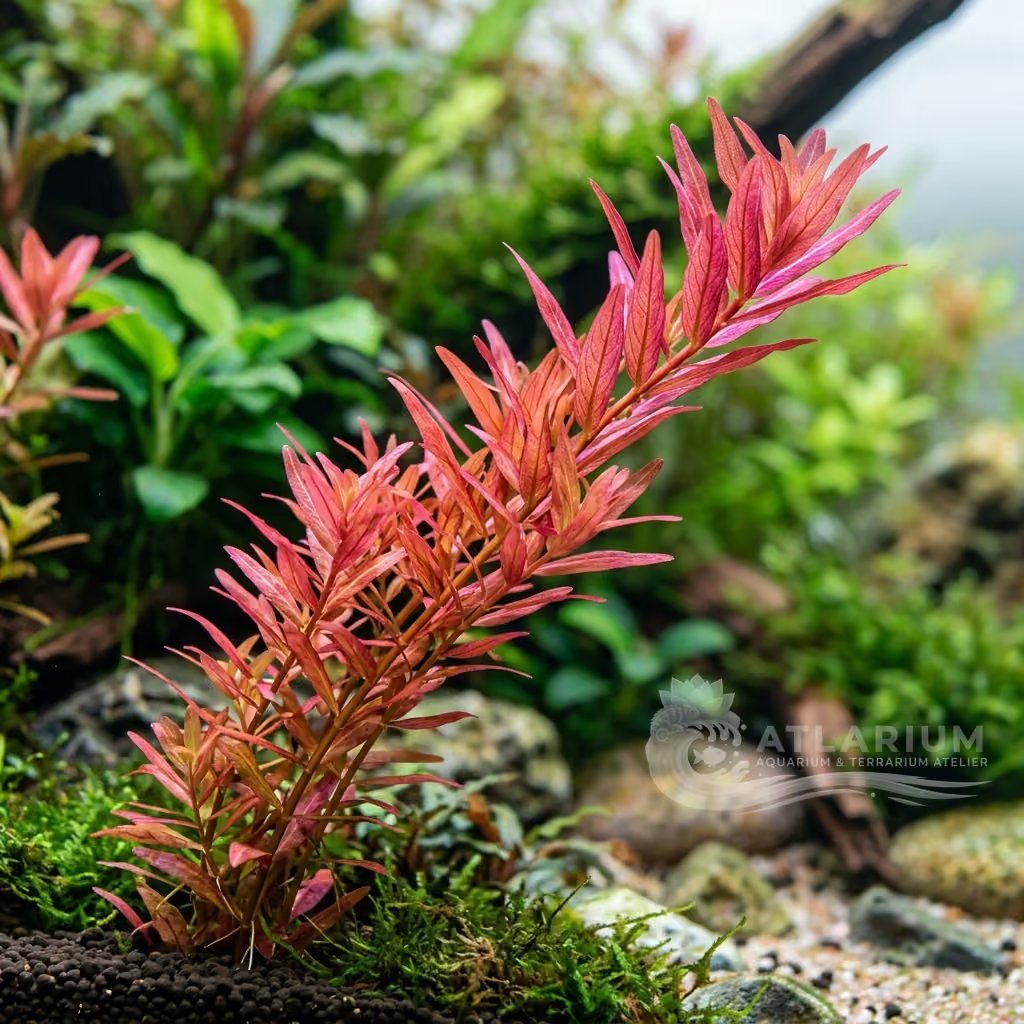
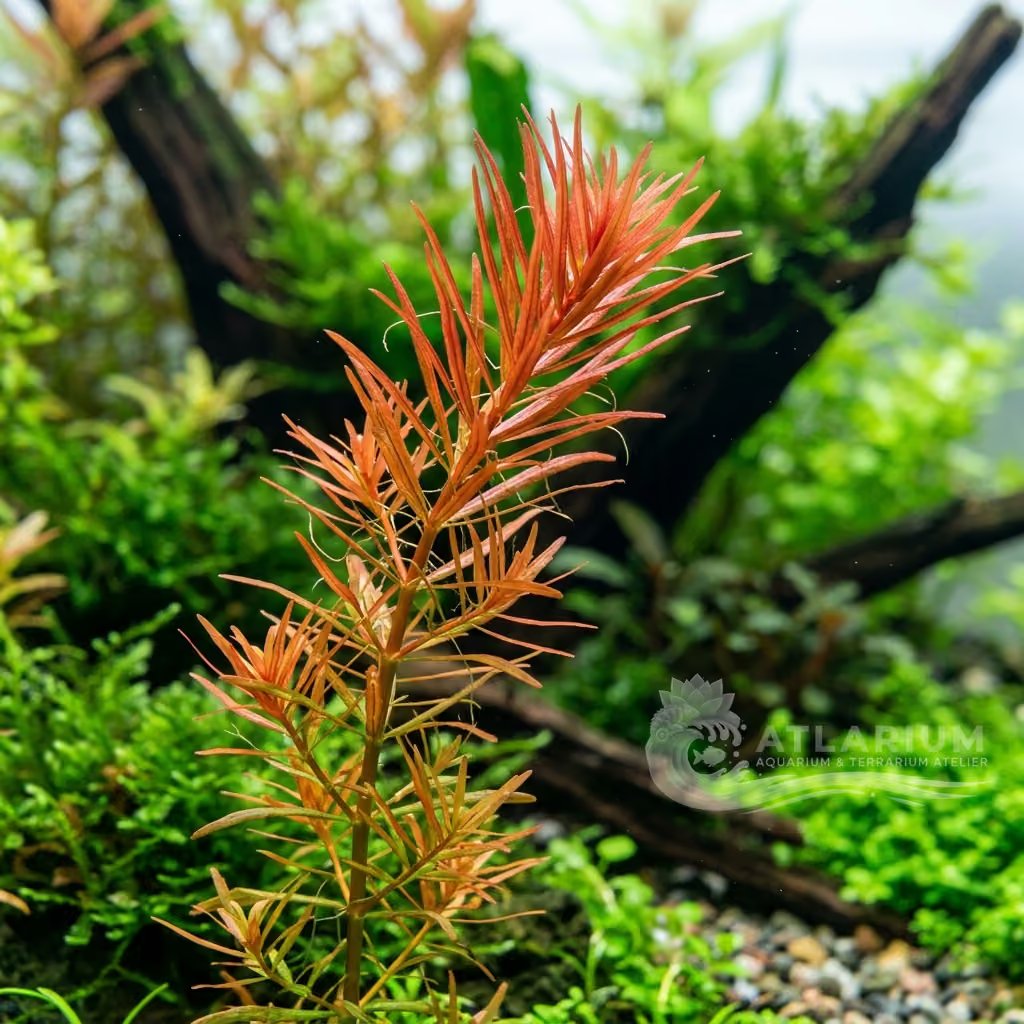
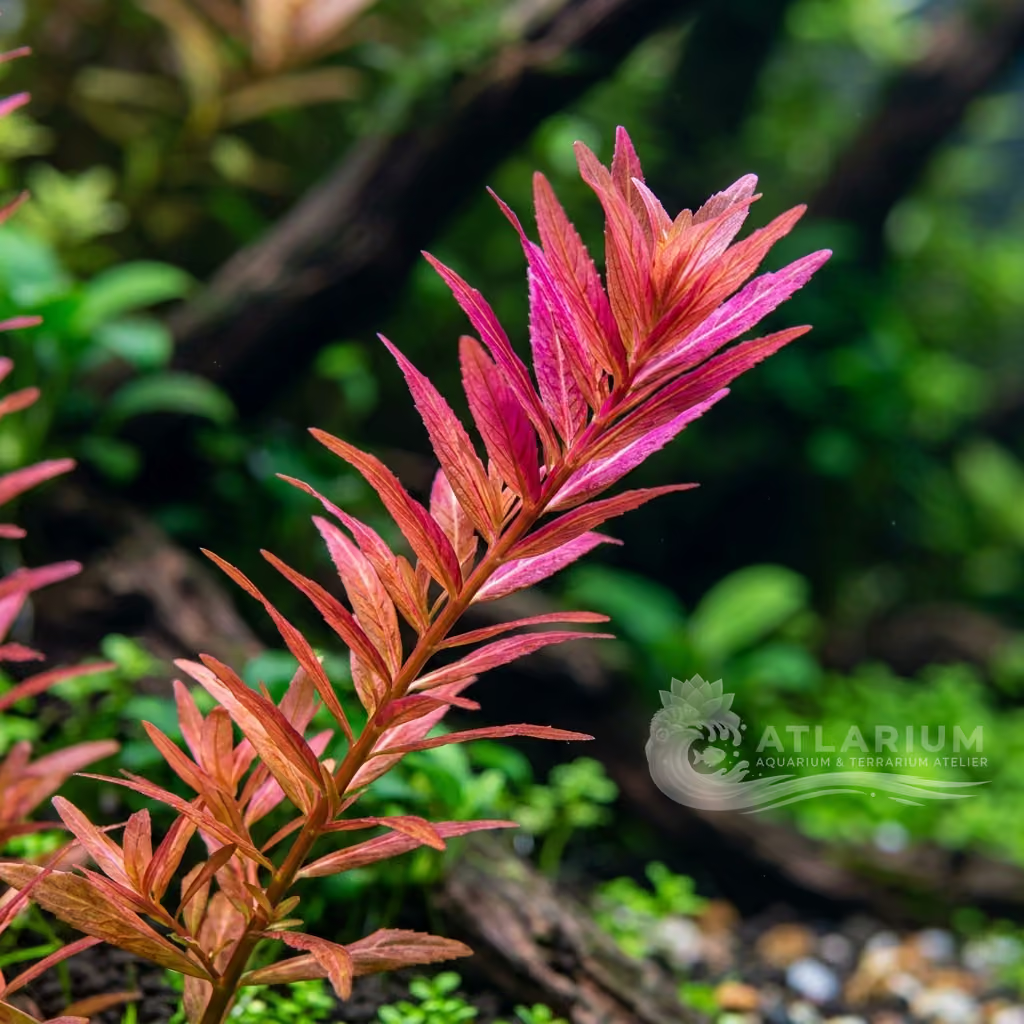
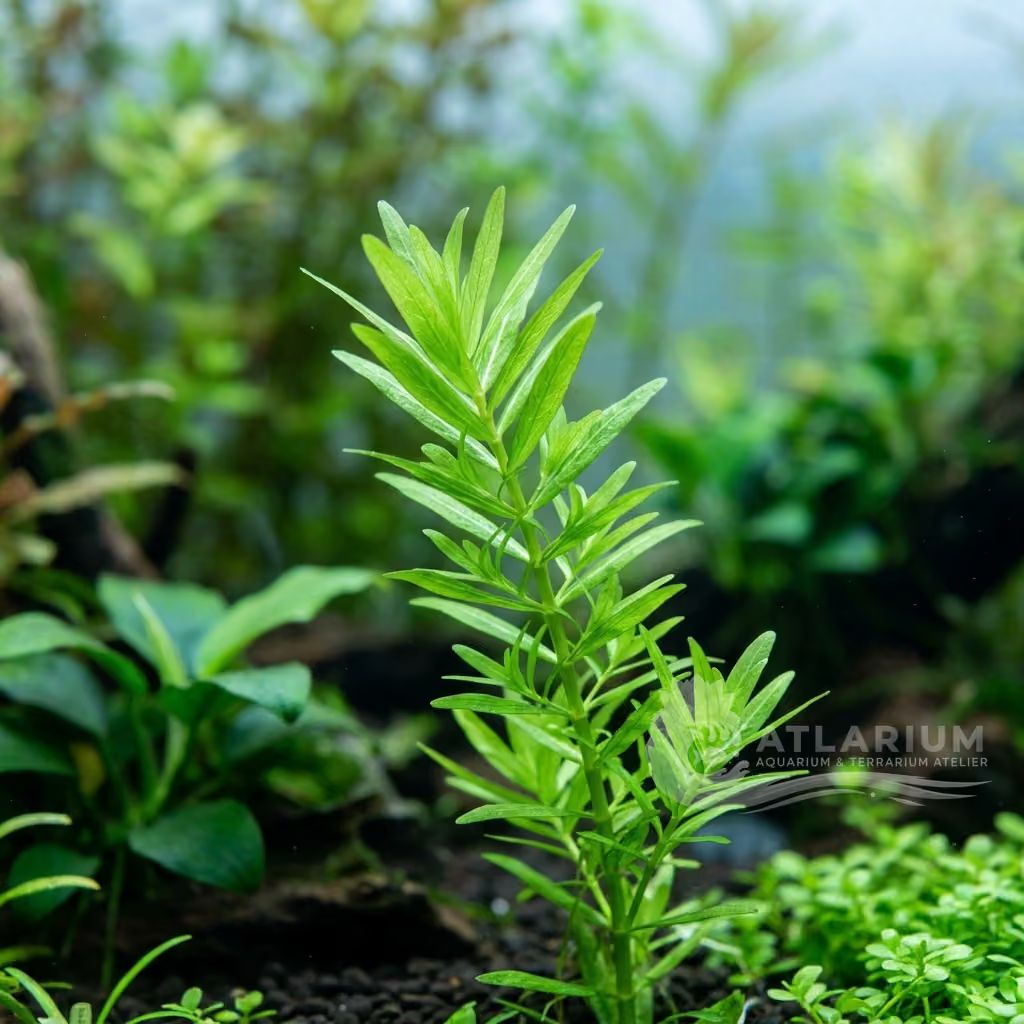
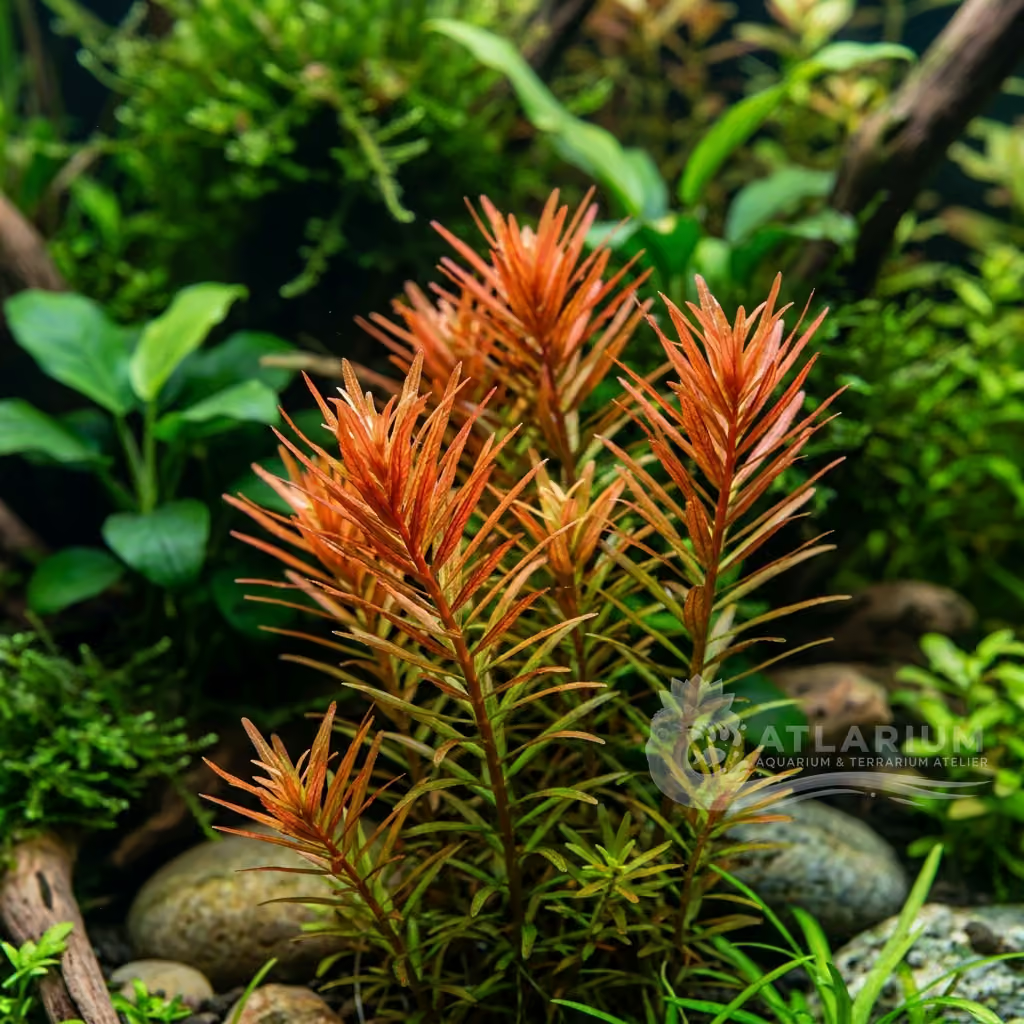
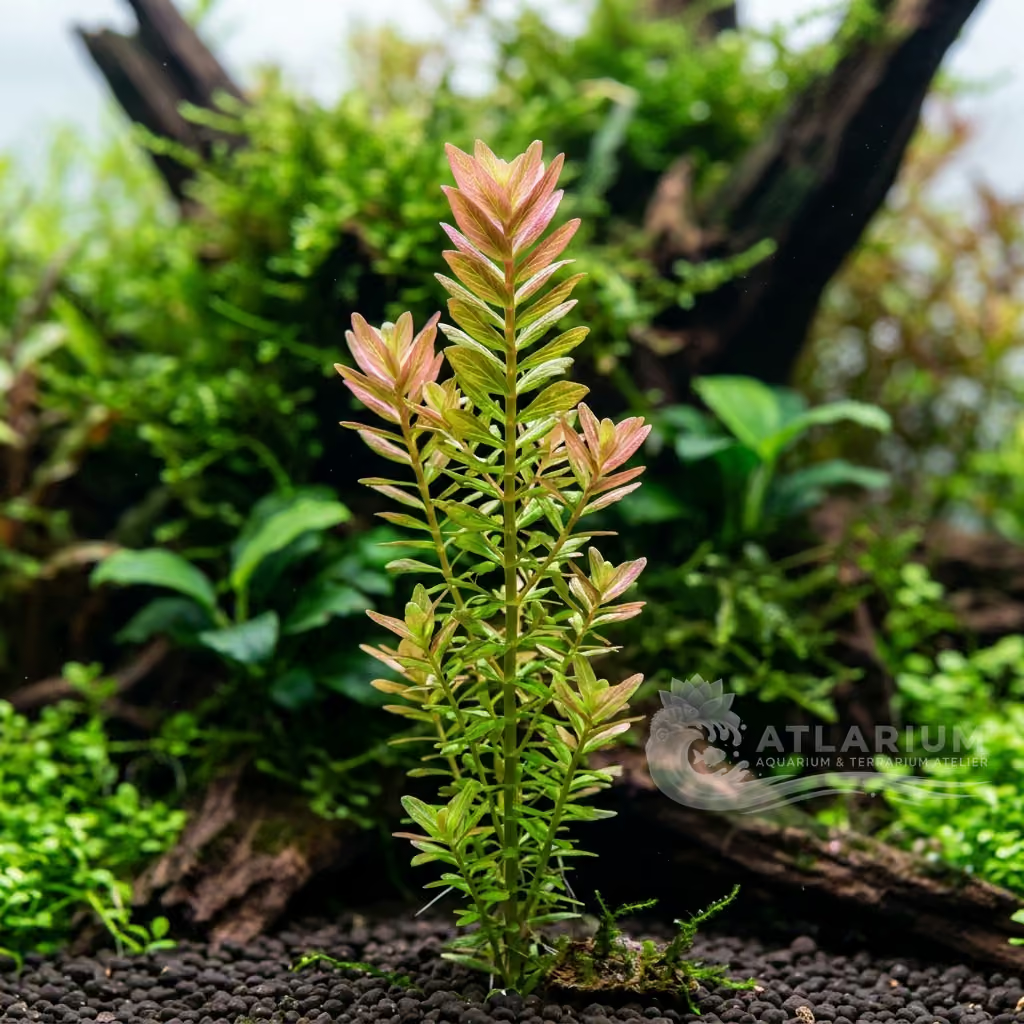
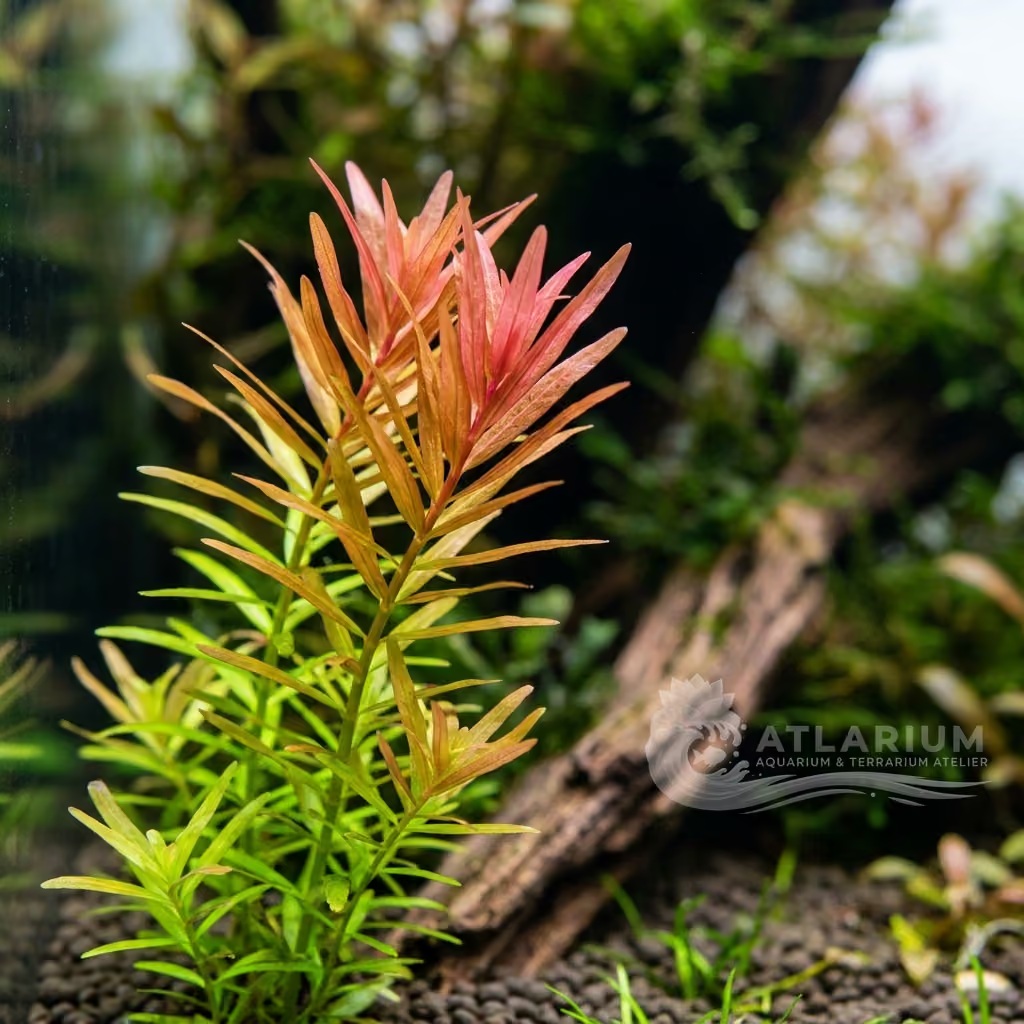
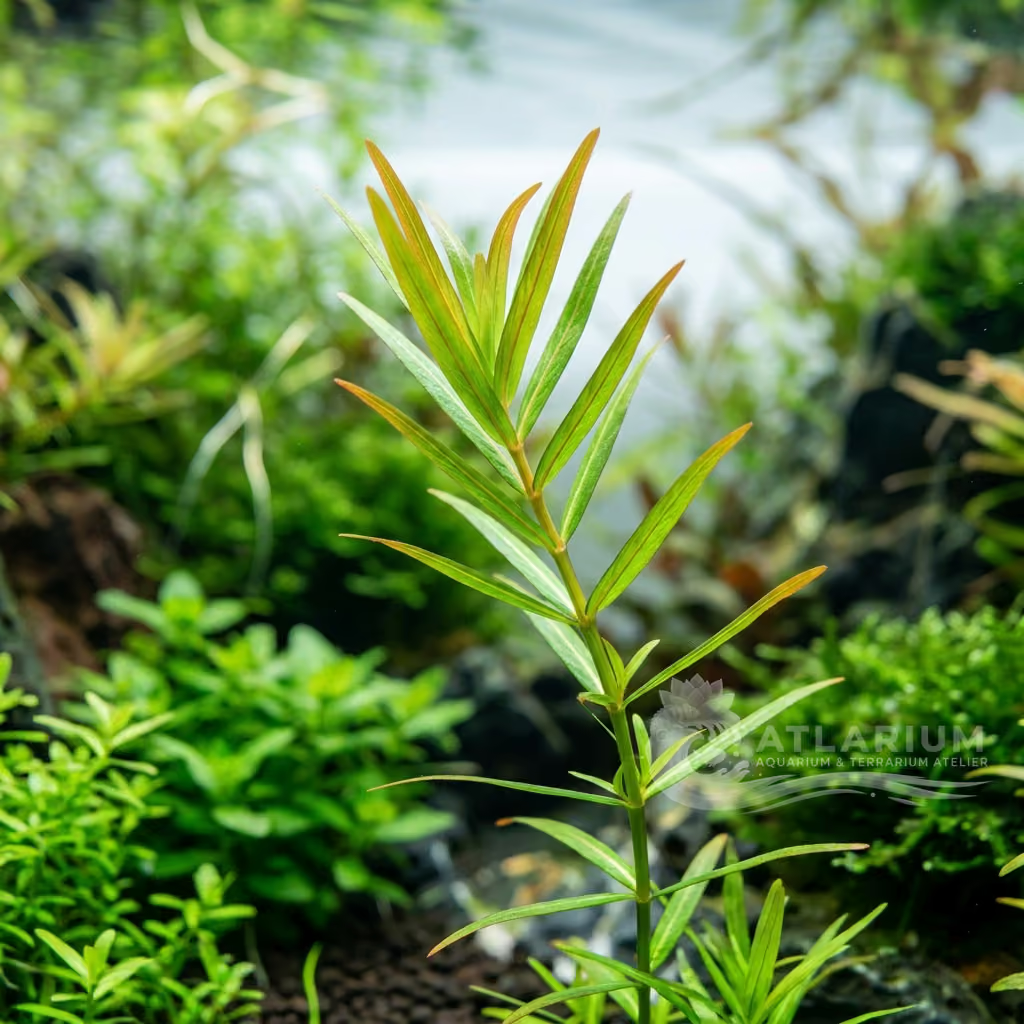
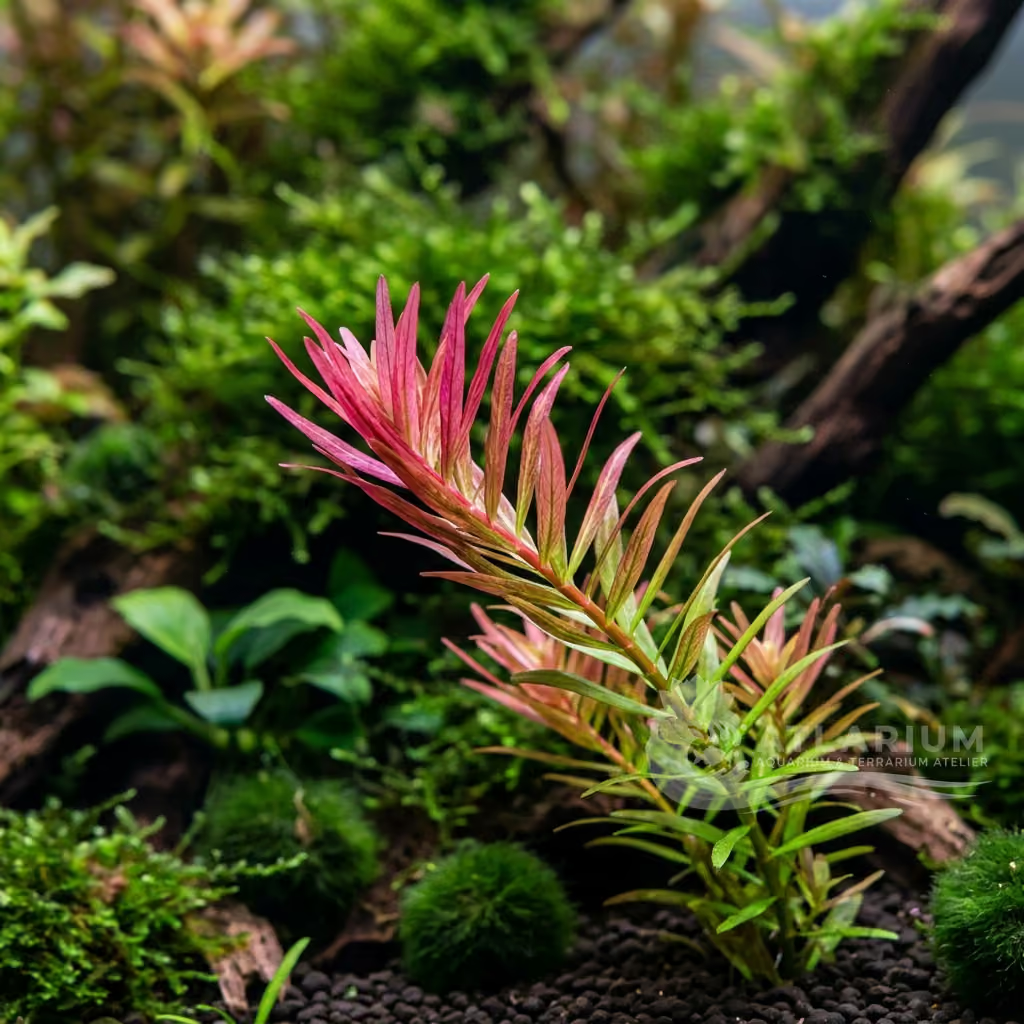
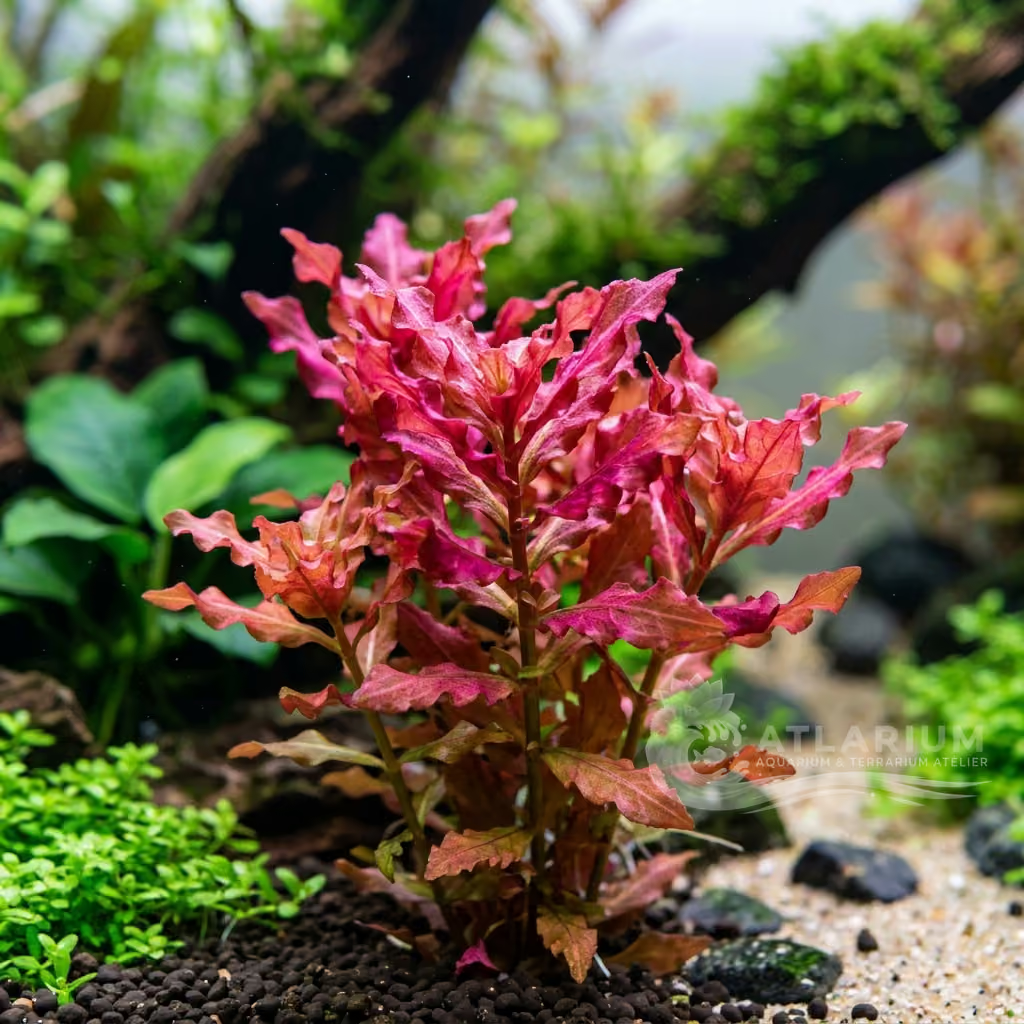
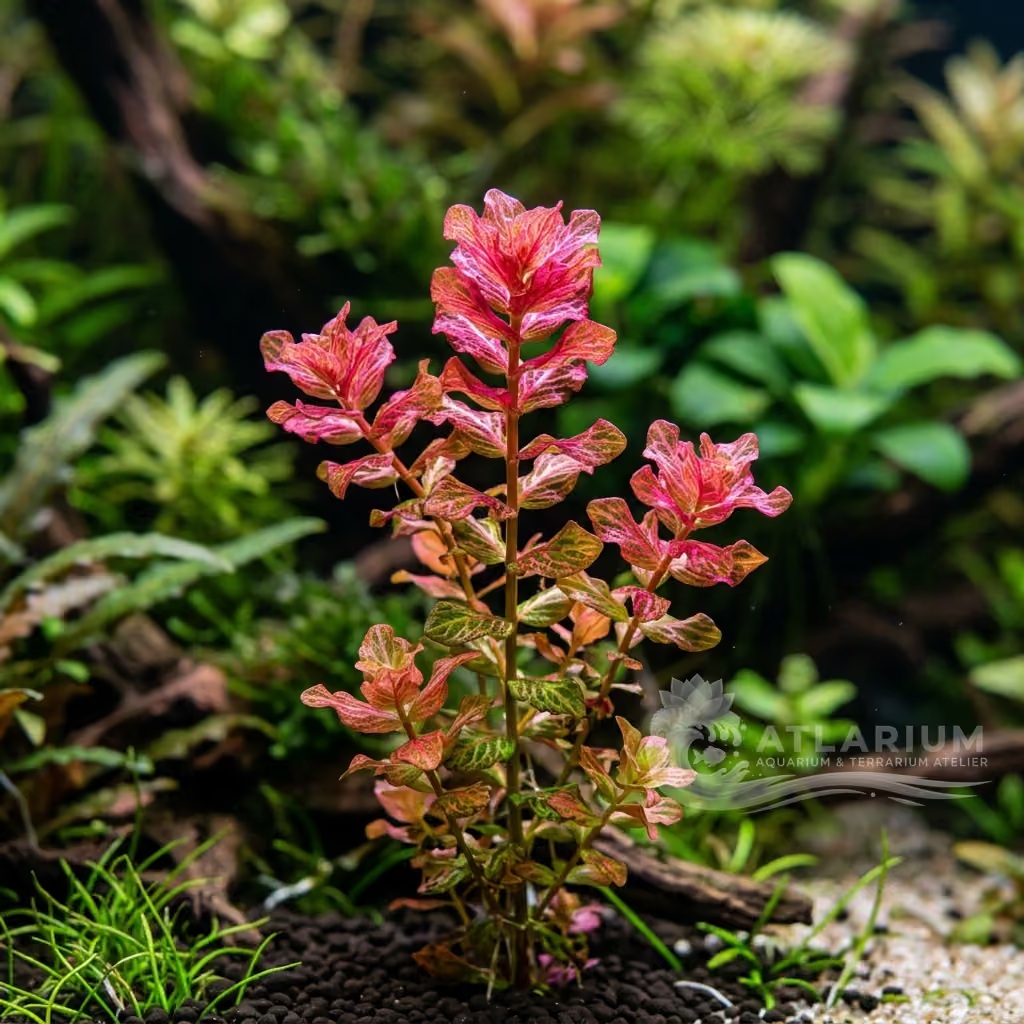
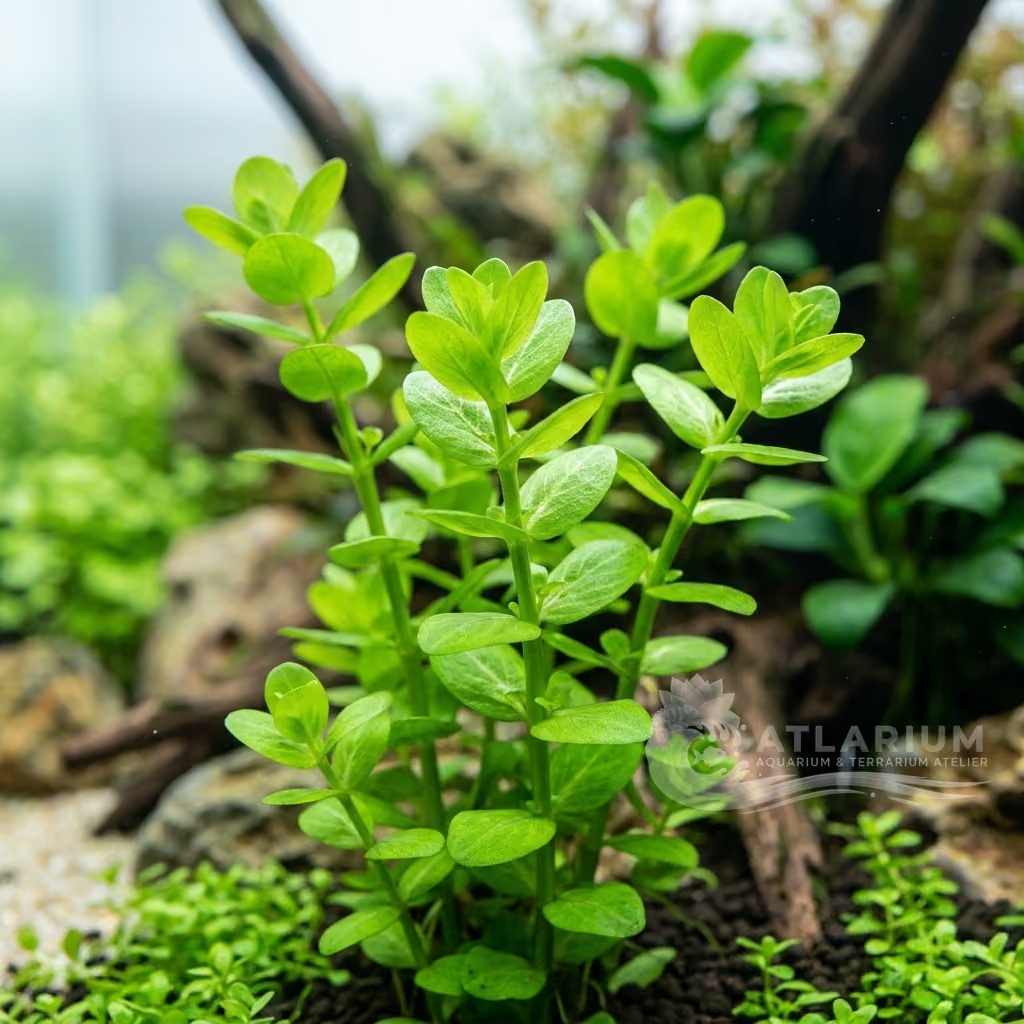
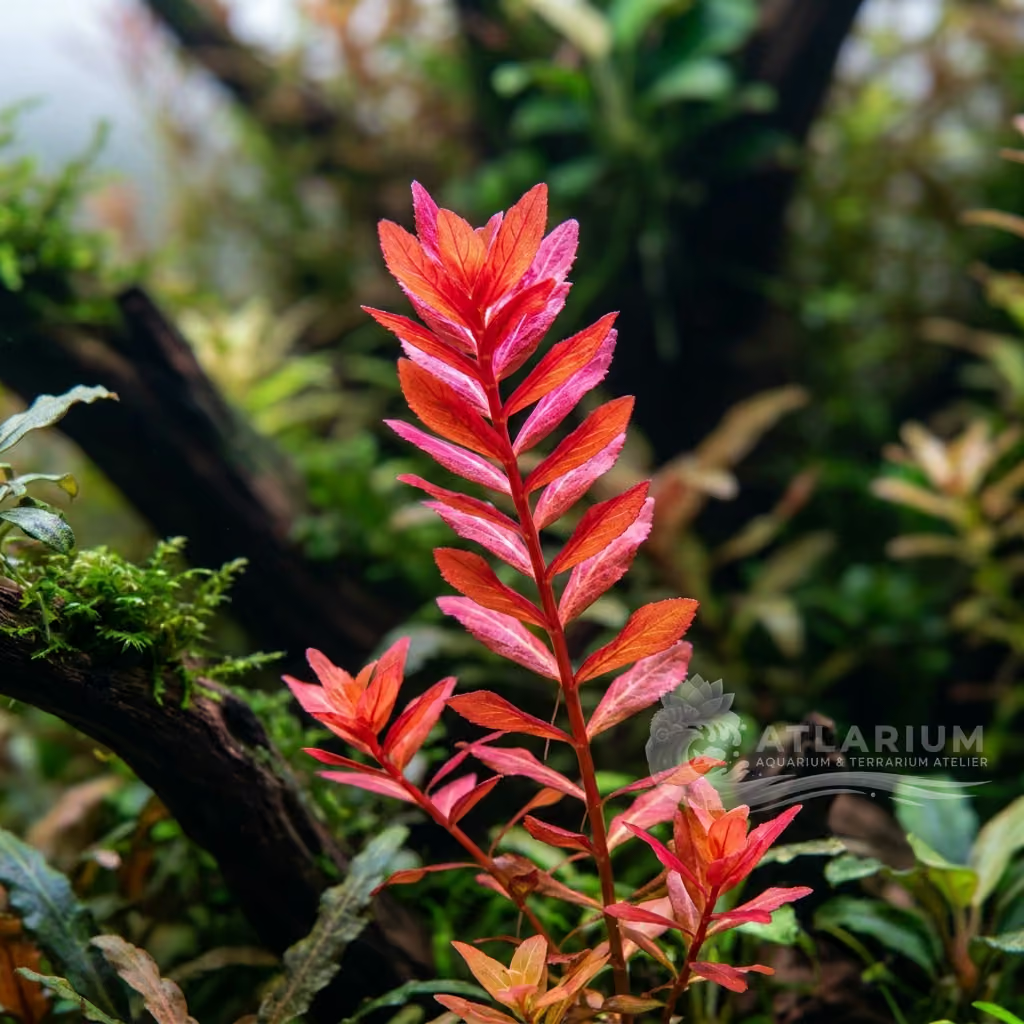
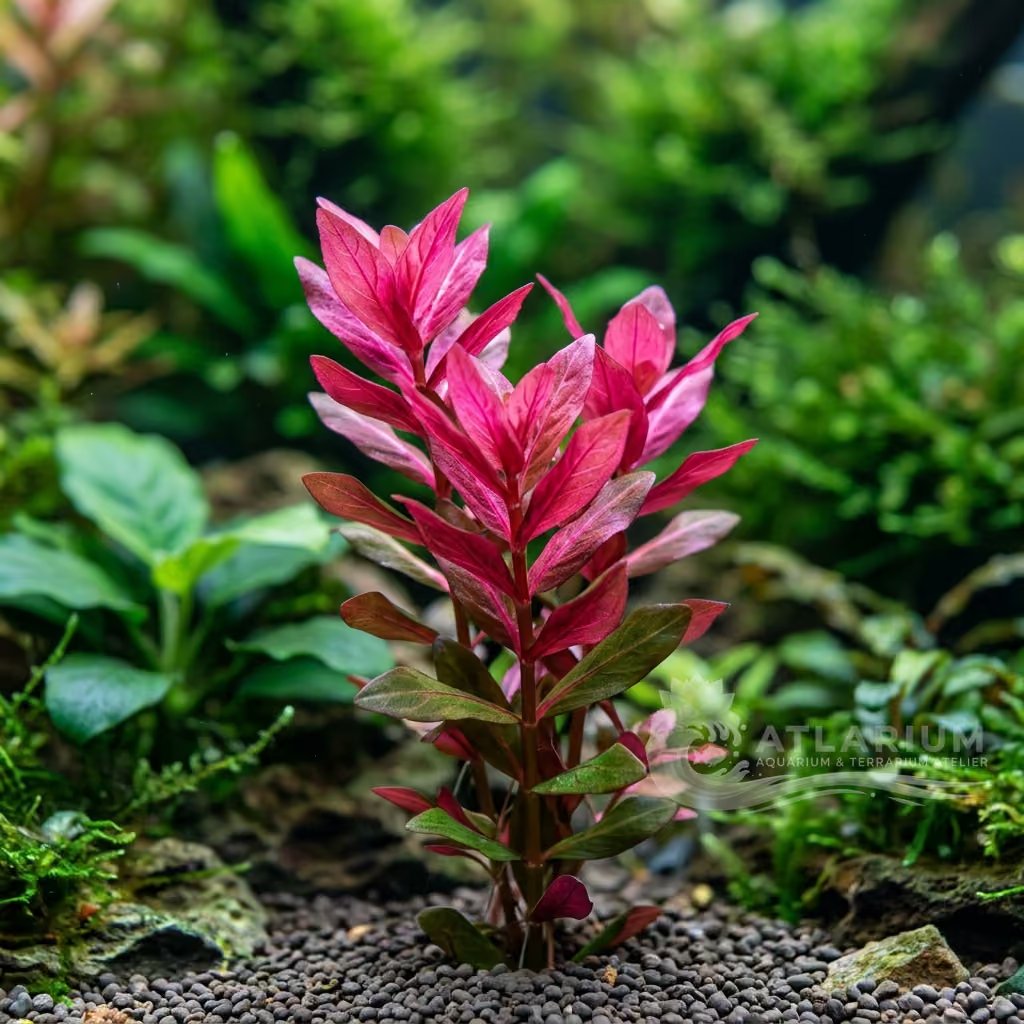
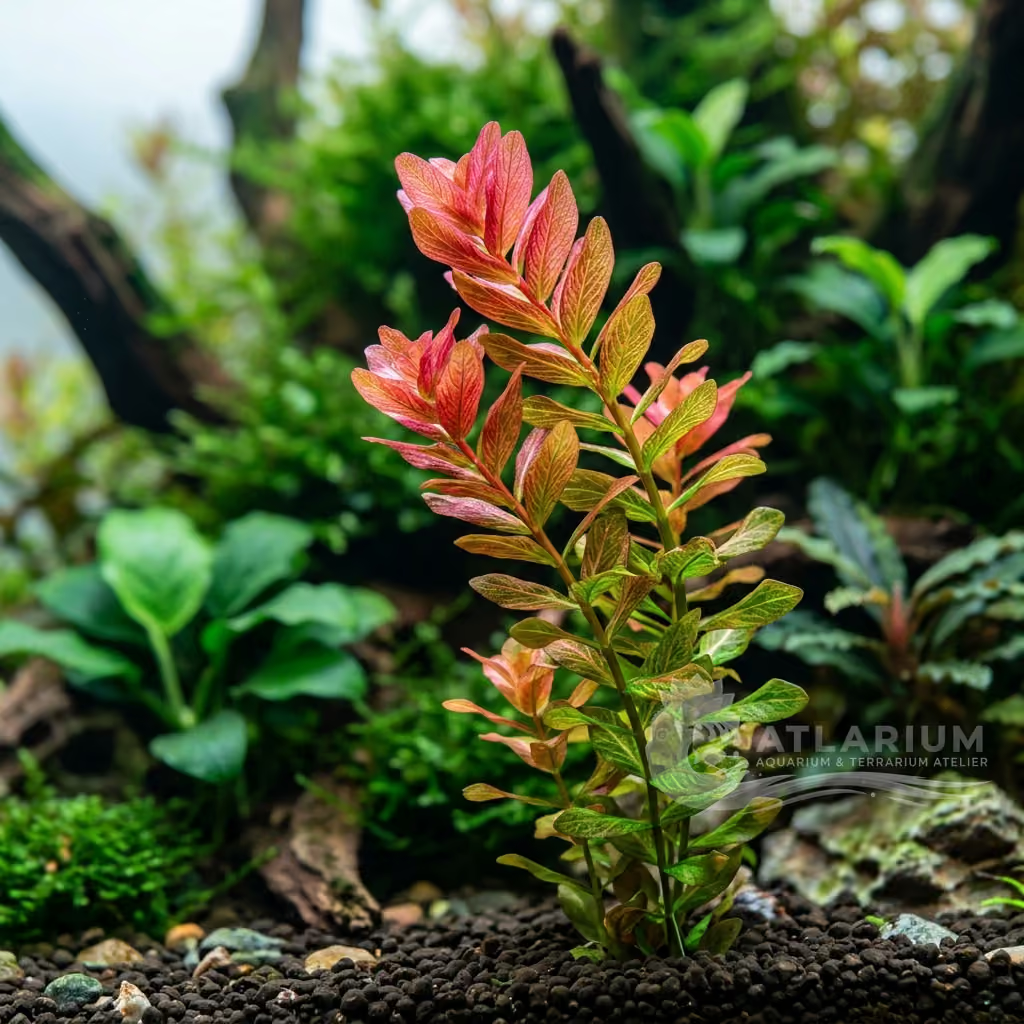
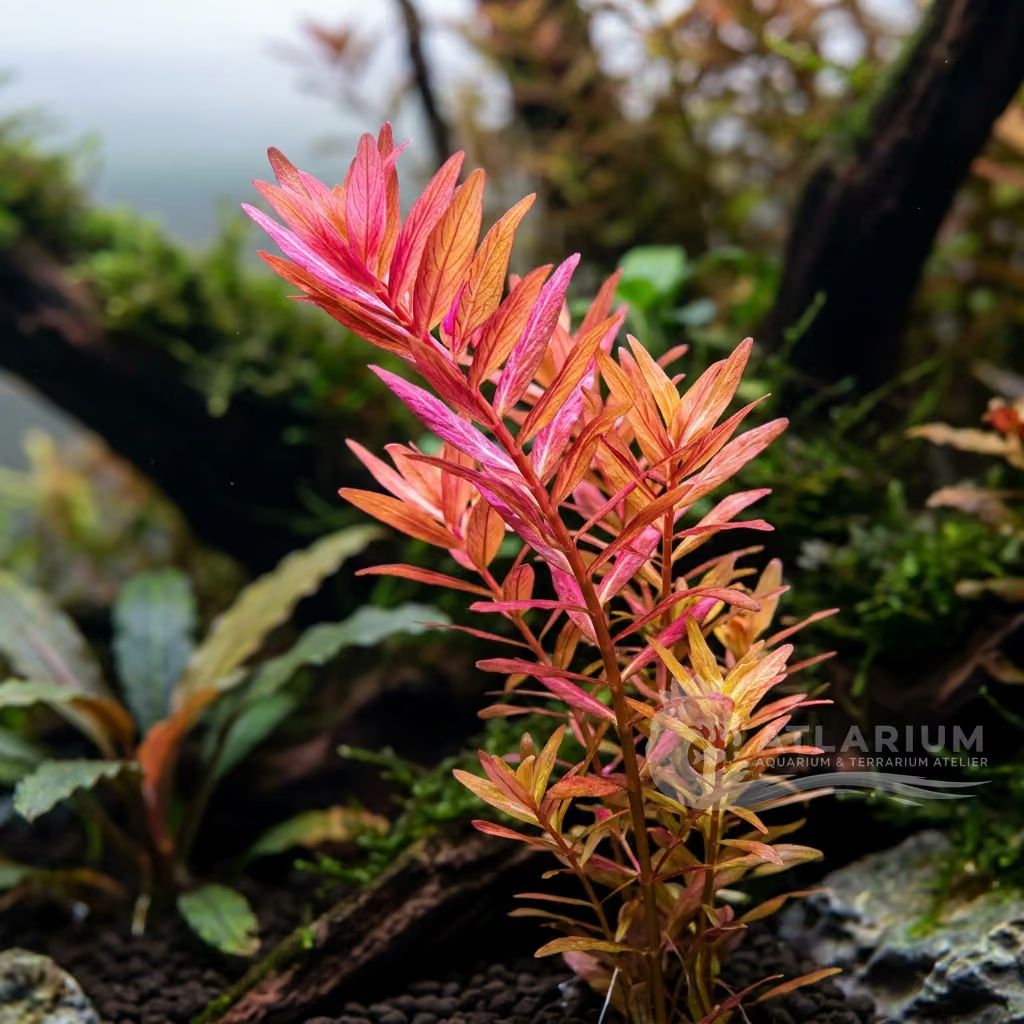
Color & Texture: The predominant color of Rotala pusilla is a bright, vibrant green, which can vary in shade depending on light intensity and nutrient availability, especially iron. Under more intense light conditions and with good CO2 supplementation, the leaf tips may develop reddish or pinkish hues, adding an attractive chromatic contrast. The texture of the leaves is delicate and smooth to the touch, contributing to the refined and airy appearance of the plant in the aquarium. This light aesthetic makes it ideal for softening harsh lines and creating a more natural, organic visual effect.

Pflege, Zucht und Mitbewohner
Lighting & CO2: Medium light intensity is required for Rotala pusilla to exhibit vigorous and healthy growth, avoiding both excessive shade and overly intense light which could stress the plant. A photoperiod of 8-10 hours per day is generally sufficient to stimulate consistent growth without excessively promoting algal proliferation. While it can survive without CO2 injection, supplementary carbon dioxide is highly recommended to optimize growth rates and promote more vibrant coloration, essential for stem plants of this type. CO2 availability significantly contributes to photosynthesis, allowing the plant to assimilate nutrients more efficiently and develop a denser, more compact habit.
Nutrition & Substrate: Rotala pusilla benefits from a nutritious substrate, although its ability to absorb nutrients from the
Water Chemistry: This species thrives in a water temperature range of 20 to 28 °C, making it suitable for most tropical aquariums. It requires slightly acidic to neutral pH, ideally between 6.0 and 7.5, and a carbonate hardness (KH) ranging from 2 to 12. The stability of these parameters is more important than absolute values, as sudden fluctuations can cause stress to the plant, leading to stunted growth or leaf deterioration. Regular monitoring and partial water changes with quality water are essential to maintain a healthy aquatic environment and prevent the accumulation of harmful substances.
Space Management & Placement: Rotala pusilla is excellent for midground placement, where it forms dense patches of color and texture, creating a strong visual impact. Its ability to branch abundantly makes it ideal for filling spaces and creating volume, acting as a bridge between foreground and background plants. For optimal effect, it is advisable to plant it in dense groups, allowing cuttings to grow together to form a compact and uniform bush. Its moderate height and controllable growth habit make it a versatile choice for various aquascaping styles, including natural and Dutch layouts, where shape control is crucial.
Pruning: Pruning Rotala pusilla is essential to maintain the desired shape, promote dense growth, and prevent shading of underlying plants. Regular pruning encourages lateral branching, making the bush bushier and more compact rather than straggly. It is advisable to remove approximately one-third to half of the upper stem height to stimulate the growth of new shoots from the base and lateral buds. This not only improves the aesthetics of the plant but also contributes to the overall health of the aquarium by preventing the accumulation of decaying biomass and ensuring good water circulation among the leaves.
Risks & Diseases: Rotala pusilla is generally robust, but can show signs of stress in suboptimal conditions. Nutrient deficiencies often manifest as yellowing leaves (iron or nitrogen deficiency) or slowed, stunted growth. Excessive light or insufficient CO2 availability can promote algae growth on the leaves, impairing photosynthesis and overall plant health. Furthermore, sudden changes in water parameters can cause "melting" (disintegration) of leaves, particularly after introduction to a new aquarium. Carefully monitoring conditions and promptly correcting any imbalances is crucial to prevent problems.

Geografische Herkunft und Verbreitung
Rotala pusilla, like many species within the Rotala genus, originates from the tropical and subtropical regions of Asia, specifically areas such as India and Southeast Asia. In its natural habitat, this species thrives in shallow aquatic environments, including the edges of slow-moving rivers, ponds, and rice paddies, where it can grow in both submerged and emergent forms. The typical environmental conditions in these habitats include warm waters with varying nutrient levels, often exposed to periods of intense sunlight, contributing to its hardiness and adaptability. Its presence in such contexts testifies to its ability to adjust to diverse chemical and physical water parameters.
Ursprung
Süd- und Südostasien

Pflanzenprofil
- Platzierung
- Mittelgrund
- This plant is an excellent choice for the midground or background of the aquarium, where it can form dense, bushy thickets. Its fine texture contrasts beautifully with broad-leaved plants and hardscape materials. In smaller tanks, it can even be used as a background plant that can be easily shaped through trimming.
- Botanische Form
- Stängel
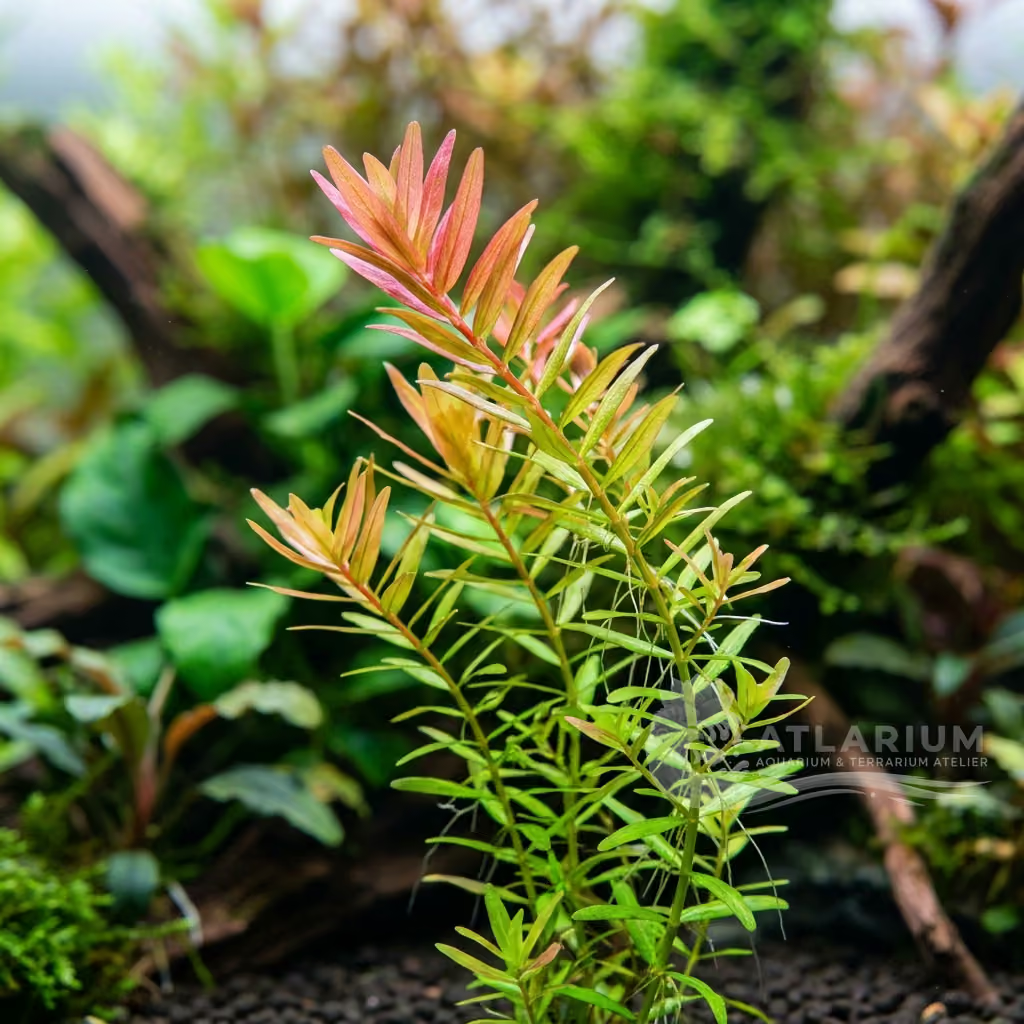
- Rotala pusilla is characterized by its very fine, narrow leaves that give it an airy, feathery appearance. Depending on light intensity, the foliage can range from a bright, fresh green to a subtle reddish-orange. The stems are quite delicate and grow predominantly upright, branching readily when pruned.
- Wachstum
- Mittel
- It exhibits a relatively fast growth rate when provided with good lighting and CO2 injection. Without optimal conditions, its growth slows down and the stems may become thin and weak. Regular trimming is required to keep it from quickly reaching the surface and shading other plants.
- Substrat
- Mittel
- Rotala pusilla benefits greatly from a nutrient-rich aquarium soil, though it can adapt to inert sands if supplemented correctly with fertilizers. Its root system quickly penetrates the substrate to stabilize its upright stems and access necessary elements for growth. Providing a fine-grained, porous substrate measuring 4 to 5 centimeters deep allows its roots to breathe and spread comfortably.
- Säulendüngung
- Empfohlen
- Liquid fertilization is important to support its rapid growth and ensure the fine leaves remain healthy. A daily dose of a balanced fertilizer will provide the necessary macronutrients and micronutrients directly to the water column. CO2 injection, while not strictly mandatory, will significantly improve its growth rate and coloration.
- Wurzeldüngung
- Keine
- A nutrient-rich substrate, such as an active aquasoil, provides a strong foundation for its root system. While it draws many nutrients from the water, root feeding helps maintain overall plant health and resilience. Root tabs can be beneficial in older setups to rejuvenate the substrate and support vigorous growth.
- Trimmen
- Gelegentlich
- It responds exceptionally well to trimming, making it very easy to shape into dense, compact bushes. Trimming should be done by topping the stems, which encourages the lower portions to produce multiple side shoots. The healthy cut tops can be replanted to quickly increase the size and density of the group.
- Ausbreitung
- Stecklinge
- Propagation is very simple and involves taking cuttings from the healthy upper stems and replanting them. The cuttings root quickly in a good substrate and will resume vertical growth within a few days. Leaving the trimmed bases in the substrate will result in new bushy growth from the nodes.
- Empfindlichkeit
- Mäßig
- It is generally an adaptable plant but can suffer if water parameters change drastically or if lighting is too dim. The fine leaves are susceptible to being overgrown by algae if water circulation is poor or organics are high. It prefers slightly acidic to neutral water and benefits from regular water changes.
- Layoutrolle
- Mittelgrund, group, accent
- Its feathery texture and versatile size make it a valuable structural plant in various aquascaping styles. It is often used to create soft, dense backgrounds or transitions between different plant groups. The subtle reddish hues it develops under high light add depth and warmth to the layout.

Verwandte Arten
Empfehlungen gruppiert nach nahen Verwandten, Auswahl von Begleitern und ähnlicher Betreuung.