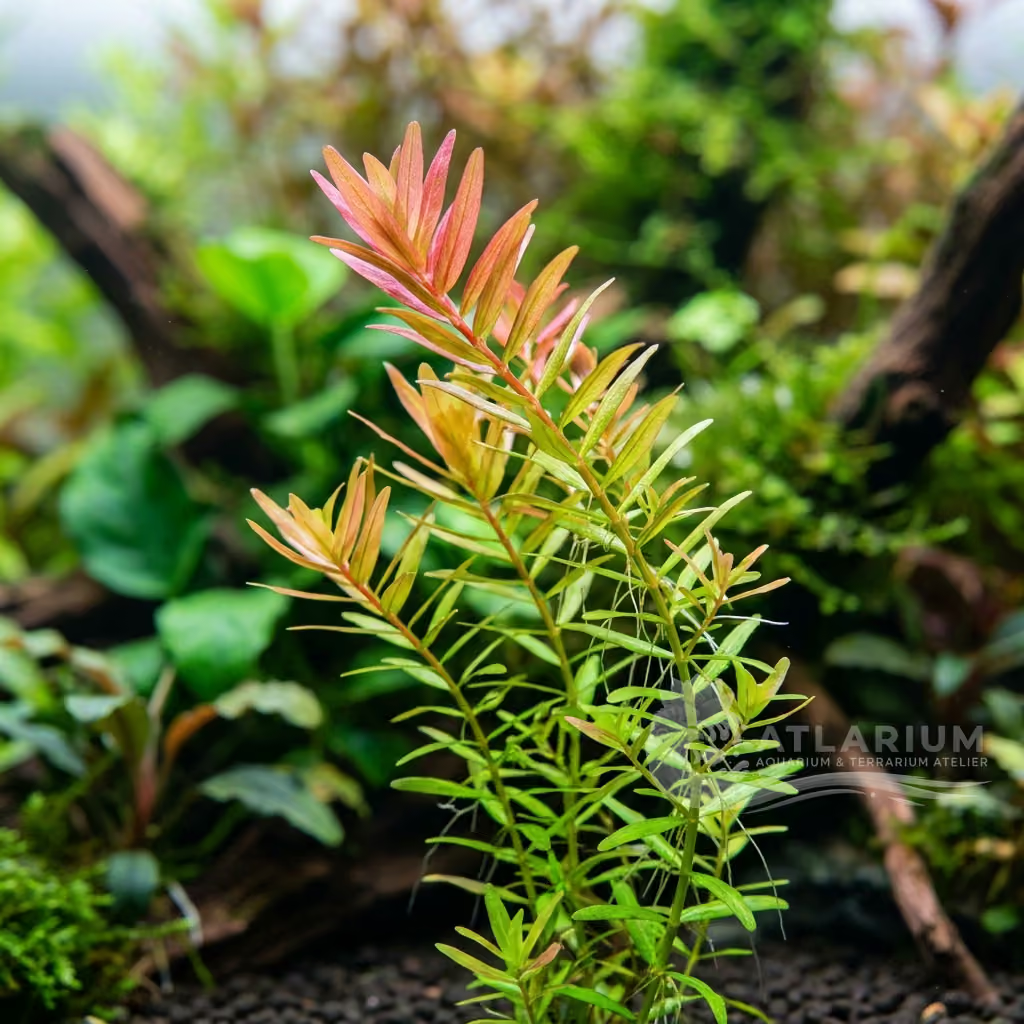
Ammannia capitellata
Ammannia capitellata
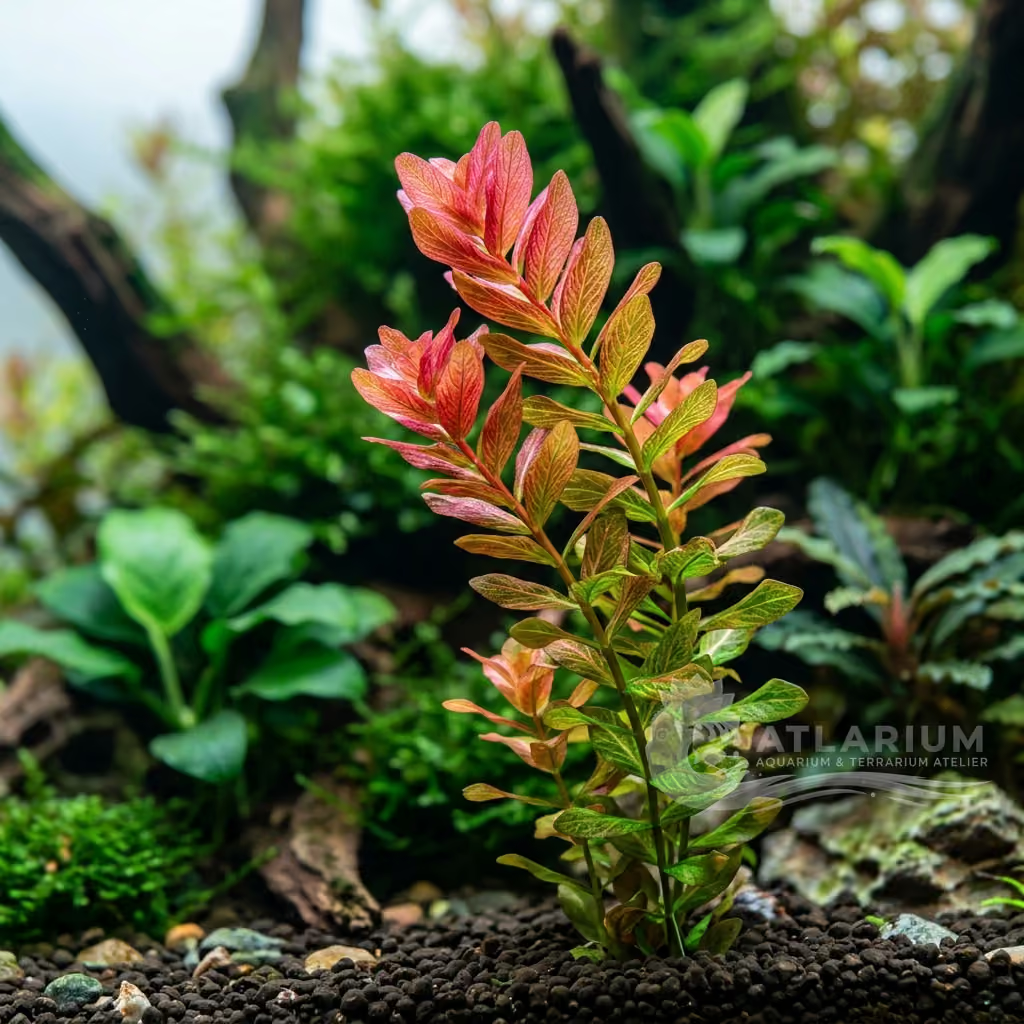
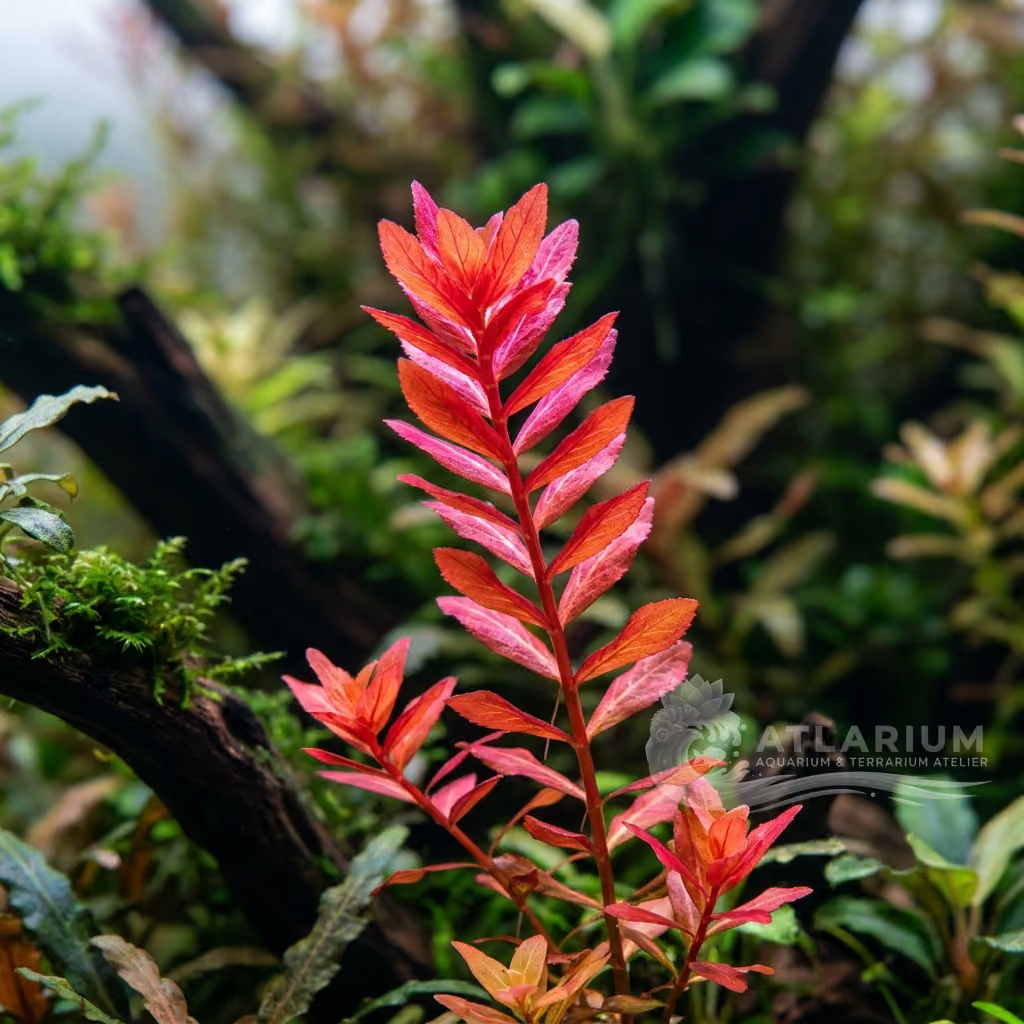
Robust marsh plant from Madagascar. Requires moderate to intense lighting and CO2 injection to induce its stunning orange coloration and prevent stem decay.
Wassertemperatur
18 - 32 °C
pH-Wert
5 - 8
Wassertyp
Süßwasser
Licht
Mittel - Hoch
CO2
Niedrig - Hoch
KH
2 - 14 dKH

Artbeschreibung
Geographical Origin and Habitat: Ammannia capitellata is native to the islands of the western Indian Ocean, with a particularly strong presence in Madagascar, and extends to some coastal areas of East Africa. In the wild, it grows as a riparian or marsh plant along slow-flowing tropical watercourses, seasonal swamps, and wet soils exposed to sunlight. This species experiences seasonal water variations, growing submerged during floods and blooming emersed in small clusters of axillary flowers as soon as the waters recede.
Taxonomy & Genetics: It belongs to the Lythraceae family, genus Ammannia. In the past, this plant was classified within the genus Nesaea as Nesaea capitellata, before recent taxonomic revisions based on genetic and phylogenetic studies merged the genus Nesaea into Ammannia. It is a genotypically robust species with excellent adaptability compared to other species in the same genus, showing high tolerance to water hardness and constant growth.
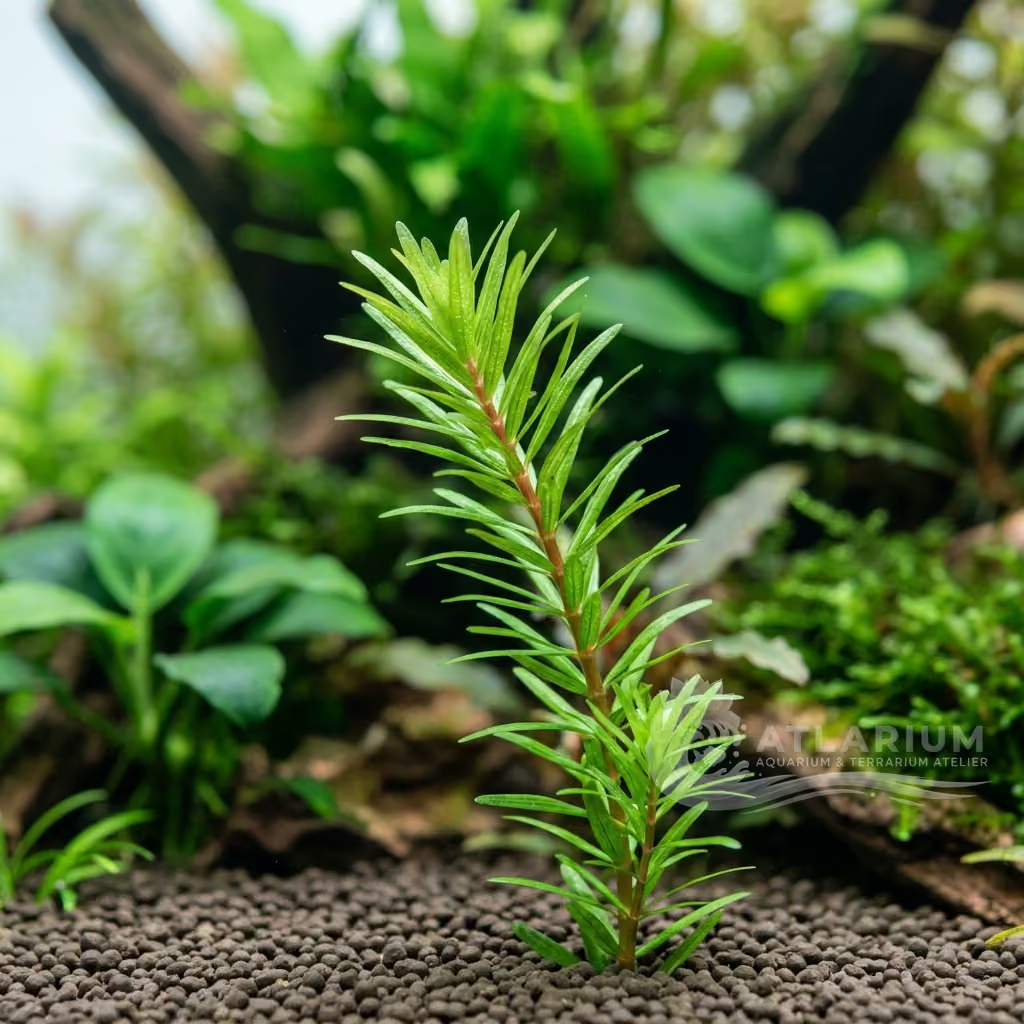
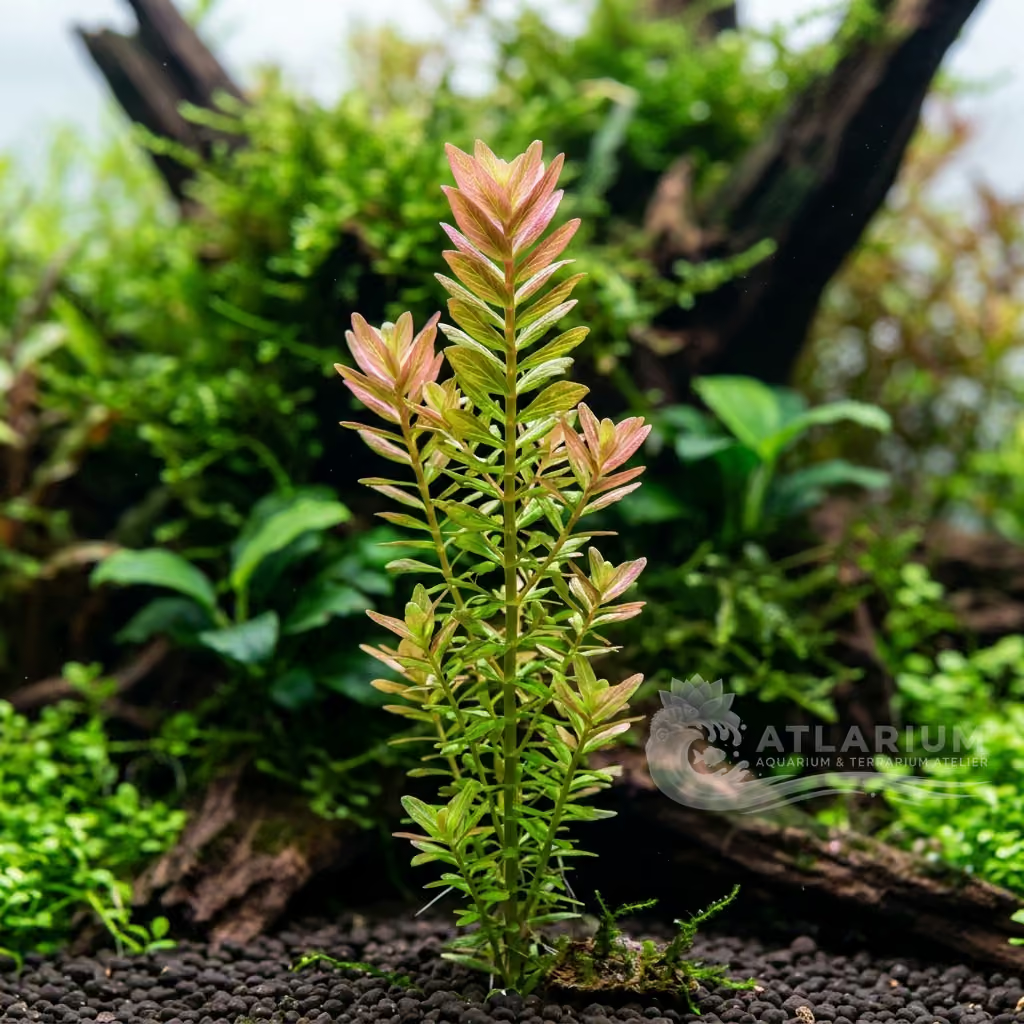
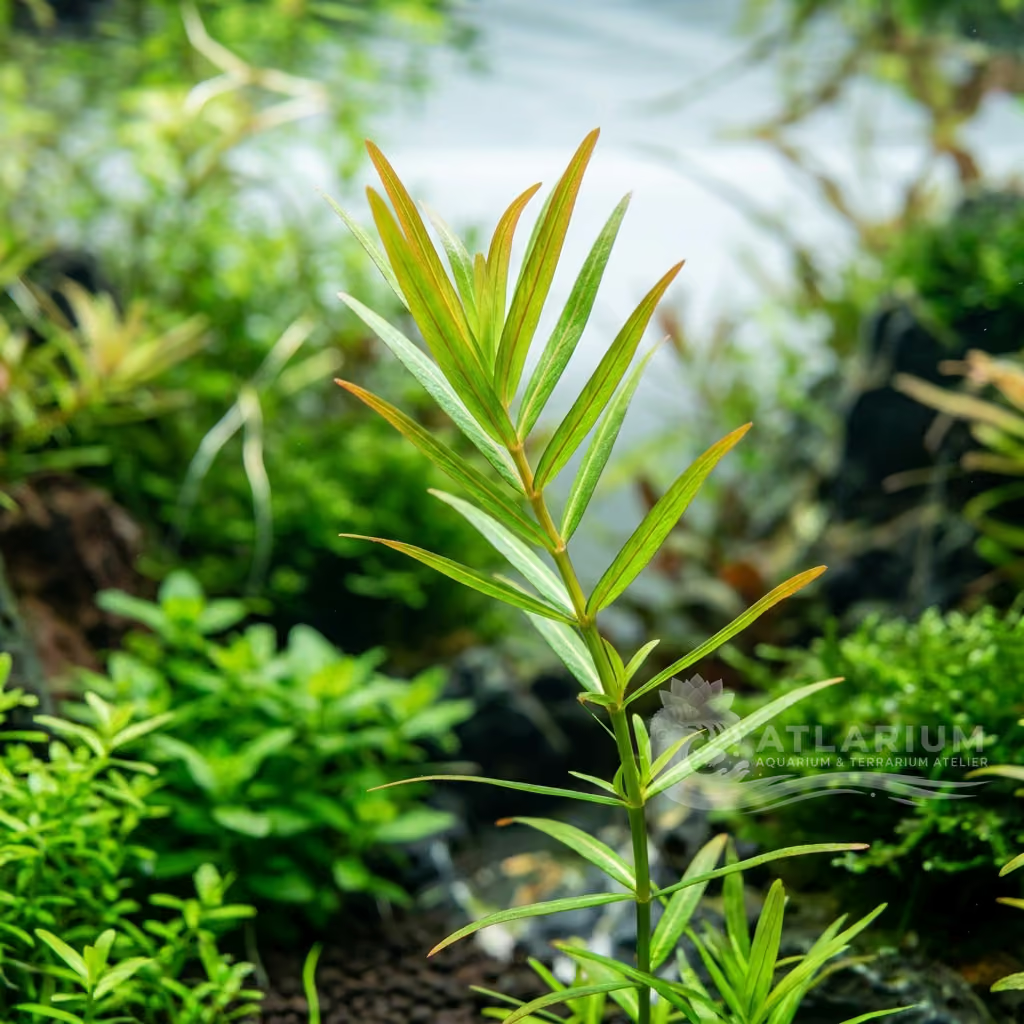
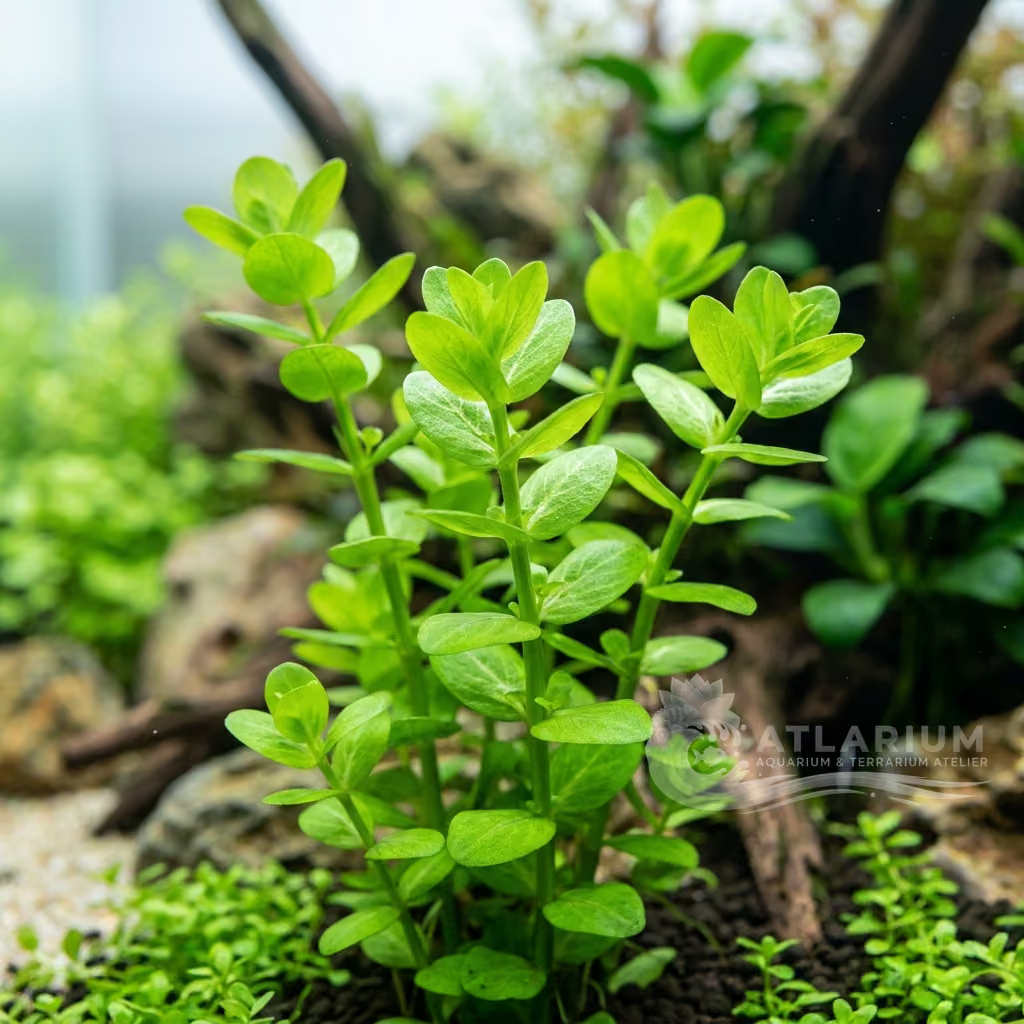
Physical Structure: It features an erect stem structure with thick, fleshy, and rigid stems that grow vertically. The leaves are arranged in an opposite and decussate pattern along the stem, having a lanceolate-spatulate shape with margins slightly bent downward. Under water, the plant develops a robust root system that penetrates the substrate for anchorage and nutrient uptake, also producing adventitious roots from the lower nodes.
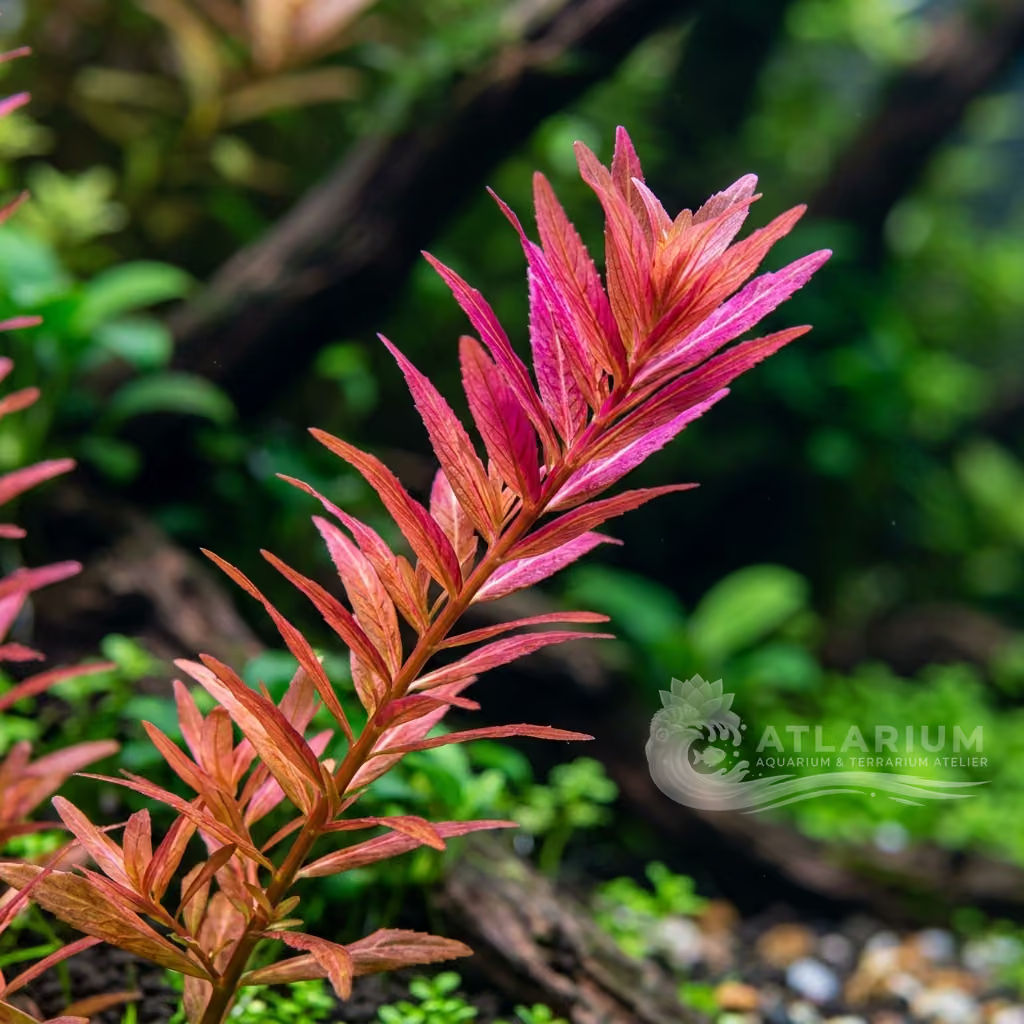
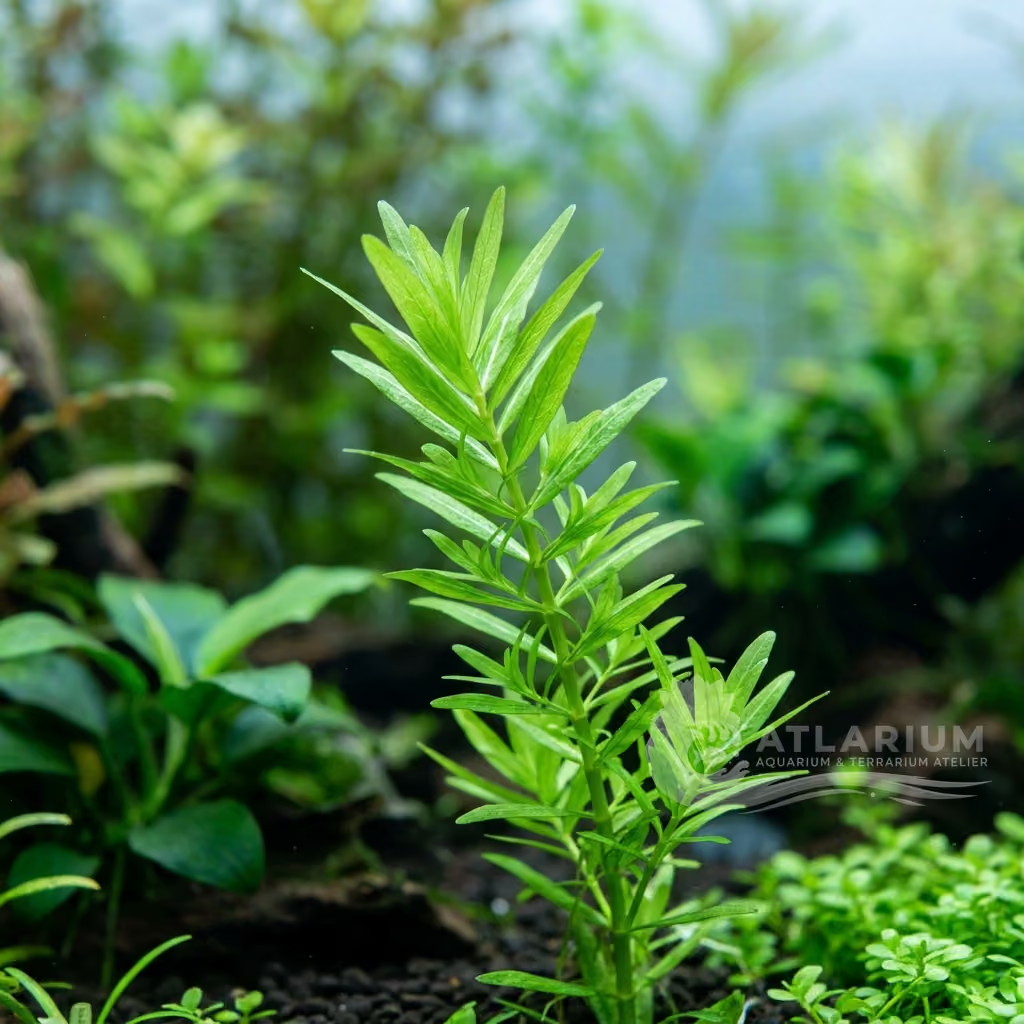
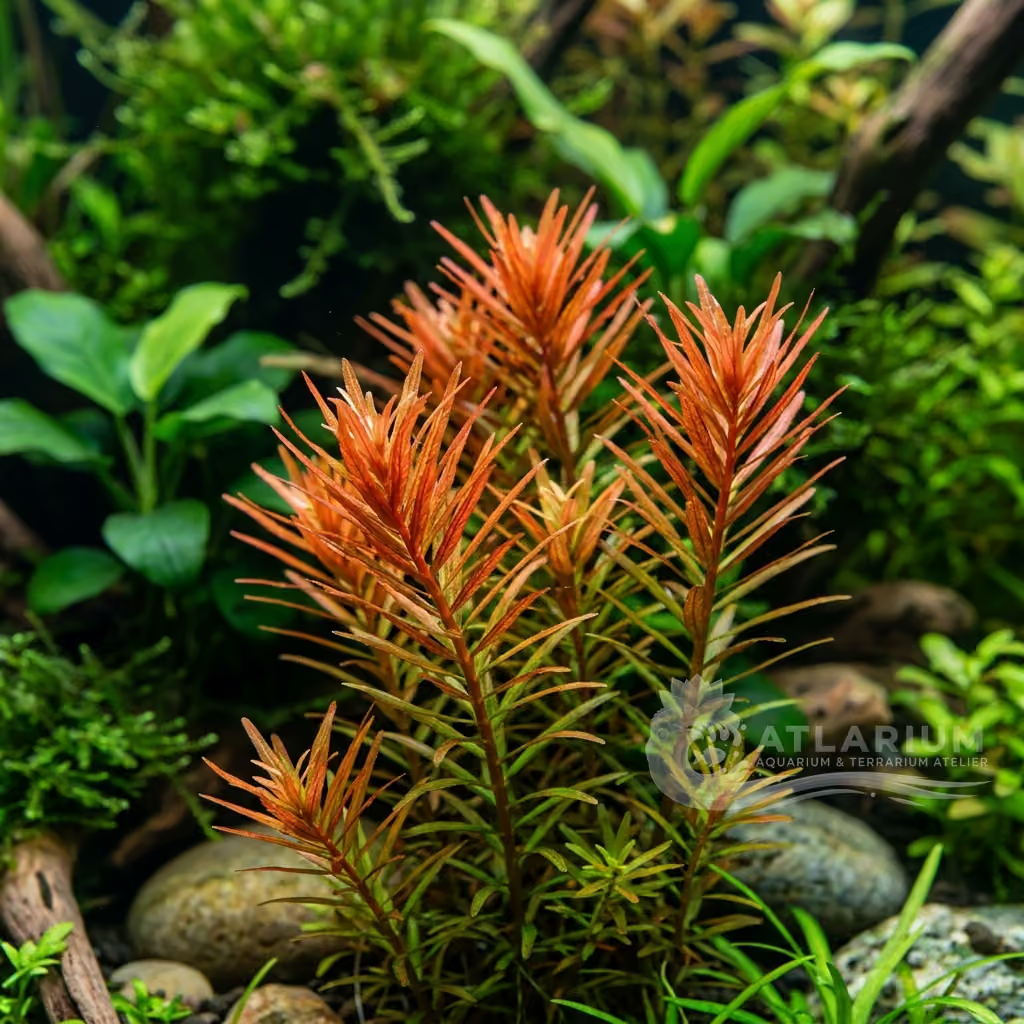
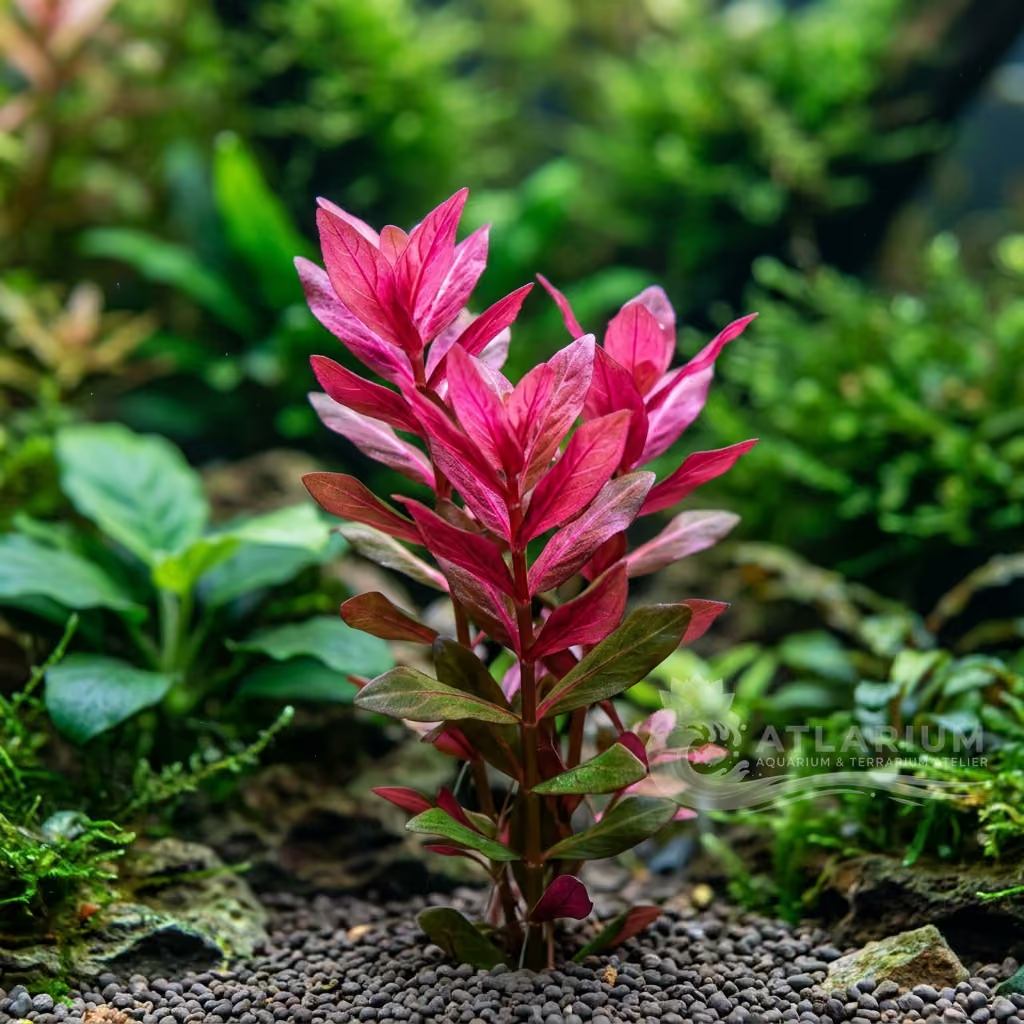
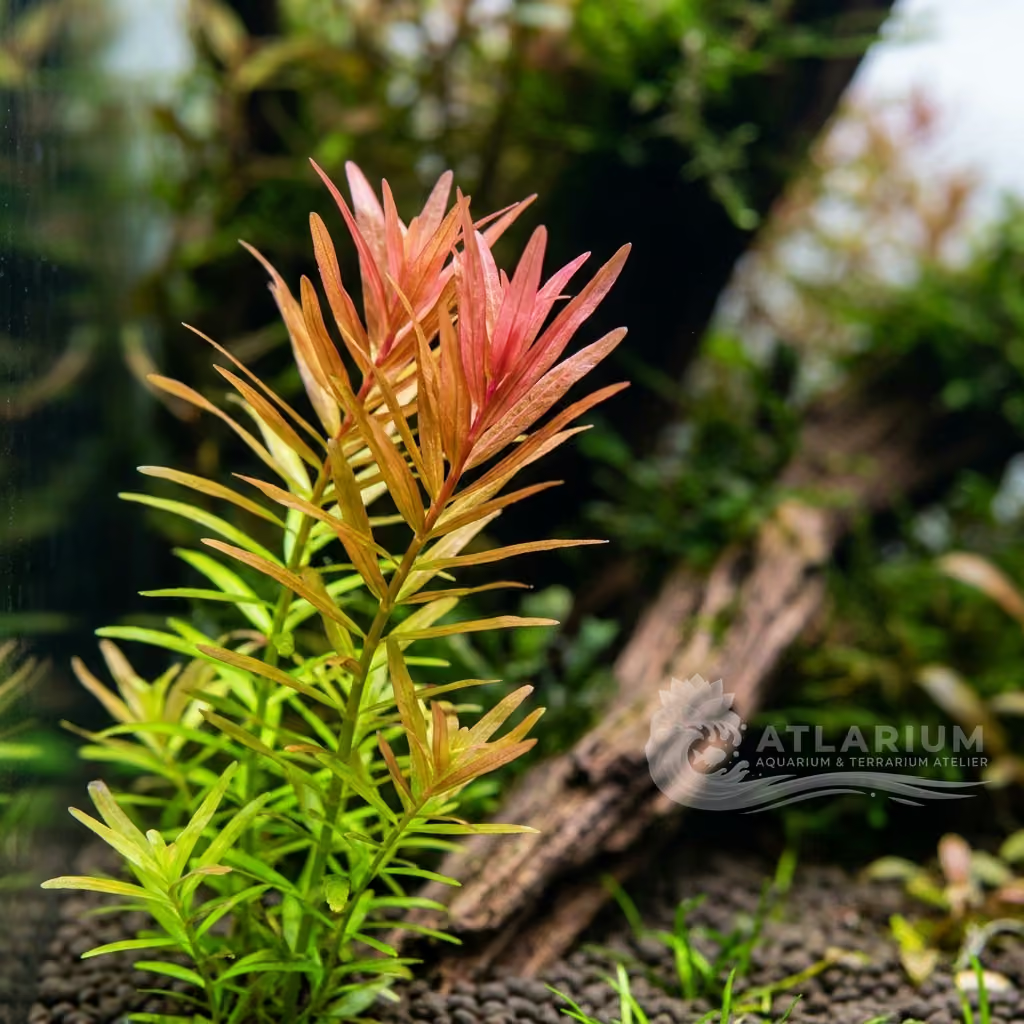
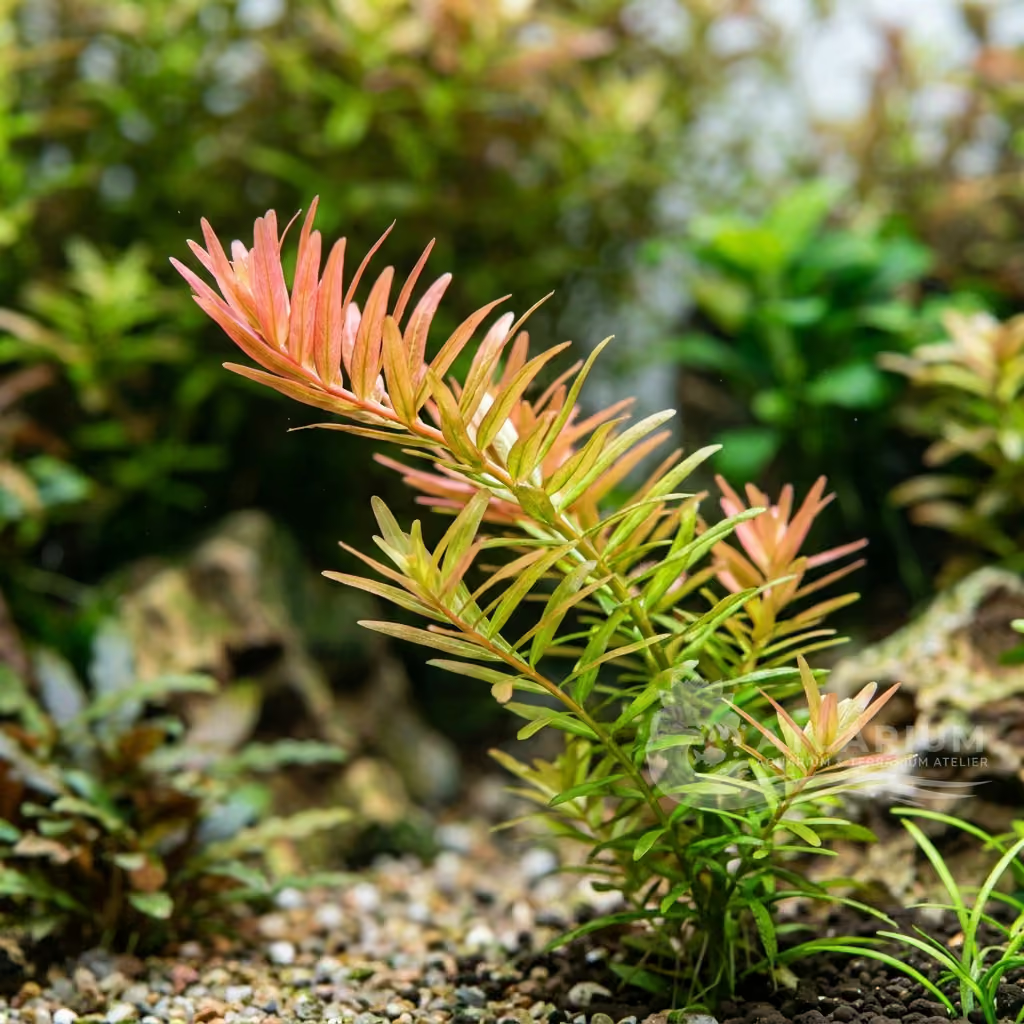
Color & Texture: The coloration of Ammannia capitellata varies greatly based on cultivation conditions: under moderate light, the leaves are golden-green or light green, but under intense lighting, they develop warm yellow-orange, bronze, or copper hues, especially in the apical portion. The leaf texture is smooth, thick, and almost leathery compared to other stems, making it visually structured and attractive.

Pflege, Zucht und Mitbewohner
Lighting & CO2: It requires moderate to intense lighting to induce orange coloration and prevent lower stem decay. CO2 injection (15-20 mg/L) is recommended to promote healthy development and speed up the growth rate, which is otherwise moderate, ensuring short internodes along the stem.
Nutrition & Substrate: A fertile substrate rich in iron is helpful to support the root system, but the plant benefits enormously from
Water Chemistry: Unlike other delicate African Ammannia species, this species tolerates soft to moderately hard water (KH 2-14 dKH) and neutral to slightly alkaline pH (5.0-8.0). The ideal temperature is between 18°C and 32°C, preferring warm temperatures between 22°C and 28°C.
Space Management & Placement: Due to its erect and vigorous habit, it is suitable for the midground or background of the aquarium. It should be planted in small groups, spacing individual stems 3-4 cm apart to prevent them from shading each other at the base, which leads to premature lower leaf drop.
Pruning: Pruning is done by cutting the upper part of the stem with sharp scissors. The removed tip can be planted directly in the substrate to propagate, while the remaining base will quickly develop new lateral shoots from the leaf nodes, making the bush denser.
Risks & Diseases: If grown under weak light or without adequate fertilization, the plant loses its golden coloration, becoming pale green, and is susceptible to algae. It is less prone to melting compared to other species in the genus, but potassium deficiencies can show as small holes on older leaves.

Geografische Herkunft und Verbreitung
Ammannia capitellata is native to the islands of the western Indian Ocean, with a particularly strong presence in Madagascar, and extends to some coastal areas of East Africa. In the wild, it grows as a riparian or marsh plant along slow-flowing tropical watercourses, seasonal swamps, and wet soils exposed to sunlight. This species experiences seasonal water variations, growing submerged during floods and blooming emersed in small clusters of axillary flowers as soon as the waters recede.
Ursprung
Afrika und Madagaskar

Pflanzenprofil
- Platzierung
- Mittelgrund
- Best suited for the midground or background due to its robust size. Grouping several stems together creates a striking focal point. Ensure it receives unshaded, direct light to maximize its color potential.
- Botanische Form
- Stängel
- Features thick, fleshy stems and slightly wavy, lanceolate leaves. Under optimal conditions, the foliage develops stunning hues ranging from warm orange to deep crimson. Its robust architecture provides strong vertical lines in the aquascape.
- Wachstum
- Mittel
- Grows at a moderate rate, slightly slower than many other stem plants. This manageable growth makes it easier to maintain in a designated area. High light and CO2 injection will significantly accelerate its upward growth.
- Substrat
- Mittel
- Ammannia capitellata develops a moderately robust root system that benefits from a nutrient-rich substrate. A fine-grained aquasoil or a laterite-based gravel provides an ideal foundation, allowing the roots to penetrate easily and establish a secure anchor. A substrate depth of at least 4 to 5 centimeters is recommended to support its vertical growth and prevent uprooting. While it can absorb nutrients from the water column, root uptake is significant, making root tabs a valuable addition in older substrates.
- Säulendüngung
- Empfohlen
- Highly benefits from consistent water column dosing of both micro and macronutrients. Potassium and iron are particularly important for leaf health and vibrant coloration. Liquid fertilizers should be applied regularly to keep the water nutrient-rich.
- Wurzeldüngung
- Optional
- Thrives with a nutrient-rich substrate or the addition of root tabs. Strong root systems develop when the substrate is fertile, leading to thicker, healthier stems. A soil-based substrate is highly recommended over inert gravel.
- Trimmen
- Gelegentlich
- Prune by topping the stems and replanting the healthy tops. The remaining lower portions will eventually sprout new side shoots if they are not too shaded. Remove any decaying lower leaves to maintain water quality and aesthetic appeal.
- Ausbreitung
- Stecklinge
- Easily propagated through stem cuttings. Snip a healthy top portion and insert it directly into the substrate. The cutting will quickly develop new roots and continue growing towards the light.
- Empfindlichkeit
- Mäßig
- Prone to lower leaf drop if shadowed by other plants or if nutrients are lacking. It can be sensitive to sudden changes in water parameters, leading to melting. Requires stable, soft to medium-hard water for the best results.
- Layoutrolle
- Mittelgrund, Hintergrund
- Serves as an excellent focal point or contrasting background plant. Its warm tones break up the monotony of green plants in a Dutch or nature-style aquascape. The thick stems add substantial texture and visual weight.

Verwandte Arten
Empfehlungen gruppiert nach nahen Verwandten, Auswahl von Begleitern und ähnlicher Betreuung.