Three-flower Nesaea
Ammannia capitellata capitellata
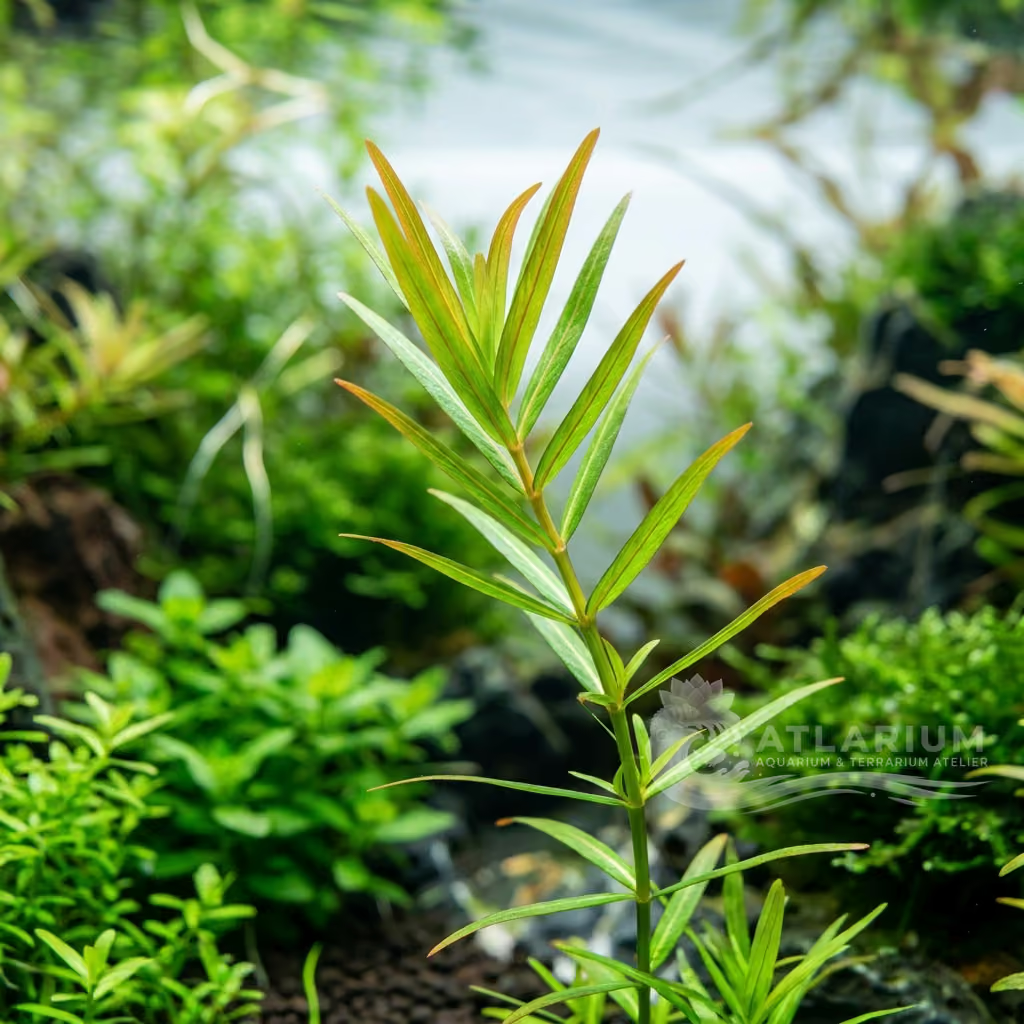
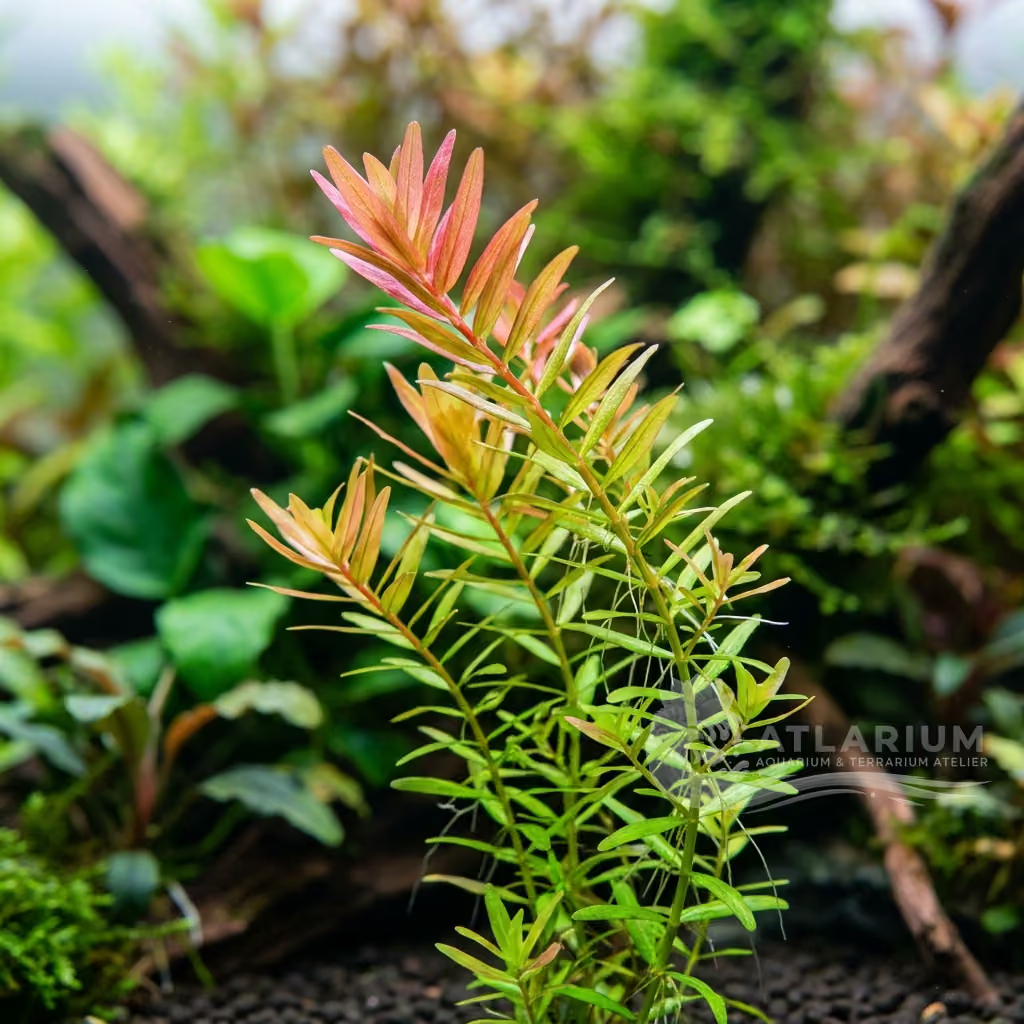
A demanding and highly decorative freshwater plant native to Madagascar, featuring delicate stems and striking gold-orange to reddish leaves under high light and CO2.
Wassertemperatur
20 - 28 °C
pH-Wert
6 - 7.2
Wassertyp
Süßwasser
Licht
Hoch
CO2
Mittel
Erwartete Höhe
30 cm
Erwartete Breite
15 cm
GH
4 - 8 dGH
KH
2 - 5 dKH

Artbeschreibung
Geographical Origin and Habitat: Nesaea triflora is native to Madagascar, an island renowned for its high level of endemism. In the wild, it inhabits warm marshy environments, wet riverbanks, and shallow pools exposed to intense direct sunlight, experiencing seasonal cycles of emersed and submerged growth during the rainy seasons.
Taxonomy & Genetics: Belongs to the family Lythraceae and the genus Nesaea. It is a dicotyledonous plant characterized by upright, very delicate stems and lanceolate, opposite leaves arranged along the stem. Proper genetic stability in cultivation is maintained under constant nutrient and light levels.
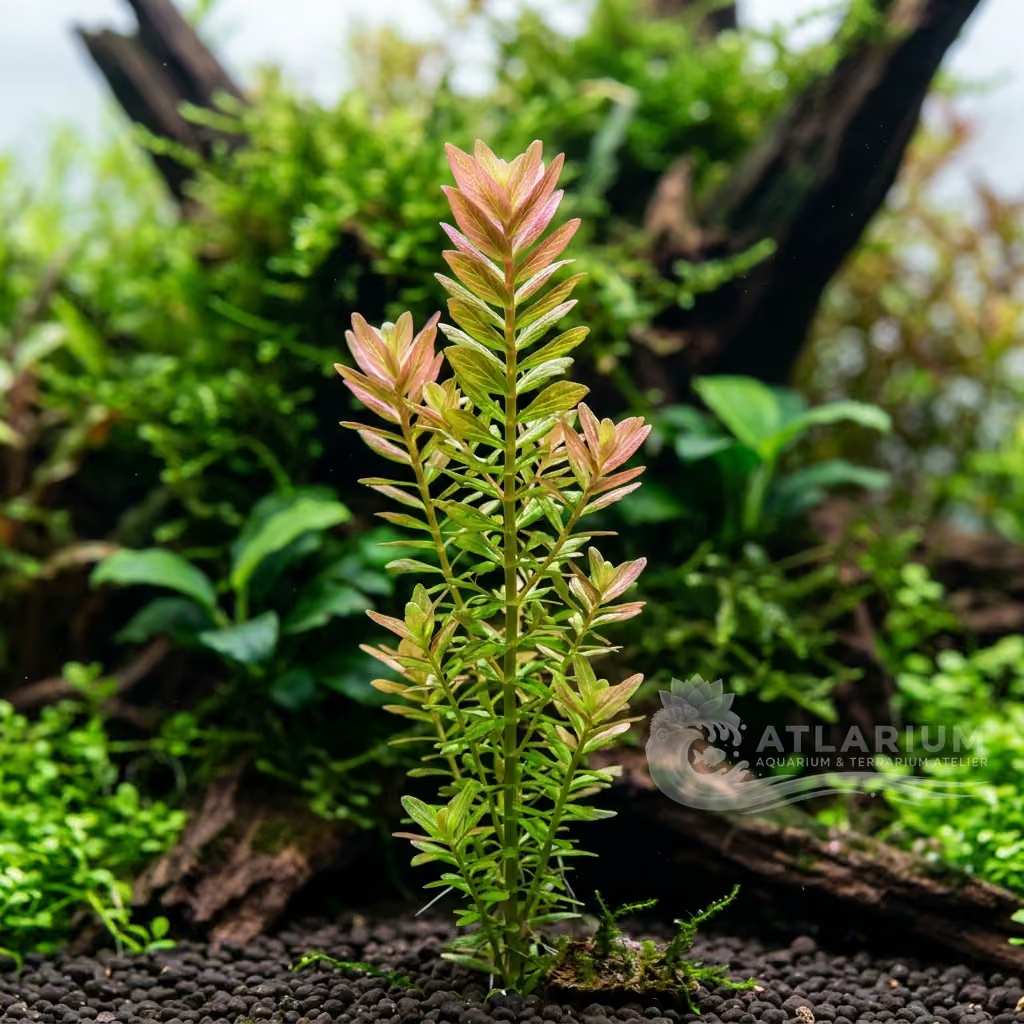
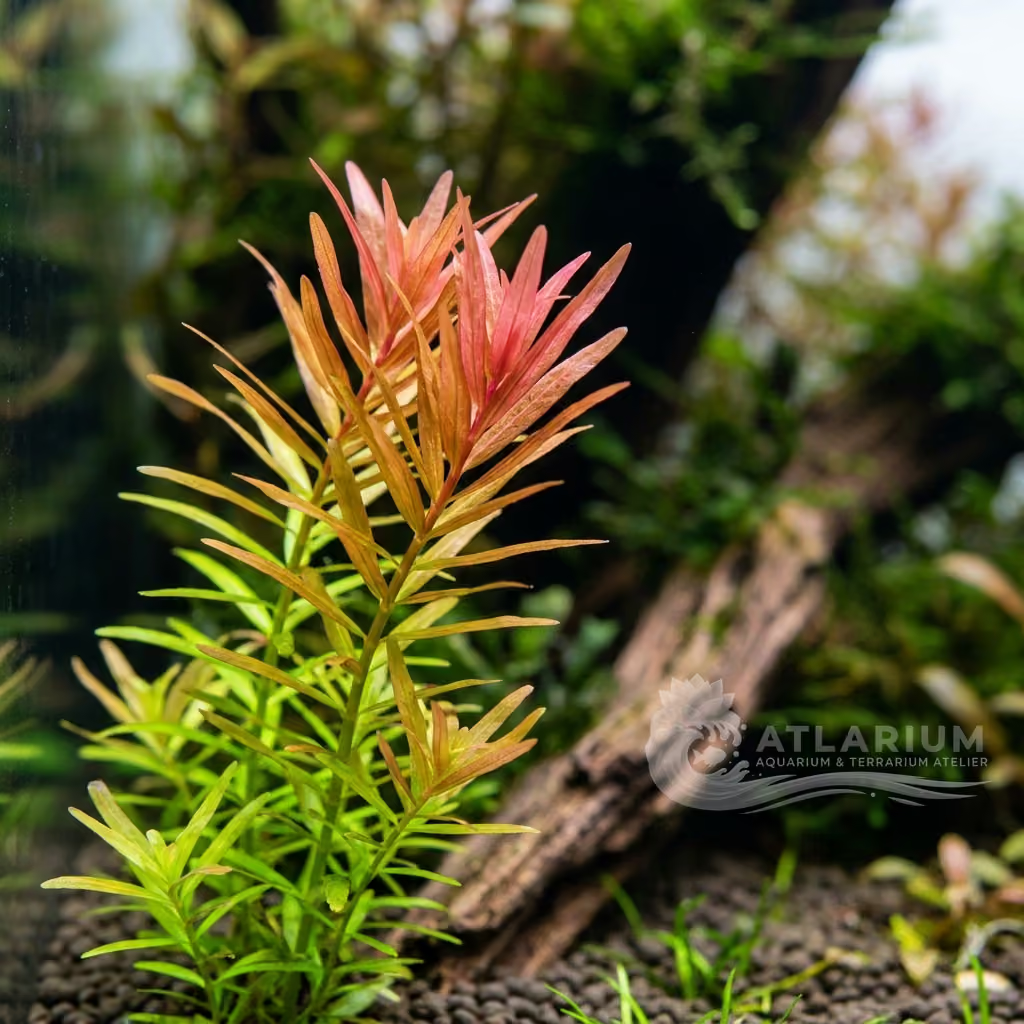
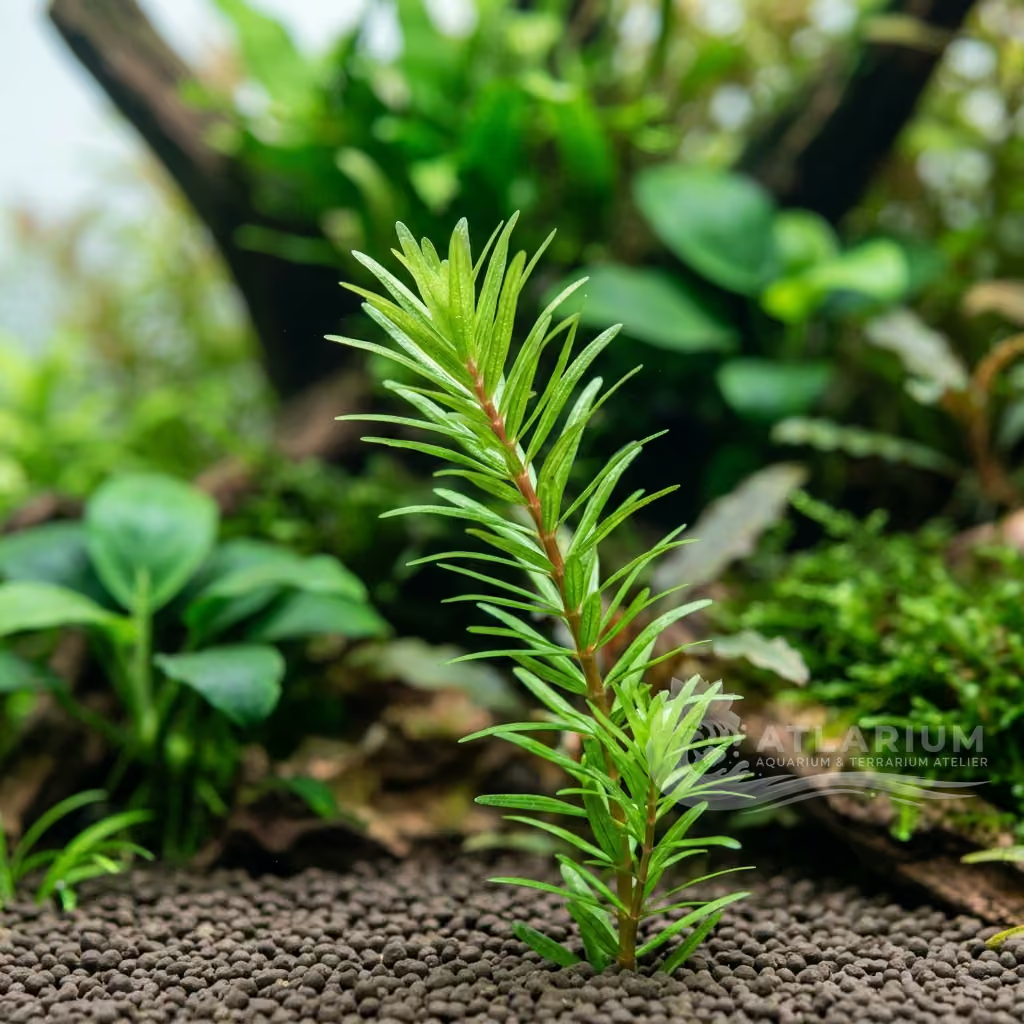
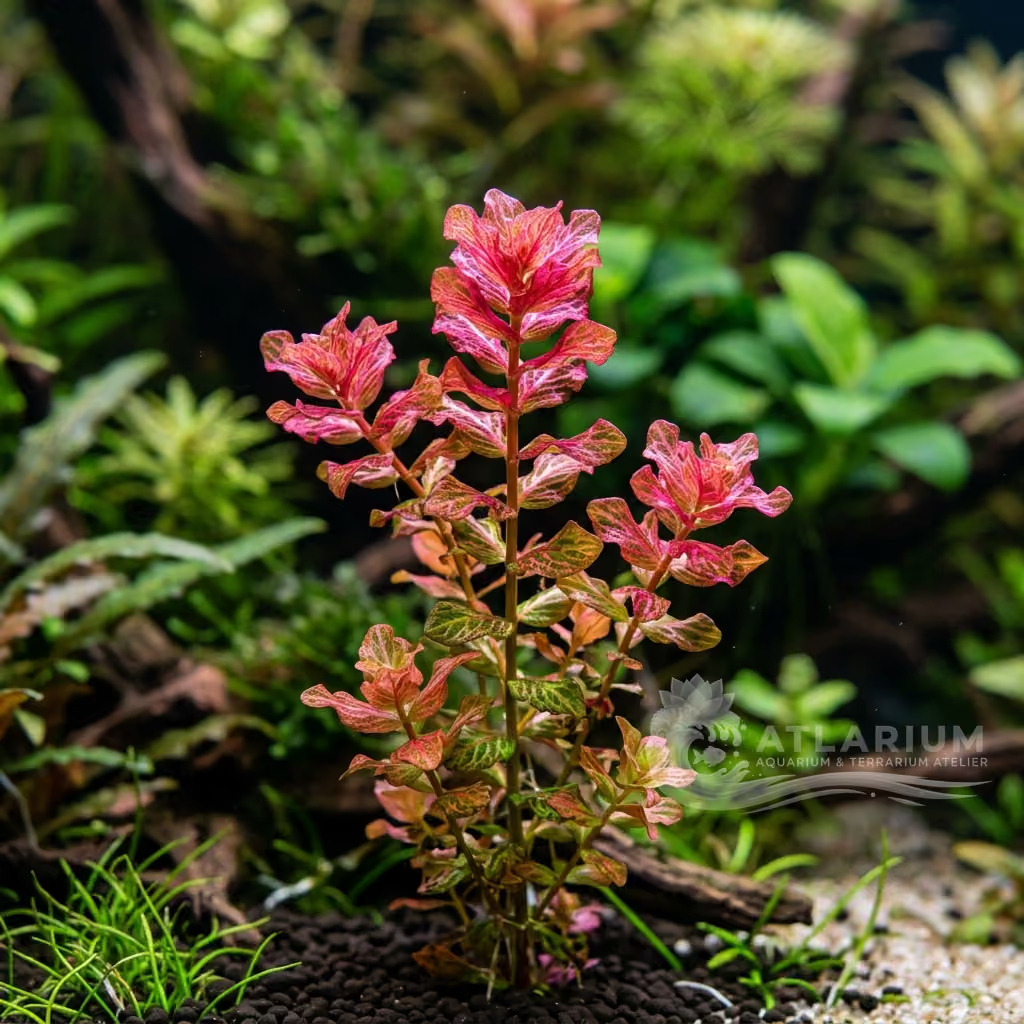
Physical Structure: It develops highly fragile, hollow stems that snap easily under rough handling or high water currents. The submerged leaves are narrow, soft, and slightly wavy along the margins, growing in opposite pairs at each stem node. In aquariums, it typically reaches a height of 20 to 35 centimeters.
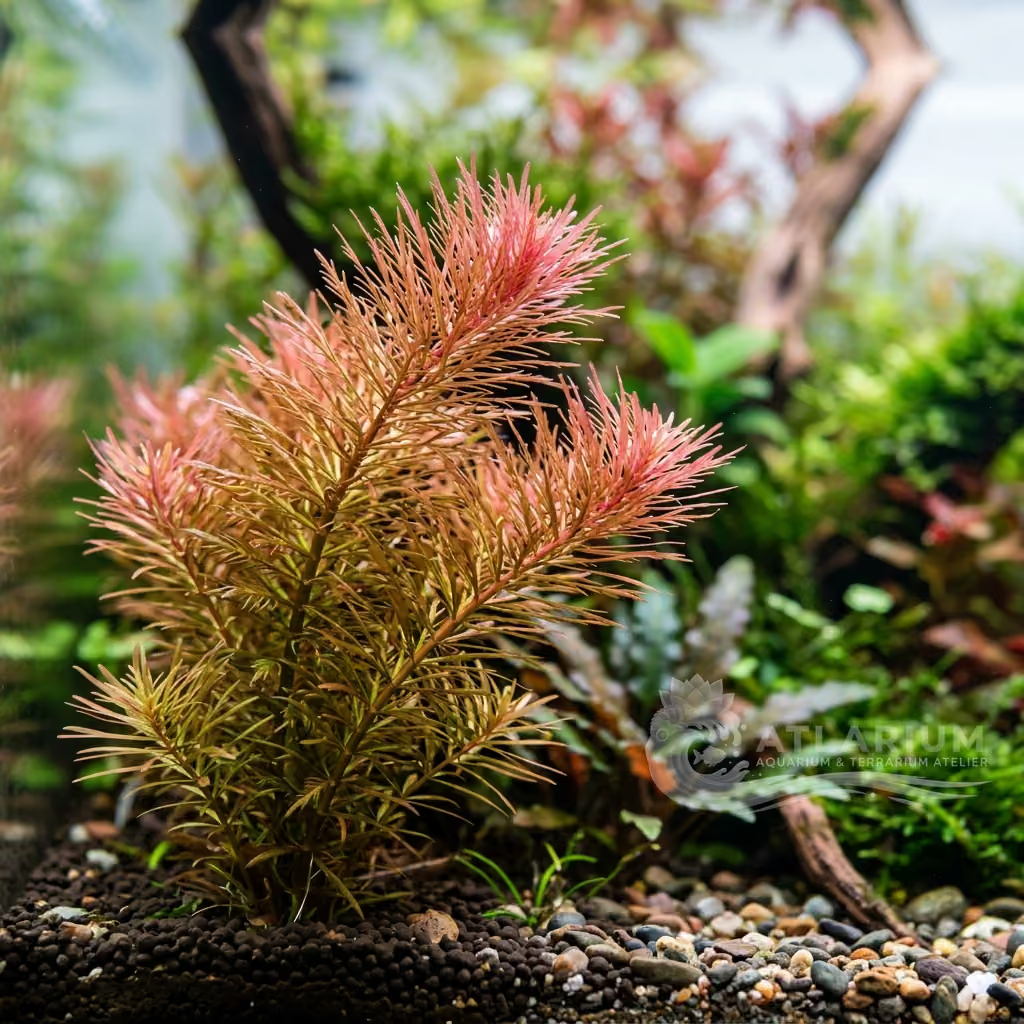
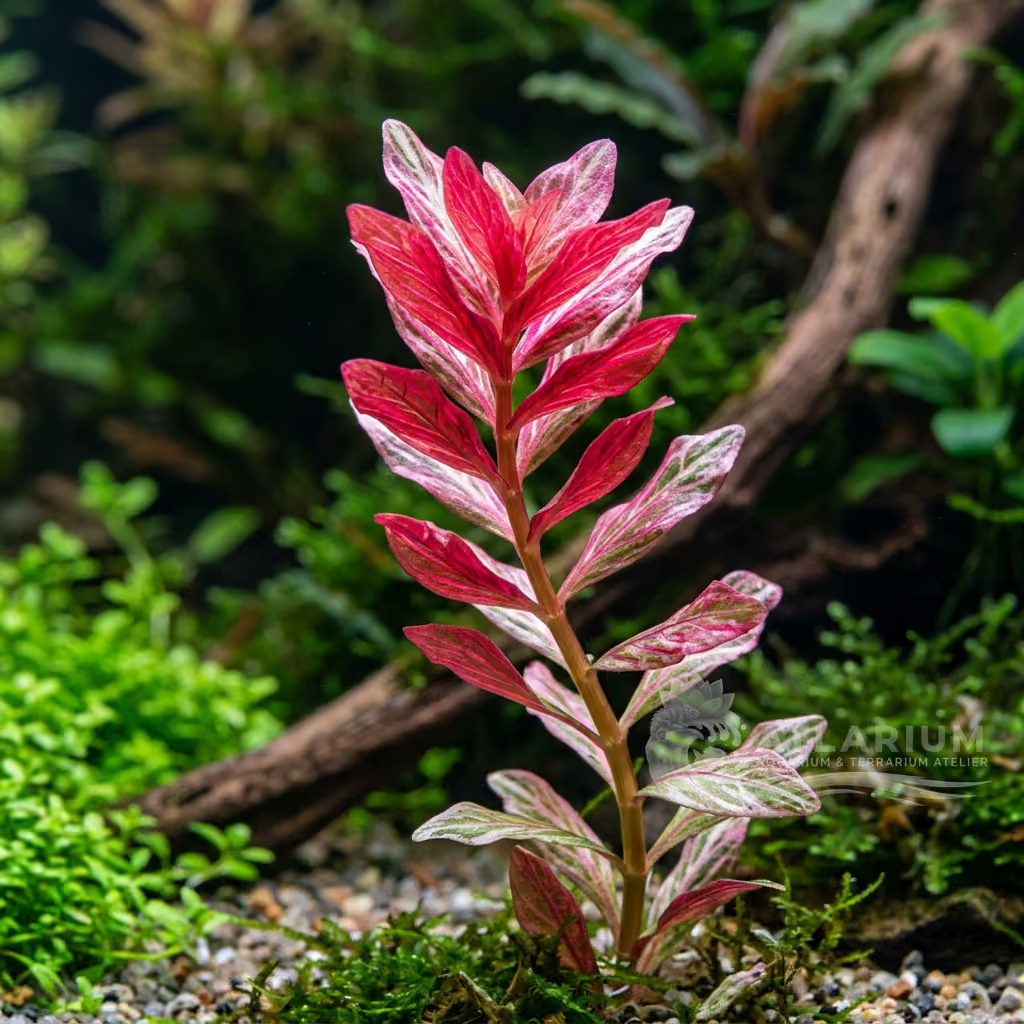
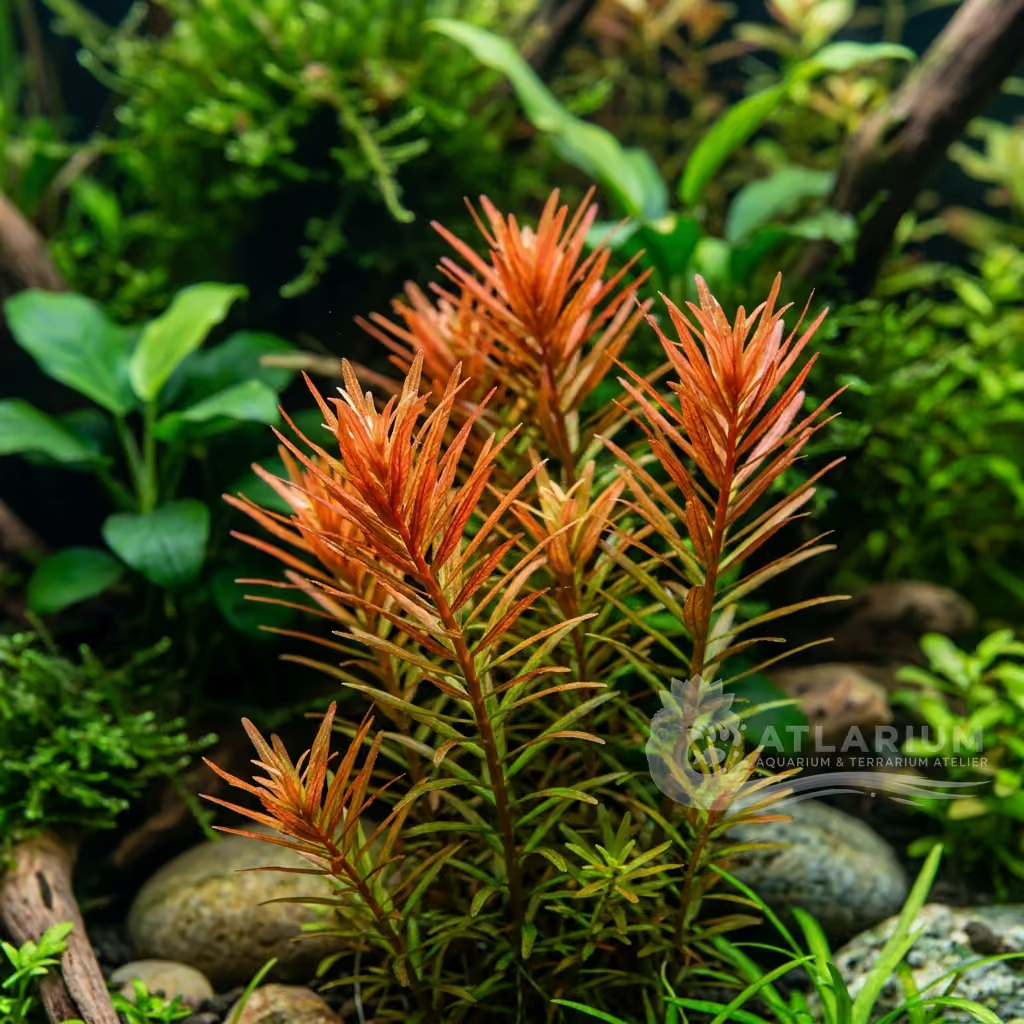
Color & Texture: The foliage coloration is highly striking: under intense lighting, the submerged leaves transition from light greenish-yellow to beautiful golden-yellow, bright orange, and rusty red. The leaf texture is soft and delicate, showing fine venation that stands out under high-output aquarium lights.

Pflege, Zucht und Mitbewohner
Lighting & CO2: Requires very high lighting levels (at least 0.8-1 watt per liter or high-lumen linear LEDs) to sustain photosynthesis and promote red/orange coloration. Consistent carbon dioxide (CO2) injection of 20-30 mg/l is absolutely mandatory to prevent the delicate stems from melting and decaying.
Nutrition & Substrate: Demands a nutrient-rich active substrate (such as aquasoil) to support its root system. A comprehensive liquid fertilization program is required, with a focus on chelated iron, potassium, phosphates, and trace elements; nutrient deficiencies lead quickly to leaf loss and stunted growth.
Water Chemistry: Prefers soft, slightly acidic water. Maintain stable parameters: temperature 20°C to 28°C, pH between 6.0 and 7.2, general hardness (GH) of 4 to 8, and carbonate hardness (KH) of 2 to 5. It reacts poorly to sudden fluctuations in water chemistry, which can cause stem rot.
Space Management & Placement: Best positioned in the midground or background of medium-sized aquariums. Individual stems must be planted at least 2-3 cm apart to ensure that sufficient light reaches the lower leaves, preventing them from yellowing, shedding, and leaving the lower stem bare.
Pruning: Trim the stems by cutting the tops with very sharp aquascaping scissors to avoid crushing the delicate tissue. The trimmed tops can be replanted into the substrate to propagate the plant. Avoid frequently moving or uprooting the mother plant, as it has delicate roots that take time to recover.
Risks & Diseases: The main threat is rapid melting of stems caused by insufficient light, low CO2, or potassium deficiency. Stems will turn black at the base and rot away. It is also vulnerable to filamentous algae, which can easily choke the delicate leaves if nutrient dosing is unbalanced.

Geografische Herkunft und Verbreitung
Nesaea triflora is native to Madagascar, an island renowned for its high level of endemism. In the wild, it inhabits warm marshy environments, wet riverbanks, and shallow pools exposed to intense direct sunlight, experiencing seasonal cycles of emersed and submerged growth during the rainy seasons.
Ursprung
Afrika und Madagaskar

Pflanzenprofil
- Platzierung
- Mittelgrund
- It is typically placed in the midground or background of the aquascape. Due to its rigid, upright growth habit, it works well when planted in small, terraced groups. It is important not to plant the stems too densely, as the lower leaves require good light penetration to avoid rotting.
- Botanische Form
- Stängel
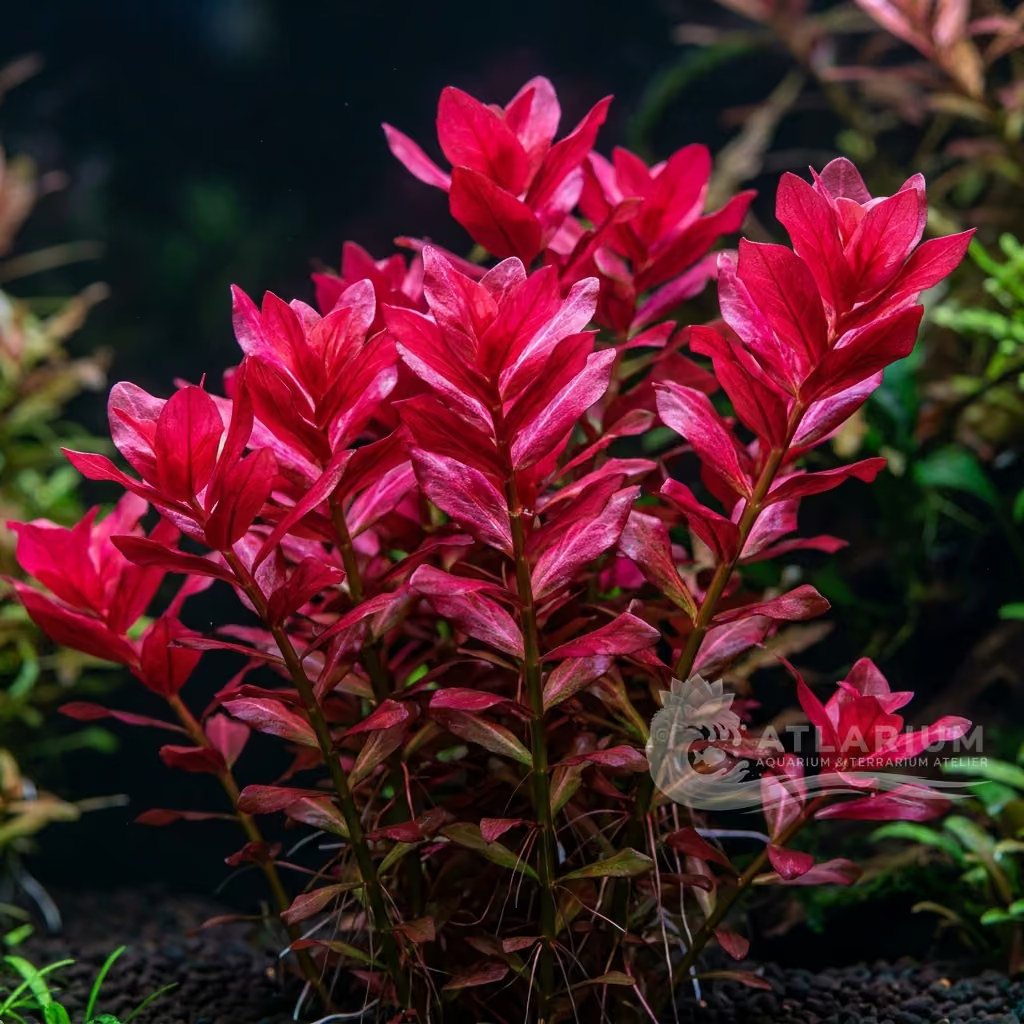
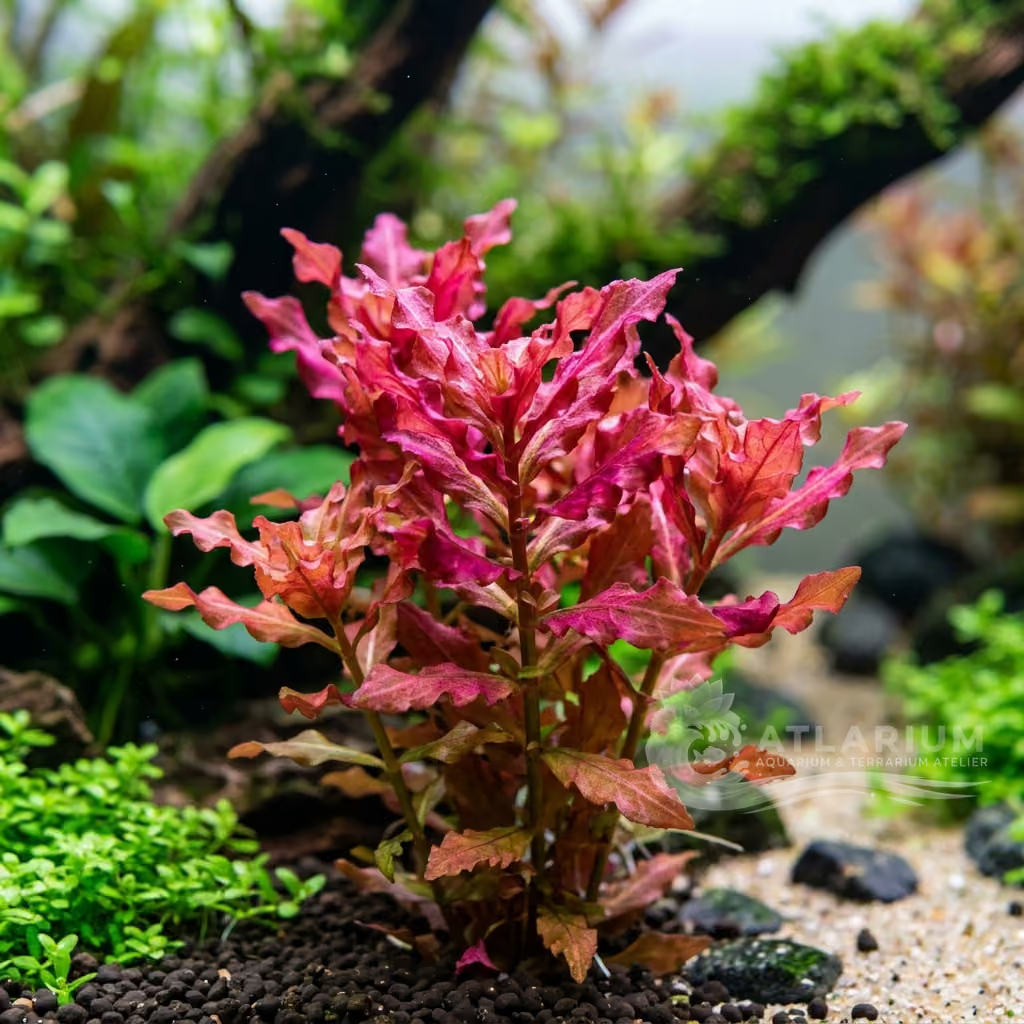
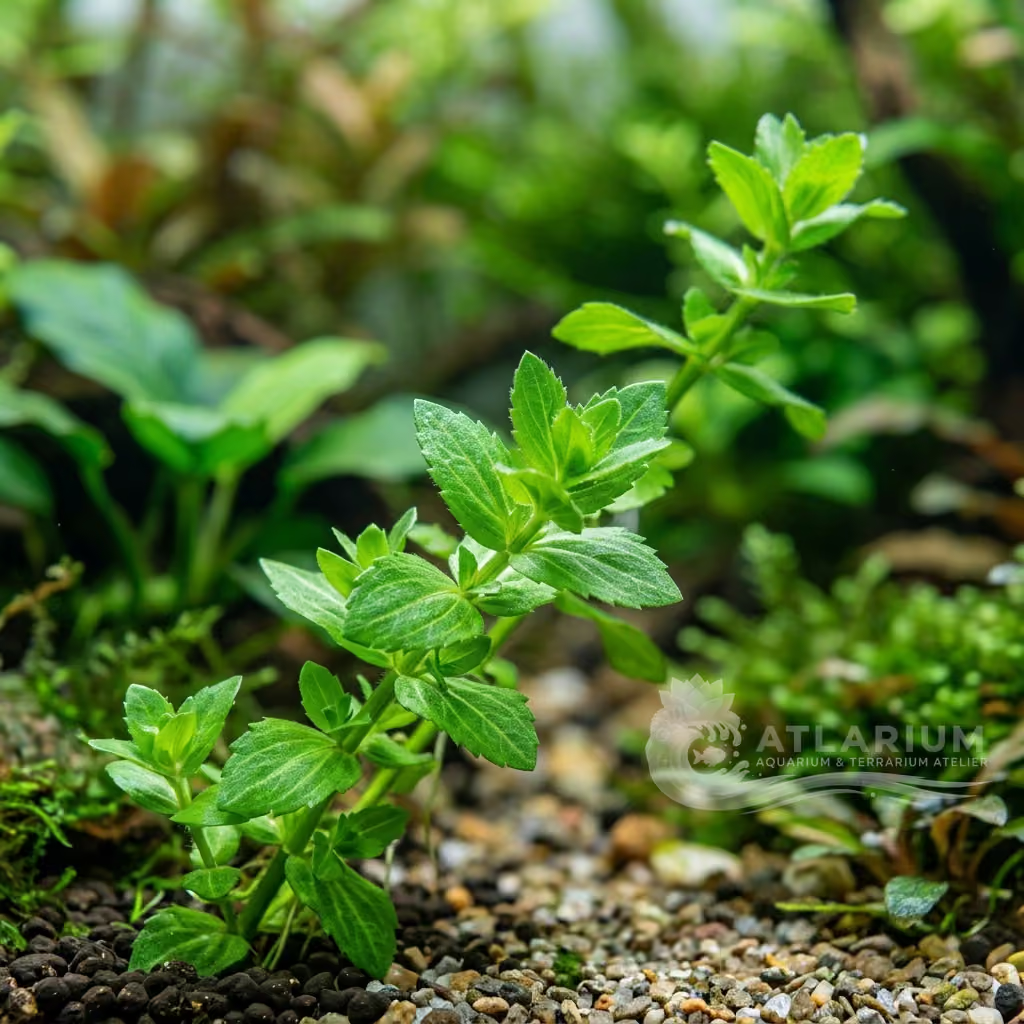
- The plant is characterized by sturdy, thick stems and lanceolate to slightly oval leaves that grow in opposite pairs. The upper surface of the leaves is usually a bright, fresh green, while the undersides and the stem itself can turn a striking pinkish-red under strong illumination. This bi-color effect makes it visually very interesting.
- Wachstum
- Mittel
- The growth rate is generally moderate under ideal conditions, which include high light and CO2 injection. It does not grow as rapidly as many other stem plants, meaning it requires less frequent pruning. In low-tech setups without CO2, its growth can be painfully slow and it may struggle to survive.
- Substrat
- Hoch
- Ammannia capitellata capitellata flourishes in a nutrient-rich, fine-grained substrate that can consistently satisfy its heavy feeding requirements. The plant establishes a deep, extensive root system that strongly absorbs macro and micronutrients directly from the soil bed to fuel its growth. Providing a deep substrate layer of 3 inches or more is crucial to allow the roots to stabilize the plant and access necessary minerals. A fertile base layer of aquasoil, supplemented routinely with root tabs, ensures the plant reaches its full potential and maintains healthy foliage.
- Säulendüngung
- Optional
- Consistent water column fertilization is crucial. A complete liquid fertilizer dosed regularly ensures that the plant has access to the micronutrients it needs, particularly iron. Maintaining a steady level of macronutrients (NPK) is also necessary to support its overall metabolism and prevent deficiencies.
- Wurzeldüngung
- Optional
- While it can absorb nutrients through its leaves, a nutrient-rich substrate is highly beneficial for long-term health. Using an active aquasoil or placing root tabs near the base of the stems encourages a strong, deep root system. Healthy roots allow the plant to better withstand environmental changes and rigorous pruning.
- Trimmen
- Gelegentlich
- Because the stems are thick, trimming should be done with sharp scissors to make a clean cut. Topping the plant and replanting the upper portion is often the best method to maintain a clean look. If you leave the bottom portion rooted, ensure it has enough light and healthy leaves to produce new side shoots, though it may take some time.
- Ausbreitung
- Stecklinge
- Propagation is straightforward via stem cuttings. Take a healthy cutting from the top of the plant, remove the lowest pair of leaves, and insert the stem carefully into the substrate. The cutting needs a stable environment to root properly, so avoid disturbing it once planted.
- Empfindlichkeit
- Empfindlich
- This species is known to be somewhat demanding and sensitive to poor conditions. It reacts negatively to shading, poor water circulation, and unstable CO2 levels, often resulting in the loss of its lower leaves. It prefers softer water and may struggle or melt if the water is too hard or alkaline.
- Layoutrolle
- Mittelgrund
- It serves as an excellent structural and color accent in the midground. The contrast between its green leaf tops and reddish stems/undersides adds depth and visual interest to the layout. It contrasts beautifully with finer-leaved background plants or dark hardscape materials.

Verwandte Arten
Empfehlungen gruppiert nach nahen Verwandten, Auswahl von Begleitern und ähnlicher Betreuung.