Decorator Crab
Camposcia retusa
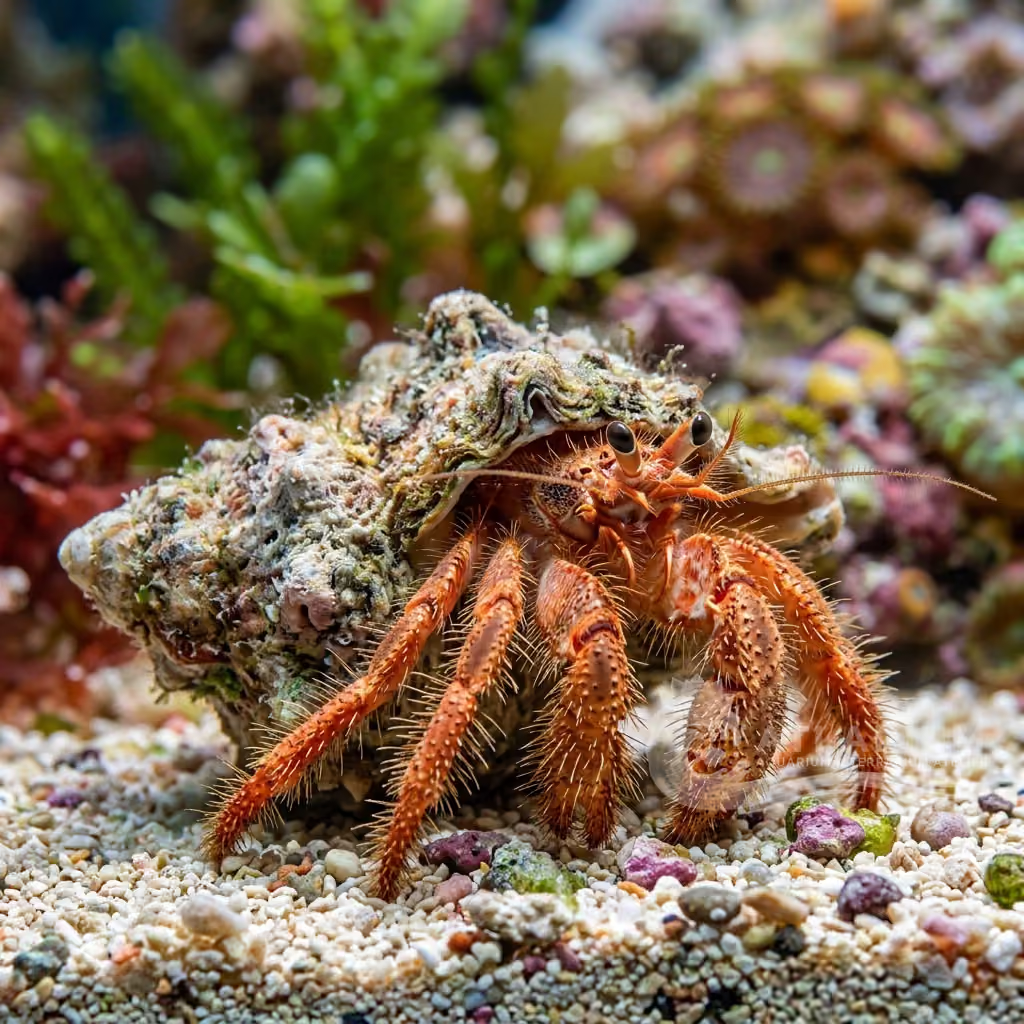
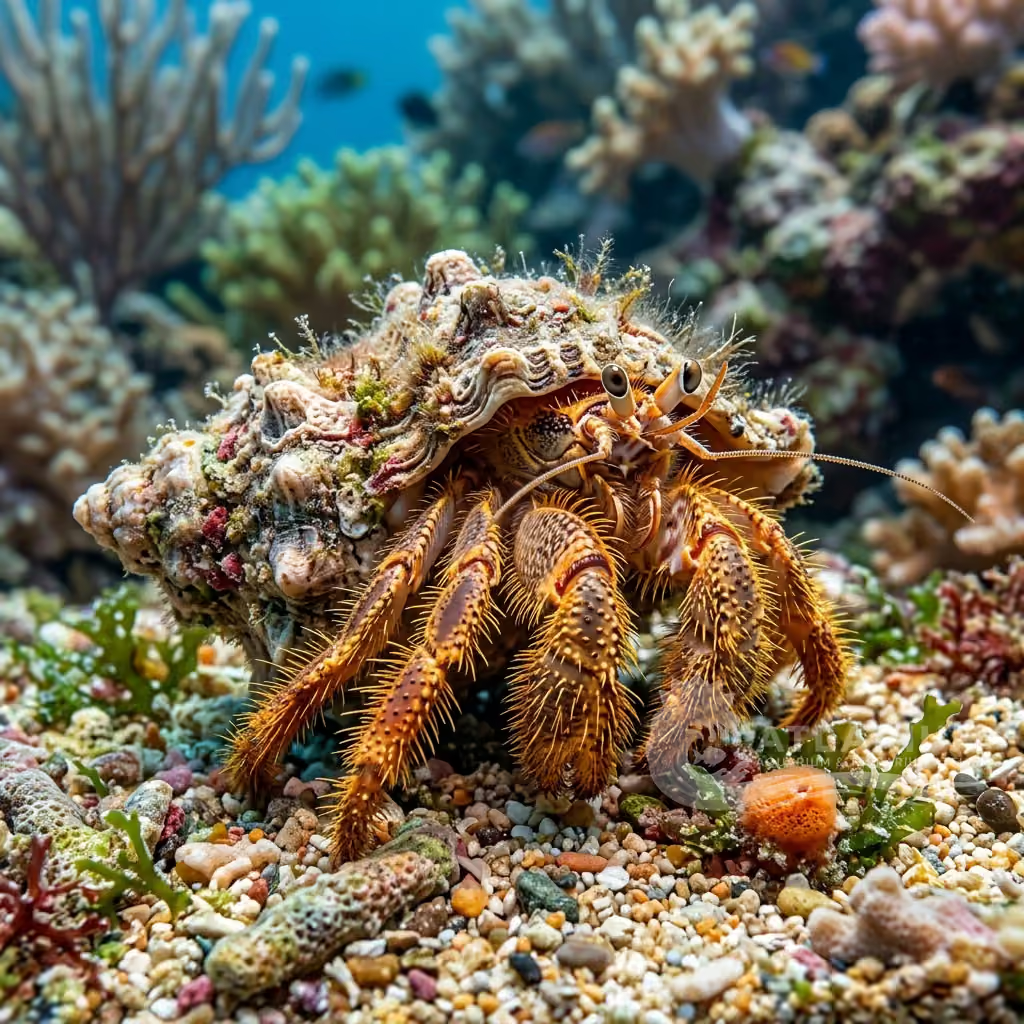
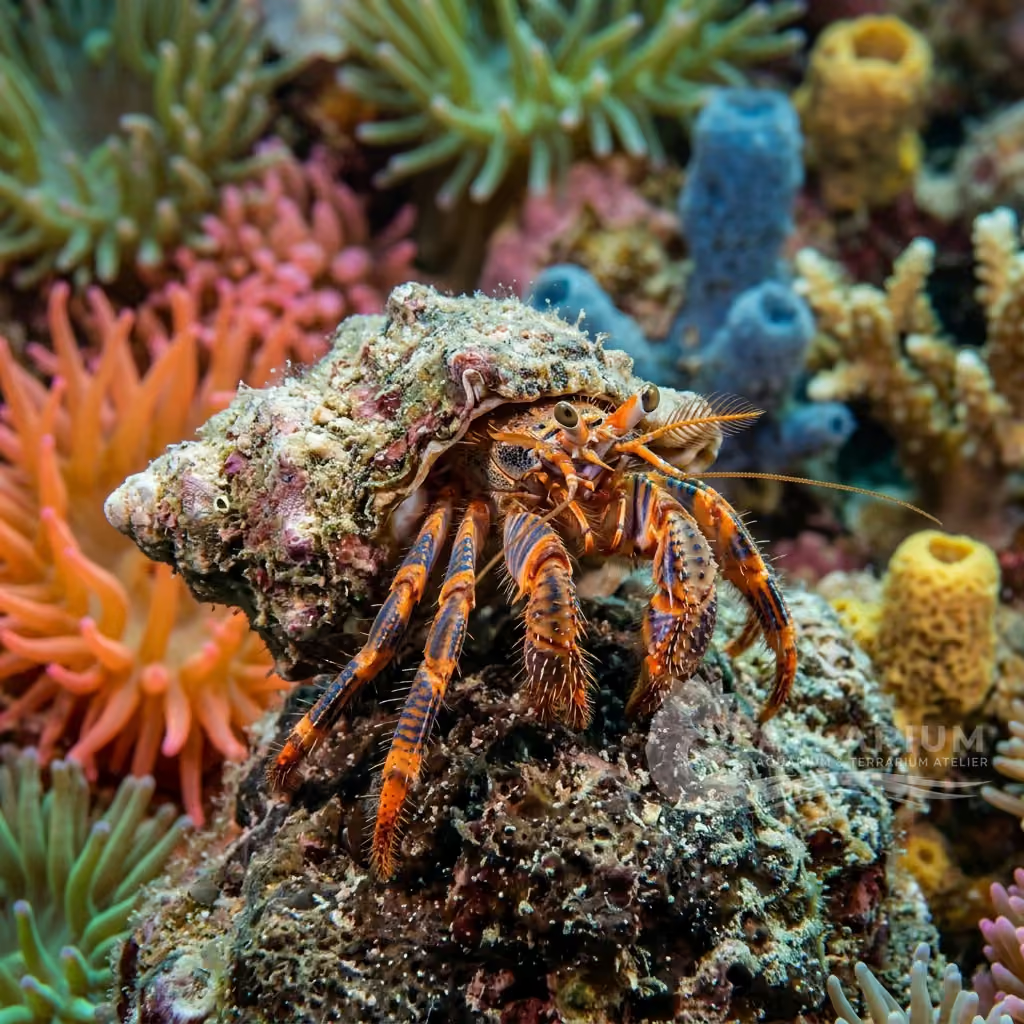
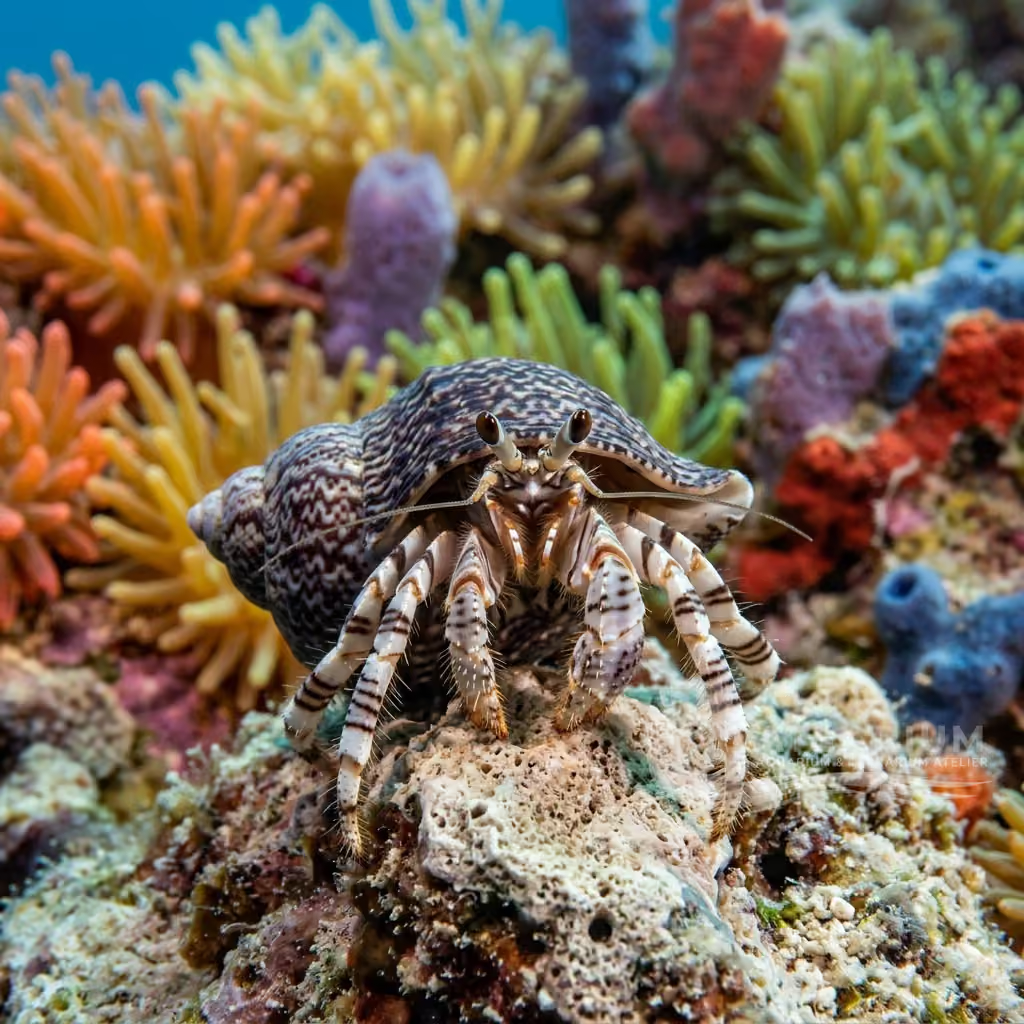
A master of disguise, this intriguing marine decorator crab camouflages itself by carefully attaching corals, sponges, and rubble to its velcro-like body.
Wassertemperatur
22 - 27 °C
pH-Wert
8.1 - 8.5
Wassertyp
Meerwasser
Wirbelloser Typ
Marine crab
Erwachsenengröße
10 cm
Mindestgruppe
>= 1
KH
8 - 12 dKH
Ökologische Rolle
Scavenger
Kupferempfindlichkeit
High

Artbeschreibung
Geographical Origin and Habitat: Tropical Indo-Pacific, from the Red Sea to Australia. Found in shallow coral reefs and lagoons rich in algae and sponges. They inhabit coral reefs, rocky shores, and mangrove roots where rubble and sponge growth are abundant.
Taxonomy: Family Inachidae, genus Camposcia. Body is covered in hooked setae (bristles) that act like velcro to hold camouflage objects. Belongs to the family Inachidae, commonly known as spider crabs or decorator crabs due to their body shape and behavior.
Social Behavior: Peaceful, slow, and mostly nocturnal. Spends its time collecting sponges, zoanthids, and algae to attach to its shell for camouflage. Nocturnal and solitary. They spend significant time arranging decorations on their shell to avoid predators.
Coloration and Sexual Dimorphism: Natural color is dull brown, but is usually completely hidden under decorations. Males have slightly larger claws than females. Genders are distinguished by the width of the abdomen, which is wider in females to carry eggs.

Pflege, Zucht und Mitbewohner
Tank Setup: An aquarium of at least 100 liters with plenty of live rock and loose items (shells, coral rubble, algae) for camouflage materials. Provide a variety of loose materials like macroalgae and shell fragments so the crab can decorate itself naturally.
Diet and Feeding: Omnivorous scavenger. Consumes leftover fish food, algae, and detritus. Weekly target feeding of chopped shrimp or pellets is beneficial. Accepts frozen mysis, brine shrimp, and sinking pellets. They are opportunistic scavengers that clean the substrate.
Water Quality: Standard reef parameters. Keep pH at 8.1-8.5, and specific gravity 1.023-1.025. Calcium levels must be maintained to ensure proper shell growth. Stable iodine and calcium levels are crucial for exoskeleton development and successful shedding cycles.
Compatibility and Tankmates: Safe with peaceful reef fish. Caution is required as it may harvest pieces of soft corals or zoanthids to decorate itself. May nip at soft corals or zoanthids to use as camouflage. Keep with peaceful community fish.
Aquarium Breeding: Extremely difficult due to the planktonic larval stage which is easily consumed by filtration systems. Larval rearing is extremely difficult due to the delicate planktonic stages which require dedicated rearing setups.
Risks and Diseases: Intolerant of copper. Vulnerable during the molting process; ensure there are safe caves where it can hide while its shell hardens. Copper treatments are lethal. Ensure no predators like triggerfish or large puffers are present in the tank.

Geografische Herkunft und Verbreitung
Tropical Indo-Pacific, from the Red Sea to Australia. Found in shallow coral reefs and lagoons rich in algae and sponges. They inhabit coral reefs, rocky shores, and mangrove roots where rubble and sponge growth are abundant.
Ursprung
Selektive Züchtung und SortenNordamerikaOstasienAustralien, Neuguinea und OzeanienTropische Ozeane und Riffe

Wirbelloses Profil
- Diät
- Omnivore
- Scavenger that will accept most meaty foods, frozen preparations, and uneaten bits in the tank. Not usually destructive to corals for feeding purposes.
- Ökologische Rolle
- Scavenger
- A unique scavenger that camouflages itself by attaching sponges, macroalgae, and soft coral polyps to its carapace.
- Erwachsenengröße
- 10 cm
- Sprungrisiko
- Yes
- Does not jump, but can potentially crawl out of rimless, uncovered aquariums. Keep tightly covered.
- Stoßempfindlichkeit
- Medium
- Needs careful drip acclimation over several hours to adjust to new water chemistry and salinity.
- Kalzium und Mineralien
- High
- Requires sufficient calcium and trace elements for healthy exoskeleton growth and molting.
- Häutung
- Yes
- When molting, it sheds its entire exoskeleton, including its carefully curated decorations. It will then begin the process of re-decorating itself.
- Reproduktion
- Oviparous
- Captive breeding is highly uncommon as the larval stage requires very specific planktonic foods.
- Kompatibilität & Tankkameraden
- Reef safe
- Generally reef safe, but might cut small pieces from corals or sponges to decorate itself. Safe with most fish that won't prey on crustaceans.

Verwandte Arten
Empfehlungen gruppiert nach nahen Verwandten, Auswahl von Begleitern und ähnlicher Betreuung.