Cobalt blue goby
Stiphodon semoni
A small, highly colorful freshwater goby native to the Indo-Pacific, famous for the brilliant metallic neon-blue coloration displayed by dominant males.
Wassertemperatur
22 - 28 °C
pH-Wert
6.5 - 7.5
Wassertyp
Süßwasser
Tankfüllstand
Unten
Erwachsenengröße
5 cm
Mindesttankvolumen
>= 60 L
Mindestgruppe
>= 3
GH
2 - 12 dGH
KH
1 - 8 dKH
TDS
100 - 250 ppm
Leitfähigkeit
200 - 500 uS/cm

Artbeschreibung
Geographical Origin and Habitat: Stiphodon semoni is native to the freshwater streams of the Western Indo-Pacific, with populations found across Indonesia, the Philippines, Papua New Guinea, the Solomon Islands, and northern Queensland in Australia. It inhabits fast-flowing coastal rivers and mountain streams characterized by crystal-clear, highly oxygenated water and substrates of fine sand, gravel, and smooth river stones exposed to direct sunlight, which drives the growth of benthic algae biofilm (aufwuchs).
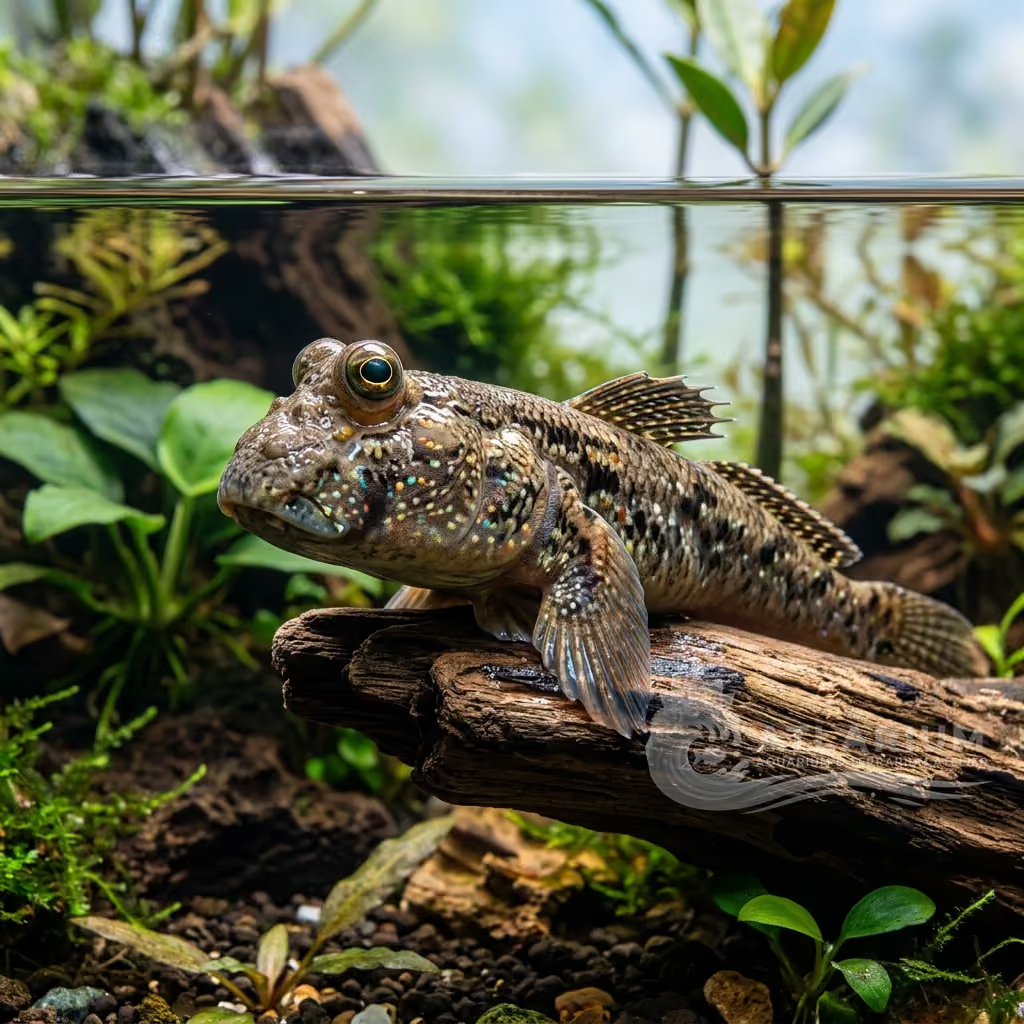
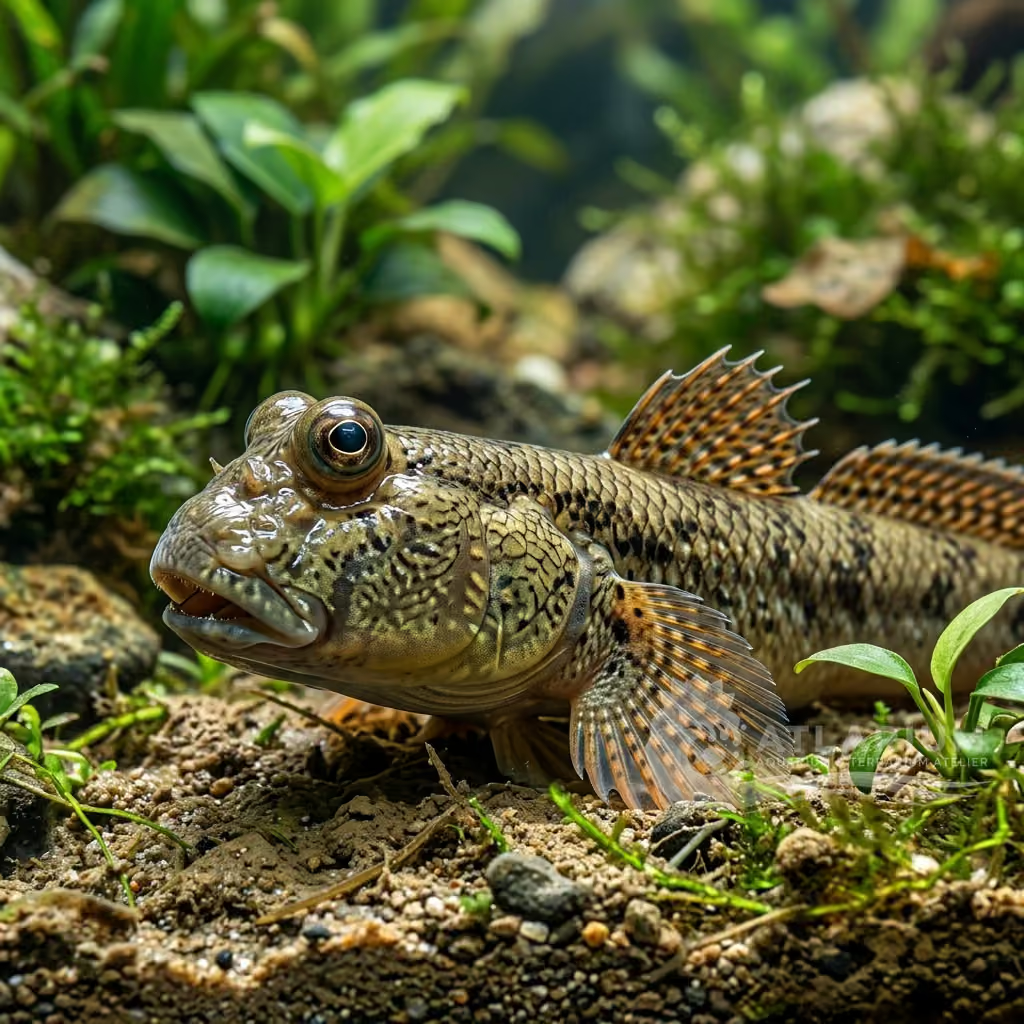
Taxonomy and Morphology: Belongs to the family Gobiidae, subfamily Sicydiinae. This goby is adapted for life in rapid currents, featuring a slender, cylindrical body. A key anatomical feature is the modification of its pelvic fins into a strong ventral sucking disc, which it uses to anchor itself to rocks against strong currents and to climb steep waterfall faces. Adults reach a length of 5-6 cm.
Social Behavior: Benthic and territorial but generally peaceful. Males establish and defend small territories centered around a rock or substrate crevice which serves as a shelter. While male-to-male territorial disputes are common, they are highly serialized and rarely lead to physical injury, consisting instead of colorful fin-flashing and body displays. They thrive when kept in small colonies of one male and multiple females.
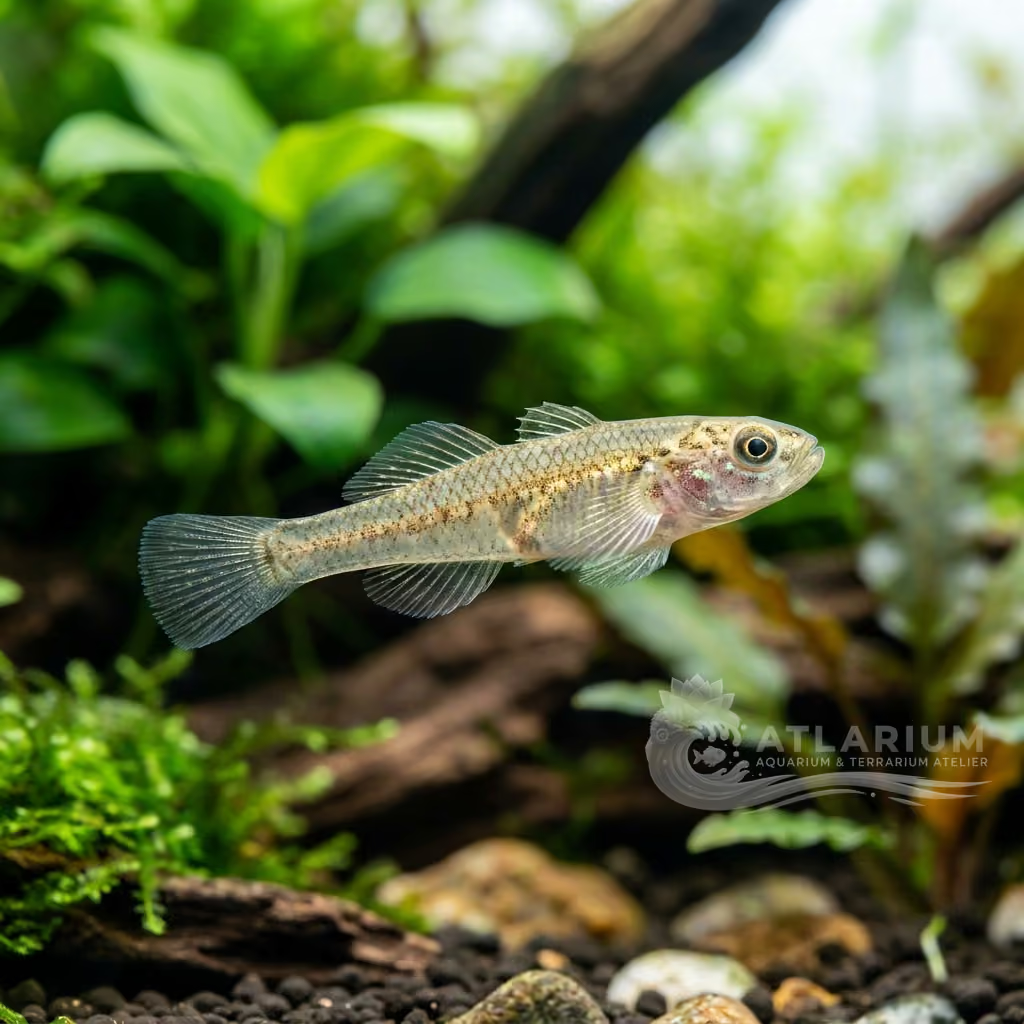
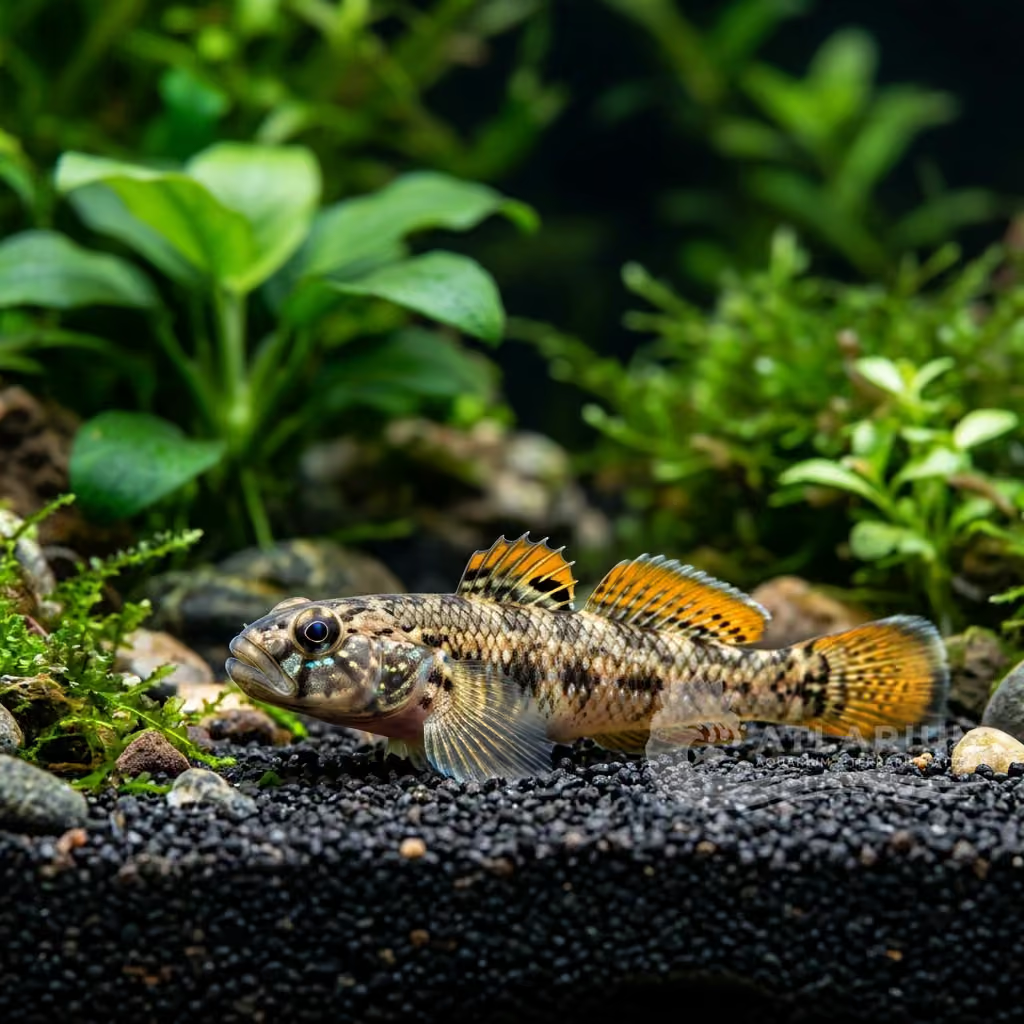
Coloration and Sexual Dimorphism: Sexual dimorphism is highly pronounced. Dominant males display a spectacular electric neon-blue or bright turquoise coloration along the upper half of their body, contrasted against pale, white-edged dorsal fins. Females are much more cryptic, featuring a plain sand-beige or light brown body with two dark parallel longitudinal stripes running along the sides.

Pflege, Zucht und Mitbewohner
Aquarium Setup: Requires a specialized stream tank setup of at least 80 liters. The substrate should consist of fine sand mixed with rounded river pebbles and larger smooth rocks where the gobies can graze and rest. A strong, unidirectional water flow mimicking natural rapids must be generated using powerheads or manifold filtration systems. Intense lighting is essential to stimulate natural algae growth.
Diet and Feeding: A highly specialized biofilm grazer (algivore). Their primary diet consists of microalgae, diatoms, and associated micro-fauna scraped from rock surfaces. In captivity, the aquarium must have established, algae-covered rocks. Supplement their diet with high-quality spirulina wafers, powdered algae foods, and blanched vegetables. Avoid high-protein foods, which can cause severe digestive problems.
Water Quality: Demands pristine, highly oxygenated water free of organic debris. Ideal parameters: temperature 22-26 °C, pH 7.0-8.0, and moderately hard water (GH 8-15 dGH). An oversized filter, coupled with venturi powerheads or air stones, is required to maintain oxygen levels. They have very low tolerance for nitrate and phosphate accumulations.
Compatibility and Cohabitation: Excellent tankmates for other peaceful stream-dwelling species. These include hillstream loaches (such as Gastromyzon or Sewellia), other Sicydiinae gobies, and freshwater shrimp like Caridina multidentata. Never house with large, predatory, or aggressive fish that could easily swallow or stress these small gobies.
Aquarium Breeding: Breeding in home aquariums is exceptionally difficult due to their amphidromous lifecycle. In nature, they spawn under rocks in freshwater streams. After hatching, the tiny planktonic larvae are immediately swept downstream into the sea, where they feed on marine microplankton. Once they mature into post-larvae, they migrate back up freshwater rivers.
Risks and Diseases: The primary risk is starvation if introduced into immature, sterile aquariums lacking adequate biofilm and algae growth. It is highly recommended to run the tank for several months before adding them. They are also sensitive to low oxygen levels and can develop bacterial or fungal skin infections if water quality declines.

Geografische Herkunft und Verbreitung
Stiphodon semoni is native to the freshwater streams of the Western Indo-Pacific, with populations found across Indonesia, the Philippines, Papua New Guinea, the Solomon Islands, and northern Queensland in Australia. It inhabits fast-flowing coastal rivers and mountain streams characterized by crystal-clear, highly oxygenated water and substrates of fine sand, gravel, and smooth river stones exposed to direct sunlight, which drives the growth of benthic algae biofilm (aufwuchs).
Ursprung
Tropische Ozeane und RiffeAfrika und MadagaskarSüd- und SüdostasienAustralien, Neuguinea und Ozeanien

Fischprofil
- Temperament
- Territorial
- In general, Stiphodon semoni is extremely peaceful toward other fish species and will completely ignore them. However, they exhibit fascinating, complex territorial behaviors toward their own kind, with males frequently flaring their fins to establish dominance. Despite these visual displays, physical damage is exceptionally rare, and their engaging antics make them a joy to observe.
- Diät
- Herbivore
- The Stiphodon semoni is a specialized biofilm and aufwuchs grazer, relying heavily on natural algae growth on rocks and glass. While they primarily scrape soft green algae and micro-organisms, their diet should be supplemented with high-quality sinking algae wafers. Occasional offerings of small frozen foods like bloodworms can be provided, but protein must be kept to a minimum.
- Lebenserwartung
- 3-5 years
- Erwachsenengröße
- 5 cm
- Geschlechterverhältnis
- Harem
- Males of the Stiphodon semoni can be highly territorial toward one another, especially when defending preferred grazing rocks or burrows. It is best to keep a single male with a harem of two or more females to reduce conspecific aggression. If keeping multiple males, a large tank with abundant visual barriers and numerous smooth rocks is required.
- Fütterungsfrequenz
- Twice daily
- Because they constantly graze on biofilm throughout the day, supplemental feeding of Stiphodon semoni should only occur 3-4 times a week. Overfeeding artificial foods or high-protein diets can lead to severe digestive issues for these specialized herbivores. Maintaining a brightly lit tank with natural algae growth provides a constant, natural food source.
- Bioload
- Low
- The Stiphodon semoni has a relatively low bioload as it is a highly specialized, small-sized grazing goby. Their digestive system is specifically adapted for processing algae and biofilm, producing minimal waste compared to carnivorous species. However, they demand pristine water conditions and mature biological filtration to thrive.
- Fluss
- Strong
- Originating from fast-flowing, clear mountain streams, the Stiphodon semoni absolutely requires high water flow and intense oxygenation. They are perfectly adapted to clinging to smooth rocks in strong currents using their specialized pelvic fins. Utilizing powerheads or a river-manifold system is essential to replicate the high-velocity environment they naturally inhabit.
- Sprungrisiko
- Yes
- There is a moderate to high jump risk associated with Stiphodon semoni, especially in tanks with low flow or poor oxygenation. Additionally, these gobies are excellent climbers and can scale damp aquarium glass above the waterline if they feel trapped. A tight-fitting lid is absolutely essential to prevent them from escaping the aquarium.
- Reproduktion
- Oviparous
- Breeding Stiphodon semoni in captivity is incredibly rare and difficult due to their complex amphidromous lifecycle. In nature, eggs are laid in freshwater, but the newly hatched larvae are swept out to the ocean to develop before migrating back upriver. Replicating this saltwater developmental phase in a home aquarium setup remains largely unachieved by hobbyists.
- Kompatibilität & Tankkameraden
- Peaceful
- This goby is highly peaceful and makes a wonderful resident for specialized river manifold aquariums or peaceful nano tanks. Stiphodon semoni should only be kept with similarly sized, peaceful top- or mid-water fish like small rasboras or tetras. They must never be housed with aggressive bottom-dwellers or large cichlids that could view them as prey or outcompete them.
- Tankfüllstand
- Bottom
- The Stiphodon semoni is an exclusive bottom-dweller, spending its entire life attached to hardscapes, substrate, or the aquarium glass. Their anatomy is strictly built for benthic living, using a fused pelvic fin to anchor themselves in high flow. They will never swim in the mid-water or upper levels unless severely stressed or dying.

Wissenschaftliche Modelle & Parameter
FishBase
Zugang zu den offiziellen wissenschaftlichen Daten der Art
FishBase v25.04Daten synchronisiert am: 15.06.2026
- Belastbarkeit
- Hoch (weniger als 15 Monate)
- Phylogenetische Einzigartigkeit (PD50)
- 0.5
- Bayessche Längen-Gewichts-Beziehung
- a = 0.00389, b = 3.12
- AnfälligkeitGeringe Anfälligkeit (10 / 100)

Verwandte Arten
Empfehlungen gruppiert nach nahen Verwandten, Auswahl von Begleitern und ähnlicher Betreuung.