Bird Wrasse
Gomphosus varius
The Underwater Hummingbird (12 inches / 30 cm). Features a bizarre, elongated bird-like beak used to reach deep into branching Acropora corals to pluck out crabs.
Wassertemperatur
24 - 28 °C
pH-Wert
8.1 - 8.4
Wassertyp
Meerwasser
Tankfüllstand
Mitte
Erwachsenengröße
30 cm
Mindesttankvolumen
>= 300 L
Mindestgruppe
>= 1
KH
1 - 2 dKH

Artbeschreibung
Geographical Origin and Habitat: Widely distributed in the Indo-Pacific Ocean and the Red Sea. Inhabits coral-rich lagoons and outer reef slopes, incessantly scouring Acropora branches and crevices in search of prey.
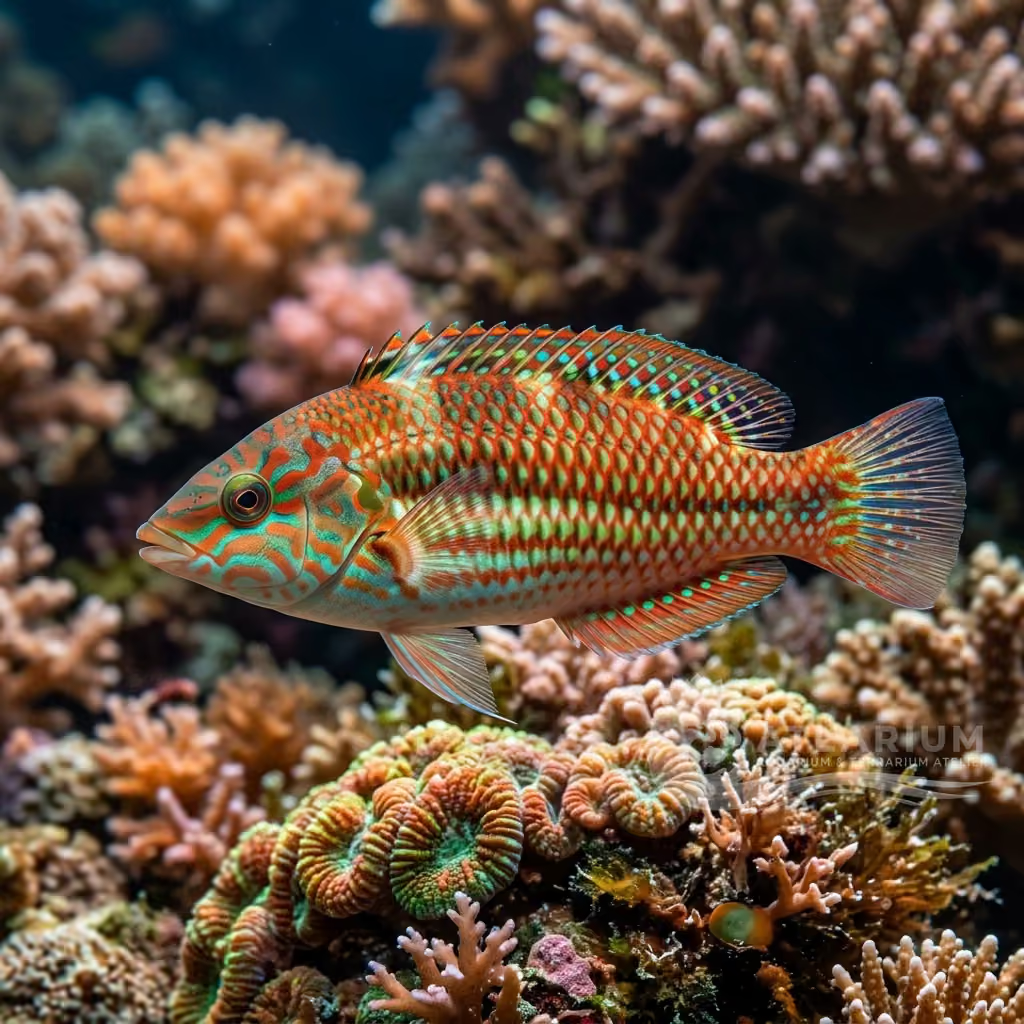
Taxonomy and Morphology: Bird Wrasse. Unmistakable wrasse, famous for its exaggeratedly elongated, tubular and curved snout (similar to a bird's beak), developed as tweezers to extract crustaceans from the narrowest coral cracks. Reaches 30 cm (12 inches).
Social Behavior: Frantic, hyperactive and tireless swimmer (uses only pectoral fins for motion, "flying" through the water). Very territorial towards other Wrasses. In nature it lives in harems with a single dominant male and several females.
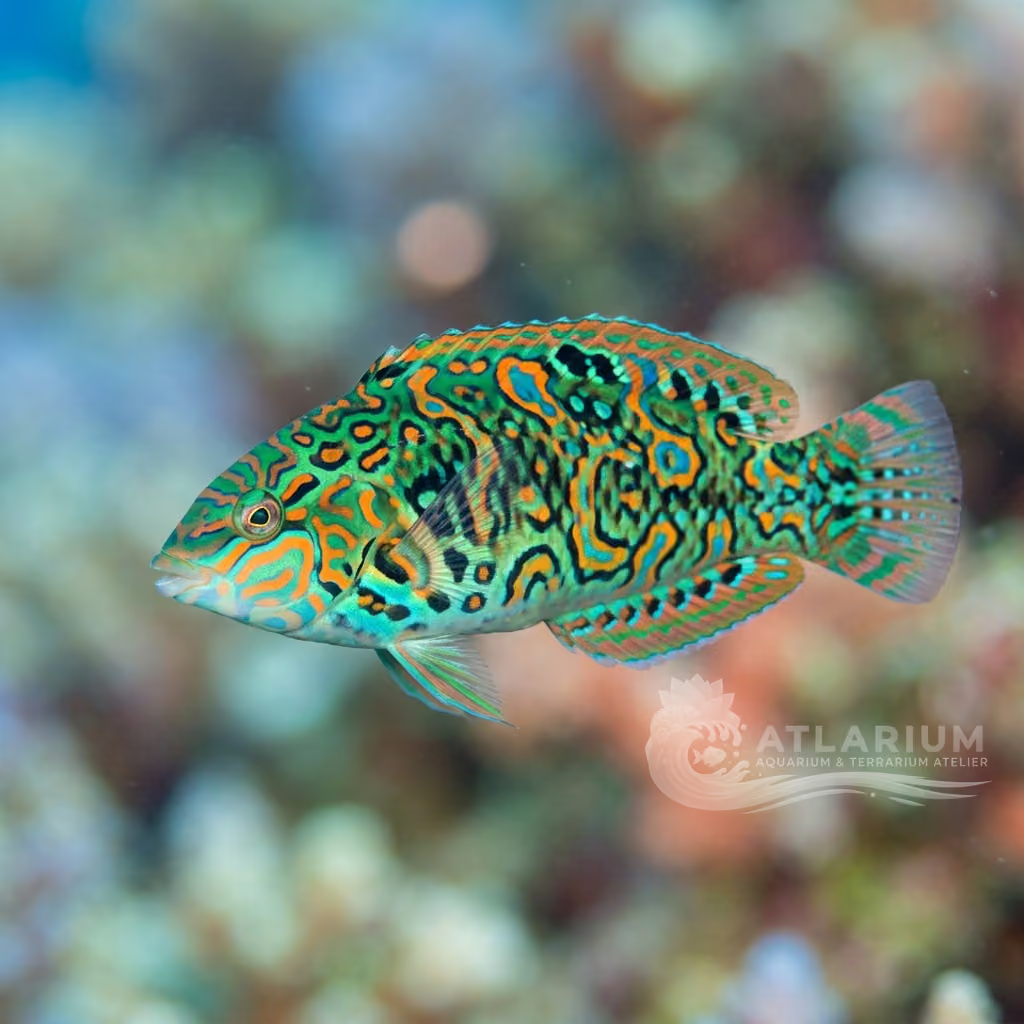
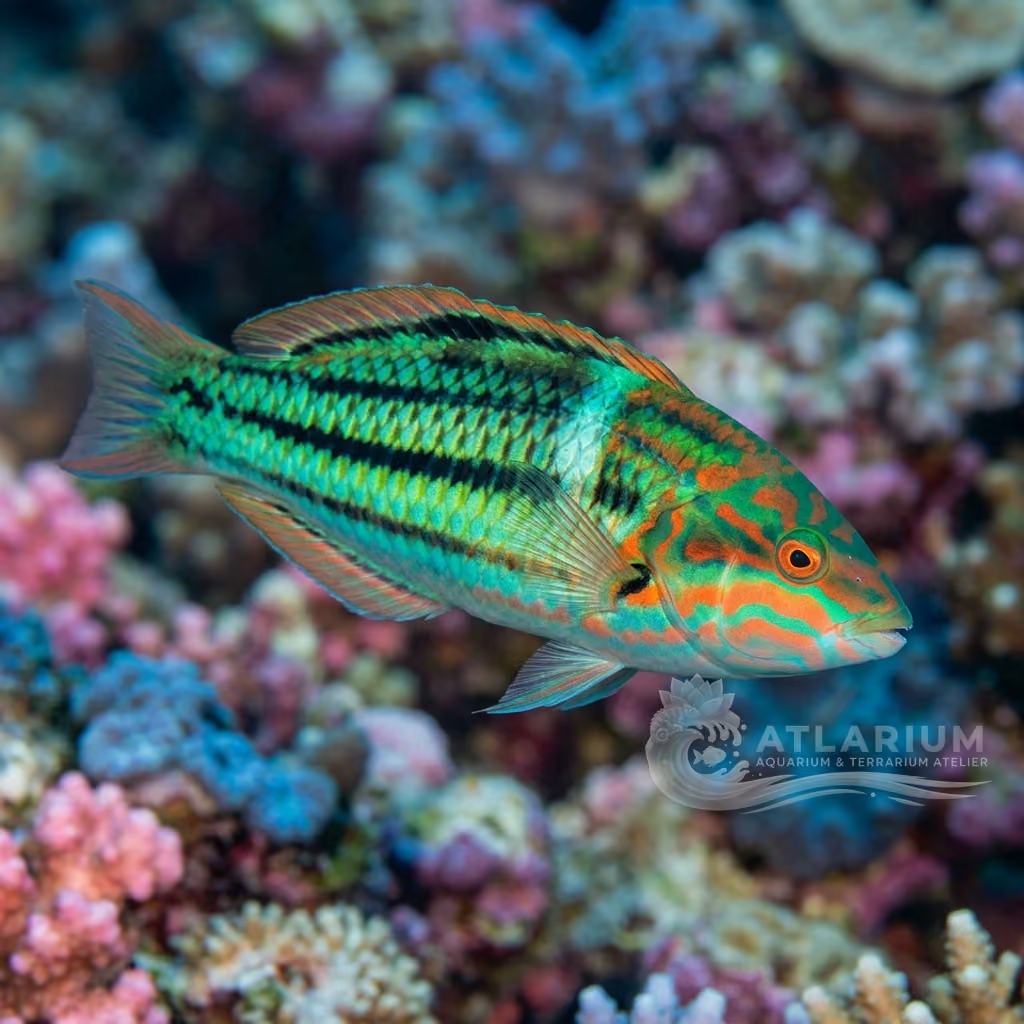
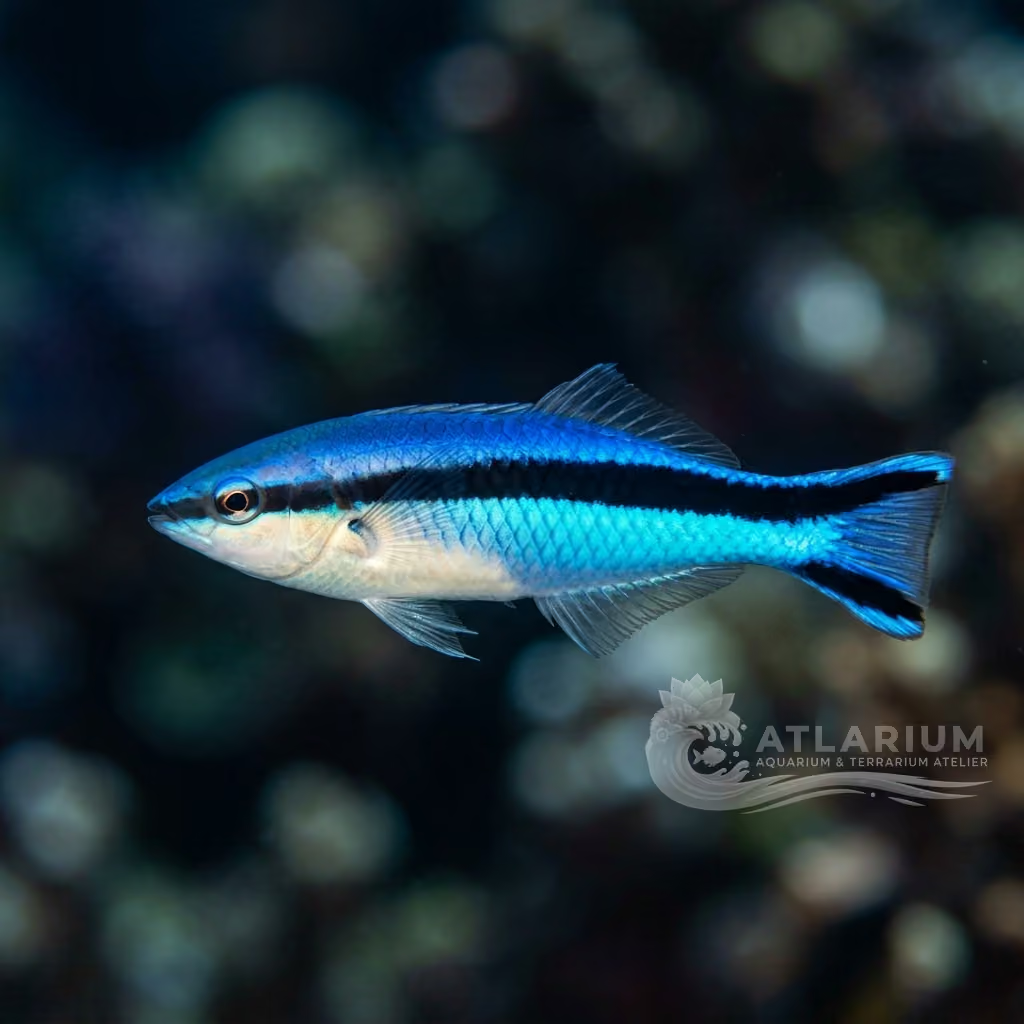
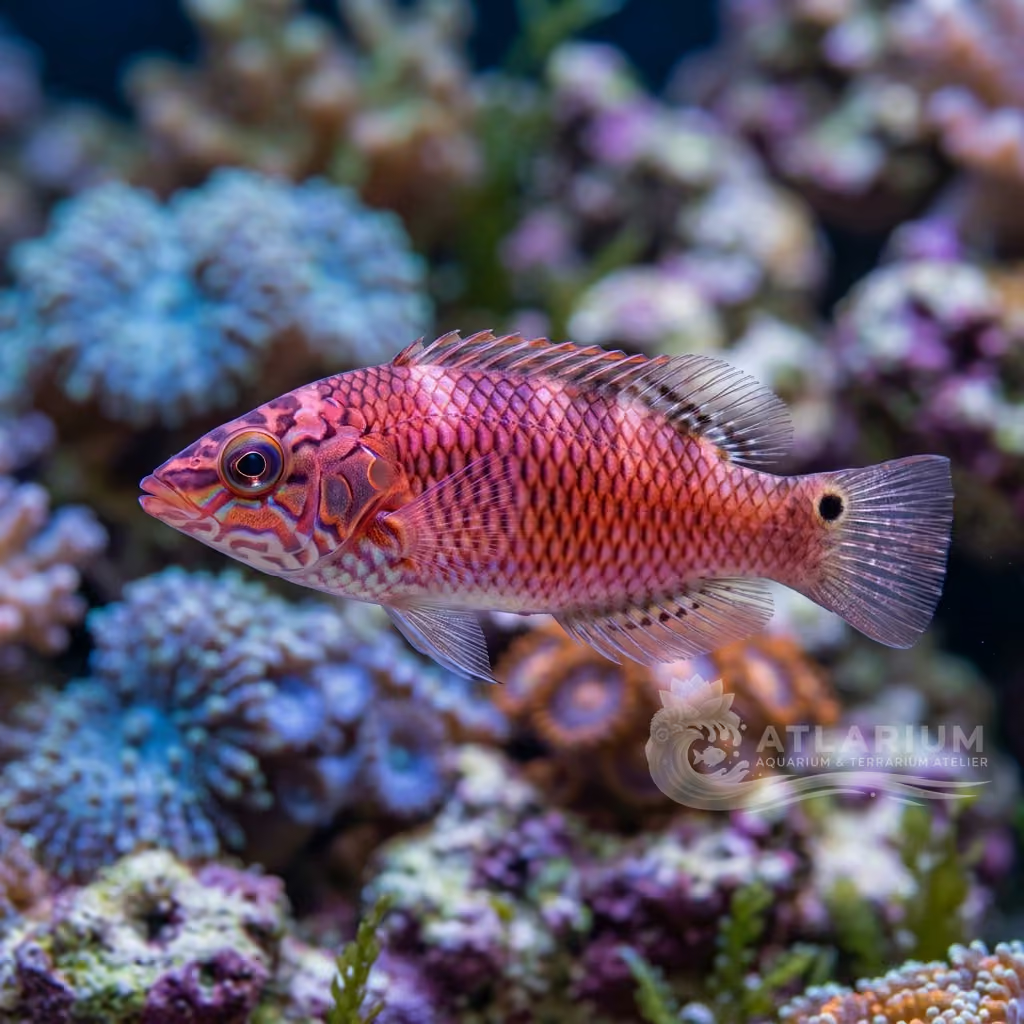
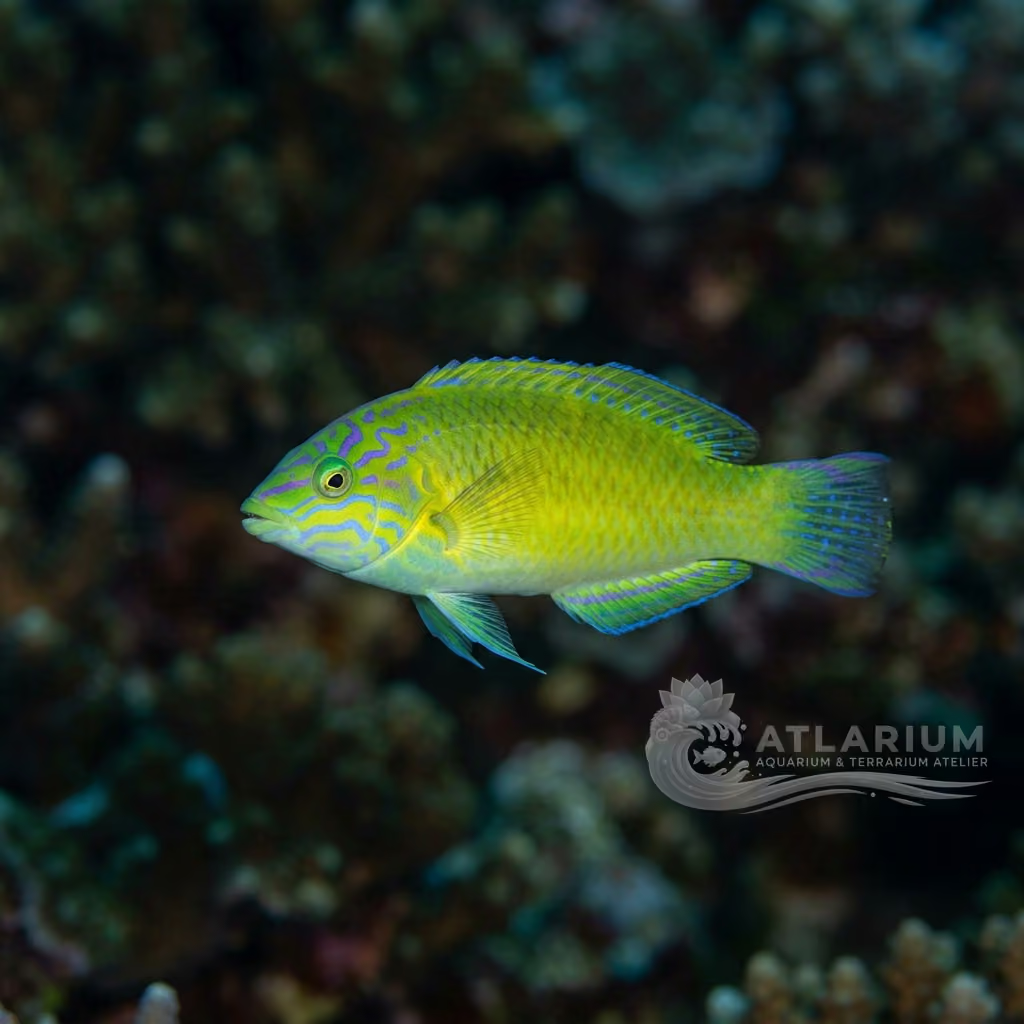
Coloration and Sexual Dimorphism: Radical sexual dichromatism. Females (initial phase) are brownish-black or gray on the lower half and white on the back, with an orange snout. Dominant males (terminal phase) are a dazzling emerald green or deep dark blue.

Pflege, Zucht und Mitbewohner
Aquarium Setup: Given its size and extreme hyperactivity, it requires HUGE marine tanks (minimum 150-180 cm / 5-6 feet in length / 500 liters). Requires porous live rock and wide, very long open swimming spaces. A tight and heavy cover is mandatory: they jump with extreme force.
Diet and Feeding: Voracious carnivore. Extracts prey by shaking its head violently. Will almost immediately accept mysis, krill, brine shrimp, shelled shrimp, clam meat and carnivore pellets. Must be fed abundantly 2-3 times a day to support its crazy metabolism.
Water Quality: Very robust and resistant if the space is adequate. SG 1.020-1.025, pH 8.1-8.4, temperature 24-28°C (75-82°F). Given the amount of food it consumes, the filtration system (Skimmer) must be oversized to handle the heavy organic load.
Compatibility and Cohabitation: NOT Reef-Safe: ignores corals, but will ruthlessly devour ornamental shrimp, snails, crabs, tube worms, starfish and echinoderms. Suitable for large and aggressive Fish-Only-With-Live-Rock (FOWLR) tanks (Triggerfish, Giant Angels, Groupers, Tangs).
Aquarium Breeding: Unknown in the aquarium. They are protogynous hermaphrodites: all individuals are born female and the largest and most dominant undergo a stunning color and morphological mutation transforming into green terminal males.
Risks and Diseases: Head trauma or death from jumping out of the tank is the most common incident, especially if frightened. Insertion in small tanks under 400 liters leads them to get depressed, crash into the glass injuring their long snout or fall ill with marine Ich.

Geografische Herkunft und Verbreitung
Widely distributed in the Indo-Pacific Ocean and the Red Sea. Inhabits coral-rich lagoons and outer reef slopes, incessantly scouring Acropora branches and crevices in search of prey.
Ursprung
Tropische Ozeane und RiffeNordamerika

Fischprofil
- Temperament
- Semi-aggressive
- They are semi-aggressive and highly boisterous. They will outcompete shy fish for food instantly. They make fantastic, active centerpieces for large predator displays.
- Diät
- Omnivore
- They are aggressive carnivores that love meaty foods. Krill, chopped squid, and mysis shrimp are excellent staples. Their elongated snouts are adapted for pulling prey from crevices.
- Lebenserwartung
- 5-8 years
- Erwachsenengröße
- 30 cm
- Geschlechterverhältnis
- Flexible
- They are protogynous hermaphrodites, transitioning from female to male. The color difference between the brown females and green males is striking. It is usually best to keep a single male per tank.
- Fütterungsfrequenz
- Twice daily
- Feed them generous portions two to three times a day. Their relentless swimming pace burns calories very quickly. Ensuring a varied diet keeps their distinct colors bright.
- Bioload
- Medium to High
- The Bird Wrasse produces a moderate to high bioload. They are extremely active and eat substantial amounts of food. A robust protein skimmer and strong filtration are required.
- Fluss
- Moderate
- Gomphosus varius needs steady, moderate circulation distributed across the aquarium rather than a narrow, forceful jet. Given its size and extreme hyperactivity, it requires HUGE marine tanks (minimum 150-180 cm / 5-6 feet in length / 500 liters). Requires porous live rock and wide, very long open swimming spaces. This preserves useful water exchange while retaining calmer shelter for rest and feeding.
- Sprungrisiko
- Yes
- This species is a notorious and powerful jumper. They can easily propel themselves out of an uncovered aquarium. A heavy, tight-fitting glass or mesh canopy is absolutely mandatory.
- Reproduktion
- Oviparous
- Captive breeding of the Bird Wrasse is effectively non-existent. They are pelagic spawners that release eggs into open water currents. They require massive oceanic volumes to reproduce successfully.
- Kompatibilität & Tankkameraden
- Not reef safe
- They are generally peaceful but not reef safe with small invertebrates. They will actively hunt and eat decorative crustaceans and snails. They do very well in aggressive fish-only marine setups.
- Tankfüllstand
- Middle
- They utilize every single level of the aquarium. They constantly patrol the rockwork and cruise the open upper water. They need a long aquarium to accommodate their endless pacing.

Wissenschaftliche Modelle & Parameter
FishBase
Zugang zu den offiziellen wissenschaftlichen Daten der Art
FishBase v25.04Daten synchronisiert am: 15.06.2026
- Trophäenniveau
- 3,7 ± 0 se
- Belastbarkeit
- Mittel (1,4 - 4,4 Jahre)
- Phylogenetische Einzigartigkeit (PD50)
- 0.75
- Bayessche Längen-Gewichts-Beziehung
- a = 0.00646, b = 2.97
- AnfälligkeitGeringe bis mäßige Anfälligkeit (27 / 100)

Verwandte Arten
Empfehlungen gruppiert nach nahen Verwandten, Auswahl von Begleitern und ähnlicher Betreuung.