Ortega's Corydoras
Hoplisoma ortegai
A fascinating Peruvian callichthyid known for the split black spot pattern adorning its back. It loves mature sandy tanks packed with intricate driftwood hiding places and gentle flow.
Wassertemperatur
22 - 26 °C
pH-Wert
6 - 7.2
Wassertyp
Süßwasser
Tankfüllstand
Unten
Erwachsenengröße
4,5 cm
Mindesttankvolumen
>= 80 L
Mindestgruppe
>= 6
GH
2 - 12 dGH
KH
2 - 10 dKH
TDS
50 - 280 ppm
Leitfähigkeit
78 - 438 uS/cm

Artbeschreibung
Geographical Origin and Habitat: Endemic to the Putumayo River basin in Peru. Prefers slow-flowing streams (igarapés) and forest swamps with clear waters but rich in organic debris, where the sandy substrate is perpetually shaded and covered with leaves.
Taxonomy and Morphology: Of modest size (4.5 cm / 1.8 inches), C. ortegai belongs to the round-snouted morphological group. Its stocky cephalic profile and flat belly make it a perfect inhabitant of shallow sandy bottoms.
Social Behavior: A tireless and mild worker. Extremely gregarious, suffers a rapid ethological collapse if not inserted in groups of at least 6-8 specimens. If reassured by the school, it flaunts a frantic coming and going on the roots and sand.
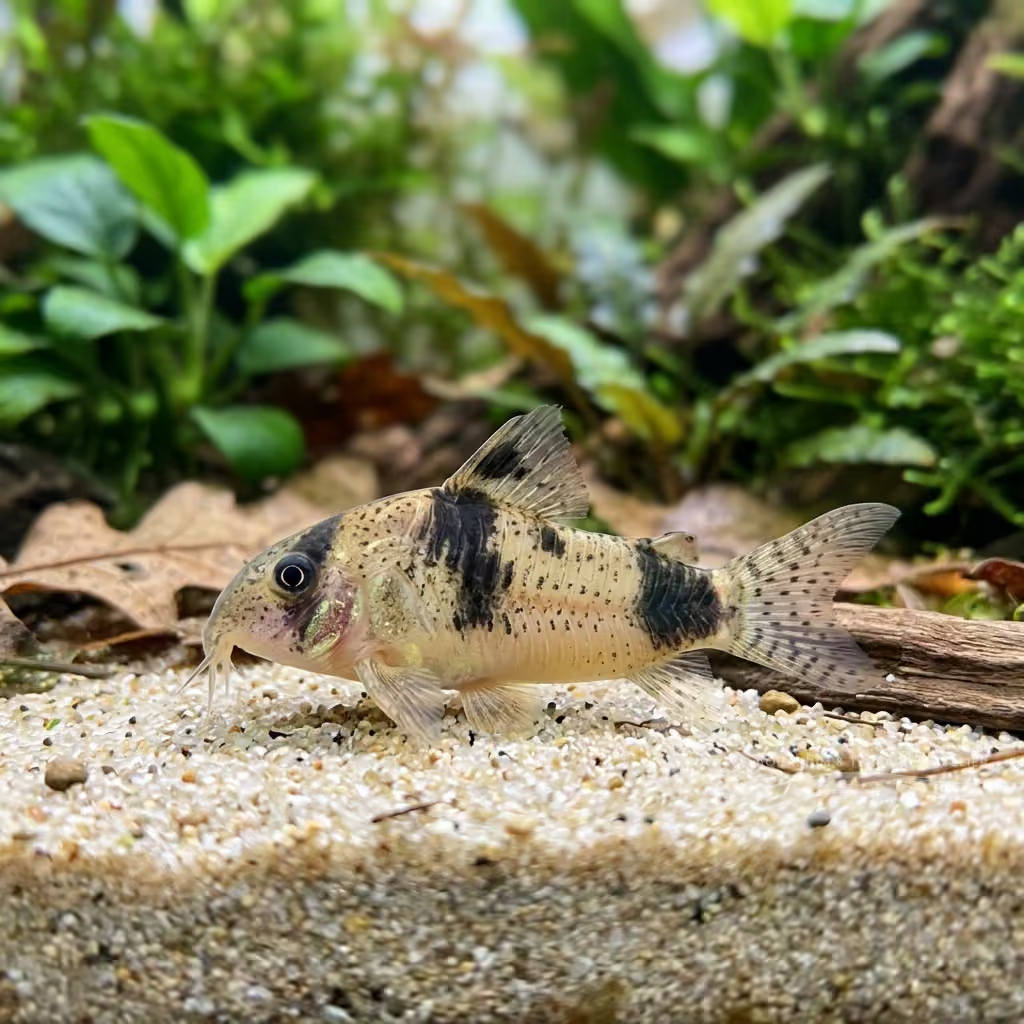
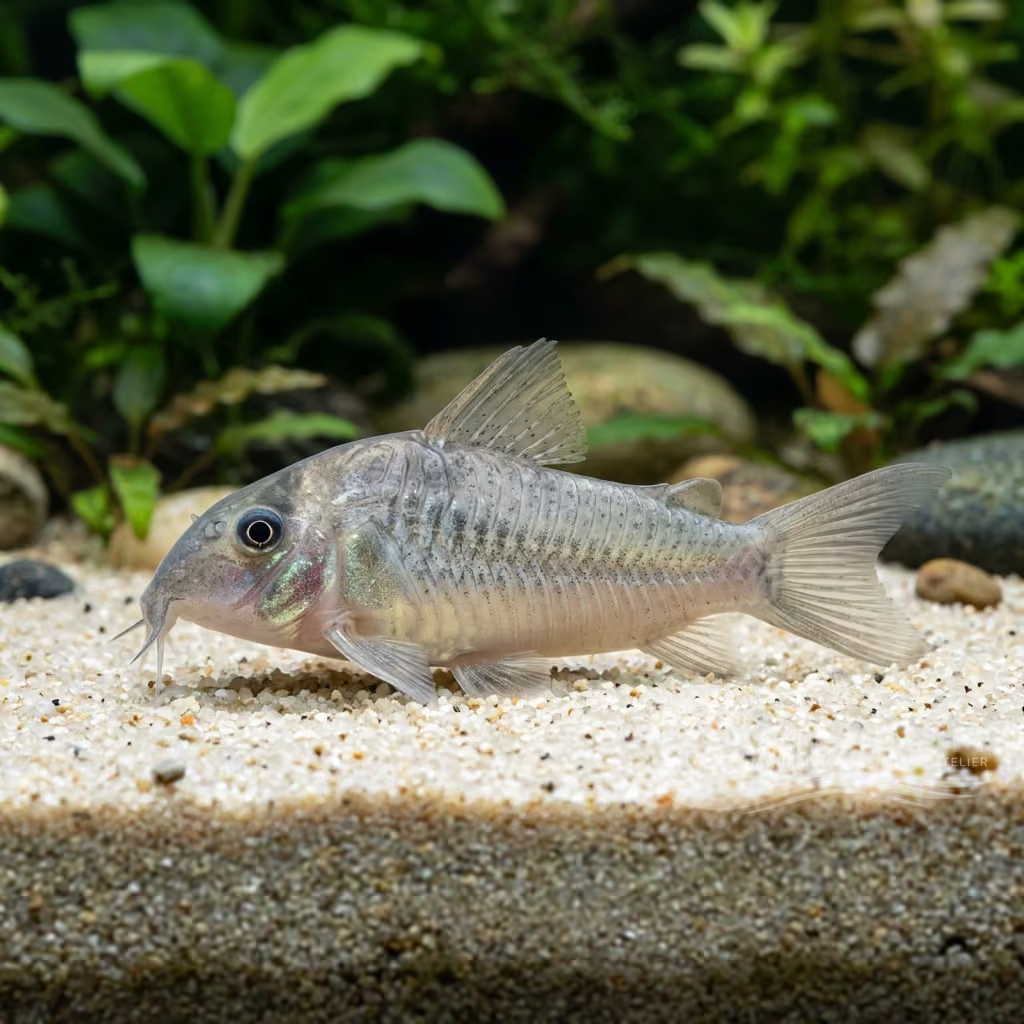
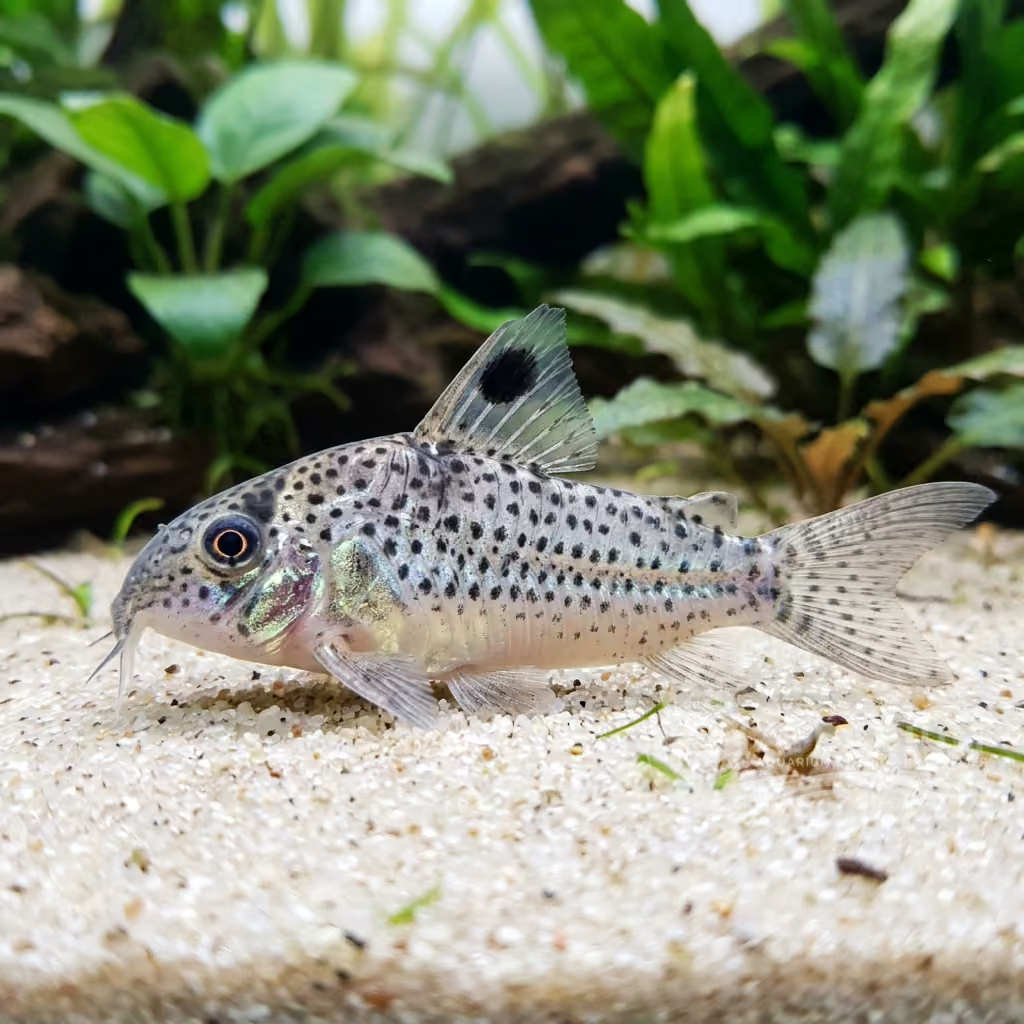
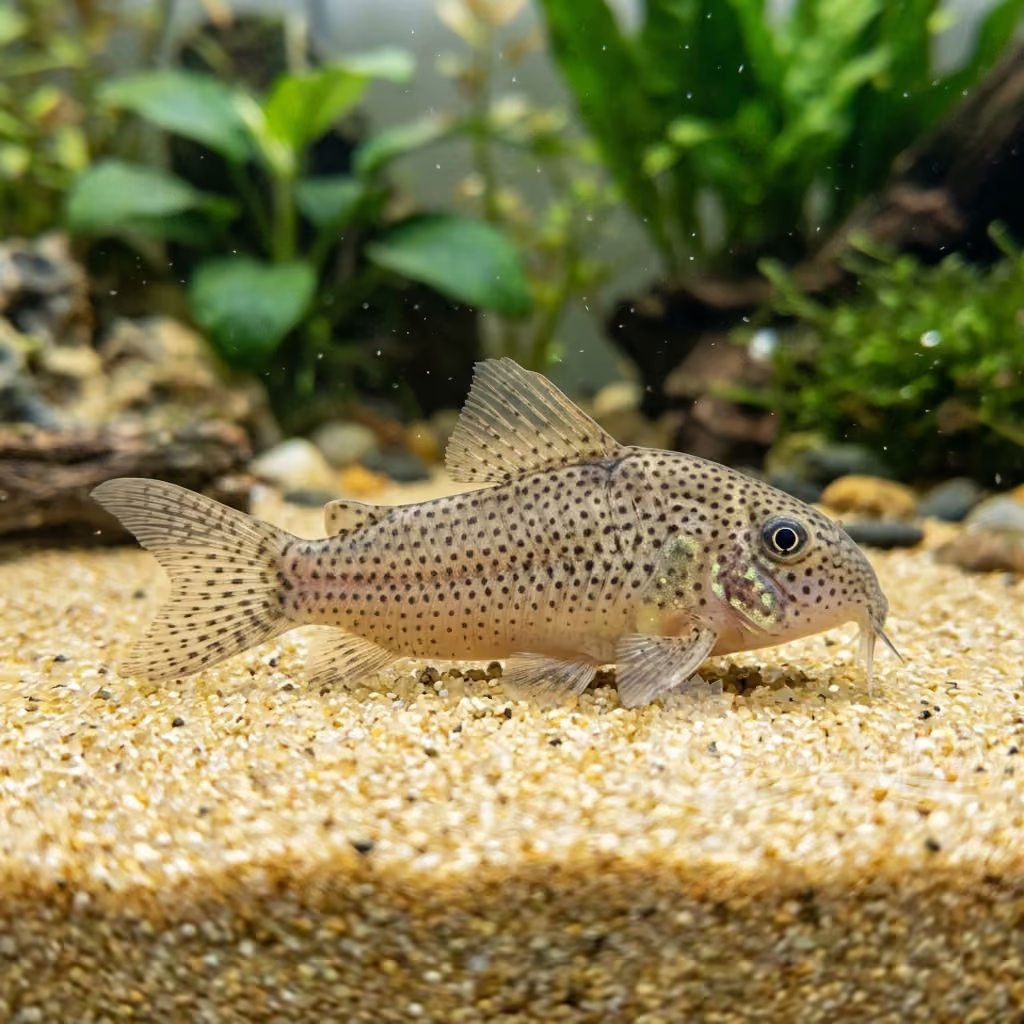
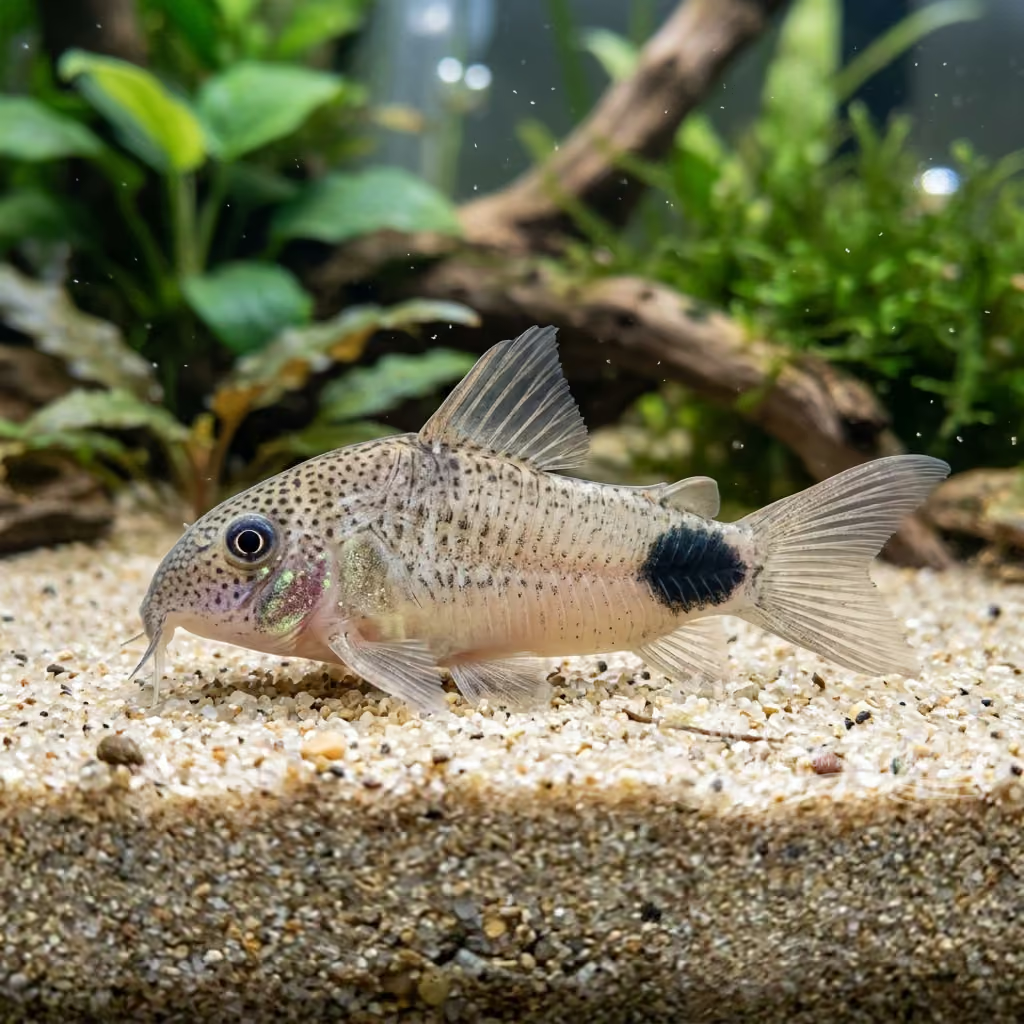
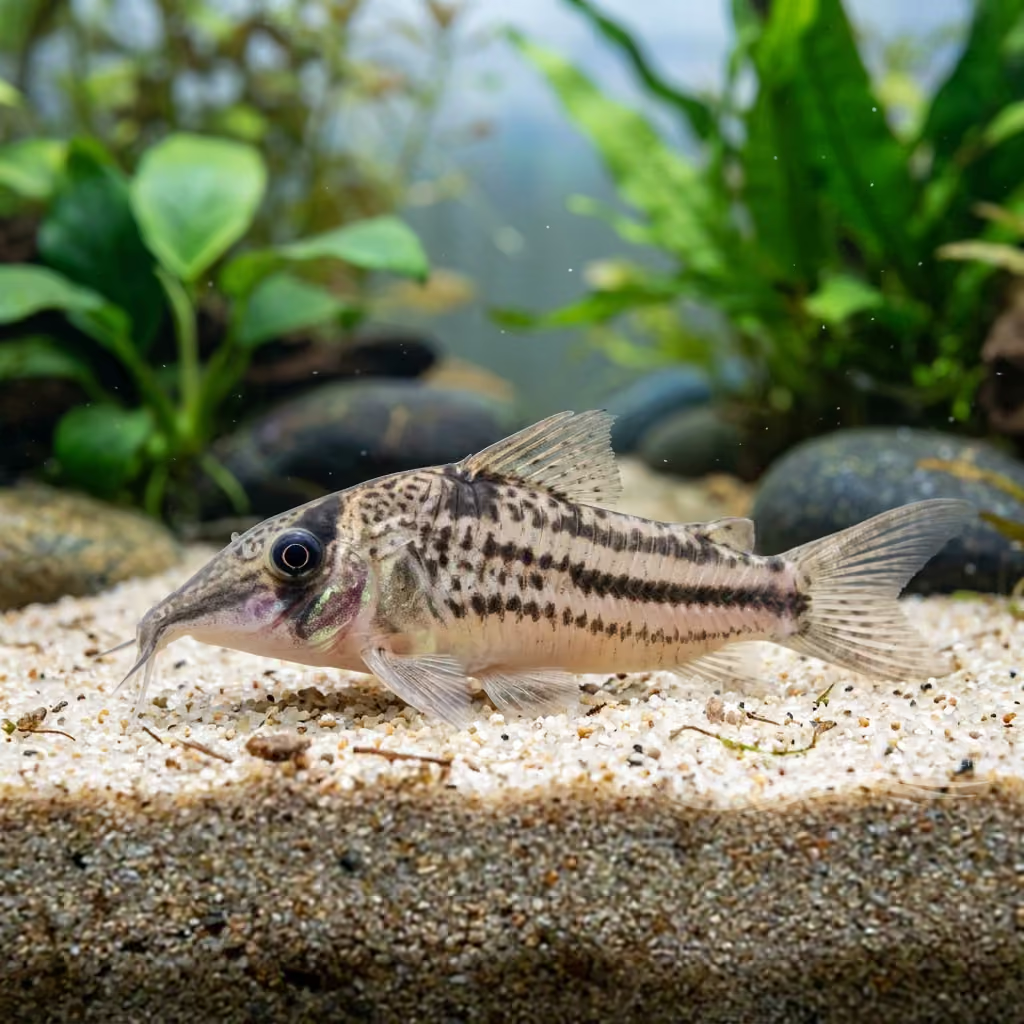
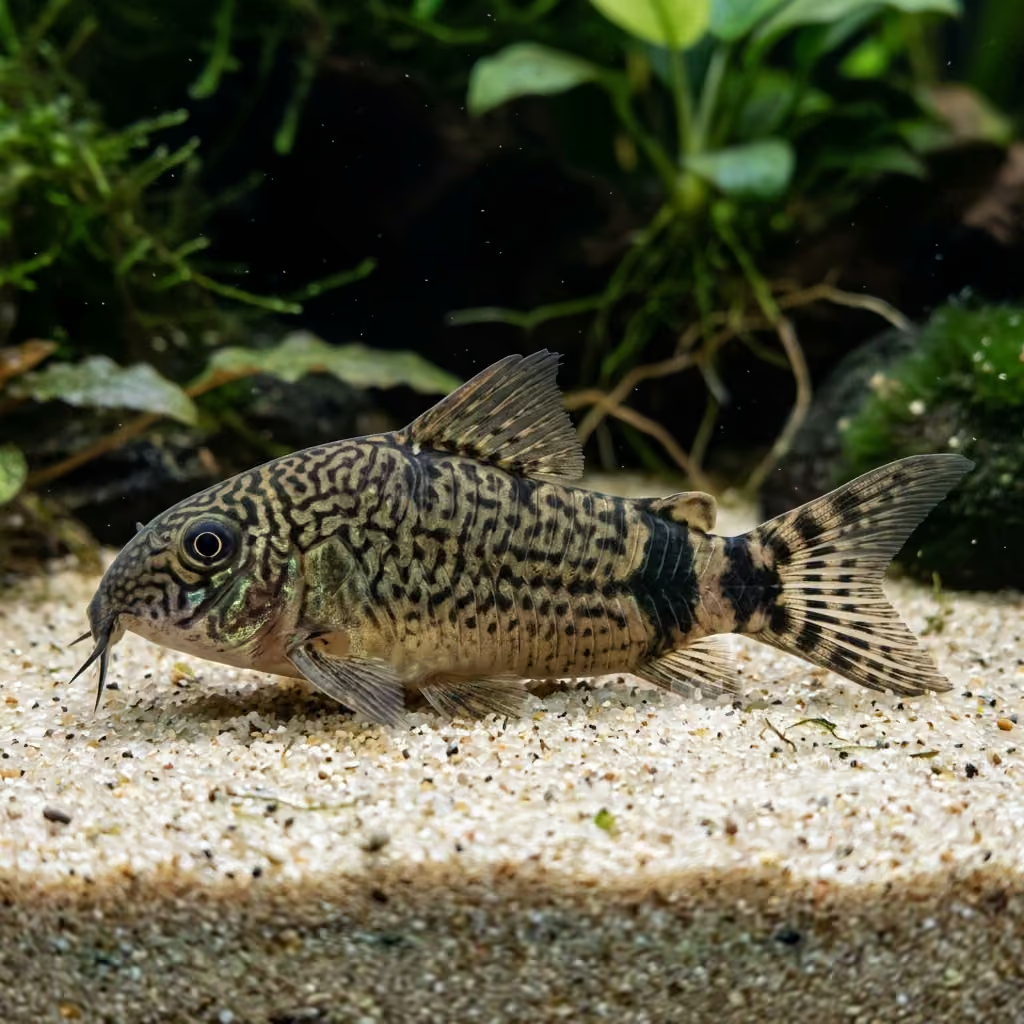
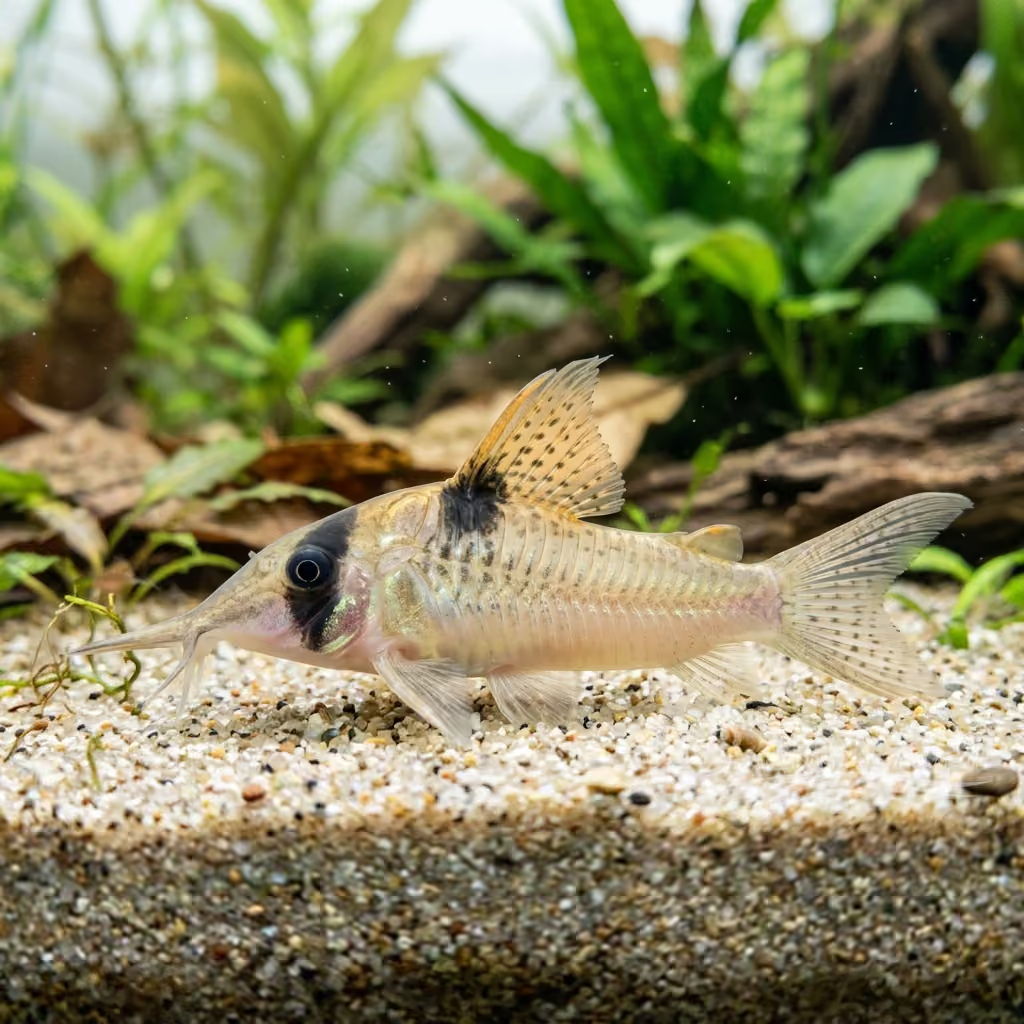
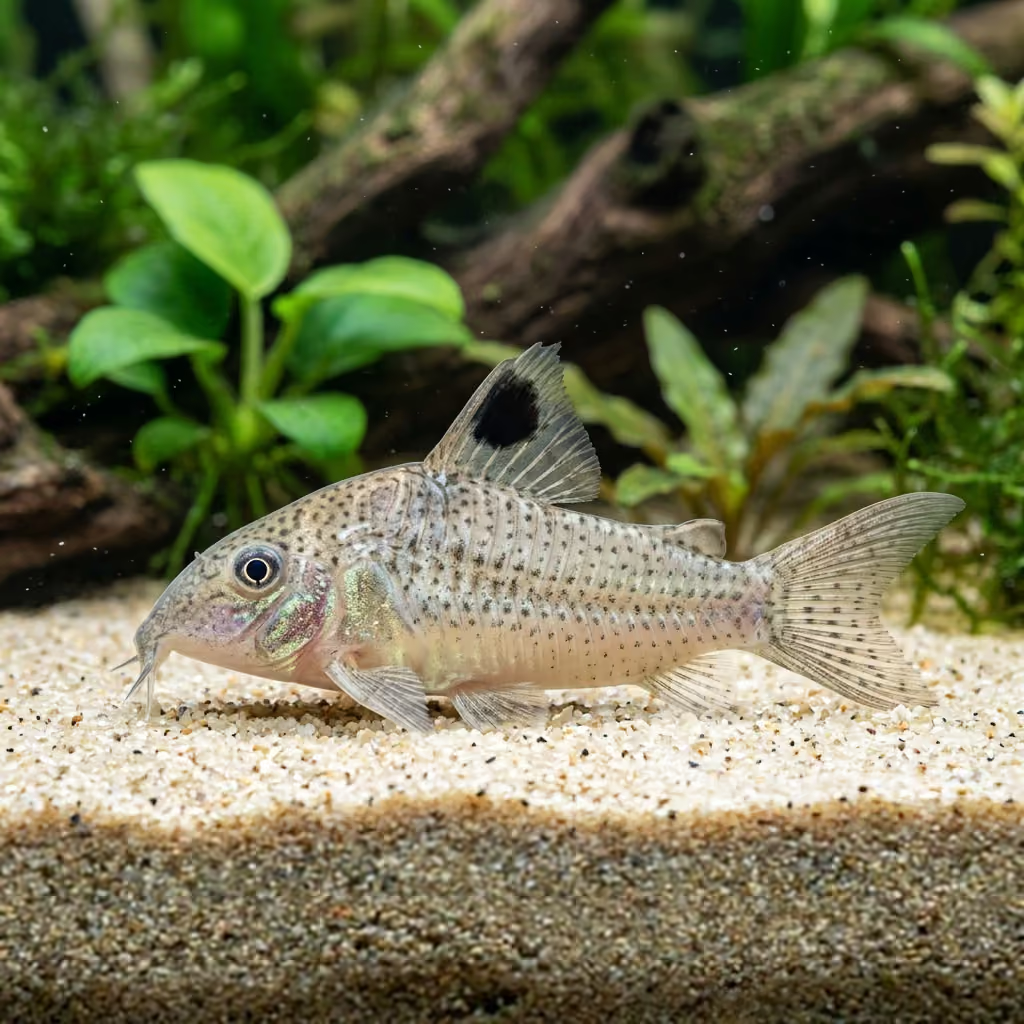
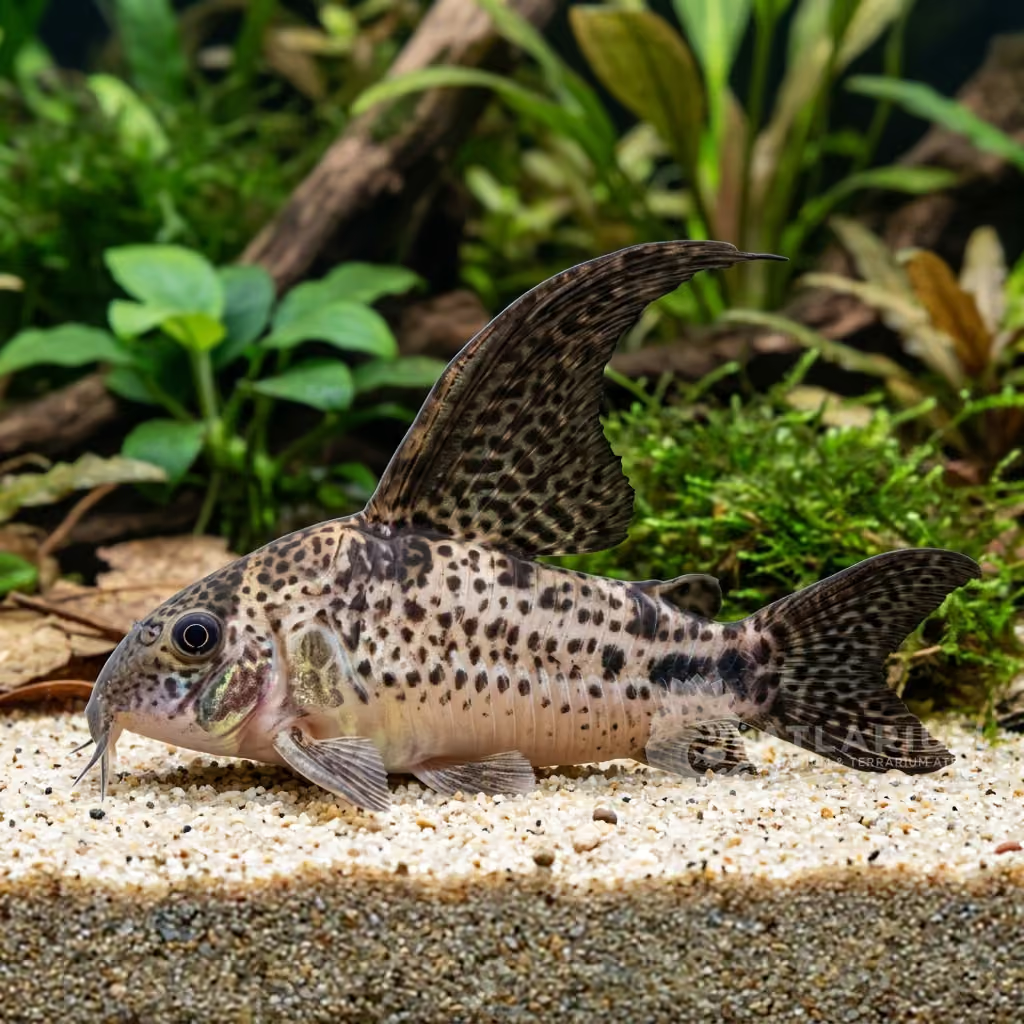
Coloration and Sexual Dimorphism: Fascinating pattern: whitish-silvery background covered by a thick black eye mask (bandit type). Dorsal fin almost entirely dark, while an irregular row of large dark spots or plates runs along the flanks. Very round and tall females.

Pflege, Zucht und Mitbewohner
Aquarium Setup: Demands mature tanks and very fine sand (silica), necessary for its exploratory dives. Intricate woods are fundamental to create dark crevices. Perimeter planting appreciated, provided that large free "clearings" remain on the bottom.
Diet and Feeding: Digging micro-predator. Requires small-sized baits: microgranules for benthic species, unfailingly integrated with bloodworms, brine shrimp nauplii, and tubifex to avoid dangerous weight loss.
Water Quality: Soft and acidic water species: ideal pH between 6.0 and 7.2, weak GH (2-12). Temperature to be kept stable between 22°C and 26°C (72-79°F). Filter efficiency and regular water changes are vital to avoid nitrite poisoning.
Compatibility and Cohabitation: Precious roommate for South American aquariums dedicated to minute and peaceful species, such as small Tetras (Neons, Paracheirodon), rasboras, and Otocinclus. Avoid pairing with Loaches or territorial fish intrusive on the substrate.
Aquarium Breeding: Difficult, but inducible by reproducing monsoons with strong cold water changes. T-mating, with the deposition of huge and viscous single eggs on the glass or plants. Parents to be isolated promptly due to the high rate of cannibalism.
Risks and Diseases: Sharp gravels or coarse bottoms cause fungal devastation of the delicate barbels, condemning it to certain death. Lethal the incorrect or excessive use of copper-based cures against Ichthyophthirius.

Geografische Herkunft und Verbreitung
Endemic to the Putumayo River basin in Peru. Prefers slow-flowing streams (igarapés) and forest swamps with clear waters but rich in organic debris, where the sandy substrate is perpetually shaded and covered with leaves.
Ursprung
Extra-Amazonas-SüdamerikaOstasien

Fischprofil
- Temperament
- Semi-aggressive
- These catfish are incredibly docile, peaceful, and non-aggressive, making Hoplisoma ortegai perfect community tank residents. They are somewhat shy by nature and heavily rely on the presence of a school to feel secure and display their natural behaviors. Providing plenty of hiding spots such as caves, driftwood, and dense vegetation will make them feel more comfortable. They never bother other fish and often completely ignore species occupying the middle and upper levels of the tank.
- Diät
- Omnivore
- Hoplisoma ortegai is an omnivorous bottom feeder that constantly scavenges for food in the substrate. Their diet should be primarily composed of high-quality sinking pellets or wafers specifically formulated for bottom dwellers. To ensure optimal health and coloration, supplement their dry food with live or frozen foods such as bloodworms, daphnia, and brine shrimp. They will also eat uneaten food that falls from the surface, though they should not be treated merely as a clean-up crew.
- Lebenserwartung
- 5-10 years
- Erwachsenengröße
- 4.5 cm
- Geschlechterverhältnis
- School
- While sexing them can be challenging, a ratio of two or three males per female is generally recommended for breeding Hoplisoma ortegai. Females are noticeably rounder and broader, especially when viewed from above, and tend to grow slightly larger. Males appear more slender and streamlined in comparison. Keeping them in a mixed-sex school naturally accommodates these ratios without requiring precise selection by the aquarist.
- Fütterungsfrequenz
- Twice daily
- These active scavengers should be fed one to two times daily to ensure they receive adequate nutrition. It is important to offer Hoplisoma ortegai only as much food as they can consume within a few minutes to prevent water quality issues. Since they are somewhat nocturnal by nature, feeding them once right before the aquarium lights turn off can be very beneficial. Monitoring their feeding is essential, especially in community tanks where faster mid-water fish might outcompete them for food.
- Bioload
- Low
- Hoplisoma ortegai has a relatively small bioload compared to larger aquarium fish. Due to their compact size, they produce a manageable amount of waste that standard filtration can easily process. However, because they must be kept in groups of at least six, the cumulative bioload should be considered when stocking. Regular water changes and good mechanical filtration are still necessary to keep the substrate clean where they dwell.
- Fluss
- Stagnant
- In the wild, Hoplisoma ortegai typically inhabits slow to moderately flowing streams and tributaries. They appreciate some gentle water movement in the aquarium, which helps keep the water well-oxygenated. However, excessive current or strong powerheads should be avoided as it can exhaust them over time. A standard sponge filter or a hang-on-back filter with baffled flow usually provides the ideal water dynamics for this species.
- Sprungrisiko
- Yes
- The jump risk for Hoplisoma ortegai is generally considered to be quite low. They are obligate bottom dwellers that spend the vast majority of their time sifting through the substrate. Occasionally, they will make quick darts to the surface to gulp atmospheric air, which is a completely normal behavior for this genus. Despite the low risk, it is still recommended to keep a well-fitting lid on the aquarium to prevent any accidental escapes during these upward dashes.
- Reproduktion
- Oviparous
- Breeding Hoplisoma ortegai in captivity is achievable but requires specific conditions to trigger spawning. A common trigger involves performing a large, slightly cooler water change to simulate the onset of the rainy season in their natural habitat. Females will lay adhesive eggs on broad-leaved plants, aquarium glass, or other flat surfaces. Once spawning is complete, the adult fish should be removed or the eggs transferred, as they may exhibit egg-eating behavior.
- Kompatibilität & Tankkameraden
- Peaceful
- This species is highly peaceful and makes an excellent addition to community aquariums. Hoplisoma ortegai gets along perfectly with small tetras, rasboras, dwarf cichlids, and peaceful livebearers. It is crucial to avoid housing them with large, aggressive, or predatory fish that could bully them or attempt to eat them. As a schooling fish, they find safety and comfort in numbers of their own kind or similar Corydoras species.
- Tankfüllstand
- Bottom
- As classic bottom dwellers, Hoplisoma ortegai occupies the lowest levels of the aquarium. They spend their days tirelessly exploring the substrate in search of morsels of food using their sensitive barbels. It is absolutely essential to provide a soft, sandy substrate to prevent damage to their delicate sensory barbels. Although they mostly remain at the bottom, they will occasionally dart to the water surface to swallow a bubble of air for intestinal respiration.

Wissenschaftliche Modelle & Parameter
FishBase
Zugang zu den offiziellen wissenschaftlichen Daten der Art
Daten synchronisiert am: 15.06.2026
- Trophäenniveau
- 3 ± 0,4 se
- Belastbarkeit
- Hoch (weniger als 15 Monate)
- Phylogenetische Einzigartigkeit (PD50)
- 0.5
- Bayessche Längen-Gewichts-Beziehung
- a = 0.01778, b = 3.02
- AnfälligkeitGeringe Anfälligkeit (10 / 100)

Verwandte Arten
Empfehlungen gruppiert nach nahen Verwandten, Auswahl von Begleitern und ähnlicher Betreuung.