Smudge Spot Cory
Hoplisoma simile
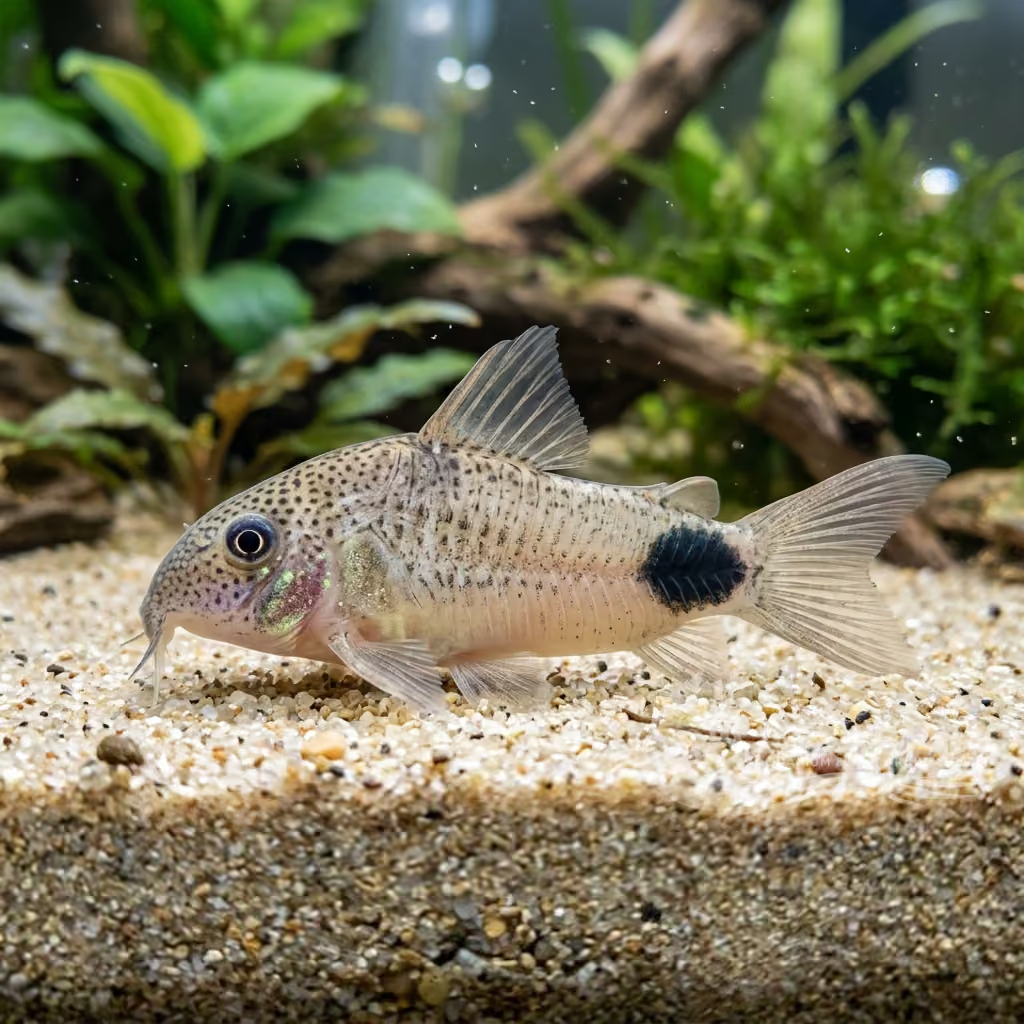
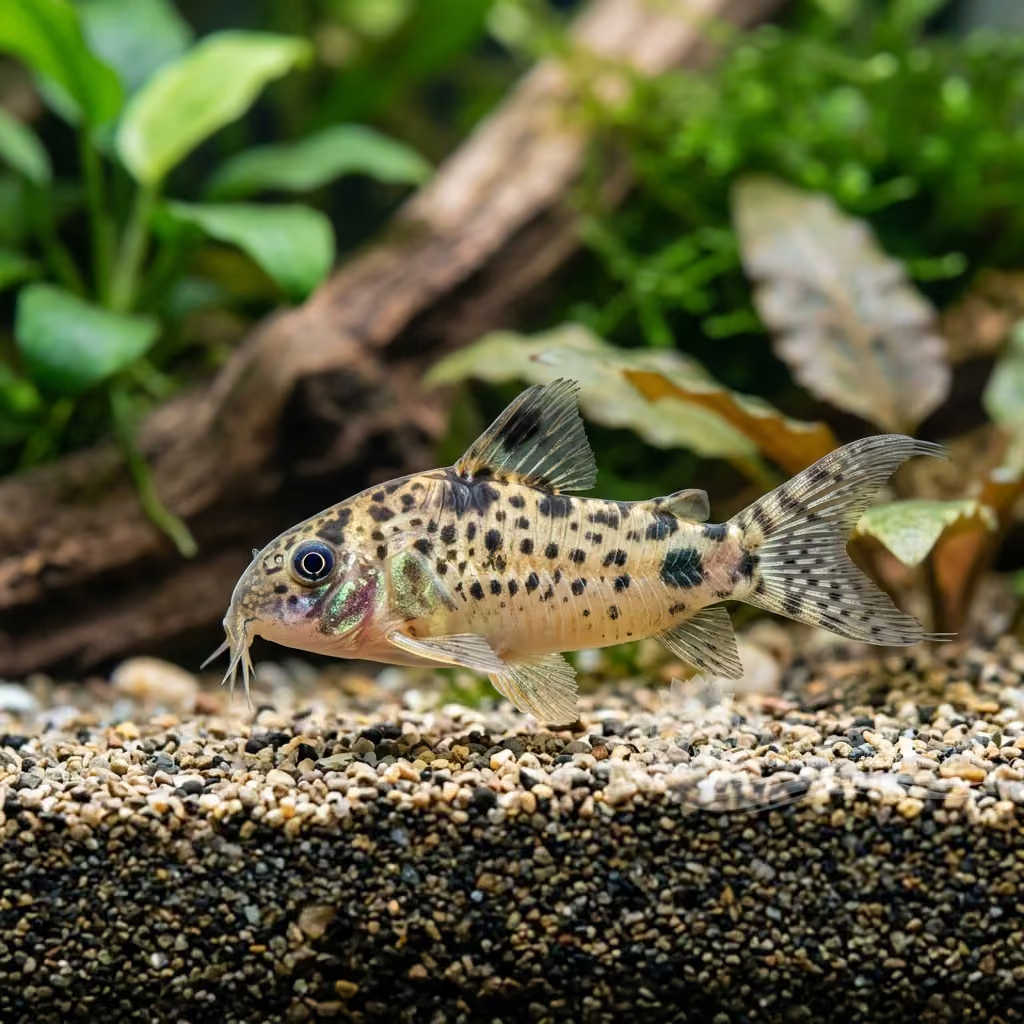
An elegant Corydoras with a cream-pink body and a large smudged black spot on the caudal fin — like an expanding ink drop. High dorsal fin with orange in males. Reaches 5–6 cm. Often confused with C. adolfoi for the dorsal spot, but position and shape differ. Peaceful and gregarious like all Corydoras, it loves tanks with sandy substrate and plenty of vegetation.
Wassertemperatur
22 - 26 °C
pH-Wert
6 - 7.5
Wassertyp
Süßwasser
Tankfüllstand
Unten
Erwachsenengröße
5,5 cm
Mindesttankvolumen
>= 60 L
Mindestgruppe
>= 6
GH
2 - 15 dGH
KH
1 - 7 dKH
TDS
40 - 295 ppm
Leitfähigkeit
63 - 461 uS/cm

Artbeschreibung
Geographical Origin and Habitat: Madeira River in Brazil. Gathers in thick schools in small secondary tributary watercourses, often in the shade of the dense Amazon forest and on clean sandy beds.
Taxonomy and Morphology: Smudge Spot Corydoras (Hoplisoma simile). The Latin name "similis" was given to it due to its marked juvenile resemblance to C. caudimaculatus (from which it differs in adulthood).
Social Behavior: Hyper-gregarious and extremely sociable fish. Groups of less than 6 units waste away. Constantly moves on the bottom, probing it with its mouth apparatus in search of invertebrates.
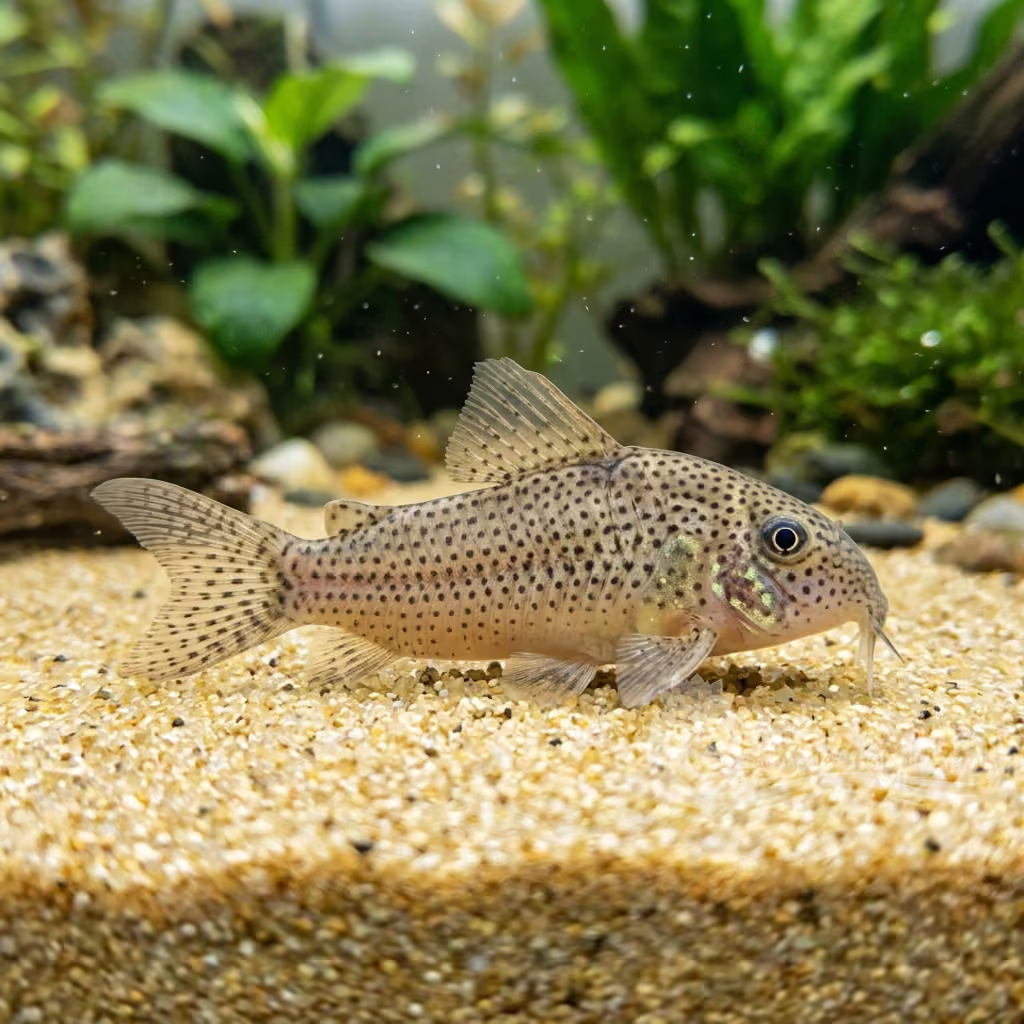
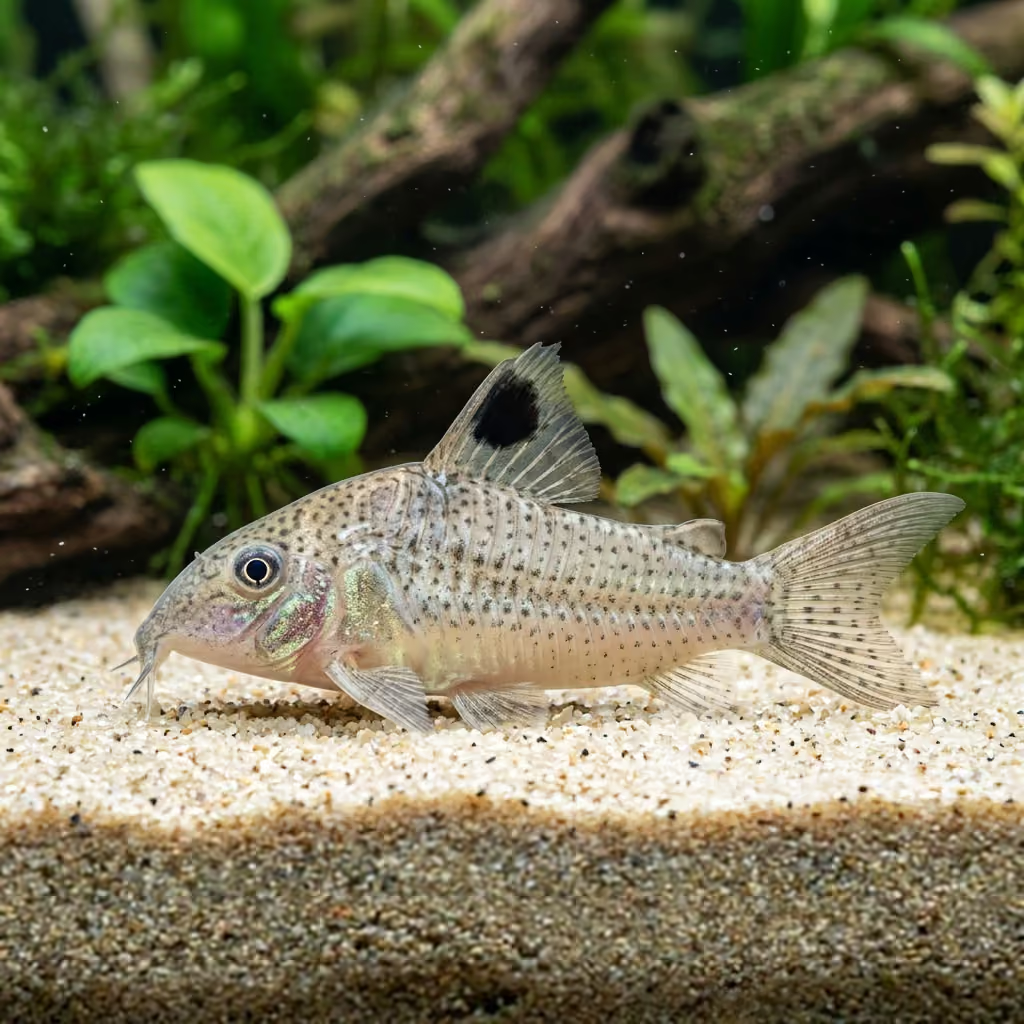
Coloration and Sexual Dimorphism: Sophisticated and fascinating coloration: a dense spotted reticulation covers the entire light purplish-gray body. The unmistakable feature is the intense dark purplish "smudged" spot on the caudal peduncle, without sharp edges.

Pflege, Zucht und Mitbewohner
Aquarium Setup: Ideal from 60 cm (24 inches) in length. Essential the use of impalpable sand or extremely rounded quartz. The use of amber water (Tannins) via peat or leaves on the bottom is recommended.
Diet and Feeding: Insatiable micro-predator. Will appreciate tablets based on crustaceans and protein meals, but requires regular evening administrations of frozen bloodworms, tubifex or daphnia.
Water Quality: Very resistant if exempt from the presence of high nitrates, which inexorably intoxicate armored fish. Make sure to occasionally siphon the uncovered areas of sand.
Compatibility and Cohabitation: Magnificent tankmate for South American community tanks (e.g. with Lemon Tetras, Pristella, Rasboras or Apistogramma cacatuoides). Totally unaware of who swims in the upper layers.
Aquarium Breeding: Moderately easy. A drastic downward temperature variation will act as a biological trigger for egg-laden females, followed by T-fertilization by trailing males.
Risks and Diseases: Mechanical abrasion of the barbels causes an irreversible impediment to feeding. Fears medicines based on copper and malachite green if used at full dosage.

Geografische Herkunft und Verbreitung
Madeira River in Brazil. Gathers in thick schools in small secondary tributary watercourses, often in the shade of the dense Amazon forest and on clean sandy beds.
Ursprung
Amazonas, Orinoco und GuayanaOstasien

Fischprofil
- Temperament
- Peaceful
- The temperament of Hoplisoma simile is exceptionally peaceful and highly social in nature. They must be kept in groups of at least six individuals to thrive. In proper schools, they are confident and constantly active across the bottom.
- Diät
- Omnivore
- The diet of Hoplisoma simile primarily features benthic organisms and small detritus. In captivity, they eagerly eat sinking pellets and high-quality bottom-feeder wafers. Live foods like bloodworms and daphnia should be offered for optimal health.
- Lebenserwartung
- 5-7 years
- Erwachsenengröße
- 5.5 cm
- Geschlechterverhältnis
- Group
- A specific sex ratio is unnecessary for the general community keeping of Hoplisoma simile. For dedicated breeding, a ratio of two males per female is optimal. Females are visibly rounder and broader, while males are slender.
- Fütterungsfrequenz
- Twice daily
- It is recommended to feed Hoplisoma simile one or two times daily in moderate portions. Ensure the food reaches the substrate before mid-water fish consume it all. Feeding just before lights out helps them forage peacefully without stress.
- Bioload
- Low
- The bioload of Hoplisoma simile is relatively low compared to larger tank mates. Since they are schooling fish, their combined waste can accumulate over time. Consistent filtration and weekly water changes are necessary for maintaining clean water.
- Fluss
- Strong
- Hoplisoma simile prefers a moderate water flow that replicates gentle Amazonian streams. This circulation thoroughly oxygenates the water and prevents detritus accumulation. Calm resting zones should also be provided for relaxation.
- Sprungrisiko
- No
- Reproduktion
- Oviparous
- Breeding Hoplisoma simile in an aquarium is highly achievable with proper conditioning. Spawning is typically triggered by a large, slightly cooler water change. The female then deposits adhesive eggs on aquarium glass or broad plant leaves.
- Kompatibilität & Tankkameraden
- Peaceful
- In terms of compatibility, Hoplisoma simile is extremely peaceful and ideal for community setups. They coexist perfectly with small tetras, rasboras, and dwarf cichlids. Large, aggressive bottom-dwellers must be avoided to prevent undue competition.
- Tankfüllstand
- Bottom
- As obligate bottom-dwellers, Hoplisoma simile spends the vast majority of its time on the substrate. They constantly search for food by sifting fine sand with their sensitive barbels. They occasionally dart to the surface to gulp atmospheric air.

Wissenschaftliche Modelle & Parameter
FishBase
Zugang zu den offiziellen wissenschaftlichen Daten der Art
FishBase v25.04Daten synchronisiert am: 15.06.2026
- Trophäenniveau
- 3 ± 0,4 se
- Belastbarkeit
- Hoch (weniger als 15 Monate)
- Phylogenetische Einzigartigkeit (PD50)
- 0.5
- Bayessche Längen-Gewichts-Beziehung
- a = 0.00741, b = 3.14
- AnfälligkeitGeringe Anfälligkeit (10 / 100)

Bildergalerie
Lizenzierte Bilder, die mit der Art oder, wenn markiert, mit dem nächstgelegenen repräsentativen Taxon verknüpft sind.

Verwandte Arten
Empfehlungen gruppiert nach nahen Verwandten, Auswahl von Begleitern und ähnlicher Betreuung.