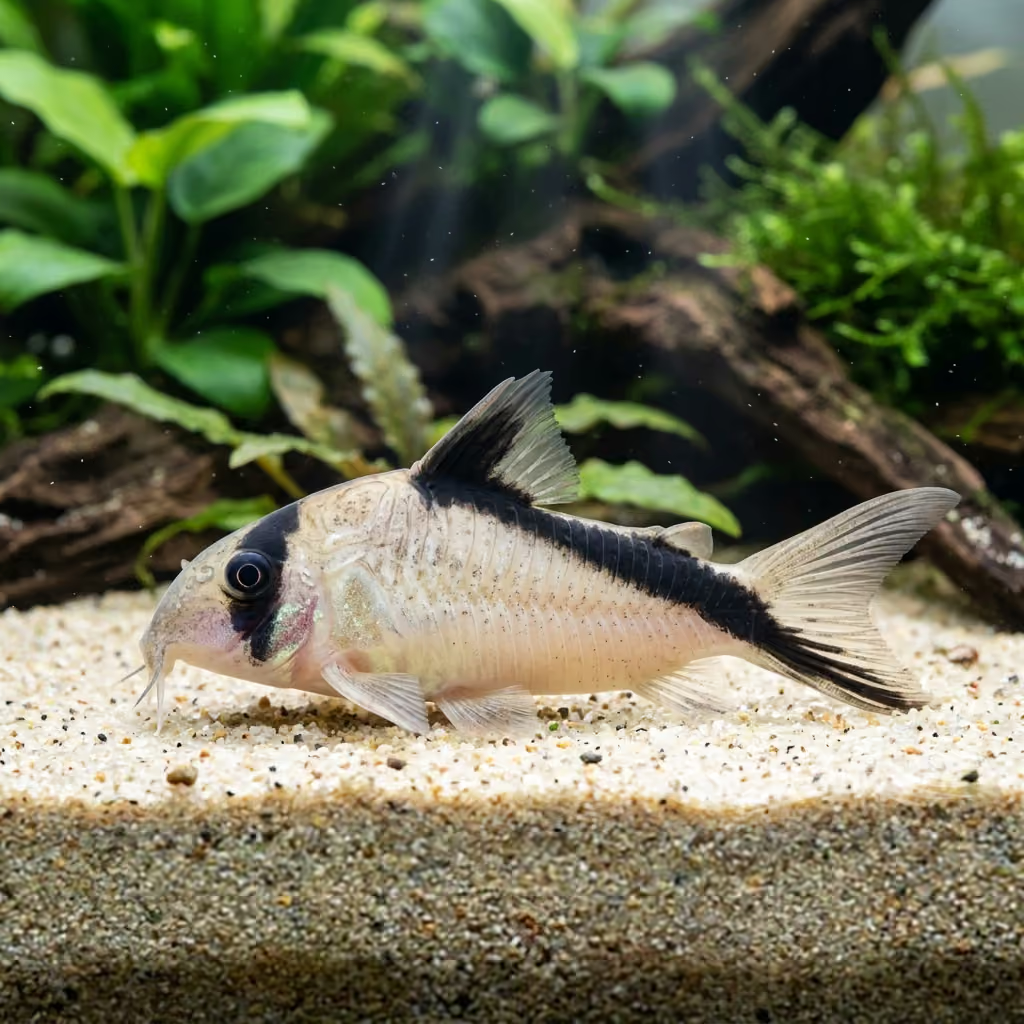
Saramacca Cory
Corydoras saramaccensis
A striking long-snouted species from Suriname adorned with a delicate silvery-gray dotted pattern. It is an incessant benthic digger that strictly requires fine, non-abrasive river sand.
Wassertemperatur
22 - 26 °C
pH-Wert
6 - 7.2
Wassertyp
Süßwasser
Tankfüllstand
Unten
Erwachsenengröße
6 cm
Mindesttankvolumen
>= 100 L
Mindestgruppe
>= 6
GH
2 - 12 dGH
KH
2 - 10 dKH
TDS
50 - 280 ppm
Leitfähigkeit
78 - 438 uS/cm

Artbeschreibung
Geographical Origin and Habitat: Exclusive endemism of the Rio Saramacca in Suriname, from which it takes its name. Prefers the quiet shady channels of the Amazonian "blackwater", full of sandy debris and soggy wood, under currents mitigated by a very dense vault of floating forest.
Taxonomy and Morphology: Proud Callichthyidae of excellent size (average 6 centimeters / 2.4 inches). Morphologically framed in the "long-snouted", it develops a distinctively arrow-like frontal silhouette, ideal for energetically insinuating itself into the dense mud layers of the bottom.
Social Behavior: Without the indispensable comfort of the school (formed by a biological minimum of 6-8 members) the fish goes into apathetic consumption. In a thick group it rhythmically and joyfully patrols the sand, pushing its head into the substrate up to its eyes.
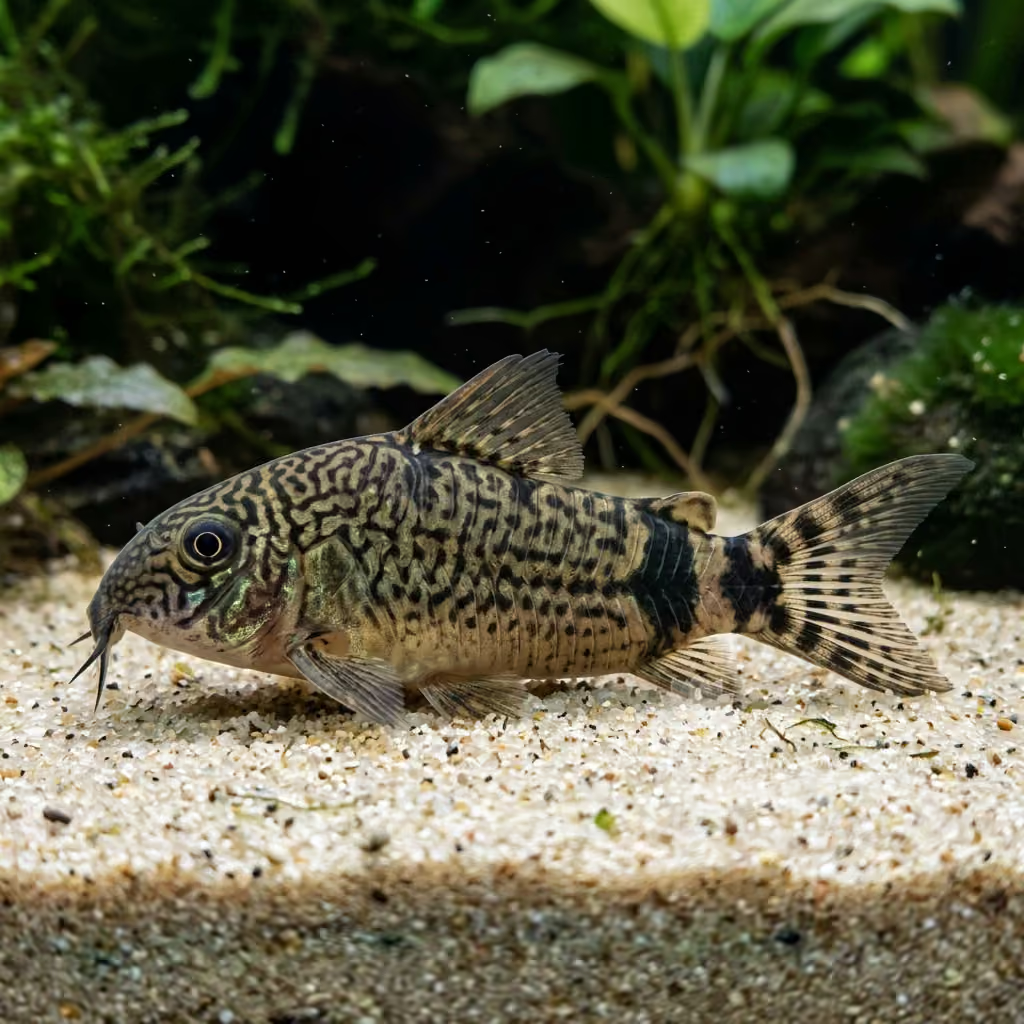
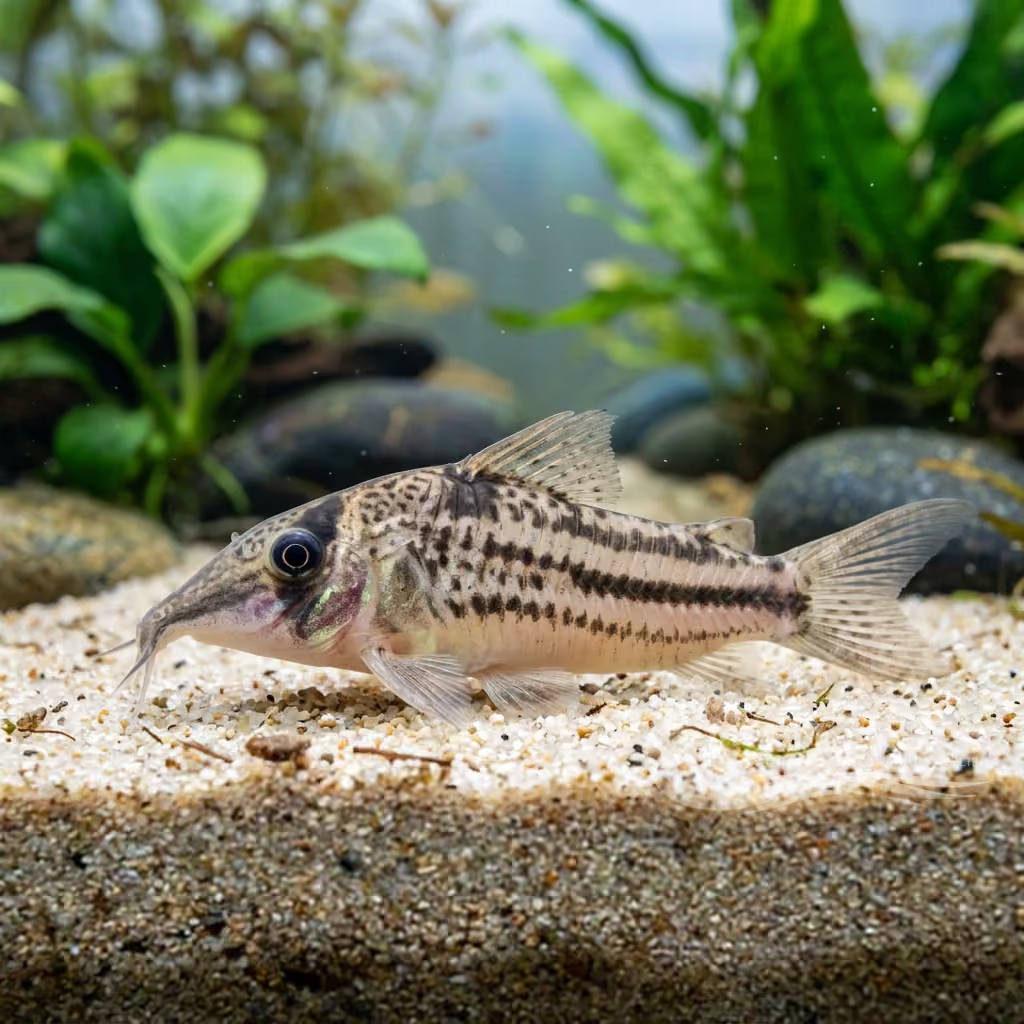
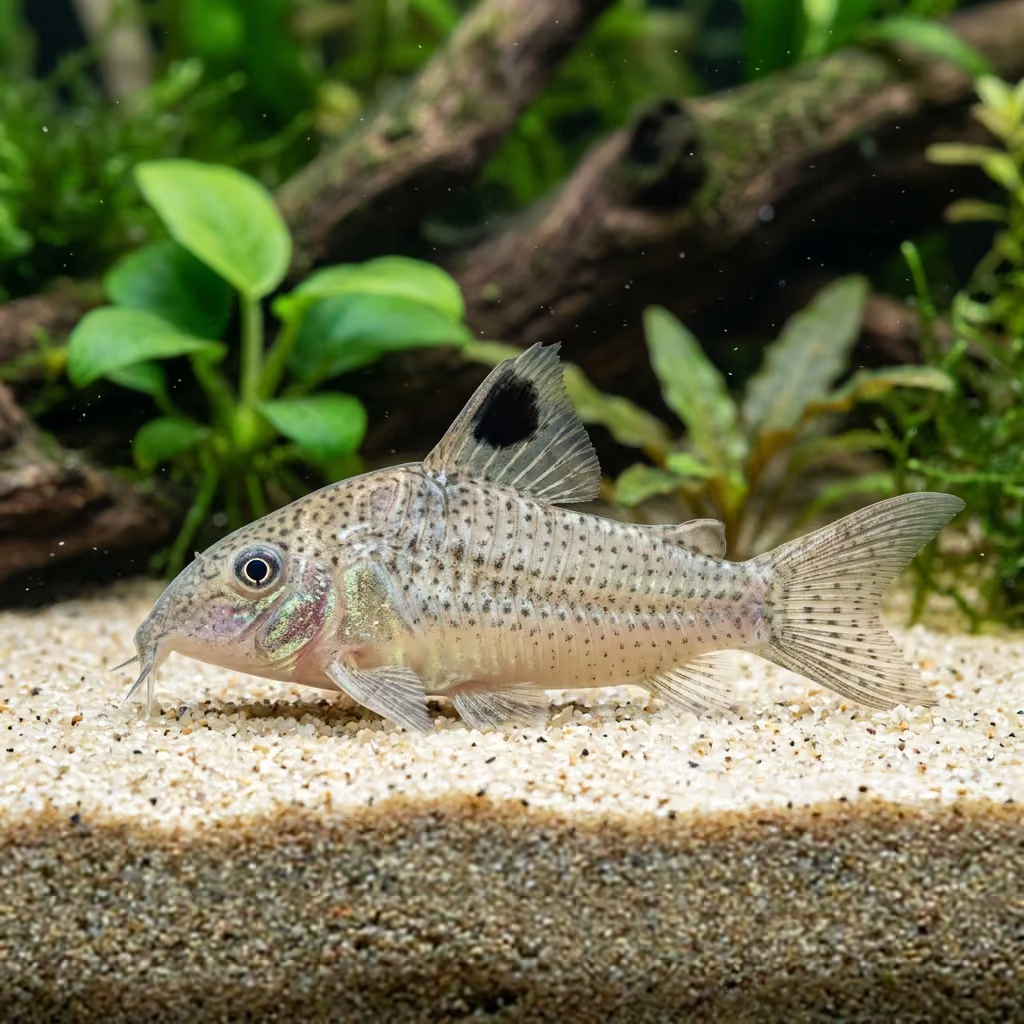
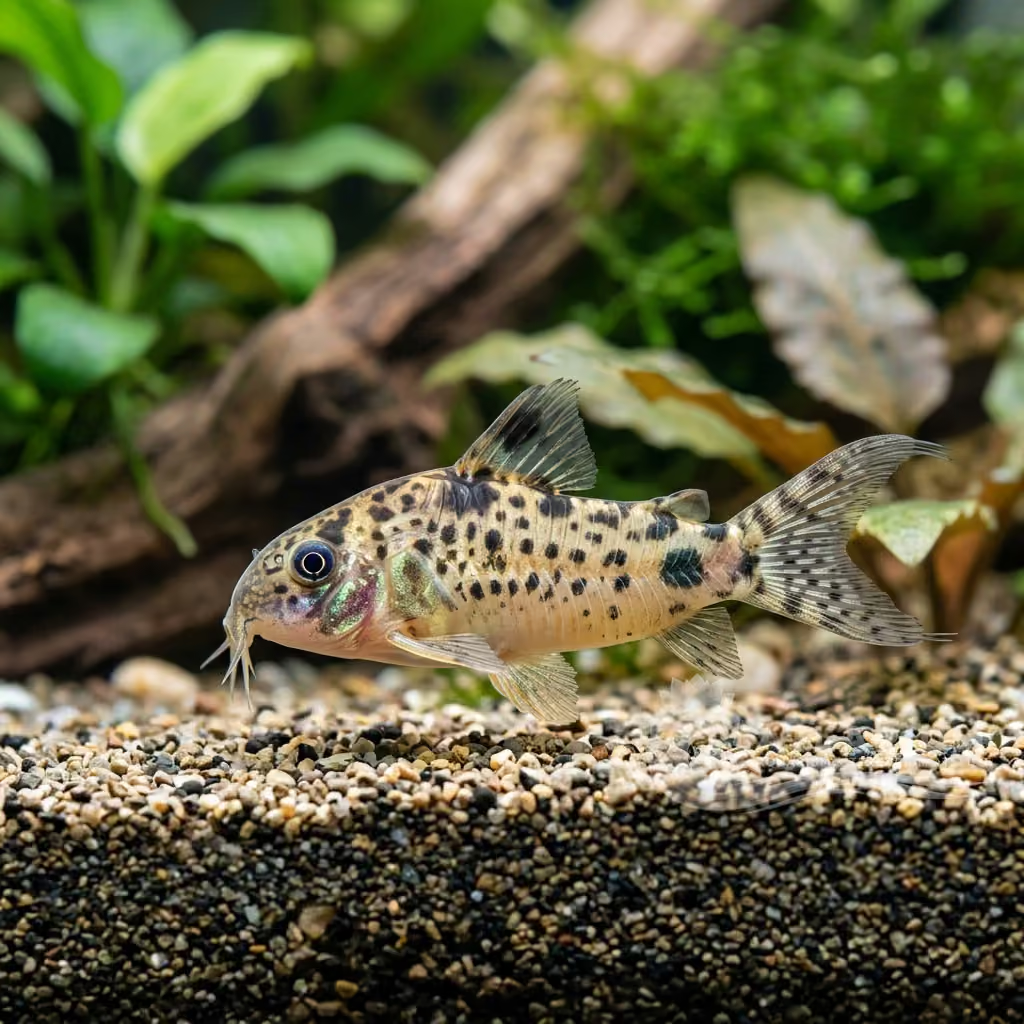
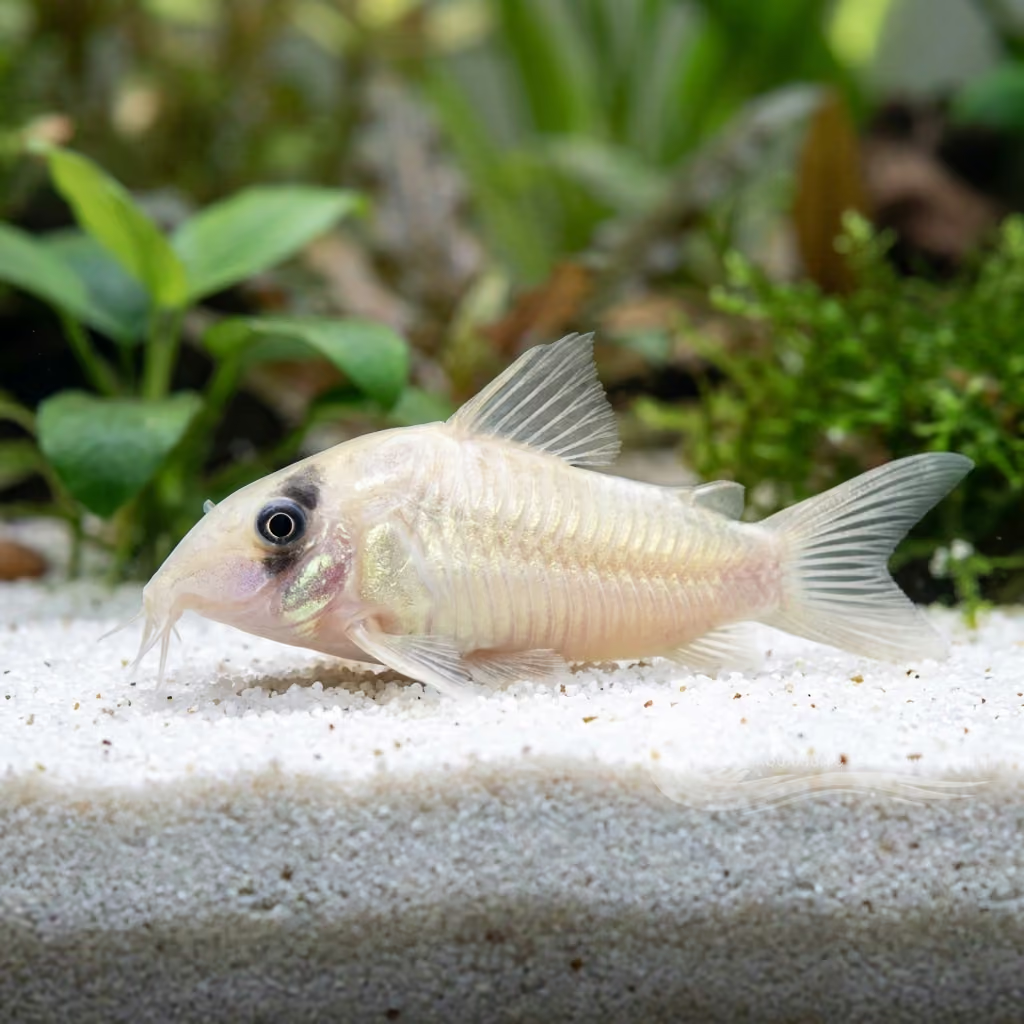
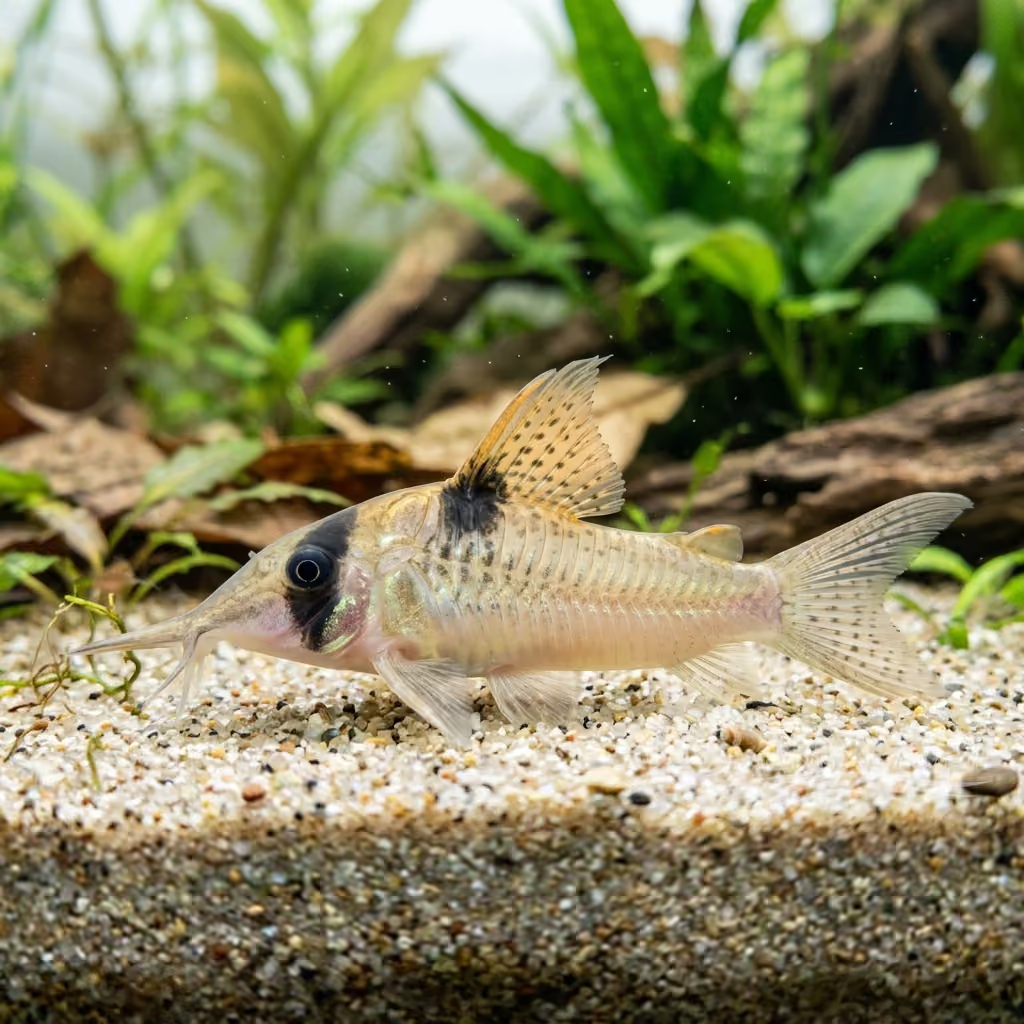
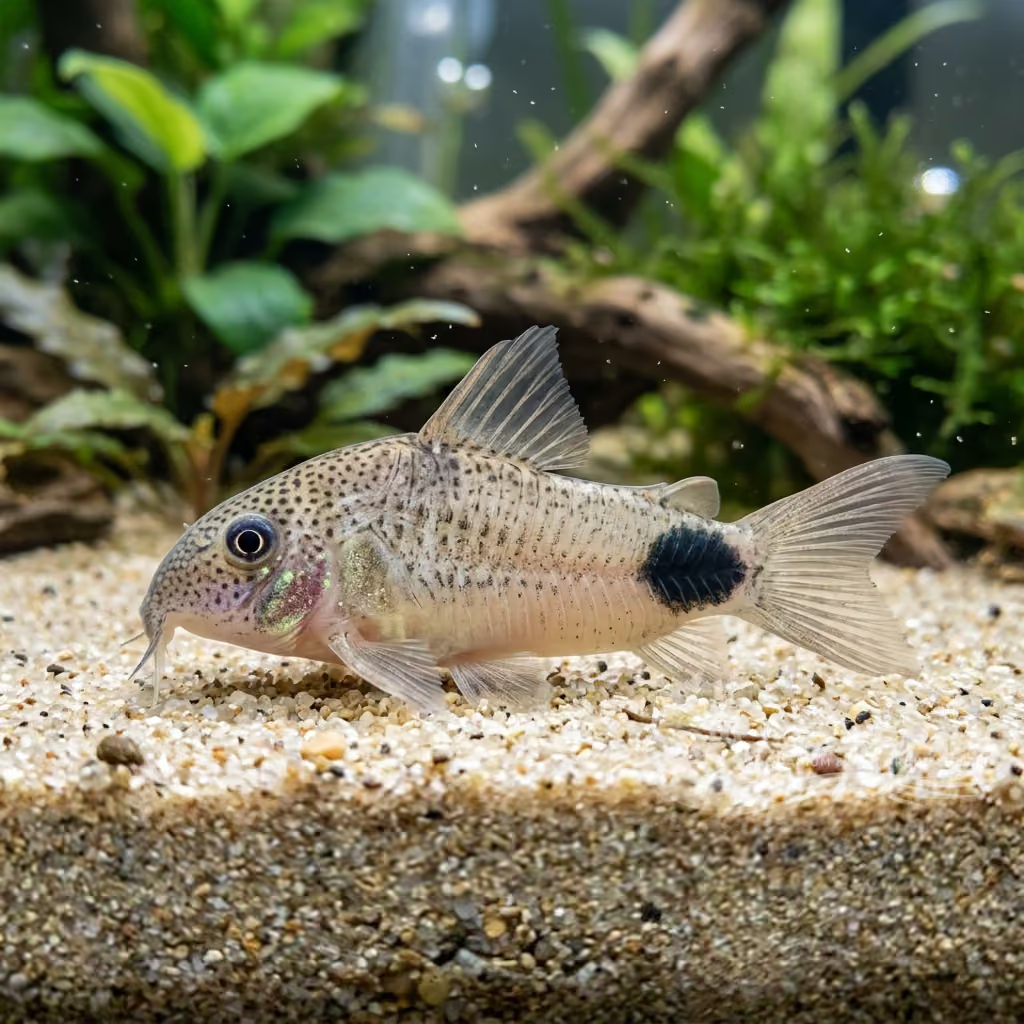
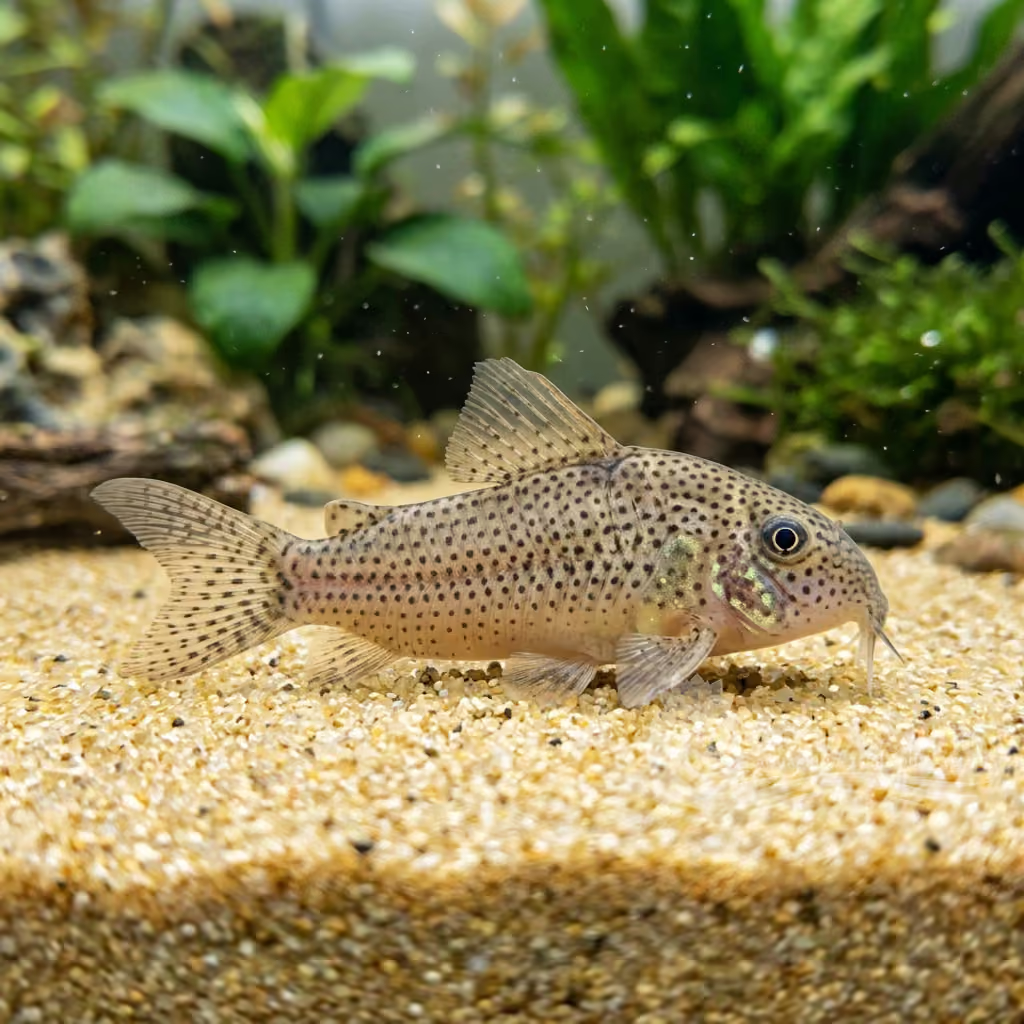
Coloration and Sexual Dimorphism: Iridescent cream base color spotted by a very dense black punctiform swarm on the snout and forehead. It is adorned with a clear black spot at the base of the dorsal fin, as well as blurred "barred" streaks along the body and tail. Adult females markedly stocky, wide and spherical.

Pflege, Zucht und Mitbewohner
Aquarium Setup: Inflexible law of Corydoras: only very fine river sand. The barbels would be fatally corroded by any other bottom. Abound in intricate dark woods and insert large decaying leaves (Catappa/oak) for optimal light shielding.
Diet and Feeding: Incessant carnivorous-benthic explorer. Dry food based on crushed wafers must absolutely give way to a tri-weekly live or frozen support: giant daphnia, robust bloodworms and juicy brine shrimp nauplii dispensed before turning off the lights.
Water Quality: High sensitivity to ammoniacal accumulations. Parameters: temperate and stable at 22-26°C (72-79°F), tolerant to a weakly acidic or neutral pH between 6.0 and 7.2. A low or moderate hardness (GH 2-12) and scrupulous maintenance with regular micro-siphonings are indispensable.
Compatibility and Cohabitation: Model species for large "soft" South American community aquariums. Ignores ethereal fish such as Carnegiella, schools of Tetras (Rummy nose, Neons) or quiet dwarf Cichlids (Apistogramma). Combinations with voracious Loaches or massive turbulent Cichlids are highly unrecommended.
Aquarium Breeding: Difficult: stimulated only with "monsoon" shocks created with large swings of cool RO and hyper-protein diets. Rare deposition after a fleeting "T" mating. Prevent furious cannibalism by suddenly removing the adults or detaching the eggs.
Risks and Diseases: Deadly devastation of the long facial sensors if kept on inappropriate crushed stone, generating fatal necrosis. Very high lethality found during exposure in the aquarium to copper treatments or full concentrations of Malachite Green.

Geografische Herkunft und Verbreitung
Exclusive endemism of the Rio Saramacca in Suriname, from which it takes its name. Prefers the quiet shady channels of the Amazonian "blackwater", full of sandy debris and soggy wood, under currents mitigated by a very dense vault of floating forest.
Ursprung
Amazonas, Orinoco und Guayana

Fischprofil
- Temperament
- Semi-aggressive
- The temperament of Corydoras saramaccensis is exceptionally peaceful and highly social in nature. They must be kept in groups of at least six individuals to thrive. In proper schools, they are confident and constantly active across the bottom.
- Diät
- Omnivore
- The diet of Corydoras saramaccensis primarily features benthic organisms and small detritus. In captivity, they eagerly eat sinking pellets and high-quality bottom-feeder wafers. Live foods like bloodworms and daphnia should be offered for optimal health.
- Lebenserwartung
- 5-8 years
- Erwachsenengröße
- 6 cm
- Geschlechterverhältnis
- Specific M:F ratio
- A specific sex ratio is unnecessary for the general community keeping of Corydoras saramaccensis. For dedicated breeding, a ratio of two males per female is optimal. Females are visibly rounder and broader, while males are slender.
- Fütterungsfrequenz
- Twice daily
- It is recommended to feed Corydoras saramaccensis one or two times daily in moderate portions. Ensure the food reaches the substrate before mid-water fish consume it all. Feeding just before lights out helps them forage peacefully without stress.
- Bioload
- Low
- The bioload of Corydoras saramaccensis is relatively low compared to larger tank mates. Since they are schooling fish, their combined waste can accumulate over time. Consistent filtration and weekly water changes are necessary for maintaining clean water.
- Fluss
- Stagnant
- Corydoras saramaccensis prefers a moderate water flow that replicates gentle Amazonian streams. This circulation thoroughly oxygenates the water and prevents detritus accumulation. Calm resting zones should also be provided for relaxation.
- Sprungrisiko
- Yes
- The jump risk for Corydoras saramaccensis is very low compared to surface-dwelling fish. However, their unique respiratory system causes occasional rapid surface darting. A secure aquarium lid is highly recommended to prevent accidental escapes.
- Reproduktion
- Oviparous
- Breeding Corydoras saramaccensis in an aquarium is highly achievable with proper conditioning. Spawning is typically triggered by a large, slightly cooler water change. The female then deposits adhesive eggs on aquarium glass or broad plant leaves.
- Kompatibilität & Tankkameraden
- Semi-aggressive
- In terms of compatibility, Corydoras saramaccensis is extremely peaceful and ideal for community setups. They coexist perfectly with small tetras, rasboras, and dwarf cichlids. Large, aggressive bottom-dwellers must be avoided to prevent undue competition.
- Tankfüllstand
- Bottom
- As obligate bottom-dwellers, Corydoras saramaccensis spends the vast majority of its time on the substrate. They constantly search for food by sifting fine sand with their sensitive barbels. They occasionally dart to the surface to gulp atmospheric air.

Wissenschaftliche Modelle & Parameter
FishBase
Zugang zu den offiziellen wissenschaftlichen Daten der Art
FishBase v25.04Daten synchronisiert am: 15.06.2026
- Trophäenniveau
- 3 ± 0,3 se
- Belastbarkeit
- Hoch (weniger als 15 Monate)
- Phylogenetische Einzigartigkeit (PD50)
- 0.5
- Bayessche Längen-Gewichts-Beziehung
- a = 0.00741, b = 3.14
- AnfälligkeitGeringe Anfälligkeit (10 / 100)

Verwandte Arten
Empfehlungen gruppiert nach nahen Verwandten, Auswahl von Begleitern und ähnlicher Betreuung.