Gladys's Cory
Hoplisoma gladysae
Unusual Corydoras: high-altitude Argentine endemic. Tiny, light silvery and squat, it has developed a tolerance to cold temperatures intolerable for others.
Wassertemperatur
22 - 26 °C
pH-Wert
6 - 7.2
Wassertyp
Süßwasser
Tankfüllstand
Unten
Erwachsenengröße
4 cm
Mindesttankvolumen
>= 80 L
Mindestgruppe
>= 6
GH
2 - 12 dGH
KH
3 - 10 dKH
TDS
60 - 280 ppm
Leitfähigkeit
94 - 438 uS/cm

Artbeschreibung
Geographical Origin and Habitat: Argentine species, endemic to the Salta province (Calchaquí River basin). Frequents high altitudes and clear, cool Andean waters, flowing over bottoms of sand mixed with round rocks, in highly oxygenated zones.
Taxonomy and Morphology: Small-sized Corydoras, hardly exceeds 4 cm (1.6 inches). Very rounded snout and particularly stocky and tall body. Discovered recently (2010), belongs to the "southern" tribe of the genus, adapted to colder waters compared to tropical species.
Social Behavior: Calm but tenacious worker. Tends to stay compacted in a school out of biological necessity: if isolated, it falls into rapid depression or lethargy. Group dynamics involve synchronous dashes and choral resting periods under plants.
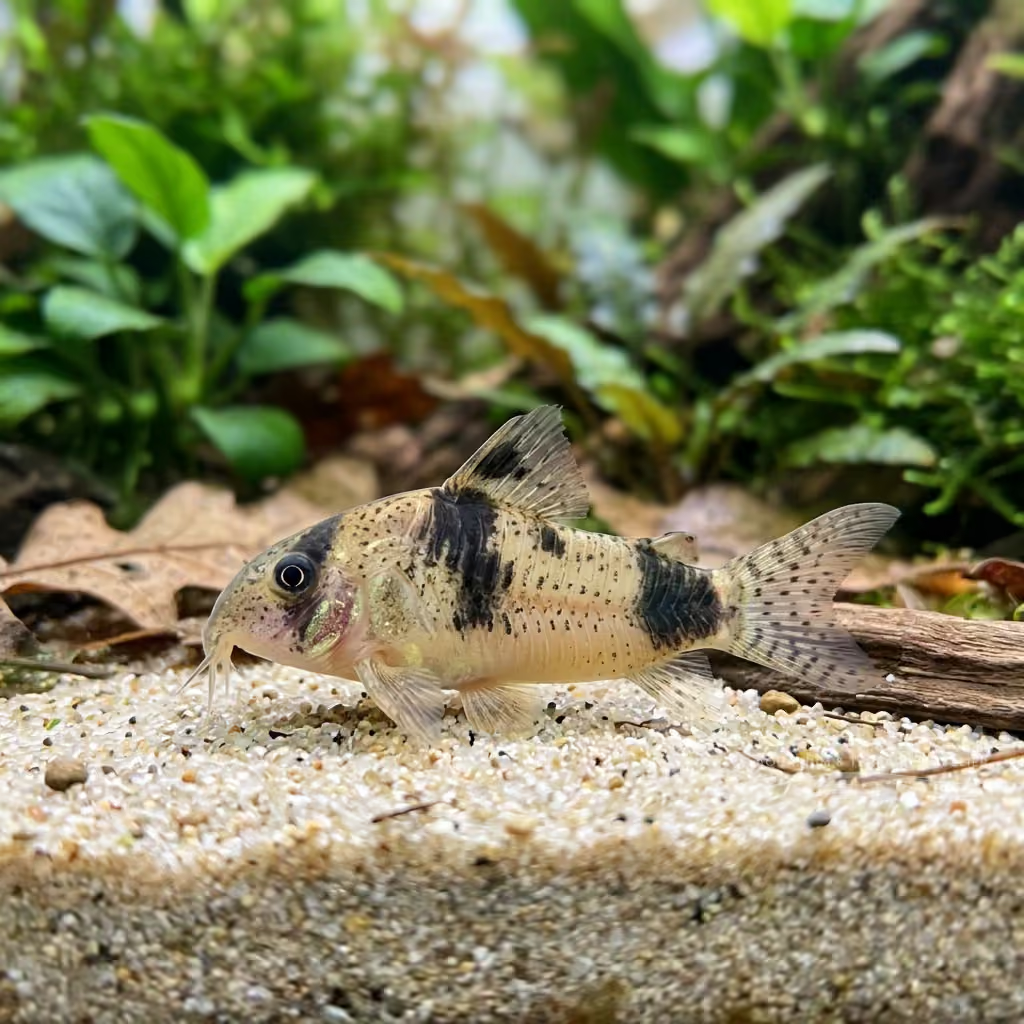
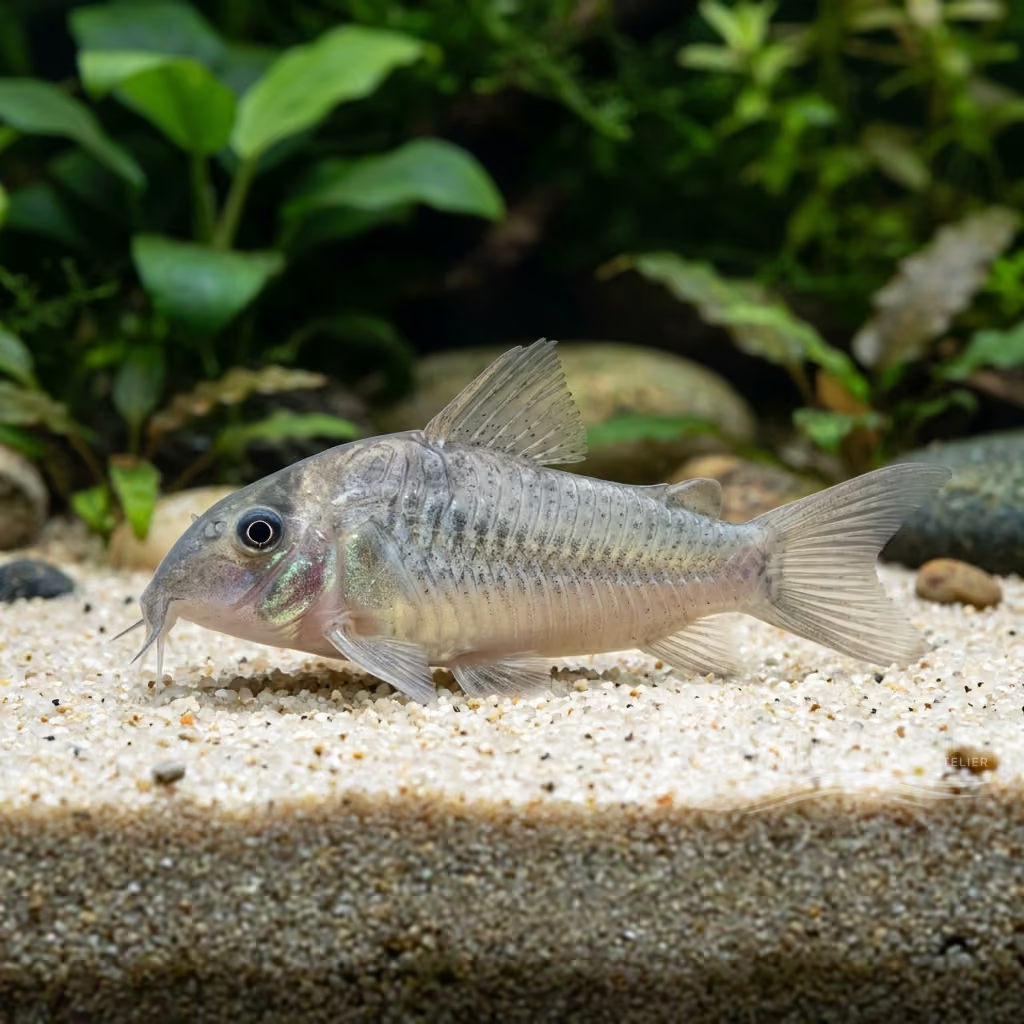
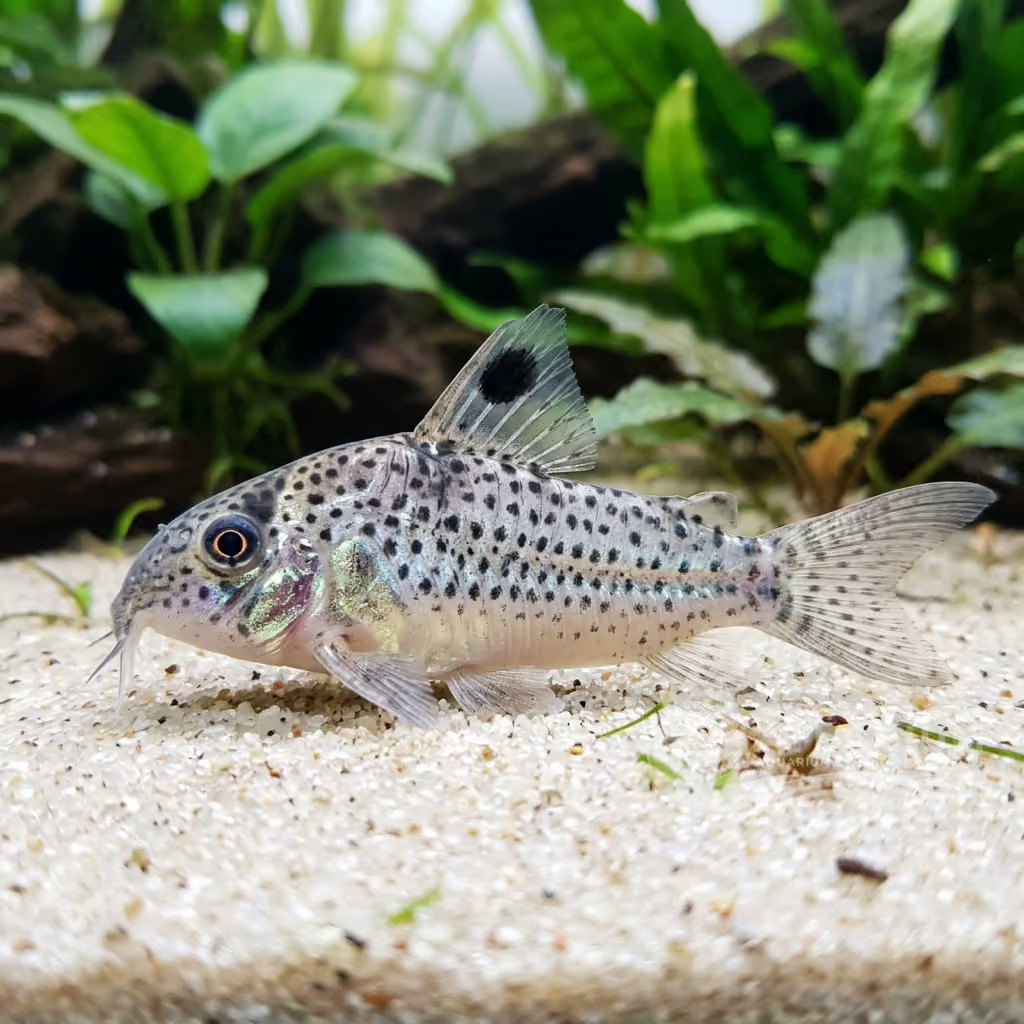
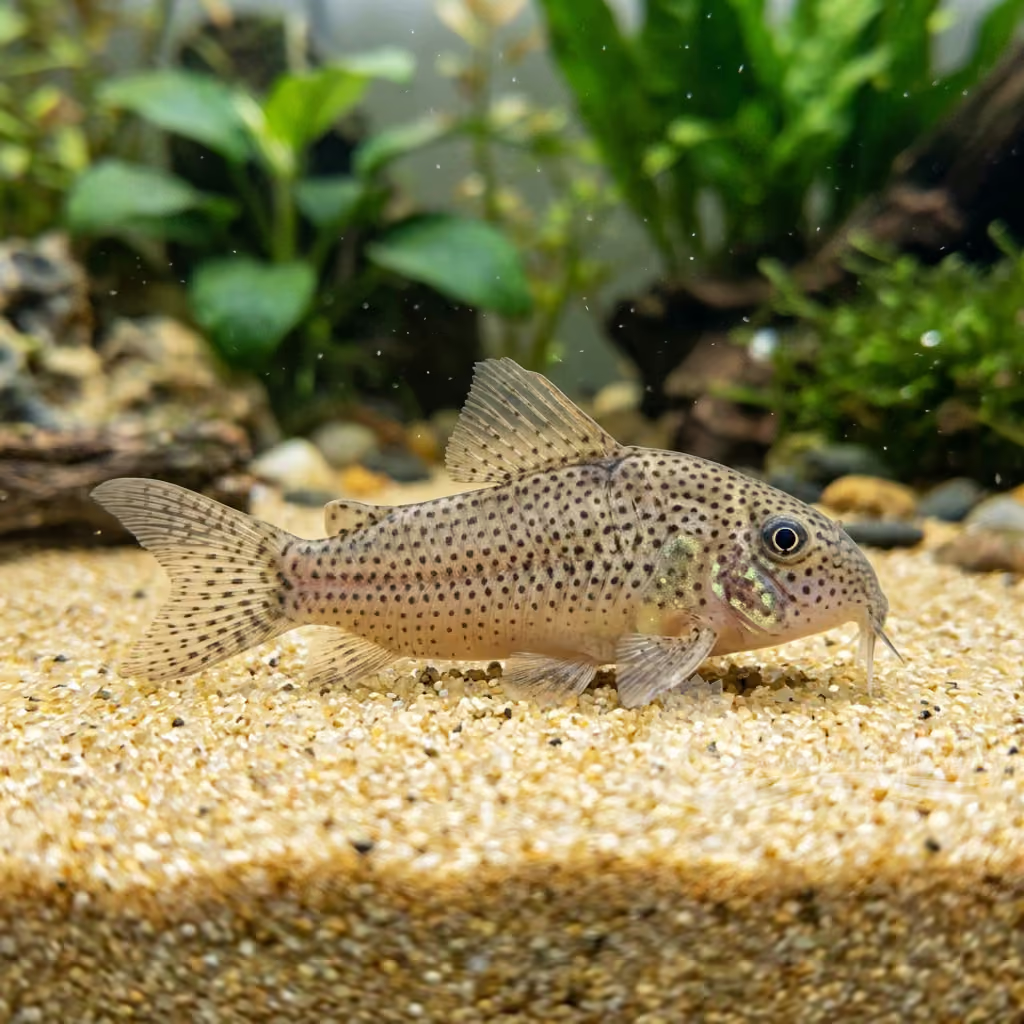
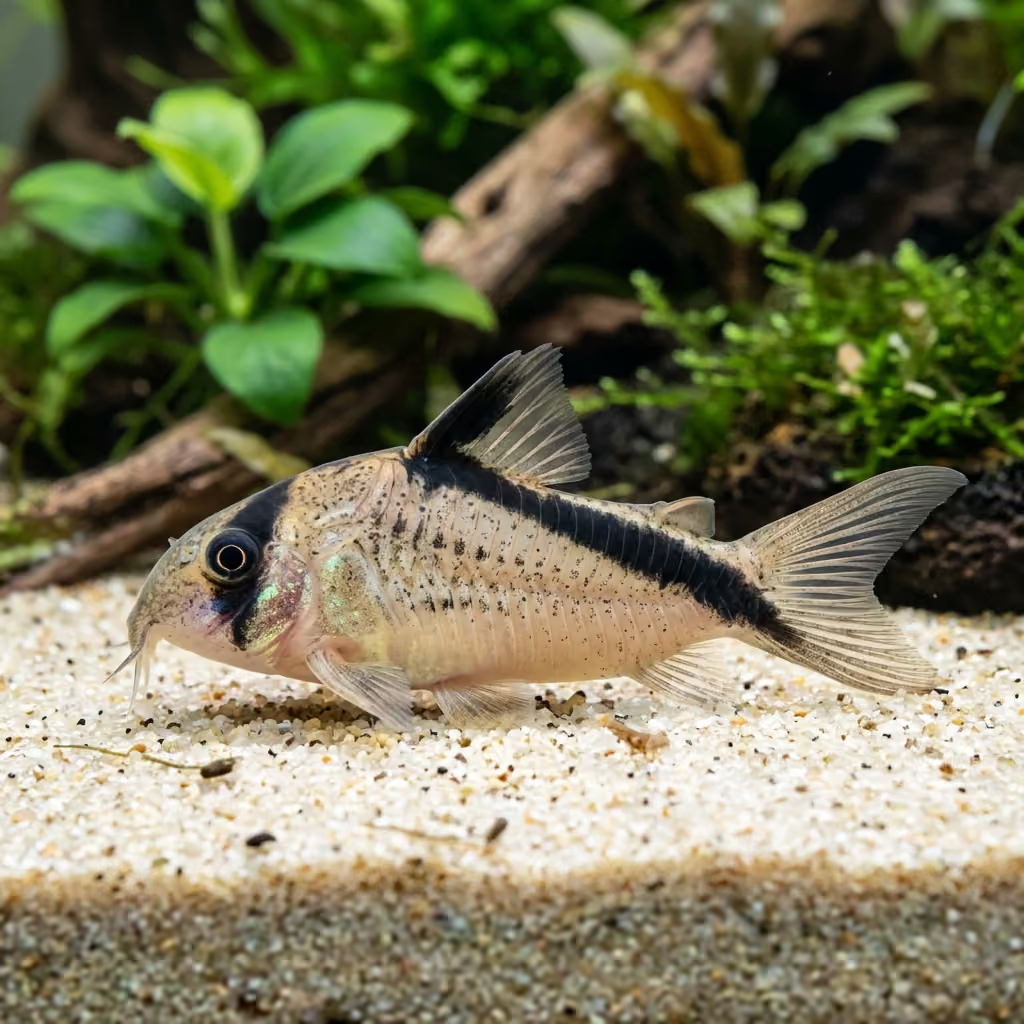
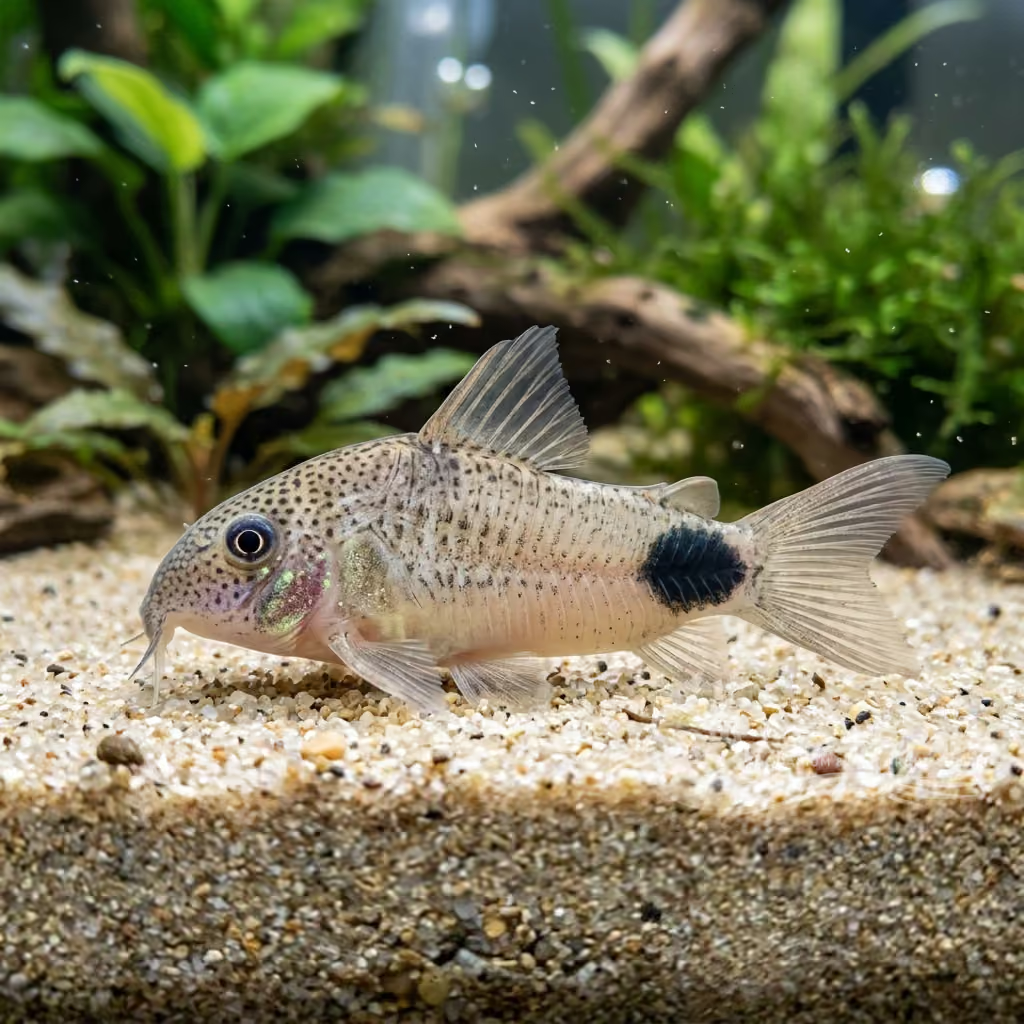
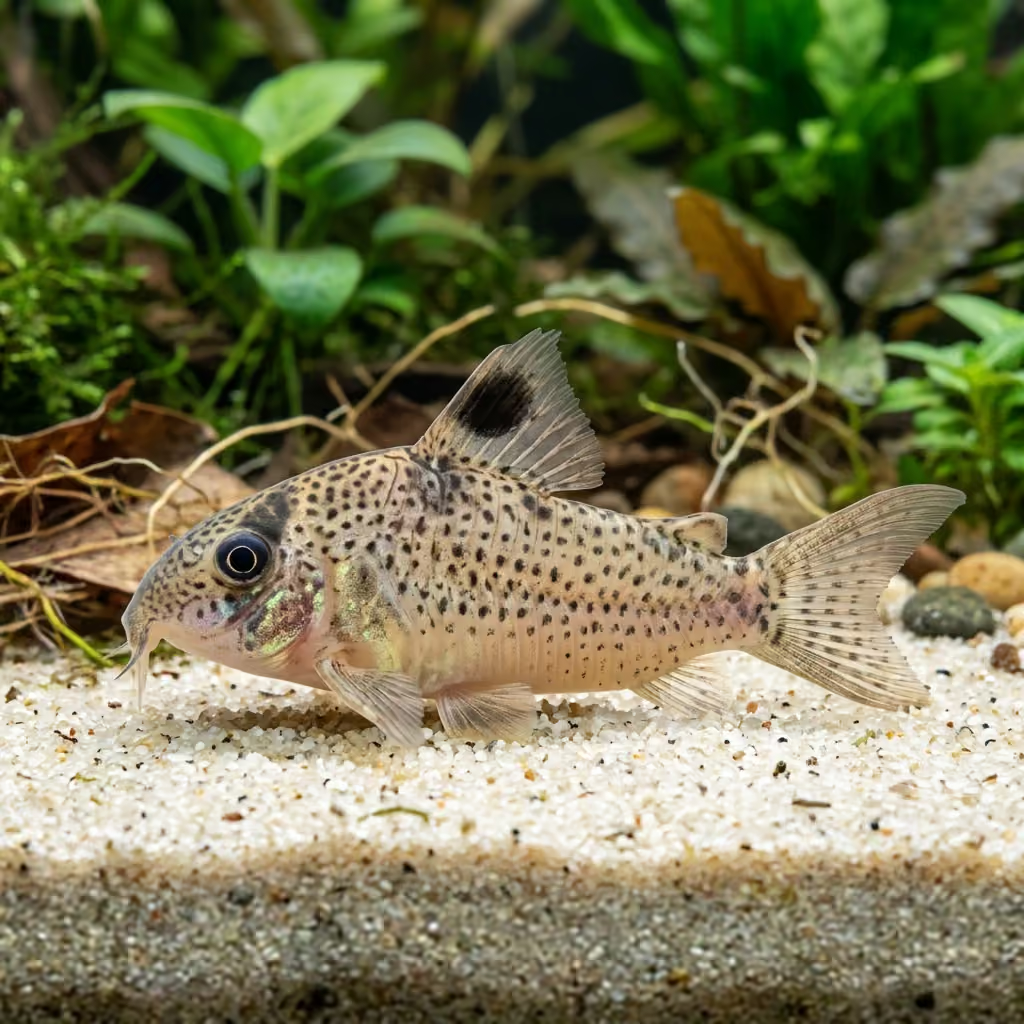
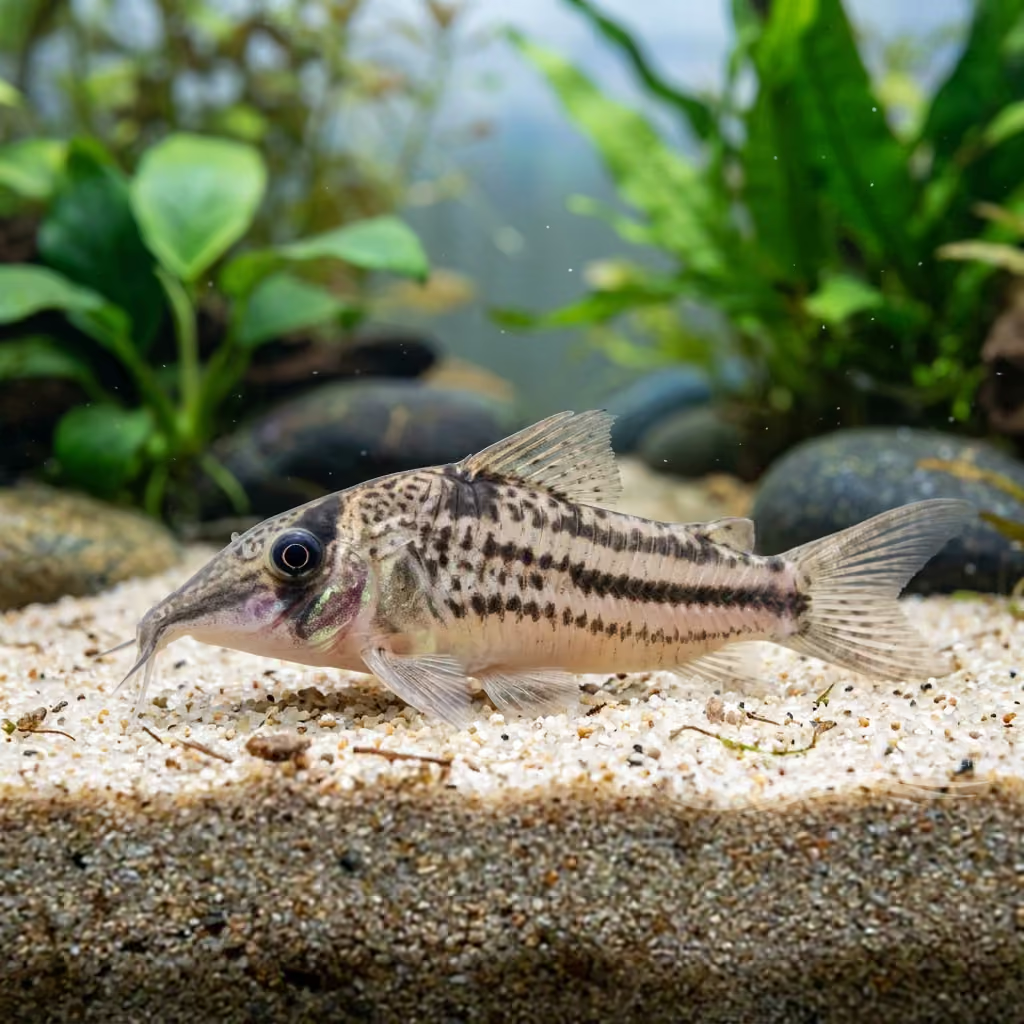
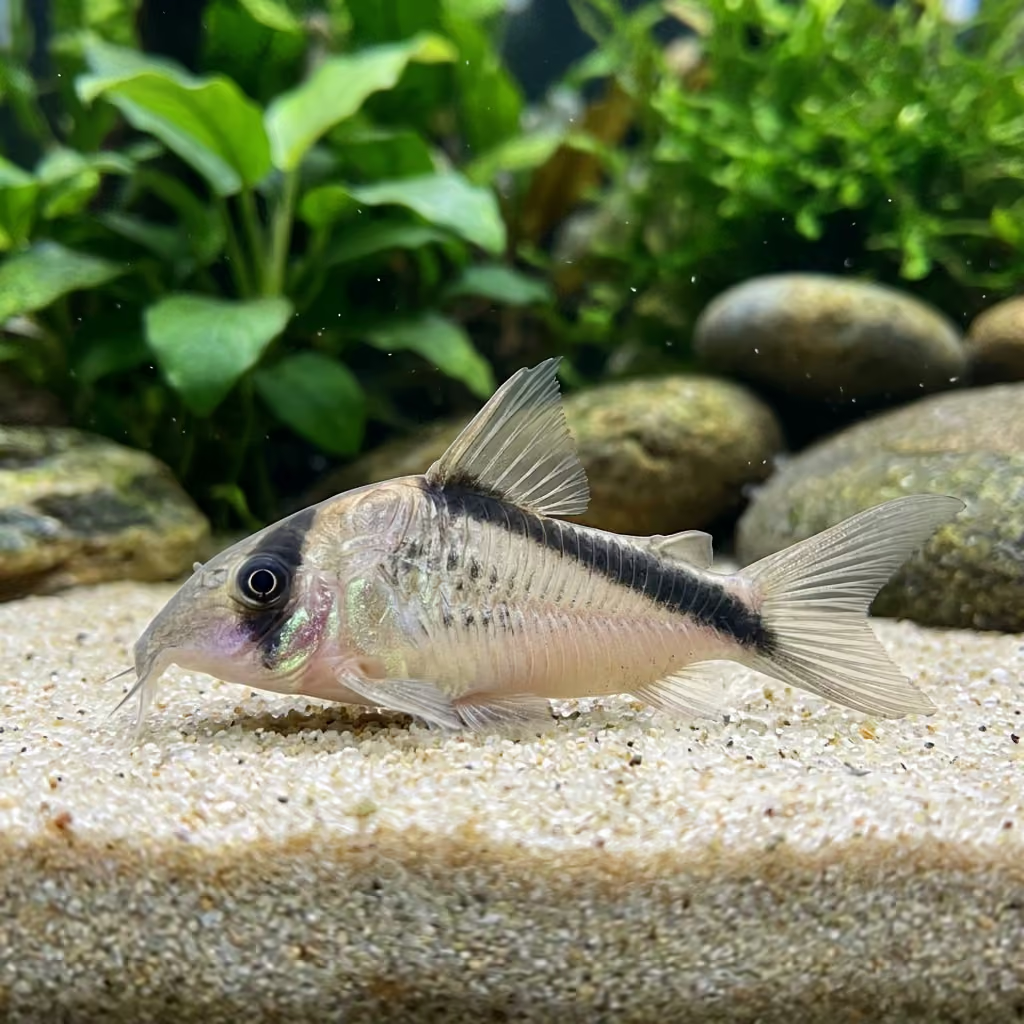
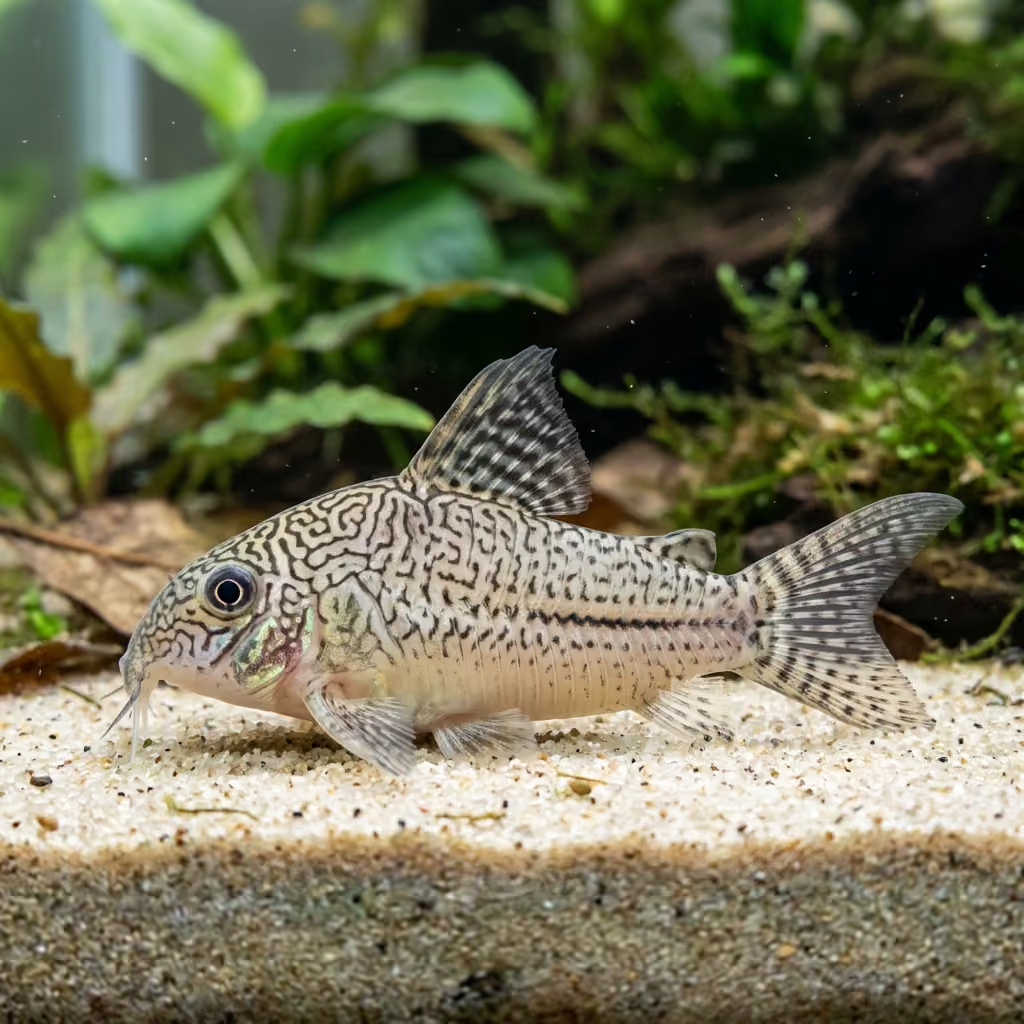
Coloration and Sexual Dimorphism: Brown or grayish-brown coloration on a pale background, arranged in large irregular spots or reticulations. True defined dark bands are missing. Mature females have an obvious "barrel" shape, surpassing the males in size.

Pflege, Zucht und Mitbewohner
Aquarium Setup: Being from high altitude, the tank must have strong water current (simulating Andean streams) and oxygenation at maximum levels. Sandy bottom, smooth stones, and moderate vegetation. Does not necessarily require a dark blackwater environment.
Diet and Feeding: Bottom micropredator. Given the very small size of the mouth, it requires very fine baits: microgranules for corydoras and daily introductions of baby brine shrimp, microworms, and tiny frozen bloodworms.
Water Quality: Tolerates cold very well. Must not exceed 25-26°C (77-79°F) for long to avoid collapsing. The optimum is 20-23°C (68-73°F). Requires clear waters, low or medium hardness (GH 2-12), and pH 6.0-7.4. Intolerant to the accumulation of polluting sludge (NH3/NO2/NO3).
Compatibility and Cohabitation: Excellent for temperate (unheated) aquariums with suitable companions: Gymnocorymbus ternetzi, Aphyocharax, or small Argentine Loricariids. Proves to be a sacrificial victim if inserted with large cichlids that would dominate the limited bottom resources.
Aquarium Breeding: Stimulated by simulating cold mountain rains through copious water changes. Couples lay small quantities of highly adhesive eggs among rocks and mosses. High predation rate by the rearing colony itself.
Risks and Diseases: High temperatures induce chronic hypoxia leading to lethal attacks by Columnaris. Housing on rough, unpolished substrates inevitably flakes the epidermis of the barbels making feeding impossible.

Geografische Herkunft und Verbreitung
Argentine species, endemic to the Salta province (Calchaquí River basin). Frequents high altitudes and clear, cool Andean waters, flowing over bottoms of sand mixed with round rocks, in highly oxygenated zones.
Ursprung
Extra-Amazonas-Südamerika

Fischprofil
- Temperament
- Semi-aggressive
- The temperament of Hoplisoma gladysae is incredibly peaceful, sociable, and somewhat shy when kept individually. They are an obligate schooling fish that absolutely requires the company of their own kind to feel secure and behave naturally. When kept in groups of at least six, they become active and highly entertaining as they constantly interact with one another. If kept alone or in inadequate numbers, they will likely become stressed, reclusive, and more susceptible to disease. They show zero aggression towards other tank inhabitants and are a model citizen for any peaceful community aquarium.
- Diät
- Omnivore
- In the wild, Hoplisoma gladysae is a micro-predator and scavenger, feeding on tiny worms, crustaceans, and plant matter. In the home aquarium, they readily accept a wide variety of sinking foods such as high-quality pellets, wafers, and granules. It is essential to supplement their diet with live or frozen foods like bloodworms, Daphnia, and brine shrimp to ensure optimal health and coloration. Because they are bottom feeders, you must ensure that enough food reaches the substrate before being consumed by mid-water fish. A varied diet prevents nutritional deficiencies and promotes a robust immune system.
- Lebenserwartung
- 5-8 years
- Erwachsenengröße
- 4 cm
- Geschlechterverhältnis
- Group
- For Hoplisoma gladysae, maintaining a specific strict sex ratio is not strictly necessary for general community keeping, as they do not exhibit aggressive territorial behavior towards each other. However, if breeding is the primary goal, a ratio of two or three males for every single female is strongly recommended. This higher male-to-female ratio encourages competitive courtship and generally results in a higher fertilization rate for the eggs. In a standard display tank, simply ensuring they are in a suitably sized group of six or more individuals is more important than the exact gender makeup. Females are typically noticeably rounder and broader when viewed from above, especially when full of eggs.
- Fütterungsfrequenz
- Twice daily
- It is highly recommended to feed Hoplisoma gladysae small portions one to two times a day. They have relatively small stomachs, so multiple small meals are much better than a single large one. Observe their feeding behavior carefully; all offered food should be consumed within roughly two to three minutes. If there is uneaten food left on the substrate, reduce the portion size during the next feeding. Foraging is a natural behavior, so spreading the food slightly can encourage natural scavenging activity.
- Bioload
- Low
- The bioload of Hoplisoma gladysae is generally considered to be quite low compared to larger freshwater fish. They are small, efficient scavengers that do not produce excessive amounts of waste in the aquarium. However, because they must be kept in groups of at least six, the cumulative bioload should be factored into your filtration capacity. Regular water changes and good mechanical filtration are still necessary to maintain optimal water quality. Overfeeding can quickly spike ammonia, so moderation is key.
- Fluss
- Stagnant
- As a species that often inhabits slow-moving to moderately flowing streams in South America, Hoplisoma gladysae appreciates gentle to moderate water circulation. They do not fare well in highly turbulent environments where they must constantly struggle against strong currents. Providing areas of calmer water, especially near the bottom where they spend most of their time, is important for their rest. The filter return should provide adequate oxygenation without turning the tank into a whirlpool. Natural river stones and driftwood can be used to break the flow and create comfortable resting zones.
- Sprungrisiko
- Yes
- The jump risk for Hoplisoma gladysae is generally considered to be quite low under normal, stress-free aquarium conditions. They are primarily bottom-dwelling fish that focus their activities on foraging in the substrate. However, like many Corydoras, they will occasionally dart to the surface to gulp atmospheric air, a completely normal behavior linked to their specialized intestinal respiratory system. If water parameters deteriorate or if they are severely startled, they might accidentally launch themselves out of an open tank. Therefore, a well-fitting lid is still highly recommended to prevent any unfortunate accidents.
- Reproduktion
- Oviparous
- Breeding Hoplisoma gladysae in captivity is entirely possible but requires some dedicated preparation and conditioning. They are egg scatterers, typically laying their adhesive eggs on broad plant leaves, aquarium glass, or smooth stones after a lively courtship display. To trigger spawning, aquarists often perform a large, slightly cooler water change to simulate the onset of the rainy season in their natural habitat. Once eggs are laid, the parents may eat them, so it is often necessary to remove the eggs or the adult fish to a separate rearing tank. The fry are quite small and require infusoria or finely powdered foods before graduating to freshly hatched brine shrimp.
- Kompatibilität & Tankkameraden
- Community
- Hoplisoma gladysae is an extremely peaceful community fish that thrives in the company of other calm species. They should never be housed with large, aggressive, or highly active bottom-dwellers that might outcompete them for food or nip at their fins. Ideal tank mates include small tetras, rasboras, peaceful dwarf cichlids, and other similarly sized peaceful fish. Keeping them with small freshwater shrimp is usually safe, though tiny shrimplets might occasionally be eaten. Their peaceful nature makes them an excellent addition to almost any tranquil community setup.
- Tankfüllstand
- Bottom
- Like the vast majority of its relatives, Hoplisoma gladysae is a dedicated bottom-dwelling fish that spends most of its time resting or foraging on the substrate. They use their sensitive barbels to constantly sift through sand or fine gravel in search of edible morsels. Providing a soft, sandy substrate is crucial to prevent their delicate barbels from wearing down or becoming infected. While they do occasionally dart to the water surface to gulp air, they will immediately return to the lower levels of the tank. Ensure there is plenty of open swimming space along the bottom alongside shaded resting areas under plants or driftwood.

Wissenschaftliche Modelle & Parameter
FishBase
Zugang zu den offiziellen wissenschaftlichen Daten der Art
FishBase v25.04Daten synchronisiert am: 15.06.2026
- Trophäenniveau
- 3 ± 0,4 se
- Phylogenetische Einzigartigkeit (PD50)
- 0.5
- Bayessche Längen-Gewichts-Beziehung
- a = 0.01778, b = 3.02
- AnfälligkeitGeringe Anfälligkeit (10 / 100)

Verwandte Arten
Empfehlungen gruppiert nach nahen Verwandten, Auswahl von Begleitern und ähnlicher Betreuung.