Conspicuous Angelfish
Chaetodontoplus conspicillatus
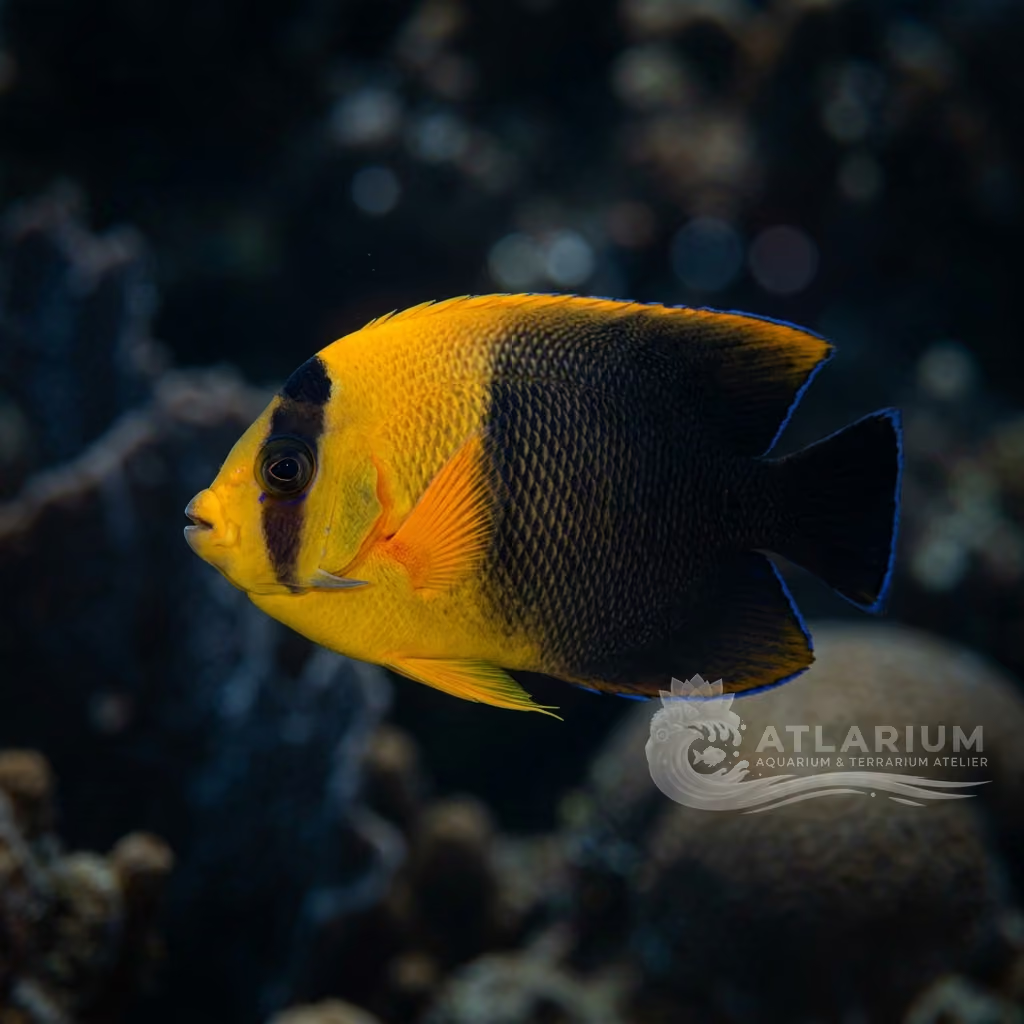
The conspicuous angelfish is an exquisite, peaceful gem from the Coral Sea. Sporting a distinctive blue eye-ring, it thrives in large, stable systems with abundant live rock and heavy filtration.
Wassertemperatur
20 - 24 °C
pH-Wert
8.1 - 8.4
Wassertyp
Meerwasser
Tankfüllstand
Alle Ebenen
Erwachsenengröße
25 cm
Mindesttankvolumen
>= 600 L
Mindestgruppe
>= 1
KH
8 - 12 dKH

Artbeschreibung
Geographical Origin and Habitat: Restricted to the Southwest Pacific, including the Coral Sea, southern Great Barrier Reef, New Caledonia, and Lord Howe Island. It inhabits outer reef slopes and drop-offs at depths between 10 and 40 meters, preferring areas with good water current and abundant sponge growth.
Taxonomy and Morphology: Belongs to the family Pomacanthidae. Features an oval-shaped, laterally compressed body with a velvety skin texture typical of the genus Chaetodontoplus. Reaches up to 25 centimeters in standard length as an adult, developing a robust build and broad dorsal and anal fins.
Social Behavior: Generally a peaceful and shy species, found singly or in stable pairs. It often displays initial shyness when introduced to an aquarium and takes time to adapt to human presence. It shows intolerance towards other males of its genus but ignores fish from other families.
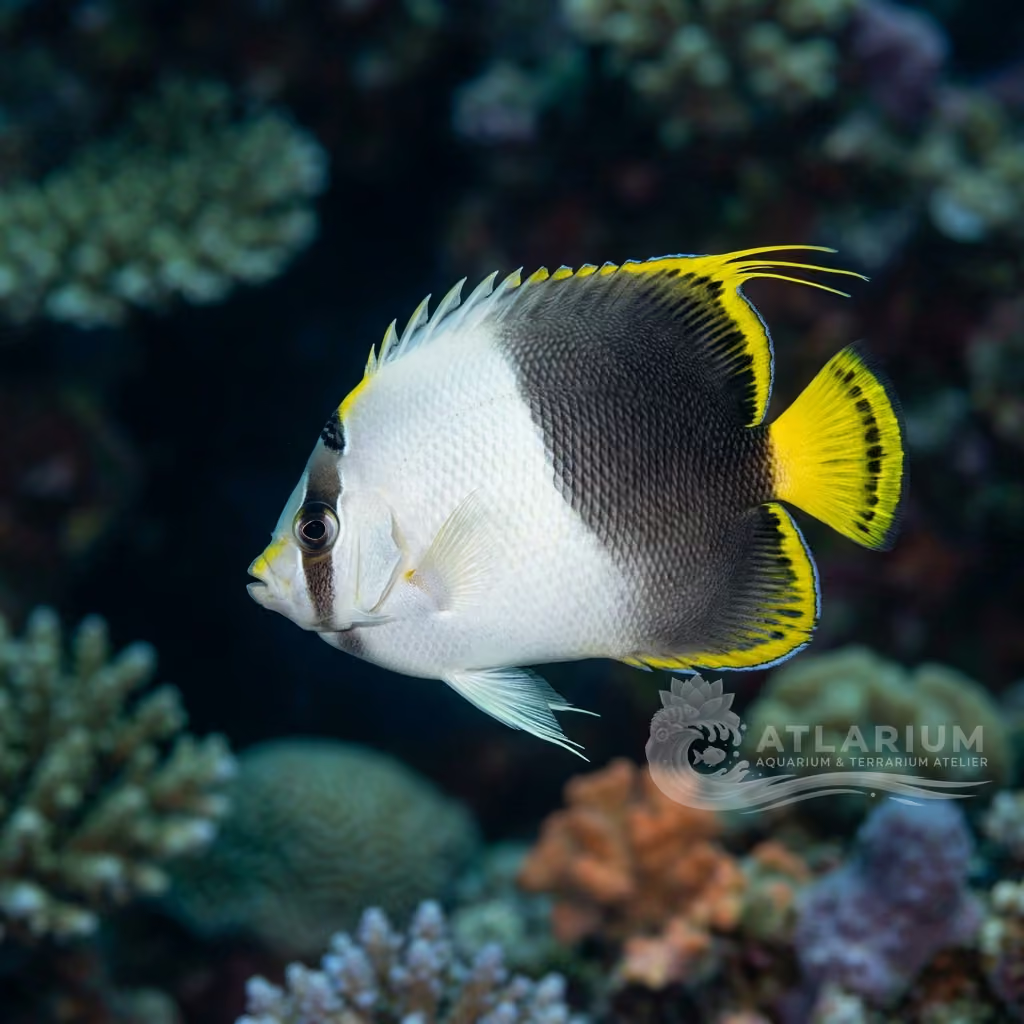
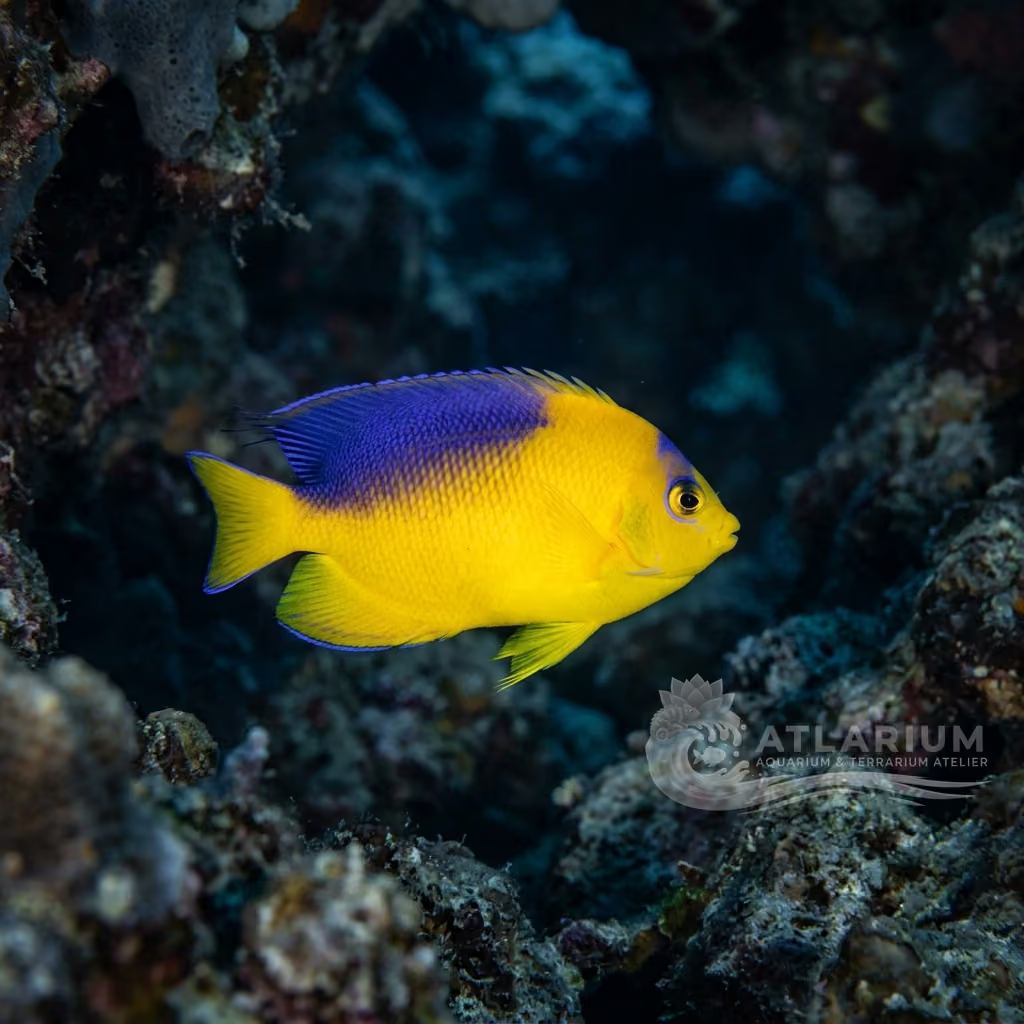
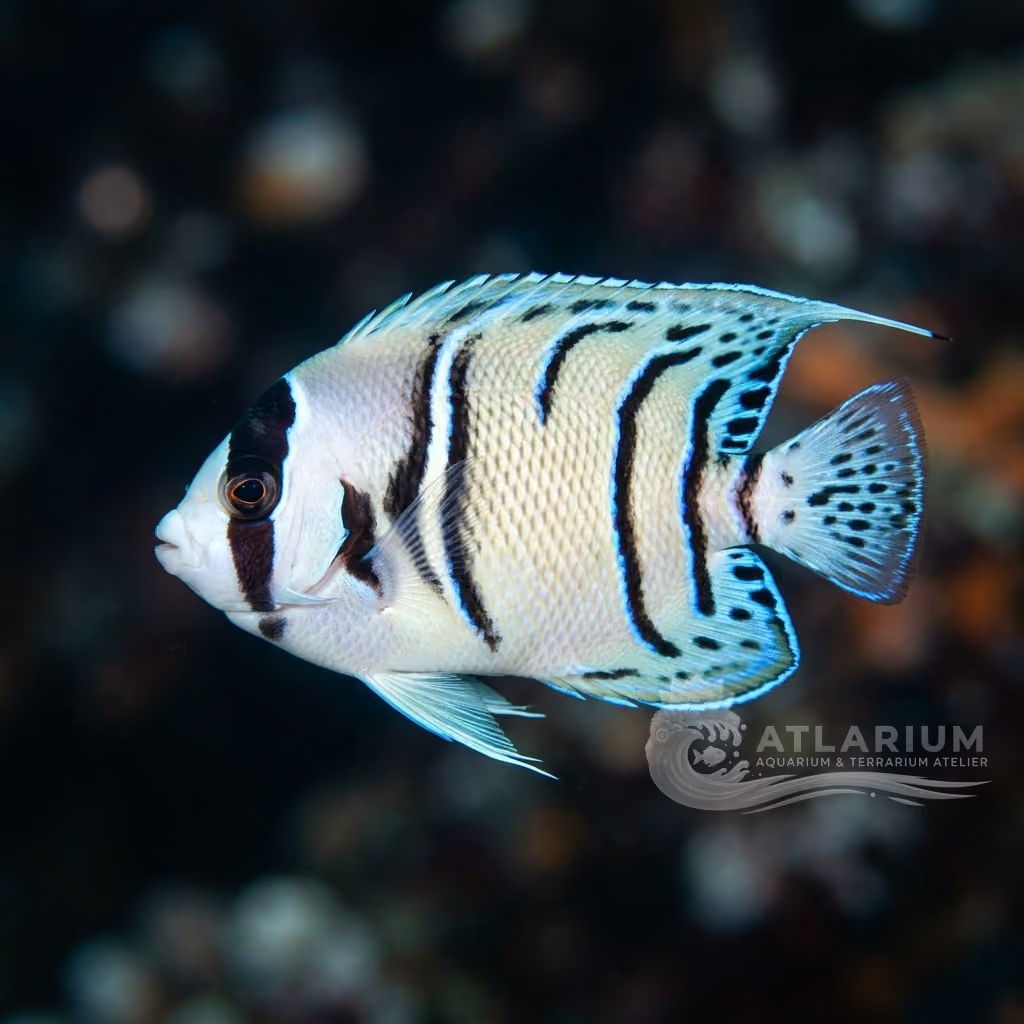
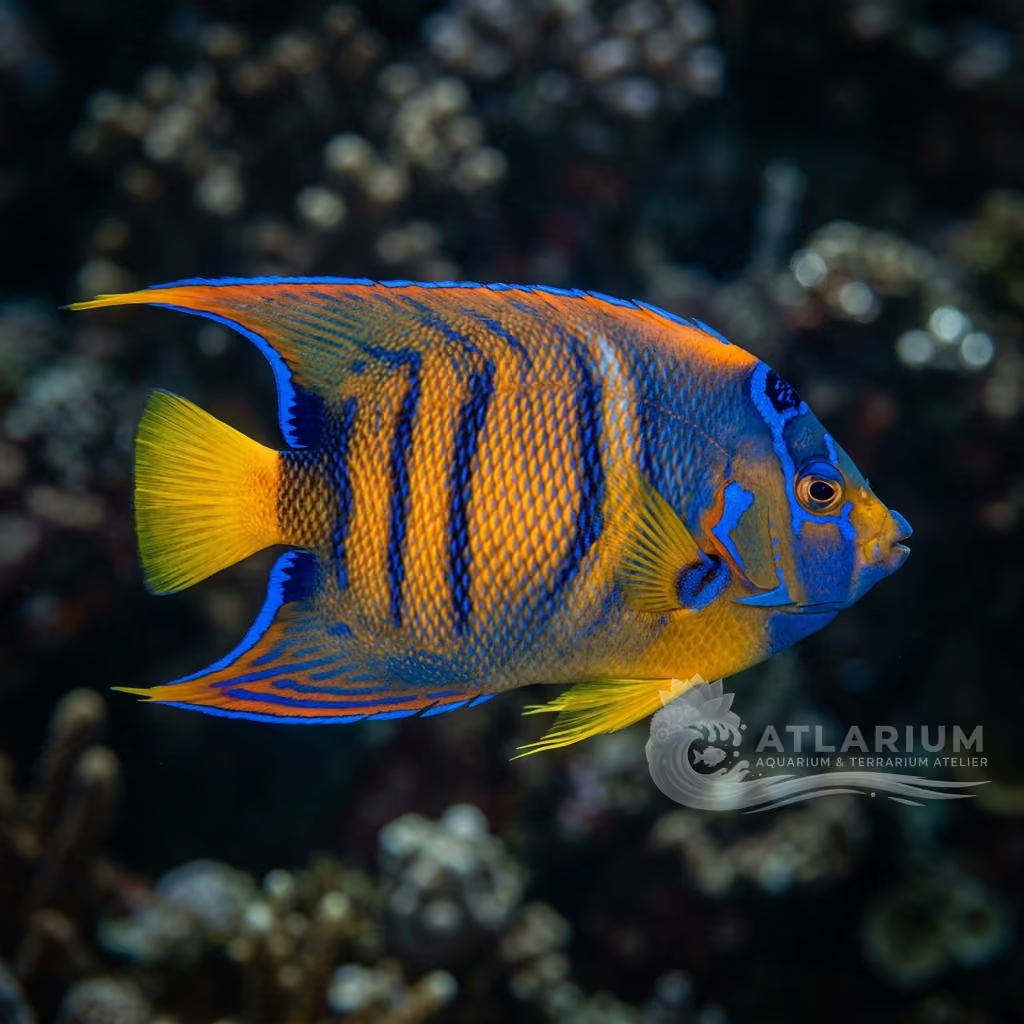
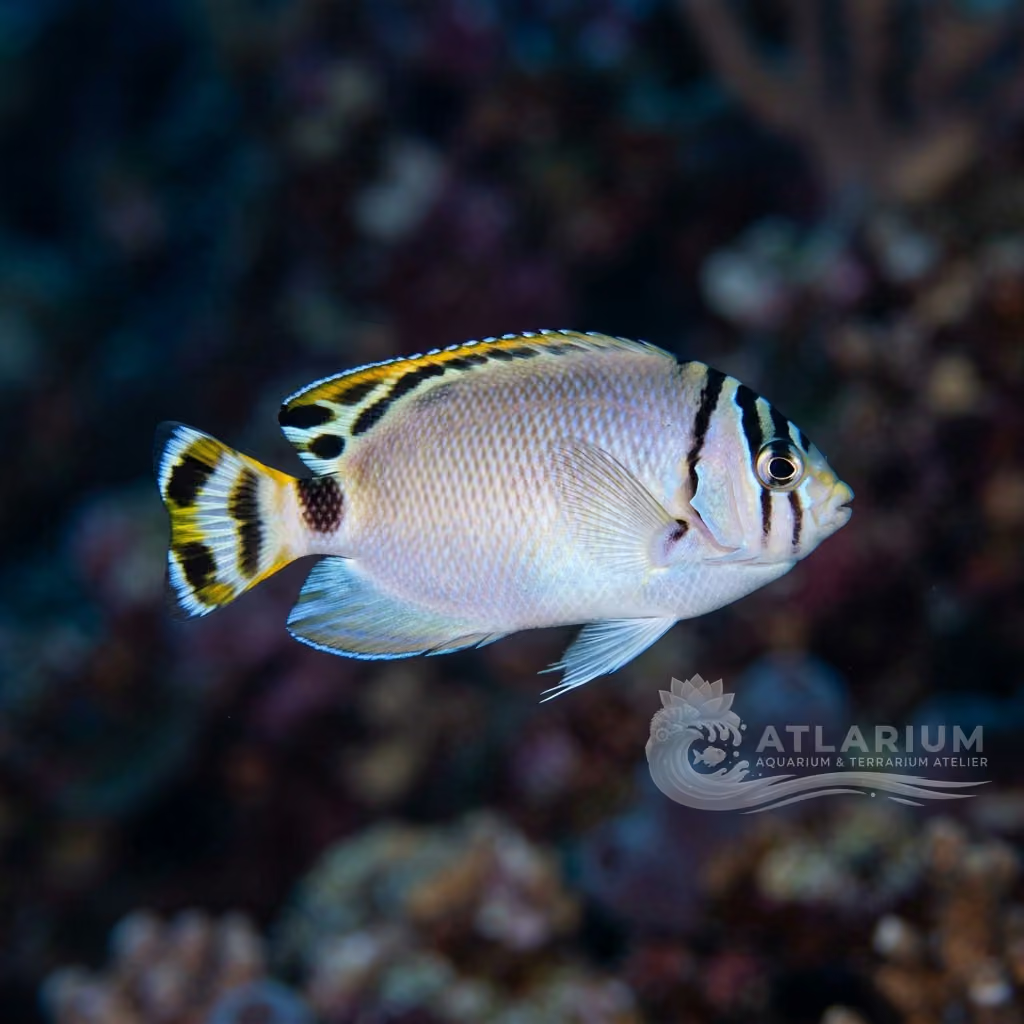
Coloration and Sexual Dimorphism: The body is blue-grey with darker margins on the scales. The face is bright yellow-orange, adorned with a characteristic neon-blue ring around the eyes (resembling spectacles) and mouth. Pectoral fins are bright yellow. No distinct sexual dimorphism is present, making sexes visually identical.

Pflege, Zucht und Mitbewohner
Aquarium Setup: Requires a large aquarium of at least 600 liters with plenty of live rock arranged to form large caves and wide passages. It prefers shaded areas and solid rock formations. A heavy-duty filtration system is essential to handle the bioload of this large angelfish.
Diet and Feeding: Feeds on sponges, tunicates, and algae in the wild. In the aquarium, it must be provided with a varied diet of frozen foods (mysis, krill, brine shrimp), specialized angelfish preparations containing sponges, nori algae, and vitamin-enriched dry foods. Feed multiple times daily.
Water Quality: Prefers slightly cooler temperatures than typical tropical angelfish (20-24 °C or 68-75 °F), as it is a subtropical species. The pH must be kept between 8.1 and 8.4, with specific gravity stable at 1.020-1.025. Absolute stability of chemical parameters is critical.
Compatibility and Cohabitation: Very peaceful with other species, but can be bullied by dominant tangs if introduced after them. It does not tolerate conspecifics. It is not considered reef-safe as it tends to nip and damage large-polyp stony corals (LPS), soft corals, and clams.
Aquarium Breeding: Extremely rare in the hobby. Courtship and spawning typically occur at the end of the day in open waters. Rearing the larvae is highly complex and requires specific protocols and appropriate live plankton cultures.
Risks and Diseases: Highly sensitive to shipping stress, initial starvation, and skin parasites (Cryptocaryon, Amyloodinium). Requires a slow acclimation in a quiet environment. It does not tolerate high copper concentrations, which must be avoided during treatments.

Geografische Herkunft und Verbreitung
Restricted to the Southwest Pacific, including the Coral Sea, southern Great Barrier Reef, New Caledonia, and Lord Howe Island. It inhabits outer reef slopes and drop-offs at depths between 10 and 40 meters, preferring areas with good water current and abundant sponge growth.
Ursprung
Tropische Ozeane und RiffeAustralien, Neuguinea und Ozeanien

Fischprofil
- Temperament
- Semi-aggressive
- This species generally exhibits a peaceful to semi-aggressive temperament within the marine community aquarium. They are notoriously territorial toward other angelfish, especially members of their own genus or fish with similar body profiles. It is usually best to introduce them as one of the final additions to an established tank using an acclimation box. Once settled, they display a bold and curious personality, often interacting engagingly with their caretakers.
- Diät
- Omnivore
- In the wild, this angelfish relies heavily on a specialized diet consisting of sponges and tunicates. To successfully maintain them in captivity, you must provide a high-quality, varied omnivorous diet. Offer angelfish-specific commercial preparations containing sponge matter, alongside frozen mysis shrimp and spirulina-enriched brine shrimp. Supplementing their meals with dried seaweed on a grazing clip will also help satisfy their constant foraging instincts.
- Lebenserwartung
- 8-15 years
- Erwachsenengröße
- 25 cm
- Geschlechterverhältnis
- Solitary
- In their natural habitat, these angelfish are protogynous hermaphrodites that typically form pairs or small harems. A single dominant male will fiercely defend a territory containing one or several females. For captive environments, it is generally recommended to keep them singly unless you have a massive aquarium. If attempting to house multiple individuals, introducing a known mated pair is the safest approach to prevent severe aggression.
- Fütterungsfrequenz
- Twice daily
- Because of their active nature and high metabolic needs, this angelfish requires multiple feedings throughout the day. It is highly recommended to offer them small portions of food three to five times daily. This frequent feeding schedule closely mimics their natural continuous grazing behavior on the reef. Maintaining this routine is especially critical for juveniles and recently introduced specimens to prevent dangerous weight loss.
- Bioload
- High
- This large and active species contributes a significantly high bioload to the marine aquarium. Because they require frequent feeding with meaty and specialized foods, waste production is quite substantial. Aquarists must employ robust filtration systems and heavy protein skimming to maintain optimal water quality. Regular, large water changes are also necessary to prevent the accumulation of harmful nitrates and phosphates.
- Fluss
- Strong
- The Conspicuous Angelfish prefers moderate to strong water flow that mimics the dynamic currents of their natural reef habitats. Robust water movement helps maintain high dissolved oxygen levels, which are crucial for this active species. However, it is equally important to arrange the rockwork to create calmer resting areas where the fish can retreat. Balancing strong open-water currents with sheltered zones ensures the fish remains healthy and stress-free.
- Sprungrisiko
- Yes
- While not traditionally known as chronic jumpers, these angelfish absolutely possess the ability to leap from an open aquarium. They can easily become startled by sudden movements outside the glass or by aggression from tank mates. A tightly fitting lid or a secure mesh canopy is strongly recommended to prevent accidental escapes. Protecting your significant investment with a simple physical barrier is a necessary precaution for this rare species.
- Reproduktion
- Not bred in captivity
- Reproduction in home aquariums is exceptionally rare, though commercial captive breeding has recently become successful. These fish are pelagic spawners that engage in a spiraling courtship dance toward the water's surface at dusk. During this synchronized ritual, the pair simultaneously releases their eggs and sperm into the water column. Raising the resulting larvae requires highly specialized microscopic live foods and dedicated rearing facilities.
- Kompatibilität & Tankkameraden
- Peaceful
- This species is considered reef-safe with caution, as it carries a notorious reputation for nipping at corals. They frequently graze on large-polyp stony corals, soft corals, clam mantles, and decorative tubeworms. They are best housed in large fish-only-with-live-rock (FOWLR) setups or with carefully selected, noxious soft corals. Care should be taken to avoid housing them with overly aggressive tank mates or other similarly shaped angelfish.
- Tankfüllstand
- All levels
- The Conspicuous Angelfish is a highly active swimmer that utilizes all levels of the aquarium. They spend a considerable amount of time grazing on live rock formations in the lower and middle sections of the tank. However, they will frequently swim up into the open water column to investigate their surroundings or accept food. Providing plenty of vertical swimming space alongside complex rockwork caters perfectly to their natural behavior.

Wissenschaftliche Modelle & Parameter
FishBase
Zugang zu den offiziellen wissenschaftlichen Daten der Art
Daten synchronisiert am: 15.06.2026
- Trophäenniveau
- 2,6 ± 0 se
- Belastbarkeit
- Hoch (weniger als 15 Monate)
- Phylogenetische Einzigartigkeit (PD50)
- 0.5
- Bayessche Längen-Gewichts-Beziehung
- a = 0.0302, b = 2.89
- AnfälligkeitGeringe Anfälligkeit (10 / 100)

Verwandte Arten
Empfehlungen gruppiert nach nahen Verwandten, Auswahl von Begleitern und ähnlicher Betreuung.