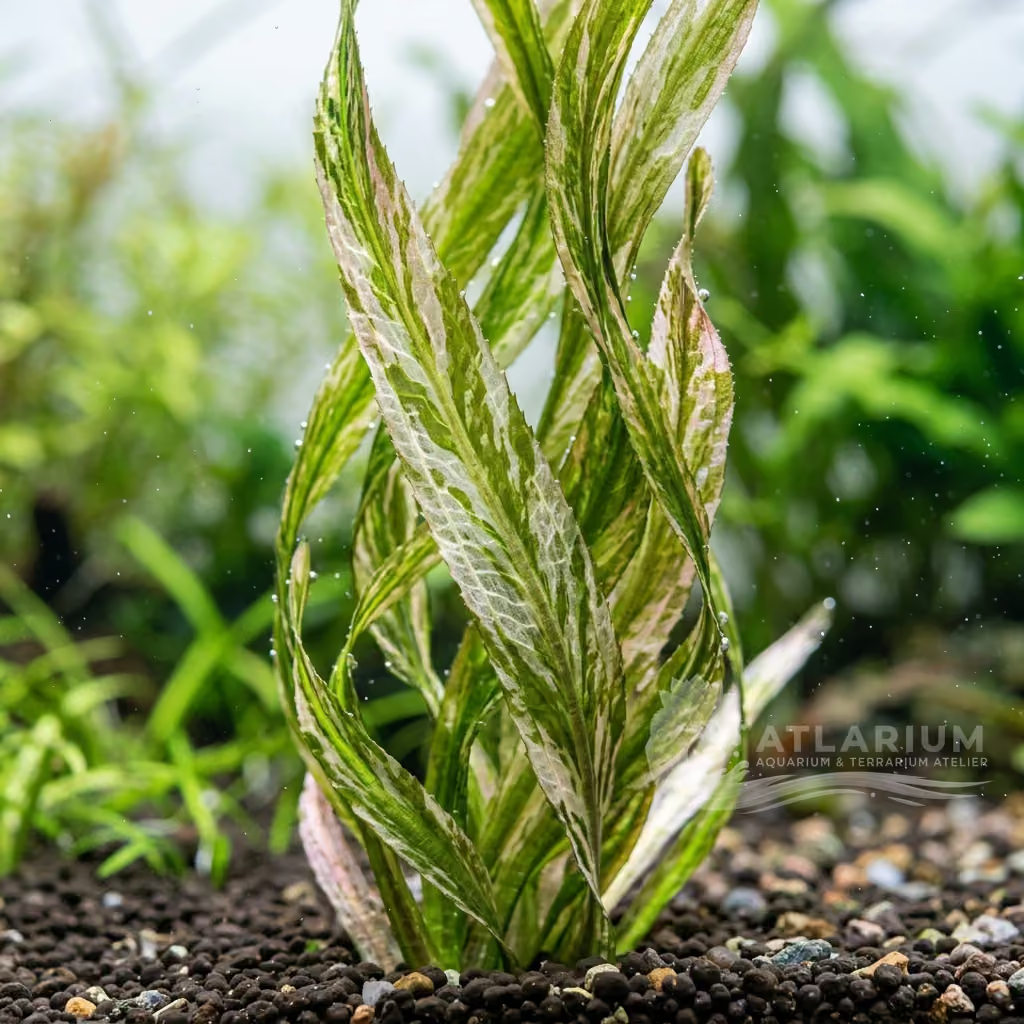
Tonina sp. 'Belém'
Tonina sp. 'Belém'
Tonina sp. 'Belém' is an elegant stem plant often placed in the midground, valued for its delicate foliage and moderate growth rate. Its unique texture and compact form make it a focal point, especially in high-tech planted aquariums.
Temperatura da água
22 - 28 °C
Valor de pH
6 - 7.5
Tipo de água
Água doce
Luz
Média - Alta
CO2
Média - Alta
Altura esperada
25 cm
Largura esperada
7 cm
KH
2 - 10 dKH

Descrição da espécie
Geographical Origin and Habitat: Tonina sp. 'Belém' derives its name from the city of Belém in Brazil, indicating its likely origin from the Amazonian regions or adjacent areas. In their natural habitat, Tonina species thrive in slow to moderately flowing tropical waters, characterized by extremely soft, acidic, and nutrient-rich dissolved minerals. These riverine and swampy environments, often with sandy or silty substrates, provide ideal conditions for the growth of this delicate plant, which is adapted to seasonal fluctuations in water levels. Its presence in such contexts highlights its preference for specific physico-chemical conditions within the aquarium.
Taxonomy & Genetics: Belonging to the family Eriocaulaceae, Tonina sp. 'Belém' is classified as an undescribed species or a specific local variant of a known species. Eriocaulaceae are unique monocotyledonous plants, often mistaken for dicots due to their rosette or stem-like growth habit. Although closely related to other Tonina species like Tonina fluviatilis, 'Belém' distinguishes itself through specific morphological characteristics and an overall growth form that makes it unique. The 'sp.' designation emphasizes the need for further taxonomic studies to precisely define its botanical identity.
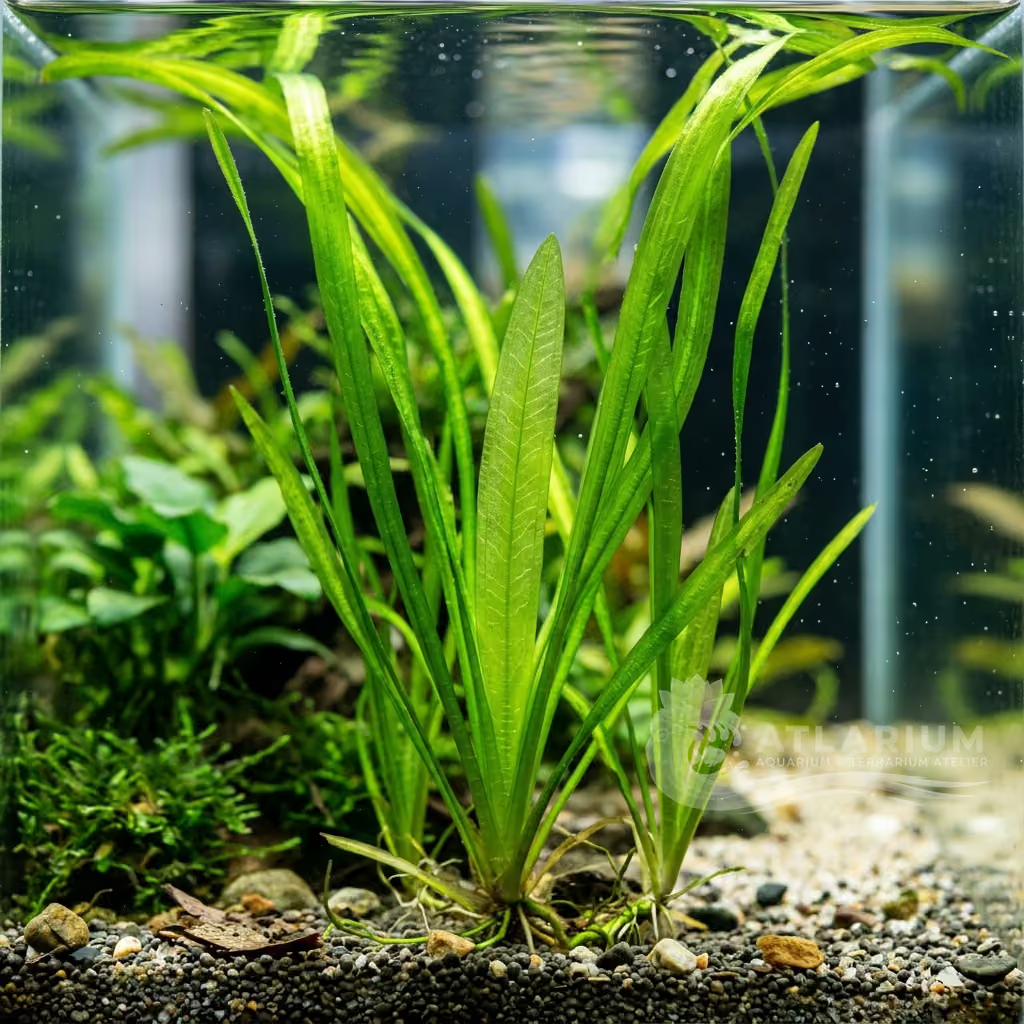
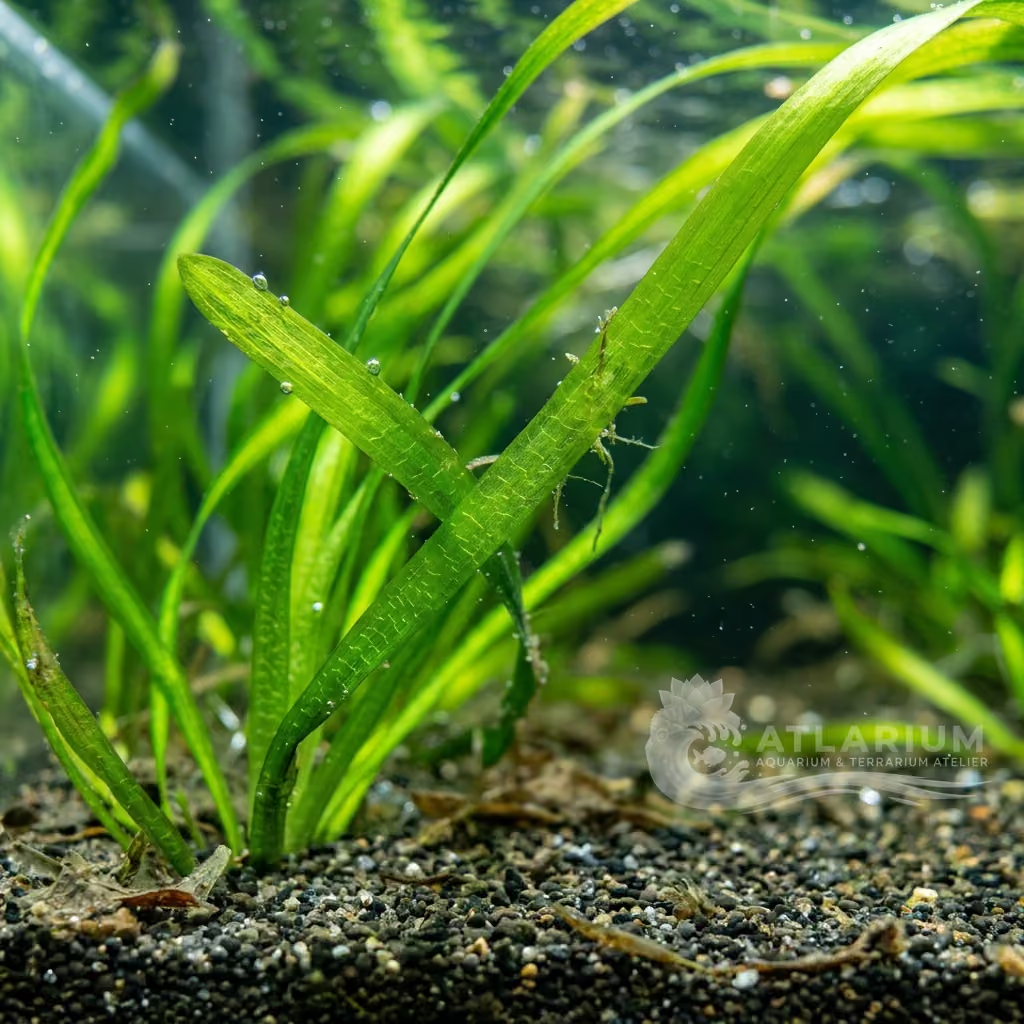
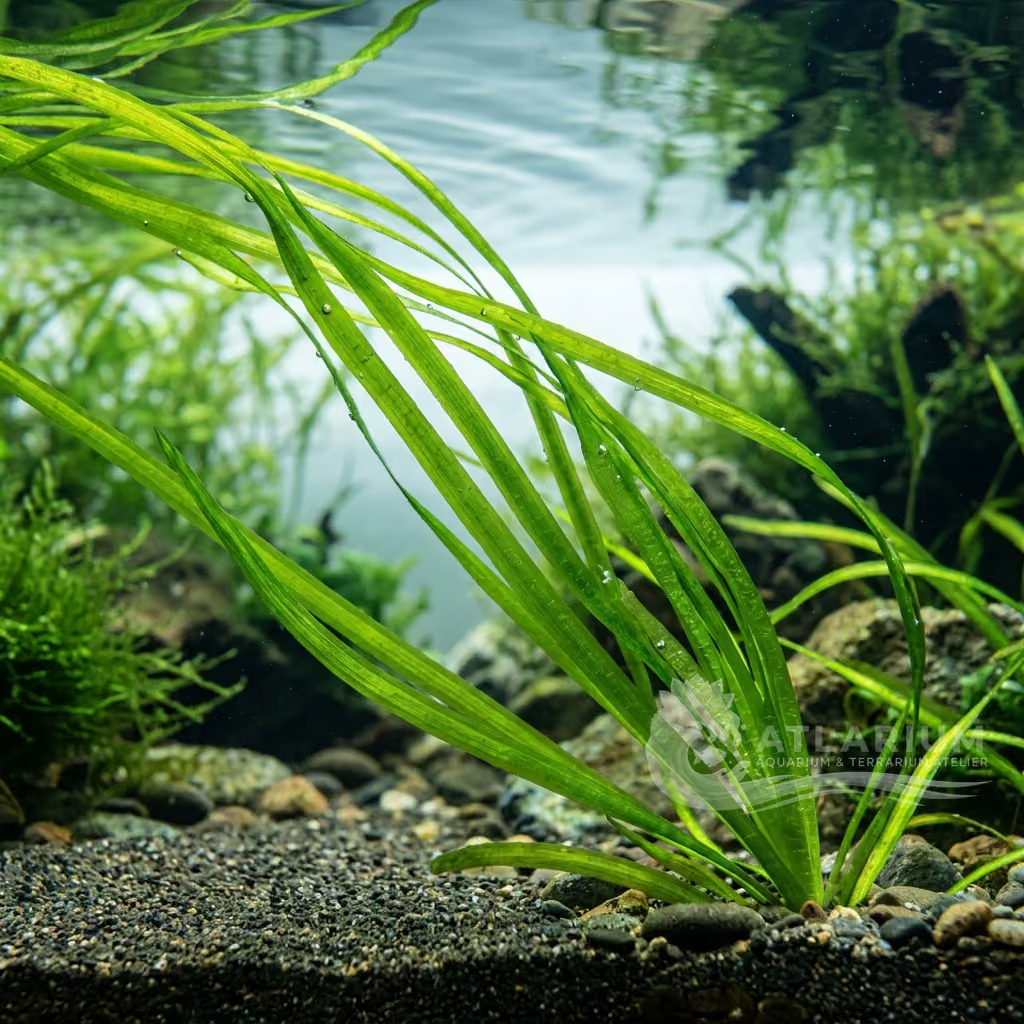
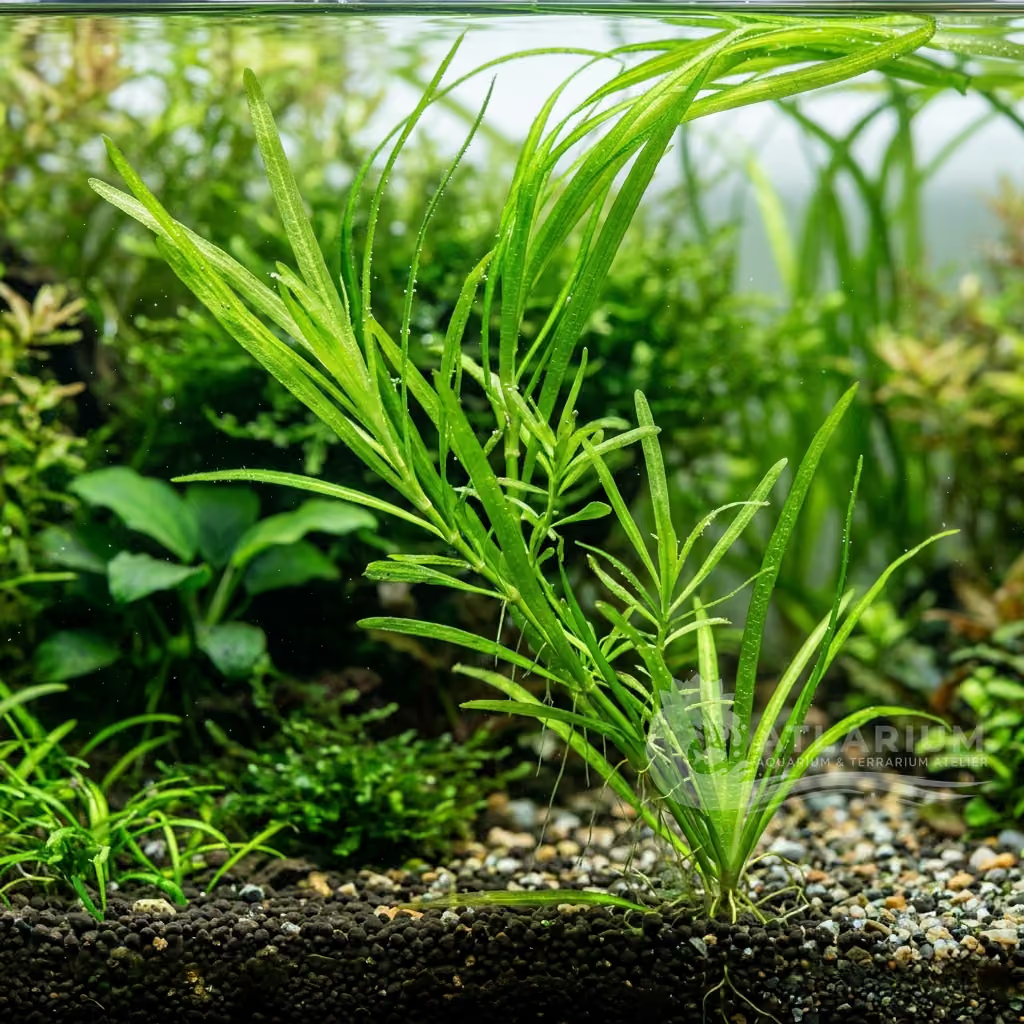
Physical Structure: Tonina sp. 'Belém' develops a relatively robust stem from which dense leaves emerge in spirals or whorls, giving it a bushy and compact appearance. The leaves are small, lanceolate or needle-like, and overlap densely, creating a refined texture and significant volume. Although it does not reach excessive heights, its vertical growth is steady, and under optimal conditions, it can form lateral branches from the base or lower nodes. The overall structure is that of a stem plant which, if properly pruned, can achieve a conical or spherical shape, enhancing the depth of the aquascape.
Color & Texture: The predominant color of Tonina sp. 'Belém' is a vibrant and bright green, which under intense lighting can develop slightly golden or even pinkish hues on the tips of younger leaves. The leaf surface is smooth and slightly translucent, contributing to its visual delicacy. The density of its foliage creates a "feathery" or "velvety" effect that catches the light uniquely, making it an attractive focal point in any aquascape. This combination of color and texture makes it excellent for contrasting with wider-leaved or darker-colored plants.

Cuidado, criação e companheiros de tanque
Lighting & CO2: For Tonina sp. 'Belém', while "medium light" is indicated, intense lighting is often preferred to stimulate robust growth and optimal coloration, preventing internode elongation. The photoperiod should be 8-10 hours per day, maintaining adequate intensity (e.g., 0.5-0.8 W/L with quality LEDs). Consistent and generous CO2 injection is a fundamental requirement for this plant; levels between 25-35 mg/L are crucial for photosynthesis and preventing deterioration. Sudden variations in CO2 levels can cause significant stress, leading to foliage melt.
Nutrition & Substrate: Tonina sp. 'Belém' is a demanding plant in terms of nutrition, benefiting from both a rich substrate and
Water Chemistry: Maintaining stable water parameters is vital for Tonina sp. 'Belém', which thrives in soft and slightly acidic water. The ideal temperature ranges between 20 and 28 C, avoiding thermal shocks that can stress the plant. pH should be kept between 6.0 and 7.5, with a preference for the more acidic side of this range, while carbonate hardness (KH) must be low, ideally between 2 and 6 dKH, although it tolerates up to 12 dKH. Lower KH values facilitate CO2 assimilation and support the water conditions of its natural habitat. Regular and consistent water changes (25-30% weekly) with RO water reconstituted with specific aquarium salts are recommended to maintain purity and parameter stability.
Space Management & Placement: Tonina sp. 'Belém' is a plant suitable for midground placement in the aquarium, where its compact form and dense foliage can create an interesting contrast. Given its moderate height and tendency to branch, it can be used to form dense "bushes" that add depth and texture to the layout. It is advisable to plant it in groups of 3-5 stems, maintaining a slight distance between them to allow for good water circulation and light access. Avoid planting it in overly shaded areas or too close to other fast-growing plants that might outcompete it.
Pruning: Pruning Tonina sp. 'Belém' is essential to maintain its desired shape and stimulate bushier growth. When the main stem reaches the desired height or begins to lose lower leaves, the top can be cut, leaving at least 3-4 nodes on the lower portion. The cut tops can be replanted directly into the substrate to propagate the plant. It is also possible to remove overly long lateral branches to maintain a more compact shape or to propagate new individuals. Regular pruning helps prevent the lower stems from becoming woody and maintains the plant's vitality.
Risks & Diseases: Tonina sp. 'Belém' is susceptible to several risks, primarily related to the stability of the aquatic environment. Foliage and stem "melting" is a common problem, often triggered by sudden variations in CO2, pH, KH, temperature, or nutrient deficiencies. Its sensitivity to heavy metals and certain algaecides makes it vulnerable, and exposure can cause leaf necrosis. It is also prone to stem rot if substrate conditions are anaerobic or if there is an excess of organic matter. Carefully monitoring parameters and environmental conditions is crucial to prevent these issues.

Origem e distribuição geográfica
Tonina sp. 'Belém' derives its name from the city of Belém in Brazil, indicating its likely origin from the Amazonian regions or adjacent areas. In their natural habitat, Tonina species thrive in slow to moderately flowing tropical waters, characterized by extremely soft, acidic, and nutrient-rich dissolved minerals. These riverine and swampy environments, often with sandy or silty substrates, provide ideal conditions for the growth of this delicate plant, which is adapted to seasonal fluctuations in water levels. Its presence in such contexts highlights its preference for specific physico-chemical conditions within the aquarium.
Origem
Amazônia, Orinoco e Guianas

Perfil da planta
- Posicionamento
- Plano intermediário
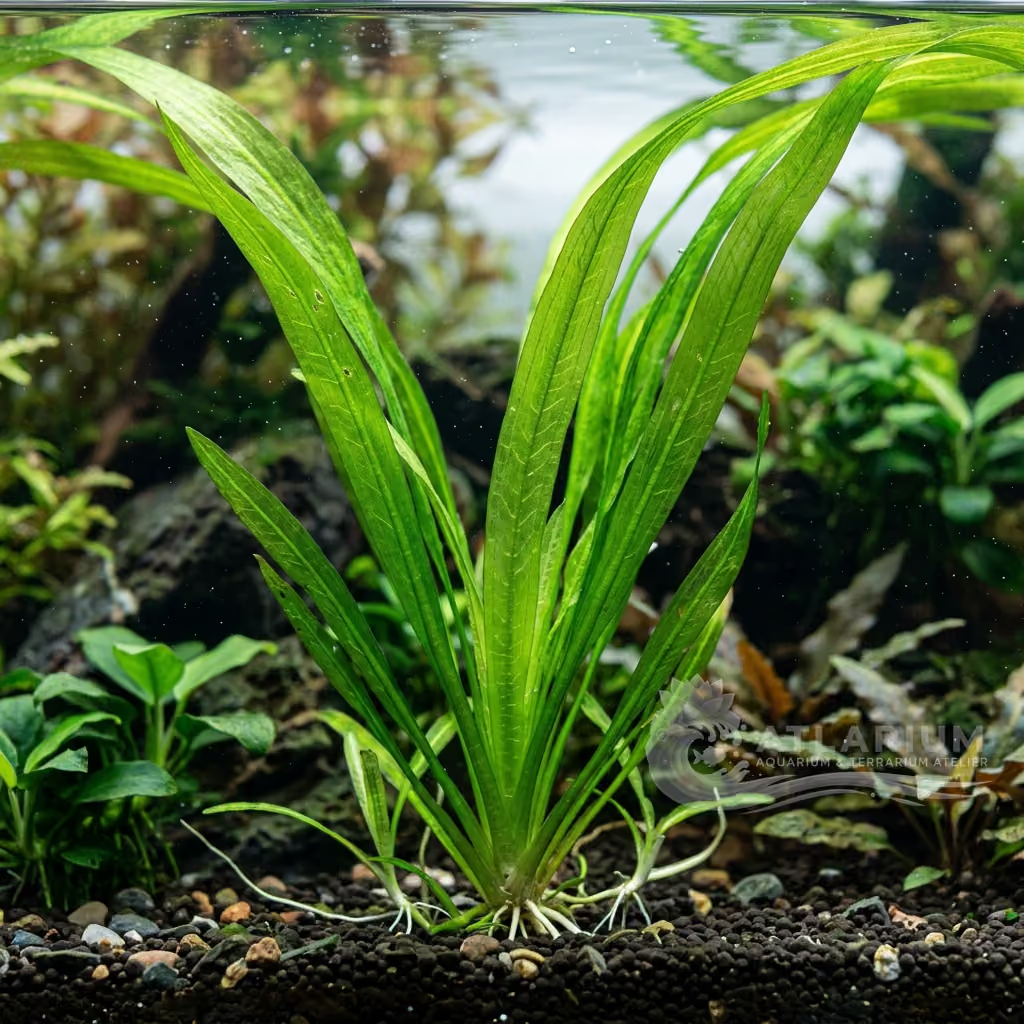
- This plant is best placed in the midground where its unique, star-like foliage can be appreciated. It must be planted in areas with completely unobstructed light, as shaded stems will quickly deteriorate. Grouping multiple stems closely together creates a striking visual impact.
- Forma botânica
- Caule
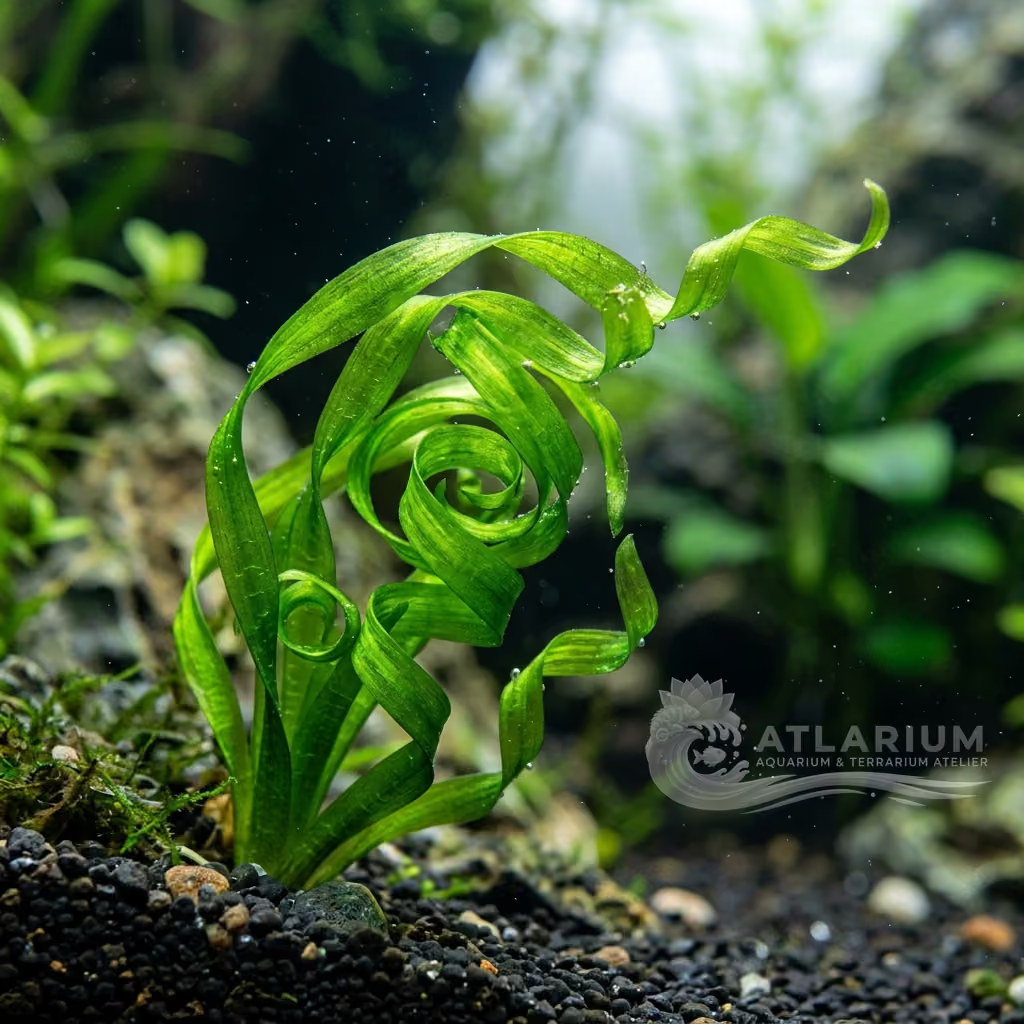
- It features a relatively thick stem surrounded by delicate, narrow leaves that arch downwards. Viewed from above, the crown resembles a perfect star or small umbrella. Its pale, fresh green color stands out significantly against darker plants.
- Crescimento
- Média
- Its growth rate is moderate when provided with optimal conditions, including high light and CO2. Under suboptimal conditions, growth will halt and the plant will rapidly decline. It grows straight upwards, forming a distinct umbrella-shaped top.
- Substrato
- Alta
- Tonina sp. 'Belém' is a highly demanding species that absolutely requires a rich, active aquasoil to flourish. It develops a substantial root network that heavily relies on the substrate for iron and trace elements, making nutrient-depleted gravel unsuitable. A substrate depth of around 6 to 8 centimeters provides the necessary room for root expansion and stability. Due to its preference for very soft and acidic conditions, an unbuffered, pH-lowering soil is essential to maintain its distinctive, tightly clustered crown.
- Fertilização de coluna
- Recomendada
- Regular water column fertilization is mandatory. It is highly responsive to liquid fertilizers containing ample trace elements, particularly iron. Without consistent fertilization, the growing tips will lose their vibrant color and become pale or translucent.
- Fertilização radicular
- Recomendada
- An acidic, nutrient-rich aquasoil is crucial for long-term health. The substrate helps buffer the pH down to the acidic levels this plant requires. Root tabs can provide a secondary nutrient source but cannot replace a high-quality soil.
- Corte
- Ocasional
- To trim, cut the top off and replant it; the remaining base will often branch out and produce new shoots. Frequent trimming encourages a bushier appearance. Ensure the lower sections receive adequate light after trimming to prevent rot.
- Propagação
- Estacas
- Propagation is simple via stem cuttings. Snip the top section and replant it directly into the soil. The cuttings root quickly in an ideal environment.
- Sensibilidade
- Moderada
- Extremely sensitive to water parameters, it demands very soft, acidic water (pH under 6.5, low KH/GH). It will not tolerate hard water or fluctuating conditions. High light and CO2 are non-negotiable for its survival.
- Função de layout
- Plano intermediário, group, accent
- Its unique texture makes it a perfect focal point or accent plant in the midground. It contrasts beautifully with broad-leafed plants or red species. It is a prized specimen in Dutch aquascapes and South American biotope-inspired setups.

Espécies relacionadas
Recomendações agrupadas por parentes próximos, escolhas de acompanhantes e cuidados semelhantes.