Syngonanthus sp. 'Belém'
Syngonanthus sp. 'Belém'
Syngonanthus sp. 'Belém' is a sophisticated midground aquarium plant known for its medium growth rate and bushy habit. When properly cared for, this species becomes a distinctive and captivating element in any aquatic layout.
Temperatura da água
22 - 28 °C
Valor de pH
6 - 7.5
Tipo de água
Água doce
Luz
Média - Alta
CO2
Média - Alta
Altura esperada
25 cm
Largura esperada
10 cm
KH
2 - 10 dKH

Descrição da espécie
Geographical Origin and Habitat: This variety of Syngonanthus originates from the tropical regions of Brazil, specifically associated with the city of Belém, from which it derives its name. Its natural habitat includes soft, pristine waters, often in marshy areas or along the banks of rivers and streams with organically rich substrates. Environmental conditions in these locations are characterized by high humidity and filtered sunlight, which contribute to its optimal development. The plant has adapted to thrive in a dynamic aquatic environment where the stability of chemical parameters is crucial.
Taxonomy & Genetics: Syngonanthus sp. 'Belém' belongs to the Eriocaulaceae family, a group of predominantly aquatic and marsh plants known for their characteristic inflorescences, though rarely seen in aquariums. The "sp." designation indicates that it is an undescribed species or a specific variety with distinct traits, making it of particular interest to hobbyists. Eriocaulaceae are noted for their genetic complexity and specific cultivation requirements, often demanding very precise environmental conditions. Understanding its taxonomic placement helps predict its needs and its response to the aquatic environment.
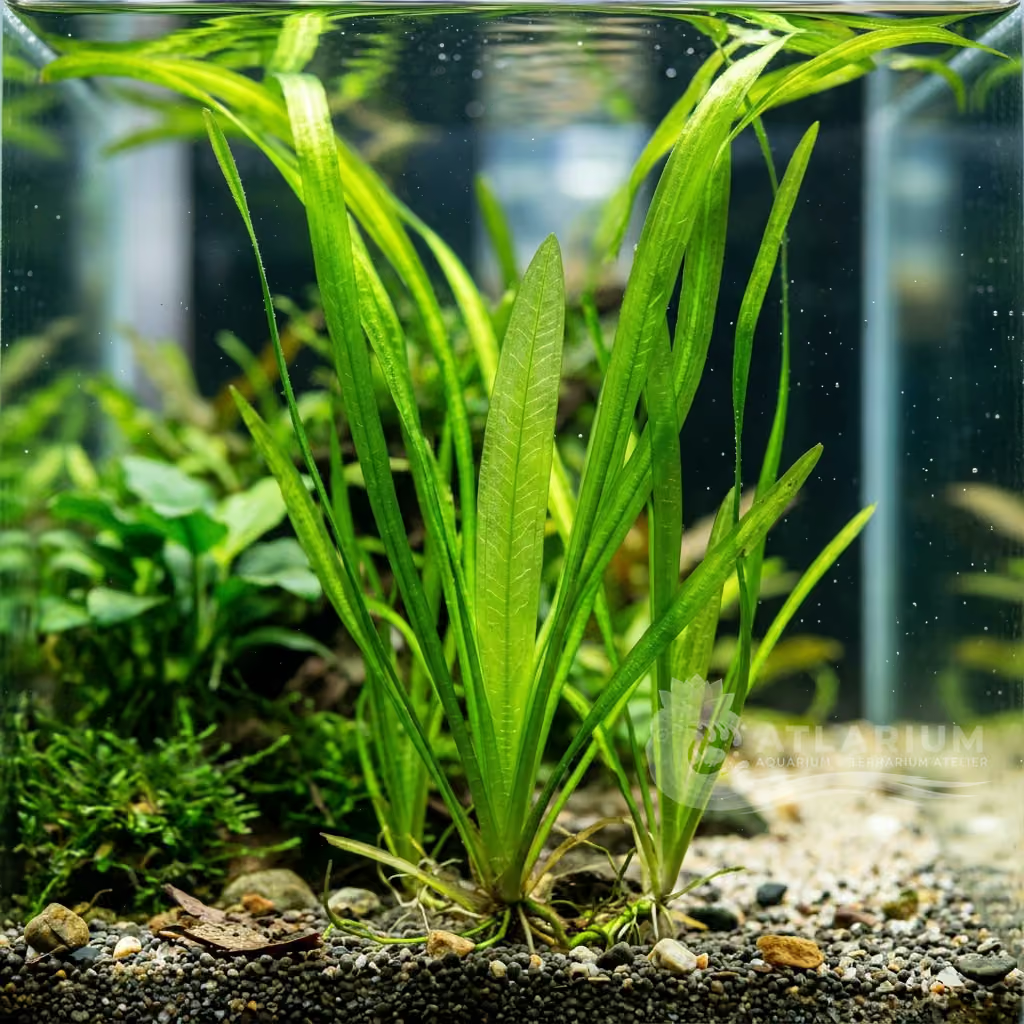
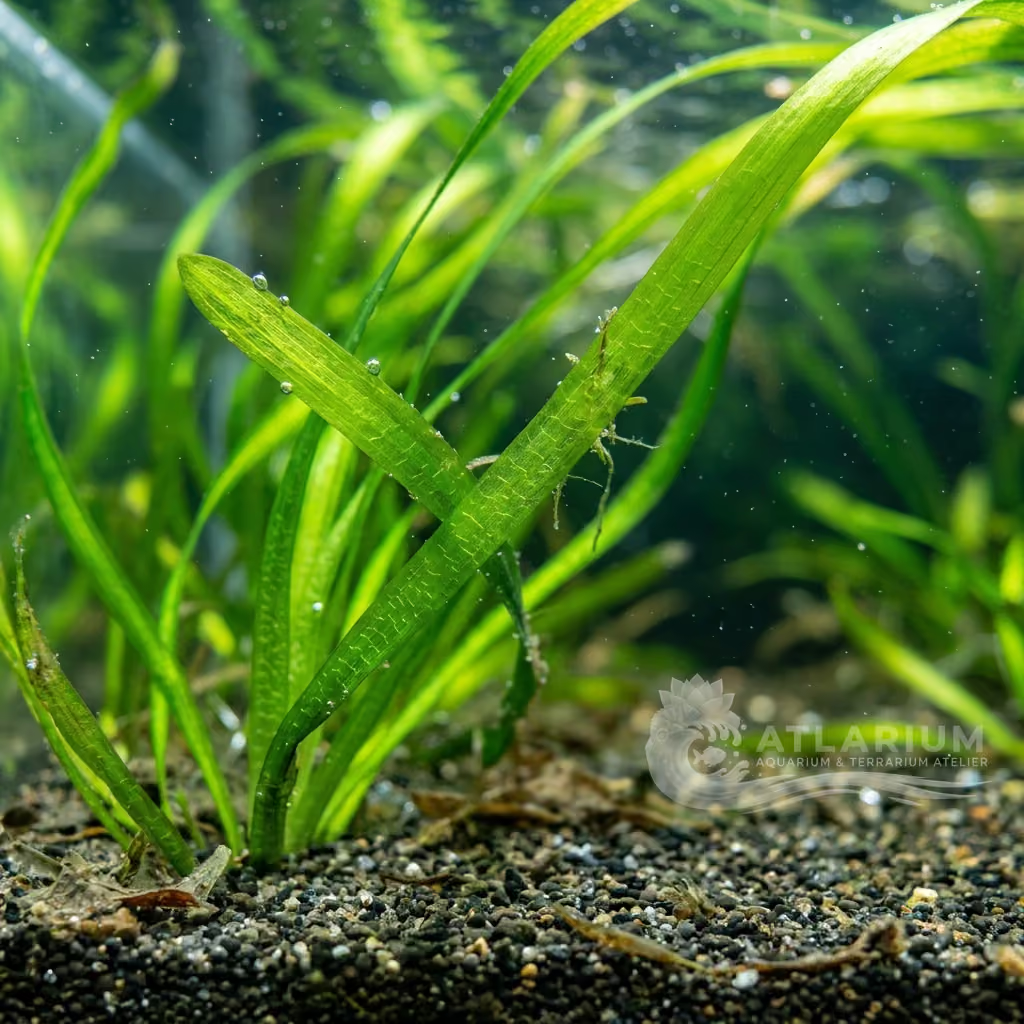
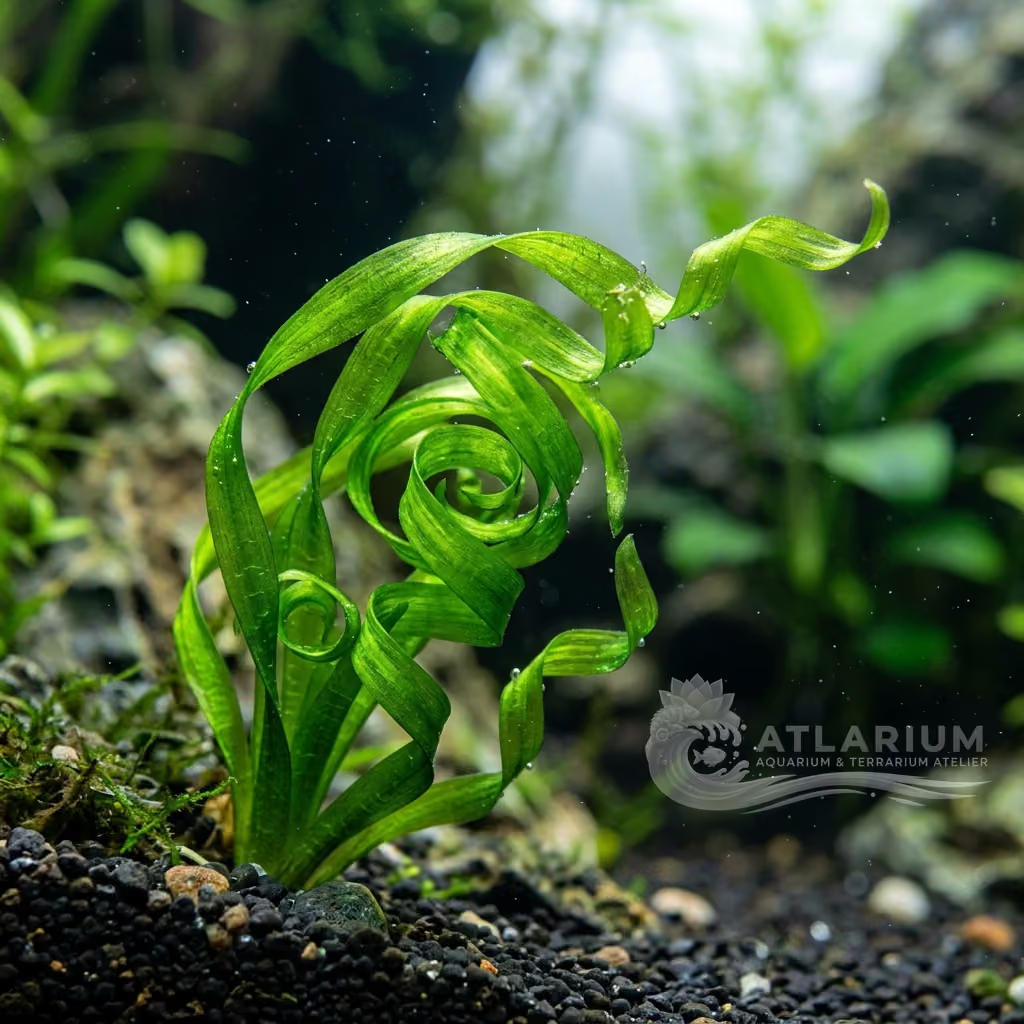
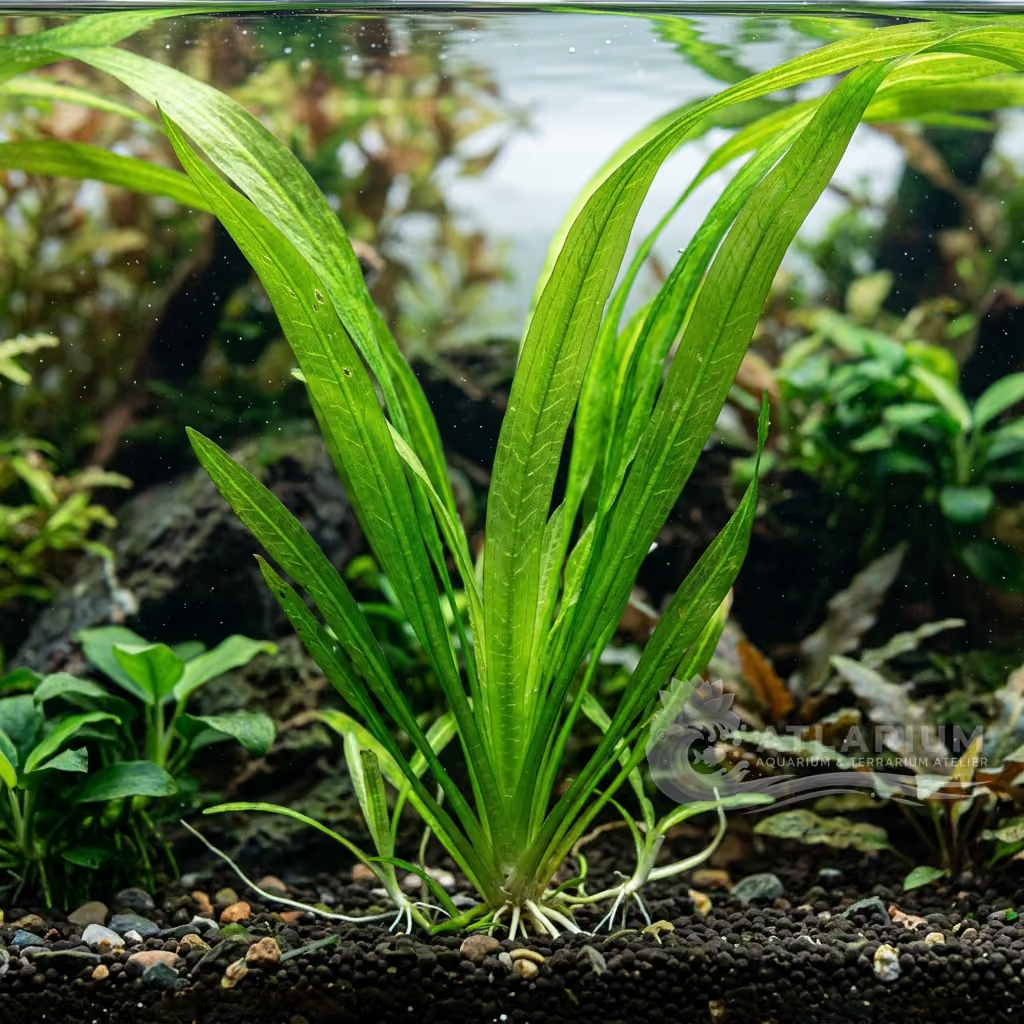
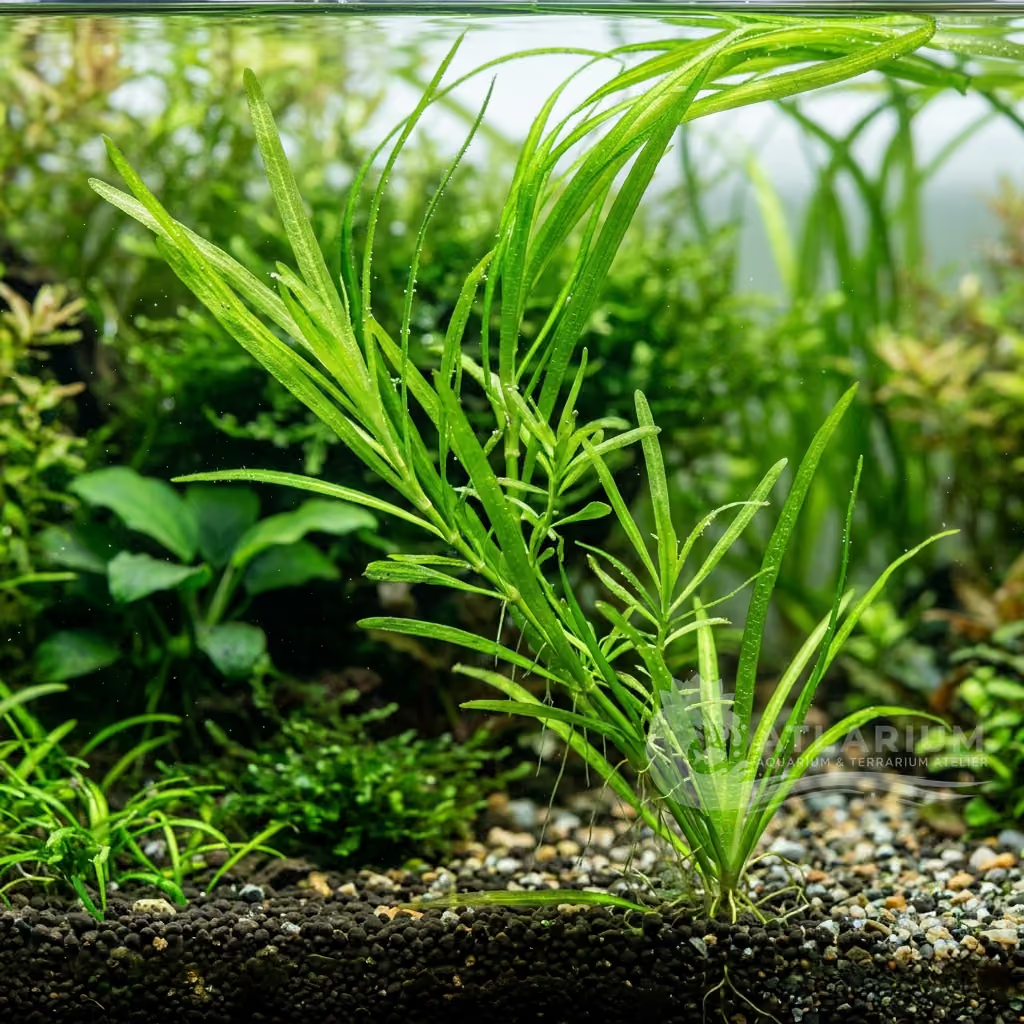
Physical Structure: Syngonanthus sp. 'Belém' exhibits a distinctive physical structure, characterized by an erect stem that can branch profusely, forming a dense bush. The leaves are extremely fine, needle-like, and arranged radially along the stem, giving the plant a delicate and feathery appearance. Each stem can reach a considerable height if left to grow freely, but is usually maintained at manageable sizes through pruning. Growth occurs from the apical point, while lower leaves may wither if conditions are not optimal or light does not reach them adequately.
Color & Texture: The coloration of Syngonanthus sp. 'Belém' is typically a vibrant, bright green, which can take on subtle golden or reddish hues at the leaf tips under intense lighting and adequate micronutrient supplementation. The texture of its leaves is extremely fine and almost translucent, giving it an ethereal and light appearance. This combination of color and texture makes it an excellent contrasting element in aquascapes, creating a sense of depth and delicacy. Its smooth surface and dense growth beautifully catch and reflect light.

Cuidado, criação e companheiros de tanque
Lighting & CO2: For Syngonanthus sp. 'Belém', medium intensity light is the minimum requirement for healthy growth, but to enhance its coloration and promote more compact growth, more intense illumination is recommended. CO2 injection is almost indispensable for this species, favoring an optimal photosynthesis rate and preventing growth stagnation. A constant supply of 20-30 mg/L of CO2 is ideal for maintaining the plant's active metabolism and preventing deficiencies. The quality of light, including its uniform distribution, directly influences the foliage's density and vibrancy.
Nutrition & Substrate: Syngonanthus sp. 'Belém' is a demanding plant in terms of nutrition, requiring a rich substrate and complete, balanced liquid fertilization. It is crucial to provide all macronutrients (nitrogen, phosphorus, potassium) and, in particular, a wide range of micronutrients, including iron and manganese, to prevent chlorosis and maintain vibrant color. An active or nutrient-enriched substrate is highly recommended to provide root nutrition. Nutrient deficiency, especially iron, can manifest as yellowing of new leaves and stunted growth.
Water Chemistry: This species thrives in soft, slightly acidic water, with an ideal pH range between 6.0 and 7.5 and a carbonate hardness (KH) between 2 and 12. Water parameter stability is of primary importance, as sudden fluctuations can cause stress and deterioration. Maintaining a consistent temperature between 20 and 28 C is crucial for its metabolic health and to prevent thermal shock. The use of remineralized RO water or soft water is recommended to achieve and maintain optimal conditions.
Space Management & Placement: Syngonanthus sp. 'Belém' is excellent as a midground or background plant in planted aquariums, where its dense and compact growth can create a strong visual impact. For the best effect, it is advisable to plant multiple stems closely together in a small group, allowing them to grow and form a uniform bush. Ensure that each stem has sufficient space to expand its leaves and receive adequate light. Its fine texture and vibrant color make it perfect for contrasting with wider or darker-leaved plants.
Pruning: Regular pruning is essential to maintain the desired shape of Syngonanthus sp. 'Belém' and to promote bushier growth. Trimming the stem tops stimulates lateral branching, creating a denser, more compact appearance. Apical cuttings can be easily replanted into the substrate to propagate the plant or to further thicken the area. It is important to use sharp scissors to avoid damaging the delicate stems and leaves, ensuring quick and healthy recovery.
Risks & Diseases: This plant, though captivating, is relatively sensitive and can suffer from problems if conditions are not ideal. Algae can easily colonize its fine leaves if there is an excess of nutrients or a CO2 imbalance. Nutrient deficiency, particularly iron, can lead to yellowing and deterioration of the foliage. Extreme fluctuations in water parameters or the use of aggressive chemicals can cause sudden "melting" of the plant. It is crucial to carefully monitor water values and overall plant health to prevent issues.

Origem e distribuição geográfica
This variety of Syngonanthus originates from the tropical regions of Brazil, specifically associated with the city of Belém, from which it derives its name. Its natural habitat includes soft, pristine waters, often in marshy areas or along the banks of rivers and streams with organically rich substrates. Environmental conditions in these locations are characterized by high humidity and filtered sunlight, which contribute to its optimal development. The plant has adapted to thrive in a dynamic aquatic environment where the stability of chemical parameters is crucial.
Origem
Amazônia, Orinoco e Guianas

Perfil da planta
- Posicionamento
- Plano intermediário
- Due to its unique umbrella-like crowns and relatively slow vertical growth, it is best placed in the midground or foreground. Grouping multiple stems closely creates a striking visual impact. Ensure it is not shaded by taller, faster-growing species. It requires an unobstructed view to the light source to maintain its compact form.
- Forma botânica
- Caule
- Features distinctive, umbrella-like crowns consisting of fine, needle-like leaves radiating from a central stem. The foliage is a bright, striking green that contrasts beautifully with darker plants. Its delicate structure makes it a highly sought-after botanical specimen. The stems are somewhat fragile and require gentle handling.
- Crescimento
- Média
- Exhibits a moderate growth rate under optimal conditions but can be slow if lighting or CO2 is insufficient. It takes time to establish root systems before accelerating its upward growth. Consistent conditions will eventually lead to steady, predictable propagation. Once settled, it will continuously produce new leaves from the central crown.
- Substrato
- Alta
- Syngonanthus sp. 'Belém' is a demanding plant that thrives best in a nutrient-rich, acidic aqua soil. A substrate depth of 4 to 6 centimeters provides the necessary room for its delicate root system to establish and anchor securely. The active soil helps maintain the low pH and soft water conditions this species requires to effectively absorb nutrients through its roots.
- Fertilização de coluna
- Recomendada
- Requires continuous and balanced fertilization in the water column, especially for micronutrients like iron and potassium. Liquid fertilizers should be dosed regularly to prevent the delicate leaves from becoming transparent. It is sensitive to sudden changes in nutrient availability. A lean dosing regime paired with active soil is often the most successful approach.
- Fertilização radicular
- Recomendada
- While it can absorb nutrients through its roots, it primarily relies on column feeding. However, a nutrient-rich, acidic substrate like aqua soil encourages robust root development and anchors the delicate stems securely. Root tabs are generally not necessary unless the substrate is entirely depleted. The roots are fine and easily damaged if uprooted frequently.
- Corte
- Ocasional
- Needs careful trimming to maintain its appealing umbrella shape. Instead of topping the plant, it is often better to uproot, trim the bottom, and replant the healthy tops. Ensure scissors are sharp to avoid crushing the fragile stems during maintenance. Regular replanting helps keep the stems short and the crowns dense.
- Propagação
- Estacas
- Propagated primarily by lateral shoots that form near the base of mature stems. These side shoots can be carefully separated and replanted in the substrate once they reach a viable size. Cutting the top off to encourage branching is less successful with this species. Patience is required as the side shoots can take time to develop.
- Sensibilidade
- HIGH
- Highly sensitive to hard water, high pH, and insufficient CO2 levels, which can lead to rapid melting. It does not tolerate shading and will quickly deteriorate if larger plants block its light. Sudden fluctuations in water parameters should be strictly avoided. Algae growth on its fine leaves is often fatal to the plant.
- Função de layout
- Plano intermediário, Fundo
- Serves as an excellent accent plant or focal point in Dutch and Nature style aquariums. Its unique leaf structure and bright color provide an exceptional textural contrast against broad-leaved or red plants. It is often used to break up monotonous green sections in intricate layouts. Grouping them creates a stunning 'forest canopy' effect.

Espécies relacionadas
Recomendações agrupadas por parentes próximos, escolhas de acompanhantes e cuidados semelhantes.