Bucephalandra kishii
Bucephalandra kishii
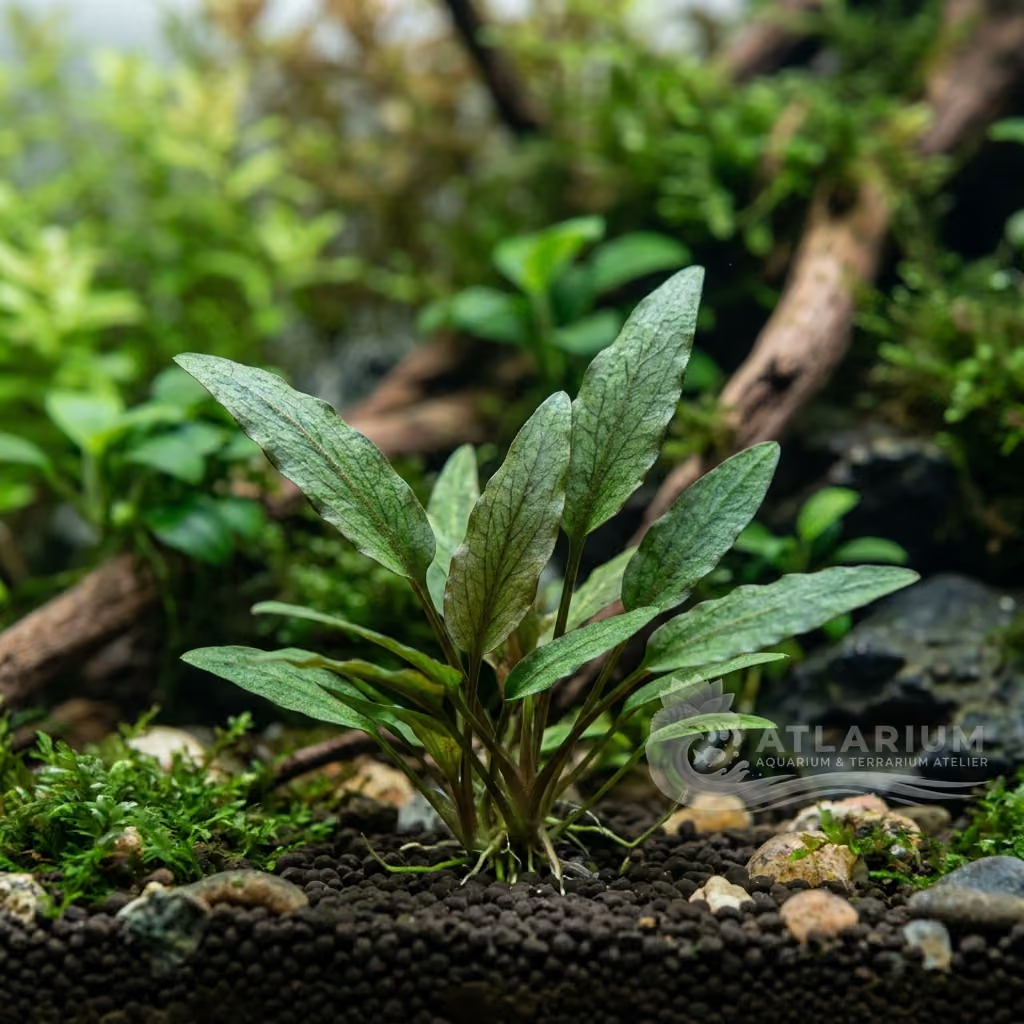
An elite, highly rare epiphyte native to Borneo. It is highly sought after for its dark metallic foliage, deeply ruffled edges, and incredibly slow growth.
Temperatura da água
20 - 26 °C
Valor de pH
5.5 - 7.5
Tipo de água
Água doce
Luz
Média
CO2
Média
Altura esperada
10 cm
Largura esperada
8 cm
GH
3 - 8 dGH
KH
2 - 15 dKH

Descrição da espécie
Geographical Origin and Habitat: Bucephalandra kishii is endemic to the island of Borneo (Kalimantan, Indonesia). It grows as a rheophyte on wet volcanic rocks along fast-flowing forest streams, experiencing periods of complete submersion during monsoons.
Taxonomy & Genetics: Belongs to the Araceae family. Formally described and introduced by Nakamoto, it is genetically distinct from other Bucephalandra, recognized by its specific leaf shape, petiole structure, and unique floral spathe.
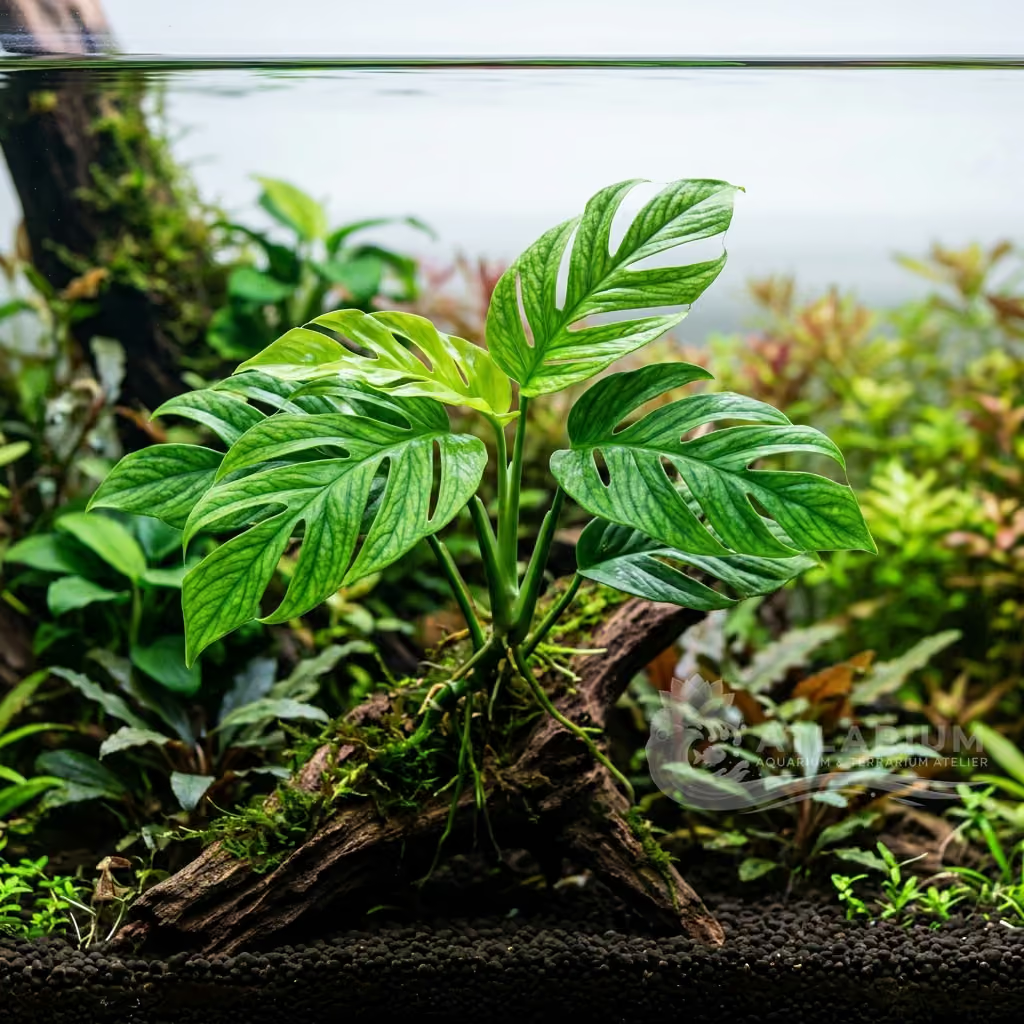
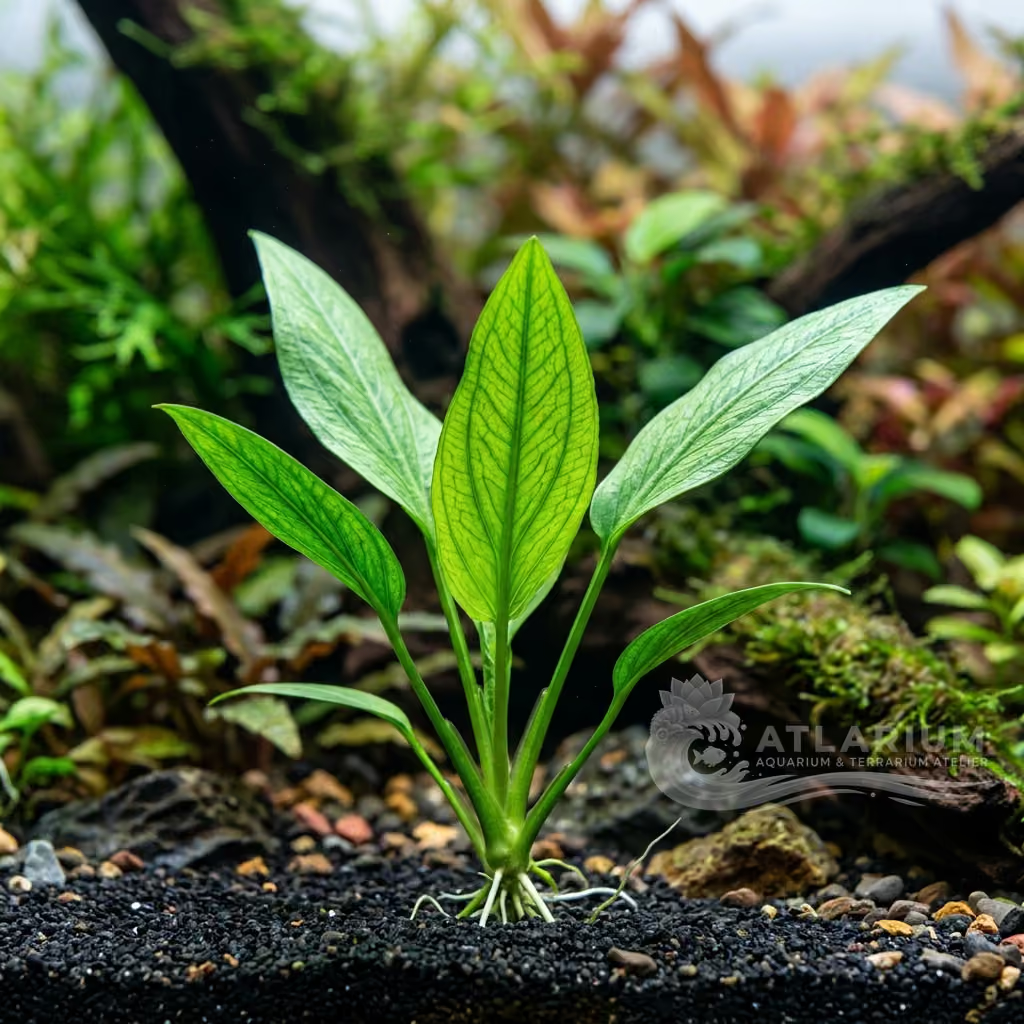
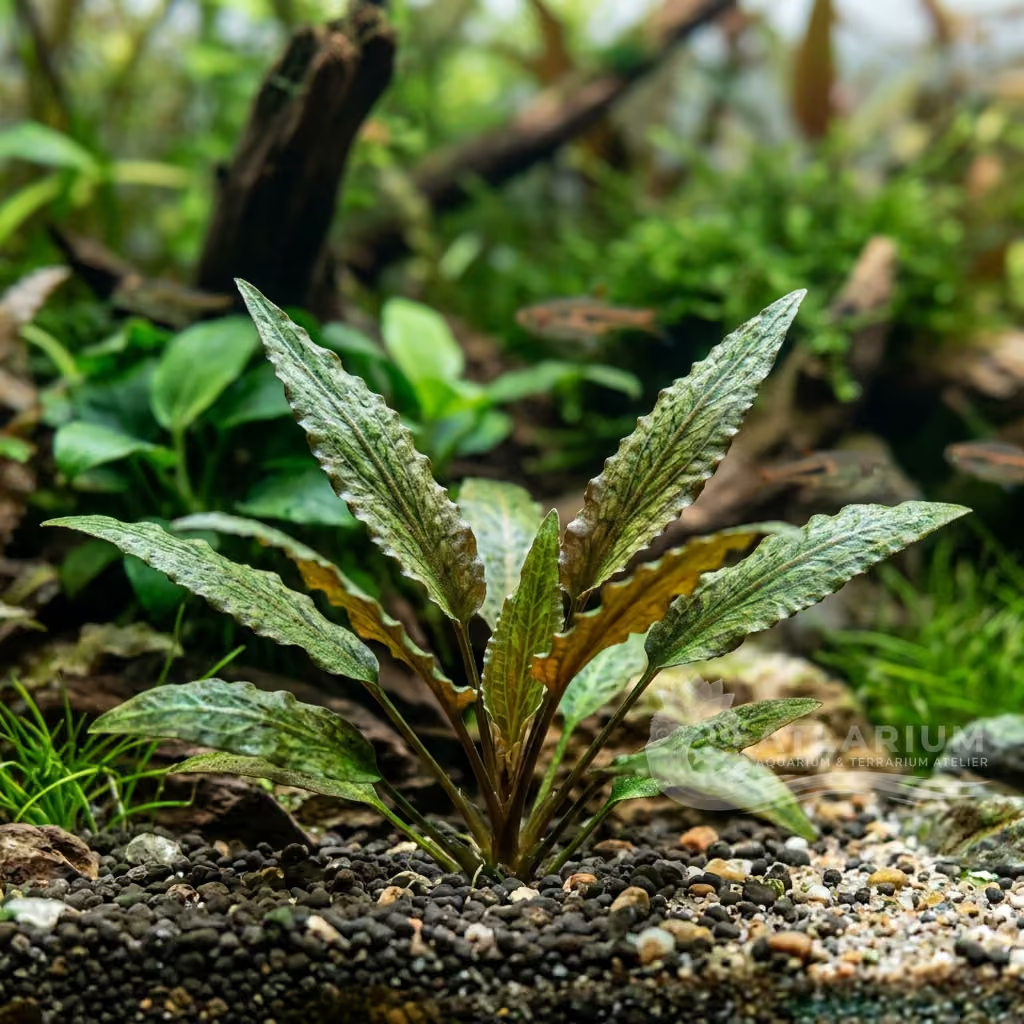
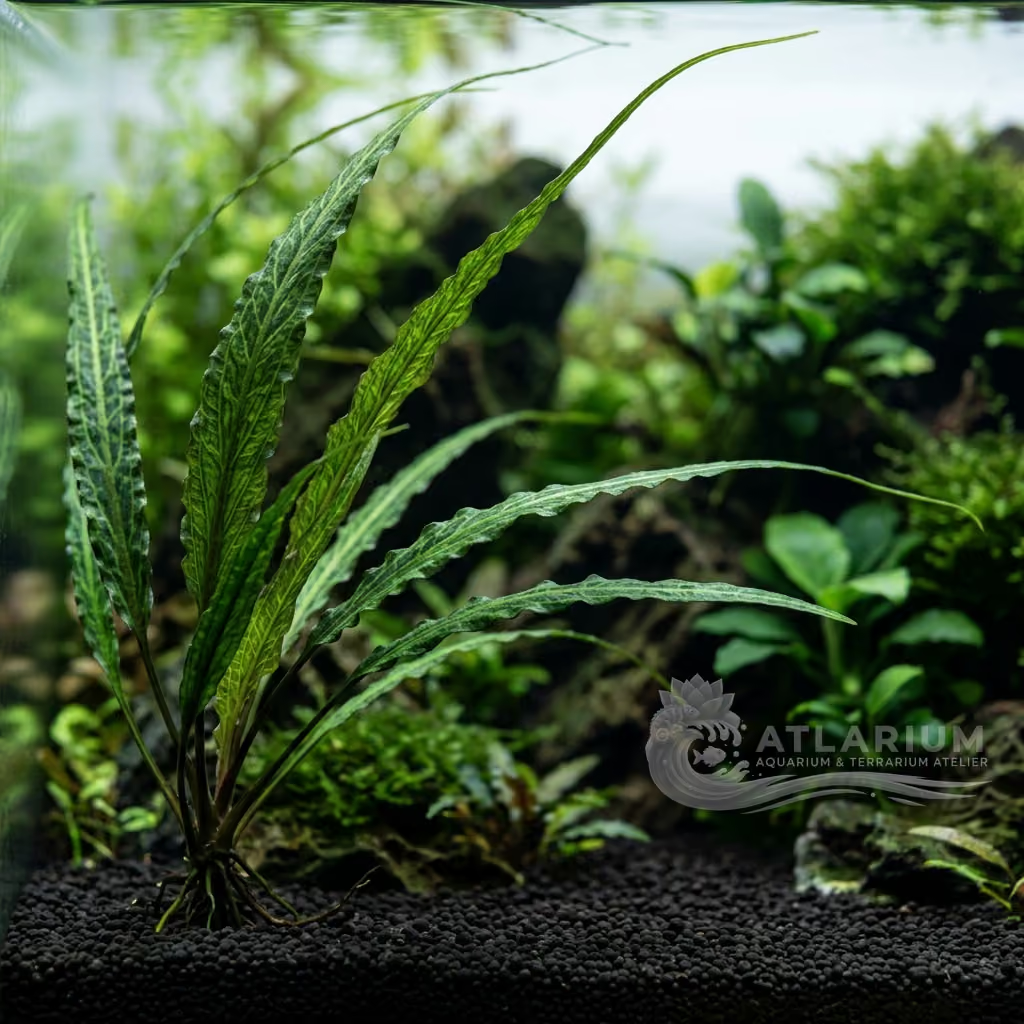
Physical Structure: Features a creeping, woody rhizome that firmly anchors to hard surfaces. The leaves are narrow, elongated, and display highly wavy or ruffled margins with prominent veins. The leaf stalks (petioles) are stiff and reddish-brown.
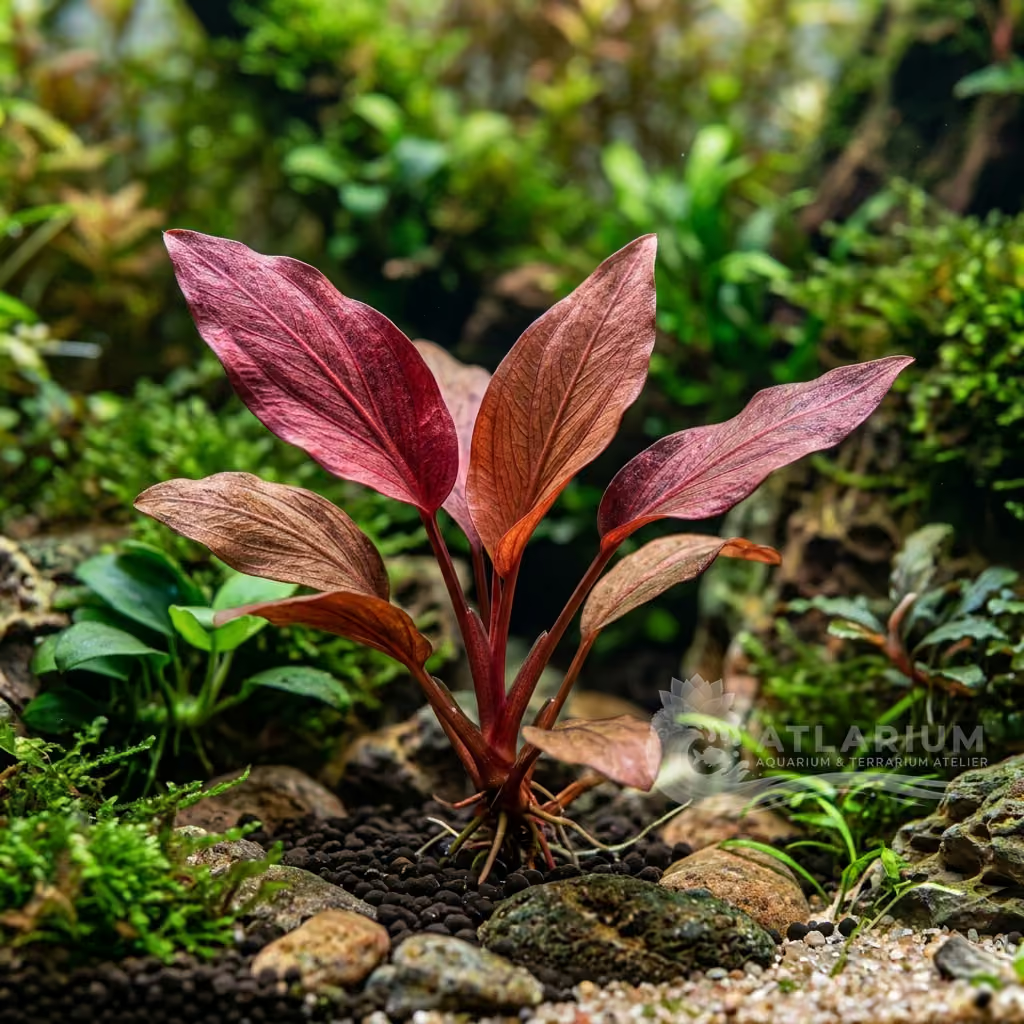
Color & Texture: Under high-quality aquarium lighting, the leaves show deep metallic green, dark blue, or dark purple iridescence. The leaf surface has a leathery texture dotted with tiny, crystalline silica spots that shimmer under water.

Cuidado, criação e companheiros de tanque
Lighting & CO2: Requires moderate to high lighting to bring out its intense metallic colors. Pressurized CO2 injection (15-25 mg/L) is highly recommended; it significantly speeds up its slow growth rate and helps prevent green algae.
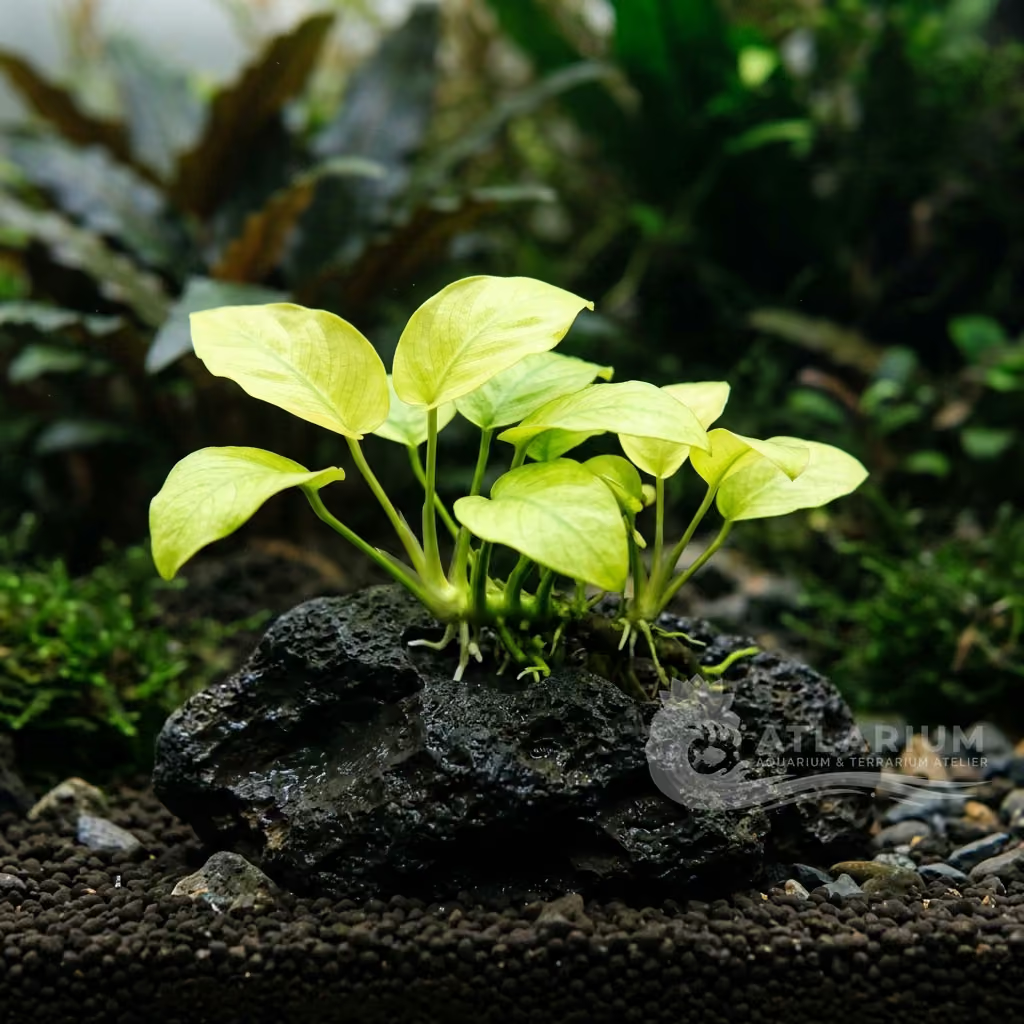
Nutrition & Substrate: Must be treated as an epiphyte. Never bury the rhizome in gravel or soil, as it will rot and die. Attach the plant to lava rocks, driftwood, or slate using cyanoacrylate gel glue or fine thread.
Water Chemistry: Prefers soft, slightly acidic water (pH 6.0-7.0) with a GH of 3-8 dGH. Maintain water temperatures between 22°C and 26°C. Excellent water circulation is necessary to mimic its native stream habitat.
Space Management & Placement: Position in the foreground or midground, attached to hardscape elements. Due to its slow growth, place it away from heavily dusty zones where fish waste might settle on the leaves and suffocate them.
Pruning: Propagate by cutting the rhizome with sterilized scissors, ensuring the severed portion has several healthy leaves and roots. Trim old, damaged, or algae-covered leaves close to the rhizome to encourage fresh growth.
Risks & Diseases: Rhizome rot is the main threat, caused by burial, poor water flow, or sudden parameter shocks. Green spot algae (GSA) can easily colonize the slow-growing leaves if phosphates are depleted.

Origem e distribuição geográfica
Bucephalandra kishii is endemic to the island of Borneo (Kalimantan, Indonesia). It grows as a rheophyte on wet volcanic rocks along fast-flowing forest streams, experiencing periods of complete submersion during monsoons.
Origem
Sul e Sudeste Asiático

Perfil da planta
- Posicionamento
- Plano intermediário
- It is an obligate epiphyte that must be attached to rocks, wood, or coarse hardscape materials. Best placed in shaded or semi-shaded areas of the midground to protect its leaves from algae. The thick rhizome must remain fully exposed to the water current to prevent rotting.
- Forma botânica
- Rizoma
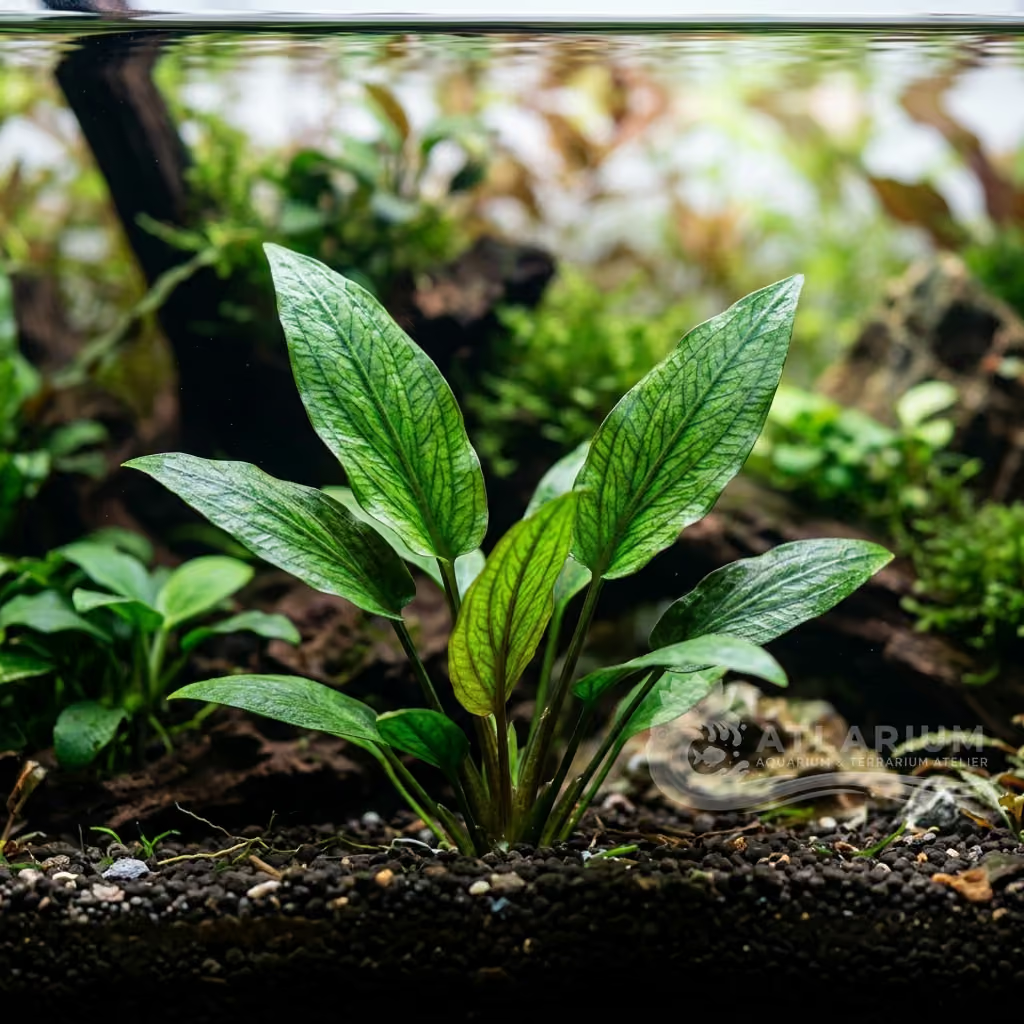
- It features wide, oval leaves with incredibly prominent, raised venation that resembles a skeletal ribcage, hence its trade names. The leaves can range from deep emerald green to dark metallic blue-grey depending on lighting. It possesses a very thick, creeping rhizome that anchors tightly to surfaces.
- Crescimento
- Lenta
- This species is infamous for its painfully slow growth rate, especially when cultivated entirely underwater. It may only produce a single new leaf over several weeks or even months. Emersed cultivation in high humidity yields slightly faster growth and more robust plants.
- Substrato
- Nenhuma
- Bucephalandra kishii is a rheophytic plant that originates from fast-flowing streams and thrives strictly as an epiphyte. Its robust rhizome must be firmly attached to hardscape elements like lava rock or driftwood, as planting it in standard soils will cause rapid deterioration. Its strong, clinging roots penetrate the porous surfaces of rocks to anchor the plant against currents, while its leaves absorb the necessary liquid nutrients.
- Fertilização de coluna
- Opcional
- Liquid dosing should be consistent but minimal, tailored for slow-growing epiphytes. Routine additions of potassium and micronutrients are generally all that is needed. Avoid heavy nitrogen or phosphorus dosing to maintain pristine leaf surfaces free of Green Spot Algae.
- Fertilização radicular
- Nenhuma
- As an epiphyte, it does not draw nutrients from the substrate and has no use for aquasoils or root tabs. It relies entirely on its exposed roots and leaves to extract dissolved nutrients from the water column. Ensure good water circulation around the plant rather than focusing on the substrate.
- Corte
- Ocasional
- Trimming is rarely necessary and should be limited only to the removal of fully dead or heavily algae-infested leaves. Use sharp aquascaping scissors to cut the petiole cleanly near the rhizome. Because it grows so slowly, healthy leaves should be preserved at all costs.
- Propagação
- Rhizome division
- Propagation is done by carefully cutting the thick rhizome with a sterilized blade. Ensure the severed piece has at least one healthy growth tip, some robust roots, and a few leaves. The new piece should be securely glued or tied to a new piece of hardscape.
- Sensibilidade
- Moderada
- It is notoriously difficult to transition from emersed to submerged conditions, often suffering from severe 'Buce melt' during acclimation. It requires absolute stability in water parameters, CO2, and temperature to thrive. Fluctuations or poor water quality will quickly result in the loss of its prized leaves.
- Função de layout
- Primeiro plano, Plano intermediário, Epífita
- It is a highly sought-after centerpiece plant in premium aquascapes and blackwater setups. Its dramatic, textured leaves provide a stunning focal point when nestled in shaded crevices between driftwood. It contrasts exceptionally well with fine-leaved mosses and slender stem plants.

Espécies relacionadas
Recomendações agrupadas por parentes próximos, escolhas de acompanhantes e cuidados semelhantes.