Ornate ctenopoma
Microctenopoma ansorgii
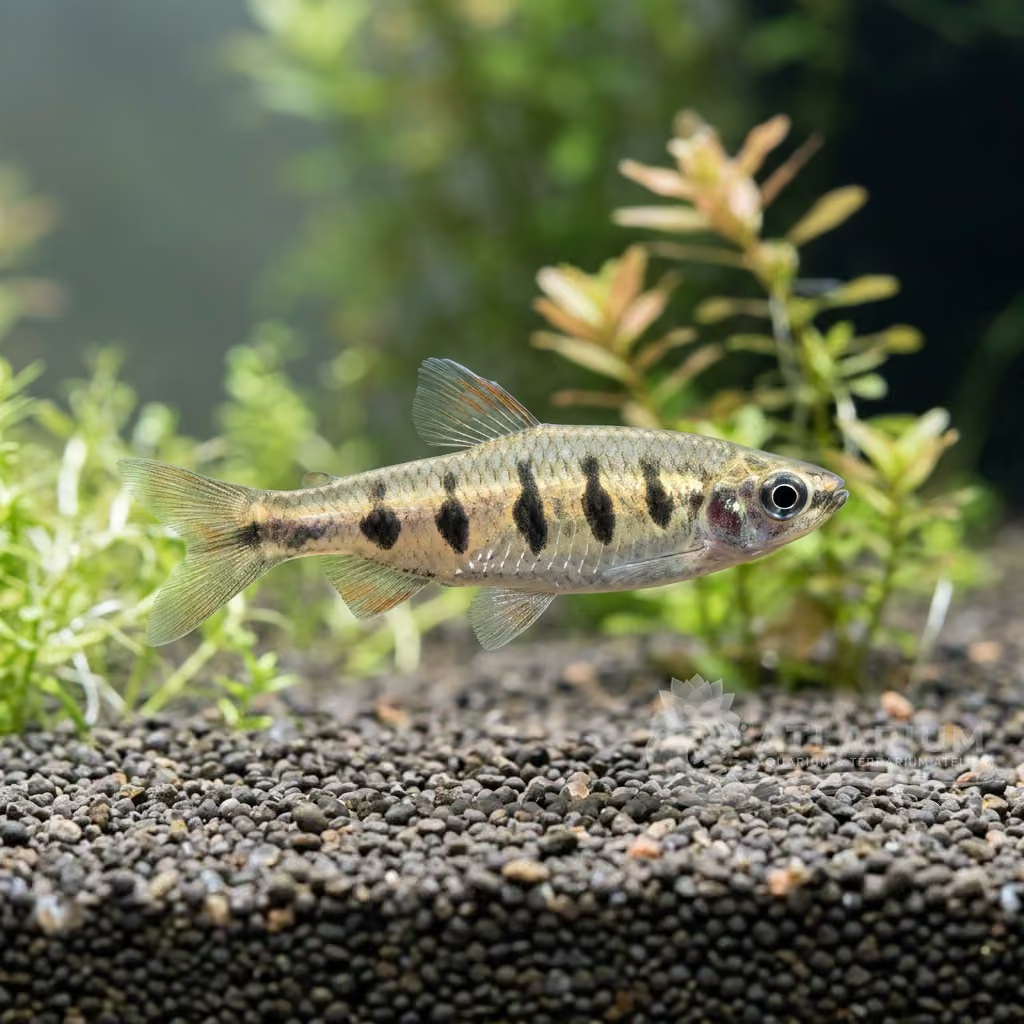
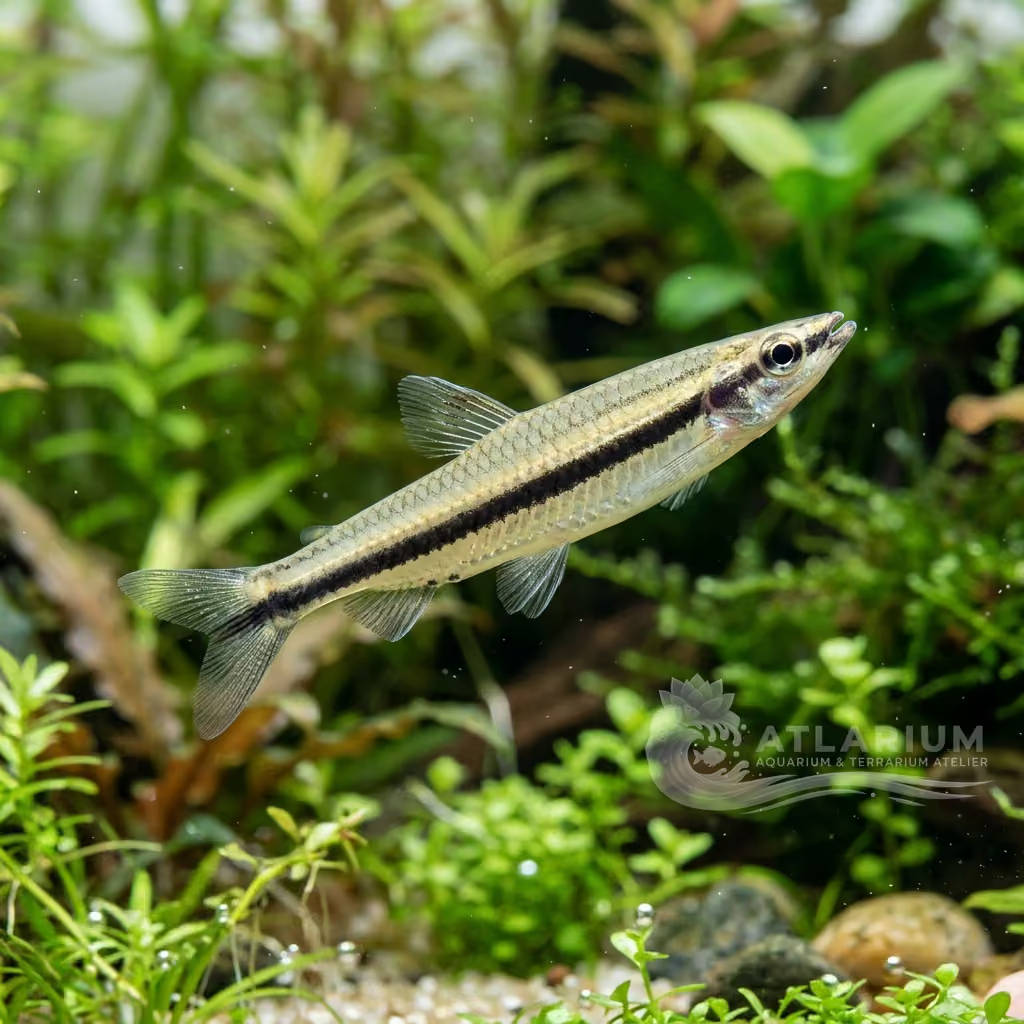
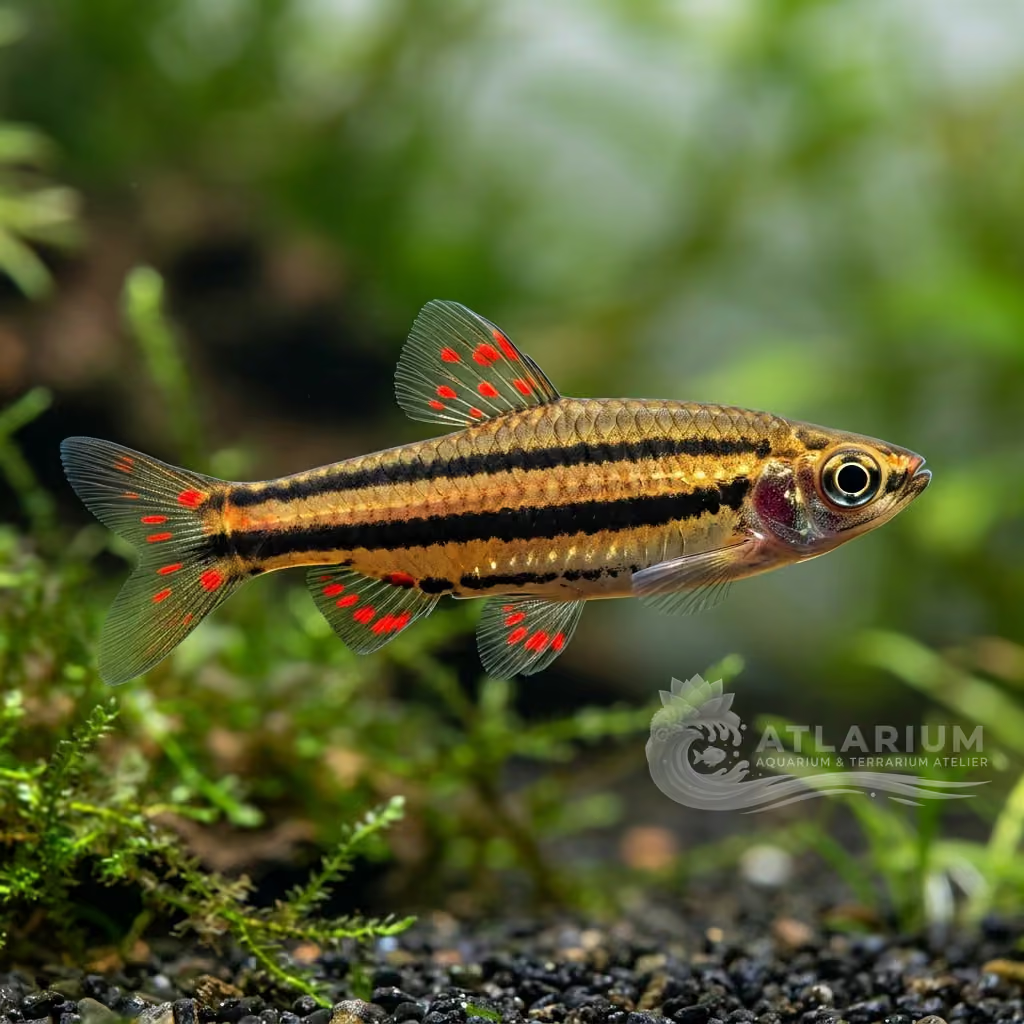
A rare, fascinating African labyrinth fish with a body crossed by alternating orange and blue-green vertical bars — one of the most ornate liveries among aquarium fish. Native to the Congo basin in Central Africa. Like all anabantids, it is a labyrinth breather: it needs humid air between the surface and the lid. A shy, nocturnal ambush predator: it camouflages among plants and driftwood waiting for prey. Almost always refuses dry food — live or frozen food diet mandatory. Bubble nest builder like Betta.
22 - 26 °C
5.5 - 7
Água doce
Parte inferior e intermediária
8 cm
>= 60 L
>= 2
2 - 10 dGH
1 - 5 dKH
40 - 200 ppm
63 - 313 uS/cm

Descrição da espécie

Cuidado, criação e companheiros de tanque

Origem e distribuição geográfica
Origem

Perfil de peixe
- Temperamento
- Territorial
- They possess a very shy, secretive, and deliberate temperament. They are not active swimmers but rather spend hours hovering motionless waiting for prey or hiding among plant leaves. Providing a heavily planted tank with low lighting will encourage them to emerge and display their best colors.
- Dieta
- Carnivore
- They are strict micropredators in nature, feeding on insects, larvae, and small crustaceans. In captivity, they heavily favor live or frozen foods such as bloodworms, daphnia, and brine shrimp. They are notoriously picky eaters and may completely ignore dry flakes or pellets, at least initially.
- Expectativa de vida
- 4-5 years
- Tamanho adulto
- 8 cm
- Proporção sexual
- Pair
- They are generally peaceful towards each other, but males can become territorial during the breeding season. Keeping them in pairs or a small group is acceptable provided there is adequate space and visual barriers. In smaller tanks, keeping a single male is advisable to prevent territorial disputes.
- Frequência de alimentação
- Twice daily
- Feeding them once or twice a day with high-quality meaty foods is ideal. Due to their slow, deliberate hunting style, they can easily be outcompeted by faster, more aggressive feeders. Care must be taken to ensure food reaches them, sometimes necessitating targeted feeding with tongs or a pipette.
- Carga biológica
- Low
- The Ornate Ctenopoma has a relatively low bioload compared to larger predatory fish. They are small and generally inactive, meaning they produce less waste. Standard efficient filtration combined with regular maintenance schedules is perfectly sufficient to keep their water parameters pristine.
- Fluxo
- Strong
- They strongly prefer slow-moving or nearly stagnant water, mimicking the quiet, heavily vegetated streams of their native habitat. Strong currents will stress them out and exhaust them rapidly. Utilizing spray bars or sponge filters is an excellent way to minimize water turbulence.
- Risco de salto
- Yes
- Like many labyrinth fish, they have the ability to jump, especially if startled or if water conditions deteriorate. Because they need to breathe atmospheric air from the surface, a tight-fitting lid is essential. Ensuring there is a gap between the water surface and the lid is critical for their breathing.
- Reprodução
- Bubble nest builder
- They are bubblenest builders, a trait common among many Anabantoids. The male constructs a nest of bubbles at the surface among floating plants and courts the female. After spawning, the male assumes all parental duties, guarding the nest aggressively until the fry become free-swimming.
- Compatibilidade e companheiros de tanque
- Peaceful
- They are peaceful but highly predatory towards anything small enough to fit in their mouths. They should be kept with peaceful fish of a similar or slightly larger size, such as medium-sized tetras or peaceful dwarf cichlids. Avoid keeping them with aggressive fin-nippers or very small nano fish that could become prey.
- Nível do tanque
- Middle/Bottom
- They spend most of their time lurking in the middle and lower levels among dense vegetation. They are stealthy ambush predators that rely on cover and will rarely swim in open water. They do make occasional trips to the surface to take gulps of atmospheric air.

Modelos e parâmetros científicos
Acesso aos dados científicos oficiais da espécie
- Nível trófico
- 3,2 ± 0,4 se
- Resiliência
- Alta (menos de 15 meses)
- Unicidade filogenética (PD50)
- 0.5002
- Relação bayesiana comprimento-peso
- a = 0.01778, b = 2.98
- VulnerabilidadeVulnerabilidade baixa (10 / 100)

Galeria de imagens
Imagens licenciadas vinculadas à espécie ou, quando marcadas, ao táxon representativo mais próximo.

Espécies relacionadas
Recomendações agrupadas por parentes próximos, escolhas de acompanhantes e cuidados semelhantes.