Zebra Loach
Botia striata
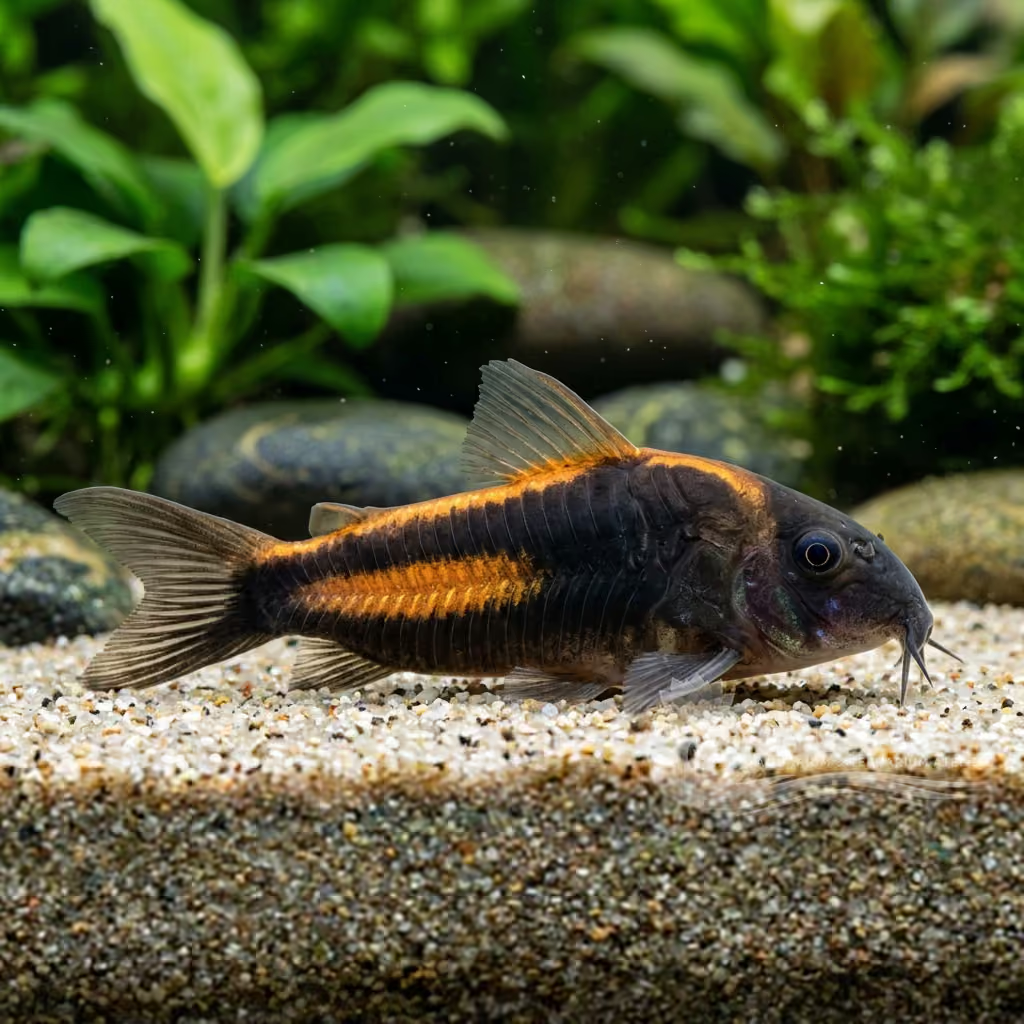
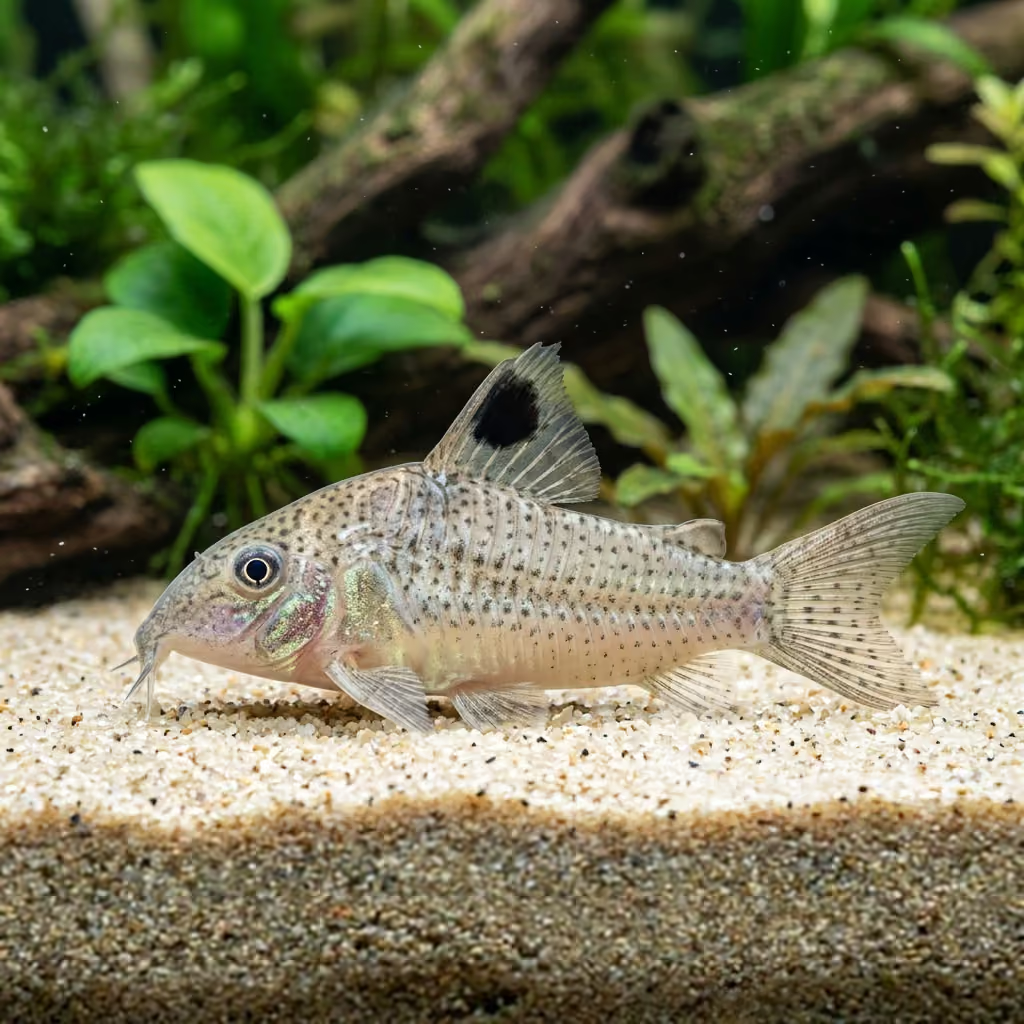
The Zebra Loach is a peaceful, active bottom-dweller characterized by its striking vertical stripes. An excellent snail hunter, it must be kept in social groups of at least five in tanks with soft sand and hiding places. It thrives on sinking pellets, live foods, and algae wafers.
Temperatura da água
22 - 27 °C
Valor de pH
6 - 7.5
Tipo de água
Água doce
Nível do tanque
Parte inferior e intermediária
Tamanho adulto
9 cm
Volume mínimo do tanque
>= 100 L
Grupo mínimo
>= 1
GH
2 - 12 dGH
KH
1 - 6 dKH
TDS
40 - 240 ppm
Condutividade
63 - 375 uS/cm

Descrição da espécie
Geographical Origin and Habitat: Endemic to a small area of the Western Ghats in India. Prefers very clear mountain rivers with abundant rocks, well-oxygenated current and debris or trunk cover in the summer months.
Taxonomy and Morphology: Zebra Loach (Botia striata). Fusiform, compact body with the "classic" shape of the Botia genus. The snout is delicate, equipped with specialized barbels and a small defensive spine under the eye.
Social Behavior: Curious, diurnal (more than other Botias) and incredibly social. Absolutely avoid keeping them in pairs or solitary. A group of 6 specimens ensures a life in the aquarium full of interactions, submission displays and peaceful games.
Coloration and Sexual Dimorphism: A dense series of black, white or yellowish lines (Zebration) crosses it vertically uninterrupted over the entire body, including the snout. The female becomes decidedly round during sexual maturity compared to the torpedo-shaped male.

Cuidado, criação e companheiros de tanque
Aquarium Setup: At least 100 cm (40 inches). Create a multitude of holes, caves (even coconuts) where the school's hierarchy will decide where to sleep. The ideal substrate must be rounded (sand/smooth gravel). Strong surface movement is important.
Diet and Feeding: Great exterminator of gastropods in the tank, although less ravenous than the huge B. macracantha. In addition to meaty bottom foods (bloodworms, krill) they need basic flake foods and spirulina or cucumbers on the bottom.
Water Quality: It is vulnerable to the accumulation of bacteria and nitrates on the bottom: an unclean or unoxygenated bottom is the direct path to fatal skin ulcers. Preferably lukewarm water (around 25°C / 77°F).
Compatibility and Cohabitation: Excellent fish for a calm or moderately lively community aquarium. Never put them together with shy bottom fish, as the energy of the Botia striata would steal their best bites, starving them.
Aquarium Breeding: At present, no domestic breeder has confirmed the spontaneous reproduction of Zebra Loaches in the aquarium. They are exclusively supplied by the Indian market or large-scale breeding in captivity.
Risks and Diseases: In the wild it is classified as Endangered (IUCN). One of the worst diseases for this species, besides the common Ich, is wasting atrophy caused by solipsistic stress.

Origem e distribuição geográfica
Endemic to a small area of the Western Ghats in India. Prefers very clear mountain rivers with abundant rocks, well-oxygenated current and debris or trunk cover in the summer months.
Origem
Sul e Sudeste Asiático

Perfil de peixe
- Temperamento
- Semi-aggressive
- The Zebra Loach is a peaceful and highly social fish, though it does establish a complex social hierarchy within its school. They exhibit playful and active behaviors, often chasing each other through the tank without causing harm. They are not aggressive towards other species, but their energetic swimming style may stress very shy or slow-moving fish. It is common for them to make audible clicking sounds when excited or during feeding, which is a normal aspect of their behavior.
- Dieta
- Omnivore
- In the wild, Botia striata is an omnivore that feeds on a variety of small invertebrates, plant matter, and detritus. In captivity, they should be offered a diverse diet consisting of high-quality sinking pellets, tablets, and frozen foods like bloodworms, daphnia, and brine shrimp. They are highly valued by aquarists for their ability to consume pest snails, keeping snail populations in check. Providing occasional fresh vegetables, such as blanched cucumber or zucchini, helps satisfy their herbivorous tendencies.
- Expectativa de vida
- 8-15 years
- Tamanho adulto
- 9 cm
- Proporção sexual
- Group
- There is no specific sex ratio required for Botia striata as they do not form harems or territorial pairs. However, they are highly social and must be kept in a group of at least 5 to 6 individuals, though 8 to 10 is highly recommended. In smaller numbers, they can become withdrawn or display increased aggression towards conspecifics as they try to establish a hierarchy. Keeping them in a proper group helps distribute any minor dominance squabbles.
- Frequência de alimentação
- Twice daily
- It is recommended to feed Zebra Loaches once or twice a day, providing only as much food as they can consume within a few minutes. Since they are bottom feeders, it is important to ensure that food actually reaches the substrate before being eaten by faster midwater fish. Feeding them shortly after the lights are turned off can be beneficial, as they are naturally active during the twilight hours. Varying their diet between dry, frozen, and fresh foods throughout the week promotes optimal health and coloration.
- Carga biológica
- Medium
- The Zebra Loach has a moderate bioload because it is an active, schooling fish that should be kept in groups. Due to their high activity levels and sensitivity to organic waste, they require a mature filtration system with a turnover rate of at least 4-5 times the tank volume per hour. Regular weekly water changes are essential to keep nitrate levels low, as they are sensitive to poor water conditions. A well-aerated tank is recommended to support their oxygen needs.
- Fluxo
- Stagnant
- The Zebra Loach originates from clear, well-oxygenated streams and rivers in the Western Ghats of India. Consequently, they prefer moderate water flow with plenty of dissolved oxygen in the aquarium. Utilizing a canister filter, powerhead, or spray bar can help replicate these conditions by creating a gentle current. Proper aeration and flow not only mimic their natural habitat but also help prevent stagnant areas in the lower levels of the tank, which is critical for their health.
- Risco de salto
- Yes
- The Zebra Loach has a moderate risk of jumping, particularly when first introduced to a new aquarium or when startled. Because they are active and inquisitive, they can easily slip through small gaps in the cover or jump out of an open-top tank. A tight-fitting lid or cover slides are essential to prevent any accidental escapes. Additionally, floating plants can help reduce the light levels and make them feel more secure, reducing the likelihood of jumping.
- Reprodução
- Oviparous
- Breeding Botia striata in a home aquarium is extremely difficult and rarely achieved. There are almost no documented cases of spontaneous spawning under typical home aquarium conditions, and commercial breeding relies on hormone injections to induce spawning. In the wild, they migrate upstream to spawn during the monsoon season. Their complex breeding requirements, linked to seasonal water changes and migrations, make successful captive reproduction a major challenge for hobbyists.
- Compatibilidade e companheiros de tanque
- Peaceful
- The Zebra Loach is an excellent candidate for a community tank when housed with the right companions. They are highly compatible with robust, active fish that swim in the middle and upper levels, such as danios, barbs, tetras, and rasboras. However, they can be boisterous and may nip at slow-moving or long-finned fish like guppies, bettas, or gouramis. They should not be kept with very small dwarf shrimp, as these will likely be viewed as food, but they coexist well with larger snails and peaceful tankmates.
- Nível do tanque
- Middle/Bottom
- The Zebra Loach is primarily a bottom-dwelling species that spends most of its time exploring the substrate and lower levels of the aquarium. They will occasionally swim up into the middle water column, especially during feeding times or when playing with tankmates. To accommodate their bottom-dwelling nature, the aquarium should feature a soft, sandy substrate that will not damage their sensitive sensory barbels. Adequate caves, driftwood, and rocks should be placed on the bottom to provide secure hiding places.

Modelos e parâmetros científicos
FishBase
Acesso aos dados científicos oficiais da espécie
FishBase v25.04Dados sincronizados em: 15/06/2026
- Nível trófico
- 3,2 ± 0,4 se
- Unicidade filogenética (PD50)
- 0.502
- Relação bayesiana comprimento-peso
- a = 0.00589, b = 3.08
- VulnerabilidadeVulnerabilidade baixa (10 / 100)

Espécies relacionadas
Recomendações agrupadas por parentes próximos, escolhas de acompanhantes e cuidados semelhantes.