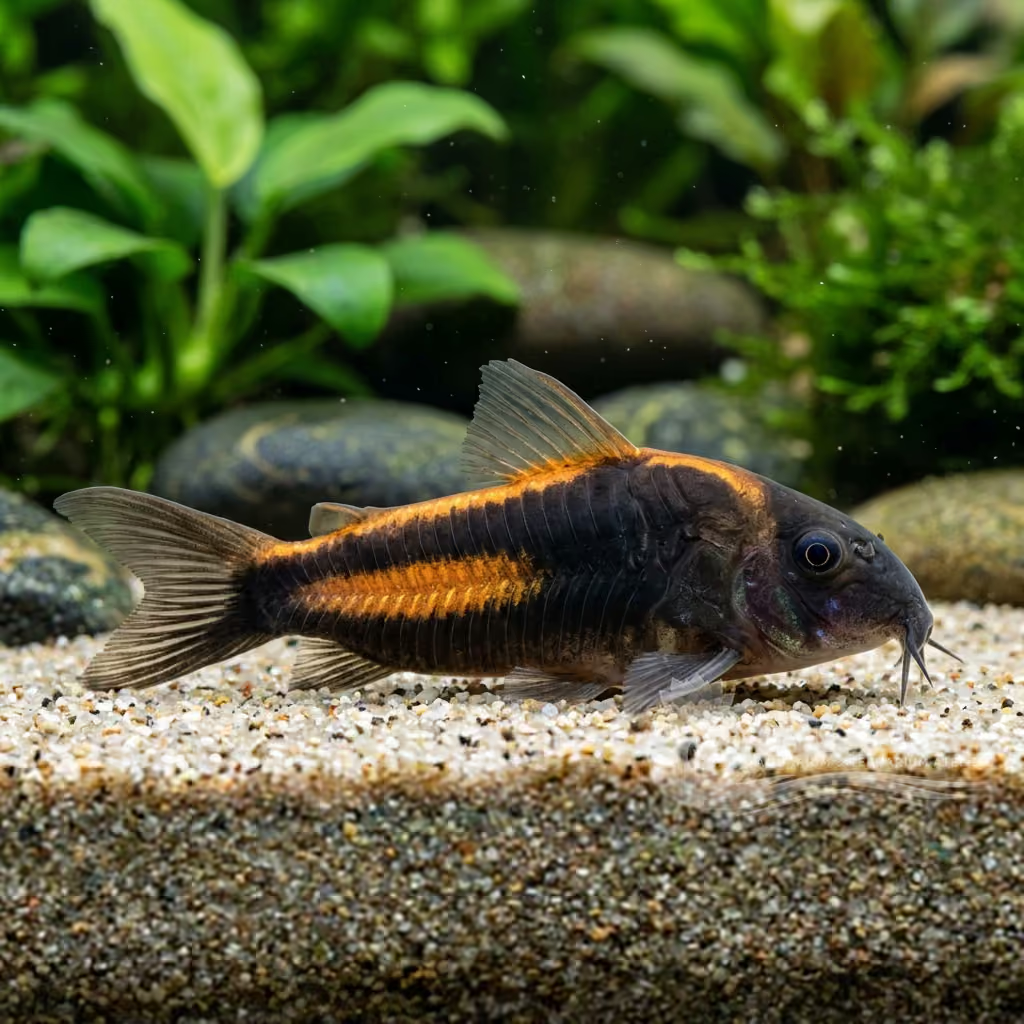
Bengal Loach / Queen Loach
Botia dario
A formidable snail predator with a body banded in gold and black. Smaller than the Clown Loach, but just as lively and with a complex social hierarchy.
Temperatura da água
23 - 26 °C
Valor de pH
6 - 7.5
Tipo de água
Água doce
Nível do tanque
Parte inferior e intermediária
Tamanho adulto
15 cm
Volume mínimo do tanque
>= 180 L
Grupo mínimo
>= 1
GH
5 - 12 dGH
KH
2 - 6 dKH
TDS
95 - 240 ppm
Condutividade
148 - 375 uS/cm

Descrição da espécie
Geographical Origin and Habitat: Native to the Brahmaputra River basin in India and Bangladesh. Inhabits slow to moderate flowing streams, often muddy or with sandy/gravelly bottoms rich in organic debris and hiding places among the rocks.
Taxonomy and Morphology: Bengal Loach (Botia dario). Recognizable by the elegant 7-8 dark vertical stripes that encircle the golden-yellow body, which thin out and fragment with age. Possesses developed barbels and the typical bony spine under the eye (used for defense).
Social Behavior: Highly gregarious species. Must absolutely be kept in groups of 5-6 or more individuals to allow the development of a complex social hierarchy and mitigate shyness. If isolated, it becomes apathetic or aggressive towards other species.
Coloration and Sexual Dimorphism: The dark bands on a golden background vary enormously based on the fish's mood. Adult females appear visibly rounder and higher on the back than males, especially during the pre-reproductive period.

Cuidado, criação e companheiros de tanque
Aquarium Setup: Tank of minimum 120 cm (48 inches). A fine sand substrate is mandatory so as not to wear out the delicate rooting barbels. It is essential to provide countless narrow hiding places (woods, pipes, broken pots) where the fish love to pile up together.
Diet and Feeding: Omnivore with a carnivorous tendency. Exceptional hunter of small pest snails. Requires a varied diet: high-quality bottom tablets, bloodworms, tubifex and vegetable supplements (slices of raw zucchini or blanched peas).
Water Quality: Tolerates cooler temperatures well compared to other Botias (23-26°C / 73-79°F), but the water must be extremely clean and well oxygenated. Sensitive to high nitrates and organic pollution of the substrate.
Compatibility and Cohabitation: More peaceful than other large Botias, but very lively. Perfect with medium-sized Asian Cyprinids (Puntius, schooling Rasboras) and Cichlids with a calm temperament. Avoid cohabitation with small Corydoras that would be stressed or deprived of food.
Aquarium Breeding: Extremely rare in domestic captivity, almost non-existent. In nature, reproduction is linked to complex seasonal migrations and extreme variations of the river ecosystem that cannot be replicated in a tank.
Risks and Diseases: Like all scaleless loaches, it is extremely vulnerable to Ich (White Spot Disease). Pay the utmost attention when using medicines containing copper or malachite, which are toxic and lethal if not dosed at half strength.

Origem e distribuição geográfica
Native to the Brahmaputra River basin in India and Bangladesh. Inhabits slow to moderate flowing streams, often muddy or with sandy/gravelly bottoms rich in organic debris and hiding places among the rocks.
Origem
América do NorteSul e Sudeste Asiático

Perfil de peixe
- Temperamento
- Semi-aggressive
- This species is active, playful, and generally peaceful, though it exhibits complex social dynamics within its school. They establish a hierarchy dominated by an alpha fish, and minor squabbles or 'shadowing' behaviors are common but rarely cause harm. However, they can be boisterous and may intimidate slower or more timid tankmates with their constant activity. They also possess sharp, retractable sub-ocular spines beneath their eyes, which they erect when threatened or stressed.
- Dieta
- Omnivore
- Botia dario is a carnivorous omnivore with a strong preference for meaty foods, including aquatic insects, worms, and mollusks in the wild. In the aquarium, they are excellent natural control agents for snails, which they consume with enthusiasm. They should be fed a varied diet consisting of high-quality sinking loach pellets, frozen foods like bloodworms and brine shrimp, and occasional fresh vegetables. Offering a diverse diet ensures they receive proper nutrition and maintains their vibrant coloration.
- Expectativa de vida
- 5-8 years
- Tamanho adulto
- 15 cm
- Proporção sexual
- Group
- While they do not have a strict male-to-female ratio requirement for general care, Botia dario must be kept in a group of at least 5 to 6 individuals. In smaller numbers, they can become shy, stressed, or exhibit increased aggression towards tankmates or conspecifics. A larger group allows them to establish a natural social hierarchy, which distributes dominance and reduces stress. Keeping them as solitary specimens or in pairs is highly discouraged as it leads to behavioral issues and a shortened lifespan.
- Frequência de alimentação
- Twice daily
- It is recommended to feed Botia dario two to three times daily in small portions that they can consume within a few minutes. Because they are active bottom-feeders, feeding should occur when they are most active, which is often during the evening or dim-light periods. Care should be taken to ensure that food actually reaches the substrate before being consumed by faster-swimming mid-water fish. Regular, controlled feeding prevents overeating while supporting their high energy levels and metabolic needs.
- Carga biológica
- Medium
- Botia dario has a moderate to high biological impact on the aquarium ecosystem due to its active nature and necessity for group housing. Keeping a school of these loaches requires a robust filtration system capable of processing waste and maintaining immaculate water quality. They are highly sensitive to the accumulation of organic compounds such as nitrates, making regular water changes and an oversized filter essential. A recommended filtration turnover is at least 4 to 5 times the tank volume per hour to ensure low organic levels.
- Fluxo
- Stagnant
- Hailing from flowing streams and rivers in the Ganges and Brahmaputra basins, Botia dario prefers moderate to strong water flow. They enjoy swimming against currents, which also helps replicate their natural habitat and keeps the water highly oxygenated. The tank setup should include powerheads or filter outlets positioned to create active flow zones alongside quiet resting areas. High oxygenation is crucial for their well-being, as they do not tolerate stagnant or poorly oxygenated water.
- Risco de salto
- Yes
- Botia dario poses a high risk of jumping, especially when stressed, startled, or introduced to a new environment. They are agile swimmers and can easily slip through even the smallest gaps in the aquarium cover. It is absolutely necessary to equip the tank with a tightly-fitting lid and cover any openings around filters or heaters. Additionally, floating plants can help reduce light levels and provide a sense of security, minimizing their urge to jump.
- Reprodução
- Oviparous
- Breeding Botia dario in a home aquarium is exceptionally difficult, and there are no documented cases of spontaneous, natural spawning in private tanks. In their natural habitat, they are migratory spawners that lay eggs during the monsoon season when water conditions change dramatically. Commercial breeding is achieved almost exclusively through the use of hormone injections in large-scale fish farms. For hobbyists, replicating the precise environmental triggers, such as massive water changes and temperature drops, remains a significant challenge.
- Compatibilidade e companheiros de tanque
- Peaceful
- They are suitable for community tanks with robust, active, and peaceful species that inhabit the middle and upper water columns. Excellent tankmates include larger rasboras, barbs, danios, and other peaceful loaches of similar size. Avoid keeping them with slow-moving or long-finned fish, such as guppies or bettas, as their playful but boisterous nature can lead to fin-nipping. They should not be housed with very small or delicate invertebrates, as they will readily consume ornamental snails and small shrimp.
- Nível do tanque
- Middle/Bottom
- This species is primarily a bottom-dwelling fish that spends most of its time exploring the substrate and seeking out food. However, they are active and curious, frequently venturing into the middle layers of the aquarium once they feel secure in their environment. A soft sandy substrate is critical to prevent injury to their sensitive sensory barbels as they forage. Providing plenty of caves, driftwood, and low-lying shelter ensures they feel comfortable traversing the lower regions of the tank.

Modelos e parâmetros científicos
FishBase
Acesso aos dados científicos oficiais da espécie
FishBase v25.04Dados sincronizados em: 15/06/2026
- Nível trófico
- 3,2 ± 0,4 se
- Unicidade filogenética (PD50)
- 0.502
- Relação bayesiana comprimento-peso
- a = 0.0123, b = 2.98
- VulnerabilidadeVulnerabilidade baixa (10 / 100)

Espécies relacionadas
Recomendações agrupadas por parentes próximos, escolhas de acompanhantes e cuidados semelhantes.