Phoenix rasbora
Boraras merah
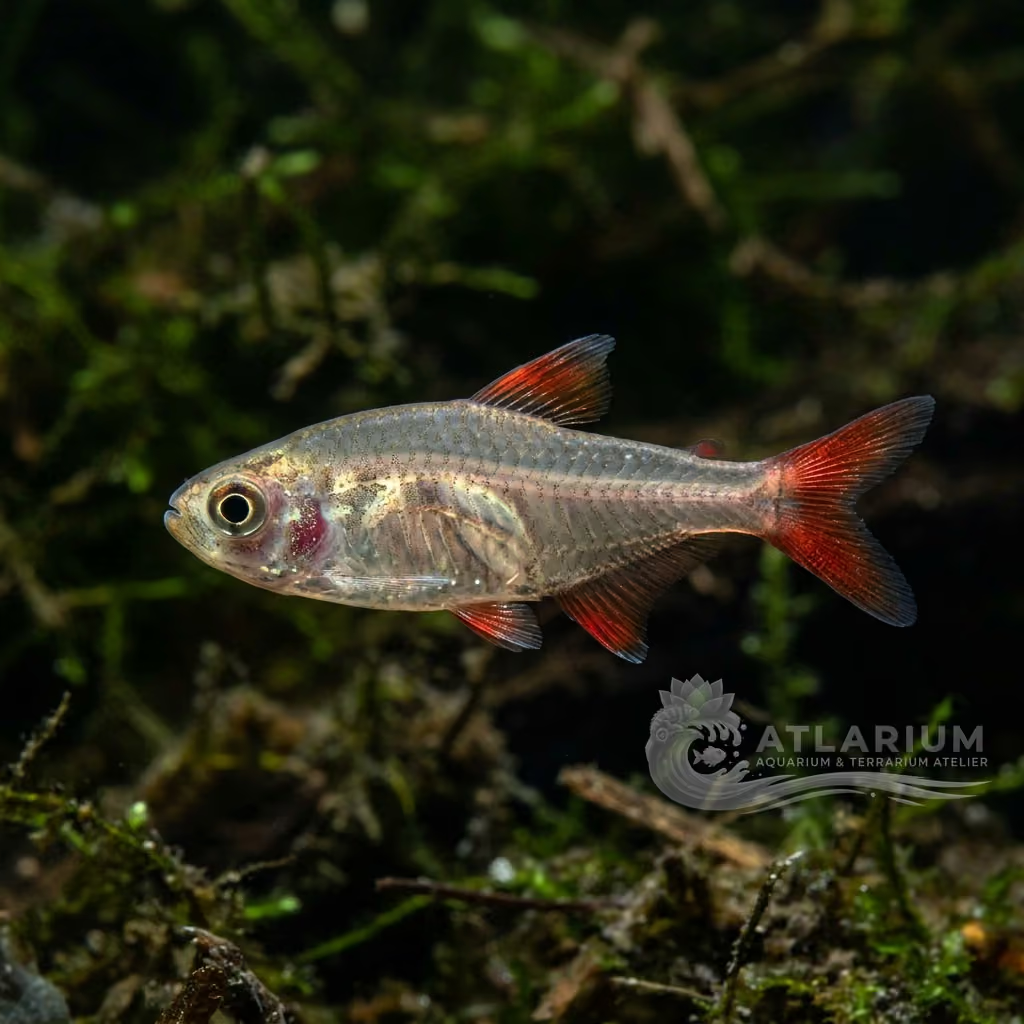
A micro-rasbora with vivid red-orange coloration and dark lateral spots, native to the blackwater peat swamps of Borneo. Closely related to the chili rasbora (B. brigittae) but with a slightly different color pattern — more orange-red with defined spots rather than a continuous band. Requires soft, acidic water (pH 4.0–6.5), ideally achieved with remineralized RO water, and a dark, tannin-rich environment. In schools of 15–20+ on dark substrate, coloration reaches a hypnotic intensity. A perfect companion for dedicated Borneo blackwater nano aquariums.
24 - 28 °C
4 - 6.5
Água doce
Superfície e meio
2 cm
>= 40 L
>= 10
1 - 10 dGH
7 - 14 dKH
85 - 290 ppm
133 - 453 uS/cm

Descrição da espécie

Cuidado, criação e companheiros de tanque

Origem e distribuição geográfica
Origem

Perfil de peixe
- Temperamento
- Territorial
- This is an extremely peaceful, timid, and schooling species that only feels secure when kept in large numbers. Males may display mild and temporary territoriality during spawning periods, engaging in harmless sparring displays to impress females. Their reserved nature makes them unsuitable for tanks with large or boisterous fish, which can easily intimidate them and force them into hiding.
- Dieta
- Carnivore
- In the wild, *Boraras merah* is a micro-predator feeding on small insects, worms, crustaceans, and other zooplankton in blackwater biotopes. In captivity, they will accept high-quality crushed flakes and micropellets, but they require live and frozen micro-foods to display their best colors and maintain vitality. Foods such as baby brine shrimp, daphnia, microworms, and copepods are ideal and easily consumed by their tiny mouths.
- Expectativa de vida
- 3-5 years
- Tamanho adulto
- 2 cm
- Proporção sexual
- Group
- This species does not require a strict male-to-female ratio and benefits most from being kept in a large group of at least eight to ten individuals. Within the shoal, the presence of multiple males encourages healthy intraspecific competition, prompting them to display their most intense spawning colors and fascinating sparring behaviors. Females, which are typically rounder and slightly less colorful, help balance the group dynamics and reduce overall stress for individual fish.
- Frequência de alimentação
- Twice daily
- Given their small size and rapid metabolic rate, it is best to feed them small amounts two to three times a day rather than one large feeding. This feeding schedule ensures that all individuals receive adequate nutrition and minimizes uneaten food that could spoil the water. Regular small feedings also mimic their natural foraging behavior of searching for food throughout the day.
- Carga biológica
- Low
- Due to its exceptionally minuscule size, rarely exceeding two centimeters in length, *Boraras merah* contributes a negligible biological load to the aquarium. However, because they must be kept in sizable groups to thrive, the overall filtration system should be efficient yet gentle. Sponge filters or air-driven systems are ideal to prevent these tiny fish from being sucked into the filter intake while maintaining excellent water quality free of harmful nitrogenous compounds.
- Fluxo
- Strong
- Hailing from sluggish peat swamps and slow-flowing forest streams, this species prefers weak to moderate water flow. A strong current will quickly exhaust these tiny fish, forcing them to constantly battle the flow and causing severe stress. Using a filter output directed against the glass or baffled by dense plants helps create calm zones where the fish can rest comfortably.
- Risco de salto
- Yes
- While not notorious high-jumpers, *Boraras merah* can easily leap out of the water if startled by sudden movements, lights turning on, or during acclimation. It is therefore essential to provide a tight-fitting lid or cover slides on the aquarium, or utilize a dense cover of floating plants to secure the surface. These measures not only prevent fatal accidents but also make the fish feel secure and less prone to stress-induced flight.
- Reprodução
- Oviparous
- Breeding *Boraras merah* is moderately accessible, as they are egg-scatterers that exhibit no parental care and spawn continuously. While some fry may survive in a mature, densely planted community tank, a dedicated breeding setup with soft, acidic water is recommended for higher yields. The adult pair or group should be removed shortly after spawning to prevent them from eating the eggs, and the fry must be fed microscopic foods like infusoria or paramecia initially.
- Compatibilidade e companheiros de tanque
- Peaceful
- This tiny cyprinid is perfect for species-only setups or community tanks populated by similarly small, peaceful tankmates. Excellent companions include other *Boraras* species, micro-rasboras, dwarf corydoras, freshwater shrimp like *Neocaridina*, and peaceful snails. It is imperative to avoid keeping them with large, aggressive, or hyperactive fish that could easily mistake them for food or stress them out.
- Nível do tanque
- Top/Middle
- Within the aquarium, the Phoenix rasbora prefers to occupy the middle and upper levels of the water column. In these areas, they swim in coordinated shoals under the safety of plant cover or floating vegetation that diffuses the light. Despite this preference, they are curious explorers and will occasionally venture to the bottom of the tank to forage for food scraps among the substrate and decor.

Modelos e parâmetros científicos
Acesso aos dados científicos oficiais da espécie
- Nível trófico
- 3,1 ± 0,4 se
- Resiliência
- Alta (menos de 15 meses)
- Unicidade filogenética (PD50)
- 0.5156
- Relação bayesiana comprimento-peso
- a = 0.00589, b = 3.08
- VulnerabilidadeVulnerabilidade baixa (10 / 100)

Galeria de imagens
Imagens licenciadas vinculadas à espécie ou, quando marcadas, ao táxon representativo mais próximo.

Espécies relacionadas
Recomendações agrupadas por parentes próximos, escolhas de acompanhantes e cuidados semelhantes.