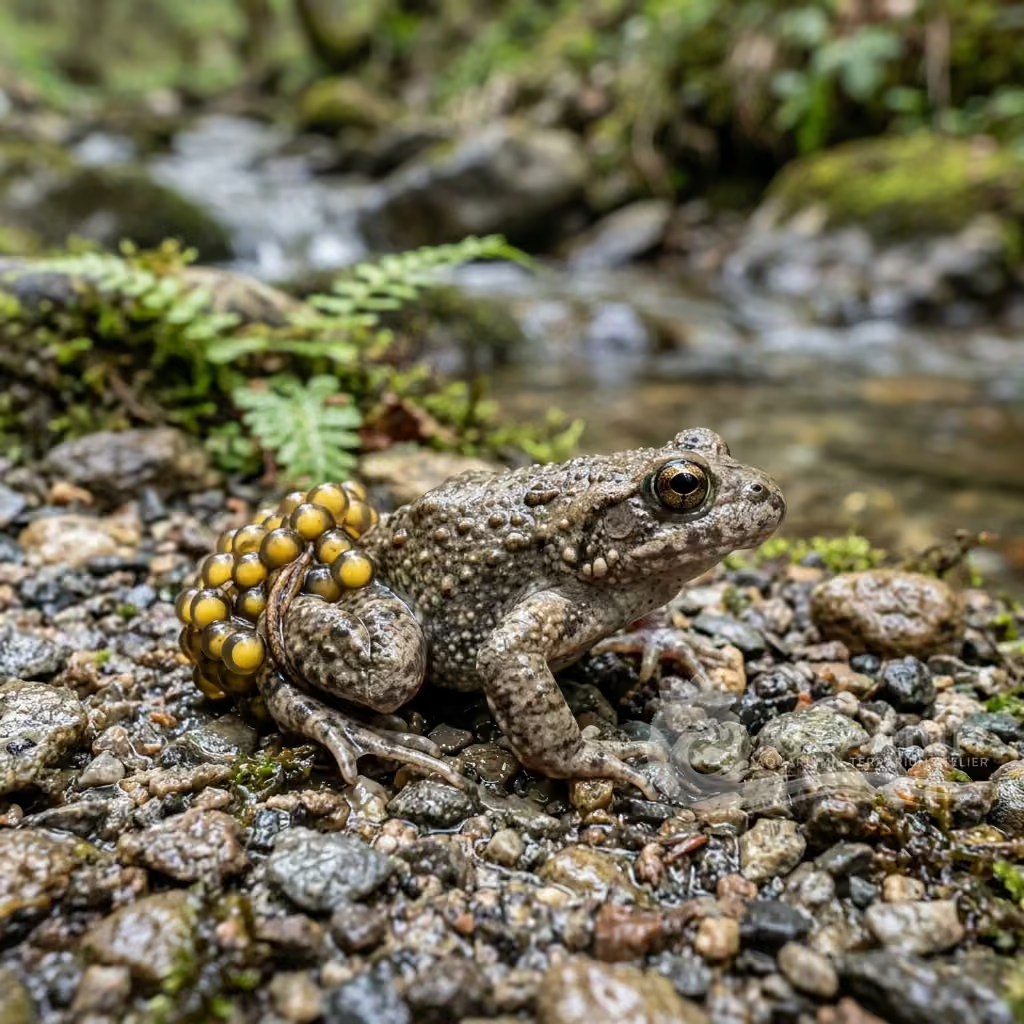
European Tree Frog
Hyla arborea
The European Tree Frog is an energetic, small amphibian known for its loud vocalizations and bright green skin. Sun-loving and agile, it thrives in a tall, well-illuminated and ventilated terrarium.
Ambiente
Terrestre
Umidade
50 - 70 %
Temperatura diurna
20 - 25 °C
Temperatura noturna
15 - 20 °C

Descrição da espécie
Geographical Origin and Habitat: Widely distributed across Central, Southern, and Eastern Europe, extending to the Balkans and Anatolia. It lives in humid deciduous forests, riparian woodlands, reed beds, and orchards near clean, standing bodies of water.
Taxonomy and Genetics: A small frog reaching 4–5 cm in adult length. Possesses bright emerald-green dorsal skin (which can shift to olive or grey) and a spongy, cream-white belly. A distinct dark stripe runs along each side from the nostril to the groin. Fingertips are equipped with expanded adhesive discs.
Behavior and Habits: Strictly nocturnal and arboreal. During the day, they remain motionless on leaves, camouflaged perfectly. Males possess a large, inflatable vocal sac under the throat, producing a rhythmic and exceptionally loud call during spring.
Morphology: Females are slightly larger and stockier. Males have a wrinkled, yellowish-brown throat area due to the presence of the vocal sac, and develop nuptial pads on their thumbs during the breeding season.

Cuidado, criação e companheiros de tanque
Terrarium Setup: Requires a vertical terrarium (minimum 45x45x60 cm) equipped with thin branches, climbing vines, and broad-leafed live plants (such as Pothos and ferns). A shallow water dish with clean, dechlorinated water is essential.
Lighting and Heating: Keep daytime temperatures at 22–25°C. High heat above 28°C must be avoided. Nighttime temperatures should drop to 16–20°C. A cold winter brumation period is highly recommended. Provide a low-output (5%) UVB source.
Humidity and Hydration: Maintain high relative humidity of 60–80%. Mist the enclosure thoroughly every evening with dechlorinated water. Excellent ventilation is critical to prevent stagnant air and skin infections.
Feeding and Supplementation: Strictly insectivorous. Feed live crickets, flies, and small locusts. Dust prey items with a calcium and vitamin D3 supplement three times a week to prevent metabolic bone disease.
Compatibility: Highly peaceful and gregarious. Can be kept in small groups in spacious enclosures. Avoid housing them with very small insects or frogs that could be swallowed.
Health and Common Diseases: Highly sensitive to soaps and skin oils; handle only when necessary with wet, clean hands or vinyl gloves. Panicking can cause snout-rubbing injuries on glass. Stagnant conditions can lead to fatal bacterial red leg syndrome.

Origem e distribuição geográfica
Widely distributed across Central, Southern, and Eastern Europe, extending to the Balkans and Anatolia. It lives in humid deciduous forests, riparian woodlands, reed beds, and orchards near clean, standing bodies of water.
Origem
América do NorteEuropa, Mediterrâneo e Ásia Ocidental

Perfil anfíbio
- Dieta
- Insectivore
- The European tree frog is an agile predator that feeds on a diverse array of small invertebrates. Its diet consists of flies, mosquitoes, spiders, moths, and small beetles, which it often catches in mid-air using rapid leaps. In captivity, they adapt readily to a diet of cultured insects like crickets, waxworms, and small roaches. Regular dusting with a high-quality calcium and D3 supplement is crucial to prevent metabolic bone disease.
- Expectativa de vida
- 8-22 years
- Tamanho adulto
- 5 cm
- Estilo de vida/Microhabitat
- Arboreal
- This species occupies a variety of habitats, including broadleaf forests, wet meadows, orchards, and parks across Europe. They live a primarily arboreal lifestyle, spending most of their time in shrubs, brambles, and trees near water bodies. Their captive environment must feature vertical climbing opportunities, broad-leaved plants for resting, and adequate UV lighting to satisfy their basking requirements. They require excellent ventilation alongside moderate humidity to prevent respiratory issues.
- Ciclo de atividades
- Nocturnal
- Though largely crepuscular and nocturnal when hunting, they are unique among tree frogs for their habit of basking in the sun during the day. As evening approaches, they transition to active foraging mode, leaping through the vegetation in pursuit of insects. Their activity is heavily influenced by humidity, peaking during warm, humid nights after rainfall. Activity drops significantly during prolonged dry spells or as autumn temperatures decrease.
- Socialidade
- Solitary
- European tree frogs are highly active and skilled climbers, utilizing their adhesive toe pads to navigate smooth leaves and branches effortlessly. They are famously sun-loving, often basking in direct sunlight during the day while remaining perfectly still to avoid detection. They possess the ability to change their skin tone from vibrant green to brown or grayish tones to match their background. During the breeding season, males can be quite territorial, aggressively vocalizing to maintain their space.
- Reprodução
- Oviparous
- Breeding occurs from late spring to early summer following heavy rains, taking place in sunlit, shallow ponds with abundant vegetation. Males possess a large vocal sac and gather in loud choruses that can be heard from far away. Females lay multiple small clumps of eggs, attaching them to submerged plant stems just below the water's surface. The tadpoles are strong swimmers and metamorphose into tiny froglets within two to three months.
- Toxicidade
- Harmless
- When it comes to toxicity, this species is harmless to humans but secretes mild protective peptides against predators. It is always best practice to wash hands before and after any interactions. This protects the frog from harmful oils and the keeper from potential irritation.
- Estágio de vida
- Metamorphosis
- Their development features undergoes classic amphibian metamorphosis from tadpole to small, bright green frog. Providing the correct environmental parameters at each stage is vital for proper growth. Adult specimens can be incredibly rewarding to keep.
- Tolerância de tratamento
- Display only
- Handling should be delicate skin makes handling highly inadvisable unless necessary for health checks. Amphibians have delicate, permeable skin that is easily damaged by dry hands or chemicals. Whenever possible, observe them without direct physical contact.
- Brumação
- Obrigatório
- Regarding brumation, this species strongly benefits from a cool winter brumation period to maintain long-term health. It is important to research the exact temperature gradients required for your specific animal. Improper temperature drops can lead to severe health issues.
- Muda
- Periodic
- The molting process is fascinating; it sheds inconspicuously, pulling the dead skin off over its head and eating it. High humidity is necessary to ensure the shed comes off cleanly without restricting toes or limbs. Retained shed is a sign of improper husbandry.

Espécies relacionadas
Recomendações agrupadas por parentes próximos, escolhas de acompanhantes e cuidados semelhantes.