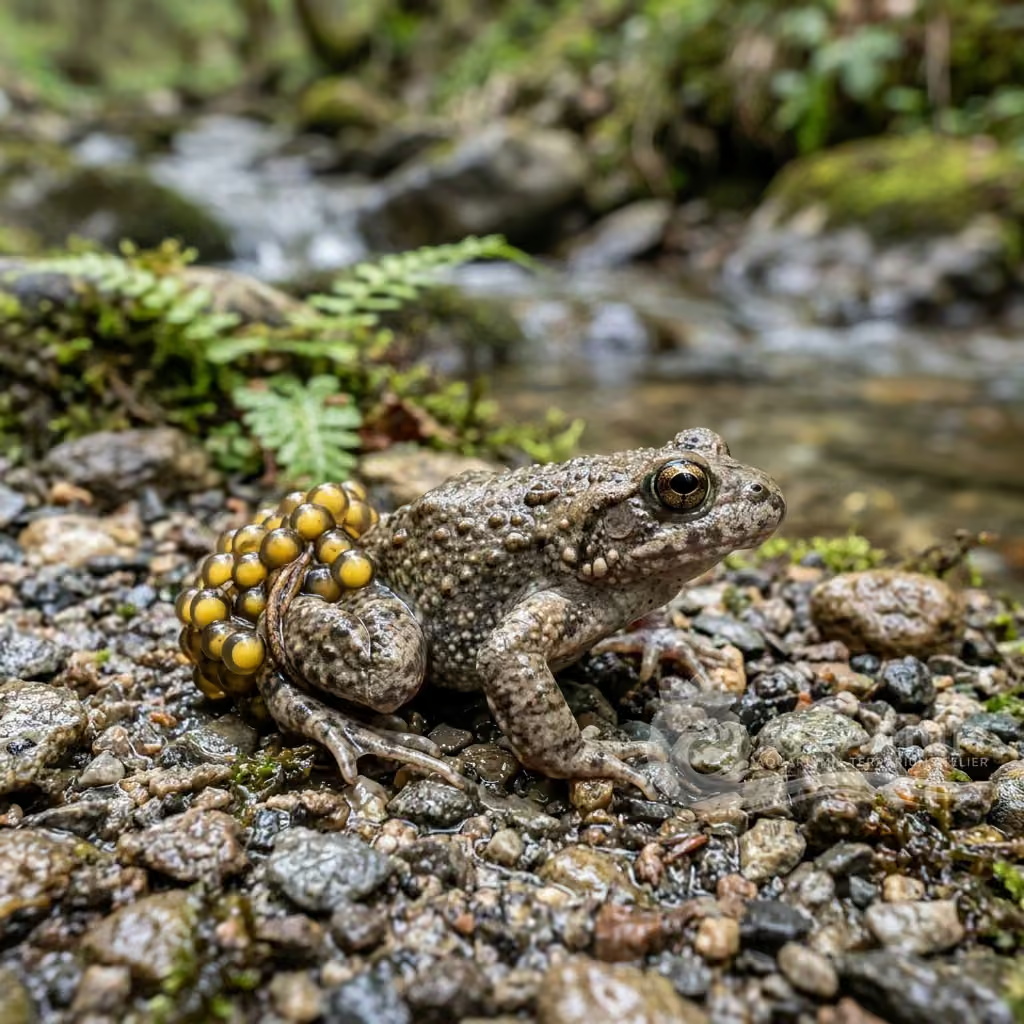
Fornasini's Spiny Reed Frog
Afrixalus fornasini
A small African tree frog characterized by distinct brown and white stripes and tiny skin spines. Requires humid vertical terrariums and reed-like plants.
Ambiente
Terrestre
Umidade
60 - 80 %
Temperatura diurna
24 - 28 °C
Temperatura noturna
20 - 24 °C

Descrição da espécie
Geographical Origin and Habitat: This species is distributed along the coastal plains of East Africa, found in Kenya, Tanzania, Malawi, Mozambique, Zimbabwe, and eastern South Africa. It inhabits humid savannas, seasonally flooded grasslands, freshwater swamps, and dense reed beds. It lives primarily on the leaves of reeds, sedges, papyrus, and other emergent vegetation near permanent or temporary pools.
Taxonomy and Genetics: Belongs to the family Hyperoliidae, genus Afrixalus. Described by Bianconi in 1849. This species is distinguished within its genus by the presence of small black spiny tubercles on the dorsum of breeding males. Genetic studies show a close relationship to the genus Hyperolius, but with specific adaptations for folding leaves during egg deposition.
Behavior and Habits: Primarily diurnal and arboreal. It spends the hot hours of the day clinging vertically to reed leaves, camouflaged by its longitudinal stripes. At night, it becomes active to hunt small insects and breed. Males produce loud, distinctive breeding calls that sound like metallic tapping or rapid clicks to attract females near the water.
Morphology: A small frog, with adult specimens measuring between 3.0 and 4.0 centimeters (1.2-1.6 inches) in length. The body is slender and compressed, with large eyes featuring vertical pupils (a defining characteristic of the genus Afrixalus). The dorsal pattern consists of a dark brown central stripe flanked by two broad silver-white lateral bands running from the snout to the vent.

Cuidado, criação e companheiros de tanque
Terrarium Setup: Requires a vertically oriented terrarium (minimum 30x30x45 cm / 12x12x18 inches for a small group of 3-4 frogs). The substrate should consist of coconut fiber topped with damp sphagnum moss. It is essential to include tall, broad-leafed plants that mimic natural reeds (such as Sansevieria, Dracaena, Pothos, and vertical bamboo poles) for climbing and resting.
Lighting and Heating: Daytime temperature should be maintained between 24°C and 27°C (75.2°F - 80.6°F), with a night drop to 20-22°C (68°F - 71.6°F). Use a low-wattage basking bulb or heat emitter above the enclosure if needed. Provide a 2.0% UVB bulb for 10-12 hours daily to support calcium metabolism and simulate filtered sunlight.
Humidity and Hydration: Requires moderate to high humidity, between 60% and 80% during the day, peaking at 90% at night. Mist the enclosure once or twice daily with dechlorinated water. Provide a shallow, clean water dish at the bottom; the water must be replaced daily to prevent bacterial buildup which is harmful to their permeable skin.
Feeding and Supplementation: Insectivorous. Feeds on small live insects such as fruit flies (Drosophila melanogaster and D. hydei), pinhead crickets, springtails, and aphids. Dust prey with pure calcium three times a week for juveniles and once a week for adults, and a multivitamin supplement containing Vitamin A once a week to prevent deficiencies.
Compatibility: Can be housed in small monospecific groups in well-planted terrariums. They are peaceful toward conspecifics, though males may establish minor territorial calling sites during the breeding season. Do not house with other amphibian species to prevent stress and risk of pathogen transmission (such as chytrid fungus).
Health and Common Diseases: Vulnerable to dehydration (if humidity drops too low or fresh water is unavailable), bacterial skin infections due to poor substrate hygiene, and metabolic bone disease (MBD) from lack of calcium/UVB. Handling must be minimized and only done with wet hands or wet nitrile gloves.

Origem e distribuição geográfica
This species is distributed along the coastal plains of East Africa, found in Kenya, Tanzania, Malawi, Mozambique, Zimbabwe, and eastern South Africa. It inhabits humid savannas, seasonally flooded grasslands, freshwater swamps, and dense reed beds. It lives primarily on the leaves of reeds, sedges, papyrus, and other emergent vegetation near permanent or temporary pools.
Origem
América do NorteÁfrica e Madagascar

Perfil anfíbio
- Dieta
- Insectivore
- The Fornasini's spiny reed frog is consumes very small insects including fruit flies, tiny crickets, and aphids. Providing a varied and appropriately sized food source is crucial for their health in captivity. Supplementation with calcium and multivitamins is highly recommended. Ensure fresh water is always available to aid digestion.
- Expectativa de vida
- 5-10 years
- Tamanho adulto
- 4 cm
- Estilo de vida/Microhabitat
- Arboreal
- As a arboreal but prefers tall grasses, reeds, and low shrubs over large trees. The terrarium must be tailored to these specific needs, prioritizing either vertical climbing space or horizontal floor space. Substrate and furnishings must replicate their natural habitat.
- Ciclo de atividades
- Nocturnal
- They are nocturnal, becoming active and vocal among reeds at night. Lighting schedules should strictly mimic natural photoperiods to maintain their circadian rhythm. Disturbing them during their resting period can cause significant stress.
- Socialidade
- Solitary
- Behaviorally, they are agile climbers that sleep tightly pressed against reeds or long leaves. Keepers should observe them regularly to ensure they are not displaying signs of stress. Providing adequate hiding spots allows them to feel secure.
- Reprodução
- Oviparous
- In the wild, reproduction is females uniquely fold leaves and glue them together to protect their egg masses. Replicating these seasonal cues in captivity can be challenging but is necessary for successful breeding. Raising the offspring requires dedicated space and resources.
- Toxicidade
- Harmless
- When it comes to toxicity, this species is non-toxic to humans, using cryptic coloration for protection. It is always best practice to wash hands before and after any interactions. This protects the frog from harmful oils and the keeper from potential irritation.
- Estágio de vida
- Metamorphosis
- Their development features small tadpoles metamorphose into tiny, spiny-textured adult frogs. Providing the correct environmental parameters at each stage is vital for proper growth. Adult specimens can be incredibly rewarding to keep.
- Tolerância de tratamento
- Display only
- Handling should be too small and fast to handle safely, risking immediate escape or injury. Amphibians have delicate, permeable skin that is easily damaged by dry hands or chemicals. Whenever possible, observe them without direct physical contact.
- Brumação
- Não obrigatório
- Regarding brumation, this species does not brumate; requires warm temperatures, though tolerates seasonal humidity shifts. It is important to research the exact temperature gradients required for your specific animal. Improper temperature drops can lead to severe health issues.
- Muda
- Periodic
- The molting process is fascinating; it frequent, rapid shedding of skin which is immediately consumed. High humidity is necessary to ensure the shed comes off cleanly without restricting toes or limbs. Retained shed is a sign of improper husbandry.

Espécies relacionadas
Recomendações agrupadas por parentes próximos, escolhas de acompanhantes e cuidados semelhantes.