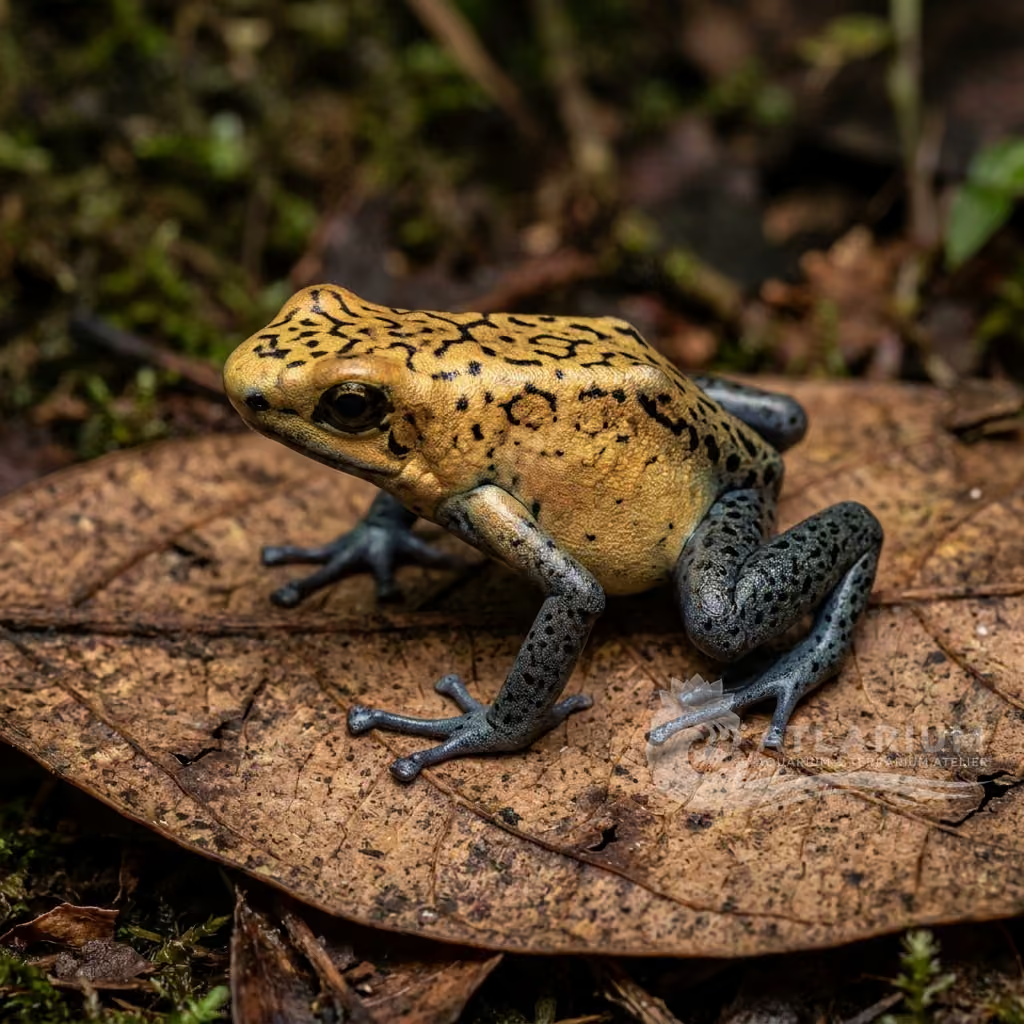
Smoky Jungle Frog
Leptodactylus pentadactylus
The Smoky Jungle Frog is a gigantic, nocturnal, and highly predatory South American amphibian. A formidable hunter, it is capable of emitting a loud, child-like distress scream when heavily threatened.
Ambiente
Terrestre
Umidade
70 - 90 %
Temperatura diurna
24 - 29 °C
Temperatura noturna
21 - 25 °C

Descrição da espécie
Geographical Origin and Habitat: A gigantic terrestrial frog native to the primary tropical rainforests, swamps, and flooded woodlands of Central and South America, ranging from Costa Rica south through the Amazon Basin and Orinoco basin. During the day, it shelters in muddy burrows, under fallen logs, or deep root cavities.
Taxonomy and Genetics: Belonging to the family Leptodactylidae, *Leptodactylus pentadactylus* is one of the largest frogs in the Americas, with adults reaching a snout-to-vent length of 15–20 cm and weighing over 500 grams. Its skin is smooth and highly glandular. The dorsal coloration is a cryptic "smoky" brown, dark mahogany, or reddish-brown, mimicking leaf litter, with dark bands or spots. The head is broad, and the mouth is exceptionally wide.
Behavior and Habits: Strictly nocturnal and highly predatory. During the night, they forage actively on the forest floor, leaping with immense power to capture large prey. When threatened, they are capable of releasing noxious skin secretions and emitting a startling, high-pitched scream that sounds like a human child, designed to deter predators.
Morphology: Sexual dimorphism is highly pronounced. Adult males possess heavily muscled forelimbs and develop large, sharp black keratinous spurs on their thumbs and chest, which they use as weapons in aggressive territorial combats. Females lack these spurs and are generally larger and more robust.

Cuidado, criação e companheiros de tanque
Terrarium Setup: Due to their large size, they require a very spacious horizontal enclosure (minimum 120x60x60 cm). The substrate must be deep (at least 15 cm) and moisture-retaining, such as a mix of organic soil, peat moss, and leaf litter. Provide large hollow cork logs or heavy hiding caves where they can burrow. A very large, shallow water basin is essential, and the water must be changed daily as they produce significant waste.
Lighting and Heating: Keep temperatures between 25–28°C during the day. Avoid temperatures exceeding 30°C, which can cause heat stress and fatal dehydration. A nighttime temperature drop to 22–24°C is recommended. Provide a low-level UVB light (2–5%) to support proper skeletal development and prevent metabolic bone disease.
Humidity and Hydration: Require high relative humidity (80–90%). Efficient ventilation is critical to prevent stagnant, bacteria-friendly conditions. Mist the enclosure heavily each evening with dechlorinated water. Their skin is highly permeable; they cannot tolerate dry substrates.
Feeding and Supplementation: Voracious and powerful carnivores. Their diet should consist of large dubia roaches, locusts, large earthworms, and occasionally appropriately sized rodents (fuzzies or small mice). Feed using long tongs to keep fingers safe from their strong feeding grip. Dust prey items with a high-quality calcium, D3, and multivitamin supplement twice a week.
Compatibility: Strictly solitary. They are highly territorial and cannibalistic; keeping multiple individuals together, especially males, will result in lethal fights and injuries from thumb spurs. Never house them with other species.
Health and Common Diseases: Generally robust but prone to stress-induced skin toxicosis. When threatened, they secrete a toxic, skin-irritating milky fluid from their thighs and emit a piercing, human-like scream. Always handle them with gloves. Strict hygiene and daily spot-cleaning are mandatory to prevent toxic build-up from their large feces.

Origem e distribuição geográfica
A gigantic terrestrial frog native to the primary tropical rainforests, swamps, and flooded woodlands of Central and South America, ranging from Costa Rica south through the Amazon Basin and Orinoco basin. During the day, it shelters in muddy burrows, under fallen logs, or deep root cavities.
Origem
Amazônia, Orinoco e GuianasAmérica Central e CaribeAmérica do NorteLeste Asiático

Perfil anfíbio
- Dieta
- Carnivore
- The Smoky Jungle Frog is an apex amphibian predator with a ravenous appetite, eating almost anything that fits in its mouth. Their wild diet includes large insects, spiders, scorpions, small reptiles, and even other frogs. In captivity, they require large food items such as mature roaches, earthworms, and appropriately sized rodents or fish.
- Expectativa de vida
- 15-20 years
- Tamanho adulto
- 18 cm
- Estilo de vida/Microhabitat
- Terrestrial
- As massive terrestrial frogs, they inhabit the humid tropical rainforests and lowland swamps of Central and South America. They require a large terrestrial area with a deep, moisture-retaining substrate to accommodate their burrowing habits. While they need a large water bowl for soaking, they are primarily land-dwellers that do not require deep swimming water.
- Ciclo de atividades
- Nocturnal
- They are predominantly nocturnal, relying on the cover of darkness to actively hunt large prey on the forest floor. During the day, they remain securely hidden under large logs, in deep burrows, or under dense vegetation. Captive specimens are generally inactive during the day and require a very secure enclosure due to their strength and nighttime activity.
- Socialidade
- Solitary
- These frogs are bold and aggressive, known to actively defend themselves rather than flee when cornered. They have strong jaws and sharp bony projections in their mouths, capable of delivering a painful bite if mishandled. If provoked, they will inflate their bodies and may emit a loud, startling scream to deter attackers.
- Reprodução
- Oviparous
- Males dig shallow basins near the water's edge and call loudly with a sharp 'whoop' to attract females. During amplexus, the male uses his hind legs to whip the female's secretions into a large, protective foam nest. The eggs develop safely within this foam until heavy rains wash the newly hatched tadpoles into the main water body.
- Toxicidade
- Toxic
- They can secrete a highly irritating toxic mucus from their skin when stressed or physically threatened. This secretion can cause severe burning sensations if it enters the eyes or open wounds. Handlers must exercise extreme caution, utilizing protective gloves and engaging in rigorous hand washing after any contact with the frog or its enclosure.
- Estágio de vida
- Metamorphosis
- The eggs are uniquely deposited in foam nests created by the male near the edge of water bodies. Upon hatching, the large tadpoles slip into the water where they develop rapidly as aggressive carnivores. After metamorphosis, the froglets grow very quickly, ultimately becoming one of the largest frog species in the Americas.
- Tolerância de tratamento
- Display only
- Handling is highly discouraged due to their aggressive nature, powerful bite, and irritating skin secretions. If handling is strictly necessary, leather or thick nitrile gloves must be worn, and the frog should be securely restrained. They are incredibly strong and can easily leap out of inexperienced hands, potentially injuring themselves.
- Brumação
- Não obrigatório
- They do not brumate, as they originate from stable, hot tropical environments with high humidity year-round. They may become less active during dry periods, retreating to deeper burrows to conserve moisture. Maintaining consistent tropical temperatures and high humidity in captivity ensures they remain active and healthy without a resting period.
- Muda
- Periodic
- Due to their rapid growth rate, these massive frogs shed their skin quite frequently. The shedding process involves powerful stretching and wiping motions to dislodge the old epidermis. The shed skin is aggressively pushed into the mouth and consumed quickly, a necessary process to conserve nutrients and avoid leaving a scent trail.

Espécies relacionadas
Recomendações agrupadas por parentes próximos, escolhas de acompanhantes e cuidados semelhantes.