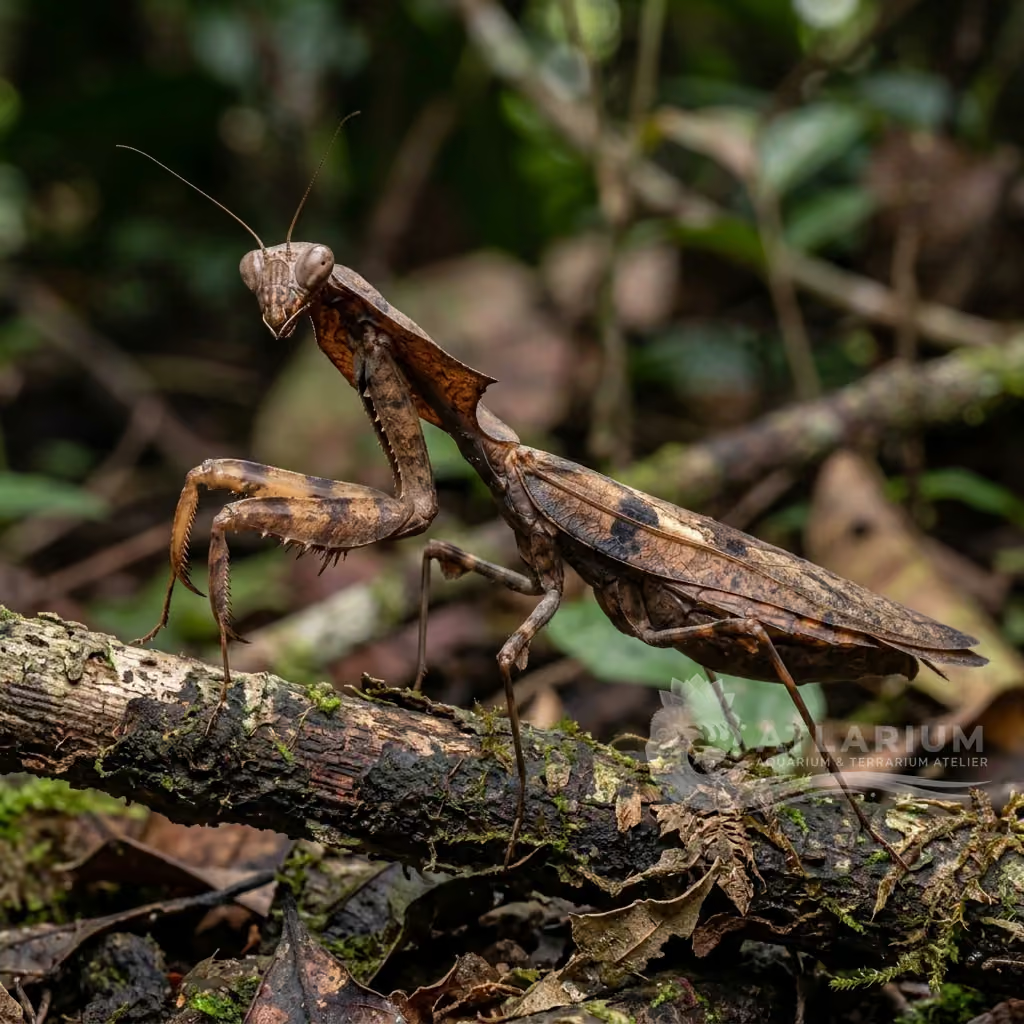
Asian Whip Scorpion
Thelyphonus doriae
The Thelyphonus doriae, or Asian Whip Scorpion. It shares with its American cousin (M. giganteus) the threatening but harmless appearance, the whip tail and the ability to spray acetic acid. It is however smaller (body 1.6-2 inches) and decidedly more linked to very humid tropical forest environments compared to deserts. The coloring is dark (black or mahogany brown) and it digs intricate galleries in the soaking substrate of the jungles of South-East Asia. Calm and blind, it preys on insects that it crushes with spiny pedipalps. Breeding identical to other Uropygi: requires very deep, warm substrate and perennial humidity to support long underground molts.
Terrestrial
75 - 85 %
24 - 28 °C
20 - 22 °C

Species description

Care, breeding and tankmates

Geographic origin and distribution
Origin

Terrestrial invertebrate profile
- Diet
- Carnivore
- They feed on a variety of terrestrial invertebrates, including crickets, roaches, and mealworms. They are active hunters that grab prey with their spined pedipalps. Maintaining a varied diet of gut-loaded insects ensures they receive the necessary nutrients for growth and longevity.
- Adult size
- 3 cm
- Lifestyle/Microhabitat
- Terrestrial
- This species is primarily terrestrial and fossorial, thriving in the humid, leaf-littered floors of tropical forests. It utilizes its robust pedipalps to dig burrows in the soil. A captive setup must include deep, damp substrate like coco fiber mixed with soil to facilitate their burrowing behaviors.
- Activity cycle
- Nocturnal
- Thelyphonus doriae is a nocturnal species, adapting to avoid the daytime heat of its Southeast Asian habitat. It spends daylight hours concealed in burrows or under forest debris. Activity peaks at night when it exits its retreat to hunt for passing invertebrates on the forest floor.
- Sociality
- Solitary
- Thelyphonus doriae is strictly solitary. They are territorial and highly aggressive toward conspecifics outside of brief mating encounters. Keeping multiple individuals together will result in fighting and cannibalism. Each specimen must have its own secure, adequately sized enclosure.
- Reproduction
- Oviparous
- Reproduction involves the male depositing a spermatophore and guiding the female to accept it. The female eventually retreats to a sealed burrow to lay her eggs. The newly hatched young will cling to their mother's back until they undergo their first molt, absorbing nutrients from her.
- Venomous
- No
- Handling tolerance
- Tolerant
- Handling is not recommended as it stresses the animal. While not venomous, they can pinch effectively with their strong pedipalps. When threatened, they will deploy their primary defense mechanism, spraying a pungent acetic acid mixture from the base of their flagellum (tail).
- Brumation
- Not required
- Native to tropical Southeast Asia, this species requires a consistently warm and humid environment throughout the entire year. They do not undergo brumation, and exposing them to significant drops in temperature can cause severe metabolic stress, lethargy, and potentially death.
- Molting
- Periodic
- Molting occurs underground in a sealed burrow. The process can be lengthy, taking several weeks to complete. The animal is extremely vulnerable during this time and must not be unearthed or disturbed, as disrupting the molt will almost certainly result in the death of the specimen.

Related species
Recommendations grouped by close relatives, companion choices, and similar care.