African Lined Mantis
Sphodromantis lineola
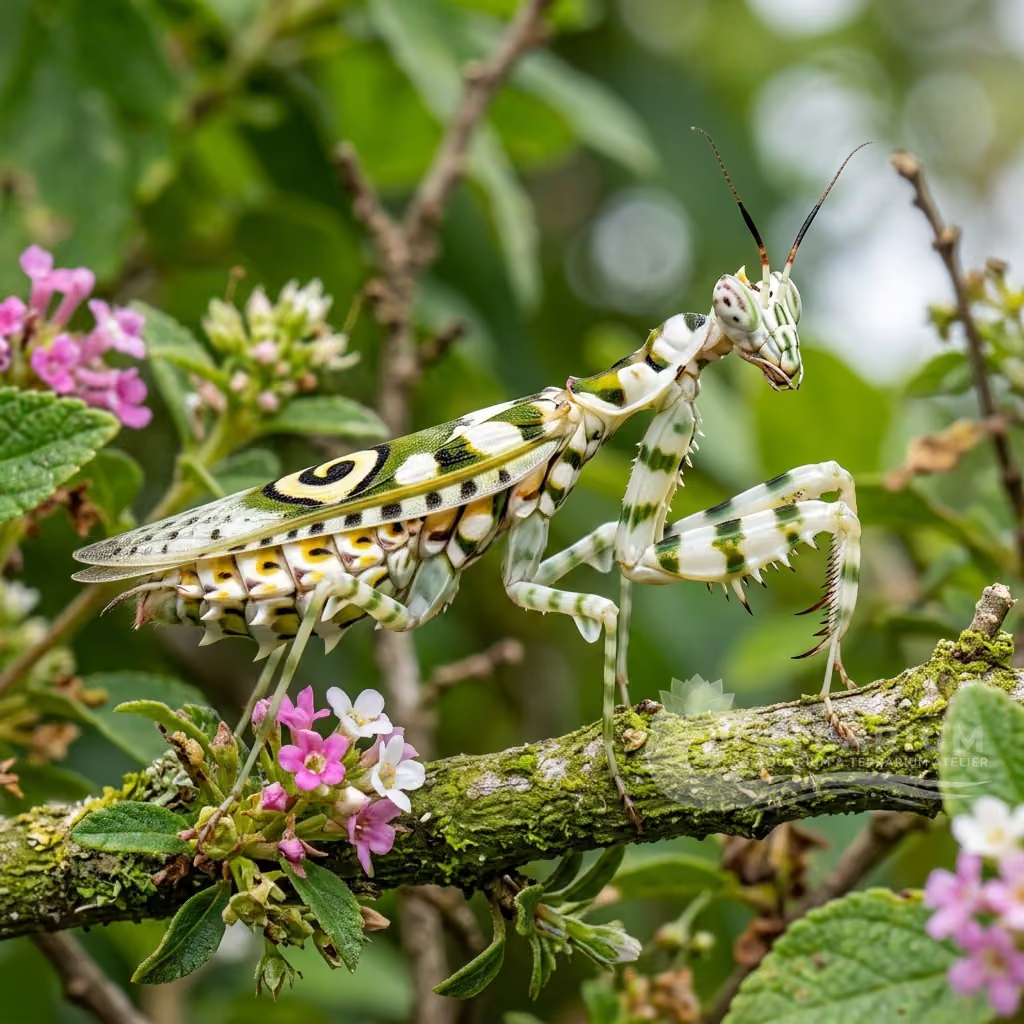
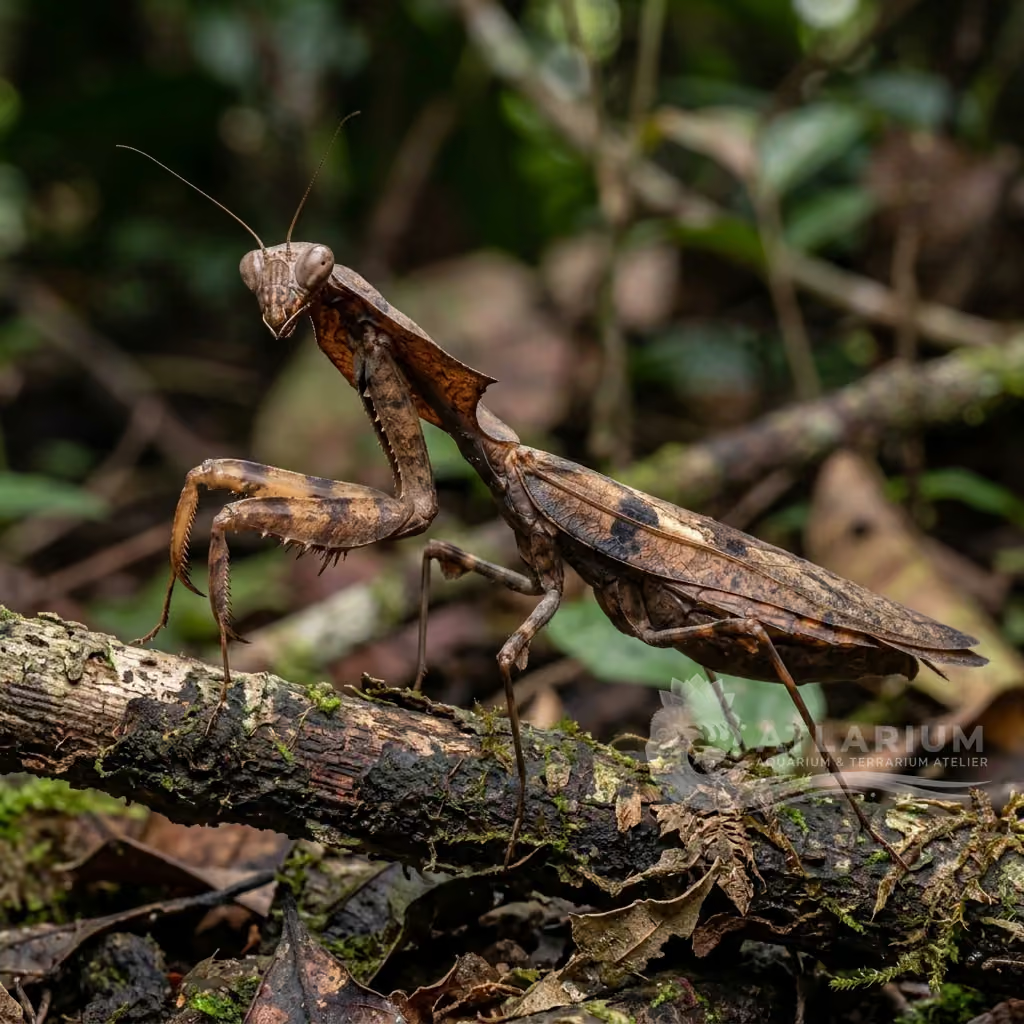
The Sphodromantis lineola, or African Lined Mantis. It is the African equivalent of the Hierodula: a mammoth mantis, very common and robust as a tank. Females (3.1-3.5 inches) are very stocky and powerful, capable of subduing gigantic prey (including adult crickets and small locusts). The color varies from Leaf Green to Dry Brown depending on the camouflage required by the molt. The name 'Lined' derives from the slight transverse line on the margin of the tegmina wings. Extremely forgiving of temperature fluctuations (tolerates dry air better than Asian species), it is considered the 'invincible' mantis par excellence for neophytes. Shamelessly voracious and cannibalistic.
Terrestrial
50 - 60 %
24 - 28 °C
20 - 22 °C

Species description

Care, breeding and tankmates

Geographic origin and distribution
Origin

Terrestrial invertebrate profile
- Diet
- Insectivore
- They have a very aggressive feeding response and will tackle a wide variety of prey, including crickets, locusts, roaches, and flying insects. Because of their voracious appetite, care must be taken not to overfeed adults, which can lead to impaction or a dangerously distended abdomen.
- Adult size
- 8 cm
- Lifestyle/Microhabitat
- Arboreal
- This species has an arboreal lifestyle, perfectly adapted to live amongst the bushes and small trees of the African savanna. They are hardy and adaptable, requiring an enclosure with plenty of vertical branches, artificial vines, and foliage to allow them to climb, hunt, and successfully molt.
- Activity cycle
- Diurnal
- The African Lined Mantis is diurnal, utilizing the sunlight to hunt actively and ambush prey. It spends most of the day perching motionless on branches, waiting for unsuspecting insects to wander by. During the night, it generally rests and remains inactive to avoid nocturnal predators.
- Sociality
- Solitary
- Sphodromantis lineola is highly solitary and aggressively cannibalistic. They must be housed individually from a very young age (L3/L4 instar). If kept in a communal setup, they will actively hunt and consume each other until only one well-fed individual remains.
- Reproduction
- Oviparous
- Mating carries a significant risk of sexual cannibalism. The female must be distracted with a large meal before introducing the male. If successful, the female will lay multiple large, round oothecae on thick branches over her adult lifespan, each hatching hundreds of nymphs.
- Venomous
- No
- Handling tolerance
- Tolerant
- They are a robust and relatively docile species, making them excellent candidates for occasional handling. They will readily step onto an outstretched hand if gently prompted from behind. Care must be taken not to drop them, as their abdomens, especially in gravid females, are quite heavy and prone to rupture.
- Brumation
- Not required
- Native to tropical and subtropical Africa, this mantis requires warm temperatures year-round and does not naturally undergo any form of winter brumation. Maintaining a consistent temperature between 75°F and 85°F (24°C - 29°C) is essential to ensure a healthy metabolism and proper growth rates.
- Molting
- Regular
- Like all mantises, they require at least three times their body length in vertical height to molt safely. Hanging upside down, they slip out of their old exoskeleton. Ensure the enclosure maintains moderate humidity and never disturb or feed the mantis during this vulnerable 24 to 48-hour period.

Related species
Recommendations grouped by close relatives, companion choices, and similar care.