Lined Dottyback
Labracinus lineatus
The Lined Dottyback is an exceptionally large and aggressive predator endemic to Western Australia. Suitable only for massive tanks with equally robust and tough companions.
Wassertemperatur
22 - 27 °C
pH-Wert
8.1 - 8.4
Wassertyp
Meerwasser
Tankfüllstand
Unten
Erwachsenengröße
25 cm
Mindesttankvolumen
>= 300 L
Mindestgruppe
>= 1

Artbeschreibung
Geographical Origin and Habitat: Labracinus lineatus is a marine fish endemic to the subtropical and tropical coastal waters of Western Australia. It inhabits shallow coastal coral reefs, rocky reef structures, and sheltered lagoons. It is usually found associated with dense coral formations or rocky crevices at depths ranging from 2 to 20 meters, where water flow is moderate and small prey is abundant.
Taxonomy and Morphology: It belongs to the Pseudochromidae family (dottybacks) and the Labracinus genus. It is one of the largest members of its family, reaching a maximum total length of about 20 to 25 centimeters. It features a robust, moderately compressed body shape, a large head, and powerful jaws equipped with small conical teeth suited for active predation.
Social Behavior: It is a solitary, highly territorial, and aggressive species. It fiercely defends its territory, which can span several square meters, attacking any fish it considers an intruder or rival, regardless of size. It exhibits wary behavior and spends considerable time patrolling near rock crevices and substrates.
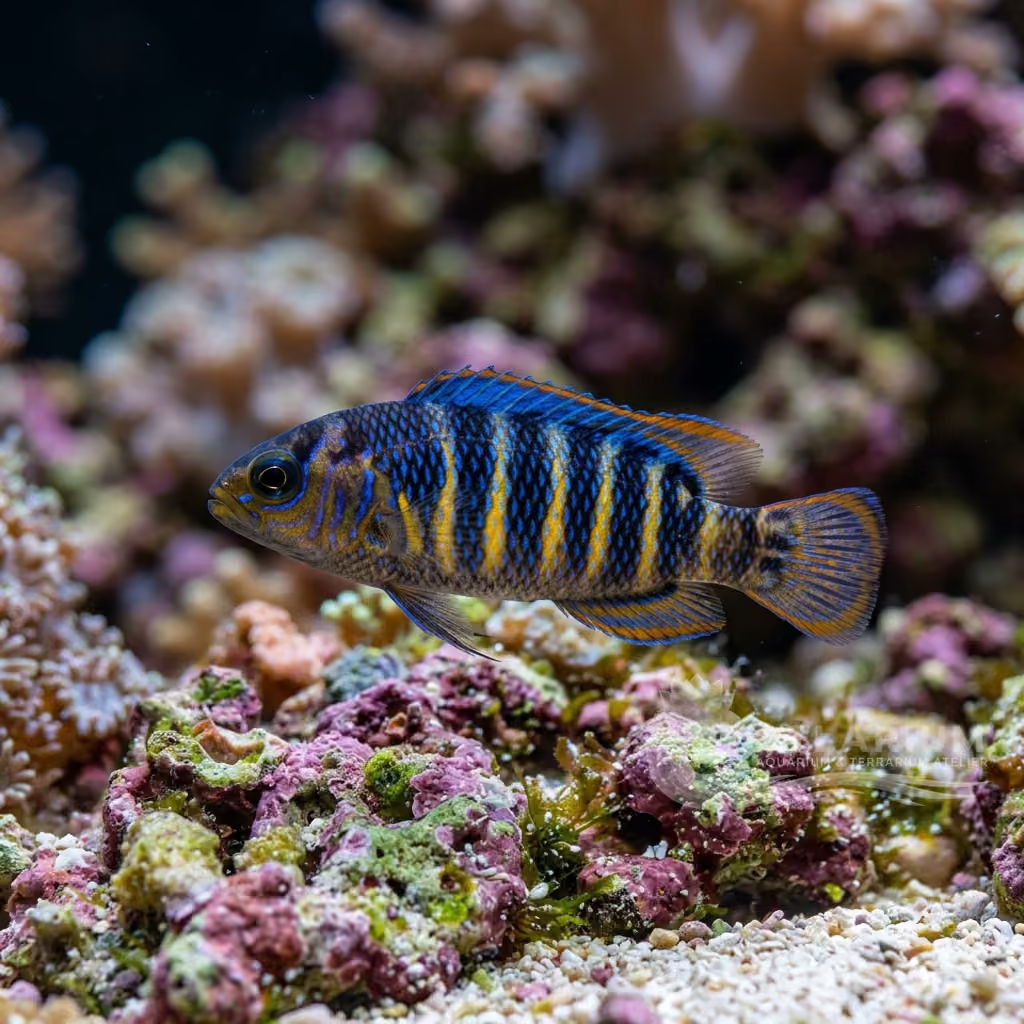
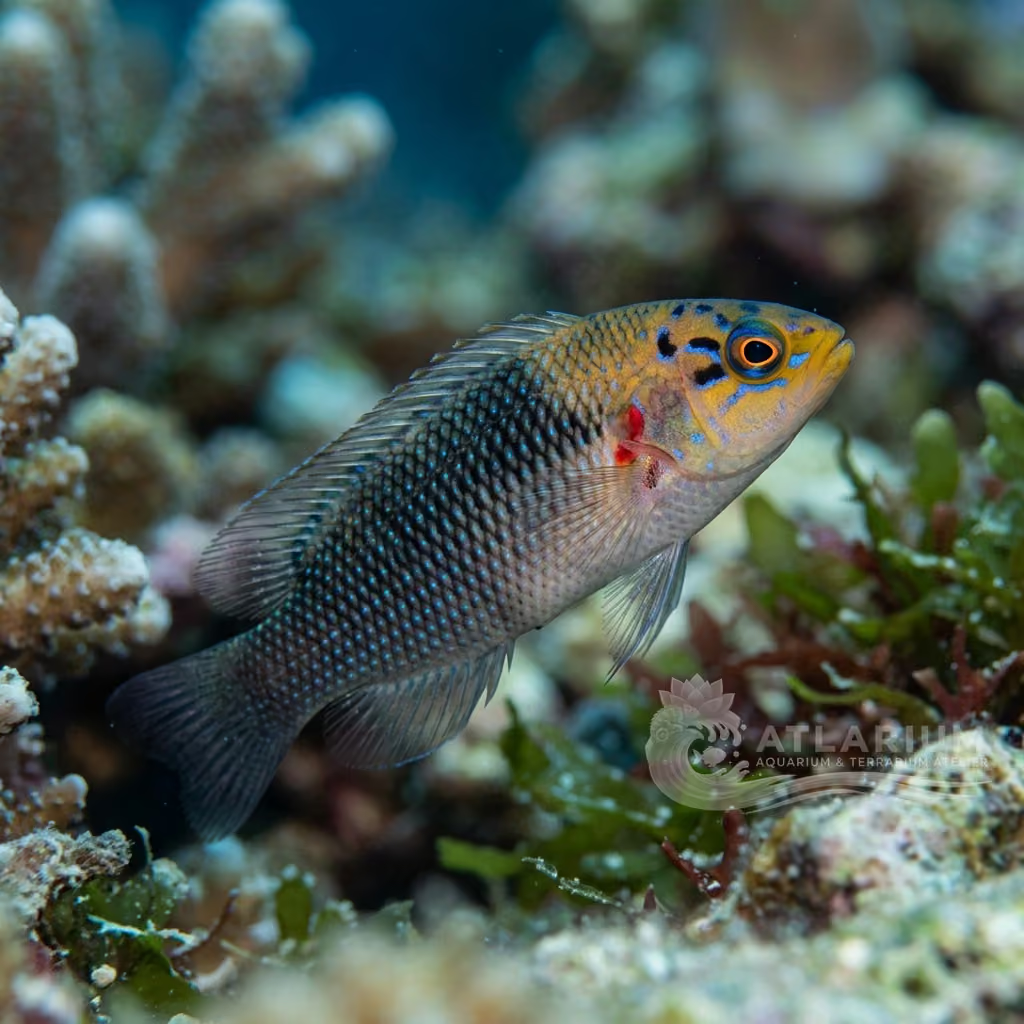
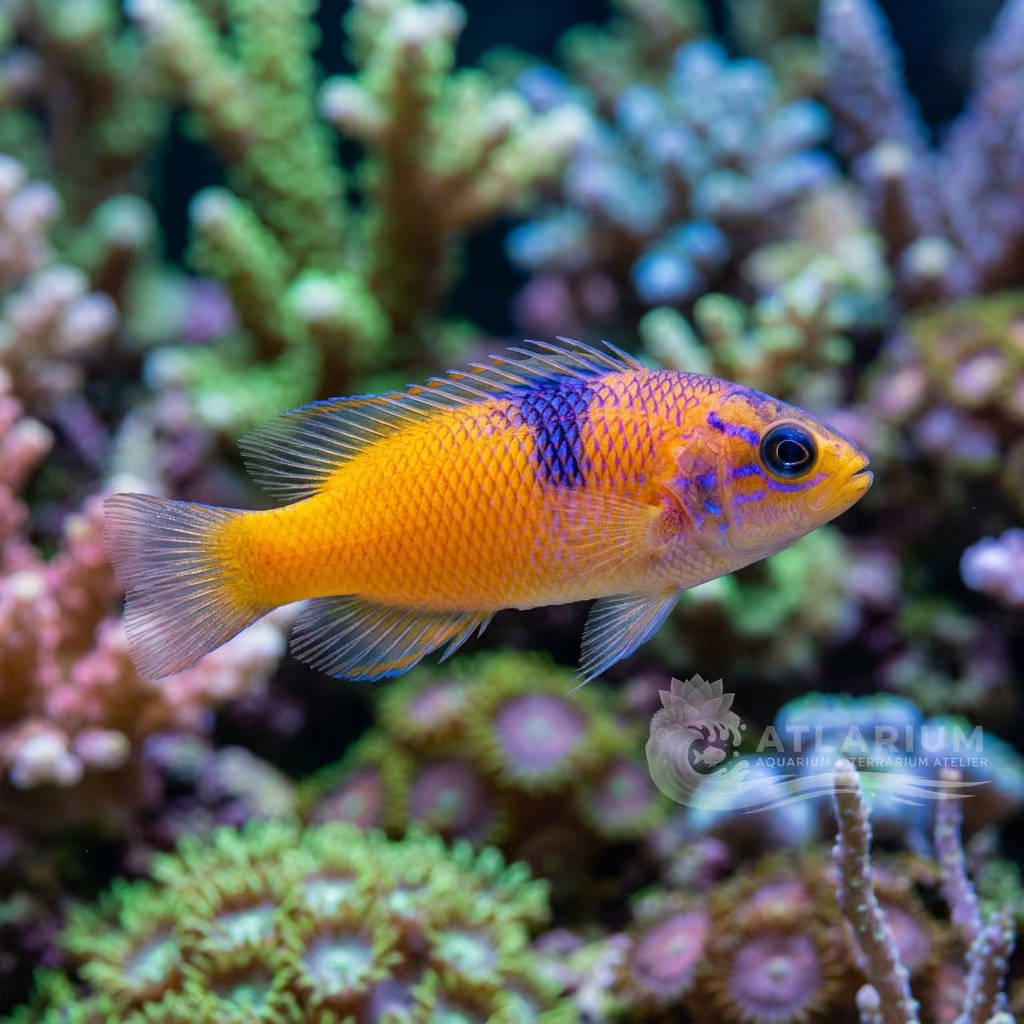
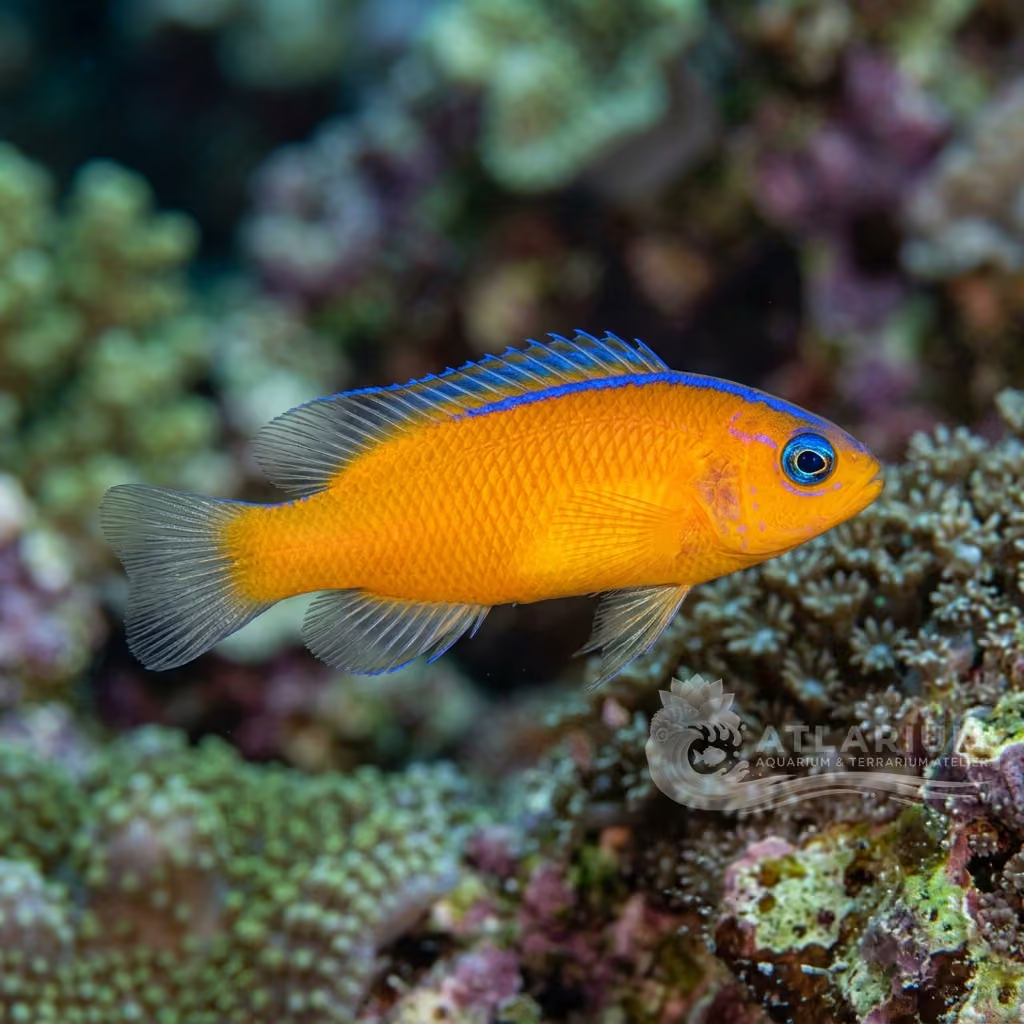
Coloration and Sexual Dimorphism: Its coloration features a light brown to reddish base color, traversed longitudinally by numerous thin dark or reddish lines along its sides. It shows iridescent violet or bluish reflections on the fins and near the head. Sexual dimorphism is not highly visible, though adult males tend to be slightly larger than females.

Pflege, Zucht und Mitbewohner
Aquarium Setup: Requires a very large aquarium of at least 300 liters (approx. 80 gallons) for a single specimen. The tank should be aquascaped with a massive structure of live rock forming spacious caves, overhangs, and stable hiding spots where the fish can establish its territory. Secure all rockwork to prevent cave-ins caused by the fish's digging and moving habits.
Diet and Feeding: A voracious carnivore. In captivity, its diet must consist of high-quality marine frozen or fresh foods of appropriate size, such as shrimp, krill, mysis, clam meat, and chopped squid or fish. Large sinking carnivore pellets are accepted but should be alternated with fresh meaty items to maintain long-term health.
Water Quality: Requires clean, stable water conditions: temperature between 22 and 26°C (slightly cooler than standard tropical reefs), pH between 8.1 and 8.4, specific gravity of 1.021 to 1.025. Strong filtration and a high-capacity protein skimmer are necessary to manage the high bioload produced by this predatory fish.
Compatibility and Cohabitation: Due to its highly aggressive nature, it is not suitable for typical community aquariums or reef tanks with small or slow-moving fish. It can only be housed with large, robust, and equally assertive tankmates like large tangs, triggerfish, groupers, or eels. Any small fish or ornamental shrimp will be quickly killed or eaten.
Aquarium Breeding: Breeding in home aquariums is extremely difficult due to intense intraspecific aggression. Two specimens of the same sex will fight to the death. A compatible pair may spawn adhesive eggs in a cave guarded by the male, who becomes even more aggressive during this time. Rearing the fry is challenging and requires live rotifers.
Risks and Diseases: Exceptionally hardy and resistant to common marine diseases. The primary risks are physical injuries or secondary bacterial infections resulting from fights with aggressive tankmates or rough rocks. Carefully monitor social dynamics in the tank to prevent fatal territorial clashes.

Geografische Herkunft und Verbreitung
Labracinus lineatus is a marine fish endemic to the subtropical and tropical coastal waters of Western Australia. It inhabits shallow coastal coral reefs, rocky reef structures, and sheltered lagoons. It is usually found associated with dense coral formations or rocky crevices at depths ranging from 2 to 20 meters, where water flow is moderate and small prey is abundant.
Ursprung
Tropische Ozeane und RiffeSüd- und SüdostasienAustralien, Neuguinea und Ozeanien

Fischprofil
- Temperament
- Aggressive
- This group is notoriously pugnacious and highly territorial, fiercely dominating their chosen area of the reef structure. They will aggressively and unrelentingly defend their chosen cave or crevice from any perceived intruders, regardless of the intruder's size. Despite their relatively small stature, their bold, fearless, and aggressive nature means they can easily dominate an entire tank if not carefully matched with appropriate tank mates. Impeccable planning of the community dynamic is utterly crucial prior to introducing them.
- Diät
- Carnivore
- They are strictly carnivorous predators, relying on a diet rich in meaty foods in the wild, such as small crustaceans, worms, and zooplankton. In the aquarium setting, they should be offered a highly varied diet including mysis shrimp, enriched brine shrimp, and finely chopped seafood. High-quality marine carnivore pellets or flakes can also be offered as supplementary daily food. Ensuring a diverse and protein-rich diet helps maintain their vibrant coloration and overall immune health.
- Lebenserwartung
- 5-7 years
- Erwachsenengröße
- 25 cm
- Geschlechterverhältnis
- Solitary
- These species often exhibit distinct sexual dimorphism, with males typically growing larger and displaying much more intense and varied coloration than the females. It is highly recommended to keep them entirely singly or as a carefully matched, confirmed male-female pair. Keeping multiple males or unsexed individuals in the same confined tank almost universally results in severe territorial aggression and inevitable fatalities. Even in very large aquariums, establishing a peaceful pair requires ample physical territory and visual barriers.
- Fütterungsfrequenz
- Twice daily
- Due to their highly active nature and carnivorous diet, they should be fed small portions at least two to three times a day. Frequent, smaller meals closely mimic their natural foraging behavior across the reef structure. Avoid feeding large, infrequent meals as this can lead to digestive issues and result in excess uneaten food decaying in the tank. Closely observing their feeding response ensures they are getting adequate nutrition without overfeeding.
- Bioload
- Medium to High
- These fishes produce a relatively small amount of waste given their diminutive size and moderate metabolic rates. A well-established biological filtration system and regular protein skimming can easily handle their output. Routine water changes are sufficient to maintain pristine water quality and a healthy environment. Overfeeding should be carefully avoided to prevent unnecessary spikes in bioload and nutrient accumulation.
- Fluss
- Moderate
- These species thrive in moderate to strong water flow that realistically mimics the dynamic currents of their natural coral reef environment. Excellent water movement helps keep their environment properly oxygenated and carries suspended food particles past their favorite hiding spots. Furthermore, adequate flow aids in keeping the tank free of detritus accumulation, which is essential for maintaining high water quality. Powerheads should be strategically positioned to create varied and turbulent flow patterns.
- Sprungrisiko
- Yes
- Like many similar reef fishes, they possess a sleek, torpedo-like body shape that allows them to dart quickly when navigating the rockwork. This agility makes them exceptionally prone to jumping out of the water when startled, harassed, or simply exploring. A tightly fitting lid, glass canopy, or fine mesh screen is absolutely essential to prevent them from tragically escaping the aquarium. Open-top aquariums are highly discouraged for these species, and immense caution is required during routine maintenance.
- Reproduktion
- Oviparous
- They are well-known to be secretive cave spawners, where the male actively entices a receptive female into a secluded crevice to lay a mass of sticky eggs. After fertilization, the male vigorously guards, cleans, and aerates the egg mass until the fry hatch a few days later. Breeding in the home aquarium is certainly possible but presents a massive challenge, primarily due to the immense difficulty of providing appropriate microscopic live foods for the tiny larvae. Providing numerous complex rocky caves dramatically increases the likelihood of spawning behavior if a compatible pair is established.
- Kompatibilität & Tankkameraden
- Highly aggressive
- They are highly territorial and generally aggressive towards smaller or similarly shaped fishes, especially other benthic species. They should not be kept with peaceful, shy species as they will likely harass them relentlessly. It is best to house them with larger, robust tank mates such as moderately sized angelfishes, tangs, or larger damselfishes. Caution is advised when keeping them with small ornamental shrimp, as these invertebrates may be viewed as a natural food source.
- Tankfüllstand
- Bottom
- They primarily inhabit the lower to middle vertical regions of the aquarium, consistently staying close to the complex rockwork. They spend a significant majority of their time cryptically darting in and out of tight caves, crevices, and rocky overhangs. While they may bravely venture out into open water columns during feeding time, they always quickly retreat to the safety of their established territory. A tank equipped with intricate and porous aquascaping provides the perfect ideal environment for their natural benthic behaviors.

Wissenschaftliche Modelle & Parameter
FishBase
Zugang zu den offiziellen wissenschaftlichen Daten der Art
FishBase v25.04Daten synchronisiert am: 15.06.2026
- Trophäenniveau
- 4 ± 0,6 se
- Belastbarkeit
- Mittel (1,4 - 4,4 Jahre)
- Phylogenetische Einzigartigkeit (PD50)
- 0.625
- Bayessche Längen-Gewichts-Beziehung
- a = 0.01148, b = 2.95
- AnfälligkeitGeringe Anfälligkeit (15 / 100)

Verwandte Arten
Empfehlungen gruppiert nach nahen Verwandten, Auswahl von Begleitern und ähnlicher Betreuung.