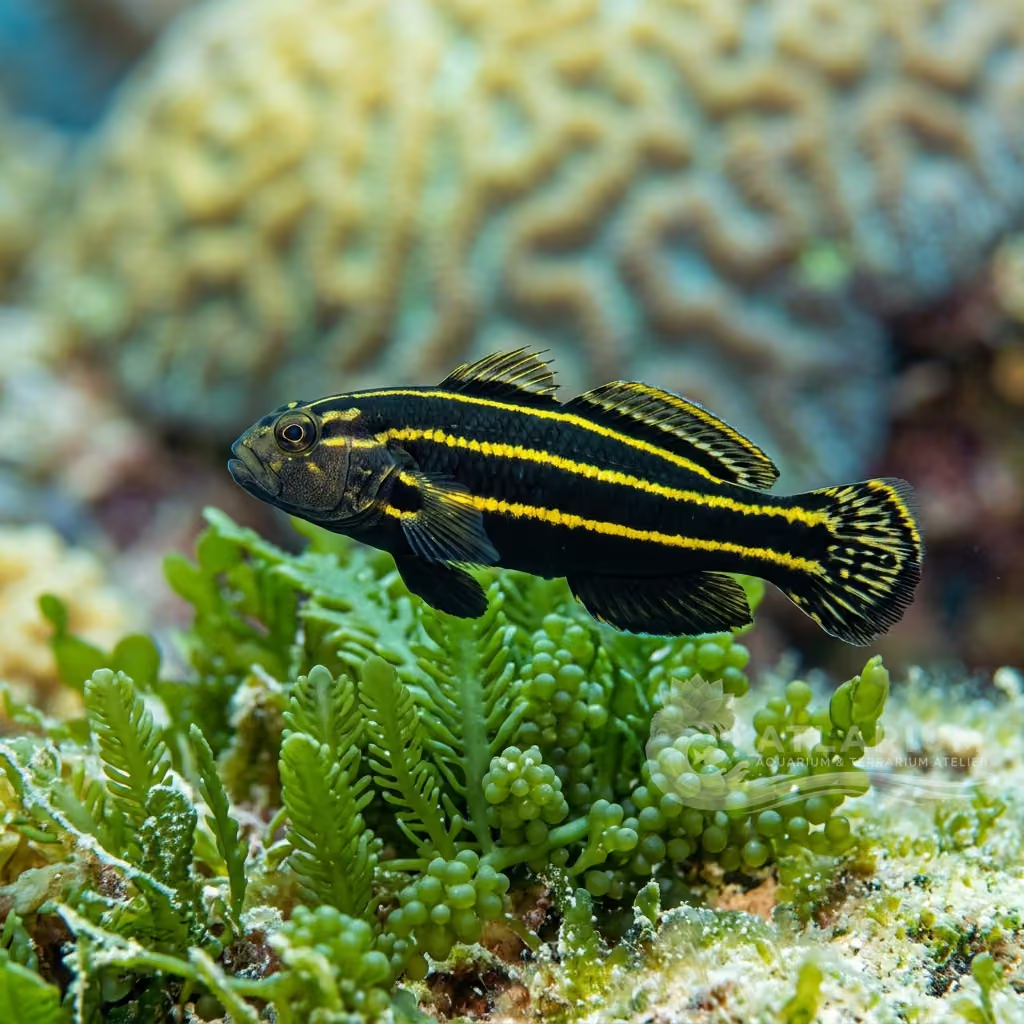
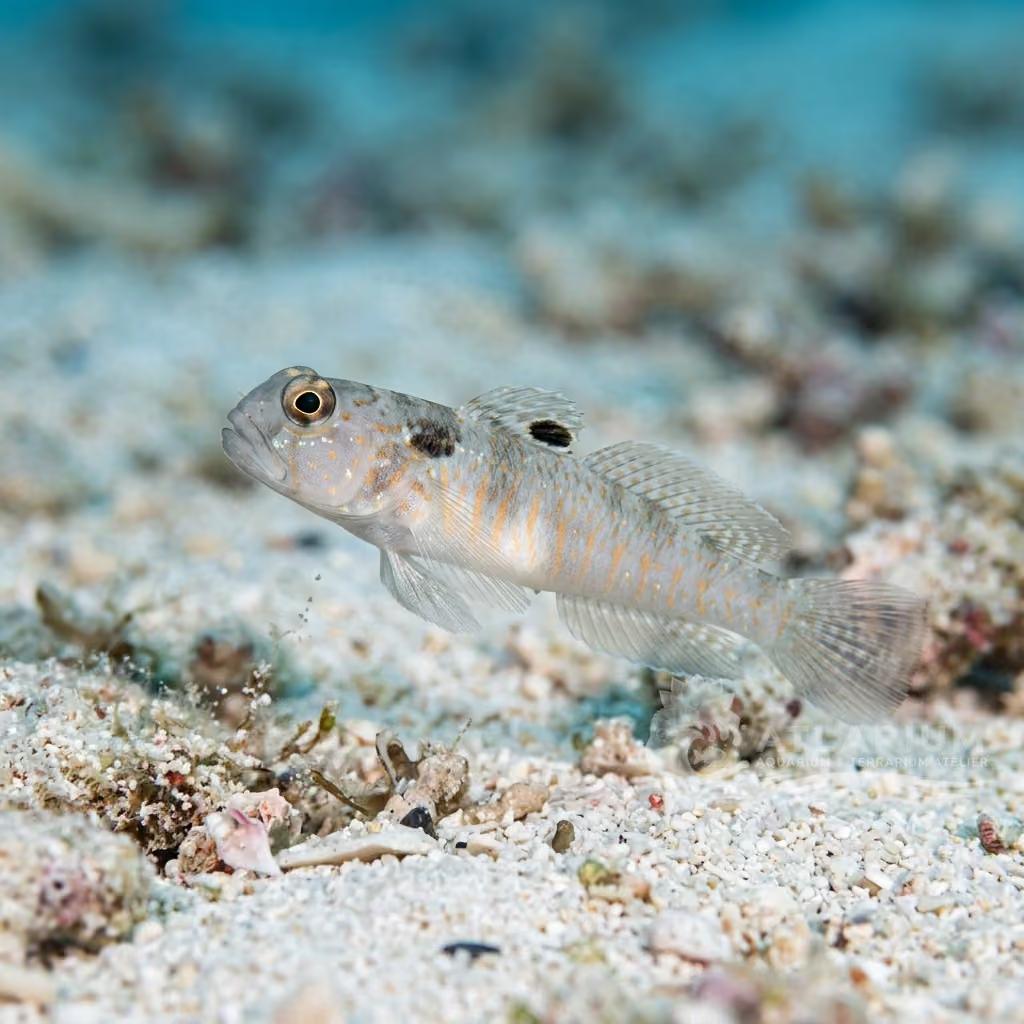
Firetail dottyback
Pseudochromis flammicauda
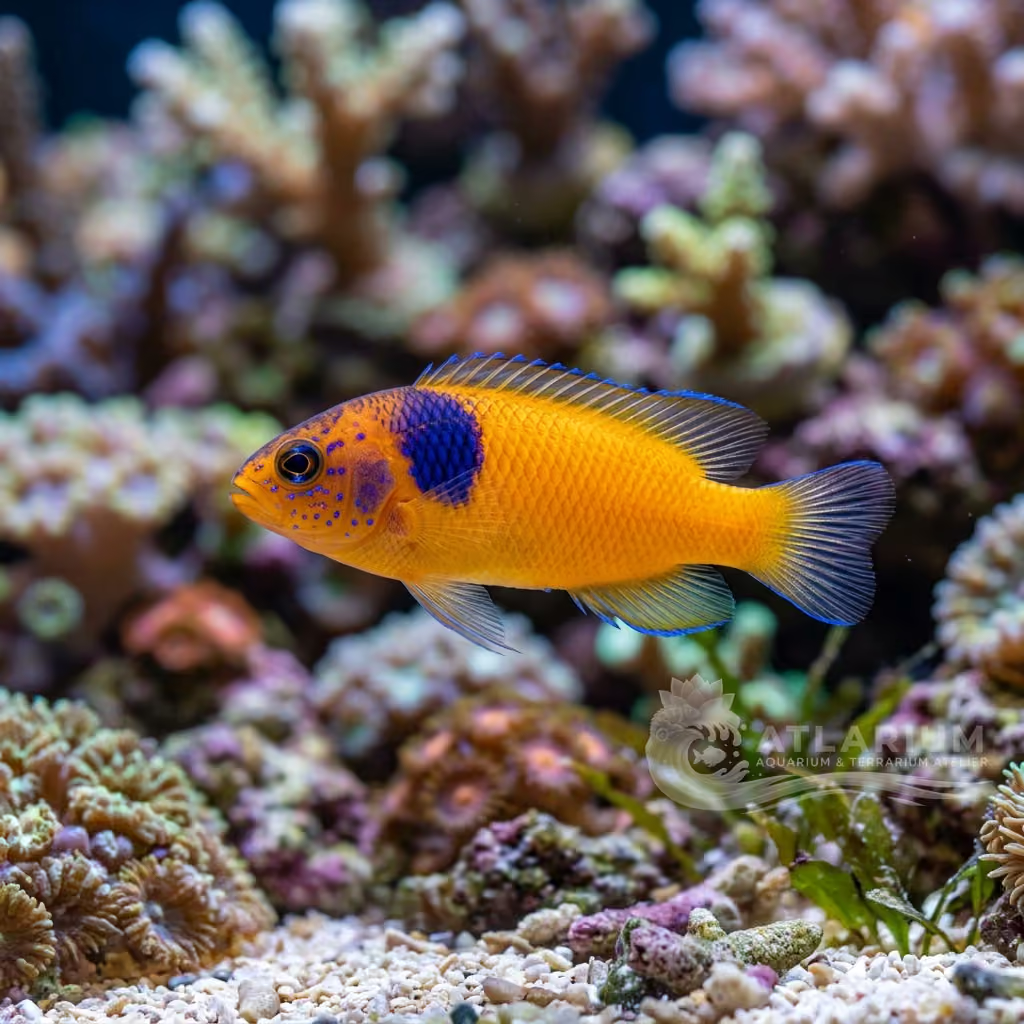
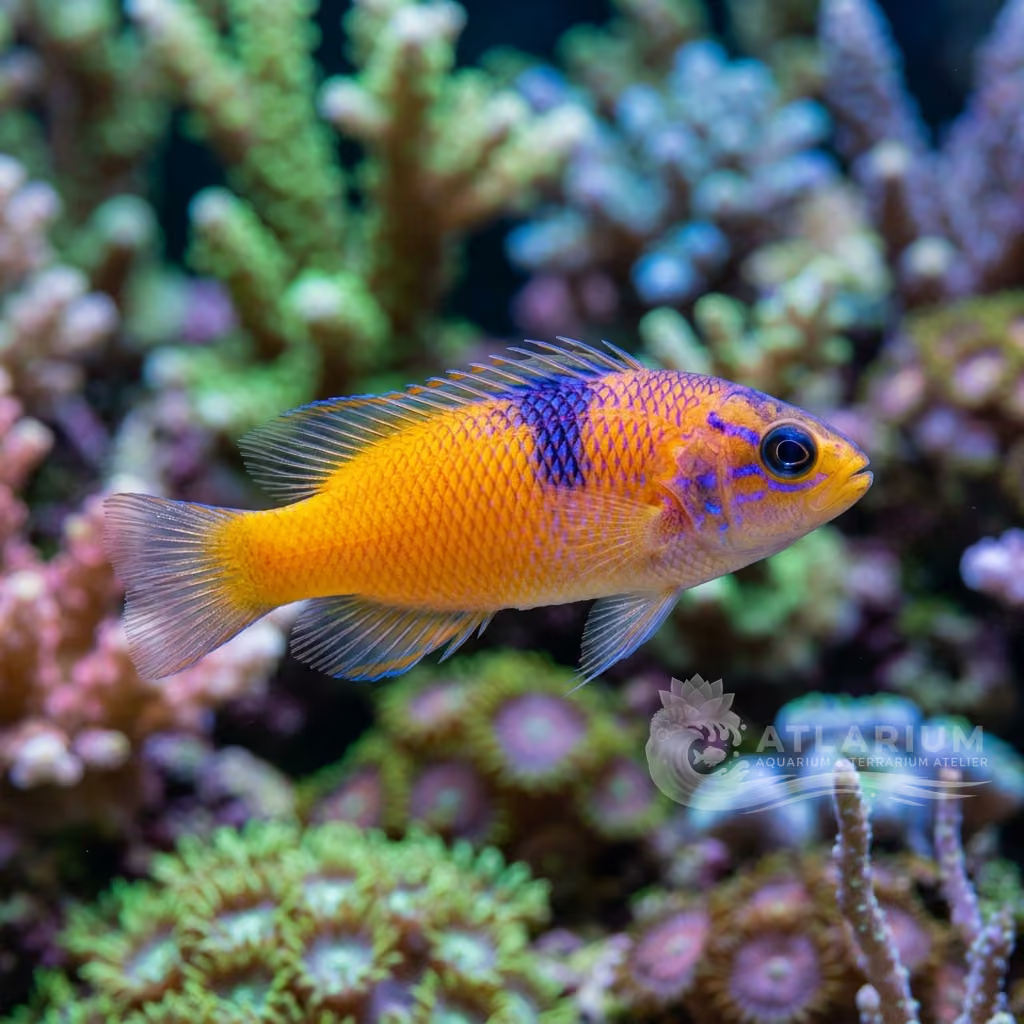
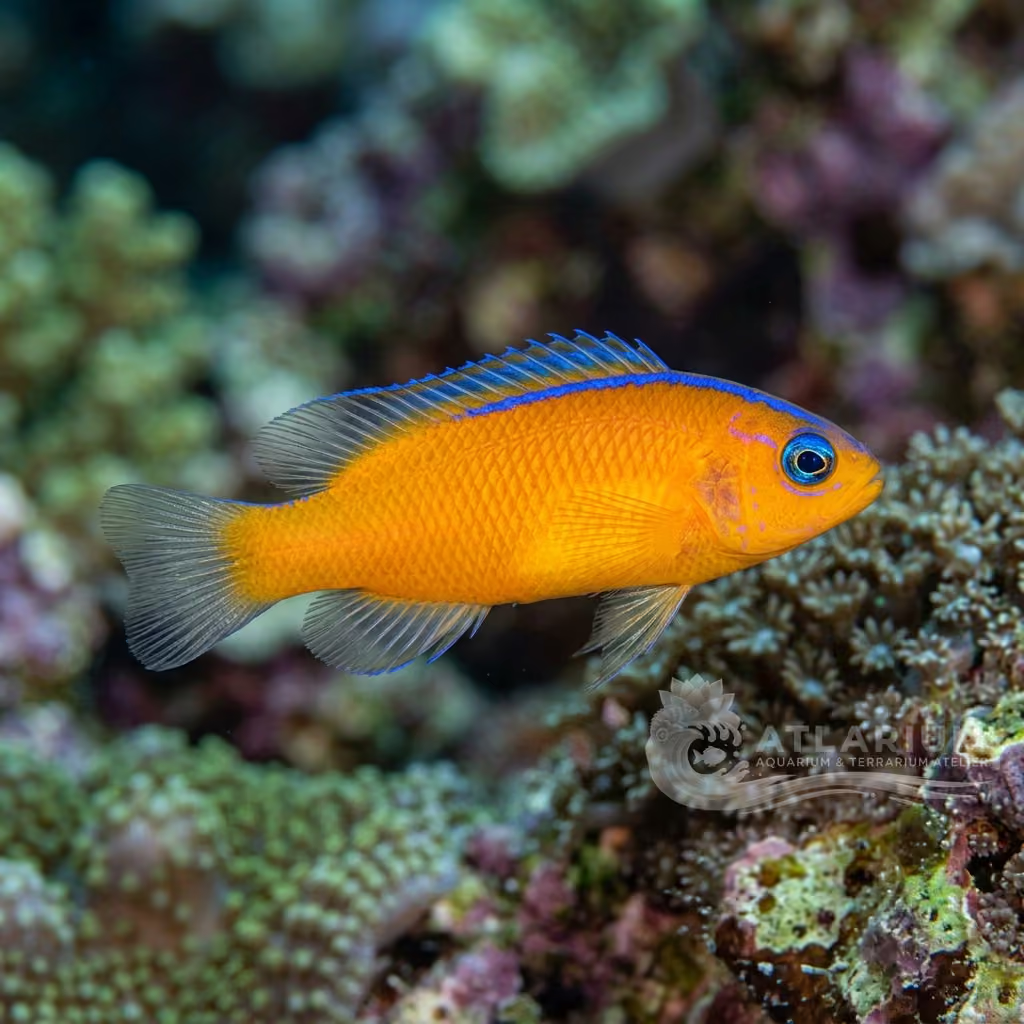
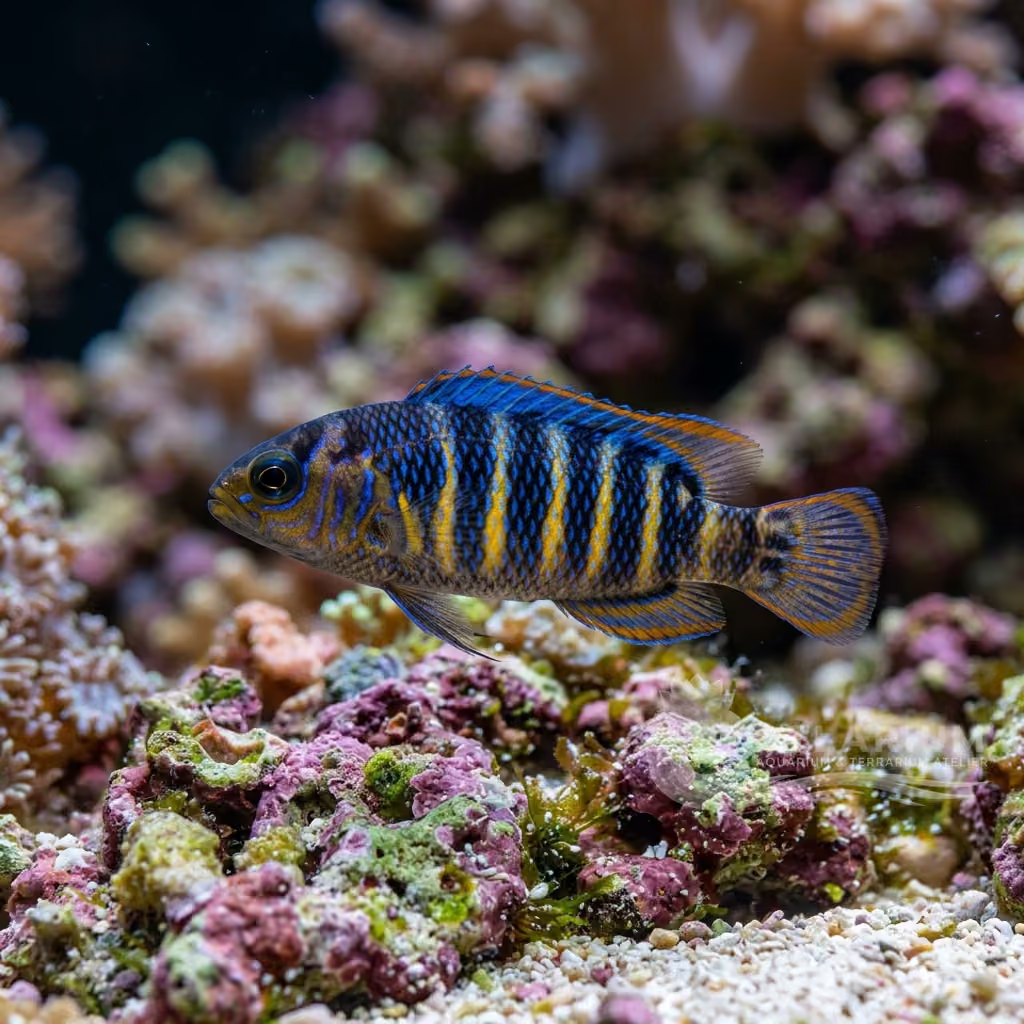
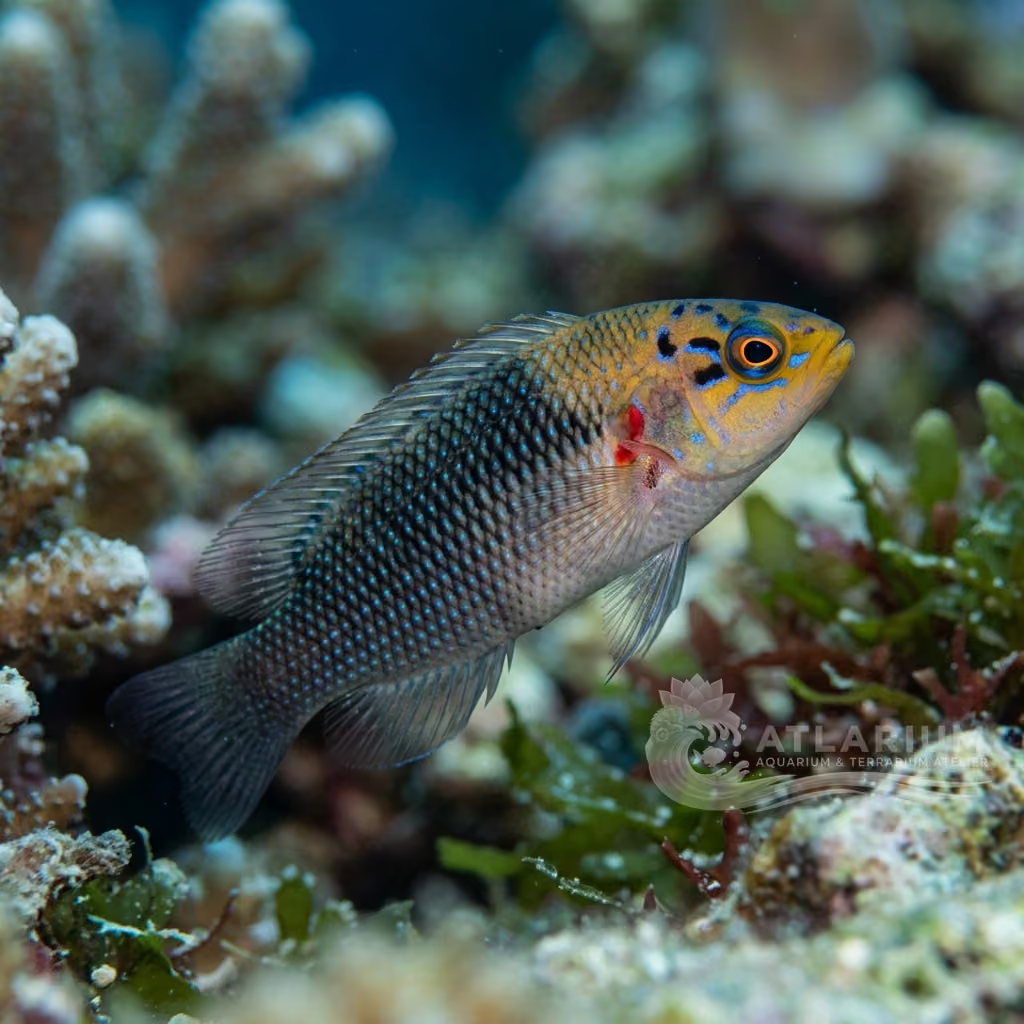
An Australian marine fish featuring a brilliant orange-red tail contrasting against a dark grey body. Highly territorial and solitary, it requires a secure reef environment.
Wassertemperatur
22 - 26 °C
pH-Wert
8.1 - 8.4
Wassertyp
Meerwasser
Tankfüllstand
Unten und in der Mitte
Erwachsenengröße
5,5 cm
Mindesttankvolumen
>= 80 L
Mindestgruppe
>= 1

Artbeschreibung
Geographical Origin and Habitat: This species is native to the eastern coast of Australia, particularly within the Great Barrier Reef and the Coral Sea. It inhabits shallow reefs and coastal rocky areas at modest depths, generally not exceeding 15 meters. It prefers habitats rich in branching corals, rock crevices, and coral rubble, which provide essential shelter against strong water currents and predators.
Taxonomy and Morphology: Belongs to the family Pseudochromidae and the genus Pseudochromis. Pseudochromis flammicauda is a small-sized fish, reaching a maximum length of 5 to 6 centimeters. It features a laterally compressed, elongated body with a robust head and strong jaws equipped with small, sharp teeth.
Social Behavior: It displays a temperament characteristic of the dottyback group: solitary, cautious, and highly territorial. It spends most of its time within or near rock structures, rarely venturing far into open water. It is extremely aggressive towards conspecifics and any other fish with similar shapes or behaviors, defending its shelter fiercely.
Coloration and Sexual Dimorphism: The common name of the species is derived from its striking color pattern. The body has a dark slate-grey to almost blackish-blue hue, which contrasts sharply with the caudal fin, which is a brilliant fire-like orange-red. Sexual dimorphism is present: males display a much more vibrant red or orange tail and occasionally show fine stripes on their fins, while females tend to be duller overall.

Pflege, Zucht und Mitbewohner
Aquarium Setup: Requires an aquarium of at least 80 liters for a single specimen. The tank setup should feature a dense structure of live rock with numerous caves, tunnels, and crevices. It is crucial to stack the rocks securely to prevent collapses caused by water movement or the fish's digging. Medium-grade coral sand is the ideal substrate.
Diet and Feeding: A strict carnivore and an active hunter of small crustaceans. In captivity, it must be offered a varied carnivorous diet, focusing on frozen foods such as mysis shrimp, brine shrimp, finely chopped krill, and shellfish preparations. It will readily accept high-quality pellet or flake foods as long as they are protein-rich and appropriately sized.
Water Quality: Sensitive to fluctuations in water chemistry. Keep water temperature stable between 22 and 26 °C, with a pH range of 8.1 to 8.4 and specific gravity around 1.020 to 1.025. Strong water movement and a reliable protein skimmer are recommended to ensure optimal oxygenation and minimal organic waste accumulation.
Compatibility and Cohabitation: Due to its high territoriality, it should be kept as a single specimen of its species unless housed in a very large aquarium. Avoid keeping it with small, peaceful, slow-moving fish such as pipefish, small gobies, or other dottybacks. Pair it with robust, active, and slightly larger tankmates like wrasses, tangs, or damselfish.
Aquarium Breeding: Breeding in home aquariums is very rare due to intraspecific aggression, which makes forming stable pairs challenging. If a pair is successfully established, spawning occurs in a cave where the male guards the egg mass until hatching. The larvae are tiny and pelagic, requiring rotifers and microalgae for survival.
Risks and Diseases: Aside from susceptibility to common marine parasites (Ich and Velvet), this species is a notorious jumper when startled or during the night. A tight-fitting lid or mesh screen is essential. Sharp-edged rocks can cause skin scrapes that may lead to secondary bacterial infections if water quality is poor.

Geografische Herkunft und Verbreitung
This species is native to the eastern coast of Australia, particularly within the Great Barrier Reef and the Coral Sea. It inhabits shallow reefs and coastal rocky areas at modest depths, generally not exceeding 15 meters. It prefers habitats rich in branching corals, rock crevices, and coral rubble, which provide essential shelter against strong water currents and predators.
Ursprung
Tropische Ozeane und RiffeAustralien, Neuguinea und Ozeanien

Fischprofil
- Temperament
- Territorial
- This species has a bold, assertive, and territorial temperament. They act much larger than their size suggests and are not afraid to confront bigger fish. While their aggression needs to be managed, their active and feisty personality makes them a fascinating addition to the right tank.
- Diät
- Carnivore
- A strictly carnivorous diet is necessary for this species to thrive. They should be fed a variety of meaty foods, including frozen mysis shrimp, brine shrimp, and chopped seafood. High-quality carnivore pellets can be offered but should be supplemented heavily with frozen preparations.
- Lebenserwartung
- 5-7 years
- Erwachsenengröße
- 5.5 cm
- Geschlechterverhältnis
- Solitary
- They should only be kept individually due to extreme, often lethal, aggression towards their own kind. Keeping two together will almost certainly result in the death of the weaker fish. Only confirmed, bonded pairs should be kept together, and only in very large, well-established aquariums.
- Fütterungsfrequenz
- Twice daily
- Feed them small amounts two to three times daily. This frequent feeding schedule supports their active metabolism and helps reduce their aggression towards other tank mates. Careful observation during feeding ensures they receive their share without overfeeding the entire tank.
- Bioload
- Low
- This dottyback presents a moderate bioload to the aquarium. Because it is an active carnivore requiring frequent feeding, it produces a proportional amount of waste. A solid filtration system, including a good protein skimmer, is essential to maintain excellent water quality.
- Fluss
- Moderate
- They prefer moderate to strong water flow, simulating the reef environments they naturally inhabit. The current helps oxygenate the water and encourages their active, darting swimming behavior. They will utilize caves and crevices to escape the current when they need to rest.
- Sprungrisiko
- Yes
- Like all dottybacks, they are notorious jumpers and pose a significant escape risk. A tight-fitting lid or a fine mesh screen over the aquarium is absolutely mandatory. They are easily spooked by sudden movements or aggressive encounters, which often leads to jumping.
- Reproduktion
- Oviparous
- Breeding in captivity is possible but highly challenging. The male will prepare a nest in a cave, and after the female lays eggs, he will guard them fiercely until they hatch. Rearing the microscopic larvae requires immense dedication and a constant supply of specialized live foods like rotifers.
- Kompatibilität & Tankkameraden
- Reef safe
- It is known for its territorial and semi-aggressive nature, making it a poor choice for peaceful community tanks. It will harass timid species, especially those with similar body shapes or bottom-dwelling habits. It is best housed with larger, more robust fish like tangs, large angelfish, and sturdy damselfish.
- Tankfüllstand
- Middle/Bottom
- They are bottom to mid-level dwellers that rely heavily on the live rock structure. They establish a specific cave as their home base and fiercely defend the surrounding territory. They rarely swim openly in the upper levels of the water column.

Wissenschaftliche Modelle & Parameter
FishBase
Zugang zu den offiziellen wissenschaftlichen Daten der Art
FishBase v25.04Daten synchronisiert am: 15.06.2026
- Trophäenniveau
- 3,3 ± 0,5 se
- Phylogenetische Einzigartigkeit (PD50)
- 0.5
- Bayessche Längen-Gewichts-Beziehung
- a = 0.00501, b = 3.1
- AnfälligkeitGeringe Anfälligkeit (10 / 100)

Verwandte Arten
Empfehlungen gruppiert nach nahen Verwandten, Auswahl von Begleitern und ähnlicher Betreuung.