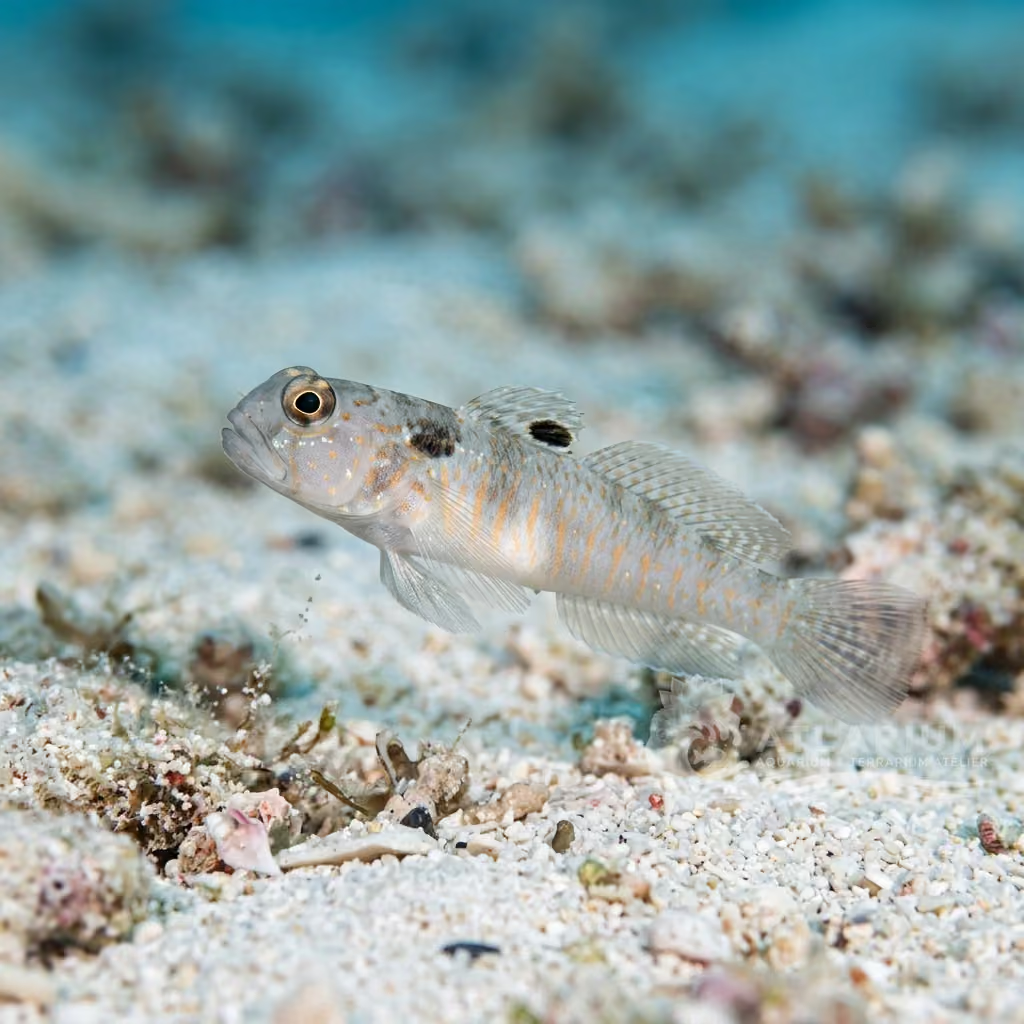
Gold-spotted dottyback
Pseudochromis chrysospilus
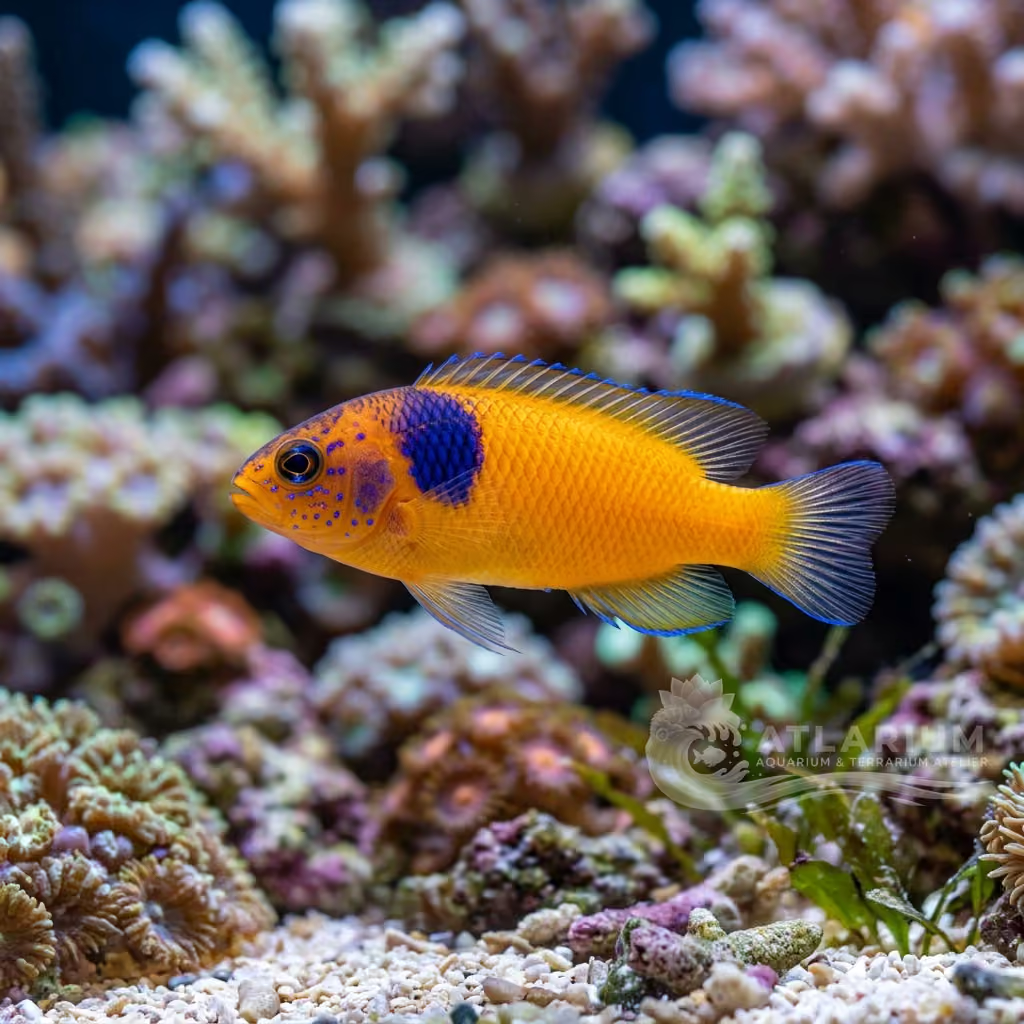
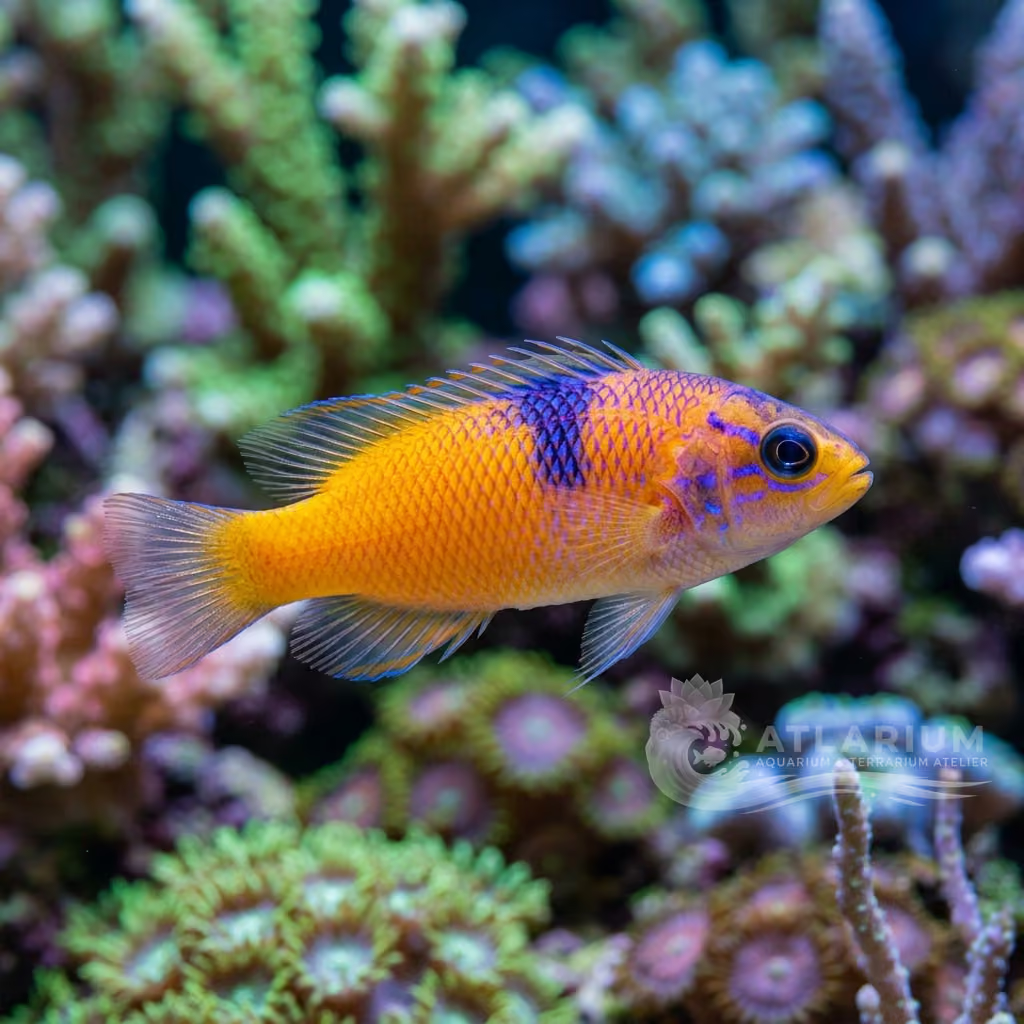
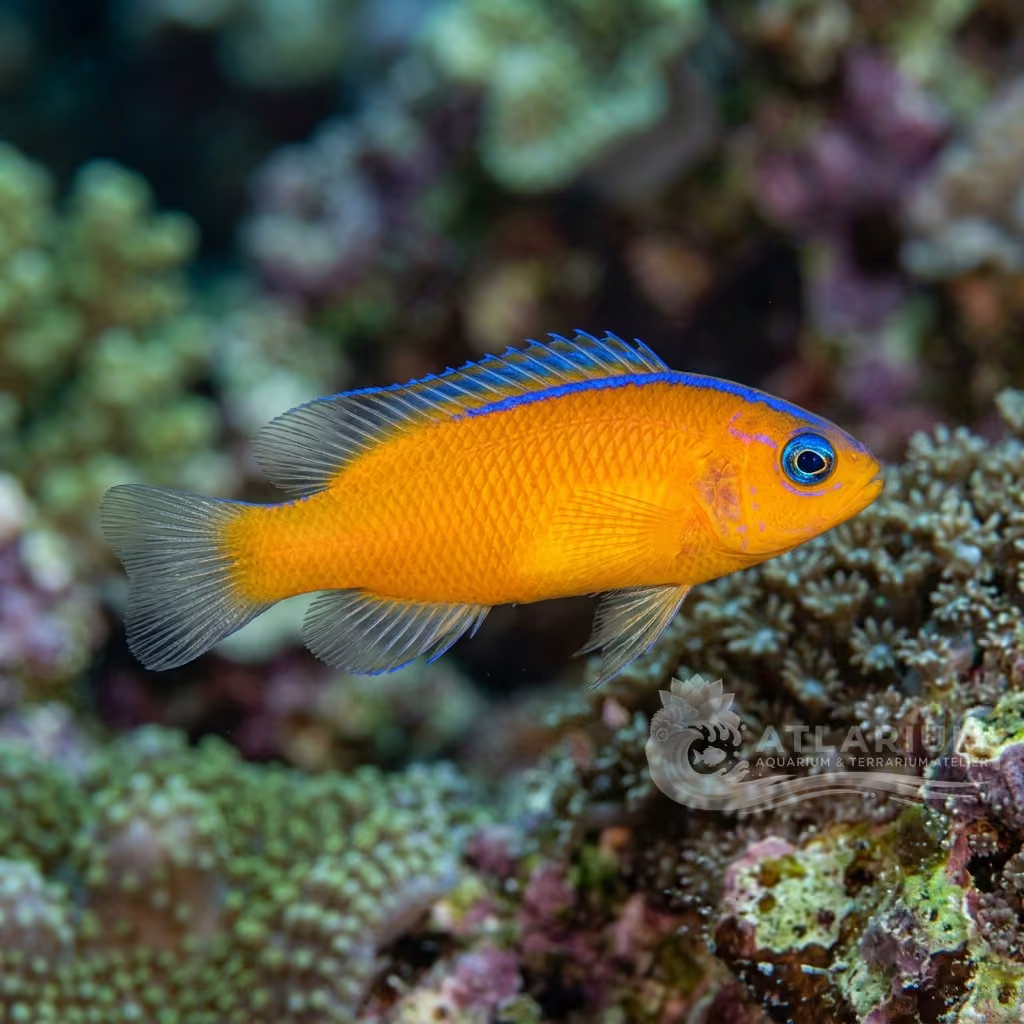
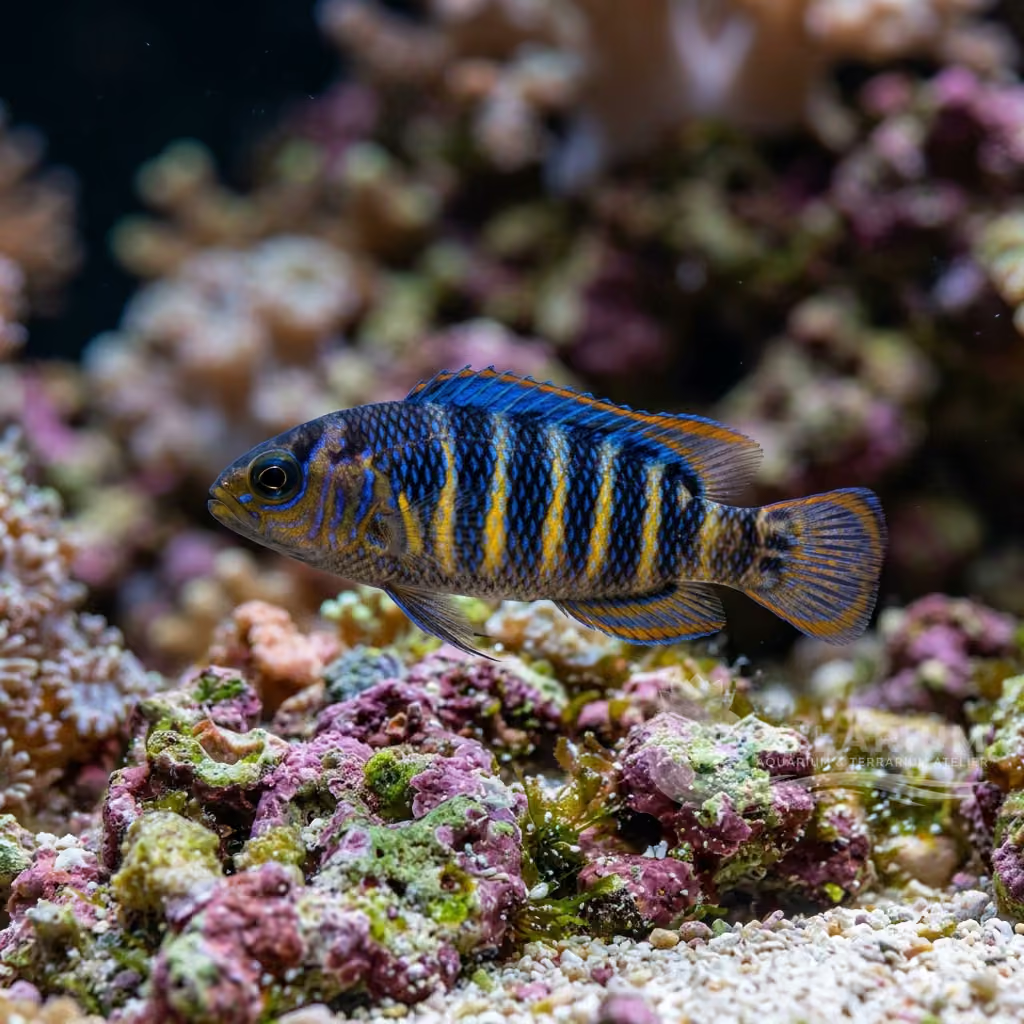
A beautifully marked, territorial marine dottyback endemic to Socotra, highly valued in the hobby for the characteristic golden spots decorating its posterior half.
Wassertemperatur
22 - 26 °C
pH-Wert
8.1 - 8.4
Wassertyp
Meerwasser
Tankfüllstand
Unten und in der Mitte
Erwachsenengröße
10 cm
Mindesttankvolumen
>= 120 L
Mindestgruppe
>= 1

Artbeschreibung
Geographical Origin and Habitat: Pseudochromis chrysospilus is endemic to the Socotra Archipelago, located in the northwestern Indian Ocean. It inhabits shallow reefs at depths between 3 and 11 meters, in monsoon-influenced habitats rich in macroalgae, sponges, and sparse hard corals.
Taxonomy and Morphology: It belongs to the family Pseudochromidae. This recently described species features a moderately elongated and laterally compressed body. Adults reach a maximum standard length of approximately 5.6 cm, making it a very compact fish.
Social Behavior: A solitary, cryptic, but highly territorial species. It establishes a home territory within a specific cave or rock crevice, defending it fiercely from conspecifics or tankmates with similar shapes or colors. It shows surprising aggression for its small size.
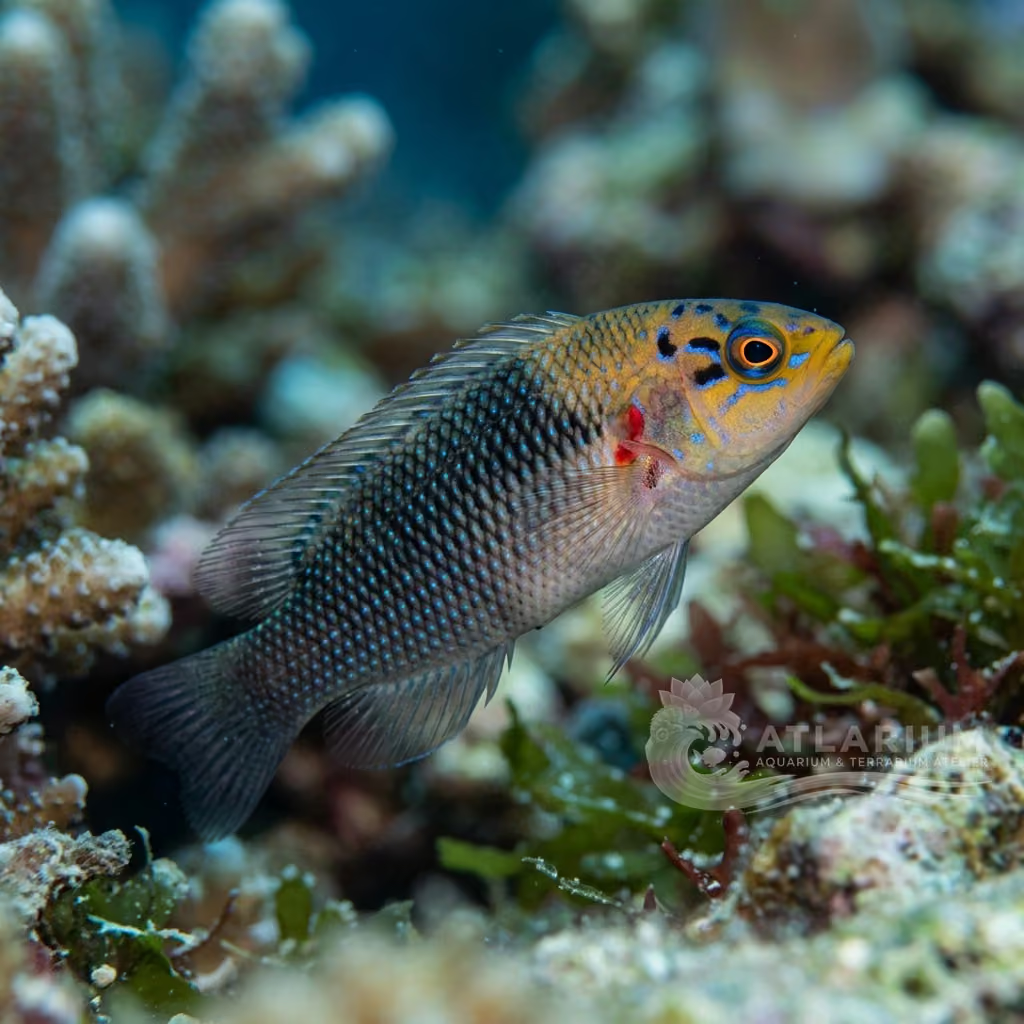
Coloration and Sexual Dimorphism: Distinguished by dark blue to dark purple basal spots on the upper flank scales and distinctive glittering gold basal spots on the scales of the posterior body. There is no clearly visible external sexual dimorphism between sexes.

Pflege, Zucht und Mitbewohner
Aquarium Setup: Requires a marine aquarium of at least 80-100 liters with a complex arrangement of live rocks providing numerous small caves, cracks, and crevices. Abundant hiding spaces are essential for this species to establish its territory and reduce stress levels.
Diet and Feeding: A strict carnivore. In captivity, it must be fed small-sized frozen and live foods such as brine shrimp, mysis, copepods, and lobster eggs. It will slowly accept high-quality dry pellets, but a rich, meaty diet is vital for its health.
Water Quality: Demands standard marine reef parameters: temperature of 24-28°C, pH of 8.1-8.4, and salinity between 1.020 and 1.025. Coming from habitats exposed to seasonal upwellings, it appreciates strong water flow and high dissolved oxygen levels.
Compatibility and Cohabitation: Must be kept individually due to severe intraspecific aggression. Avoid housing with small, passive bottom-dwelling fishes like gobies or blennies, or other red/purple fishes. Best housed with larger, semi-aggressive fish.
Aquarium Breeding: Breeding in home aquariums has not been documented for this species. Like other dottybacks, they are assumed to be protogynous hermaphrodites, with the male guarding the egg mass inside a cave until they hatch.
Risks and Diseases: Susceptible to common marine diseases such as velvet (Oodinium) and ich (Cryptocaryon) if subjected to stress or sudden temperature fluctuations. A quarantine period is highly recommended to monitor new fish before adding them.

Geografische Herkunft und Verbreitung
Pseudochromis chrysospilus is endemic to the Socotra Archipelago, located in the northwestern Indian Ocean. It inhabits shallow reefs at depths between 3 and 11 meters, in monsoon-influenced habitats rich in macroalgae, sponges, and sparse hard corals.
Ursprung
Tropische Ozeane und RiffeSüd- und Südostasien

Fischprofil
- Temperament
- Territorial
- This species is highly territorial and inquisitive, always exploring every nook and cranny of the reef structure. While they are small, they are extremely bold and will not back down from a confrontation. Their lively antics make them a fascinating focal point for a suitably stocked predatory or semi-aggressive aquarium.
- Diät
- Carnivore
- Their carnivorous diet must be rich in varied meaty proteins to satisfy their high metabolic demands. Frozen mysis shrimp, enriched brine shrimp, and krill make excellent staple foods. They may also hunt and consume small bristleworms or tiny ornamental crustaceans present in the aquarium.
- Lebenserwartung
- 5-7 years
- Erwachsenengröße
- 10 cm
- Geschlechterverhältnis
- Solitary
- It is highly advisable to maintain them singly to avoid brutal conspecific aggression in the confines of a home aquarium. Attempting to keep multiple individuals without a massive tank and ample hiding spots often results in the death of the weaker fish. Known mated pairs can coexist peacefully but are challenging to form without prior experience.
- Fütterungsfrequenz
- Twice daily
- Multiple small feedings, ideally two to three times daily, are required to keep this energetic fish healthy. It is important to watch them feed to ensure they are getting their share, as they are quick and competitive. Avoid feeding large chunks of food, instead opting for bite-sized morsels that are easily digested.
- Bioload
- Low
- The bioload produced by this fish is relatively modest, but consistent due to their predatory lifestyle. A well-established biological filter and regular skimmer maintenance are needed to process their waste effectively. Routine weekly water changes will help keep water parameters within optimal ranges.
- Fluss
- Moderate
- A moderate, varied flow is highly recommended to replicate the natural surge of the reef. Stronger currents allow them to display their agility, while gentler zones provide necessary resting spots. Providing turbulent flow can also help distribute food evenly throughout the water column during feeding times.
- Sprungrisiko
- Yes
- They are highly prone to leaping out of the tank when frightened, establishing territory, or pursuing prey. An appropriately fitted screen or canopy is a mandatory requirement for housing this species safely. Extra vigilance is advised when introducing new fish, as conflicts often lead to sudden jumping attempts.
- Reproduktion
- Not bred in captivity
- Captive breeding is rare but entirely feasible for experienced aquarists willing to dedicate a separate rearing system. The male will entice a female into a secluded cave to lay an adhesive egg mass, which he will aggressively protect. Raising the tiny, fragile larvae requires a constant supply of appropriately sized zooplankton.
- Kompatibilität & Tankkameraden
- Community
- They possess a moderately aggressive streak and will fiercely defend their chosen crevices in the live rock. They should not be kept with overly docile or slow-moving species, as they may relentlessly nip their fins. Housing them with robust, semi-aggressive fish like dwarf angels or larger wrasses is generally the best approach.
- Tankfüllstand
- Middle/Bottom
- They are primarily bottom-dwelling fish that rarely stray far from the safety of the rock structure. Their natural behavior involves constantly darting between hiding places and the lower water column. Providing intricate rockwork with numerous caves and overhangs will make them feel secure and encourage natural behavior.

Wissenschaftliche Modelle & Parameter
FishBase
Zugang zu den offiziellen wissenschaftlichen Daten der Art
FishBase v25.04Daten synchronisiert am: 15.06.2026
- Trophäenniveau
- 3,4 ± 0,5 se
- Phylogenetische Einzigartigkeit (PD50)
- 0.5
- Bayessche Längen-Gewichts-Beziehung
- a = 0.00501, b = 3.1
- AnfälligkeitGeringe Anfälligkeit (10 / 100)

Verwandte Arten
Empfehlungen gruppiert nach nahen Verwandten, Auswahl von Begleitern und ähnlicher Betreuung.