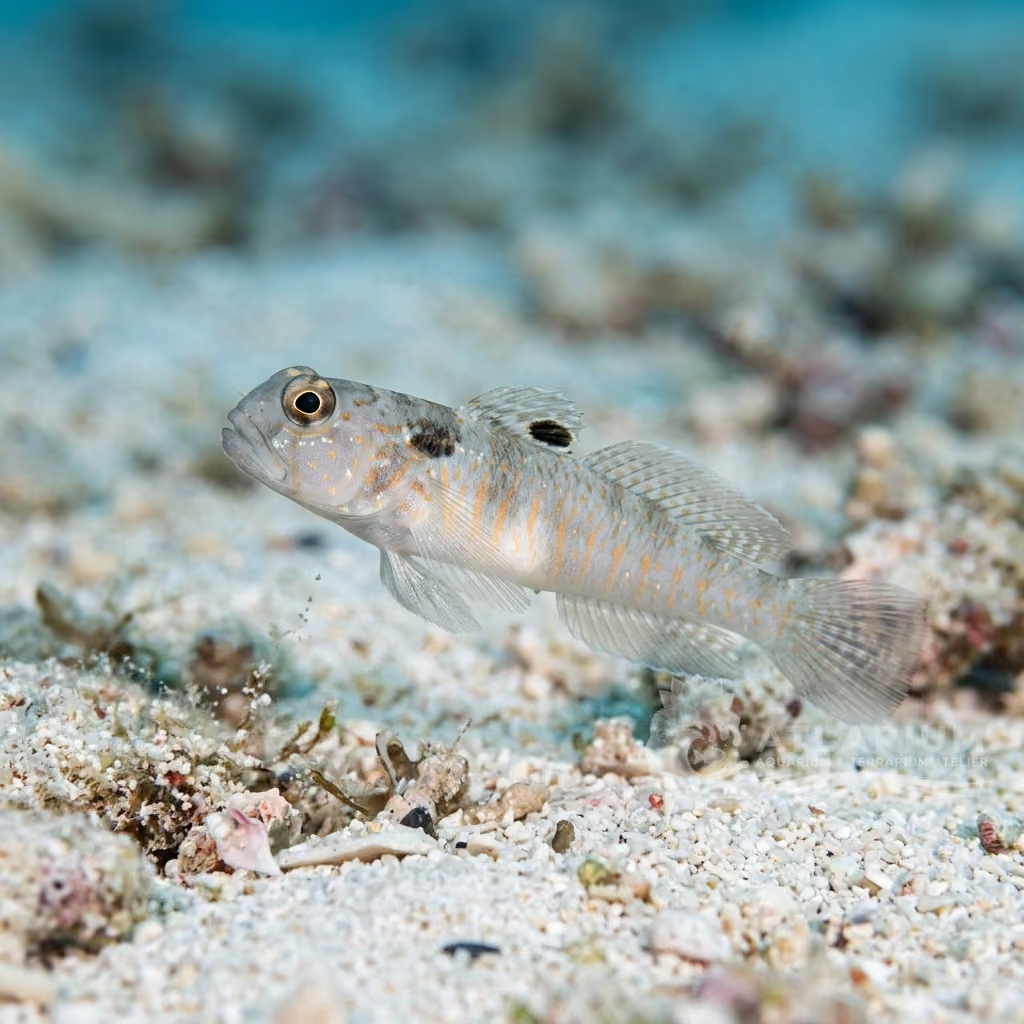
Cole's Dottyback
Pseudochromis colei
An exceedingly rare marine dottyback endemic to the Philippines, possessing highly territorial habits that require spacious reef tanks abundant in protective rock caves.
Wassertemperatur
22 - 26 °C
pH-Wert
8.1 - 8.4
Wassertyp
Meerwasser
Tankfüllstand
Unten und in der Mitte
Erwachsenengröße
7 cm
Mindesttankvolumen
>= 120 L
Mindestgruppe
>= 1
KH
8 - 12 dKH

Artbeschreibung
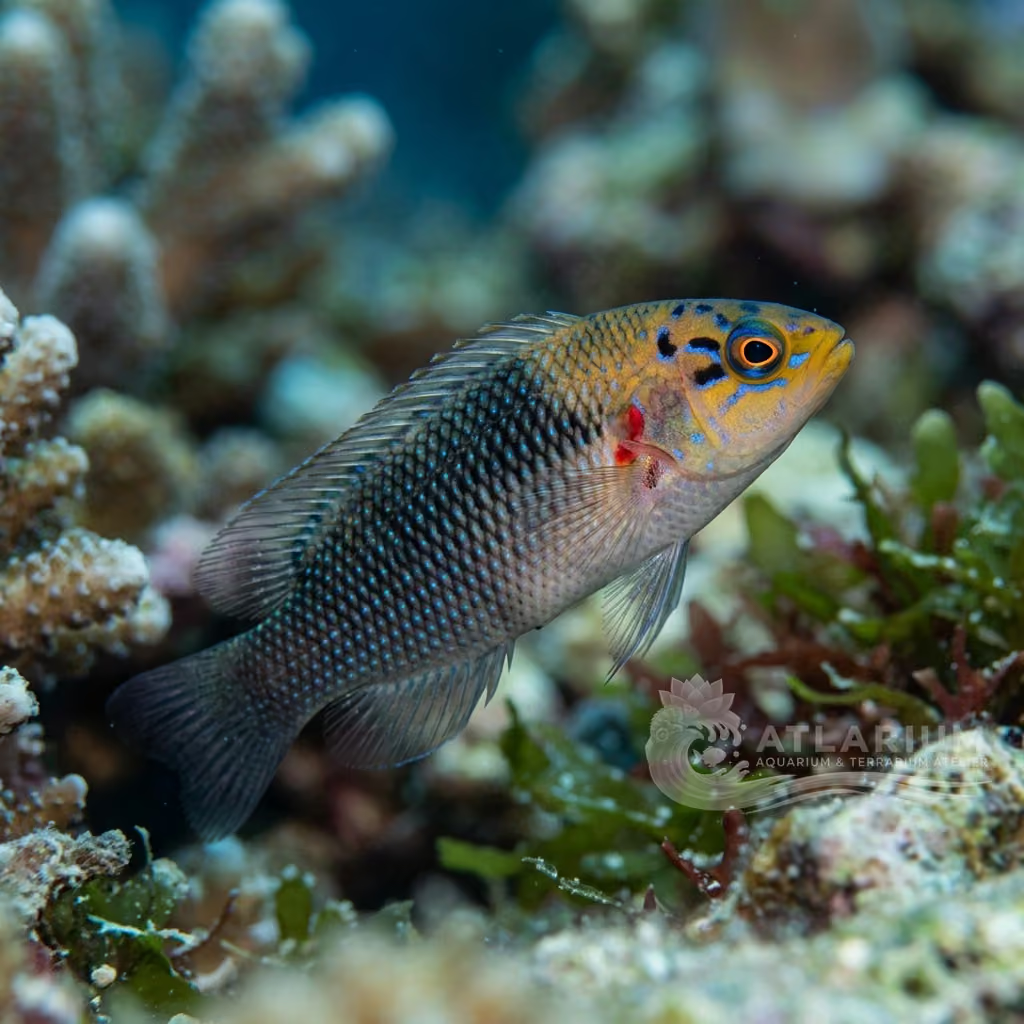
Geographical Origin and Habitat: Pseudochromis colei is a tropical marine fish endemic to the Philippines in the Western Pacific Ocean. It primarily inhabits coastal coral reefs, rocky drop-offs, and reef walls rich in sponges and hard corals, at depths ranging from 5 to 25 meters. It occupies small crevices and natural caves in the rockwork, rarely venturing far from its chosen shelter.
Taxonomy and Morphology: Belonging to the family Pseudochromidae (commonly known as dottybacks), it features an elongated and moderately compressed body profile. It has a robust head with large, alert eyes and a mouth lined with small, sharp teeth for catching prey. Adults reach a small maximum length of approximately 5.0 to 6.5 centimeters.
Social Behavior: A solitary species with a highly territorial and aggressive temperament, especially toward conspecifics or other fish of similar shape and color (such as other dottybacks or small gobies). It will fiercely defend its selected cave and surrounding territory and is active during daytime.
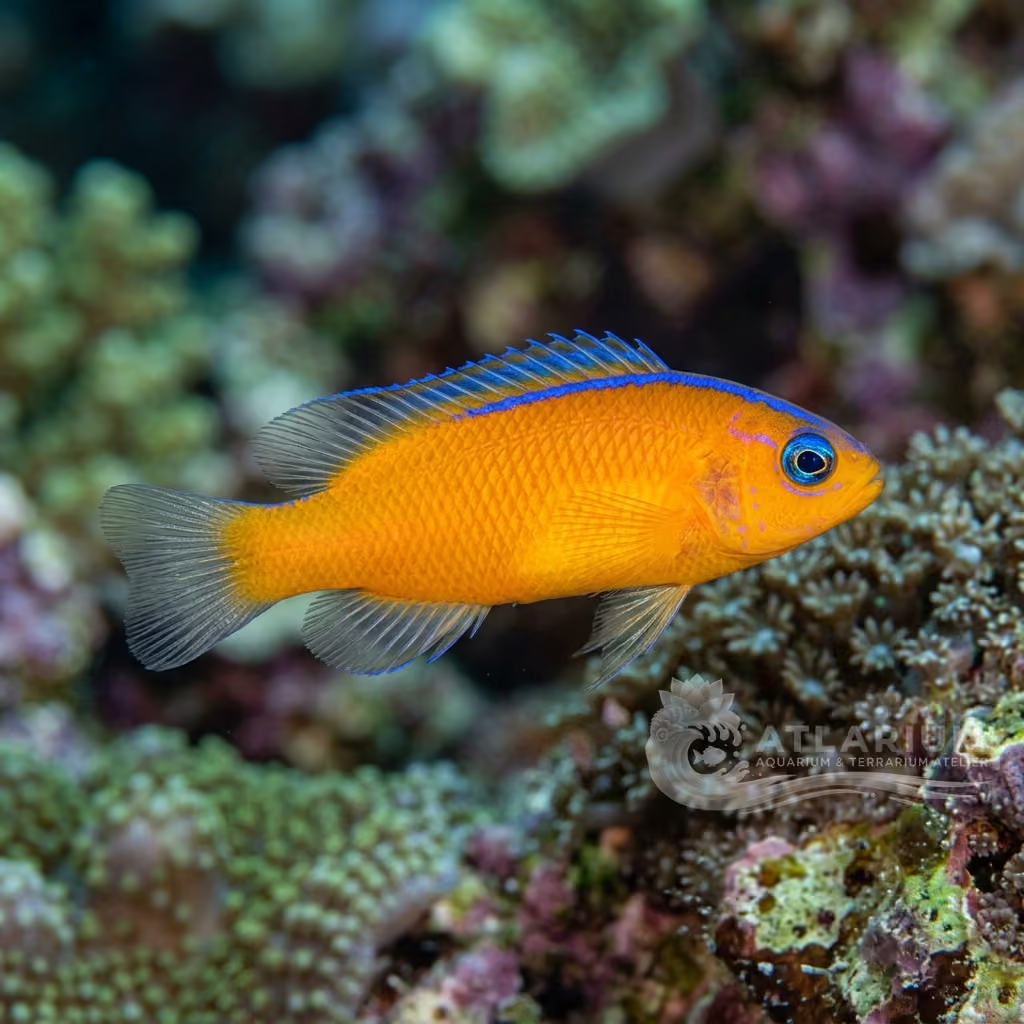
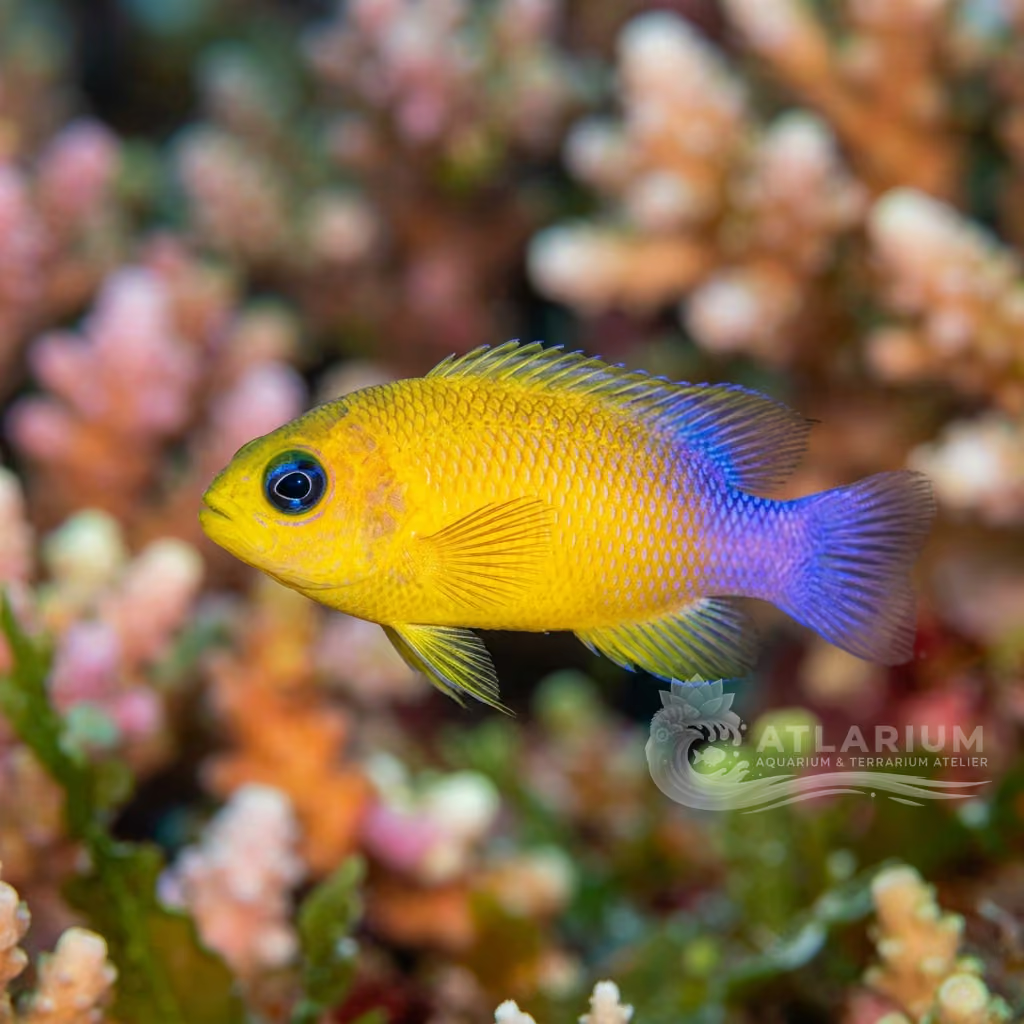
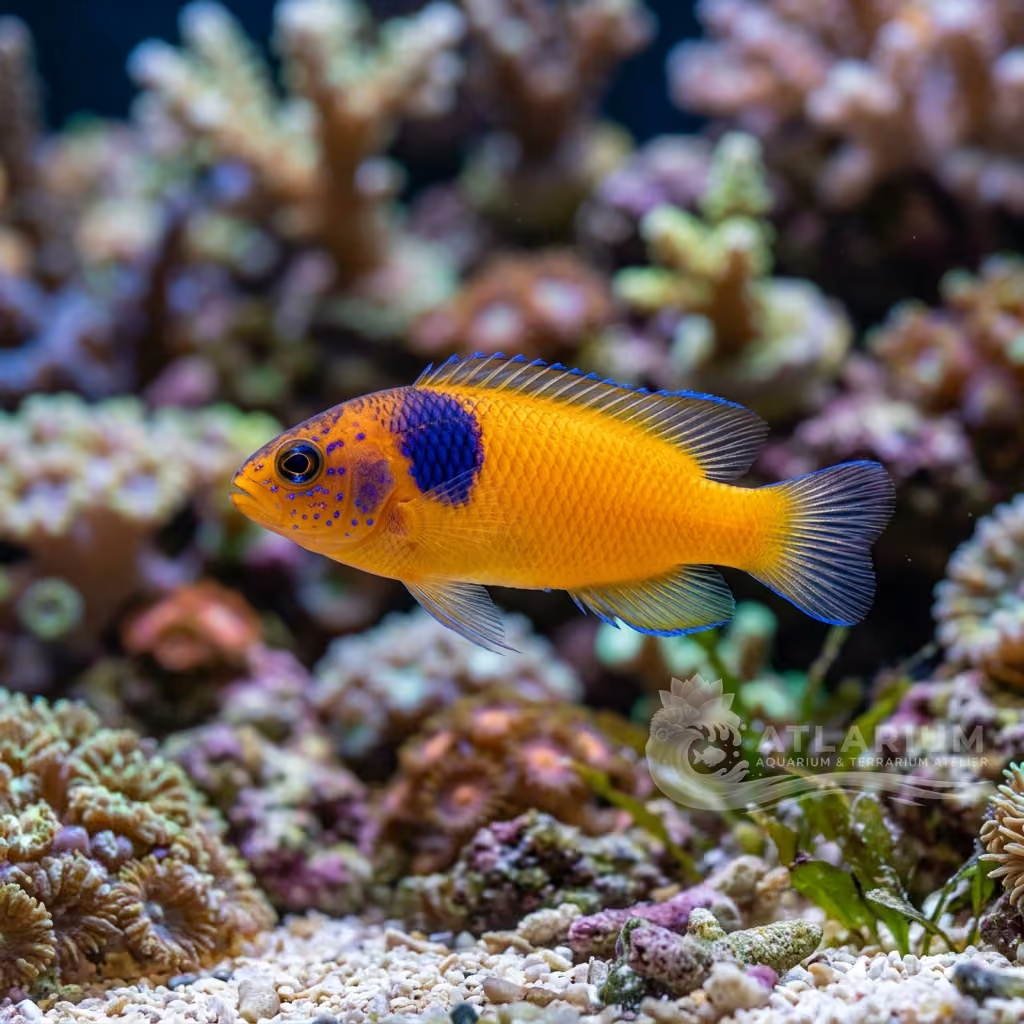
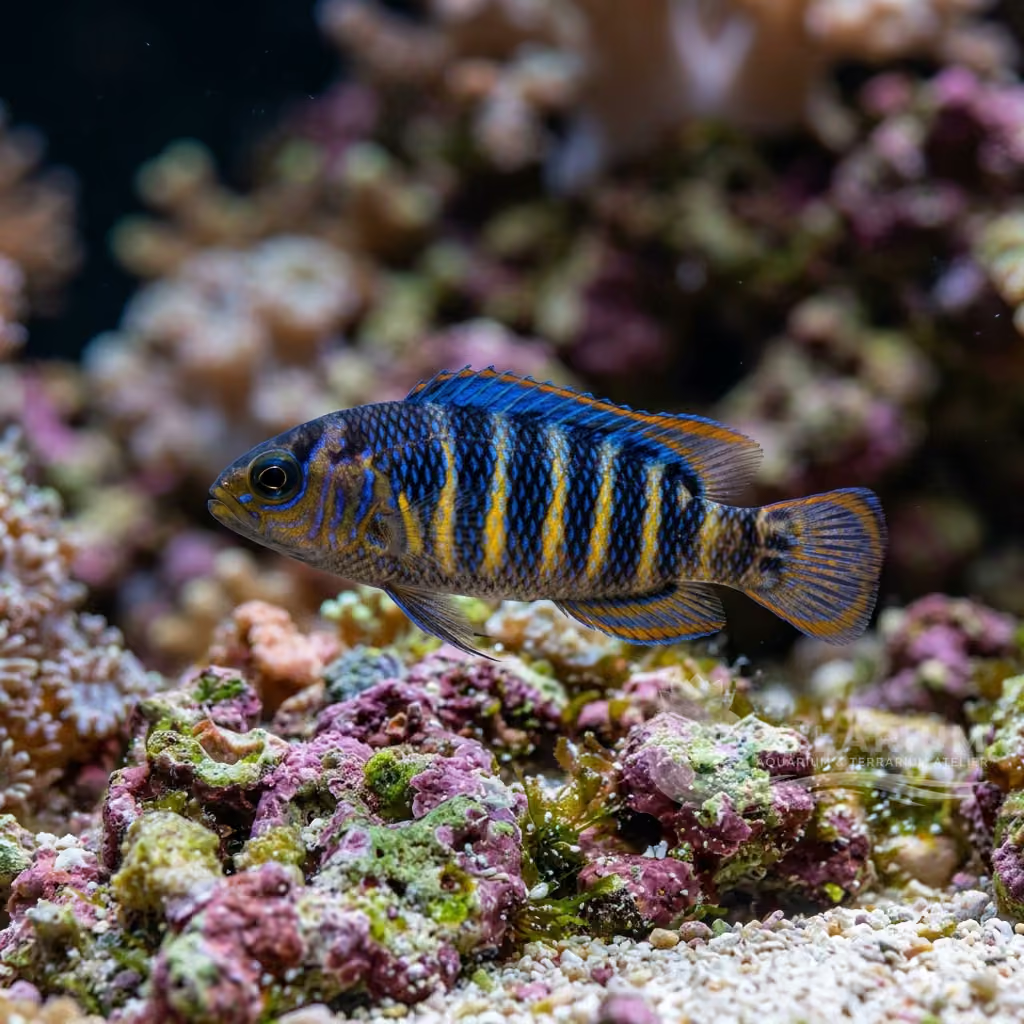
Coloration and Sexual Dimorphism: The coloration is distinctive, featuring a whitish-grey or silvery base color on the flanks, topped by a broad black or dark brown longitudinal stripe running along the dorsal ridge from the head to the caudal fin. Yellow highlights may be present on the fins. There is no visible sexual dimorphism between males and females.

Pflege, Zucht und Mitbewohner
Aquarium Setup: Requires an aquarium of at least 100 liters (approx. 25 gallons) for a single specimen. The tank must be designed with a massive amount of live rock to create a complex network of caves, crevices, and hiding spots. Providing numerous caves helps reduce the fish's natural aggression toward tankmates by establishing clear territory boundaries.
Diet and Feeding: Carnivorous. In the wild, it feeds on small crustaceans and benthic worms. In captivity, it greedily accepts marine frozen foods like mysis shrimp, brine shrimp, finely chopped krill, and fish eggs. Over time, it will readily accept high-quality, protein-rich dry pellets and flakes.
Water Quality: Demands standard marine reef parameters: water temperature between 23°C and 27°C, pH between 8.1 and 8.4, specific gravity between 1.023 and 1.025, and carbonate hardness (KH) between 8 and 12 dKH. Nitrates and phosphates should be kept low using a quality protein skimmer and regular water changes.
Compatibility and Cohabitation: Reef-safe as it does not harm corals, though it may prey on very small ornamental shrimps. Cohabitation requires caution due to its territorial nature. Keep it with larger, robust tankmates like tangs, larger damselfish, or dwarf angelfish. Avoid keeping it with small gobies or docile fish that might be bullied.
Aquarium Breeding: Breeding in home aquariums is extremely difficult and rarely documented by hobbyists. They are hermaphroditic and form temporary pairs for spawning. The female deposits a ball of eggs inside the male's cave, which the male guards and fans until they hatch into planktonic larvae.
Risks and Diseases: The main risk is severe intraspecific aggression; keeping more than one specimen in the same aquarium will result in fatal fighting unless the tank is exceptionally large. It is a hardy, disease-resistant species but can contract marine parasites (like ich) if chronically stressed by inadequate shelter.

Geografische Herkunft und Verbreitung
Pseudochromis colei is a tropical marine fish endemic to the Philippines in the Western Pacific Ocean. It primarily inhabits coastal coral reefs, rocky drop-offs, and reef walls rich in sponges and hard corals, at depths ranging from 5 to 25 meters. It occupies small crevices and natural caves in the rockwork, rarely venturing far from its chosen shelter.
Ursprung
Tropische Ozeane und RiffeSüd- und Südostasien

Fischprofil
- Temperament
- Aggressive
- They are known for their feisty and uncompromising temperament, often acting as the boss of the rockwork. Despite their small stature, they have a lot of attitude and will vigorously chase away any perceived threats. They are an excellent choice for a rugged, semi-aggressive community where their boldness can be appreciated.
- Diät
- Carnivore
- A diet rich in marine proteins is essential to keep them healthy and vibrant. Feed them a varied menu of frozen mysis, chopped krill, clam meat, and specially formulated carnivorous pellets. Live foods can be offered occasionally to stimulate their predatory nature and provide enrichment.
- Lebenserwartung
- 5-7 years
- Erwachsenengröße
- 7 cm
- Geschlechterverhältnis
- Solitary
- They should strictly be kept one to an aquarium, as conspecific aggression is notoriously lethal. Two males, or even two females, will fight continuously until one is severely injured or killed. Establishing a true pair is a delicate process best left to dedicated and experienced breeders.
- Fütterungsfrequenz
- Twice daily
- Offer them small meals two to three times a day to match their active metabolism. They are enthusiastic eaters and will eagerly snatch food from the water column before it hits the bottom. Care should be taken not to overfeed, as uneaten meaty foods can quickly spoil the water.
- Bioload
- Low
- This dottyback has a relatively low to moderate bioload, suitable for most well-maintained marine aquariums. Their carnivorous diet leads to protein-rich waste, which should be managed with an efficient protein skimmer. Consistent maintenance and water testing will prevent any degradation of water quality.
- Fluss
- Moderate
- They thrive in moderate to strong water flow, which replicates the dynamic reef environments they originate from. Good flow ensures proper oxygenation and helps carry food particles past their chosen rocky outcroppings. They will easily adapt to most flow patterns provided there are calm areas to retreat into.
- Sprungrisiko
- Yes
- Like their relatives, they possess a strong instinct to jump when startled, threatened, or excited. A completely enclosed canopy or a tight-fitting mesh screen is absolutely necessary to prevent them from going carpet surfing. All small gaps near equipment outputs or wires must be thoroughly secured.
- Reproduktion
- Oviparous
- While difficult, captive breeding is possible; the male will prepare a nesting site in a small cave. After spawning, the male fiercely guards the egg mass, aerating it with his fins until the larvae hatch. The microscopic larvae require an immense amount of care, including the cultivation of specialized rotifers.
- Kompatibilität & Tankkameraden
- Reef safe
- They exhibit a fierce territoriality and will not hesitate to attack fish that encroach on their hiding spots. They are incompatible with shy or peaceful species such as firefish, small gobies, or delicate cardinalfish. It is highly recommended to house them with more aggressive or larger tank mates that can hold their own.
- Tankfüllstand
- Middle/Bottom
- They are bottom to mid-level dwellers, inextricably linked to the live rock structure of the aquarium. They claim specific caves and crevices as their own, spending their days darting in and out of their territory. They rarely swim openly at the surface of the tank.

Wissenschaftliche Modelle & Parameter
FishBase
Zugang zu den offiziellen wissenschaftlichen Daten der Art
FishBase v25.04Daten synchronisiert am: 15.06.2026
- Trophäenniveau
- 3,3 ± 0,5 se
- Phylogenetische Einzigartigkeit (PD50)
- 0.5
- Bayessche Längen-Gewichts-Beziehung
- a = 0.00501, b = 3.1
- AnfälligkeitGeringe Anfälligkeit (10 / 100)

Verwandte Arten
Empfehlungen gruppiert nach nahen Verwandten, Auswahl von Begleitern und ähnlicher Betreuung.