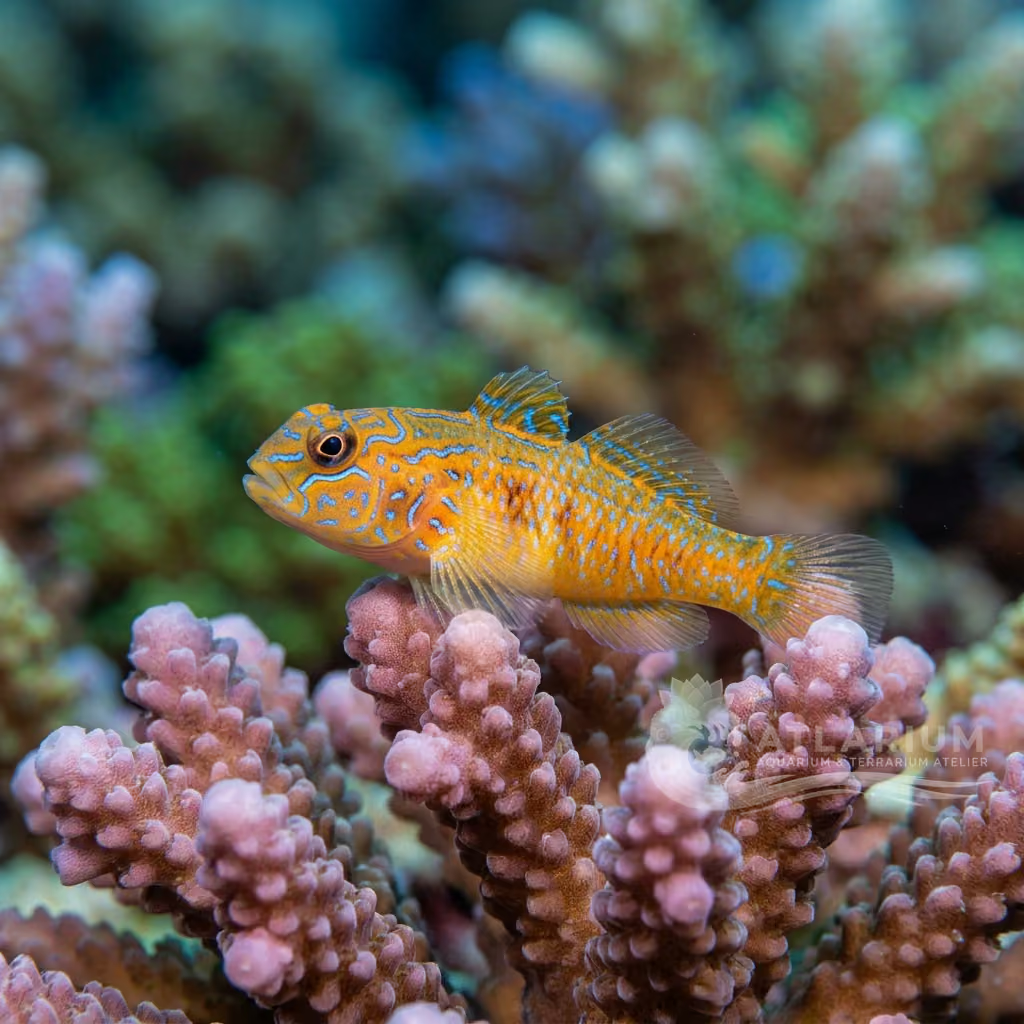
Gold Neon Eviota Goby
Eviota pellucida
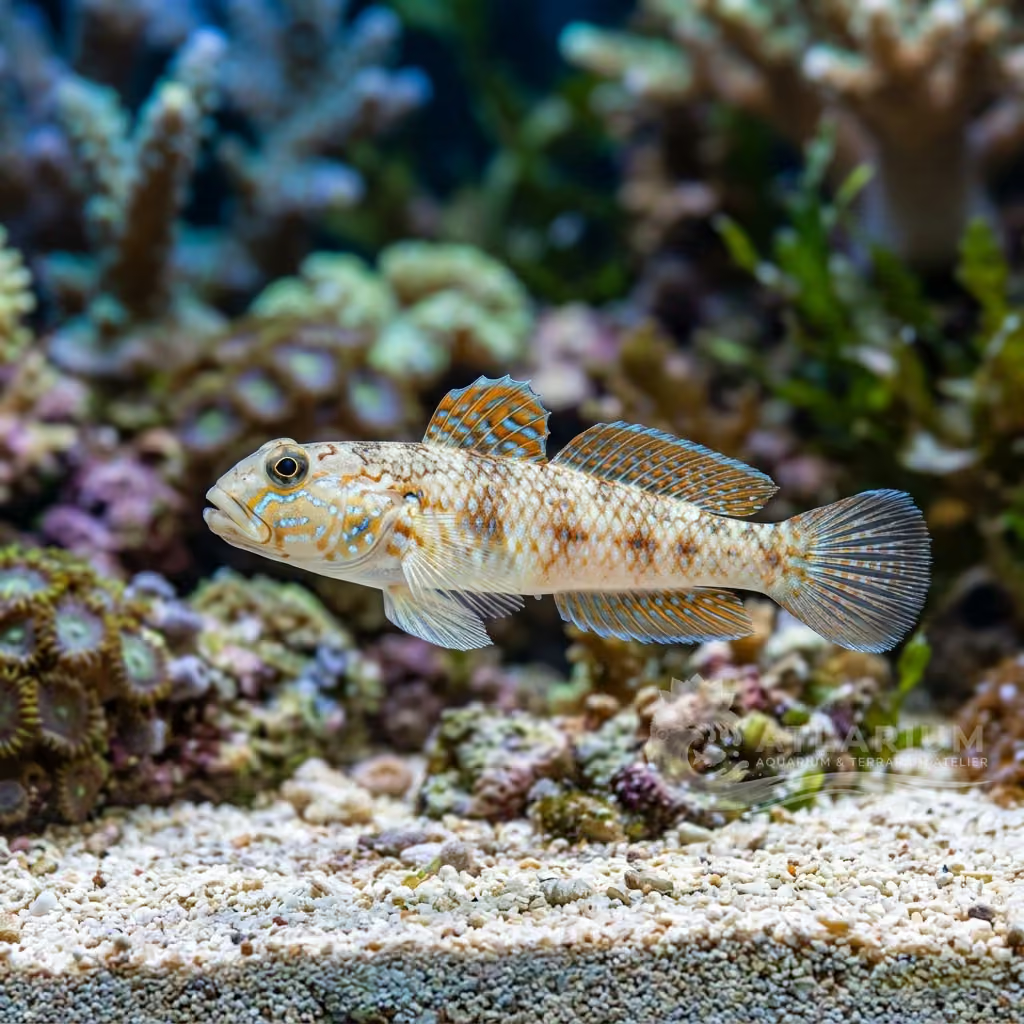
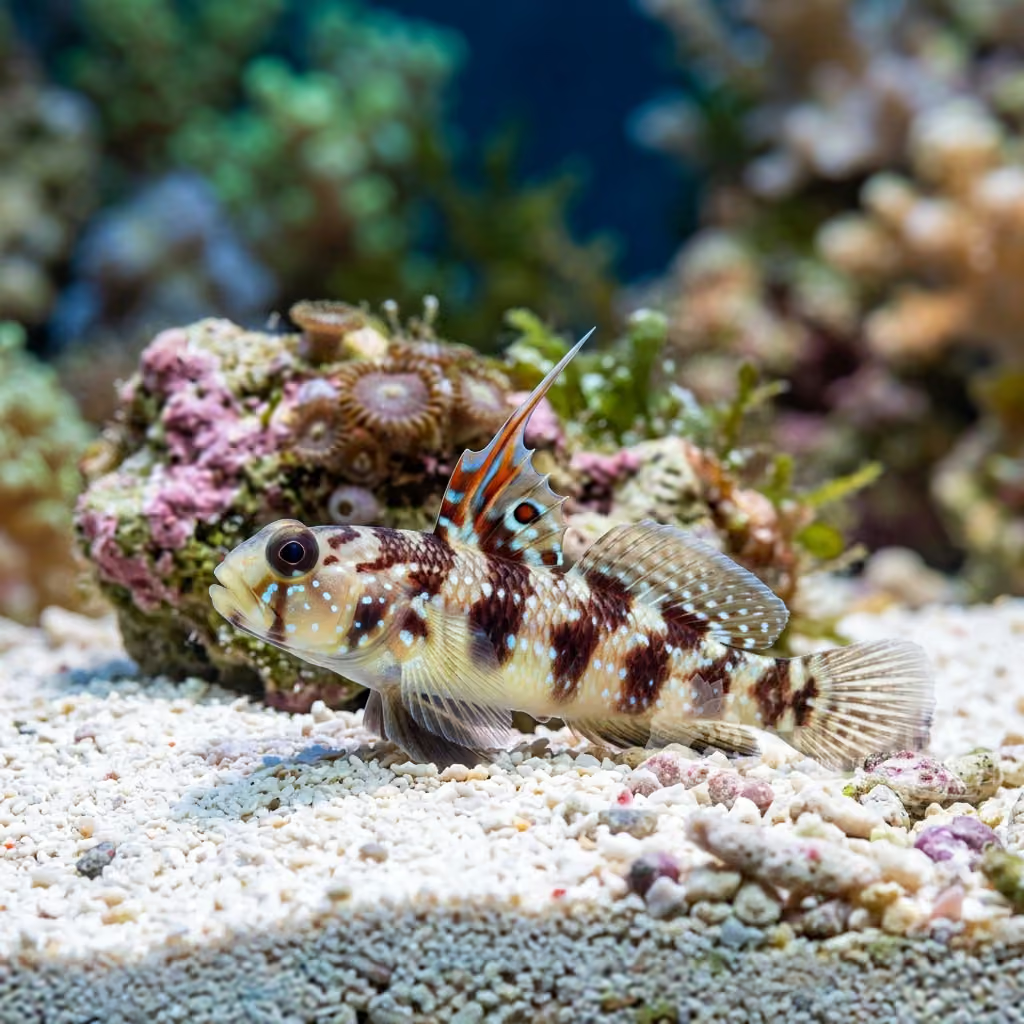
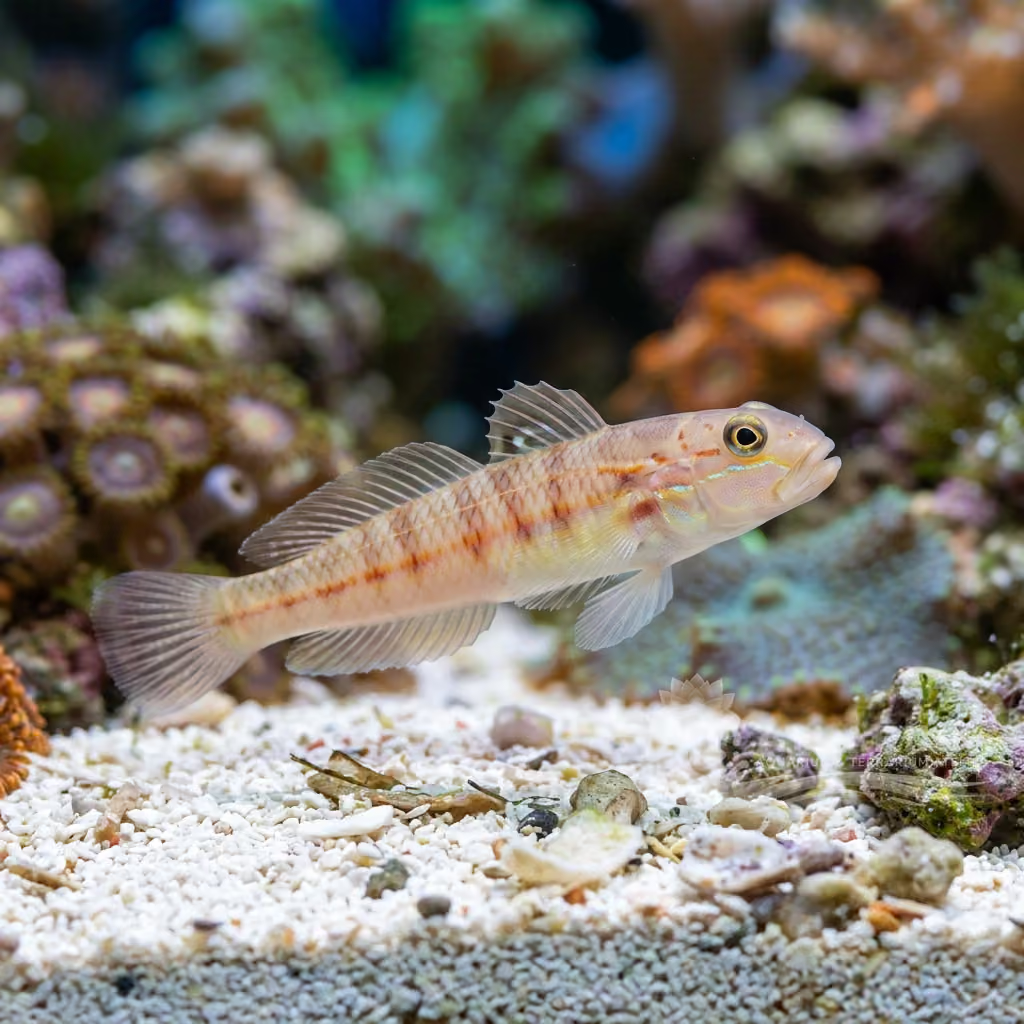
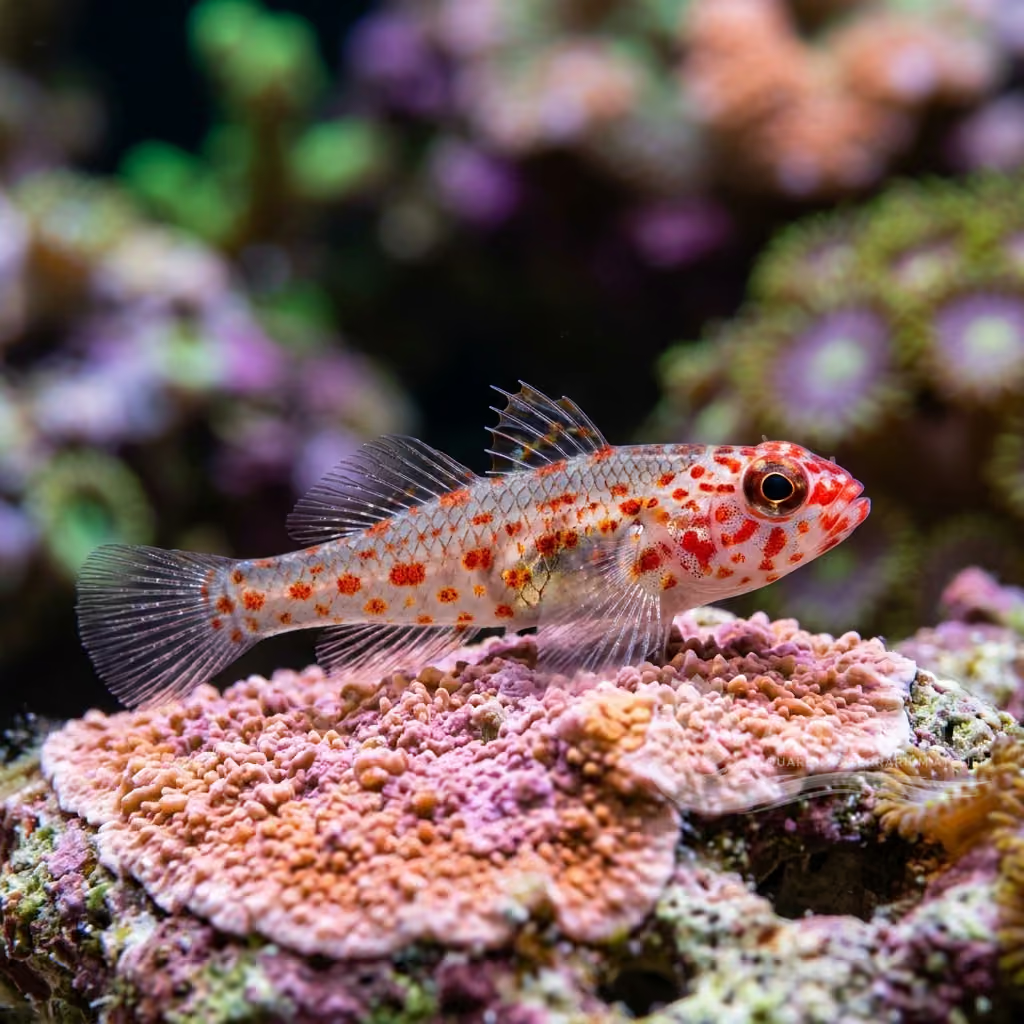
Featuring a semi-transparent body glowing with neon lines, this micro-predator perfectly blends into reef environments. It requires stable water, tiny zooplankton, and absolutely peaceful companions.
Wassertemperatur
22 - 27 °C
pH-Wert
8.1 - 8.4
Wassertyp
Meerwasser
Tankfüllstand
Unten
Erwachsenengröße
2,2 cm
Mindesttankvolumen
>= 30 L
Mindestgruppe
>= 3
KH
8 - 12 dKH

Artbeschreibung
Geographical Origin and Habitat: This species is native to the tropical waters of the Western Central Pacific, including the Ryukyu Islands down to the Caroline Islands and Samoa. It primarily inhabits protected seaward reefs and sheltered lagoons at depths ranging from 3 to 30 meters, commonly associating with live Acropora coral branches and rubble zones covered with crustose coralline algae.
Taxonomy and Morphology: Eviota pellucida belongs to the Gobiidae family and Gobiinae subfamily. It is an extremely small fish, reaching a maximum total length of only 2.5 to 3 centimeters. It features a slender, elongated, and almost entirely transparent body, revealing its vertebrae and internal organs under light, with two distinct dorsal fins on its back.
Social Behavior: It is a very peaceful and cryptic species that spends most of its time perching on stony corals or rocky ledges, making quick, short darts into the water column to capture passing micro-zooplankton. It exhibits no aggression toward other species, though males may defend small temporary breeding sites from conspecific rivals.
Coloration and Sexual Dimorphism: The body is highly translucent with a warm golden-orange to amber hue along the dorsal area and vertebral column. It features striking iridescent blue or gold lines on the head and around its large eyes. Sexual dimorphism is subtle: mature males possess longer and more pointed urogenital papillae and slightly longer dorsal fins.

Pflege, Zucht und Mitbewohner
Aquarium Setup: Requires a mature reef aquarium of at least 40 liters (10 gallons) with plenty of high-quality live rock containing small cracks and crevices. Providing live branching corals like Acropora or Seriatopora is highly beneficial for perching behavior. A fine sand substrate is recommended. A tight-fitting lid is mandatory, as this tiny fish is a known jumper.
Diet and Feeding: As a carnivorous micro-predator, it feeds primarily on zooplankton. In captivity, it must be fed multiple times a day with small frozen or live foods, such as cyclops, copepods, rotifers, and finely chopped mysis or brine shrimp. Dry foods are rarely accepted initially, but they may eventually adapt to micro-granules.
Water Quality: Requires stable marine parameters: temperature between 24 and 27°C, pH between 8.1 and 8.4, specific gravity of 1.023 to 1.025, and low levels of nitrates and phosphates. Moderate water movement is preferred, as violent currents will overwhelm the fish and prevent it from feeding properly.
Compatibility and Cohabitation: Must only be housed with very small, peaceful tankmates due to its tiny size. Suitable companion species include other nano gobies, firefish, and small blennies. Never keep with large, aggressive, or predatory fish (such as wrasses, dottybacks, or hawkfish) or large crabs that might prey on them.
Aquarium Breeding: Breeding in home aquariums is extremely rare and challenging due to the microscopic size of the larvae. They lay tiny adhesive eggs in small caves or under coral branches, which are guarded by the male. Raising the larvae requires specialized live micro-foods like rotifers and dense phytoplankton cultures.
Risks and Diseases: The primary risk is starvation in newly established tanks or when competed for food by larger tankmates. They are susceptible to marine ich (Cryptocaryon irritans) and velvet (Oodinium), but tolerate standard treatments well, provided copper-based medications are not used in reef settings.

Geografische Herkunft und Verbreitung
This species is native to the tropical waters of the Western Central Pacific, including the Ryukyu Islands down to the Caroline Islands and Samoa. It primarily inhabits protected seaward reefs and sheltered lagoons at depths ranging from 3 to 30 meters, commonly associating with live Acropora coral branches and rubble zones covered with crustose coralline algae.
Ursprung
Tropische Ozeane und RiffeOstasien

Fischprofil
- Temperament
- Territorial
- They are remarkably peaceful, curious, and somewhat delicate micro-fish that thrive in tranquil environments. Once established in a secure tank, they spend their days charmingly darting from rock to rock. They rely entirely on their small size and ability to retreat into crevices for safety.
- Diät
- Carnivore
- They are strict micro-predators that rely heavily on hunting tiny pods on the live rock. Their diet should be supplemented with micro-foods like baby brine shrimp, rotifers, and pulverized dry foods. Consistency in providing appropriately tiny food is vital for their long-term survival.
- Lebenserwartung
- 1.5-2 years
- Erwachsenengröße
- 2.2 cm
- Geschlechterverhältnis
- Group
- They are highly social and are best kept in small, peaceful groups of three to six individuals. They will form a loose hierarchy but rarely engage in damaging fights. Maintaining a group encourages natural behavior and helps them feel more secure in the open.
- Fütterungsfrequenz
- Twice daily
- They require multiple small feedings throughout the day to sustain their high metabolic rate. Aim for two to three very light feedings daily to keep them plump and healthy. A well-established refugium supplying a constant drip of copepods is the absolute best feeding solution.
- Bioload
- Low
- The Neon dwarfgoby adds almost zero bioload to the aquarium due to its microscopic size. It is an exemplary candidate for nano and pico reefs with mature live rock and gentle filtration. Routine maintenance and small weekly water changes will easily keep their environment perfect.
- Fluss
- Moderate
- They necessitate a very gentle, diffuse water flow that does not overpower their tiny swimming capabilities. Strong linear flow from large powerheads will exhaust them and force them into hiding. A calm, sheltered environment allows them to perch freely and hunt for microscopic prey.
- Sprungrisiko
- Yes
- Like all species in this genus, they have a strong tendency to dart upwards when frightened. A secure, gapless lid is completely non-negotiable for their long-term safety. Even small gaps in the corners of the tank cover can lead to them jumping out.
- Reproduktion
- Oviparous
- While they will naturally spawn in small crevices in captivity, raising the larvae is incredibly complex. The male valiantly guards the tiny clutch of eggs until they hatch into microscopic, pelagic larvae. Rearing the fry requires expert cultivation of specific microscopic rotifers and phytoplankton.
- Kompatibilität & Tankkameraden
- Species only
- They are extraordinarily peaceful and completely defenseless against any moderately sized or aggressive fish. They must only be kept in dedicated micro-aquariums with other tiny, timid gobies or peaceful invertebrates. Keeping them with active, larger fish will cause them to hide continuously and starve.
- Tankfüllstand
- Bottom
- They spend their time hopping between the substrate and low-lying rockwork. They favor perching on branching corals or prominent rocks where they can observe the surrounding water. They rarely venture into the upper levels of the water column unless actively pursuing food.

Wissenschaftliche Modelle & Parameter
FishBase
Zugang zu den offiziellen wissenschaftlichen Daten der Art
FishBase v25.04Daten synchronisiert am: 15.06.2026
- Trophäenniveau
- 3,1 ± 0,3 se
- Belastbarkeit
- Hoch (weniger als 15 Monate)
- Phylogenetische Einzigartigkeit (PD50)
- 0.5
- Bayessche Längen-Gewichts-Beziehung
- a = 0.01023, b = 3.01
- AnfälligkeitGeringe Anfälligkeit (10 / 100)

Verwandte Arten
Empfehlungen gruppiert nach nahen Verwandten, Auswahl von Begleitern und ähnlicher Betreuung.