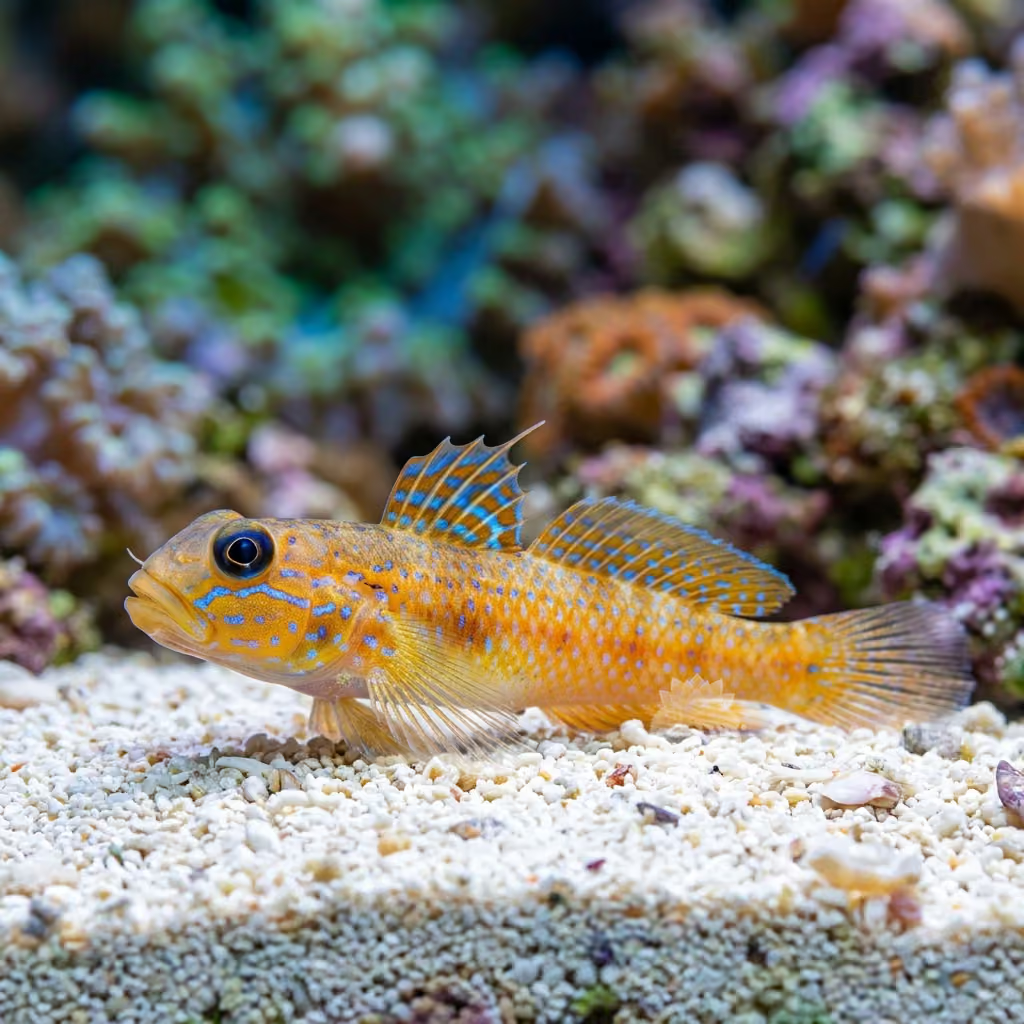
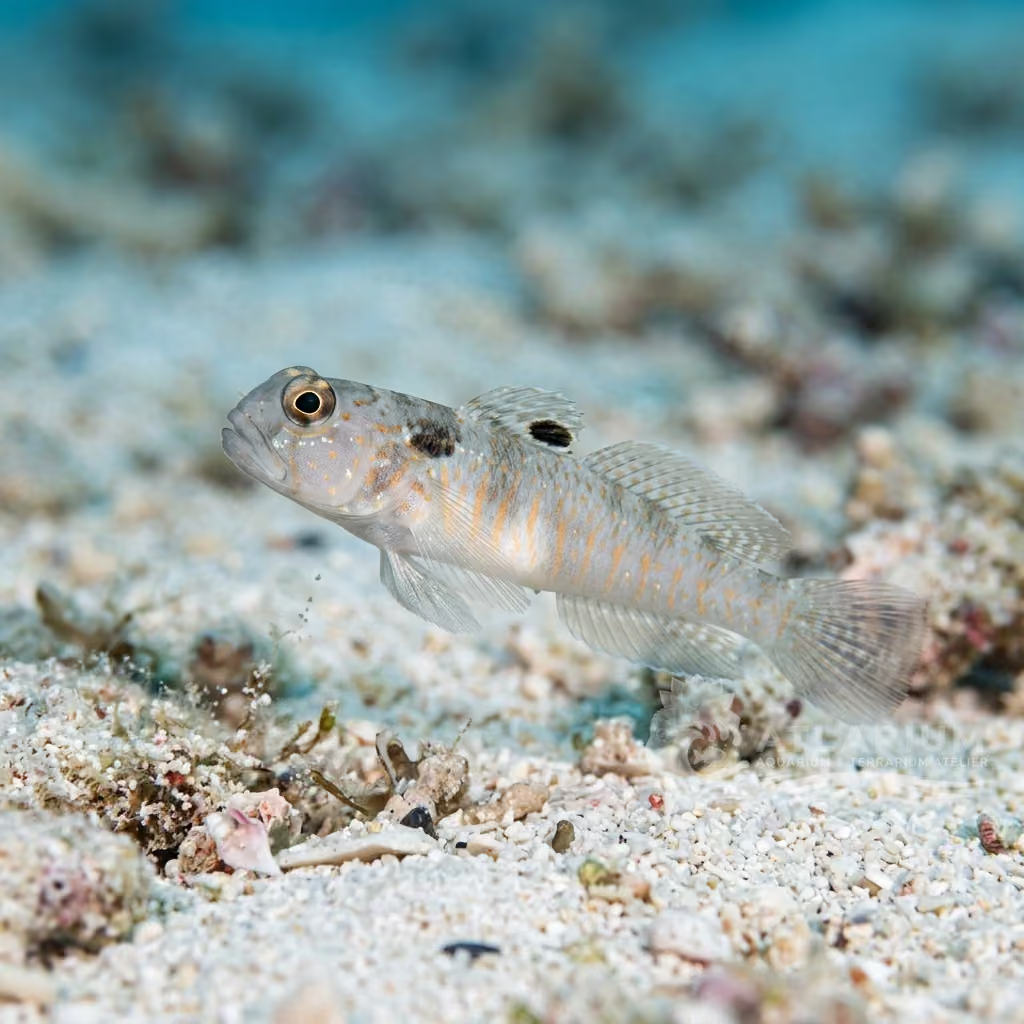
Blue-stripe pygmy goby
Trimma tevegae
The Blue-striped Cave Goby is a visually captivating nano fish that characteristically hovers upside-down under reef overhangs. A peaceful gem requiring a tranquil, intimately scaled coral environment.
Wassertemperatur
22 - 26 °C
pH-Wert
8.1 - 8.4
Wassertyp
Meerwasser
Tankfüllstand
Mitte
Erwachsenengröße
3 cm
Mindesttankvolumen
>= 40 L
Mindestgruppe
>= 4
KH
8 - 12 dKH

Artbeschreibung
Geographical Origin and Habitat: Trimma tevegae is native to the tropical waters of the Western Indo-Pacific, spanning from the Ryukyu Islands south to the Great Barrier Reef, and throughout the Philippines and Indonesia. This miniature goby primarily inhabits outer reef slopes, vertical drop-offs, and shaded caves or overhangs at depths ranging from 10 to 40 meters. They are frequently observed in large, dense groups hovering upside down under rocky ledges.
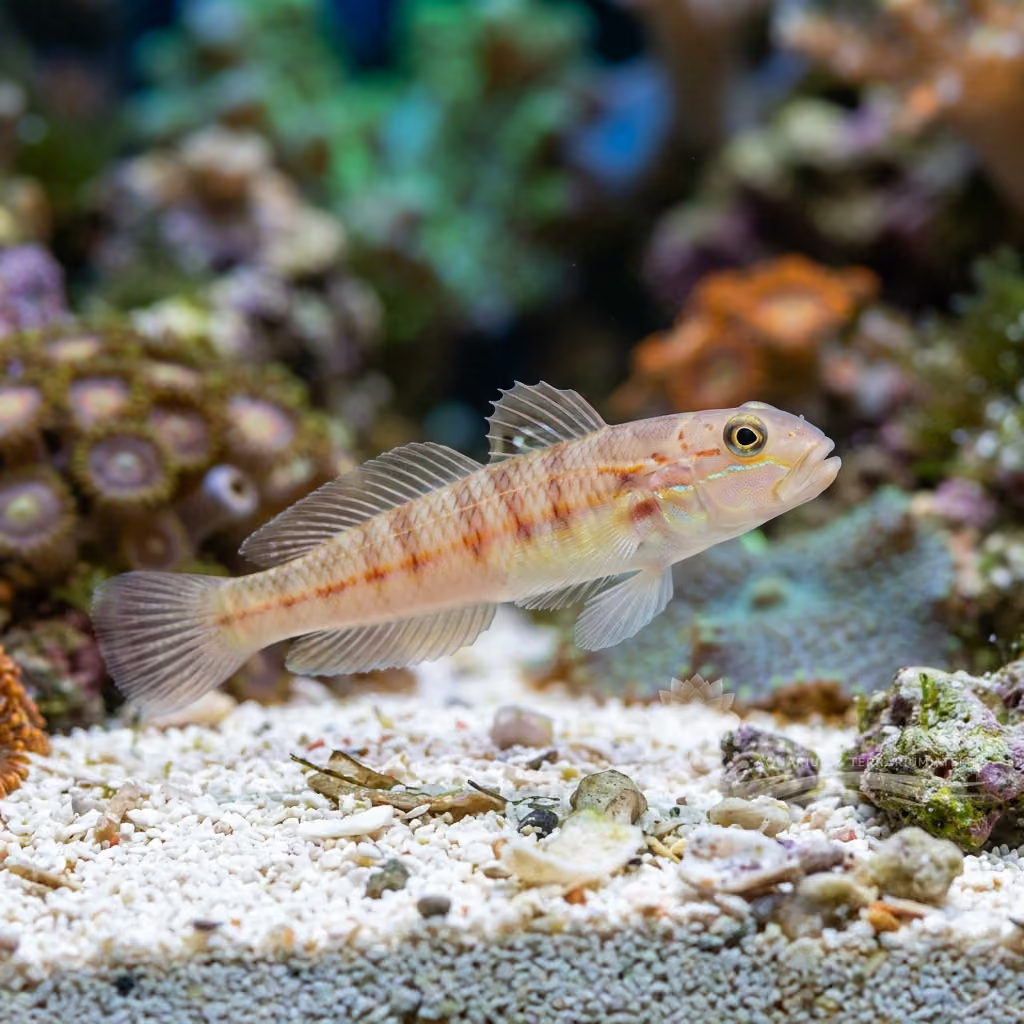
Taxonomy and Morphology: Belonging to the family Gobiidae and the genus Trimma, this species is representative of the miniature marine fishes. It features an elongated, cylindrical, and translucent body reaching a maximum length of only 2.5 to 3 centimeters. The eyes are large and prominent, positioned dorsally to aid in detecting predators and prey in low-light environments.
Social Behavior: Trimma tevegae is a highly peaceful and gregarious species. Unlike many benthic gobies, it spends considerable time swimming in the water column near protective cover. It does not exhibit intraspecific aggression, making it suitable for keeping in groups where individuals will hover together in loose aggregations.
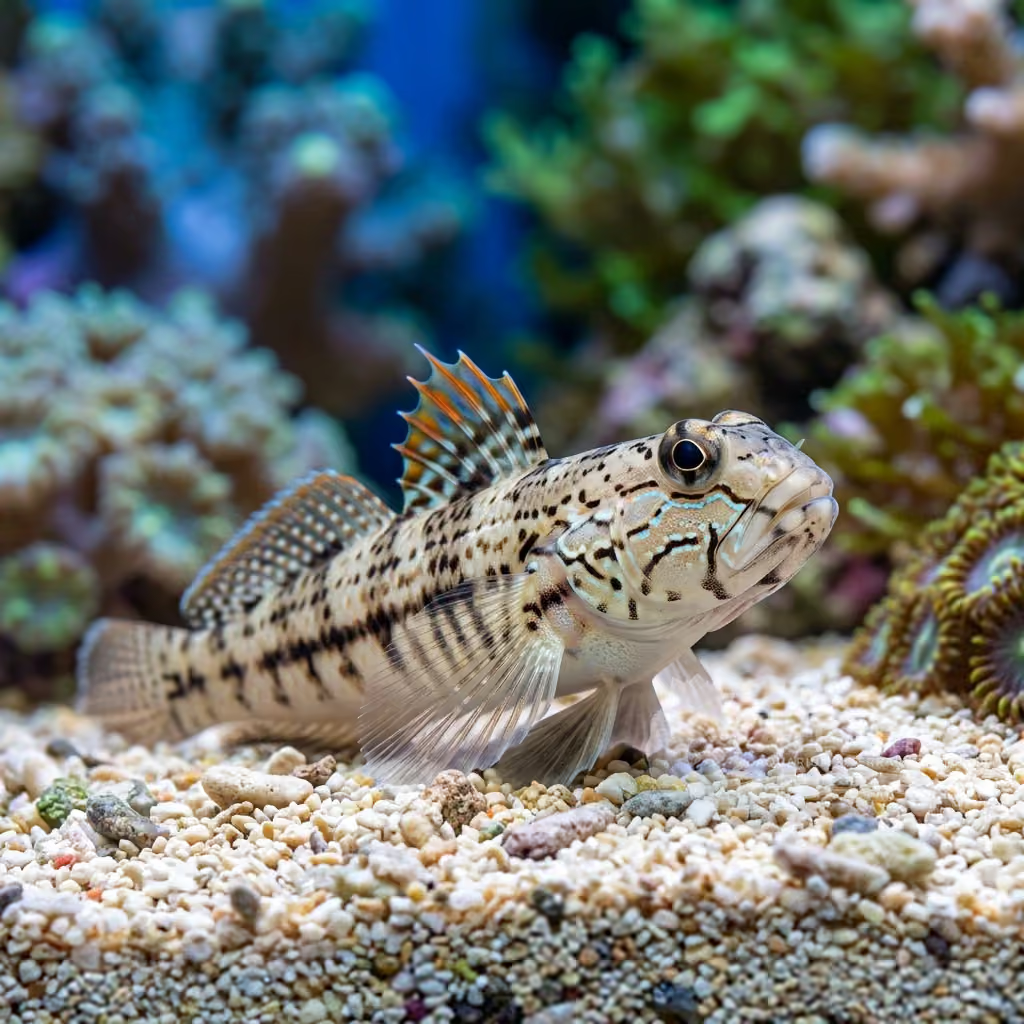
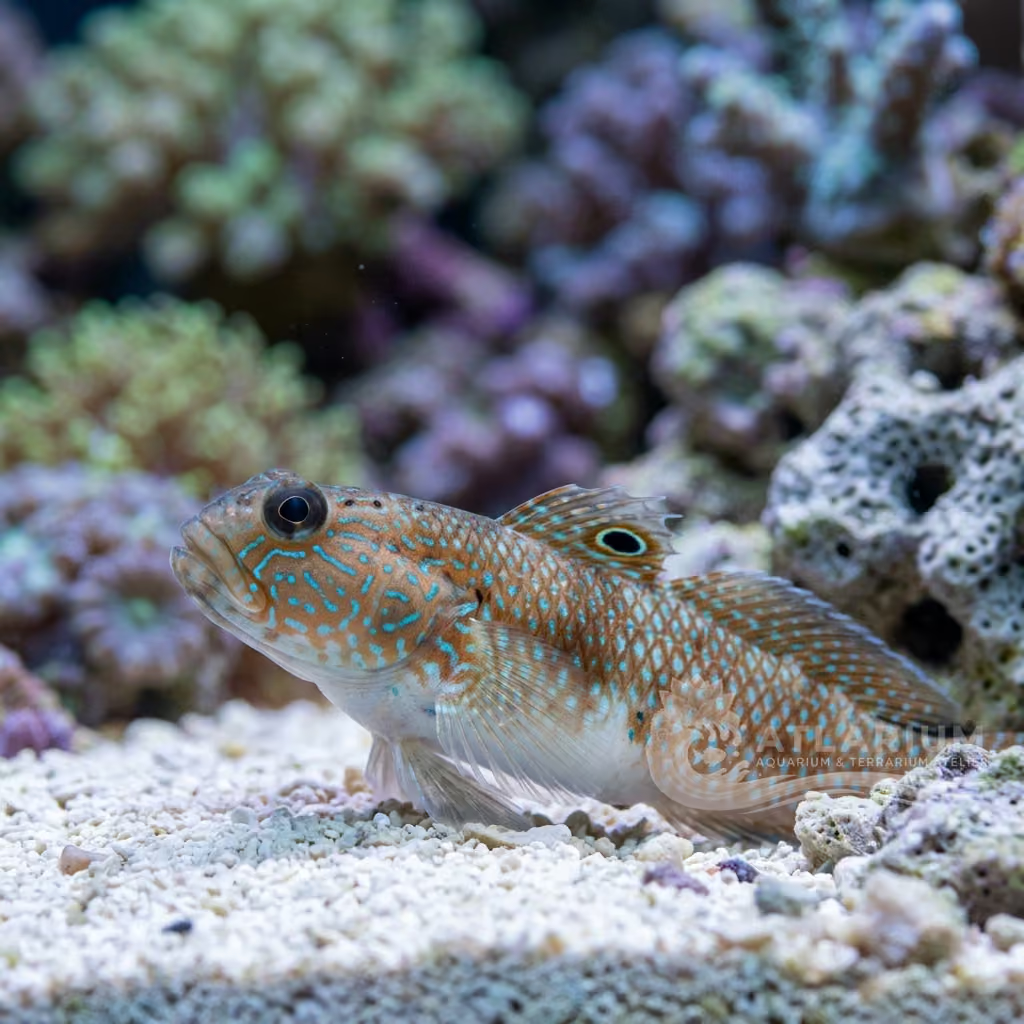
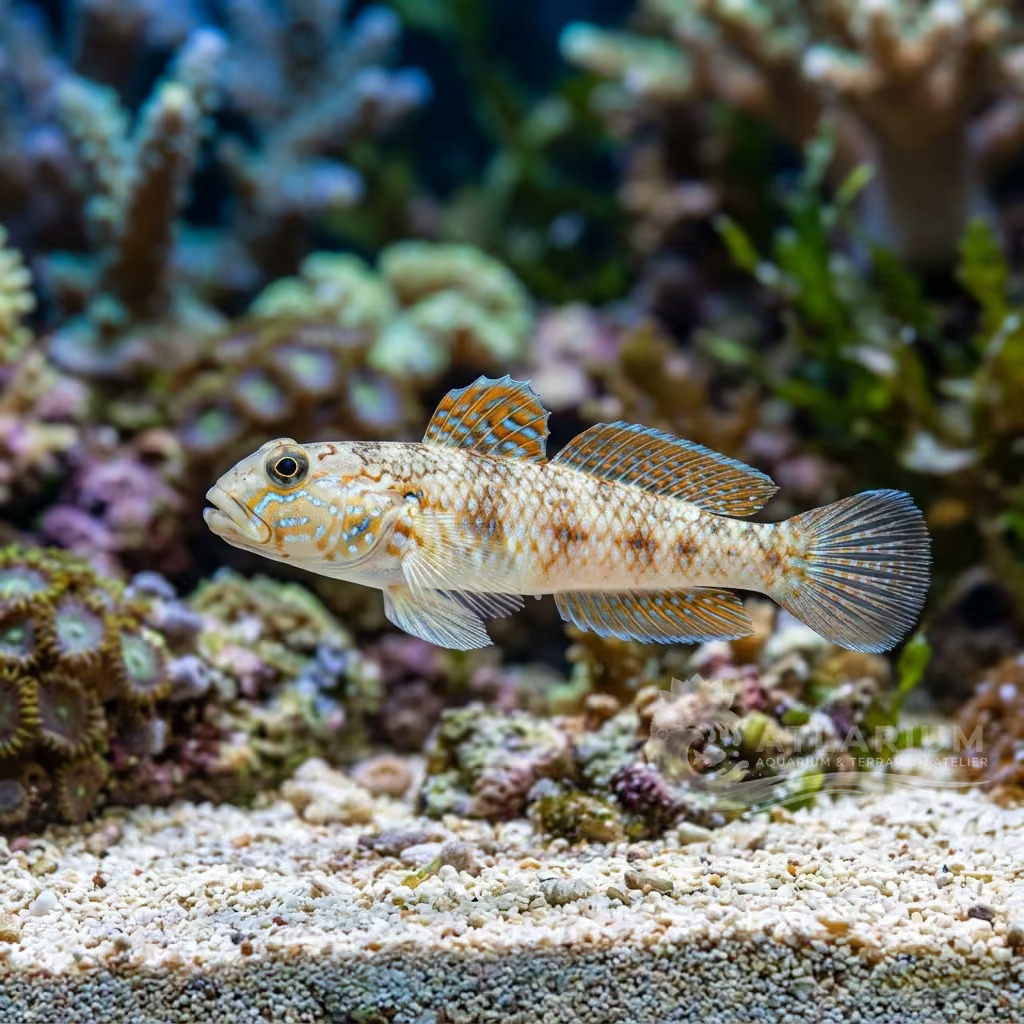
Coloration and Sexual Dimorphism: The body coloration is characterized by a translucent pale pink to reddish hue. Its most striking feature is a brilliant neon blue to purple longitudinal stripe running along the upper back to the caudal peduncle. Sexual dimorphism is subtle; mature males may display slightly longer filamentous rays on the first dorsal fin and grow marginally larger than females.

Pflege, Zucht und Mitbewohner
Aquarium Setup: Due to its tiny size, this goby is perfect for nano reef aquariums of 8 gallons (30 liters) or more. The tank should be decorated with plenty of live rock arranged to create overhangs, caves, and dark crevices that mimic their natural cave-dwelling environment. A fine sand substrate is preferred.
Diet and Feeding: As a planktivore, its diet in captivity should consist of very small live or frozen foods, such as copepods, rotifers, cyclops, and freshly hatched brine shrimp. Over time, it may accept micro-pellets or powdered foods. Because of their high metabolic rate, they should be fed multiple times daily.
Water Quality: Keep standard marine reef parameters: water temperature between 23 and 26 °C (73 to 79 °F), pH range of 8.1 to 8.4, and specific gravity of 1.020 to 1.025. Nitrate and phosphate levels must be kept low, and ammonia and nitrite must remain undetectable.
Compatibility and Cohabitation: This species is completely reef-safe and will not harm corals, clams, or ornamental shrimp. It must only be housed with very peaceful, small tankmates such as other pygmy gobies or firefish. Larger, fast-swimming, or aggressive fish will easily outcompete or prey upon them.
Aquarium Breeding: Breeding in home aquariums is exceptionally rare and challenging. They are bi-directional hermaphrodites. The female deposits adhesive eggs in a cave, and the male guards them until hatching. Raising the microscopic larvae requires specialized live food cultures like marine rotifers.
Risks and Diseases: Starvation is the biggest risk if housed with aggressive feeders. They are susceptible to common marine parasites like marine ich (Cryptocaryon) and velvet. Caution must be taken with copper-based medications, as nano-sized gobies are sensitive to chemical treatments.

Geografische Herkunft und Verbreitung
Trimma tevegae is native to the tropical waters of the Western Indo-Pacific, spanning from the Ryukyu Islands south to the Great Barrier Reef, and throughout the Philippines and Indonesia. This miniature goby primarily inhabits outer reef slopes, vertical drop-offs, and shaded caves or overhangs at depths ranging from 10 to 40 meters. They are frequently observed in large, dense groups hovering upside down under rocky ledges.
Ursprung
Kosmopolitisch oder eingeführtSüd- und SüdostasienOstasienTropische Ozeane und Riffe

Fischprofil
- Temperament
- Peaceful
- They are very peaceful, observant, and sometimes shy until they become accustomed to their surroundings. Once comfortable, they spend their days conspicuously perched in plain sight. They never bother corals or mobile invertebrates, making them ideal reef citizens.
- Diät
- Carnivore
- In the wild, they feed on microscopic zooplankton floating in the water column. In captivity, they eagerly accept newly hatched brine shrimp, copepods, and high-quality micro-foods. They can often be trained to eat crushed marine flakes and very small frozen mysis shrimp.
- Lebenserwartung
- 1-1.67 years
- Erwachsenengröße
- 3 cm
- Geschlechterverhältnis
- Group
- They can generally be kept in small groups without major issues if enough space is provided. Males may occasionally display territorial behavior toward one another over preferred perching spots. Keeping a harem with one male and several females is the safest long-term approach.
- Fütterungsfrequenz
- Twice daily
- Due to their small digestive tracts, they should be fed small portions two to three times a day. Target feeding can be helpful if they are housed in larger tanks with competitive eaters. Providing a continuous supply of live pods in the tank helps sustain them between meals.
- Bioload
- Low
- These tiny marine gobies have an incredibly small bioload impact on the aquarium. A standard protein skimmer and regular water changes easily process their minimal waste. They are perfect candidates for nano and pico reef tanks where bioload management is crucial.
- Fluss
- Moderate
- They prefer moderate to low water movement that allows them to perch comfortably on the rockwork. Excessively strong wavemakers can blow these tiny fish around and cause them stress. Gentle alternating currents mimic the sheltered reef crevices they naturally inhabit.
- Sprungrisiko
- Yes
- Like most gobies, they are prone to jumping when frightened or chased by tank mates. A tight-fitting mesh lid is an absolute requirement to prevent them from carpet surfing. Ensuring they have plenty of hiding spots also reduces their flight response.
- Reproduktion
- Oviparous
- Breeding in captivity is extremely rare but occasionally documented by dedicated breeders. They are demersal spawners that lay their eggs in small caves or crevices. The male carefully guards the egg clutch until the microscopic larvae hatch and enter the water column.
- Kompatibilität & Tankkameraden
- Community
- They are completely reef-safe and extremely peaceful toward other fish and invertebrates. Aggressive or large predatory fish must be avoided, as these gobies easily become snacks. Best kept with other small, docile species like blennies, firefish, or peaceful shrimp.
- Tankfüllstand
- Middle
- They are classic benthic and lower-level dwellers that spend most of their time perched. You will frequently see them resting on live rock, corals, or the sand bed. They only occasionally dart up into the water column to snatch passing particles of food.

Wissenschaftliche Modelle & Parameter
FishBase
Zugang zu den offiziellen wissenschaftlichen Daten der Art
FishBase v25.04Daten synchronisiert am: 15.06.2026
- Trophäenniveau
- 3 ± 0 se
- Belastbarkeit
- Hoch (weniger als 15 Monate)
- Phylogenetische Einzigartigkeit (PD50)
- 0.5
- Bayessche Längen-Gewichts-Beziehung
- a = 0.01023, b = 3.01
- AnfälligkeitGeringe Anfälligkeit (10 / 100)

Verwandte Arten
Empfehlungen gruppiert nach nahen Verwandten, Auswahl von Begleitern und ähnlicher Betreuung.