Yaeyama Blenny
Ecsenius yaeyamaensis
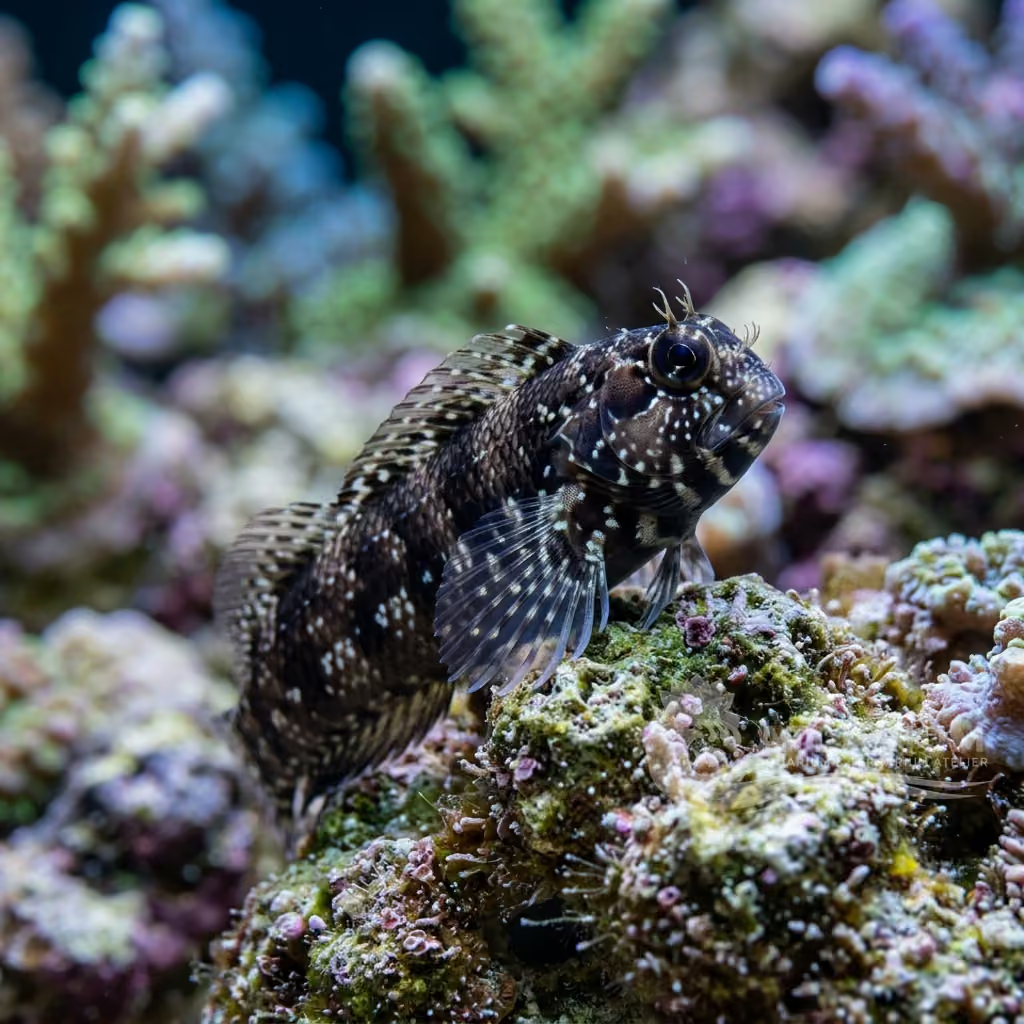
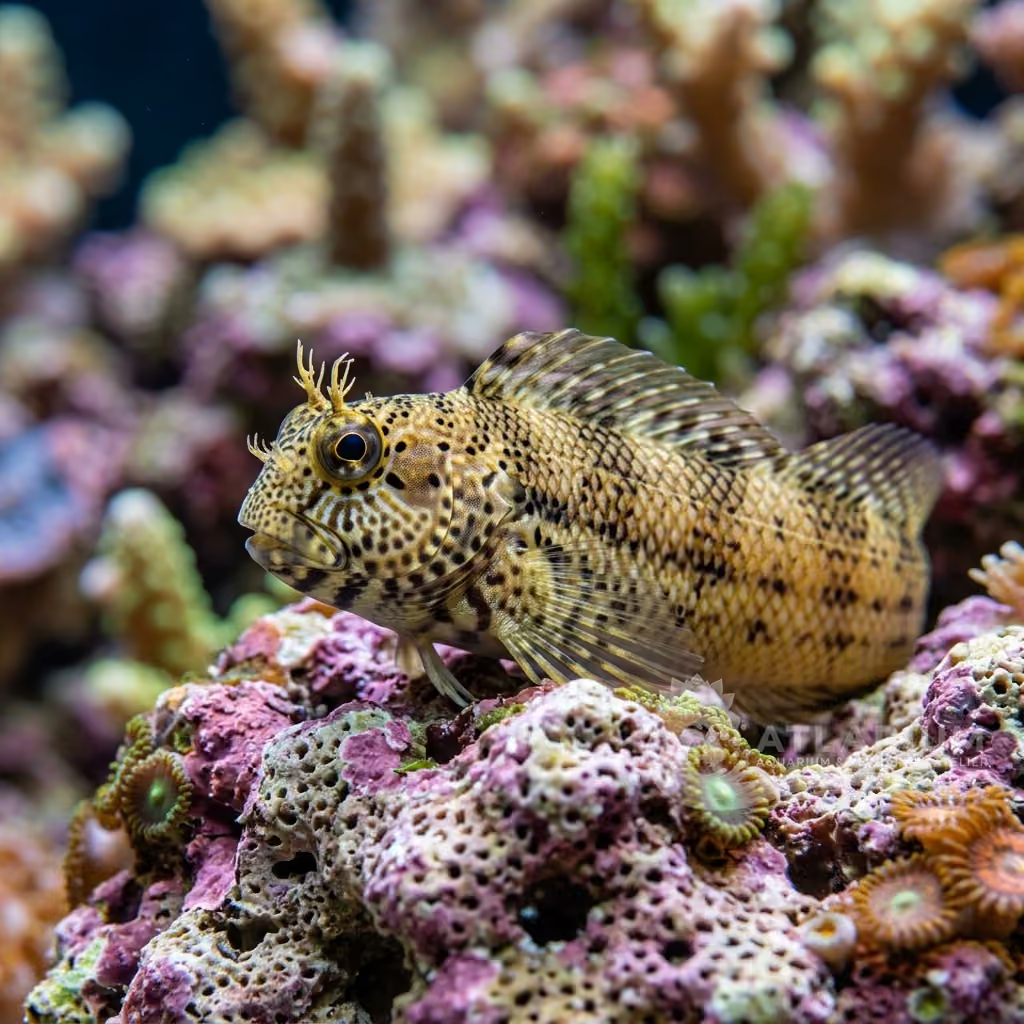
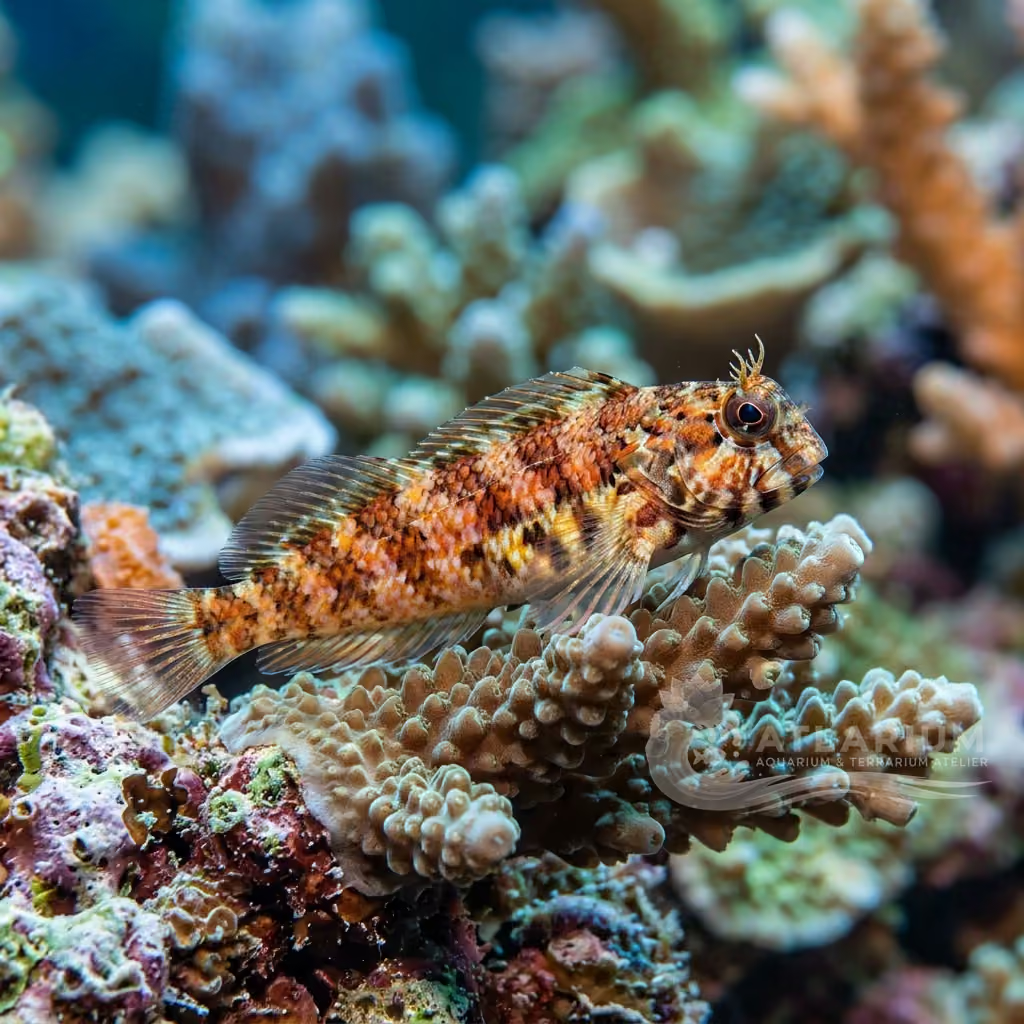
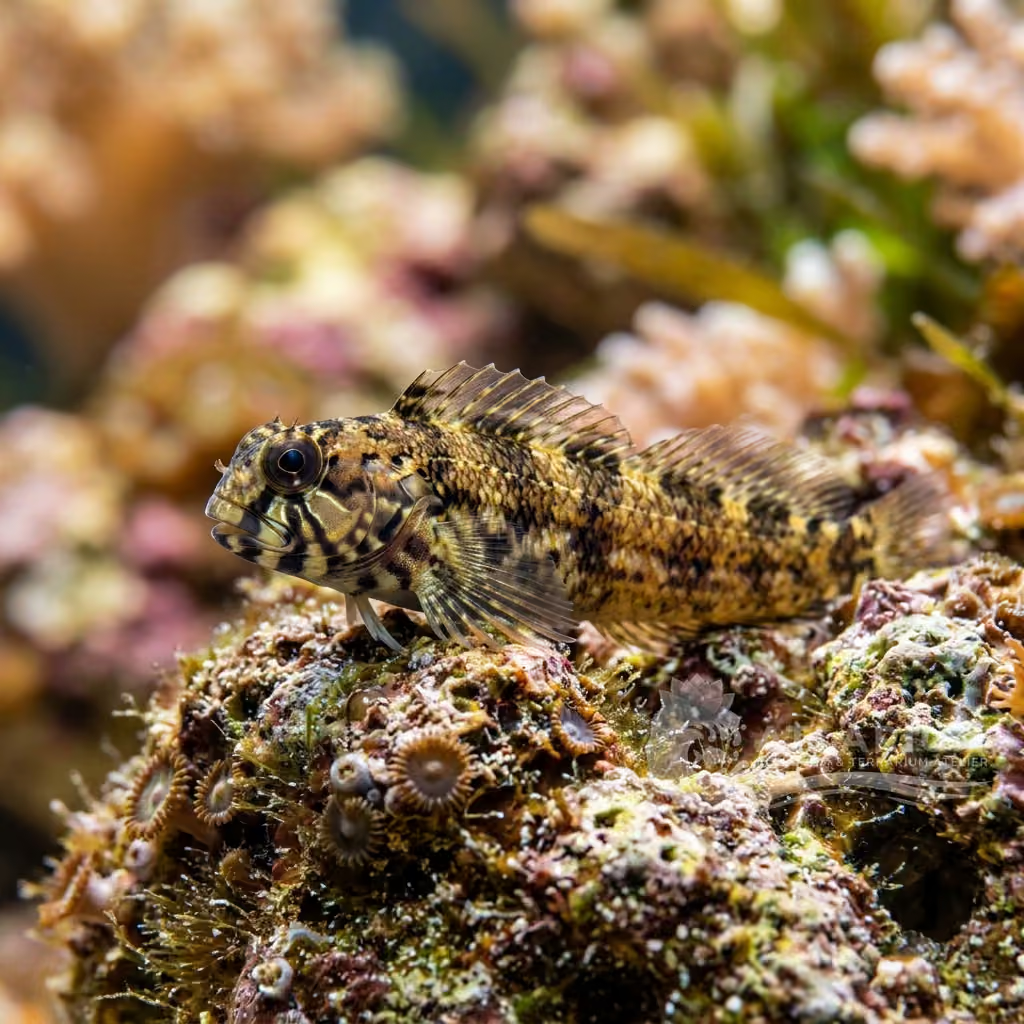
A peaceful, exceptionally well-camouflaged blenny characterized by intricate brown-and-white mottled patterns. It is highly valued for systematically cleaning reef tanks of pesky filamentous algae.
Wassertemperatur
25 - 28 °C
pH-Wert
8.1 - 8.4
Wassertyp
Meerwasser
Tankfüllstand
Unten und in der Mitte
Erwachsenengröße
6 cm
Mindesttankvolumen
>= 100 L
Mindestgruppe
>= 1
KH
8 - 12 dKH

Artbeschreibung
Geographical Origin and Habitat: Ecsenius yaeyamaensis is native to the Indo-West Pacific, ranging from Sri Lanka to the Yaeyama Islands in Japan, and south to the Great Barrier Reef and Vanuatu. It inhabits shallow coral reefs and sheltered coastal lagoons rich in stony corals, preferring sunlit areas where benthic algae grow abundantly.
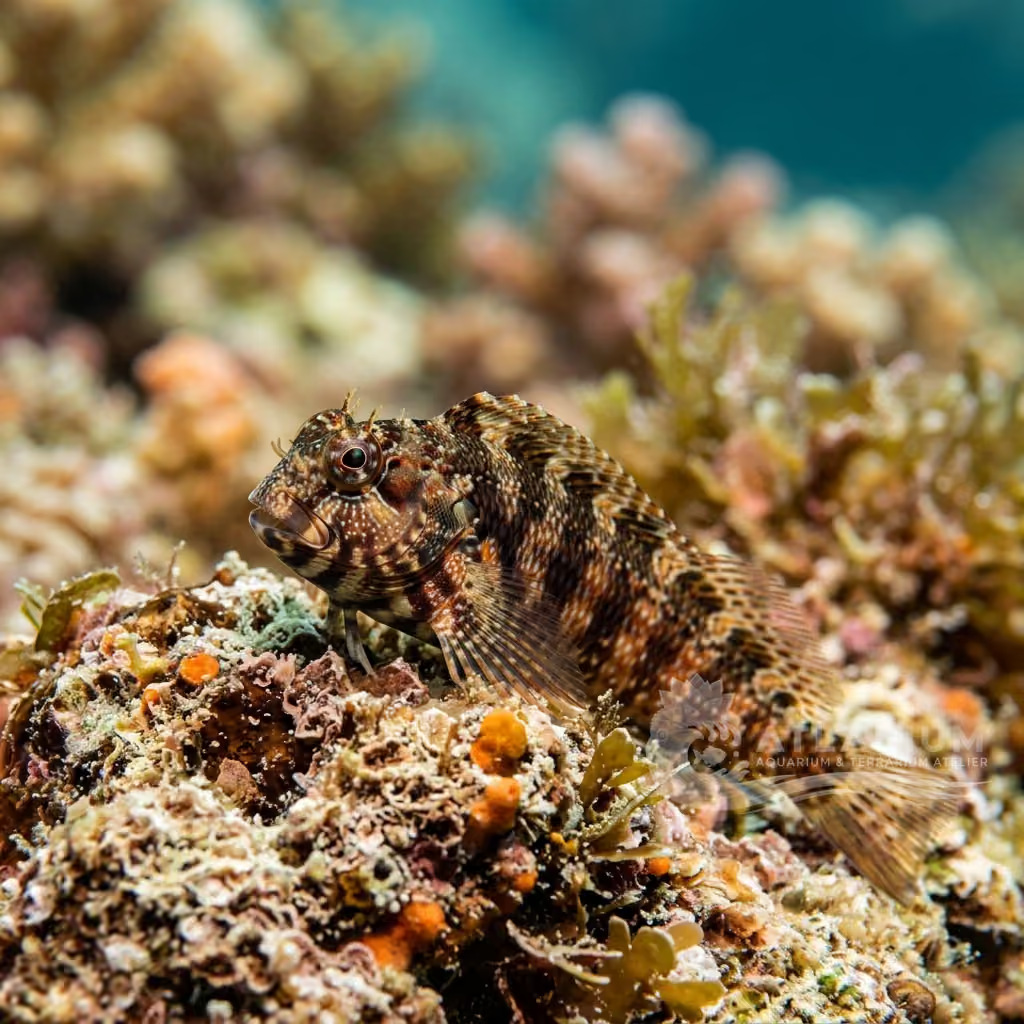
Taxonomy and Morphology: Belonging to the family Blenniidae and the genus Ecsenius, it is commonly known as the Yaeyama Blenny. Like other blennies, it lacks scales and has a slender, cylindrical body. It grows to a maximum size of about 6 cm. It features prominent eyes on top of its head, fringed cirri above the eyes, and specialized comb-like teeth.
Social Behavior: Peaceful and highly active during the day. It spends its time perched on live rocks, scanning the tank with independent eye movements. It is territorial only towards members of its own species or other similar herbivorous species that share its ecological niche, particularly in smaller tanks.
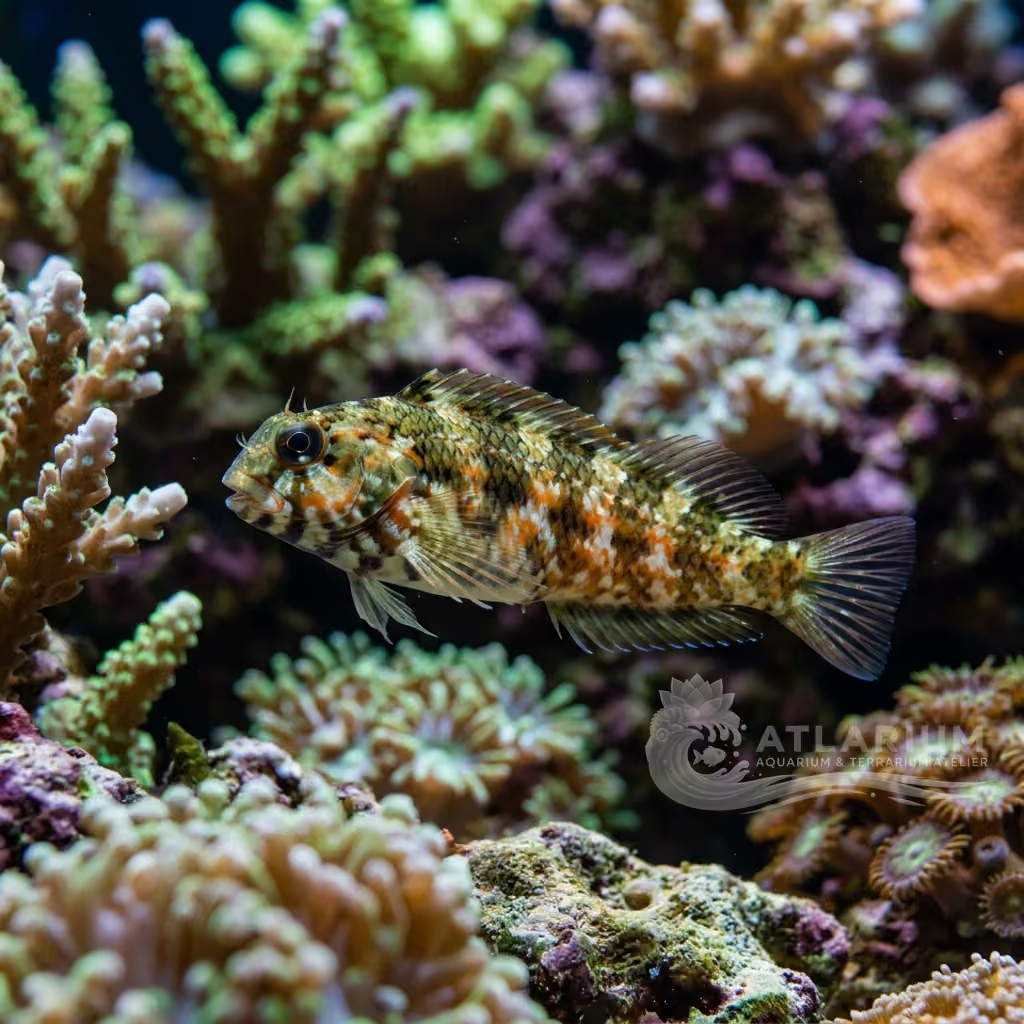
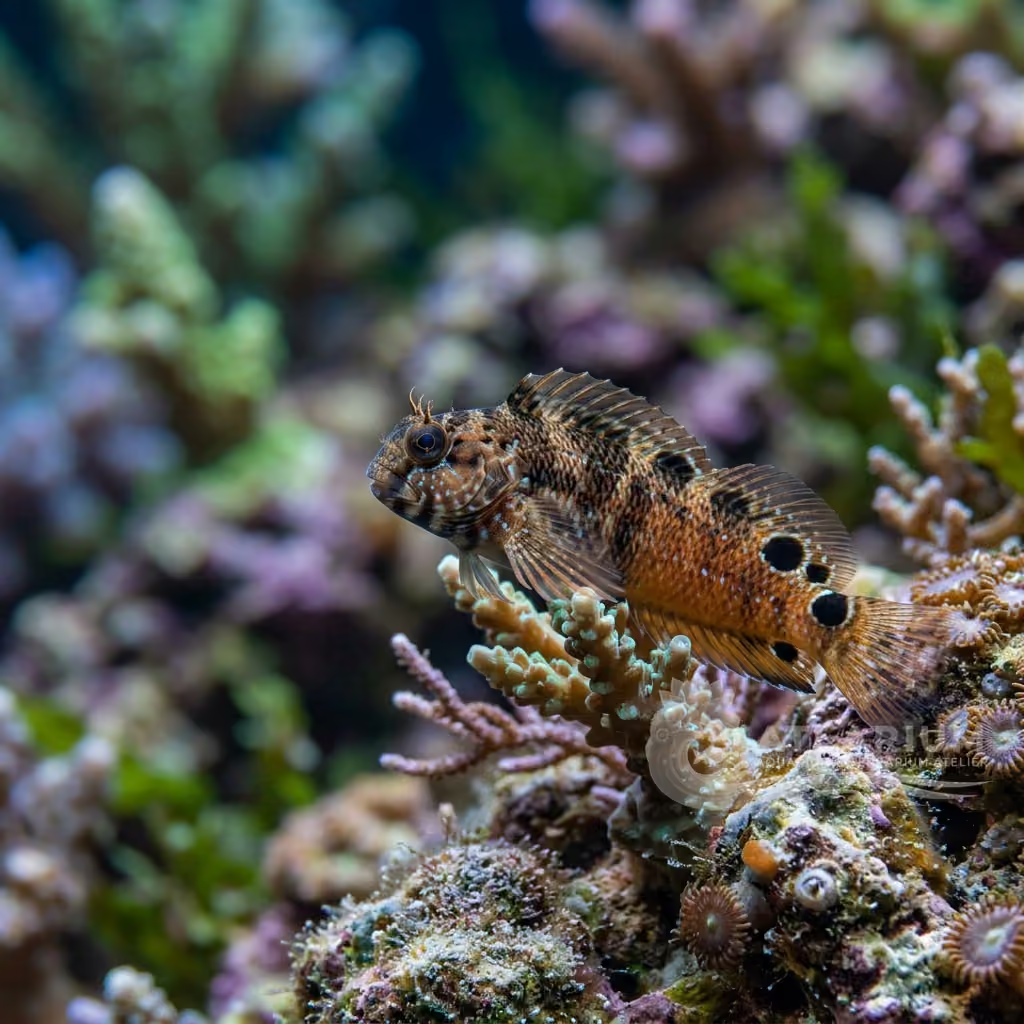
Coloration and Sexual Dimorphism: The body pattern consists of a complex network of brown, grey, green, and white spots and longitudinal lines, providing excellent camouflage against rocks. A distinctive dark spot or bar is located behind each eye. Sexual dimorphism is subtle, with adult males sometimes displaying slightly longer anal spines during spawning.

Pflege, Zucht und Mitbewohner
Aquarium Setup: Requires an established reef aquarium of at least 60-80 liters. The tank must feature plenty of live rock with numerous cracks and crevices for shelter and to provide natural grazing surfaces. Good water movement and moderate to high lighting are required to stimulate natural microalgae growth.
Diet and Feeding: Primarily herbivorous. Its natural diet consists of microalgae and detritus. In captivity, it must be offered herbivore-focused foods including spirulina, nori, and high-quality vegetable flakes or pellets. While it will eat small amounts of mysis or brine shrimp, natural microalgae must remain its primary food source.
Water Quality: Keep water parameters stable: temperature 24-28°C, specific gravity 1.020-1.025, and pH 8.1-8.4. Ammonia and nitrites must be kept at zero, with nitrates maintained below 15 ppm. Perform regular water changes of 10-15% bi-weekly to maintain trace element concentrations and overall cleanliness.
Compatibility and Cohabitation: Excellent reef fish that will not bother corals or sessile invertebrates. Fits well with small, peaceful tankmates such as gobies, firefish, cardinalfish, and clownfish. Avoid housing multiple Yaeyama Blennies in the same aquarium unless the system is large (over 300 liters) with many visual barriers.
Aquarium Breeding: Extremely rare in home aquaria. They are demersal spawners where eggs are deposited on a hard surface within a crevice or empty shell. The male guards the nest diligently until they hatch. The pelagic larval stage is very difficult to raise due to specialized feeding requirements.
Risks and Diseases: Starvation is the biggest risk if introduced into a newly set up, sterile aquarium lacking microalgae. They are susceptible to marine ich (Cryptocaryon irritans) and marine velvet, particularly during acclimation. Quarantine new specimens and ensure they are eating prepared foods.

Geografische Herkunft und Verbreitung
Ecsenius yaeyamaensis is native to the Indo-West Pacific, ranging from Sri Lanka to the Yaeyama Islands in Japan, and south to the Great Barrier Reef and Vanuatu. It inhabits shallow coral reefs and sheltered coastal lagoons rich in stony corals, preferring sunlit areas where benthic algae grow abundantly.
Ursprung
Tropische Ozeane und RiffeSüd- und SüdostasienOstasien

Fischprofil
- Temperament
- Semi-aggressive
- The Yaeyama Blenny is celebrated for its quirky, highly observational temperament. It possesses a bold personality, often perching in plain sight and turning its head to watch activity outside the tank. It is not overly timid once established and will eagerly associate the aquarist with food. Its peaceful demeanor and comical antics make it a staple in reef aquariums.
- Diät
- Herbivore
- A dedicated herbivore, the Yaeyama Blenny thrives on a diet rich in vegetable matter. It spends its days scraping microalgae off the live rock, helping to keep the aquarium clean. Aquarists should supplement its grazing with spirulina, nori, and high-quality herbivore pellets or flakes. Occasional offerings of enriched brine shrimp are fine, but greens must dominate its intake.
- Lebenserwartung
- 5-8 years
- Erwachsenengröße
- 6 cm
- Geschlechterverhältnis
- Flexible
- Sexual dimorphism is not prominent, making it hard to visually distinguish males from females. It is strongly advised to keep only one specimen per tank unless a known mated pair is acquired. Multiple males will almost certainly exhibit severe aggression towards each other, often ending fatally. In very large systems with abundant rockwork, a group might coexist, but it remains a risk.
- Fütterungsfrequenz
- Twice daily
- Multiple small feedings throughout the day are ideal for the Yaeyama Blenny. Since its natural behavior involves constant grazing, large, infrequent meals are not suitable for its digestive system. Two to three targeted feedings of prepared algae-based foods will keep it plump and healthy. An established tank with natural algae growth reduces the need for heavy supplemental feeding.
- Bioload
- Low to Medium
- The Yaeyama Blenny contributes a minimal bioload to the marine aquarium environment. Given its small size and primarily herbivorous lifestyle, the waste it produces is highly manageable. Routine maintenance, proper filtration, and a standard skimmer will easily process its biological output. It is an excellent addition for those looking to keep bioload low while adding character to the tank.
- Fluss
- Moderate
- It enjoys a moderate to strong water flow that mimics the currents of its natural reef environment. Strong circulation helps to oxygenate the water and encourages the growth of the turf algae it feeds upon. The fish will cleverly use the flow to catch drifting food while perched on its favorite rock. Sheltered crevices are still necessary for it to retreat and rest out of the current.
- Sprungrisiko
- Yes
- Like all blennies, the Yaeyama Blenny is highly prone to jumping out of the aquarium. Startle responses, territorial chases, or simply exploring the upper water column can lead to it escaping an uncovered tank. A tightly fitting lid or a mesh screen is an absolute necessity. Care must be taken to cover overflow boxes and gaps around equipment.
- Reproduktion
- Oviparous
- While difficult to raise in captivity, the Yaeyama Blenny occasionally breeds in home aquariums. They are cavity nesters, with the female laying sticky eggs in a small hole or empty barnacle shell. The male actively guards the nest, fanning the eggs to provide oxygen and keeping them clean. Successfully rearing the tiny pelagic fry requires dedicated cultures of micro-foods like rotifers.
- Kompatibilität & Tankkameraden
- Reef safe
- This species is remarkably peaceful towards dissimilar fish and reef-safe with corals and invertebrates. It is an ideal resident for a bustling community reef aquarium where it can mind its own business. Aggression is usually only directed at conspecifics or other closely related blenny species that share its ecological niche. Ample hiding spots will ensure peaceful coexistence with most tank mates.
- Tankfüllstand
- Middle/Bottom
- This fish occupies the benthic zones, heavily favoring the lower and middle portions of the tank's rockwork. It uses its pelvic fins to prop itself up on rocks, surveying its territory. It is rarely seen swimming freely in open water unless transitioning quickly between perches. The substrate and live rock are its true home.

Wissenschaftliche Modelle & Parameter
FishBase
Zugang zu den offiziellen wissenschaftlichen Daten der Art
FishBase v25.04Daten synchronisiert am: 15.06.2026
- Trophäenniveau
- 2 ± 0 se
- Belastbarkeit
- Hoch (weniger als 15 Monate)
- Phylogenetische Einzigartigkeit (PD50)
- 0.5
- Bayessche Längen-Gewichts-Beziehung
- a = 0.00776, b = 3
- AnfälligkeitGeringe Anfälligkeit (10 / 100)

Verwandte Arten
Empfehlungen gruppiert nach nahen Verwandten, Auswahl von Begleitern und ähnlicher Betreuung.