Allen's blenny
Ecsenius alleni
A peaceful, small saltwater blenny hailing from the Indian Ocean, recognized for its exceptional ability to enthusiastically consume nuisance benthic algae in reef tanks.
Wassertemperatur
23 - 27 °C
pH-Wert
8.1 - 8.4
Wassertyp
Meerwasser
Tankfüllstand
Unten
Erwachsenengröße
5,5 cm
Mindesttankvolumen
>= 60 L
Mindestgruppe
>= 1
KH
8 - 12 dKH

Artbeschreibung
Geographical Origin and Habitat: Ecsenius alleni is native to the eastern Indian Ocean, with a geographical distribution confined mainly to the coral reefs of northwestern Australia, particularly in the protected areas of the Rowley Shoals. It inhabits shallow outer coral reefs, vertical rock walls, and channels exposed to tidal action, at depths between 1 and 15 meters, where it perches on colonies of hard corals.
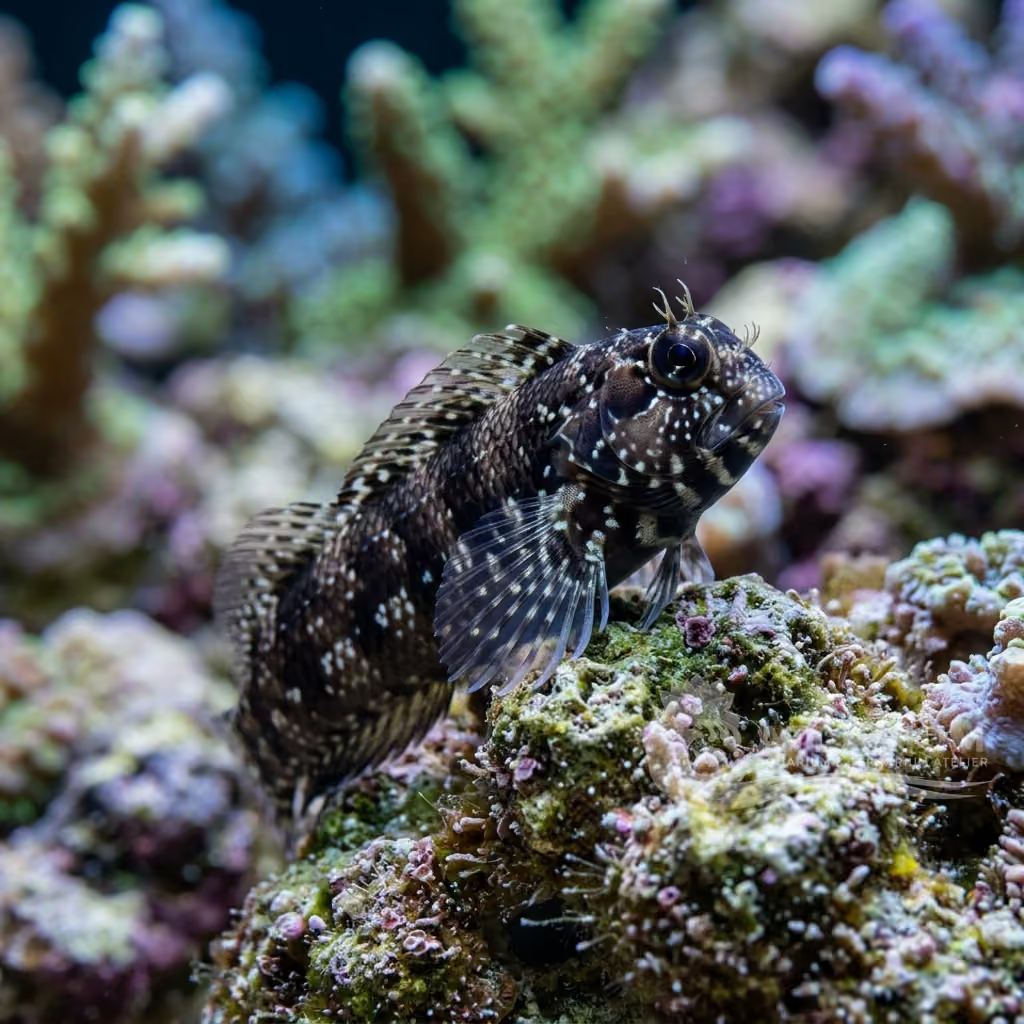
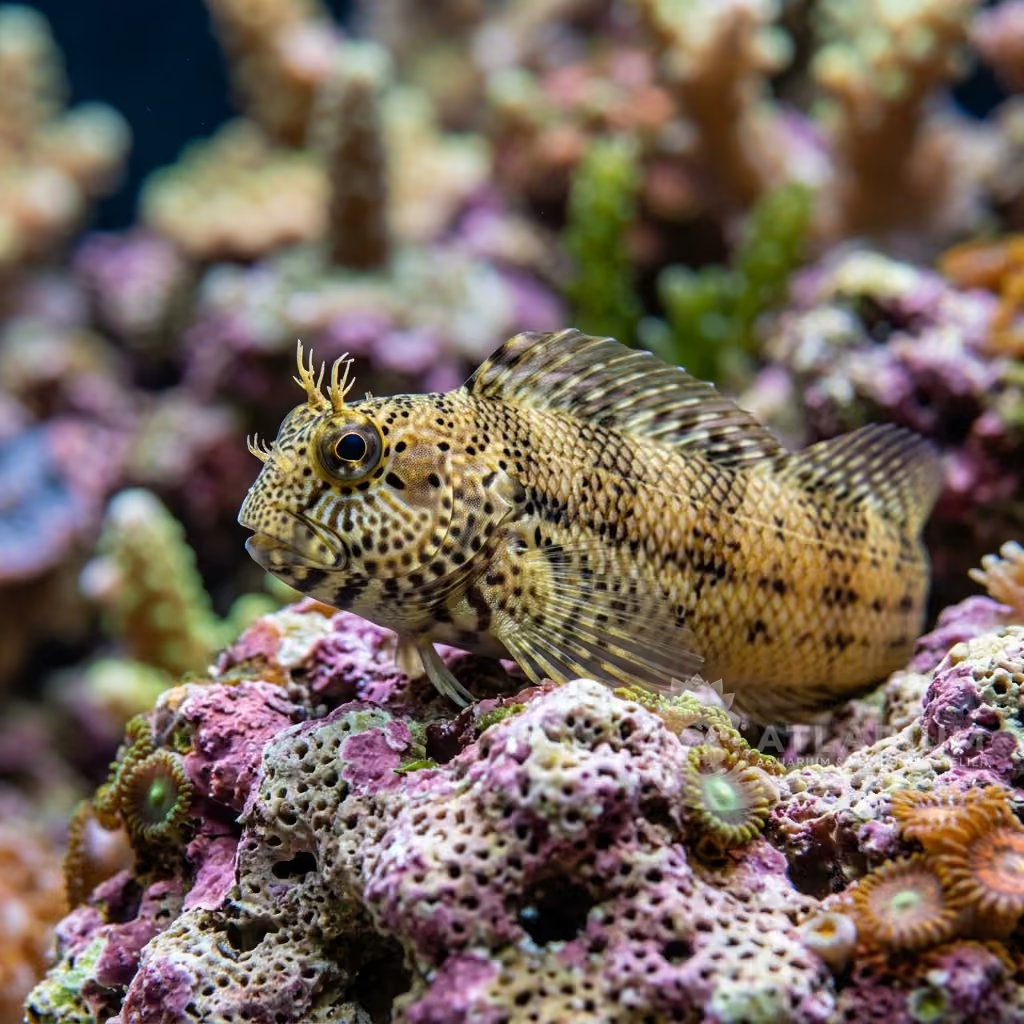
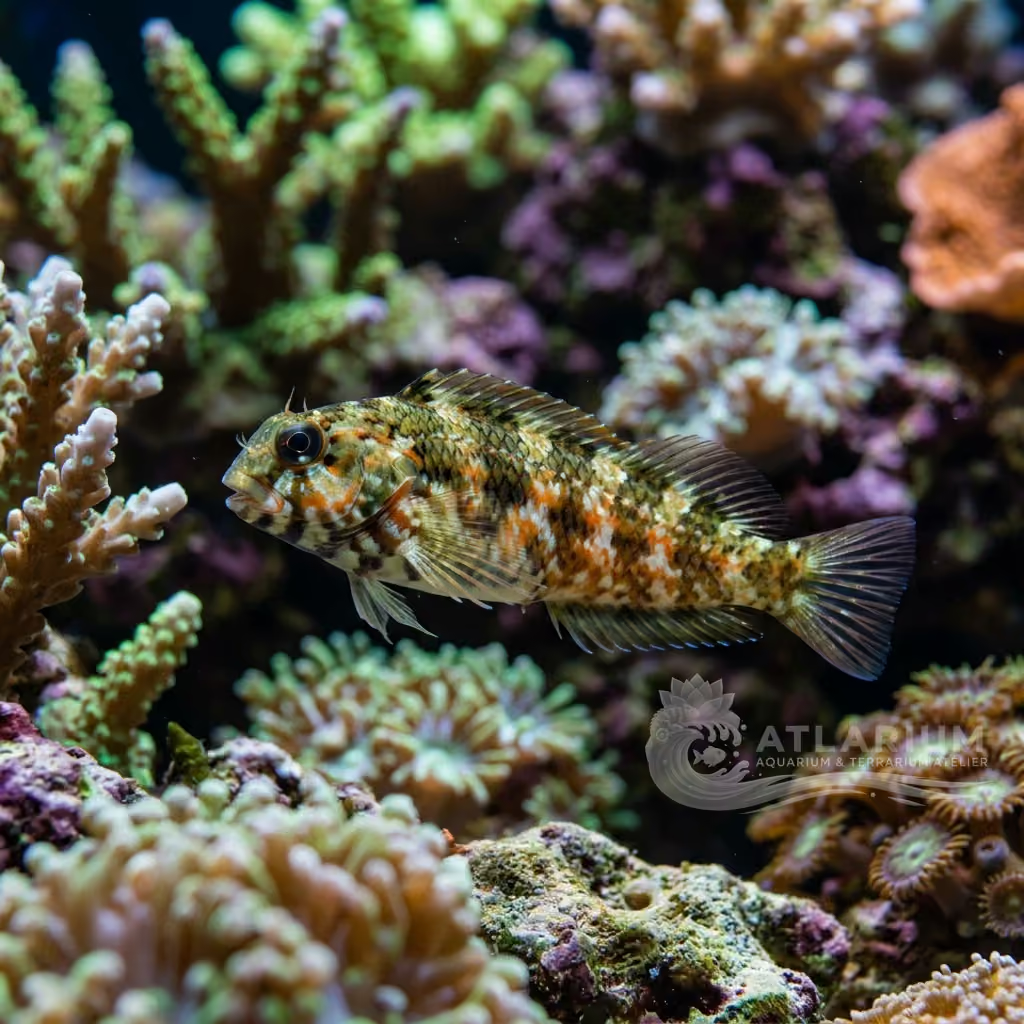
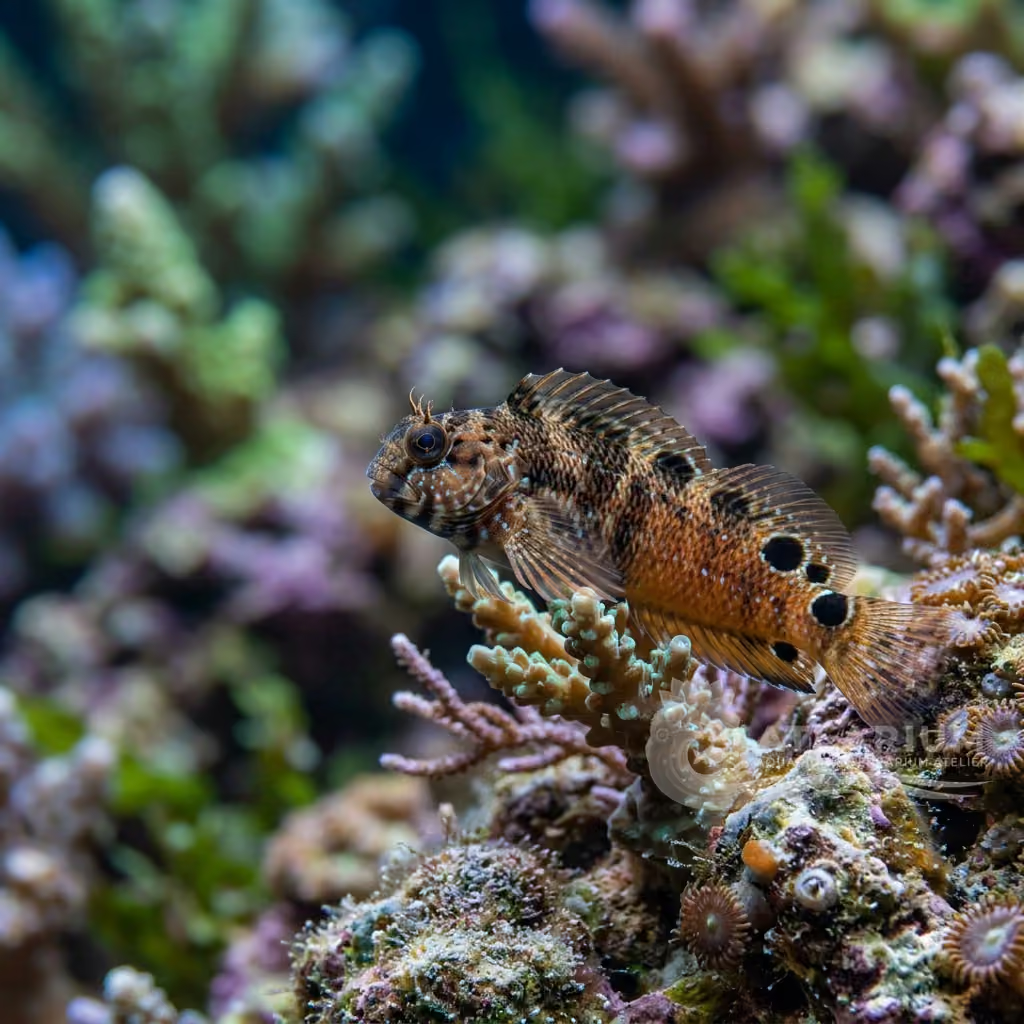
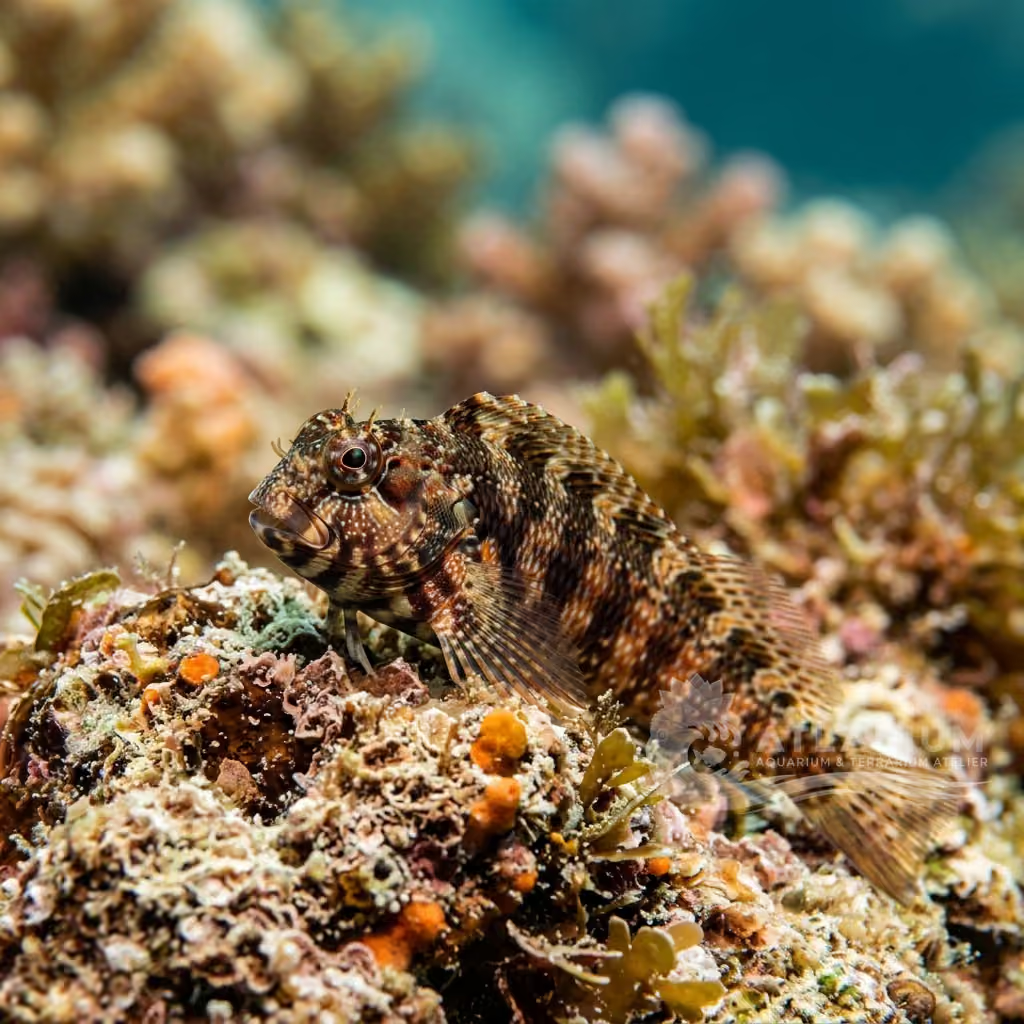
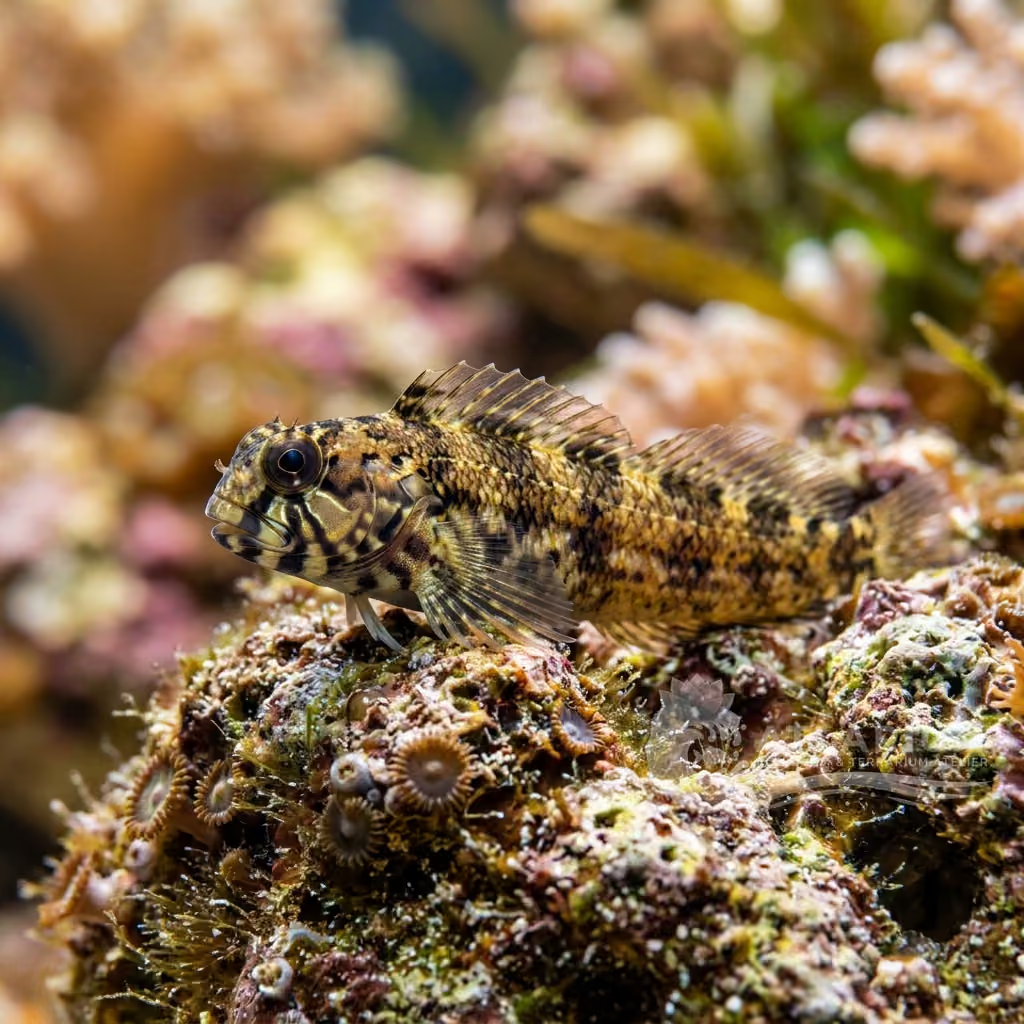
Taxonomy and Morphology: It belongs to the family Blenniidae, subfamily Salariinae, and genus Ecsenius. Like other members of the genus, it has a cylindrical body without scales, a rounded head with prominent mobile eyes positioned high up for excellent stereoscopic vision, and an inferior mouth equipped with dental combs suitable for scraping algae. It reaches a small size of about 5-6 centimeters.
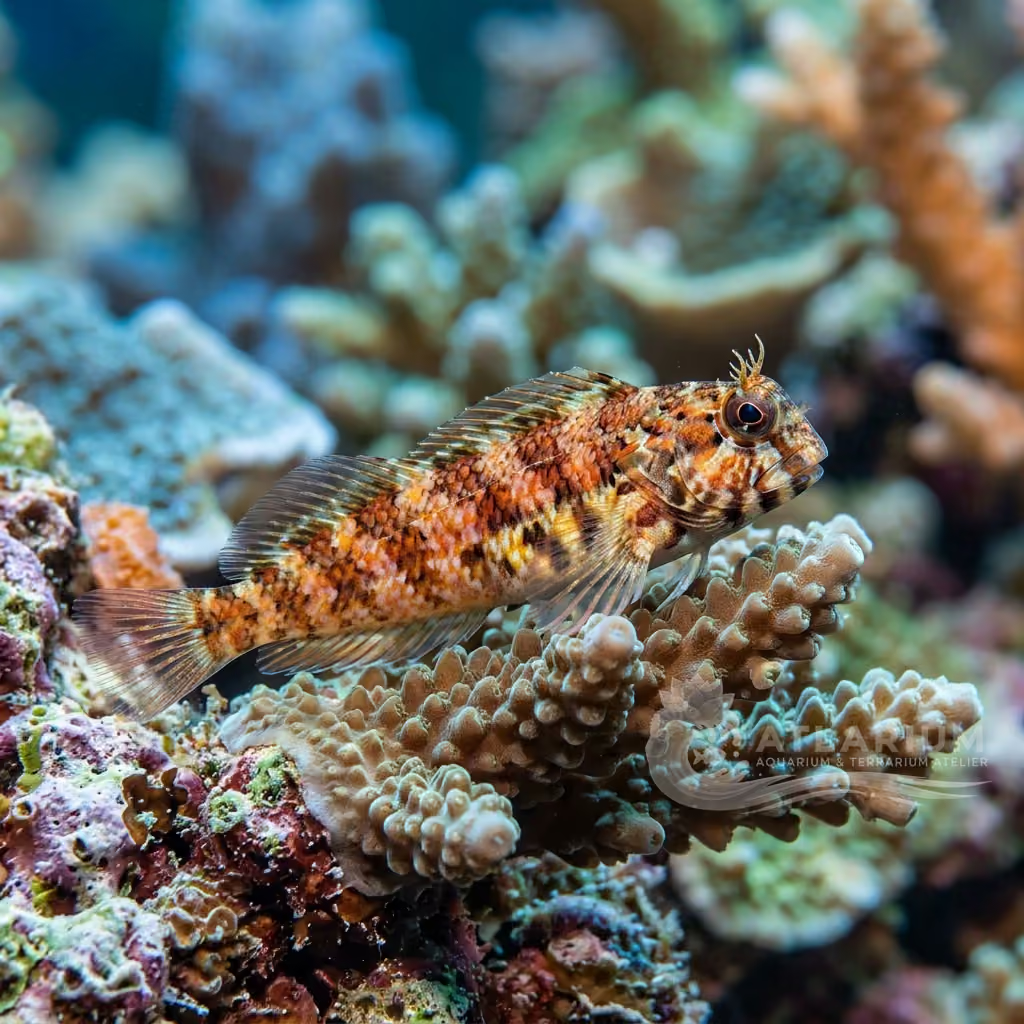
Social Behavior: It is a very peaceful, curious, and alert diurnal fish. It spends the day perched on rocks or hard corals (such as Acropora or Porites), moving with quick darts to graze on microalgae. It shows marked intraspecific territoriality towards members of the same species or the genus Ecsenius if the living space is limited, but completely ignores fish belonging to other families.
Coloration and Sexual Dimorphism: The coloration is charming: the body has a light reddish-brown or grayish hue in the upper portion, which fades to white or yellowish on the belly. A dark brown longitudinal stripe runs along the body, topped by golden yellow or orange hues on the head and around the eye iris. There is no macroscopically obvious visual sexual dimorphism visible to the naked eye.

Pflege, Zucht und Mitbewohner
Aquarium Setup: Requires a marine aquarium or nano-reef starting from 60 liters of volume. The tank must be set up with a rich amount of well-lit live rock that promotes the constant growth of the benthic algal biofilm. It is advisable to arrange the rocks creating small holes or vertical crevices, highly appreciated by this blenny as hiding places. The aquarium must be equipped with a lid to prevent jumping.
Diet and Feeding: The diet is almost exclusively herbivorous. In the wild, it feeds incessantly on diatoms and microalgae present on the rocky substrate. In the aquarium, it must be fed with high-quality dry foods based on marine algae (spirulina), fresh or dried nori attached with clips, and small frozen foods (brine shrimp and cyclops) administered in small doses. Do not introduce into tanks that are too new and lack algae.
Water Quality: Stable water parameters are fundamental for its health: temperature between 24 and 27 °C, pH between 8.1 and 8.4, specific gravity at 1.020-1.025, and KH between 8 and 12. The concentration of nitrates and phosphates must be kept very low through regular water changes and efficient filtration, while ensuring a high concentration of dissolved oxygen via a skimmer.
Compatibility and Cohabitation: It is an ideal reef safe fish, as it does not damage corals or small sessile invertebrates in any way. It coexists peacefully with calm, small community fish, such as gobies, clownfish, and small wrasses. Avoid cohabitation with voracious predators or overly active and aggressive species that could prevent it from feeding.
Aquarium Breeding: Breeding in the home aquarium is extremely difficult and rarely documented. They are demersal spawners: the female deposits adhesive eggs inside a small cavity or rock crevice, and the male fertilizes them and defends the nest until the larvae hatch. Raising the microscopic pelagic larvae requires specific live foods.
Risks and Diseases: The main risk is starvation if introduced into sterile aquariums without natural algae to graze. Being scaleless, Ecsenius alleni is particularly sensitive to copper-based therapeutic treatments and rapid changes in density and pH. It can suffer skin infections if injured during territorial displays or attempted jumps against the lid.

Geografische Herkunft und Verbreitung
Ecsenius alleni is native to the eastern Indian Ocean, with a geographical distribution confined mainly to the coral reefs of northwestern Australia, particularly in the protected areas of the Rowley Shoals. It inhabits shallow outer coral reefs, vertical rock walls, and channels exposed to tidal action, at depths between 1 and 15 meters, where it perches on colonies of hard corals.
Ursprung
Tropische Ozeane und RiffeSüd- und SüdostasienAustralien, Neuguinea und Ozeanien

Fischprofil
- Temperament
- Peaceful
- They exhibit a charming, peaceful, and highly inquisitive temperament. They are known for their habit of resting on a rock with just their heads poking out of a hole, watching the room. They quickly grow accustomed to their keepers and are quite bold during feeding time.
- Diät
- Herbivore
- It is predominantly an herbivorous grazer that relies heavily on microalgae films present on live rock. Their diet should be supplemented daily with marine algae, spirulina flakes, and specialized herbivore preparations. Occasional small meaty offerings like cyclops or brine shrimp are usually accepted but should not be the staple.
- Lebenserwartung
- 3-5 years
- Erwachsenengröße
- 5.5 cm
- Geschlechterverhältnis
- Solitary
- Keeping a single specimen is recommended for most setups to avoid conspecific aggression. In larger aquariums, a mated pair may successfully cohabitate and potentially spawn. Avoid housing two males together, as they will aggressively defend their chosen rock formations.
- Fütterungsfrequenz
- Twice daily
- They graze continuously throughout the daylight hours. Supplemental feeding should be offered one to two times daily to ensure adequate nutrition. Providing a constant supply of dried nori on a veggie clip is highly beneficial.
- Bioload
- Low
- Allen's blenny produces a very minimal bioload due to its small adult size. It has a negligible impact on water chemistry in an established aquarium. Standard reef filtration systems easily manage the modest waste this fish produces.
- Fluss
- Strong
- A moderate flow rate is preferred to encourage healthy algae growth and provide adequate oxygenation. They naturally inhabit areas with gentle surge and will perch in areas facing the current. If the flow is too extreme, they will spend excess time hiding in the rockwork.
- Sprungrisiko
- Yes
- Like many small, elongated fish, they have a tendency to jump when frightened or chased. A secure cover or tight-fitting mesh screen is mandatory to prevent them from landing on the floor. Pay special attention to small gaps near the back of the canopy.
- Reproduktion
- Oviparous
- They are cave spawners, with males attracting females to small crevices where the eggs are deposited and guarded. The male takes sole responsibility for aerating and protecting the clutch until hatching. While spawning behavior is sometimes observed, rearing the tiny larvae requires dedicated rotifer cultures.
- Kompatibilität & Tankkameraden
- Reef safe
- This is a model citizen in a reef aquarium, completely ignoring corals, anemones, and most invertebrates. It interacts peacefully with almost all other tank mates. However, territorial clashes can occur if housed with other species of bottom-dwelling blennies.
- Tankfüllstand
- Bottom
- Allen's blenny is strictly a benthic species that spends its life on the live rock and substrate. They lack a functional swim bladder, causing them to rest on the rocks rather than hover. They require intricate rockwork with numerous small holes to serve as safe havens.

Wissenschaftliche Modelle & Parameter
FishBase
Zugang zu den offiziellen wissenschaftlichen Daten der Art
FishBase v25.04Daten synchronisiert am: 15.06.2026
- Trophäenniveau
- 2 ± 0 se
- Belastbarkeit
- Hoch (weniger als 15 Monate)
- Phylogenetische Einzigartigkeit (PD50)
- 0.5
- Bayessche Längen-Gewichts-Beziehung
- a = 0.00776, b = 3
- AnfälligkeitGeringe Anfälligkeit (10 / 100)

Verwandte Arten
Empfehlungen gruppiert nach nahen Verwandten, Auswahl von Begleitern und ähnlicher Betreuung.