Fourline Blenny
Ecsenius aequalis
A colorful and energetic small marine blenny, an outstanding addition for reef aquariums thanks to its peaceful personality and highly efficient algae-grazing habits.
Wassertemperatur
22 - 27 °C
pH-Wert
8.1 - 8.4
Wassertyp
Meerwasser
Tankfüllstand
Unten und in der Mitte
Erwachsenengröße
4,5 cm
Mindesttankvolumen
>= 60 L
Mindestgruppe
>= 1

Artbeschreibung
Geographical Origin and Habitat: Native to the Western Pacific, particularly the Great Barrier Reef, Coral Sea, and adjacent Australian waters. It inhabits shallow coral reefs and rubble zones with heavy algae growth at depths of 1 to 15 meters.
Taxonomy and Morphology: Member of the Blenniidae family, genus Ecsenius. Described by Victor G. Springer in 1988. Features an elongated body, a blunt head with large expressive eyes, and comb-like teeth adapted for grazing. Grows up to 5 cm in length.
Social Behavior: Diurnal, highly active, and full of personality. It spends its time perching on rock ledges, darting out to graze, and observing its surroundings. Generally peaceful toward tankmates, but can be territorial toward conspecifics.
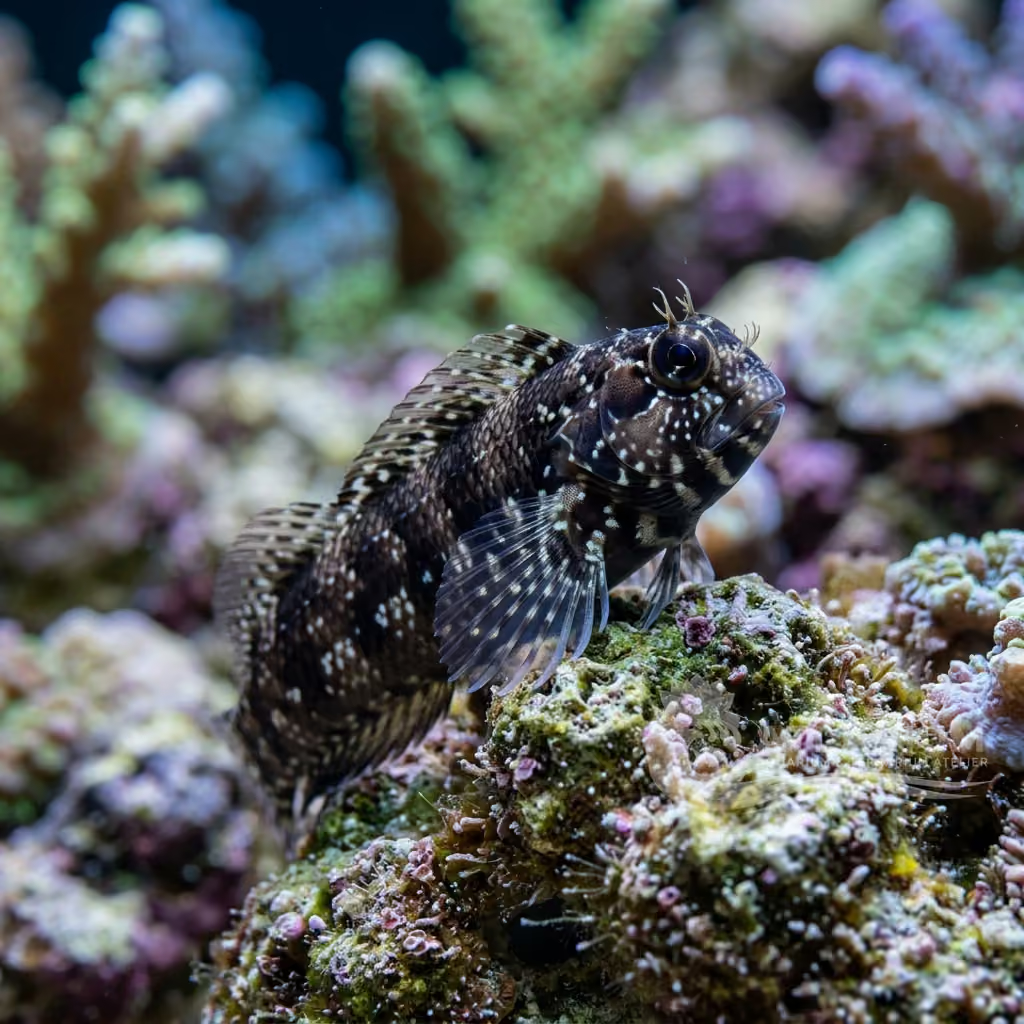
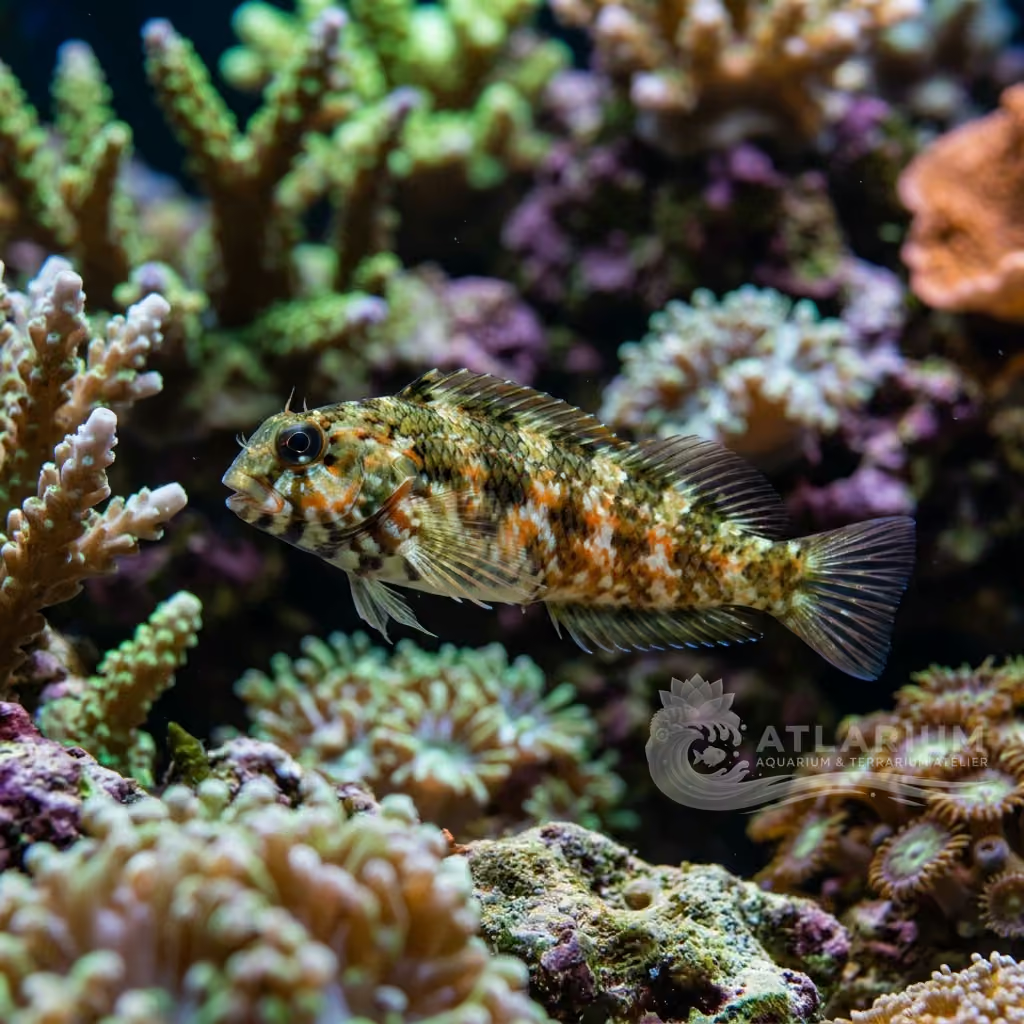
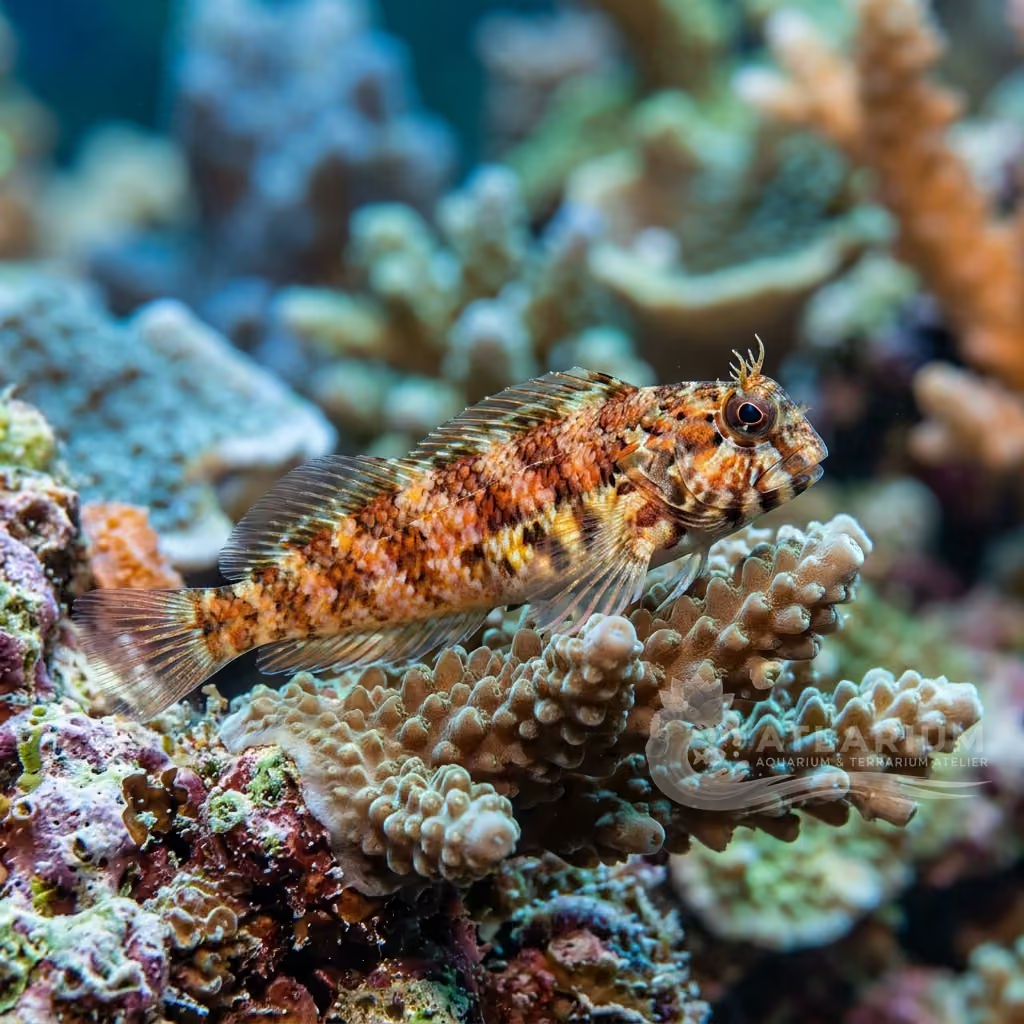
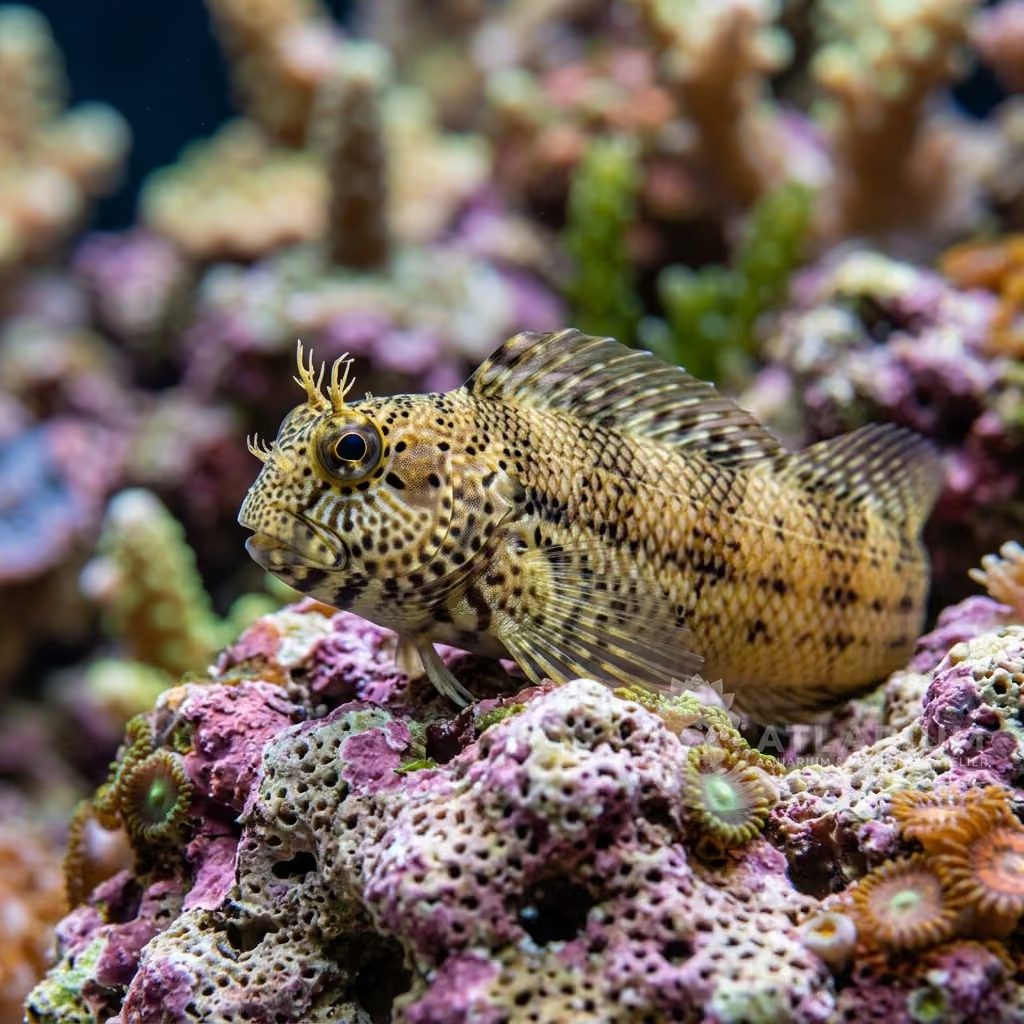
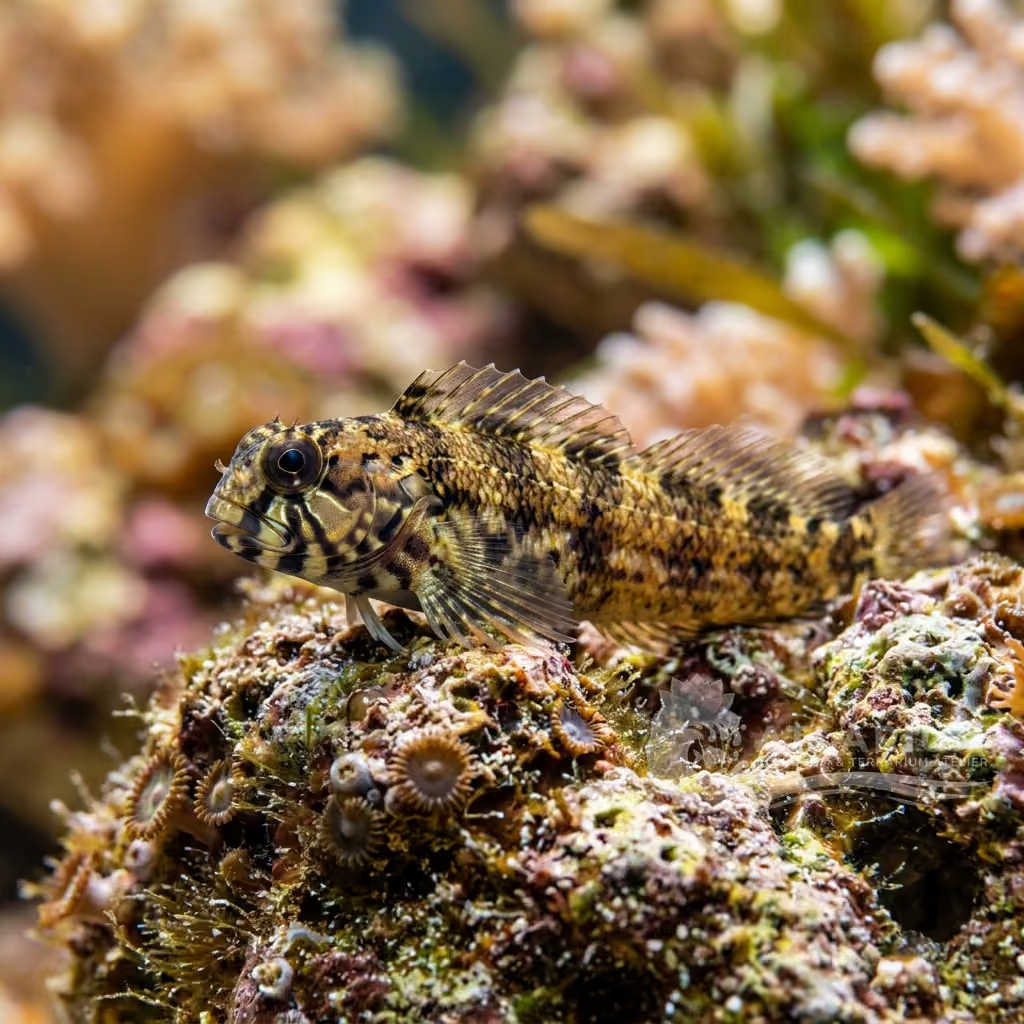
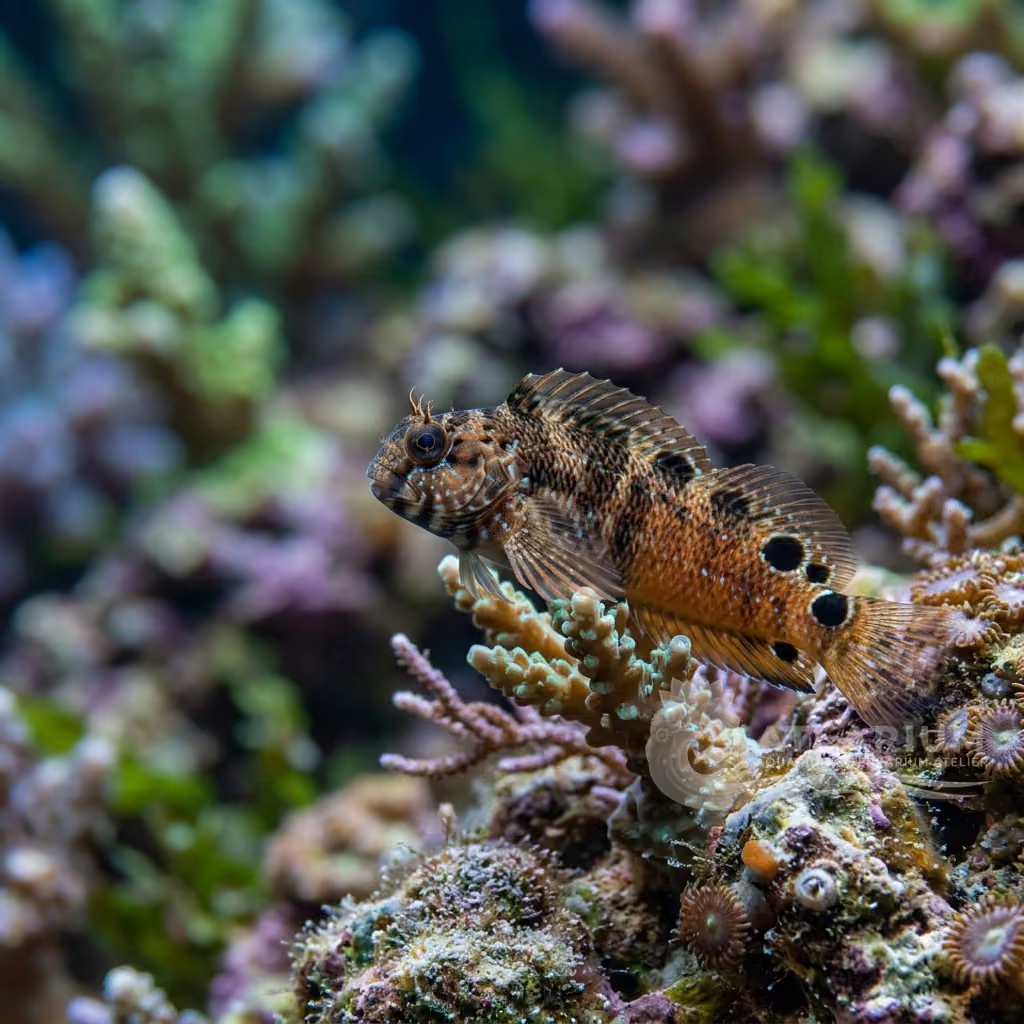
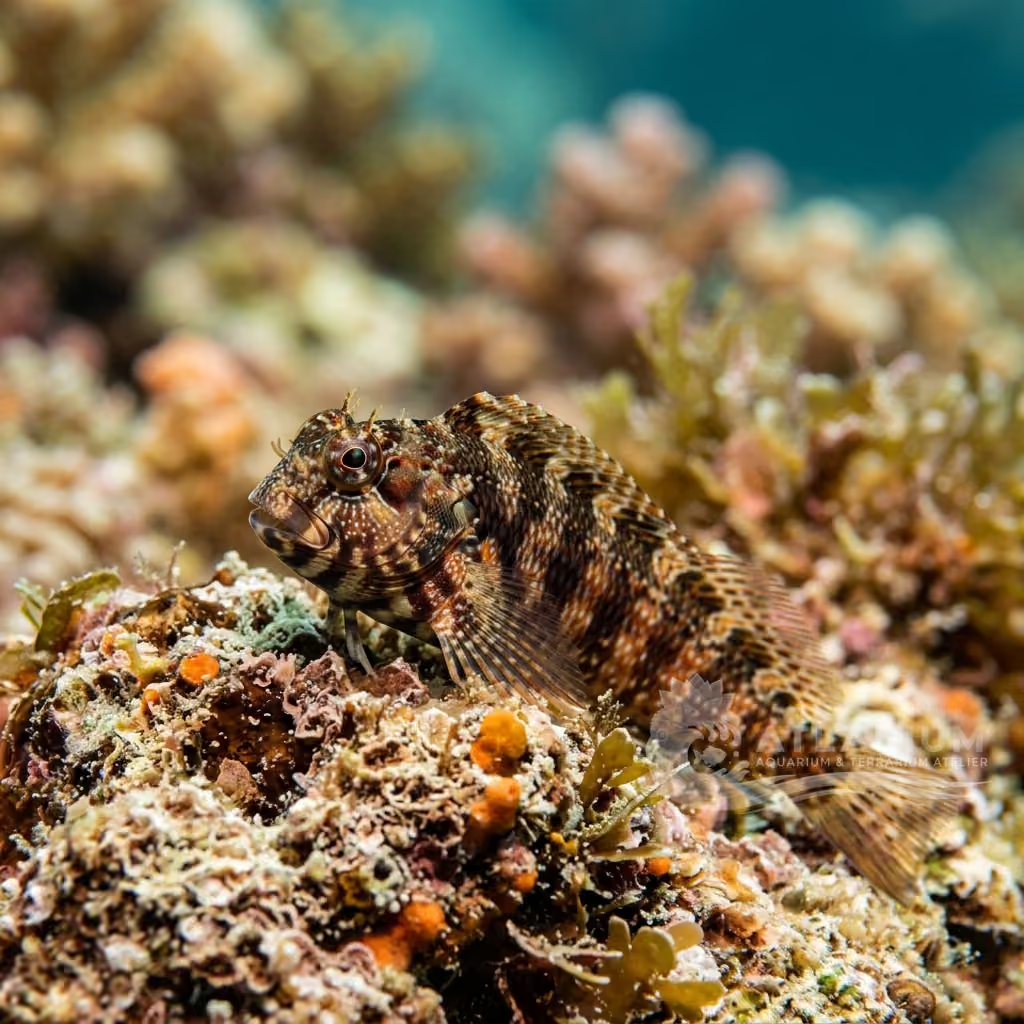
Coloration and Sexual Dimorphism: Body is light grey to pale brown, marked by four distinct, thin black longitudinal stripes running along the upper half of the body. Eyes feature a golden iris. No major visible sexual dimorphism exists.

Pflege, Zucht und Mitbewohner
Aquarium Setup: Minimum tank size of 100 liters (approx. 26 gallons). Plenty of mature live rock is essential to provide grazing surfaces, perching spots, and hiding places. Provide moderate water flow and plenty of swimming room.
Diet and Feeding: Primarily herbivorous. Diet must consist of marine algae, spirulina-based flakes or pellets, and dried nori sheets. Supplement with occasional offerings of frozen foods like brine shrimp or mysis for protein variety.
Water Quality: Maintain standard marine parameters: temperature 22-26°C (72-79°F), pH 8.1-8.4, specific gravity 1.021-1.025. High oxygen levels and efficient biological filtration are required to keep ammonia and nitrite at zero.
Compatibility and Cohabitation: Fully reef-safe and peaceful with open-water fish. It makes a great companion for gobies, clownfish, and small wrasses. Avoid keeping with other Ecsenius species or similarly shaped blennies unless the tank is very large.
Aquarium Breeding: Spawning in home aquariums is rare. They lay adhesive eggs inside rock crevices or empty shells, which are guarded by the male. Raising the resulting planktonic larvae is extremely difficult without specialized greenwater setups.
Risks and Diseases: They are prone to jumping out of the tank when startled, so a tight-fitting lid or mesh net is mandatory. They can suffer from starvation if introduced into a brand-new, sterile aquarium lacking established micro-algae growth.

Geografische Herkunft und Verbreitung
Native to the Western Pacific, particularly the Great Barrier Reef, Coral Sea, and adjacent Australian waters. It inhabits shallow coral reefs and rubble zones with heavy algae growth at depths of 1 to 15 meters.
Ursprung
Tropische Ozeane und RiffeAustralien, Neuguinea und Ozeanien

Fischprofil
- Temperament
- Active
- The Fourline blenny is peaceful, highly observant, and full of personality. They spend hours perched on vantage points, observing the activities inside and outside the tank. Their comical expressions and darting movements make them a favorite among reef hobbyists.
- Diät
- Herbivore
- This species is primarily an herbivore that continuously grazes on microalgae growing on the rockwork. Its diet should be supplemented with high-quality spirulina flakes, algae sheets, and occasional small meaty foods like mysis. Providing a mature tank with natural algae growth is essential for its long-term health.
- Lebenserwartung
- 4-6 years
- Erwachsenengröße
- 4.5 cm
- Geschlechterverhältnis
- Solitary
- They are generally best kept singly in small to moderately sized aquariums to prevent territorial disputes. If a male-female pair can be established, they will often coexist peacefully in the same tank. Mixing multiple males is highly discouraged as it will lead to severe aggression.
- Fütterungsfrequenz
- Continuous
- Because they constantly graze throughout the day, supplemental feedings only need to occur once or twice daily. They have small stomachs designed for continuous feeding rather than large, infrequent meals. Keeping a clip of seaweed in the tank can help fulfill their grazing needs.
- Bioload
- Low
- The Fourline blenny is a small fish with a correspondingly low bioload. It contributes very little waste to the aquarium system, making it suitable for smaller setups. Standard filtration and regular maintenance are perfectly adequate to handle its needs.
- Fluss
- Strong
- They prefer moderate water flow, which helps promote the growth of the microalgae they feed upon. Good flow also mimics the reef crests and slopes where they naturally reside. They are adept at finding sheltered spots in the rockwork if the current becomes too intense.
- Sprungrisiko
- Yes
- Blennies in general are known to be capable jumpers, especially when startled or harassed. A tight-fitting lid or mesh top is strongly recommended to ensure they do not leap from the tank. Open-top aquariums carry a significant risk for this species.
- Reproduktion
- Oviparous
- They are demersal spawners, laying adhesive eggs in small crevices or empty shells within the rockwork. The male rigorously guards and fans the eggs until they hatch. While spawning in captivity occasionally occurs, raising the microscopic fry remains a significant challenge for most hobbyists.
- Kompatibilität & Tankkameraden
- Reef safe
- It is an incredibly peaceful fish that is highly considered reef safe, ignoring corals and larger invertebrates. It may occasionally nip at very small, sessile invertebrates, but damage is extremely rare. It gets along with almost any peaceful community fish, though it may quarrel with other closely related blennies.
- Tankfüllstand
- Middle/Bottom
- They are classic bottom-dwellers that spend the vast majority of their time perched on live rock. They lack a swim bladder, meaning they 'hop' from rock to rock rather than swimming in the open water. They require plenty of caves and crevices to retreat into when feeling threatened.

Wissenschaftliche Modelle & Parameter
FishBase
Zugang zu den offiziellen wissenschaftlichen Daten der Art
FishBase v25.04Daten synchronisiert am: 15.06.2026
- Trophäenniveau
- 2 ± 0 se
- Belastbarkeit
- Hoch (weniger als 15 Monate)
- Phylogenetische Einzigartigkeit (PD50)
- 0.5
- Bayessche Längen-Gewichts-Beziehung
- a = 0.00776, b = 3
- AnfälligkeitGeringe Anfälligkeit (10 / 100)

Verwandte Arten
Empfehlungen gruppiert nach nahen Verwandten, Auswahl von Begleitern und ähnlicher Betreuung.