Saron Shrimp
Saron neglectus
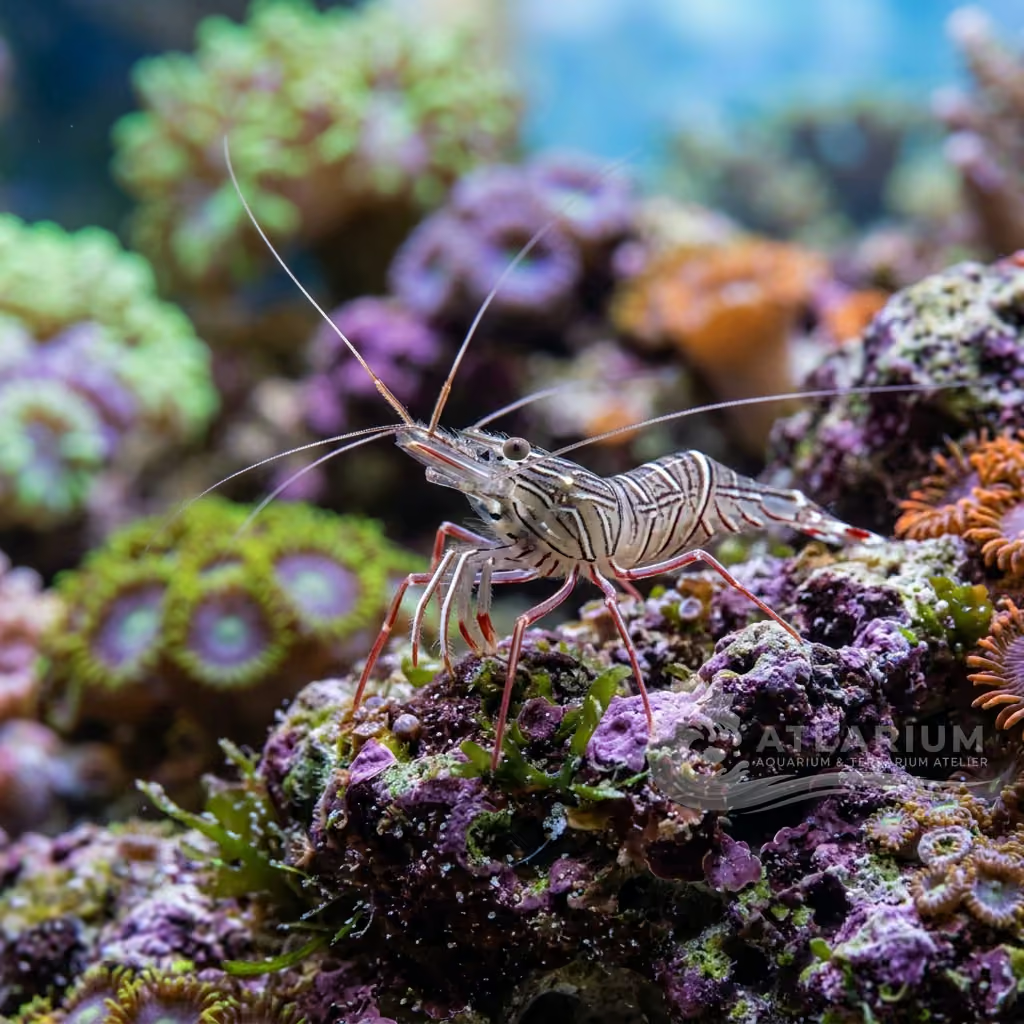
A nocturnal, heavily camouflaged marine shrimp with a unique marbled pattern. Requires cave structures and monitoring of calcium levels for proper molting.
Temperatura da água
22 - 28 °C
Valor de pH
8.1 - 8.4
Tipo de água
Marinho
Tipo invertebrado
Marine shrimp
Tamanho adulto
5 cm
Grupo mínimo
>= 1
KH
8 - 12 dKH
Papel ecológico
Scavenger
Sensibilidade ao cobre
High

Descrição da espécie
Geographical Origin and Habitat: This species is native to the tropical waters of the Indo-Pacific. It is commonly found in coral reefs, sheltered coastal lagoons, and intertidal zones rich in rubble, dead coral, and rocky crevices, at depths ranging from 1 to 20 meters. During the daytime, it remains hidden under the shade of soft corals or within small cracks in live rocks.
Taxonomy: Saron neglectus is a decapod crustacean belonging to the family Hippolytidae. It is commonly known as the marbled shrimp or broken-back shrimp due to the distinctly curved shape of its abdomen. It features tufts of sensory bristles on its carapace that help it detect water currents and camouflage in its surroundings.
Social Behavior: It is a strictly nocturnal creature. During the day, it remains motionless and hidden in caves or crevices, while at night it ventures out to forage for food on the substrate. It is peaceful toward fish but can display intraspecific intolerance toward other males of the same species if space is limited.
Coloration and Sexual Dimorphism: Exhibits exceptional camouflage with marbled patterns of brown, green, red, and white. It can partially alter its coloration between daytime (subdued and mottled) and nighttime (more pronounced reddish tones). Males are easily distinguished by having their first pair of walking legs (chelipeds) extremely elongated and large compared to females, which have shorter, proportional appendages.

Cuidado, criação e companheiros de tanque
Tank Setup: Requires a mature marine aquarium of at least 100 liters (26 gallons), characterized by an abundant amount of live rock providing dark, secure shelters for daytime resting. The substrate should consist of sandy areas mixed with coral rubble. Shaded areas are critical to reduce stress in the animal.
Diet and Feeding: It is an omnivorous detritivore. In the aquarium, it readily accepts a wide variety of foods, including pellet foods for crustaceans, frozen artemia and mysis, small pieces of shrimp, clam, or fish. It also consumes benthic algae and organic detritus accumulated on rocks, assisting in tank maintenance.
Water Quality: Demands stable parameters: water temperature between 24°C and 27°C (75°F - 81°F), pH between 8.1 and 8.4, salinity/specific gravity between 1.023 and 1.025, and carbonate hardness (dKH) between 8 and 12. As an invertebrate, it is extremely sensitive to heavy metals, particularly copper, which is highly toxic. Keep nitrates and phosphates very low.
Compatibility and Tankmates: Can cohabitate with small, peaceful reef fish. Avoid natural predators such as hawkfish, triggerfish, large wrasses, or groupers that would view it as prey. Exercise caution with certain soft corals and zoanthid polyps, as it may occasionally nip or damage them if underfed.
Aquarium Breeding: Captive breeding is highly complex. Fertilized females carry eggs under their abdomen until hatching. The released pelagic larvae require specialized feeding with live phytoplankton and zooplankton (such as rotifers) in a dedicated rearing tank with filters designed to prevent suction.
Risks and Diseases: The primary risk is related to the molting process (ecdysis). During this phase, the shrimp is soft and defenseless, needing secure hiding places away from predators. To ensure proper calcification of the new exoskeleton, levels of calcium (400-450 ppm), magnesium (1300-1350 ppm), and iodine must be optimal and regularly monitored.

Origem e distribuição geográfica
This species is native to the tropical waters of the Indo-Pacific. It is commonly found in coral reefs, sheltered coastal lagoons, and intertidal zones rich in rubble, dead coral, and rocky crevices, at depths ranging from 1 to 20 meters. During the daytime, it remains hidden under the shade of soft corals or within small cracks in live rocks.
Origem
Oceanos tropicais e recifes

Perfil de invertebrados
- Dieta
- Omnivore
- As a omnivore, Saron neglectus plays an active role in consuming various organic matters in its environment. Its diet in captivity should be varied, including specialized pellets, frozen foods, and natural algae or detritus depending on its specific preferences. Regular and balanced feeding is crucial for its health and longevity.
- Papel ecológico
- Scavenger
- The primary ecological role of Saron neglectus is acting as a scavenger within the aquarium ecosystem. By constantly foraging, it helps manage waste, uneaten food, or pests, contributing significantly to water quality. Its presence introduces a natural balance and mimics complex biological interactions found in the wild.
- Tamanho adulto
- 5 cm
- Risco de salto
- Yes
- The jump or escape risk for Saron neglectus is considered medium. Like many active invertebrates, it may attempt to climb out of the water if it feels stressed, threatened, or if water conditions deteriorate. A tight-fitting lid or mesh screen is highly recommended to prevent accidental escapes.
- Sensibilidade ao choque
- High
- Saron neglectus is quite sensitive to sudden shifts in water parameters, particularly salinity, temperature, and pH. It is highly recommended to use a slow drip acclimation method over several hours when introducing it to a new tank. Maintaining stable conditions is vital to prevent stress-induced ailments or mortality.
- Cálcio e minerais
- Medium
- To support healthy molting and exoskeleton growth, Saron neglectus requires adequate calcium and trace elements like iodine in the water. Regular water changes with a high-quality salt mix usually provide sufficient levels, but specific supplementation may be necessary in heavily stocked reef tanks. Monitoring calcium and alkalinity ensures proper skeletal development.
- Muda
- Regular
- During the molting process, Saron neglectus becomes extremely vulnerable to predators and aggressive tankmates. It will typically retreat to a secure hiding spot until its new exoskeleton hardens. It is important to leave the discarded molt in the tank, as the invertebrate will often consume it to reclaim valuable minerals.
- Reprodução
- Oviparous
- Breeding Saron neglectus in a home aquarium is incredibly challenging due to its complex reproductive cycle. It typically involves a planktonic larval stage that requires highly specialized foods and precise water conditions to survive. In most standard setups, any spawned larvae will quickly become food for fish and corals.
- Compatibilidade e companheiros de tanque
- Not reef safe
- When considering tankmates, Saron neglectus is generally compatible with peaceful fish and other similarly sized invertebrates. Since its reef compatibility is rated as 'no', careful observation is required if kept with delicate corals or smaller ornamental shrimp. Aggressive or large predatory fish should always be avoided to ensure its safety.

Espécies relacionadas
Recomendações agrupadas por parentes próximos, escolhas de acompanhantes e cuidados semelhantes.