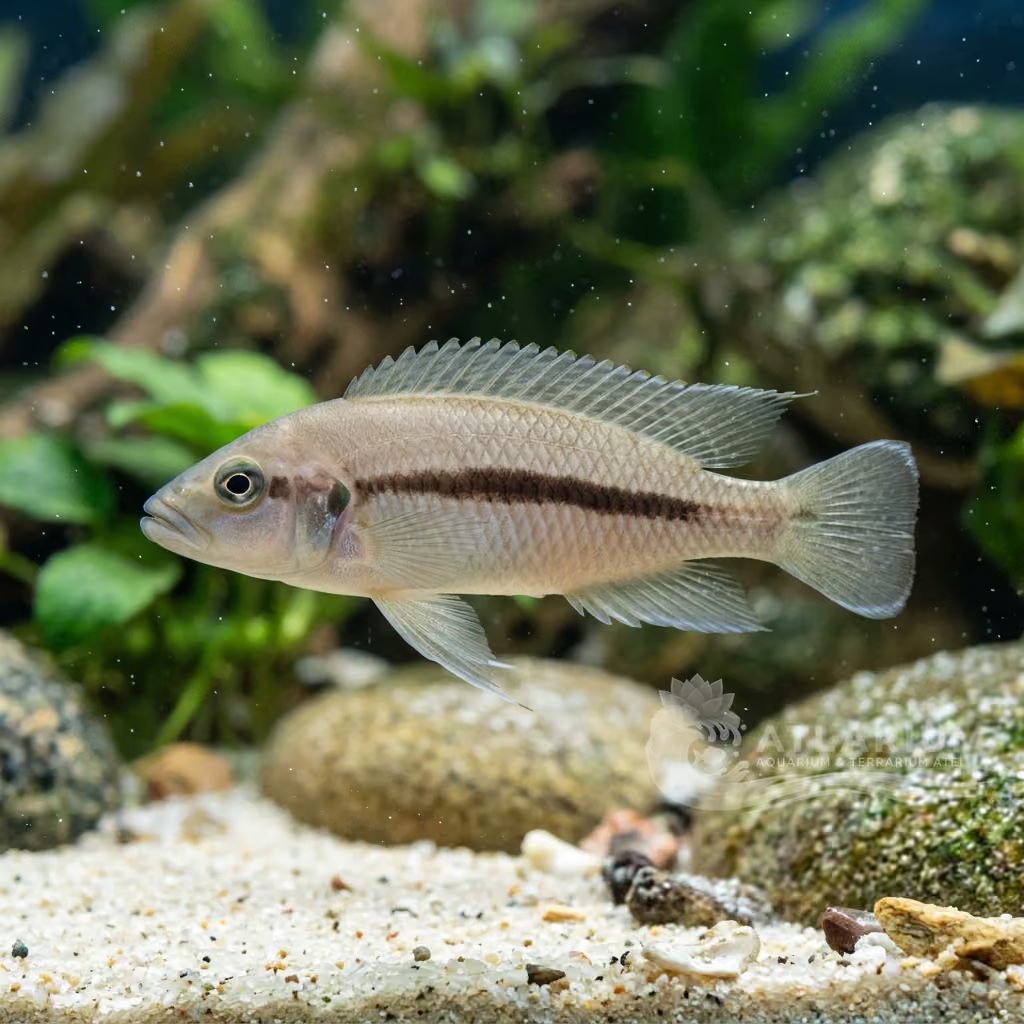
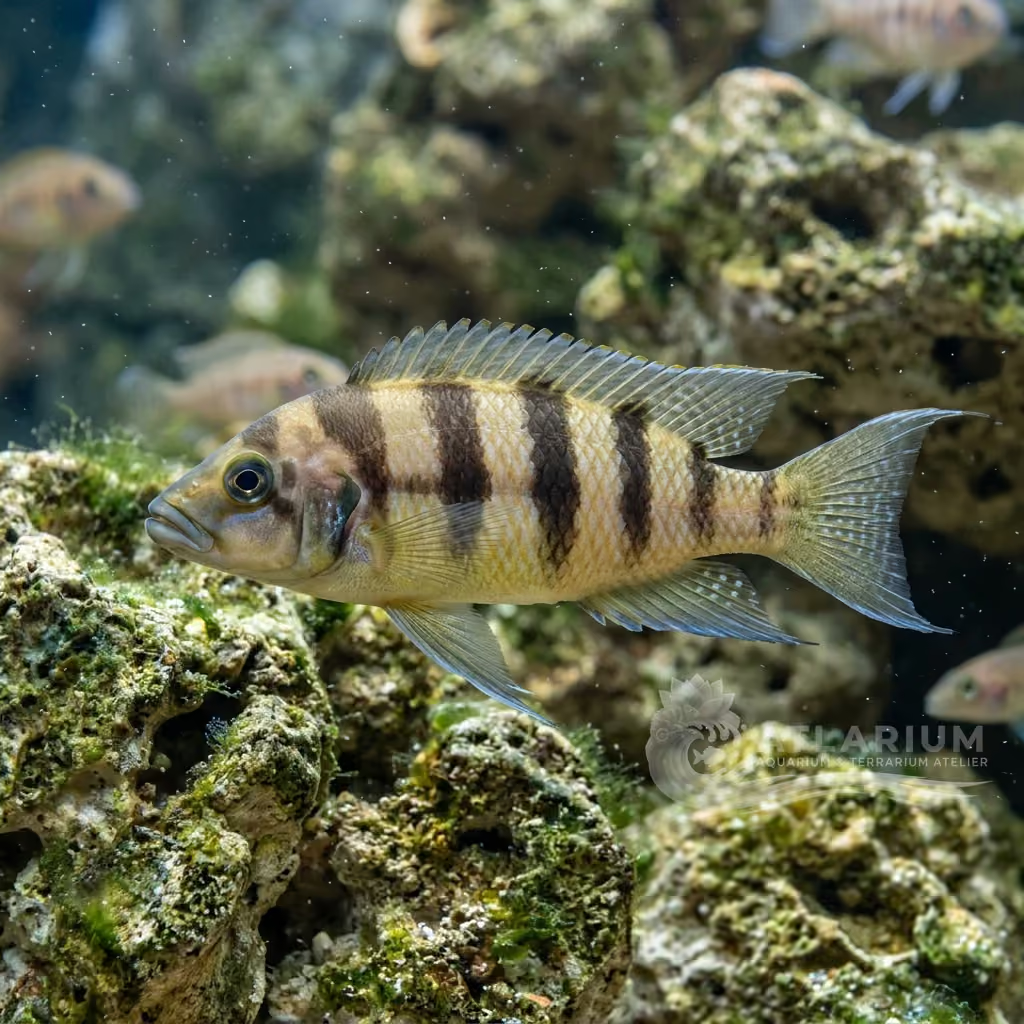
Silver Moony / Mono
Monodactylus argenteus
The Silver Moony is an elegant, hyperactive schooling fish. Starting in brackish waters, this fast-swimming predator must transition to a full marine environment as an adult.
Temperatura da água
24 - 28 °C
Valor de pH
7.2 - 8.5
Tipo de água
Água doce
Nível do tanque
Superfície e meio
Tamanho adulto
25 cm
Volume mínimo do tanque
>= 300 L
Grupo mínimo
>= 1
GH
12 - 30 dGH
KH
6 - 15 dKH
TDS
240 - 600 ppm
Condutividade
375 - 938 uS/cm

Descrição da espécie
Geographical Origin and Habitat: Indo-Pacific (East African coasts, Asia, Australia). Inhabits tidal river estuaries, muddy marinas and mangrove swamps. Constantly oscillates between fresh water, brackish and ocean.
Taxonomy and Morphology: Mono / Silver Moony (Monodactylus argenteus). Imposing perfectly rhomboidal fish (like an Angelfish but without filiform fins) with a laterally flattened body to move among submerged roots.
Social Behavior: Shoaling species. Very fast, nervous and darting. Will become skittish (terrified) if kept individually. Prefers schools of at least 5-6 specimens.
Coloration and Sexual Dimorphism: Plated in quicksilver, hyper-reflective. Two vertical black bands pass over the head. The dorsal fin is typically tinged with bright sun yellow in juveniles (hence "Moony"). Sexes are virtually identical.

Cuidado, criação e companheiros de tanque
Aquarium Setup: Colossal tanks (min. 150-200 cm / 60-80 inches). It is a "sprint" swimmer, needing huge central open spaces and oceanic currents generated by wavemakers. Furnishing limited to fake mangrove woods.
Diet and Feeding: Marine omnivore. As a juvenile it eats spirulina, larvae and insects. As an adult it needs fish flesh, shelled shrimp, mysis and large protein pellets for cichlids or predators.
Water Quality: The Brackish Deception. Juveniles (those sold in stores) can be in very hard freshwater, but *must* be gradually transitioned to heavy brackish water (SG 1.010 - 1.015) or pure marine as they grow.
Compatibility and Cohabitation: Predator for small fish. Once adult (25 cm / 10 inches high) it will devour Neons or Guppies. Only paired with other brackish monsters (Archerfish, Scats, Pufferfish).
Aquarium Breeding: Undocumented in normal home aquariums. In nature they spawn in the salty Ocean (pelagic) and the fry swim up the river mouths into fresh water.
Risks and Diseases: Death by Osmosis in Community Aquarium. Sadly sold as a "weird little silver freshwater fish". At 1 year of age, if not transferred to a saltwater vat, its liver or kidneys will collapse and it will die.

Origem e distribuição geográfica
Indo-Pacific (East African coasts, Asia, Australia). Inhabits tidal river estuaries, muddy marinas and mangrove swamps. Constantly oscillates between fresh water, brackish and ocean.
Origem
Oceanos tropicais e recifesÁfrica e MadagascarSul e Sudeste AsiáticoAustrália, Nova Guiné e Oceania

Perfil de peixe
- Temperamento
- Semi-aggressive
- They are active, schooling fish that are generally peaceful towards robust species. Their fast movements can sometimes stress out slower tank mates. They may occasionally nip fins if kept in groups that are too small.
- Dieta
- Omnivore
- Silver Moonies are omnivorous and require a varied diet of plant and meaty foods. In the wild, they feed on insects and plant matter in estuaries. In captivity, they eagerly accept flakes, frozen foods, and spirulina.
- Expectativa de vida
- 7-10 years
- Tamanho adulto
- 25 cm
- Proporção sexual
- Group
- There are no easily distinguishable external differences between males and females. Maintaining a specific sex ratio is generally not necessary when keeping them. Keeping them in a sufficiently large group is most important.
- Frequência de alimentação
- Twice daily
- Juveniles should be fed multiple small meals a day for rapid growth. Adults can be fed two to three times daily. Consistent feeding helps prevent water quality deterioration from uneaten food.
- Carga biológica
- Medium to High
- The Silver Moony produces a significant bioload due to its voracious appetite. These large fish require robust filtration systems to maintain excellent water quality. Frequent water changes are necessary to handle their high metabolic waste.
- Fluxo
- Stagnant
- These active swimmers thrive in environments with moderate to strong water flow. The robust water movement provides essential exercise and oxygenates the water. Powerheads can be used to create the necessary current.
- Risco de salto
- Yes
- They are powerful fish capable of jumping out of the aquarium if startled. A tight-fitting, heavy lid is highly recommended to prevent escapes. Leaving no gaps is crucial for keeping these energetic fish safe.
- Reprodução
- Oviparous
- Breeding Silver Moonies in a home aquarium is extremely rare and challenging. In the wild, they migrate from brackish waters to the open ocean to spawn. Replicating the necessary salinity changes in captivity remains largely undocumented.
- Compatibilidade e companheiros de tanque
- With caution
- This species is relatively peaceful but can be aggressive towards smaller tank mates. They are best kept in schools of at least five individuals to disperse aggression. Suitable companions include robust brackish fish like scats.
- Nível do tanque
- Top/Middle
- These fish are primarily active in the middle to upper levels. They are constant cruisers that appreciate plenty of open swimming space. They generally avoid the bottom substrate unless investigating food.

Modelos e parâmetros científicos
FishBase
Acesso aos dados científicos oficiais da espécie
FishBase v25.04Dados sincronizados em: 15/06/2026
- Nível trófico
- 3,1 ± 0,26 se
- Unicidade filogenética (PD50)
- 0.625
- Relação bayesiana comprimento-peso
- a = 0.02818, b = 3
- VulnerabilidadeVulnerabilidade baixa (23 / 100)

Espécies relacionadas
Recomendações agrupadas por parentes próximos, escolhas de acompanhantes e cuidados semelhantes.