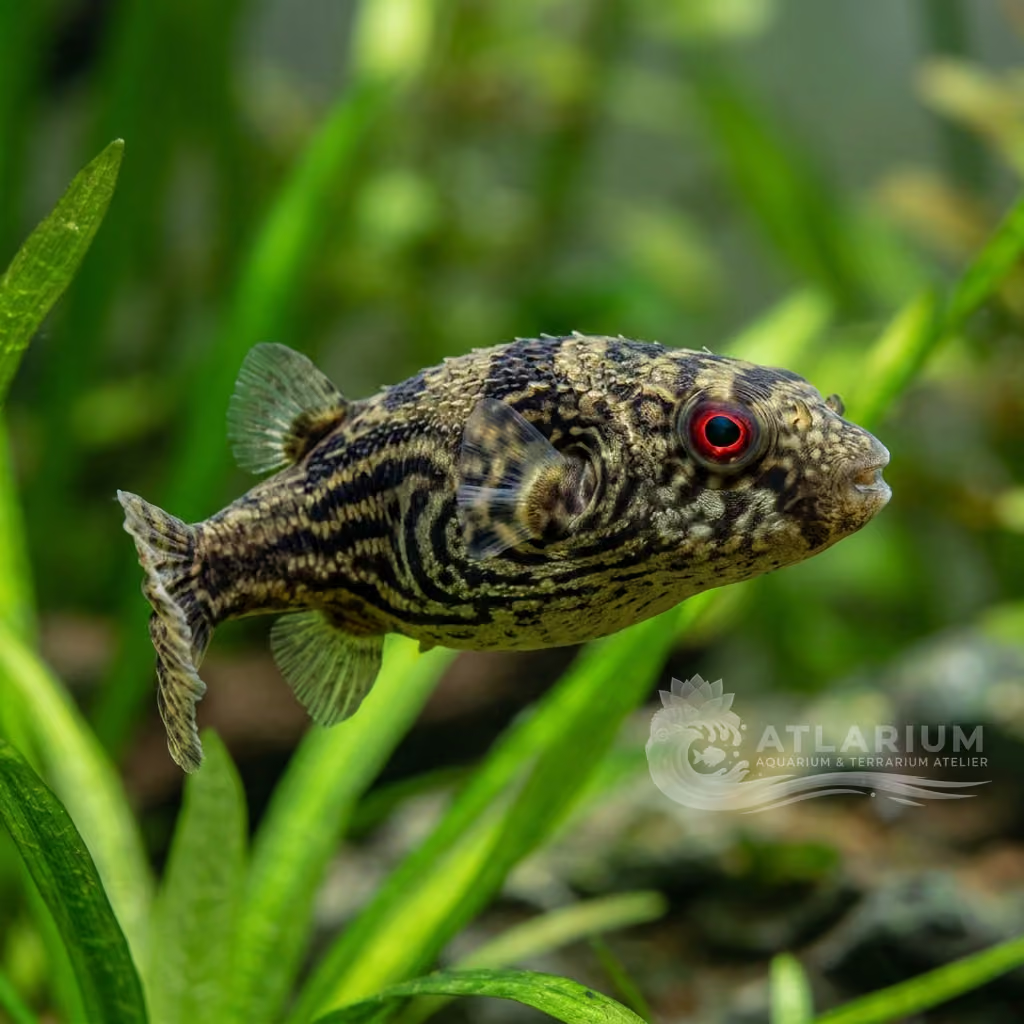
Emerald Betta
Betta smaragdina
The Emerald Betta (Betta smaragdina) is one of the most stunning members of the "Betta splendens wild-type" complex. Totally alien to the aesthetic weighed down by the enormous fins of show Bettas (Halfmoon or Crowntail), the smaragdina boasts a slender, aerodynamic body and a metallic green or emerald blue livery so iridescent it seems lit by a neon tube from within. Besides their exquisitely natural appearance, these wild Bettas show a vitality, intelligence, and disease resistance vastly superior to the fragile and hyper-selected commercial variants, while maintaining the fascinating ritual aggression typical of fighting fish.
24 - 28 °C
6 - 7.5
Água doce
Superfície e meio
7 cm
>= 50 L
>= 1
4 - 12 dGH
2 - 6 dKH
80 - 240 ppm
125 - 375 uS/cm

Descrição da espécie

Cuidado, criação e companheiros de tanque

Origem e distribuição geográfica
Origem

Perfil de peixe
- Temperamento
- Aggressive
- Betta smaragdina is generally more peaceful and tolerant than the domestic Betta splendens, but it still exhibits territorial tendencies. Males will display and flare at each other, and keeping them together in a small tank will lead to aggressive fights. Females are typically calmer but can still establish a pecking order within a group. Overall, they are shy and reserved fish that spend much of their time lurking among plants rather than swimming actively.
- Dieta
- Carnivore
- In their natural habitat, Betta smaragdina are micropredators that feed on aquatic insects, larvae, and small crustaceans. In the aquarium, they should be fed a meat-based diet to maintain their health and vibrant colors. High-quality dry foods such as pellets or flakes formulated for bettas can be offered, but they should be supplemented with live or frozen foods. Brine shrimp, daphnia, mosquito larvae, and bloodworms are excellent choices that they will readily accept.
- Expectativa de vida
- 3-5 years
- Tamanho adulto
- 7 cm
- Proporção sexual
- 1:1 ratio
- In captivity, Betta smaragdina is best kept either in single pairs (1:1 ratio) or in small harem groups consisting of one male and multiple females. Keeping multiple males in the same tank is highly discouraged as it will inevitably lead to territorial fights and severe stress. If a group or harem is attempted, a larger and heavily decorated aquarium with plenty of visual barriers is required to let submissive individuals hide. For breeding purposes, a temporary pairing in a dedicated tank is often the safest approach.
- Frequência de alimentação
- Twice daily
- It is recommended to feed Betta smaragdina once or twice a day in small portions that they can consume within a couple of minutes. Overfeeding must be carefully avoided, as these fish are prone to bloating and constipation, which can lead to swim bladder issues. Offering a fasting day once a week can help clear their digestive tract and maintain optimal health. Varying the food type across feedings will ensure they receive a balanced range of nutrients.
- Carga biológica
- Low
- Betta smaragdina has a low biological footprint due to its small size and efficient metabolism. They do not produce a massive amount of waste, making them suitable for moderately sized, well-planted aquariums. However, because they prefer slow-moving water, filtration must be gentle yet effective, such as a sponge filter, to prevent any ammonia or nitrite accumulation. Regular partial water changes are still essential to maintain the pristine water quality they require.
- Fluxo
- Stagnant
- Betta smaragdina originates from slow-moving streams, swamps, and flooded rice paddies where the water current is virtually non-existent. Consequently, they have a strong preference for weak or minimal water flow in the aquarium. Strong currents will exhaust the fish, damage their delicate fins, and cause severe long-term stress. Utilizing sponge filters, air-powered filters, or adjusting filter outlets with baffles is highly recommended to create a gentle, calm aquatic environment.
- Risco de salto
- Yes
- This species is an exceptional and agile jumper, capable of leaping through very small openings in search of new water bodies or insects. Because of this natural instinct, a secure, tight-fitting lid with no gaps is absolutely mandatory to prevent tragic escapes. It is also recommended to leave a few centimeters of air space between the water surface and the lid. This gap not only deters jumping but also ensures the fish has access to the warm, humid air essential for its labyrinth organ health.
- Reprodução
- Oviparous
- Breeding Betta smaragdina is relatively straightforward compared to other wild bettas, as they are bubble nesters. The male construct a nest out of bubbles, usually under a floating leaf or botanical cover. During spawning, the pair performs a classic embrace, after which the male collects the eggs and places them in the nest. It is critical to keep the air above the water humid and warm by using a tight lid, as this is essential for the fry's labyrinth organ development.
- Compatibilidade e companheiros de tanque
- Peaceful
- Betta smaragdina is best suited for species-only setups or very peaceful, quiet community tanks with similar requirements. They should not be kept with aggressive, fast-swimming, or fin-nipping tank mates like semi-aggressive barbs or active tetras. Small, peaceful species such as microdevarios, small rasboras, kuhli loaches, or peaceful catfish make excellent tank mates. Crucially, they should never be housed with other male bettas or similarly shaped colorful species to avoid triggering territorial behavior.
- Nível do tanque
- Top/Middle
- Betta smaragdina is primarily a middle to top-level swimmer in the aquarium. As an anabantoid, it possesses a specialized labyrinth organ and must visit the water surface frequently to breathe atmospheric air. They thrive when provided with tall stem plants, floating vegetation, or resting ledges near the surface where they can feel secure while resting. While they will occasionally explore the bottom of the tank in search of food or hiding spots, most of their activities occur in the upper half of the water column.

Modelos e parâmetros científicos
Acesso aos dados científicos oficiais da espécie
- Nível trófico
- 3,2 ± 0,4 se
- Resiliência
- Alta (menos de 15 meses)
- Unicidade filogenética (PD50)
- 0.5
- Relação bayesiana comprimento-peso
- a = 0.01, b = 2.97
- VulnerabilidadeVulnerabilidade baixa (10 / 100)

Espécies relacionadas
Recomendações agrupadas por parentes próximos, escolhas de acompanhantes e cuidados semelhantes.