Água doceIntermediária
©AI Generated·Proprietary
Trichopsis pumila — Sparkling Gourami (Pygmy Gourami)

Sparkling Gourami (Pygmy Gourami)

Trichopsis pumila

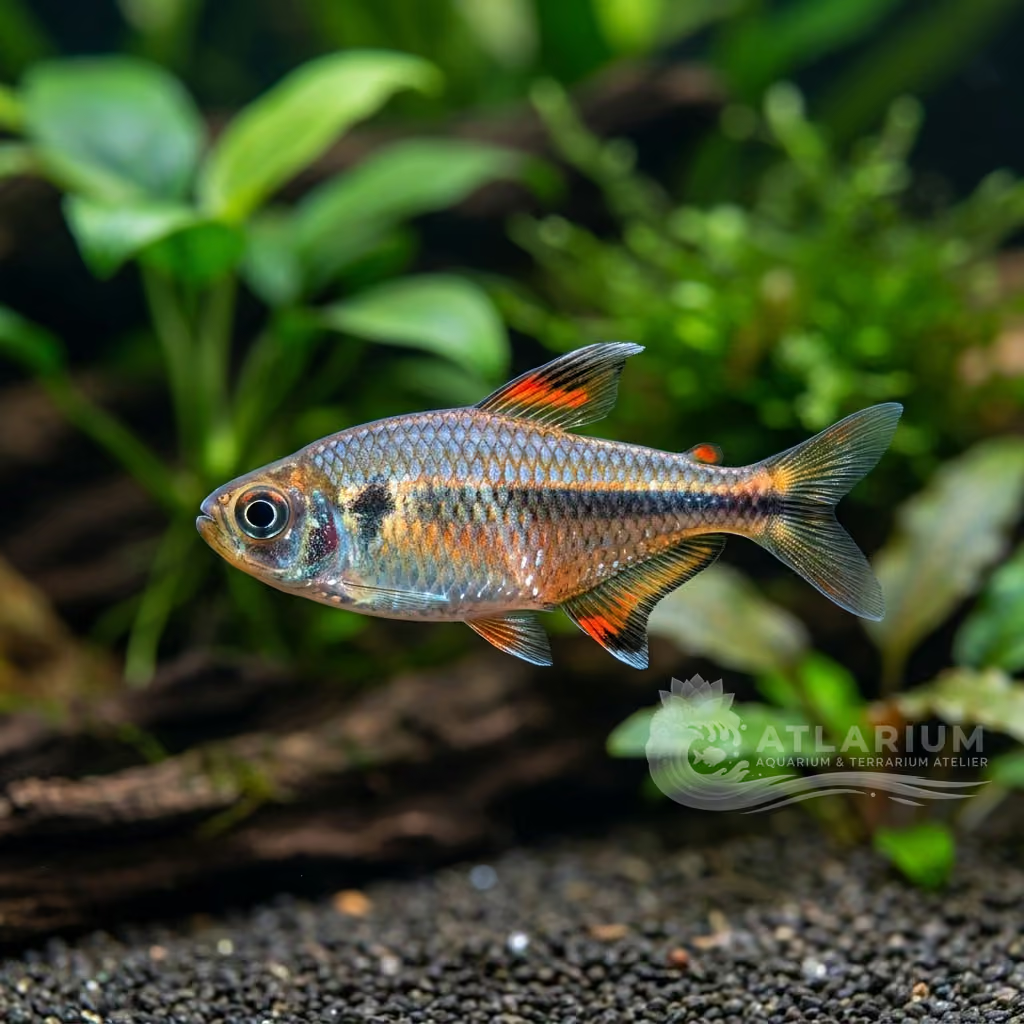
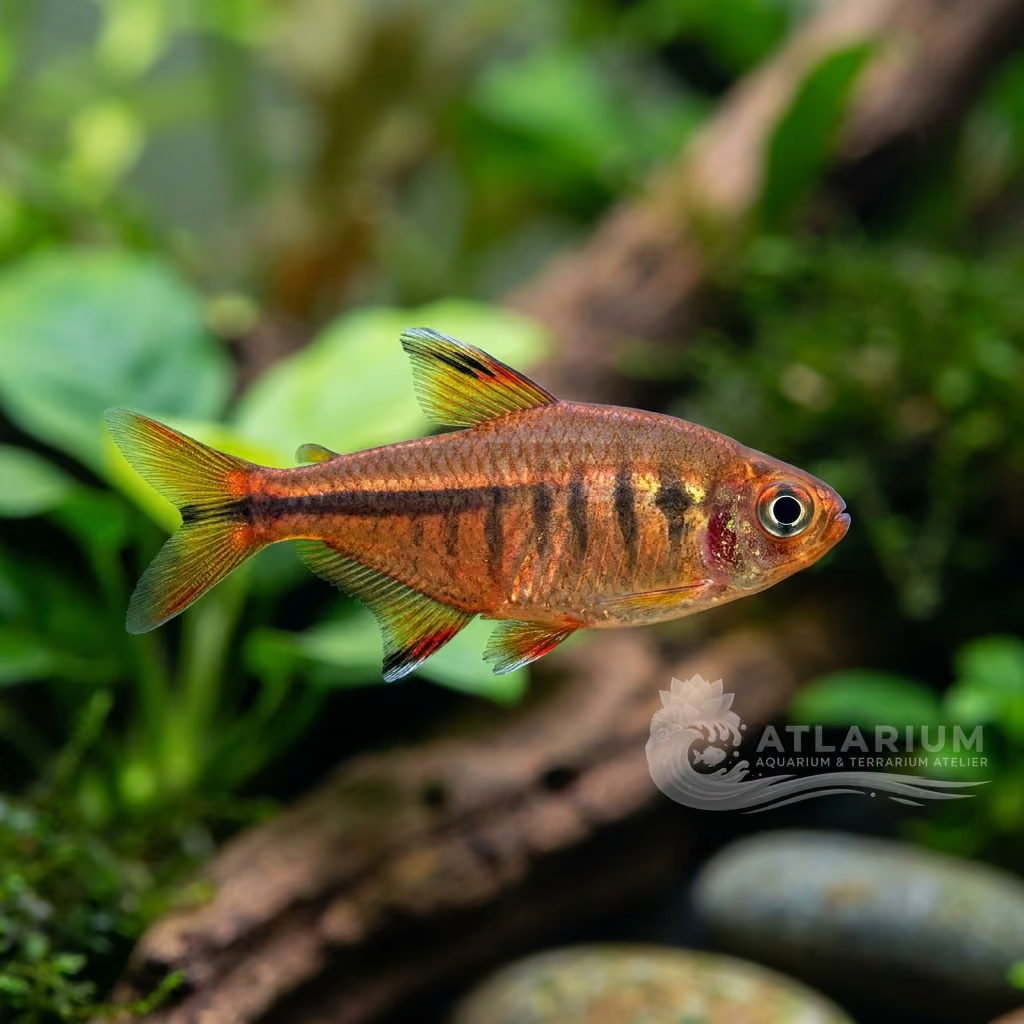
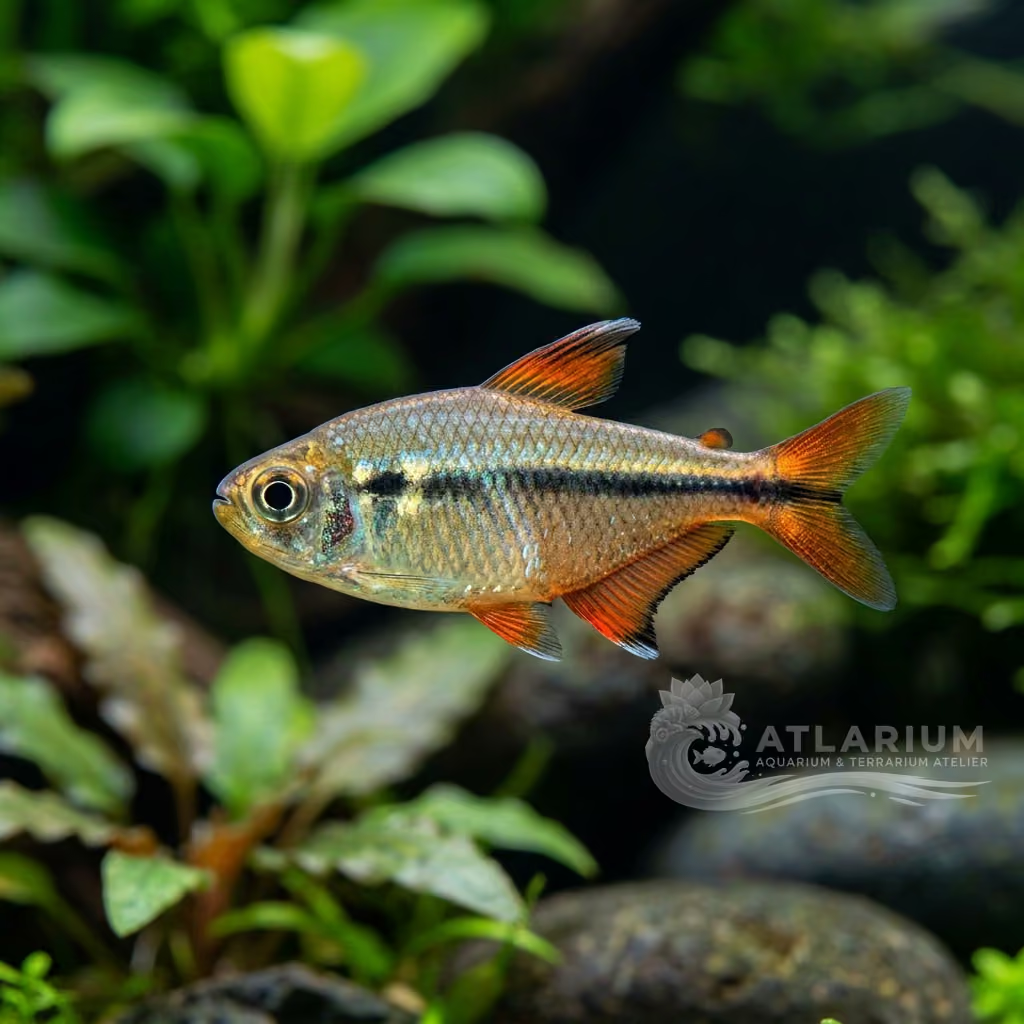
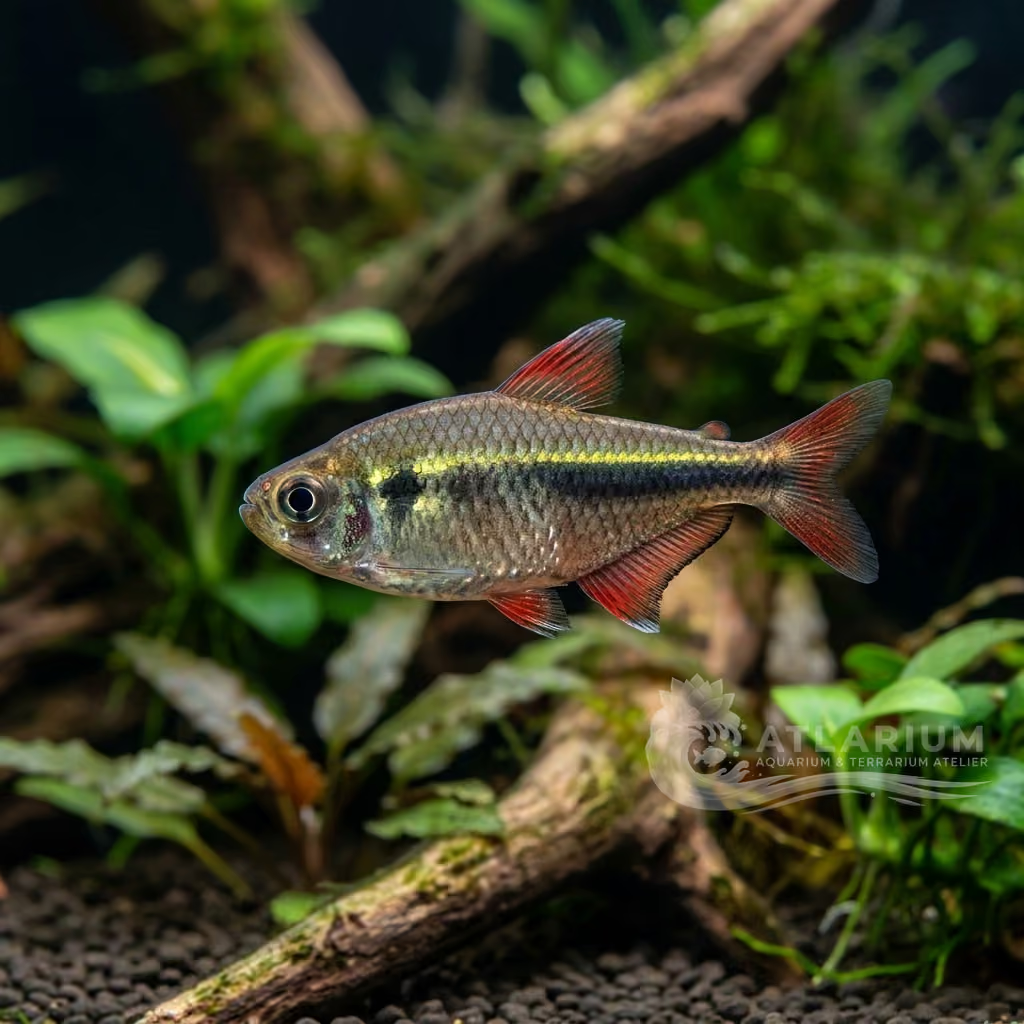
The Sparkling Gourami (Trichopsis pumila), also known as the Pygmy Gourami, is one of the tiniest and most fascinating jewels in the fishkeeping world. With a maximum size of just 4 centimeters (1.5 inches), its elongated and transparent body seems insignificant at first glance, but under the right lighting it explodes into a hypnotic mosaic of iridescent red, green and neon blue dots, resembling tiny stars (hence the name "Sparkling"). This micro-labyrinth fish hides an incredible secret, however: it is capable of 'croaking' audibly from outside the tank, emitting loud snapping sounds during courtship or territorial disputes.

Temperatura da água

22 - 28 °C

Valor de pH

5.5 - 7.5

Tipo de água

Água doce

Nível do tanque

Todos os níveis

Tamanho adulto

4 cm

Volume mínimo do tanque

>= 40 L

Grupo mínimo

>= 4

GH

2 - 12 dGH

KH

1 - 6 dKH

TDS

40 - 240 ppm

Condutividade

63 - 375 uS/cm

Descrição da espécie

Geographical Origin and Habitat: The Croaking Gourami (Pygmy Gourami) is a microscopic, shimmering jewel hailing from the oppressively humid, stagnant, densely choked swamps, murky ditch-ponds, weed-infested monsoon rice paddies, and severely sluggish streams of Southeast Asia (spanning Thailand, Laos, Cambodia, and Vietnam). It actively shares this dark, muddy, impenetrable habitat directly alongside wild Siamese Fighting Fish (*Betta splendens*), fundamentally demanding a suffocating, incredibly heavy canopy of submerged and emergent aquatic jungle to survive.
Taxonomy and Morphology: A true, incredibly minuscule member of the Osphronemidae (labyrinth lung) family. It bears the "Pygmy" title with absolute justification: it is unequivocally one of the smallest gouramis on the planet, halting its growth at a laughably tiny, fragile 3.5 - 4 cm (approx. 1.5 inches) even fully grown. Instead of the typical round pancake shape, its body is highly elongated, torpedo-like, and slender, heavily compressed on the flanks. It features a single, incredibly fine set of modified tactile filaments (ventral fins). Its snout is uniquely sharp and pointed, dominated by exceptionally large, protruding, piercing neon-blue eyes, granting it a cute, highly alert, predatory appearance.
Social Behavior: Microscopically tiny, yet breathtakingly charismatic and vocal. It is a highly peaceful shoaling fish, but boasts a spectacular and utterly unique territorial behavior: it is audibly vocal. Yes, they physically "sing": *Trichopsis pumila* are famously christened "Croaking Gouramis" because, utilizing highly specialized, stretched pectoral fin tendons acting like guitar strings, they literally "croak", "purr", or emit rapid, highly audible clicking sounds (resembling tiny crickets, frogs, or metallic ticks) to aggressively define micro-territories, furiously attract females from across the tank, or engage in spectacular, flared threat displays among rival males. They are intensely shy, spending their days literally crawling and hovering millimeters above the dark leaf litter, inspecting every grain of sand.
Coloration and Sexual Dimorphism: A masterpiece of camouflage exploding with hidden, blinding neon. The base body is a dull, drab golden-beige/olive, expertly evolved to blend perfectly with muddy rotting leaves. However, its true, unbelievable glory ignites under oblique lighting: the flanks are violently bisected horizontally by a broken, jagged chain of dark, muddy spots, heavily speckled and heavily blasted by hundreds of blindingly iridescent, LED-bright speckles of electric ice-blue or neon emerald-green. The dead center of the massive, dark eye is ringed perfectly in a vibrating ring of electric blue neon. **Virtually Invisible Dimorphism:** The sexes are tragically identical to the naked eye. To an expert under a flashlight, males croak aggressively, and possess slightly longer, more sharply pointed anal and dorsal fins extending further back. Plump females possess a more convex, bulging lower abdomen, and holding them up to a strong backlight often reveals the yellowish, transparent ovary sack.

Cuidado, criação e companheiros de tanque

Aquarium Setup: Because this fish is physically the size of a large medicinal pill, it thrives spectacularly in densely packed, tiny Nano-Cubes (20-30 liters / 5-8 Gallons for a tightly knit shoal of 6). Dumping them into an oversized, barren, brilliantly lit 55-gallon tank will violently terrify them into a lethal, stress-induced shock. They strictly demand a dark, heavy, claustrophobic, impenetrable jungle: massive thickets of dense epiphytes (Java Fern, massive tangles of Java Moss, Anubias), rotting spiderwood, complex roots, and an absolute, mandatory heavy carpet of rotting botanical leaf litter (Oak, Beech, Catappa leaves) scattered across the bottom substrate, which is critically essential for extracting microscopic prey. Filter flow must equal absolute, dead ZERO: the faintest bubbling air-driven sponge filter is the only acceptable option to avoid blowing them into the glass.
Diet and Feeding: A hyper-miniaturized, lethal, creeping ambush micro-predator. Crawling deliberately among the leaf debris, it is perpetually hunting for wriggling life. Burdened with microscopic jaws, it MUST be aggressively fed with exclusive size-XS micro-foods: live baby brine shrimp (nauplii), microworms, vinegar eels, and incredibly fine frozen/live daphnia. After grueling months of training, they might accept the finest, highest-quality crushed, pulverized carnivorous micro-dust/pellets. The dead, rotting leaves in the tank are the ultimate secret weapon: they naturally breed invisible colonies of infusoria and paramecium (microscopic bugs), acting as a vital, permanent, self-sustaining 24/7 buffet for their insatiable, tiny throats.
Water Quality: A strict, uncompromising Blackwater paradise. Much like the delicate Chocolate Gourami, it thrives best in deeply amber-stained, hot, and frustratingly soft water to massively suppress bacterial growth and drastically calm its hyper-tense nerves. A reliable heater locked firmly between 25-28°C (77-82°F) is critical; a sudden crash to 22°C (72°F) obliterates its fragile immune system, ushering in lethal, flesh-eating velvet (Oodinium) within hours. Extremely soft water (GH 2-8) and a strictly acidic to sub-neutral pH (5.5 - 7.0) are mandatory. They physically despise clinical, perfectly sterile, hospital-clean tap water tanks: the dissolved organic tannins, humic acids, and decaying matter from the wood and dropped leaves literally revitalize them, granting them the supreme confidence to hover in the open water and intensely croak at each other.
Compatibility and Cohabitation: The "Microscopic Tenant". Because of its laughable, pill-sized stature and its slow, deliberate, leaf-crawling movements, it will be mercilessly, constantly bullied, terrified into permanent hiding, outcompeted and starved for food, or simply swallowed whole as a live snack by absolutely ANY fish exceeding 5 cm (2 inches) in length (including Barbs, large Danios, Bettas, Angelfish, and larger Tetras). The ultimate, undisputed best practice is a dedicated "Species-Only Tank" to properly enjoy their tiny, musical croaking displays in a loose, confident group of 6-8. They can only successfully coexist with equally harmless, microscopic entities: Chili Rasboras (Boraras brigittae), Pygmy Corydoras, Otocinclus, and adult ornamental shrimp (Cherry/Amano shrimp).
Aquarium Breeding: Highly intimate, incredibly exhausting, yet profoundly sweet to witness. Sparked by a rapid-fire chorus of vibrating, loud "croaks" from the males, the Pygmy male constructs a microscopic, rudimentary, almost invisible tiny bubble nest stubbornly and firmly wedged deep inside the darkest, most impenetrable tangles of Java Moss, or plastered directly underneath a massive, half-submerged broad leaf right at the water tension line. The classic labyrinth nuptial embrace occurs secretly, hidden deep within the jungle foliage. The female drops surprisingly massive (relative to her tiny body), heavy micro-clusters of eggs. Instantly following the crushing embrace, the microscopic male furiously defends his invisible cave, violently driving away the female and any massive predators with shocking, lion-hearted courage.
Risks and Diseases: 1. The Sin of Extreme Starvation (Prolonged Lethal Inedia): Given the Pygmy's legendary, crippling timidity and millimeter-sized jaws, committing the foolish error of housing them with greedy, fast, voracious fish will result in the fast fish stealing every single flake or mysis shrimp. The Trichopsis will hopelessly languish in the dark corners, succumbing to certain, agonizing death via severe malnutrition (evidenced by a hollow, sunken, knife-blade belly). 2. Immune Collapse from "Clean, Hard, New Water": If dumped into a sterile, freshly set up, spotless aquarium devoid of biofilm, algae, and dark tannins, they will wither away from unprecedented systemic shock. 3. Fatal Velvet Parasitosis (Oodinium) sparked by sudden thermal drops.

Origem e distribuição geográfica

The Croaking Gourami (Pygmy Gourami) is a microscopic, shimmering jewel hailing from the oppressively humid, stagnant, densely choked swamps, murky ditch-ponds, weed-infested monsoon rice paddies, and severely sluggish streams of Southeast Asia (spanning Thailand, Laos, Cambodia, and Vietnam). It actively shares this dark, muddy, impenetrable habitat directly alongside wild Siamese Fighting Fish (*Betta splendens*), fundamentally demanding a suffocating, incredibly heavy canopy of submerged and emergent aquatic jungle to survive.

Origem

Oceanos tropicais e recifesSul e Sudeste AsiáticoLeste Asiático

Perfil de peixe

Temperamento
Peaceful
Known for its exceptionally calm demeanor, The Sparkling gourami is an ideal candidate for a relaxed community aquarium. They rarely bother other fish and often retreat to safety rather than engage in any form of conflict. Their gentle nature means they can easily be outcompeted for food by faster, more boisterous species.
Dieta
Insectivore
In the wild, The Sparkling gourami is an opportunistic omnivore that consumes a wide variety of plant and animal matter. In captivity, they will readily accept high-quality flakes, pellets, and frozen foods like bloodworms and brine shrimp. Supplementing their diet with blanched vegetables or spirulina-based foods will ensure optimal health and coloration.
Expectativa de vida
3-5 years
Tamanho adulto
4 cm
Proporção sexual
Group
This species exhibits distinct sexual dimorphism, making it relatively easy to distinguish males from females once they reach maturity. Males typically display much more vibrant colors and possess longer, more pointed dorsal and anal fins compared to the females. It is often recommended to keep one male with multiple females to prevent the male from excessively harassing a single female during courtship.
Frequência de alimentação
Twice daily
To maintain optimal digestion, The Sparkling gourami should be fed small meals once or twice a day. It is important to only offer as much food as they can consume entirely within two to three minutes. Overfeeding can lead to severe water quality issues and potentially fatal digestive blockages.
Carga biológica
Low
The Sparkling gourami produces a relatively low biological load due to its small size and efficient metabolism. However, maintaining excellent water quality through regular maintenance is still fundamentally necessary. A well-established biological filter will easily handle the minimal waste produced by a group of these fish.
Fluxo
Moderate
The Sparkling gourami naturally inhabits slow-moving or stagnant waters, such as swamps, rice paddies, and densely vegetated ponds. They strongly prefer an aquarium with very gentle water circulation, as strong currents will cause them significant stress and exhaustion. Using a sponge filter or baffling the output of a power filter is highly recommended.
Risco de salto
No
Reprodução
Bubble nest builder
During reproduction, the male of The Sparkling gourami constructs a complex bubble nest at the water's surface, often incorporating floating plant material. After a delicate courtship embrace, the female releases eggs which the male meticulously collects and places into the nest. The male then fiercely guards the nest and fry until they are free-swimming, at which point he should be removed to prevent him from eating them.
Compatibilidade e companheiros de tanque
With caution
This species is generally very peaceful and makes an excellent addition to a community aquarium. They get along perfectly with other similarly sized, non-aggressive species that share similar water requirements. It is best to avoid keeping them with overly boisterous or large fin-nipping tank mates that might cause them stress.
Nível do tanque
All levels
The Sparkling gourami primarily occupies the middle and lower strata of the aquarium, rarely visiting the very top unless food is present. They enjoy navigating through dense vegetation, driftwood tangles, and rocky caves near the substrate. Ensure the lower half of the tank is well-decorated to provide them with ample territories and hiding spots.

Modelos e parâmetros científicos

FishBase

Acesso aos dados científicos oficiais da espécie

FishBase v25.04Dados sincronizados em: 15/06/2026
Nível trófico
3,3 ± 0,42 se
Resiliência
Alta (menos de 15 meses)
Unicidade filogenética (PD50)
0.625
Relação bayesiana comprimento-peso
a = 0.01, b = 2.97
VulnerabilidadeVulnerabilidade baixa (10 / 100)