Compressiceps Cichlid (Altolamprologus)
Altolamprologus compressiceps
Extraordinary and iconic Lake Tanganyika cichlid (12 cm) known for its very thin body, enormous sloping predatory mouth and 'Copper-Golden' color (Golden head). Furtive and elusive ambush predator.
Temperatura da água
24 - 27 °C
Valor de pH
8 - 9
Tipo de água
Água doce
Nível do tanque
Parte inferior e intermediária
Tamanho adulto
15 cm
Volume mínimo do tanque
>= 30 L
Grupo mínimo
>= 1
GH
10 - 20 dGH
KH
5 - 10 dKH
TDS
200 - 400 ppm
Condutividade
313 - 625 uS/cm

Descrição da espécie
Geographical Origin and Habitat: Endemic to Lake Tanganyika (East Africa). Exclusively populates the shallow rocky coastline, living perpetually wedged in narrow rock crevices where pelagic predators cannot reach.
Taxonomy and Morphology: Compressiceps Cichlid (Altolamprologus compressiceps). Incredible evolutionary form: laterally compressed body beyond belief ("thin as a blade") to squeeze into crevices. Massive head and thick fins for perfect anchoring among the stones.
Social Behavior: Very slow, measured and cryptic. "Ambush" predator and thief of eggs or larvae. Stares at the potential prey positioning its body with bizarre angular inclinations (often tilted head down) before launching a very rapid attack.
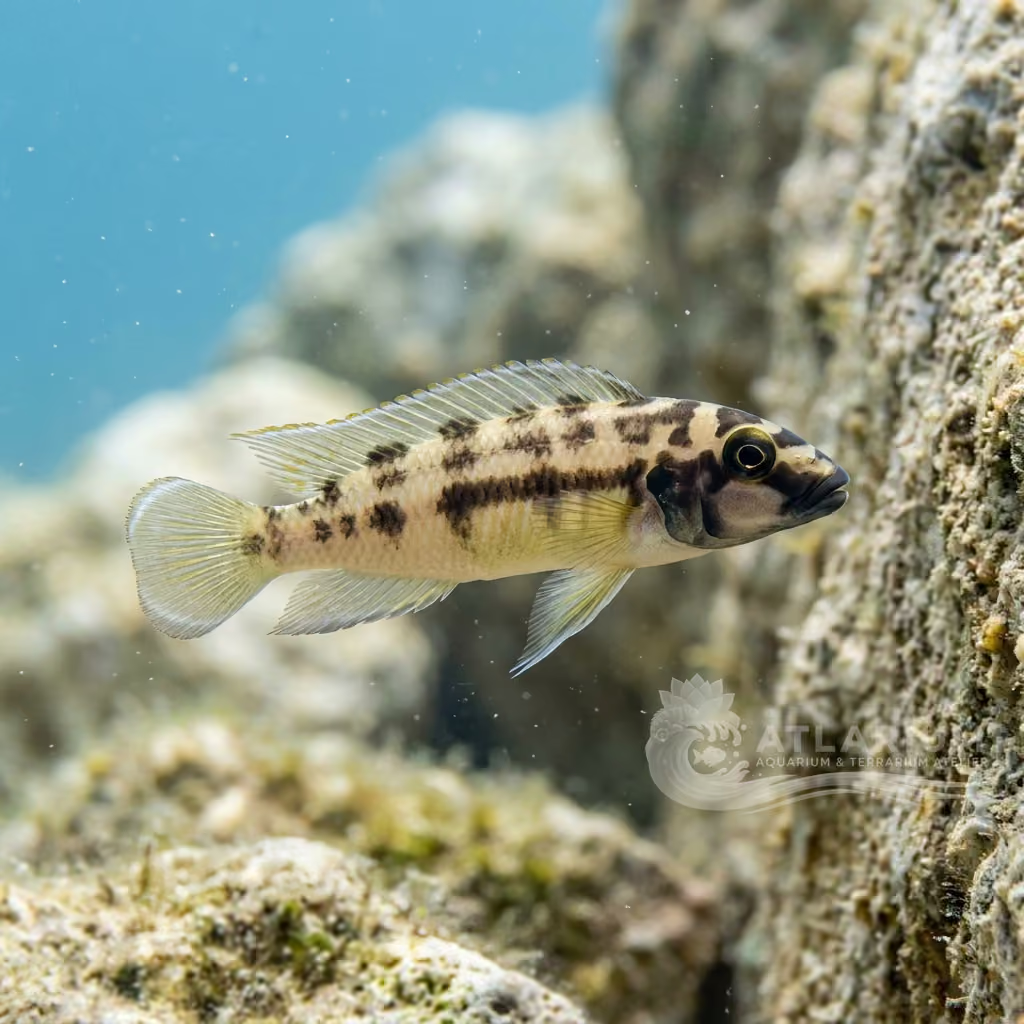
Coloration and Sexual Dimorphism: Brownish, golden or rust base color (depending on the geographical variety), marked by wide dark vertical bands (stripes) and elegant dotting on the fins. Adult males significantly larger (up to 15 cm / 6 inches) than females (10 cm / 4 inches).

Cuidado, criação e companheiros de tanque
Aquarium Setup: A lithophilic setup (Tanganyika biotope) is imperative. Many smooth rocks and overlapping slabs to form very deep and dark crevices. Coral sand or aragonite bottom to act as an alkaline buffer.
Diet and Feeding: Pure micro-predator. Enormously appreciates brine shrimp nauplii, mysis, krill and mosquito larvae (glassworms). Accepts protein pellets but dry feeding must always be accompanied by live or top-quality frozen food.
Water Quality: Mandatory Lake Tanganyika parameters: crystal clear, hard water (GH 10-20), intensely alkaline (pH 8.0-9.0). A sudden drop in pH is intolerable and can be fatal.
Compatibility and Cohabitation: It is not quarrelsome. Golden match with peaceful "Rock-dwellers" Tanganyika Cichlids (Julidochromis, Neolamprologus) or pelagic ones (Cyprichromis). Will devour any tiny crustacean (Neocaridina) or very small fry. Do not keep with furious Mbuna.
Aquarium Breeding: Closed cave spawners. The female finds a crevice where the (larger) male cannot enter. She lays eggs there, and the male fertilizes the entrance by dispersing sperm outside. She will care for the young inside for weeks.
Risks and Diseases: Unscratchable fish ("armored") to superficial wounds, but very subject to intestinal blockage or internal parasitosis (Bloat) if fed improperly. Vulnerable to sudden water changes.

Origem e distribuição geográfica
Endemic to Lake Tanganyika (East Africa). Exclusively populates the shallow rocky coastline, living perpetually wedged in narrow rock crevices where pelagic predators cannot reach.
Origem
África e Madagascar

Perfil de peixe
- Temperamento
- Semi-aggressive
- Altolamprologus compressiceps is a specialized predator but remains peaceful and rather shy toward similarly sized tank mates. They do not show high levels of aggression unless they are breeding or defending their chosen cave. Territorial behavior is primarily directed at conspecific males or cichlids with a similar physical shape. However, their peaceful nature disappears in the presence of tiny fish or fry, which they will actively hunt as prey.
- Dieta
- Omnivore
- In their natural habitat, this cichlid is a specialized carnivore that hunts small fish, crustaceans, and invertebrates within rock crevices. In captivity, they must be fed a high-protein, meat-based diet to support their health and vitality. They respond best to live or frozen foods such as brine shrimp, mysis, krill, and bloodworms, supplemented with high-quality sinking pellets. Offering a varied diet is crucial to support their slow but steady physical growth.
- Expectativa de vida
- 8-12 years
- Tamanho adulto
- 15 cm
- Proporção sexual
- Harem
- The ideal stocking recommendation for Altolamprologus compressiceps is a harem ratio of one male to several females to disperse territorial aggression. Males establish territories and can persistently harass females if there are not enough partners to share the attention. Designing the aquarium layout with plenty of caves and visual barriers is crucial to provide safety for females. Alternatively, in smaller setups, keeping a single established compatible pair is a successful option.
- Frequência de alimentação
- Twice daily
- It is recommended to feed Altolamprologus compressiceps once or twice daily in small, controlled amounts that are consumed within minutes. Due to their slow metabolism, overfeeding can quickly lead to health issues and disrupt water quality in the aquarium. Care should be taken to ensure that food reaches the shyer individuals who may hover at the back of the tank. Implementing a weekly fasting day is highly beneficial to maintain their digestive health and prevent obesity.
- Carga biológica
- Low to Medium
- Altolamprologus compressiceps produces a low-to-medium biological waste load due to its relatively sedentary lifestyle and slow metabolism. However, since it is a predatory species that requires a high-protein diet, organic waste and uneaten food can rapidly deteriorate water conditions. A highly efficient filtration system with robust biological media is essential to process this waste and maintain stable parameters. Regular partial water changes are also critical to keep nitrate levels low, as this species does not tolerate poor water chemistry.
- Fluxo
- Stagnant
- This species prefers a weak-to-moderate water flow, reflecting the sheltered rocky shorelines of Lake Tanganyika where they originate. Excessive water current can cause physical fatigue and force these cichlids to remain hidden within the rockwork. It is essential to ensure efficient water circulation to maintain high oxygen levels without generating strong turbulence. Directing filter returns against the aquarium glass or using spray bars helps create comfortable quiet areas.
- Risco de salto
- Yes
- Although Altolamprologus compressiceps is generally a slow-moving fish, it presents a significant risk of jumping when startled. Sudden movements around the tank or chasing by active tank mates can cause them to dart upwards and leap out of the water. To prevent tragic accidents, a secure, tight-fitting lid must be kept on the aquarium at all times. Providing surface cover like floating plants can also reduce stress and make the fish feel more secure.
- Reprodução
- Oviparous
- Breeding Altolamprologus compressiceps is of moderate difficulty and requires a tank set up with very specific spawning sites. They are cave spawners that look for extremely tight crevices or large snail shells that only the smaller female can access. The male fertilizes the eggs by releasing milt at the entrance of the cave, which the female then fans over the clutch. The female takes sole responsibility for guarding the nest until the fry are free-swimming and ready to leave.
- Compatibilidade e companheiros de tanque
- With caution
- Altolamprologus compressiceps is compatible with other Lake Tanganyika cichlids of similar size and non-aggressive temperaments. Genera such as Julidochromis, Neolamprologus, and Cyprichromis make excellent tank mates, provided there is enough space to establish territories. Very small fish or dwarf shrimp must never be kept in the same tank, as they will be eaten immediately due to the predator's nature. Hyperactive or highly aggressive tank mates should also be avoided to prevent this shy cichlid from becoming stressed.
- Nível do tanque
- Middle/Bottom
- This cichlid is a benthopelagic species that spends most of its time in the lower and middle regions of the aquarium. They prefer to stay close to rocky structures, hovering near caves and exploring deep crevices in search of prey. They rarely swim in the upper open waters of the tank, preferring the security of nearby shelters. Their strongly compressed body shape is a specialized adaptation that allows them to navigate narrow vertical gaps.

Modelos e parâmetros científicos
FishBase
Acesso aos dados científicos oficiais da espécie
FishBase v25.04Dados sincronizados em: 15/06/2026
- Nível trófico
- 3,6 ± 0,6 se
- Resiliência
- Média (1,4 - 4,4 anos)
- Unicidade filogenética (PD50)
- 0.75
- Relação bayesiana comprimento-peso
- a = 0.01445, b = 2.99
- VulnerabilidadeVulnerabilidade baixa (10 / 100)

Espécies relacionadas
Recomendações agrupadas por parentes próximos, escolhas de acompanhantes e cuidados semelhantes.