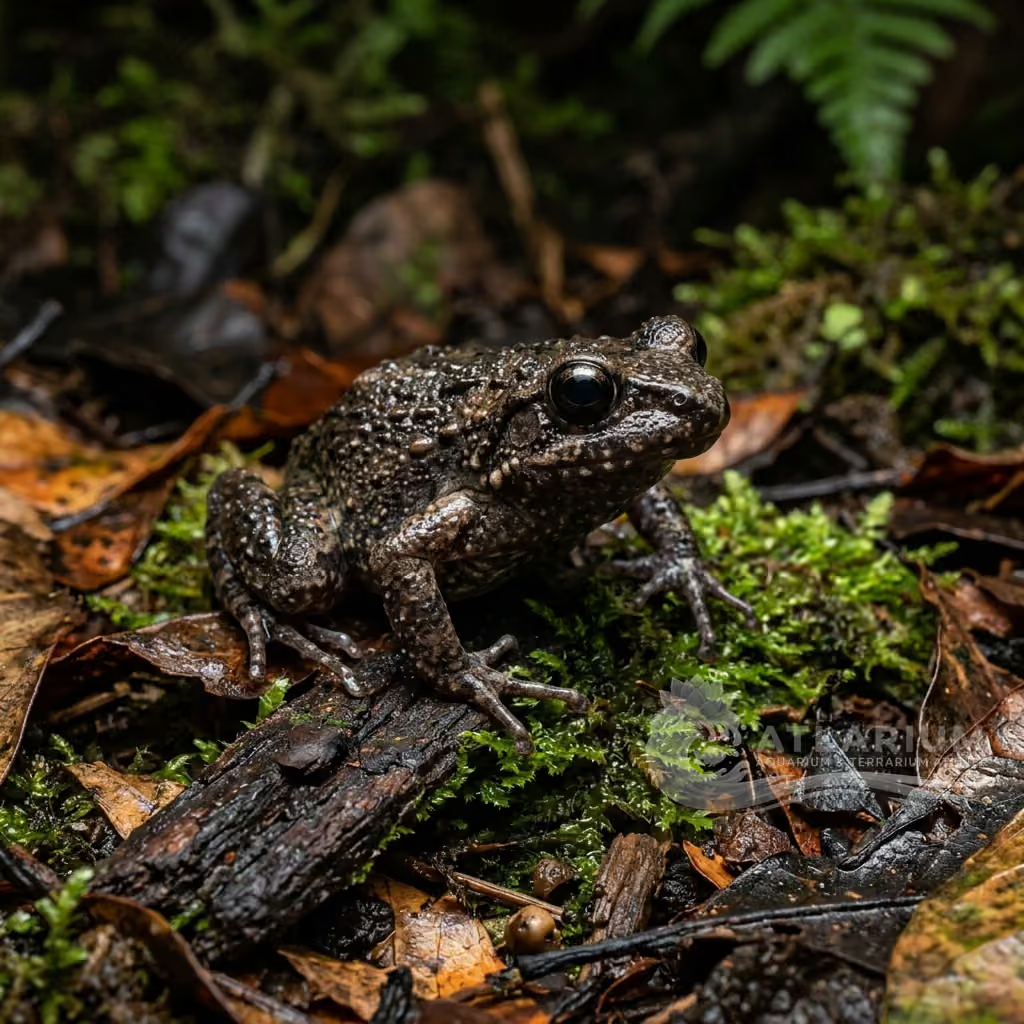
Mutant Pacman Frog
Ceratophrys cranwelli
A very rare and spectacular color mutation of the Pacman frog, featuring translucent skin or unusual, shifting patterns. A sedentary and voracious amphibian that requires a deep, damp substrate for burrowing.
Ambiente
Terrestre
Umidade
60 - 80 %
Temperatura diurna
24 - 29 °C
Temperatura noturna
20 - 26 °C

Descrição da espécie
Geographical Origin and Habitat: Ceratophrys cranwelli is native to the dry Chaco region of South America, spanning parts of Argentina, Bolivia, Paraguay, and Brazil. They are adapted to arid or semi-arid scrublands that experience distinct dry seasons followed by heavy monsoon-like rains. The "Mutant" morph is a selective captive-bred strain developed in specialized breeding facilities in Asia and the USA, and it does not occur in wild populations.
Taxonomy and Genetics: Belonging to the family Ceratophryidae. The term "Mutant" refers to a complex genetic anomaly affecting the structure and distribution of chromatophores (specifically iridophores and melanophores) in the skin. This mutation gives the frog a translucent, jelly-like look with color patterns that can shift and morph from soft blues to pale greens and pinks as the frog ages.
Behavior and Habits: They are classic ambush predators with an extremely sedentary lifestyle. They spend nearly all of their time buried in the soil with only their eyes and snout exposed, waiting for unsuspecting prey to pass. They have a highly territorial and aggressive nature, coupled with a powerful biting reflex that triggers at any movement within their reach.
Morphology: Characterized by a round, stout body and an enormous mouth that constitutes up to half of the animal's total size. The "Mutant" morph possesses a unique waxy or translucent skin texture, lacking the typical dark brown or green blotches. Eyes have horizontal pupils. Adult males reach about 10 cm, while females can grow up to 15 cm. Males display dark nuptial pads on their thumbs and a darker throat area.

Cuidado, criação e companheiros de tanque
Terrarium Setup: A single adult requires a terrarium of at least 50x30x30 cm, as they do not move much. The substrate is the most critical element: it must be at least 10 cm deep to facilitate natural burrowing. Damp coco coir or organic sphagnum moss are ideal. Avoid gravel, pebbles, or small bark chips, which pose a severe risk of accidental ingestion and subsequent impaction during feeding.
Lighting and Heating: Because they are nocturnal and fossorial, intense lighting is unnecessary. A low-wattage LED to simulate a 12-hour day/night cycle and a 2% or 5% UVB lamp to prevent Metabolic Bone Disease (MBD) are recommended. Maintain daytime temperatures between 24°C and 28°C, dropping to 20°C to 22°C at night. Use a heating mat attached to the side of the enclosure, never underneath, to prevent burns when digging.
Humidity and Hydration: Keep relative humidity levels between 70% and 80%. Mist the enclosure 1-2 times daily with dechlorinated water. A large, very shallow water bowl must be provided at all times; the water depth should not exceed the frog's chin height, as they are poor swimmers and can easily drown. Water must be changed daily.
Feeding and Supplementation: Highly opportunistic carnivores. Feed a varied diet of crickets, locusts, roaches (Dubia), earthworms, and occasional feeder fish or silkworms. Minimize feeding vertebrate prey (such as pinky mice) as their high fat content leads to hepatic lipidosis and corneal lipidosis. Dust prey items with calcium and vitamin D3 twice a week for juveniles and once a week for adults.
Compatibility: Strictly solitary. They are highly cannibalistic and will attempt to swallow any enclosure mates, including other Pacman frogs of similar size, leading to severe injury or death for both individuals.
Health and Common Diseases: Susceptible to Metabolic Bone Disease due to inadequate calcium/UVB. Bowel impaction is another common risk caused by swallowing foreign substrate particles. Toxic Out Syndrome (ammonia poisoning) occurs if the substrate and water are not kept pristine. Handle only when necessary using wet, powder-free nitrile gloves.

Origem e distribuição geográfica
Ceratophrys cranwelli is native to the dry Chaco region of South America, spanning parts of Argentina, Bolivia, Paraguay, and Brazil. They are adapted to arid or semi-arid scrublands that experience distinct dry seasons followed by heavy monsoon-like rains. The "Mutant" morph is a selective captive-bred strain developed in specialized breeding facilities in Asia and the USA, and it does not occur in wild populations.
Origem
Melhoramento seletivo e cultivaresExtra-Amazônica América do Sul

Perfil anfíbio
- Dieta
- Carnivore
- The diet of Ceratophrys cranwelli "Mutant" consists mainly of appropriately sized prey or specific plant matter, depending on its natural biology. Providing a varied and nutrient-rich diet is essential for maintaining their immune system and overall health. Owners must ensure that all food items are properly dusted with high-quality calcium and vitamin D3 supplements to prevent severe metabolic issues. Fresh, clean water should also be accessible at all times to aid in digestion.
- Expectativa de vida
- 10-15 years
- Tamanho adulto
- 18 cm
- Estilo de vida/Microhabitat
- Terrestrial
- Adapting uniquely to their environment, Ceratophrys cranwelli "Mutant" exhibits a lifestyle that necessitates specific terrarium setups to thrive in captivity. Whether climbing, burrowing, or dwelling on the forest floor, their habitat must replicate the structural elements they utilize in the wild. Proper gradients of temperature and humidity are also essential to support their physiological processes. A well-enriched environment will significantly improve their quality of life and longevity.
- Ciclo de atividades
- Nocturnal
- The activity pattern of Ceratophrys cranwelli "Mutant" is closely tied to its natural habitat's lighting and temperature cycles. They tend to have specific peak hours of activity during which they hunt, forage, and explore their environment. Providing a consistent and naturalistic light cycle with appropriate UVB lighting is critical for regulating their circadian rhythms. During their resting periods, they will seek out secure hides to remain undisturbed.
- Socialidade
- Gregarious
- Ceratophrys cranwelli "Mutant" displays a range of fascinating behaviors that are deeply rooted in their evolutionary adaptations for survival. They can be territorial, especially among males, so appropriate enclosure sizing and solitary housing are often recommended to prevent stress and injury. They utilize complex body language to communicate with other members of their species and to deter potential threats. Observing these natural behaviors in a well-designed terrarium is highly rewarding for keepers.
- Reprodução
- Oviparous
- Breeding Ceratophrys cranwelli "Mutant" generally requires carefully controlled environmental parameters such as temperature and humidity cycling to stimulate natural reproductive behaviors. Females will often need an increase in calcium intake to safely produce and lay healthy clutches of eggs. Once laid, eggs must be promptly moved to an incubator set to the precise temperatures required for optimal development. Careful monitoring of both the breeding adults and the incubating eggs is crucial for successful reproduction.
- Toxicidade
- Harmless
- Cranwell's horned frogs completely lack any skin toxins or poisonous physiological secretions. Their primary defense relies entirely on remarkable camouflage to completely avoid visual detection. Their only potential danger to handlers is a painful bite from powerful, tooth-lined jaws.
- Estágio de vida
- Adult only
- Their rapid lifecycle starts with eggs hatching into muscular and voracious aquatic tadpoles. Metamorphosis is remarkably fast and usually fully completes within just 3 to 5 weeks. Terrestrial froglets immediately begin eating large insect prey and grow at astonishing rates.
- Tolerância de tratamento
- Display only
- Pacman frogs possess highly sensitive skin that absorbs harmful chemicals and natural human oils. Handling should be strictly minimized to prevent extreme stress and severe health issues. They are very prone to biting handlers due to their aggressive feeding responses.
- Brumação
- Não obrigatório
- They naturally undergo a period of estivation during harsh dry seasons in native scrublands. They survive by burrowing deep into the earth and encasing themselves in shed skin cocoons. In warm and well-watered captivity, they remain active year-round without needing estivation.
- Muda
- Yes
- They regularly shed their epidermal layer to maintain healthy skin and remove external parasites. The frog performs exaggerated stretching and wiping motions with its legs to loosen old skin. They continuously push the molted skin toward their mouth and swallow it.

Espécies relacionadas
Recomendações agrupadas por parentes próximos, escolhas de acompanhantes e cuidados semelhantes.