Axolotl — Copper
Ambystoma mexicanum
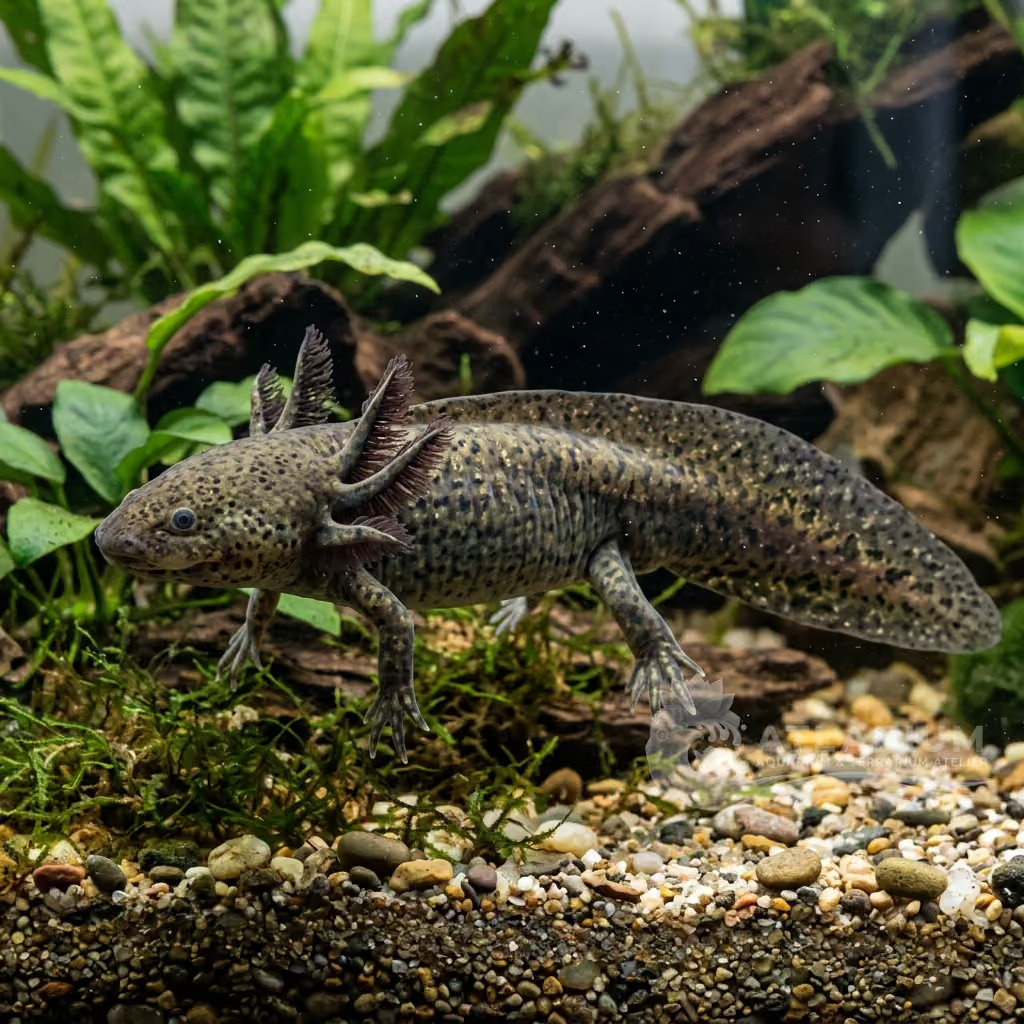
A rare albino color morph. The Copper Axolotl features a light sand, copper, or rusty-pink body with contrasting copper-colored eyes and bright pinkish-red gills.
Ambiente
Terrestre
Umidade
100 %
Temperatura diurna
16 - 20 °C
Temperatura noturna
14 °C
Temperatura ambiente
16 - 20 °C
Gabinete mínimo
>= 45 L

Descrição da espécie
Geographical Origin and Habitat: Originally endemic to the high-altitude lake and canal system of the Valley of Mexico (specifically Lake Xochimilco). In the wild, they lived in cold, muddy-bottomed waters surrounded by dense aquatic plants and chinampas (artificial islands). Now critically endangered in the wild.
Taxonomy and Genetics: A neotenic salamander that reaches sexual maturity and an adult size of up to 30 cm while retaining larval characteristics, including external feathery gills and a finned tail. The "Copper" morph is a form of albinism, resulting in a sandy-pink body with copper spots and copper-colored eyes.
Behavior and Habits: Peaceful and mostly sedentary, spending long periods resting on the bottom. They are solitary and have no schooling behavior. Because they lack eyelids and have poor vision, they swallow prey using suction, and will attempt to eat anything small enough, including tankmates.
Morphology: Sexual dimorphism is visible in adult specimens: mature males exhibit a highly swollen cloacal area at the base of the tail, while adult females are typically broader, rounder, and heavier due to carrying eggs.

Cuidado, criação e companheiros de tanque
Terrarium Setup: Strictly aquatic. Requires a large aquarium (at least 80–100 cm in length). Maintain very low water flow using spray bars, as strong currents cause severe stress. Use fine aquarium sand or keep the tank bottom bare; gravel or small stones can be swallowed, causing fatal impaction.
Lighting and Heating: Cold water is critical. Ideal temperature range is 16–20°C; temperatures above 24°C cause severe stress and fatal fungal infections. Aquarium chillers are mandatory in warm climates. Keep lighting dim using floating plants, as they have no eyelids.
Humidity and Hydration: Fully aquatic. Require hard, alkaline, well-oxygenated freshwater. Weekly large water changes and waste siphoning are necessary to control ammonia. Use high-quality water conditioners to remove chlorine and chloramine.
Feeding and Supplementation: Carnivorous. Provide high-quality earthworms, bloodworms, or sinking axolotl pellets. Avoid feeding red meat, mammalian livers, or poultry, which can cause fatty liver disease.
Compatibility: Best kept alone or with axolotls of the exact same size. Larger individuals will nip at or swallow smaller tankmates. Avoid housing them with sucker-mouth catfish (e.g. plecos) which can graze on and damage the axolotl's delicate skin.
Health and Common Diseases: Susceptible to fungal infections (Saprolegnia) at higher temperatures. Treatable with cool temperatures, tea baths, or salt baths. Extremely sensitive to heavy metals (copper, iron) in tap water. Never handle them as skin oils can damage their mucus layer.

Origem e distribuição geográfica
Originally endemic to the high-altitude lake and canal system of the Valley of Mexico (specifically Lake Xochimilco). In the wild, they lived in cold, muddy-bottomed waters surrounded by dense aquatic plants and chinampas (artificial islands). Now critically endangered in the wild.
Origem
Melhoramento seletivo e cultivaresAmérica Central e CaribeAmérica do NorteEuropa, Mediterrâneo e Ásia OcidentalLeste AsiáticoCosmopolita ou apresentado

Perfil anfíbio
- Dieta
- Carnivore
- Copper axolotls require a robust carnivorous diet composed mainly of protein-rich aquatic prey. Their staple food typically includes nightcrawlers, blackworms, and fortified amphibian pellets. They can also be fed treats like brine shrimp. They find their food using their keen sense of smell and vacuum it up in a swift gulp.
- Expectativa de vida
- 10-15 years
- Tamanho adulto
- 25 cm
- Estilo de vida/Microhabitat
- Aquatic
- They are fully aquatic amphibians that exhibit neoteny, meaning they retain their larval features (like external gills) throughout their entire adult lives. They must be kept in completely aquatic setups with proper filtration, cool water temperatures, and plenty of hiding spots on the substrate.
- Ciclo de atividades
- Nocturnal
- Axolotls are primarily nocturnal and crepuscular, meaning they are most active during the night and at dawn or dusk. In captivity, they may learn to associate daytime with feeding, but their natural instinct is to hide from bright light and emerge when it is dark to hunt for worms, insects, and small fish.
- Socialidade
- Solitary
- They are docile, bottom-dwelling amphibians that spend long periods resting in cool, dim areas of their habitat. While they do not crave companionship, they can peacefully coexist with other axolotls of the exact same size. They exhibit heightened activity levels after the lights are turned off.
- Reprodução
- Oviparous
- Successful breeding often follows a slight drop in water temperature which mimics the arrival of winter. Males will deposit packets of sperm on the tank floor for the female to retrieve. A single female can subsequently lay up to a thousand eggs, attaching them to plants. The transparent eggs hatch into tiny larvae requiring live micro-foods.
- Toxicidade
- Harmless
- The copper axolotl is completely harmless and devoid of any toxins or venom. Their skin is, however, highly absorptive and lacks a protective scale layer, making them vulnerable to water impurities. Any necessary handling should be done cautiously with wet hands to avoid damaging their slime coat.
- Estágio de vida
- Neotenic
- Exhibiting obligate neoteny, these amphibians remain in a permanently aquatic larval state. They keep their feathery external gills and finned tails for their entire lifespan. They almost never metamorphose into land-dwelling forms unless exposed to extreme, often fatal, stress or artificial hormone treatments.
- Tolerância de tratamento
- Display only
- As aquatic amphibians, they have extremely delicate, permeable skin and a protective slime coat that can be easily damaged by the oils and salts on human hands. They should be considered a display-only species; handling should only occur when absolutely necessary for health checks or moving them, using a soft net or a dedicated container.
- Brumação
- Axolotls do not undergo true brumation. They thrive in cold water (ideally between 15°C and 18°C) year-round. While they can survive in water just above freezing, artificially dropping their temperature for a winter rest is unnecessary and can suppress their immune system if not done correctly.
- Muda
- Yes
- A scientific review documents routine outer-skin renewal (sloughing) in amphibians and notes that the shed skin is often eaten, but it does not establish a fixed species-specific interval for Ambystoma mexicanum. The scalar is therefore “Yes”, not “Regular”. Repeated conspicuous peeling, a damaged mucus layer or abnormal behaviour should not be dismissed as normal sloughing and warrants an immediate water-quality check and, when persistent, veterinary assessment.

Espécies relacionadas
Recomendações agrupadas por parentes próximos, escolhas de acompanhantes e cuidados semelhantes.