Creeping Primrose-willow
Ludwigia repens
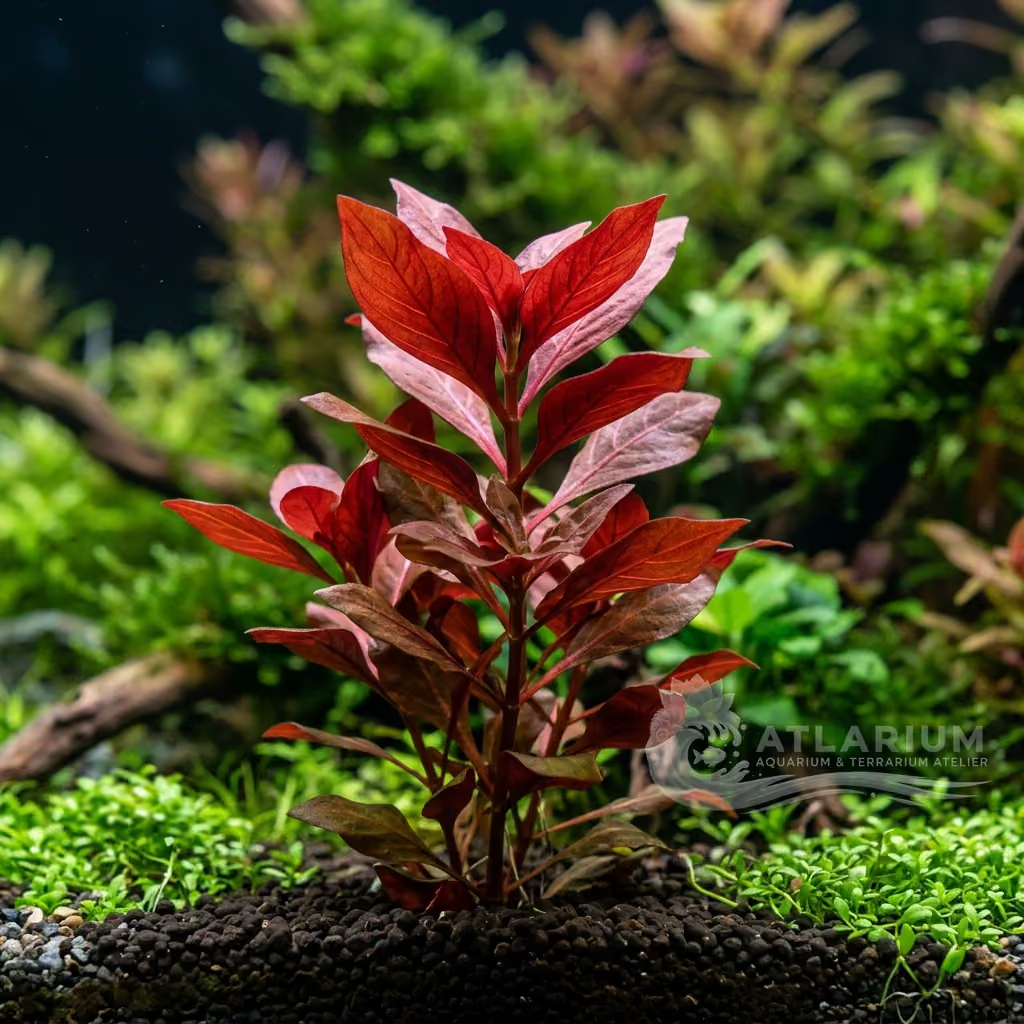
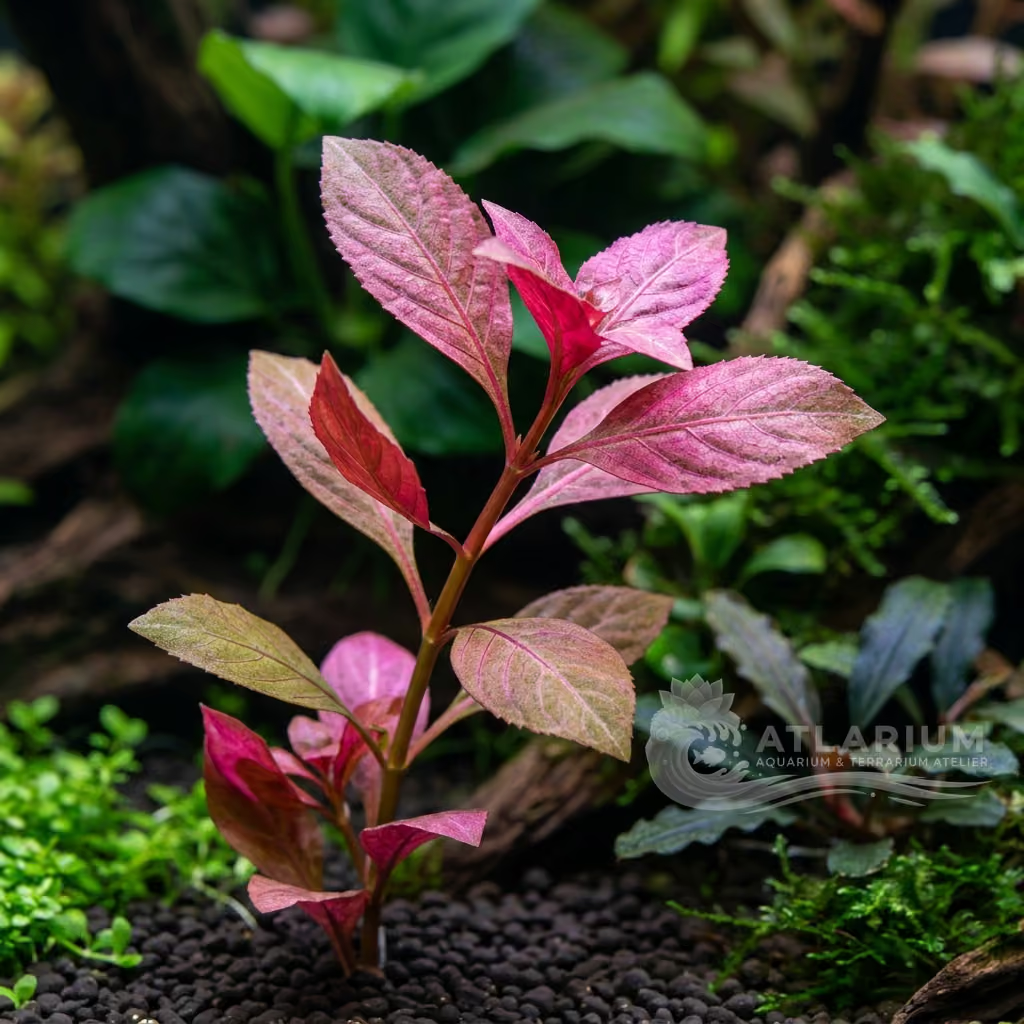
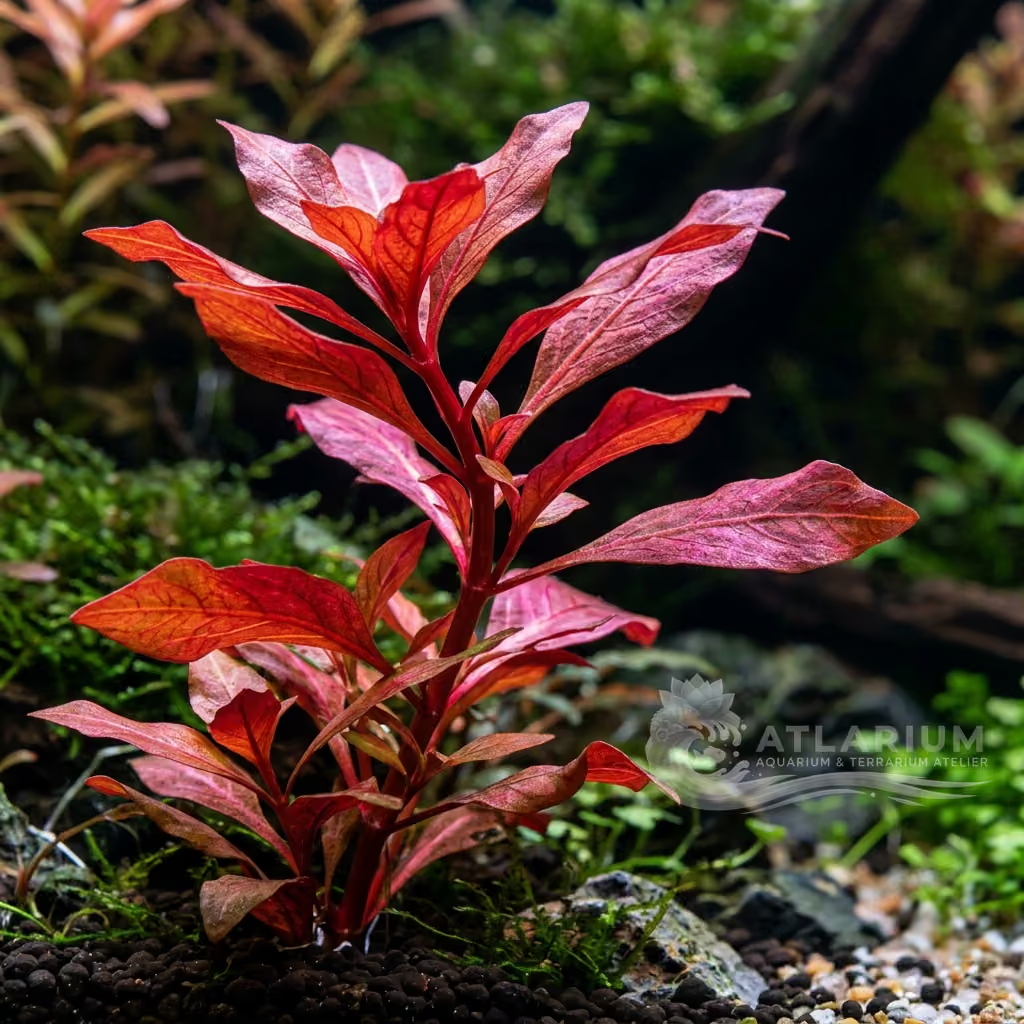
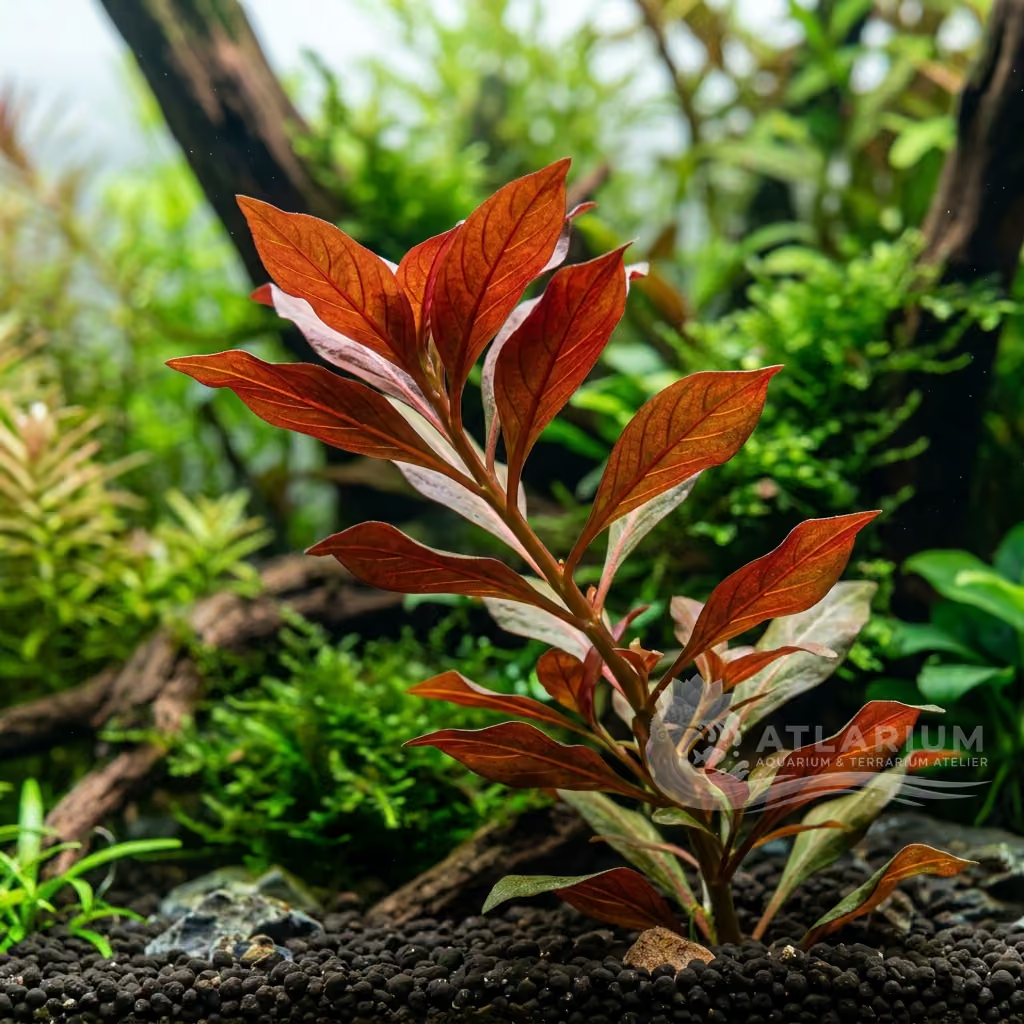
A reliable and popular stem plant valued for the vibrant reddish-pink color on the underside of its leaves. It is excellent for adding color variety in the midground or background.
Température de l’eau
15 - 28 °C
Valeur du pH
5 - 8
Type d'eau
Eau douce
Lumière
Media ad Alta (per il colore rosso)
CO2
Bassa
Hauteur attendue
40 cm
Largeur attendue
5 cm
GH
4 - 20 dGH
KH
2 - 15 dKH

Description de l'espèce
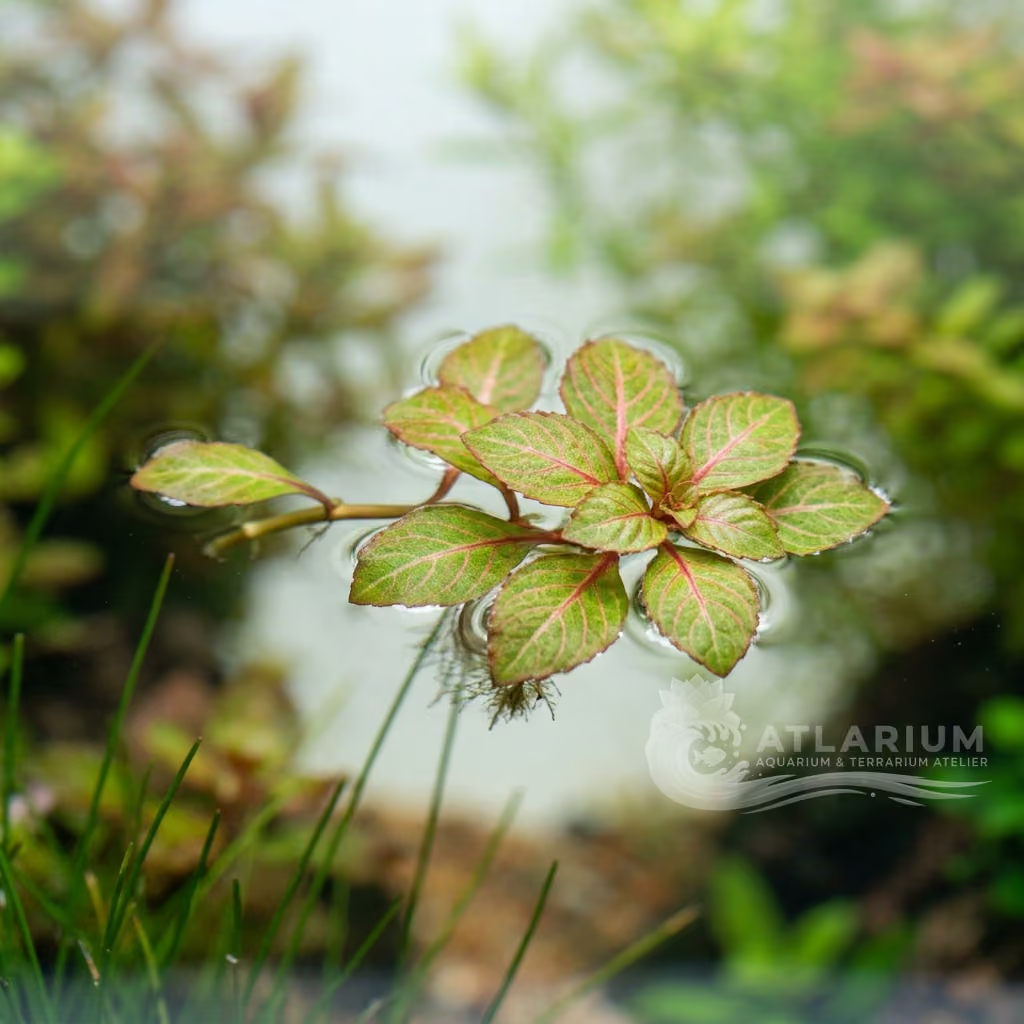
Geographical Origin and Habitat: Ludwigia repens is native to the Americas, widely distributed across the southern United States, Mexico, and the Caribbean islands. It populates calm or slow-moving waters such as marshes, ponds, lakes, and ditches. It grows both submerged and emersed, colonizing muddy shores and extending over the water surface.
Taxonomy & Genetics: Belonging to the Onagraceae family, it is commonly known as "Creeping Primrose-willow." It is a robust and widely available commercial plant characterized by a strong propensity for vegetative reproduction. Genetically, it is stable and easily hybridizes with other Ludwigia species.
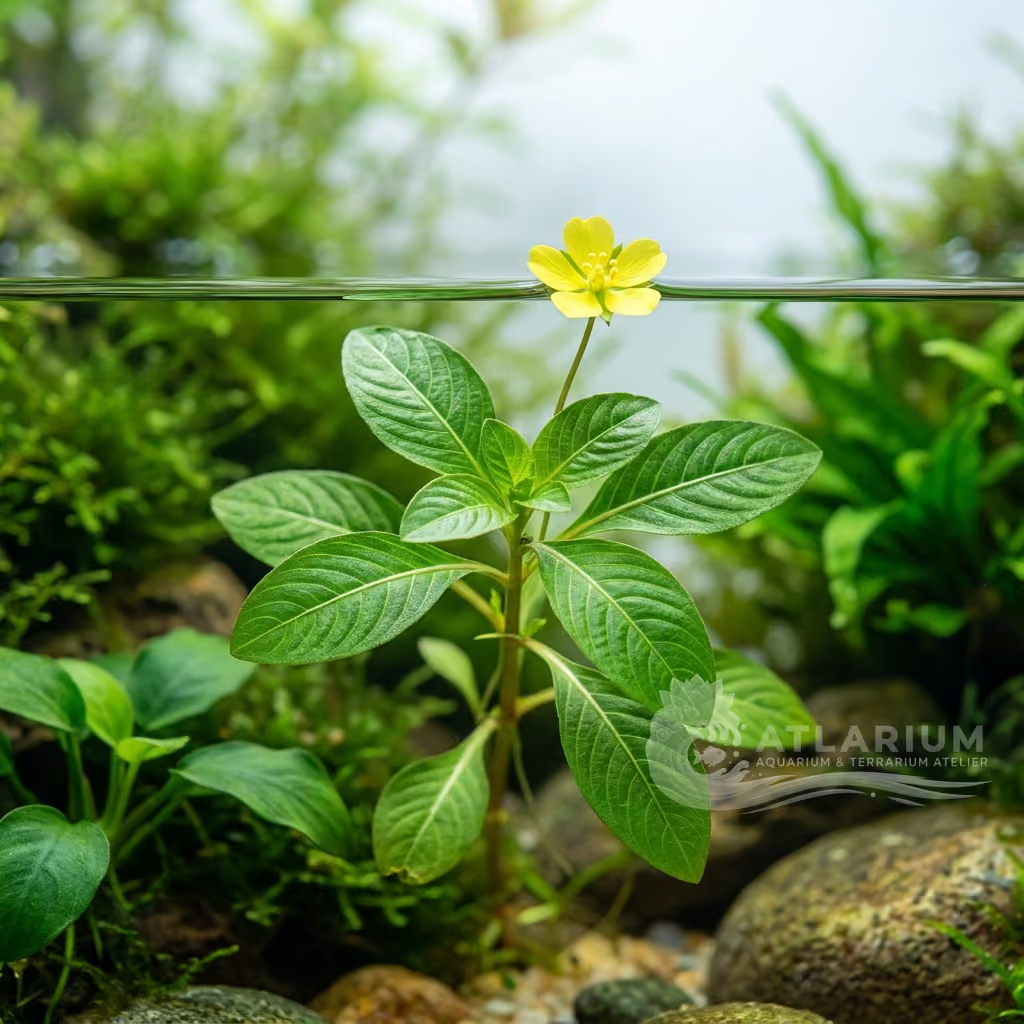
Physical Structure: It features flexible, creeping, and branching stems that can grow upright to 30-50 cm in the aquarium. The leaves are arranged oppositely along the stem, with an oval to lanceolate lamina. The root system is fibrous and easily produces adventitious roots from the stem nodes.
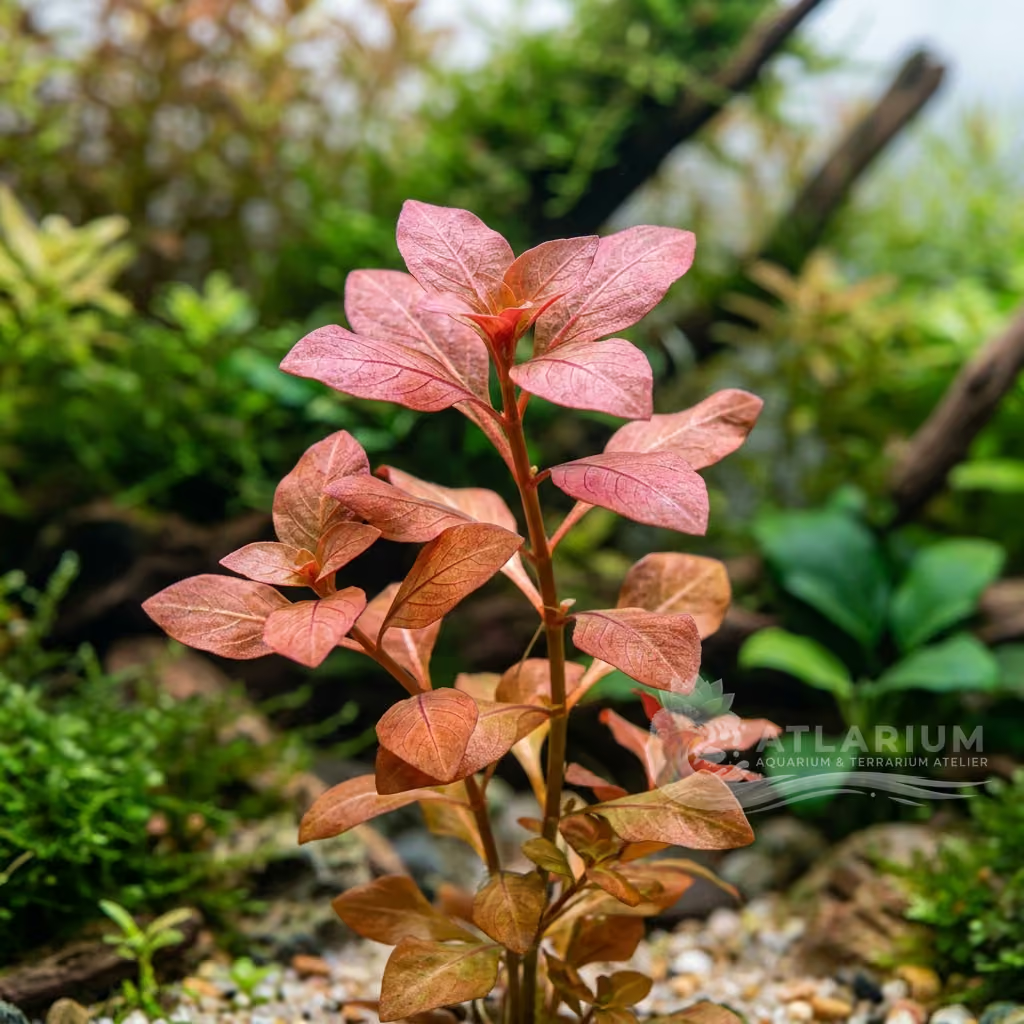
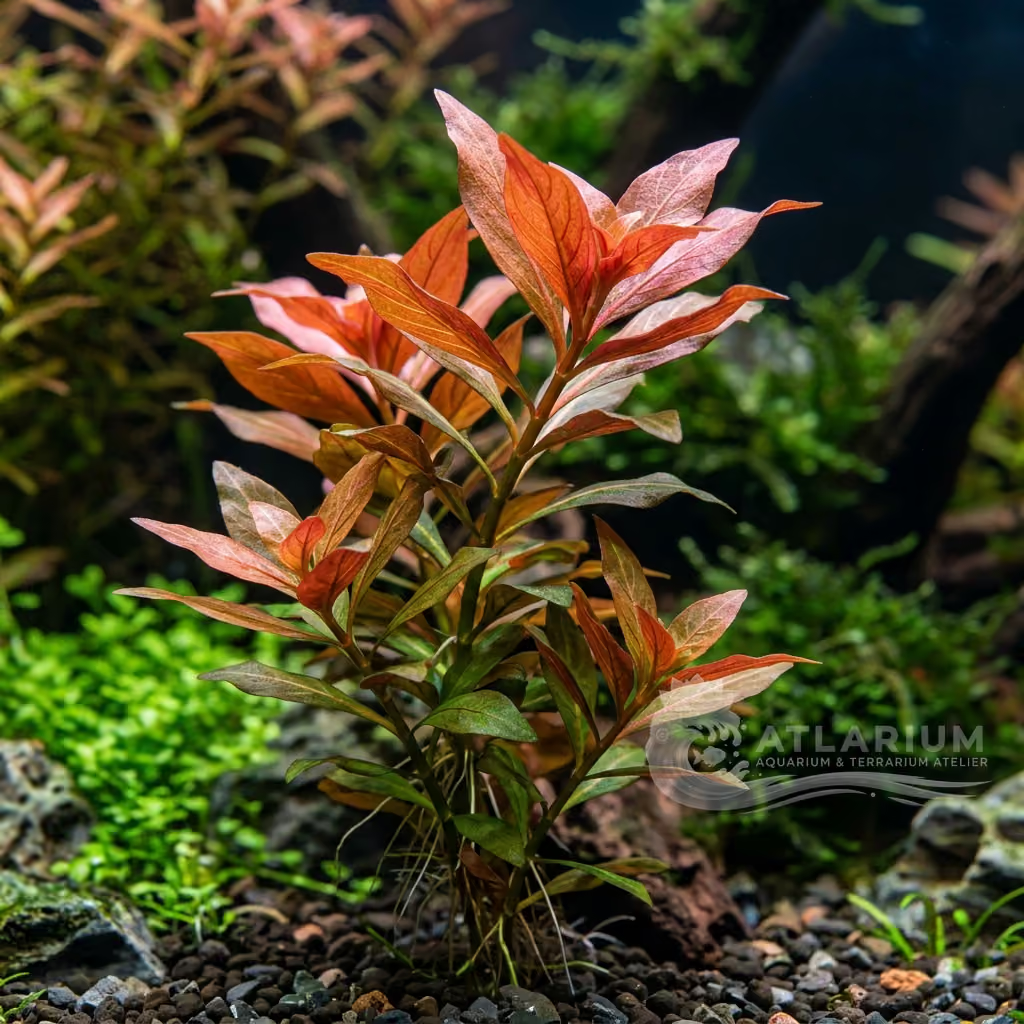
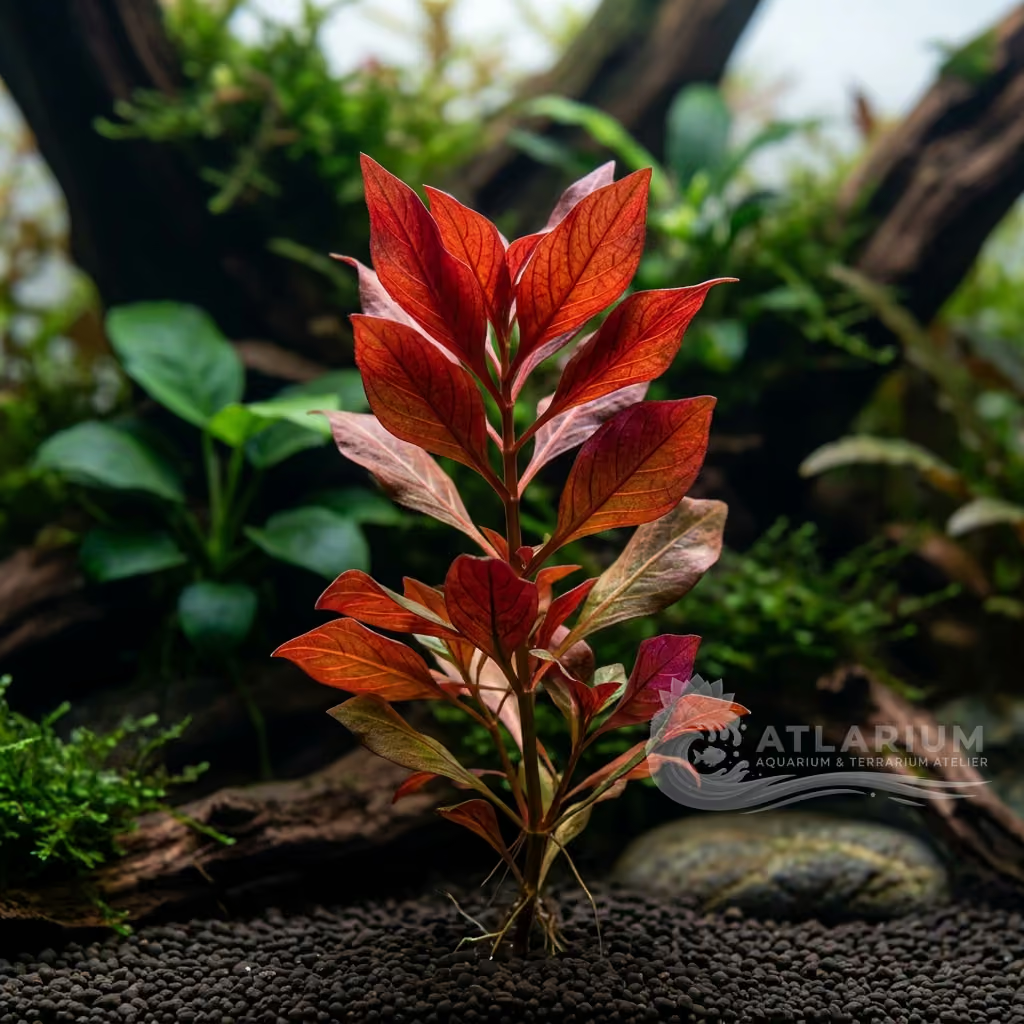
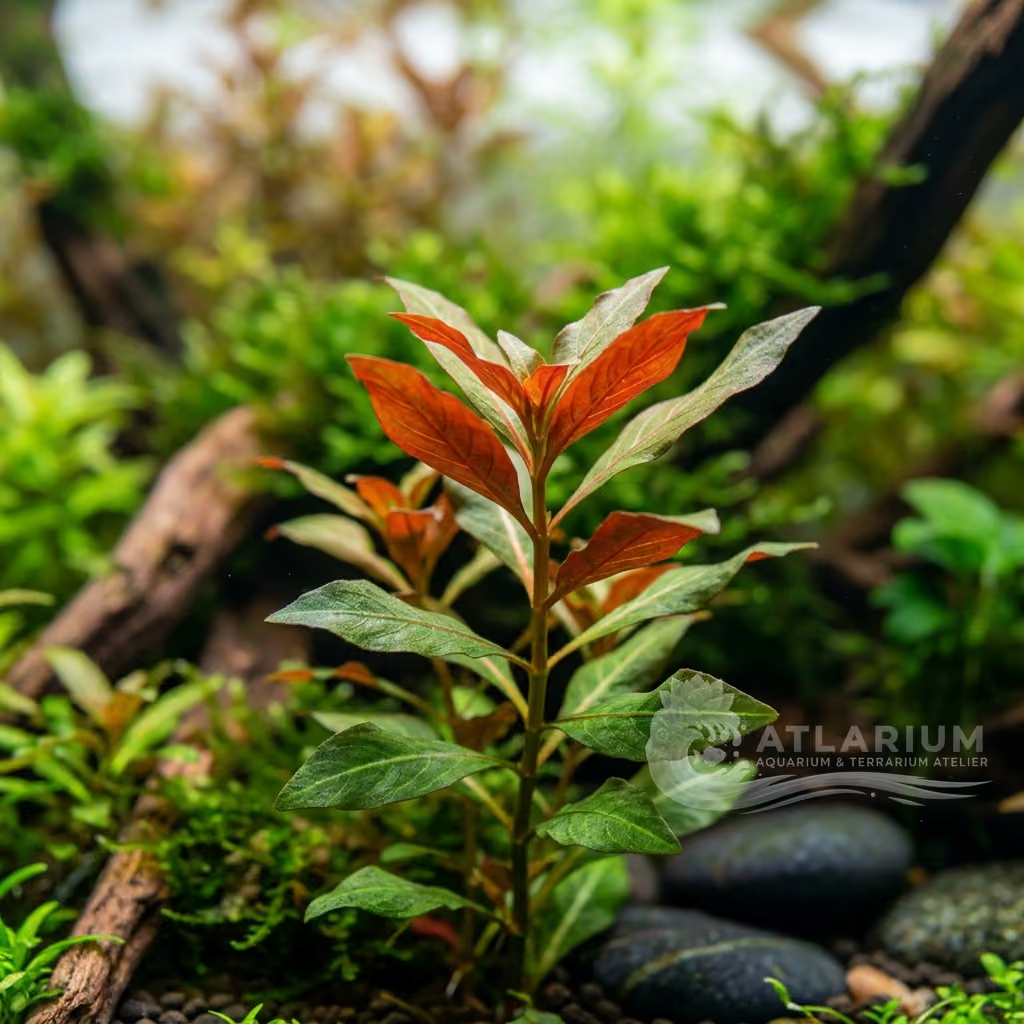
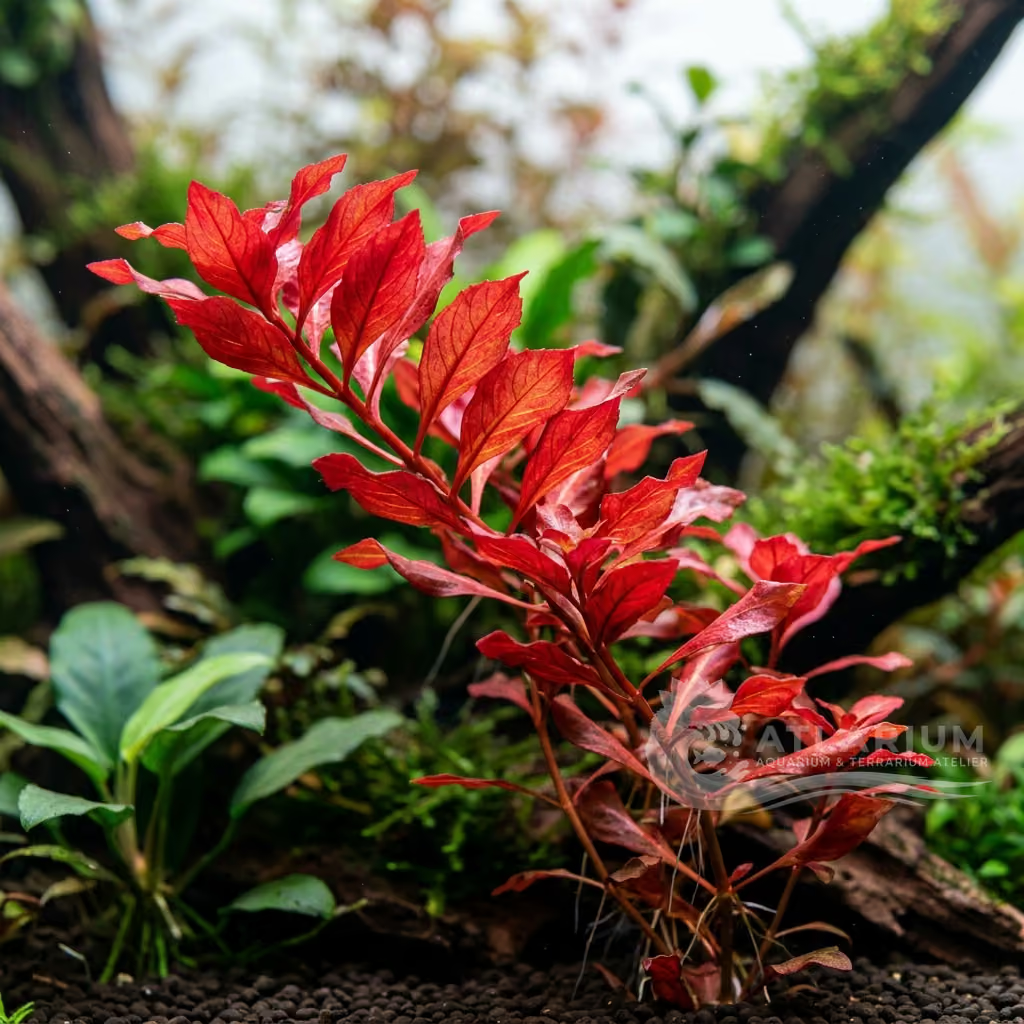
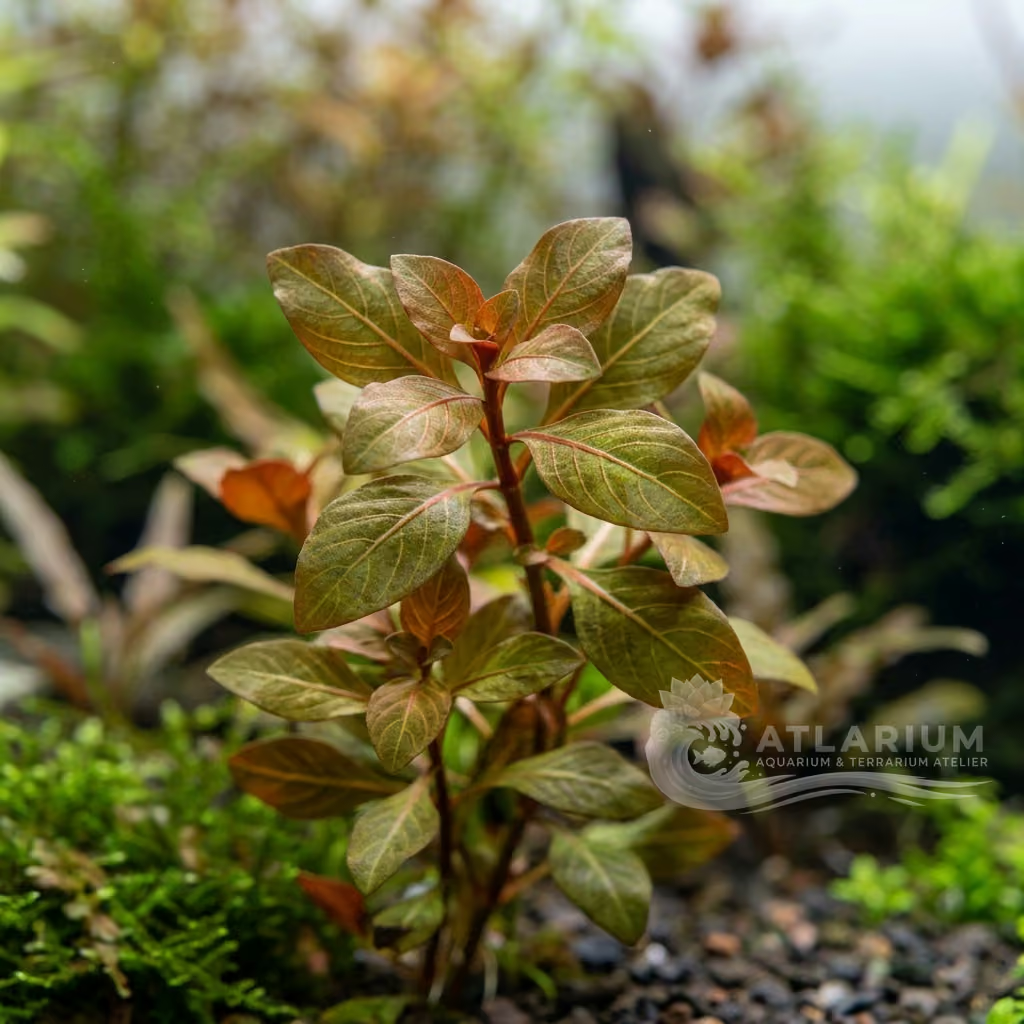
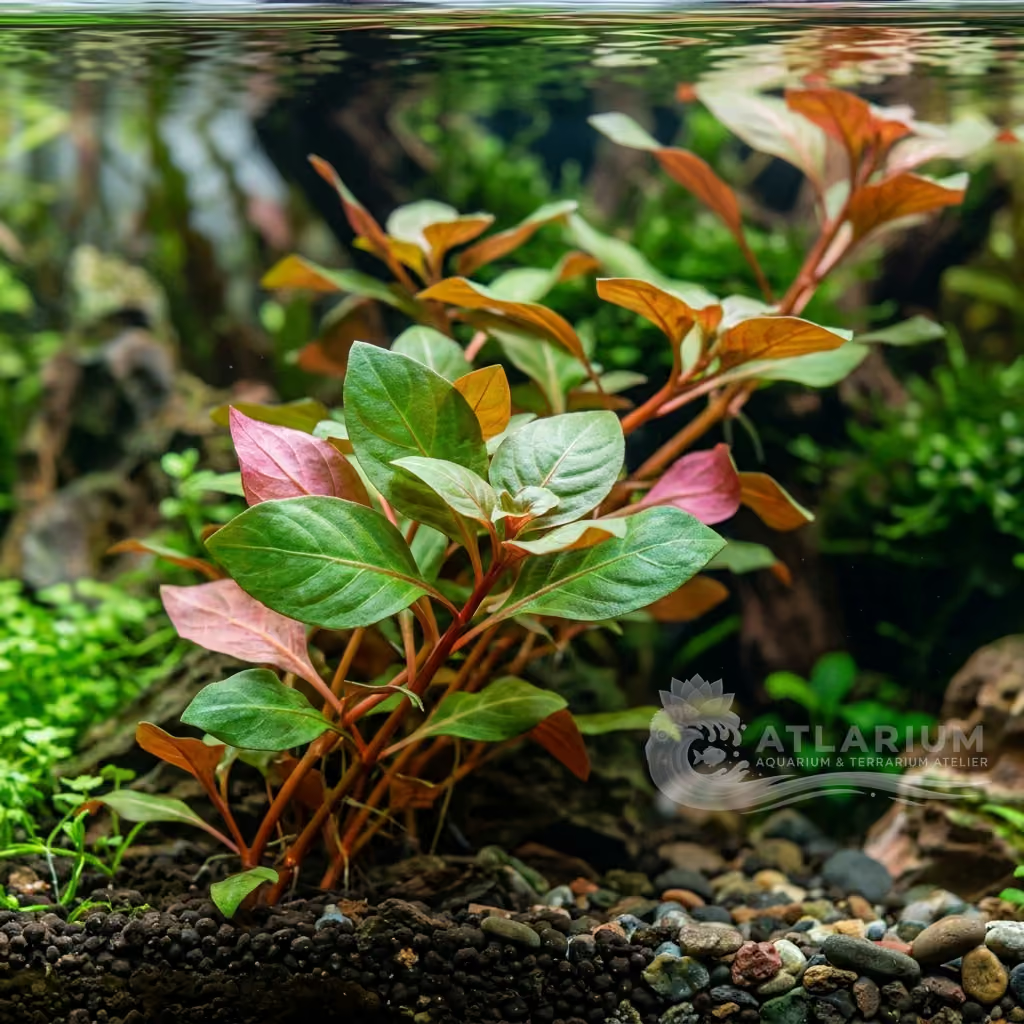
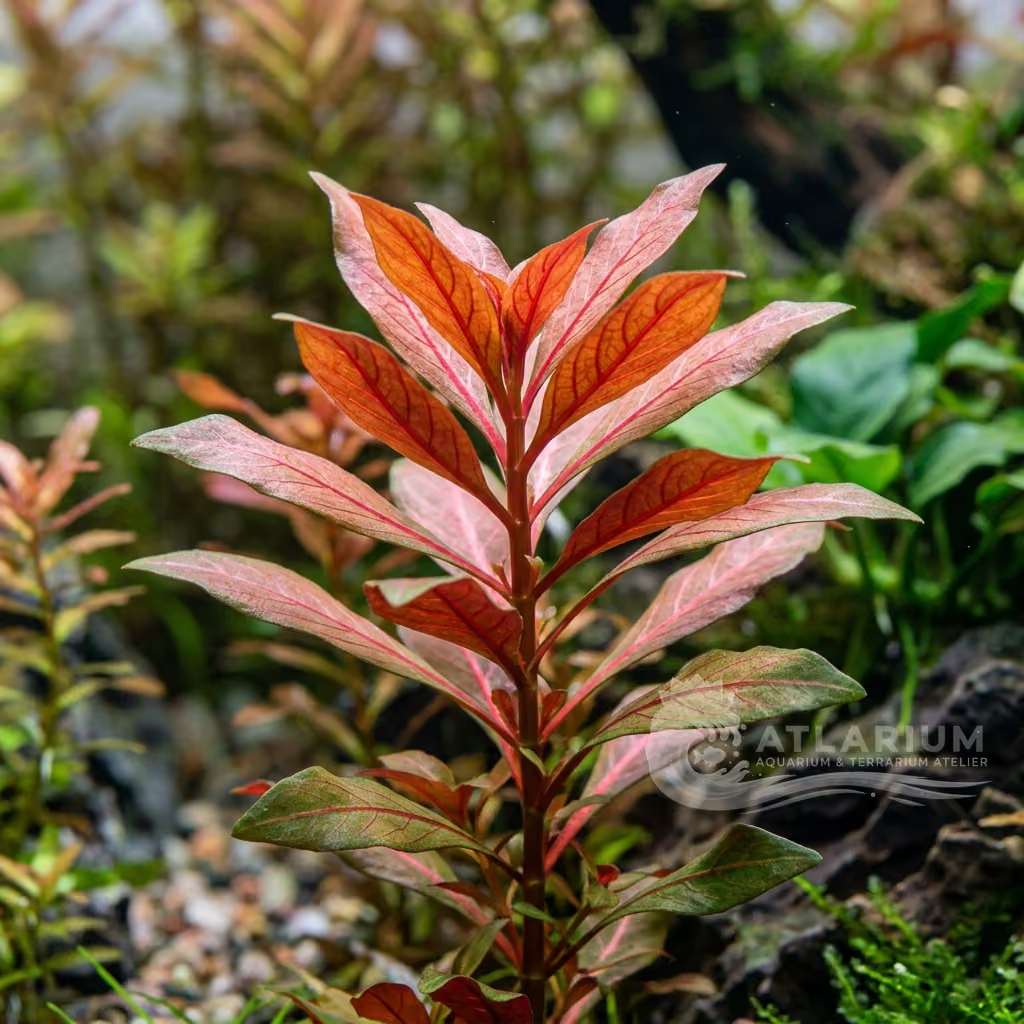
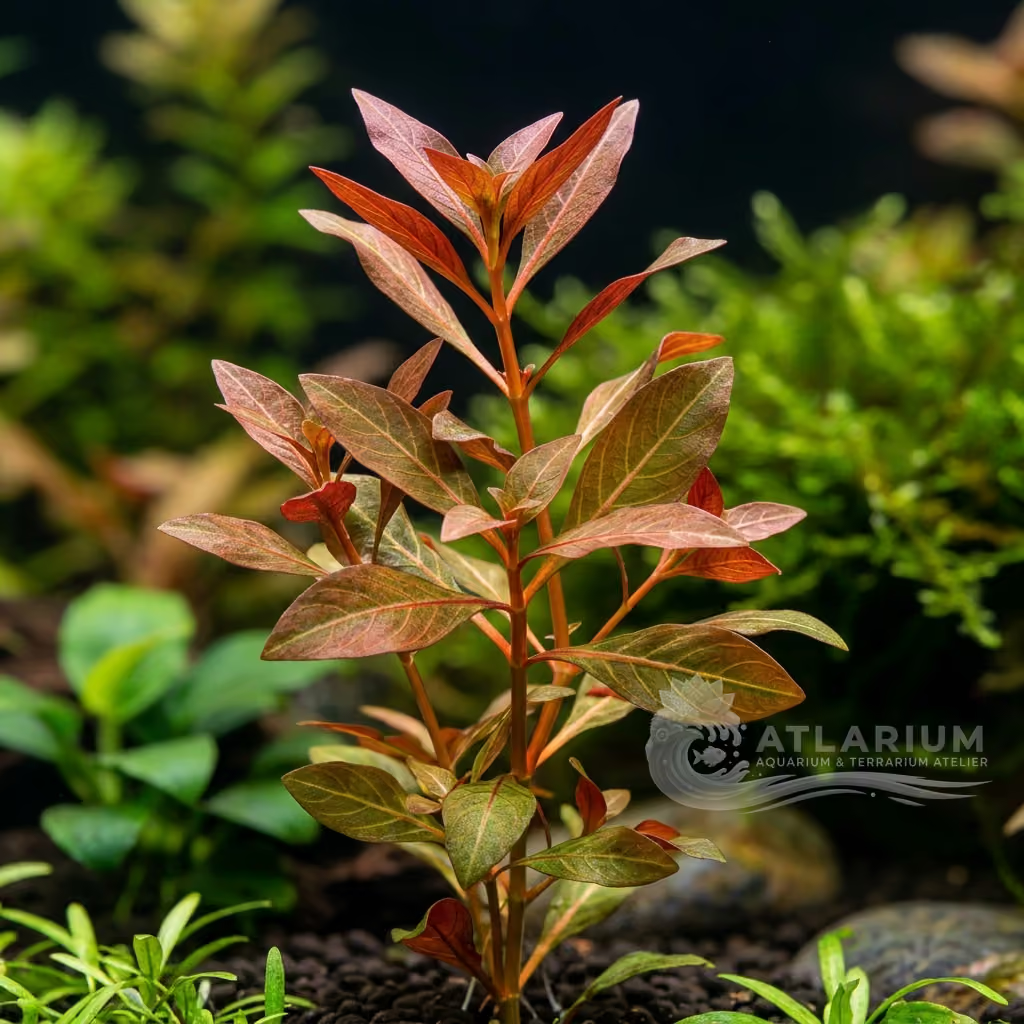
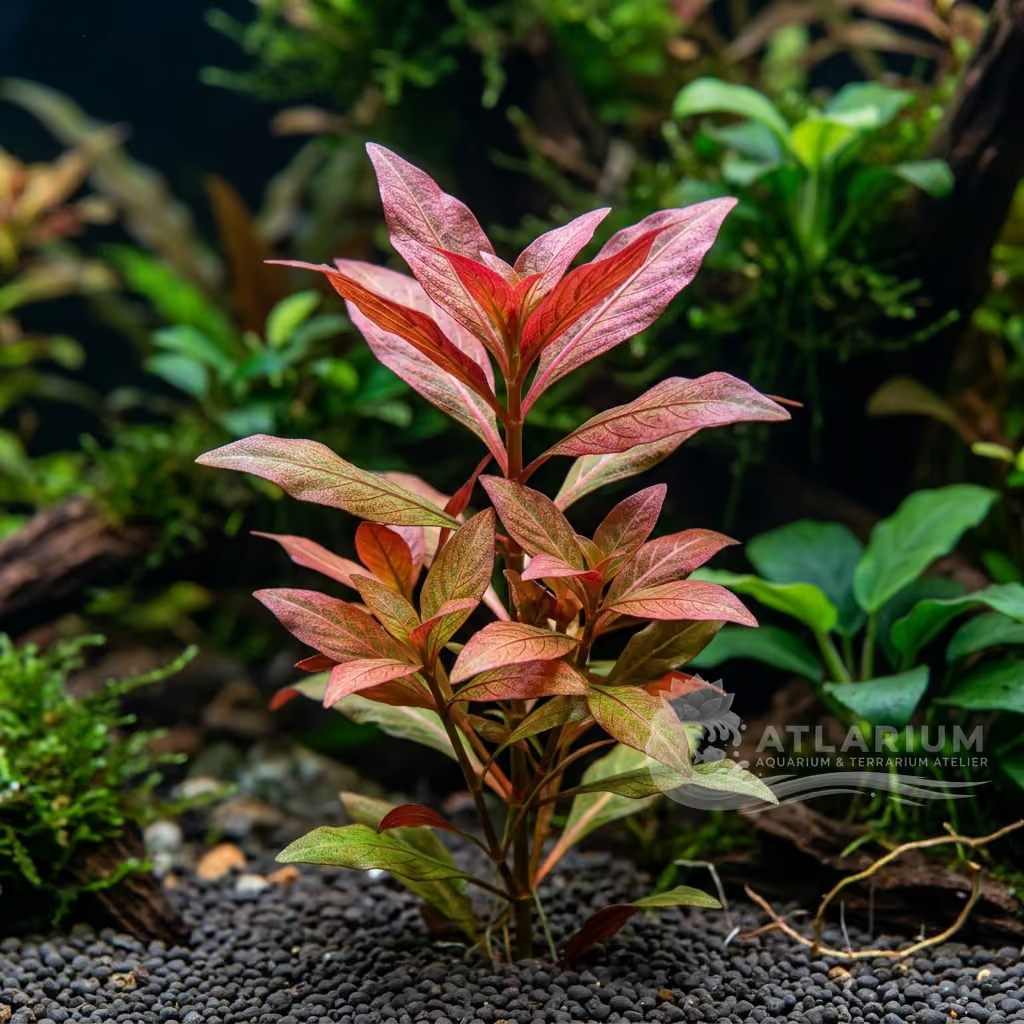
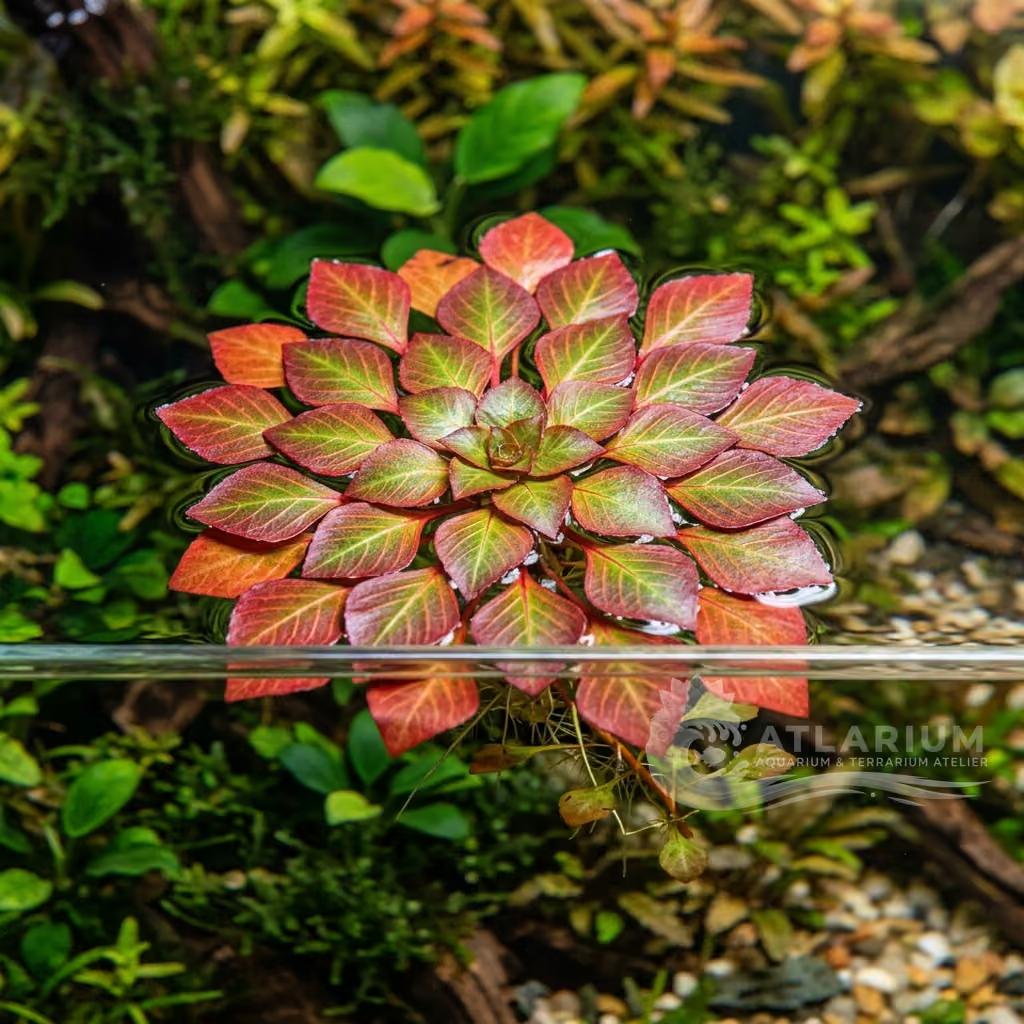
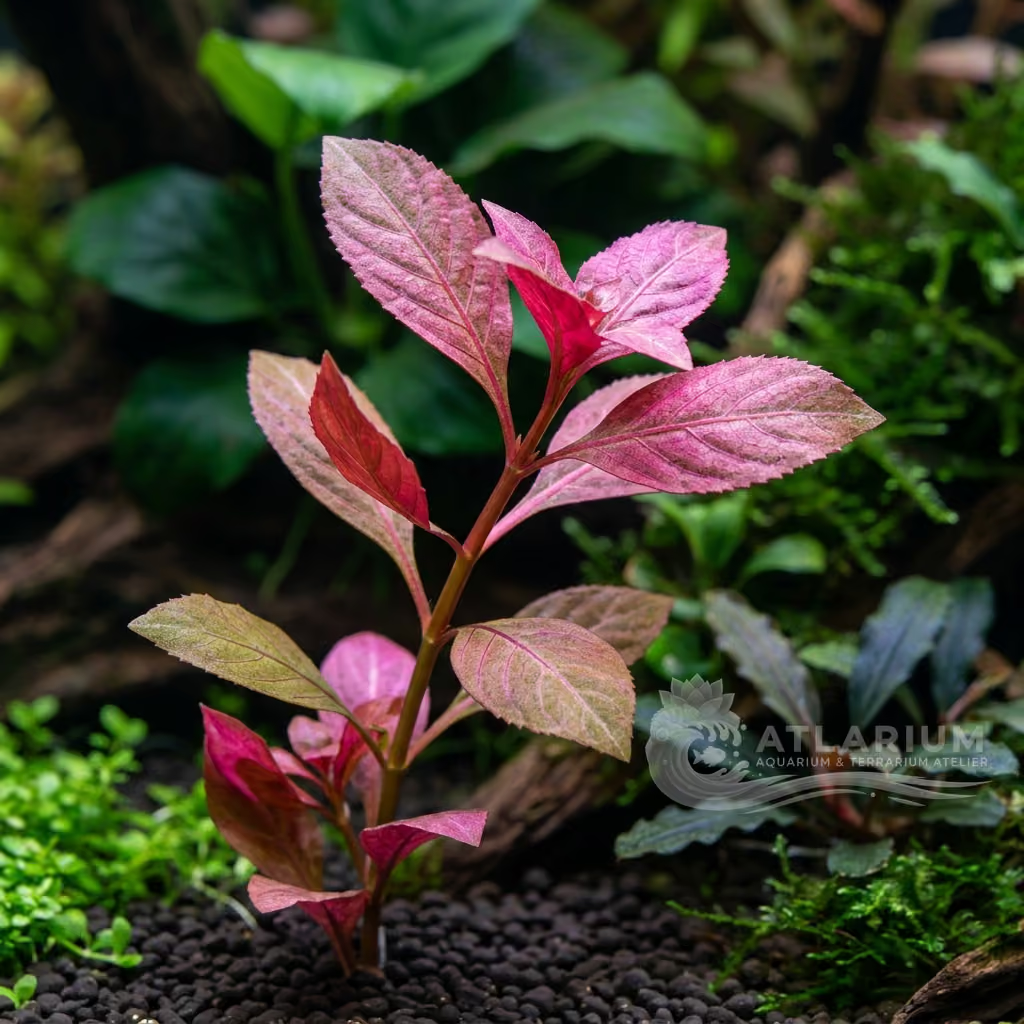
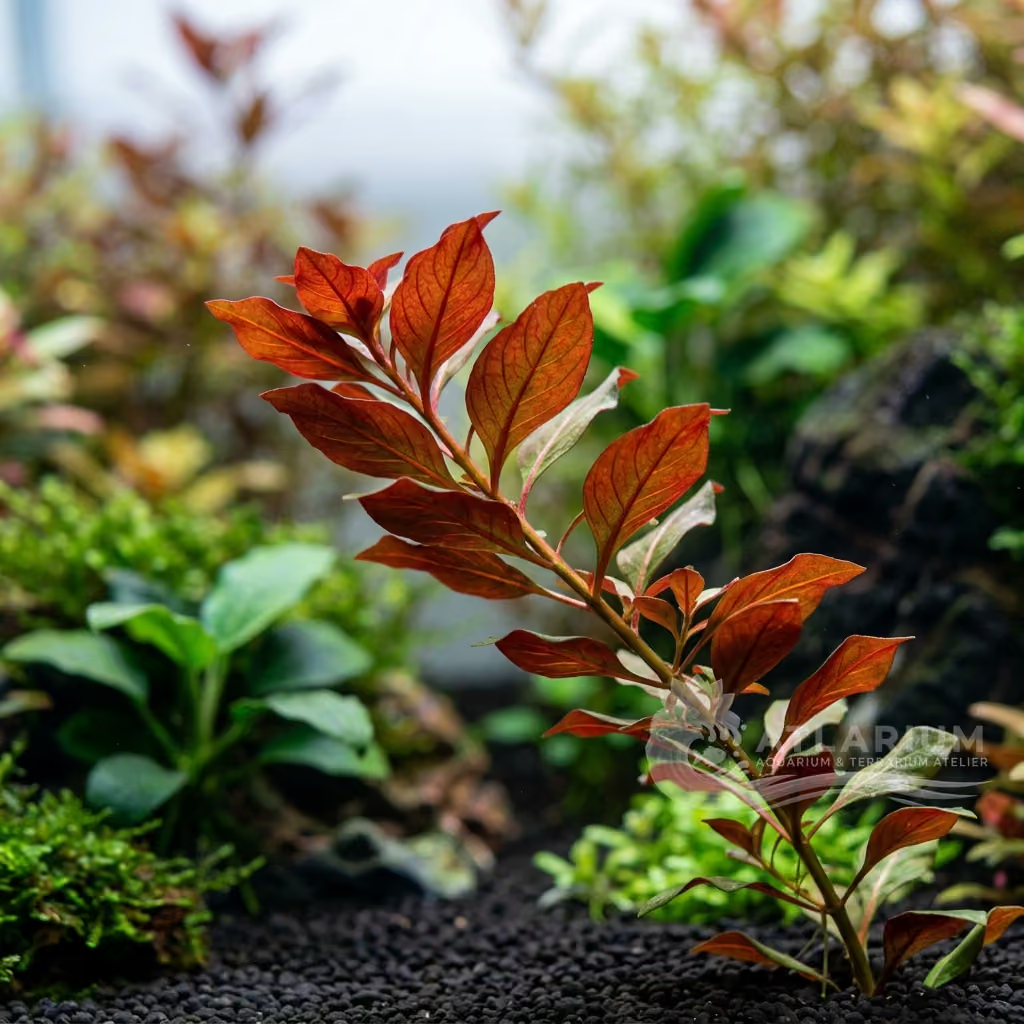
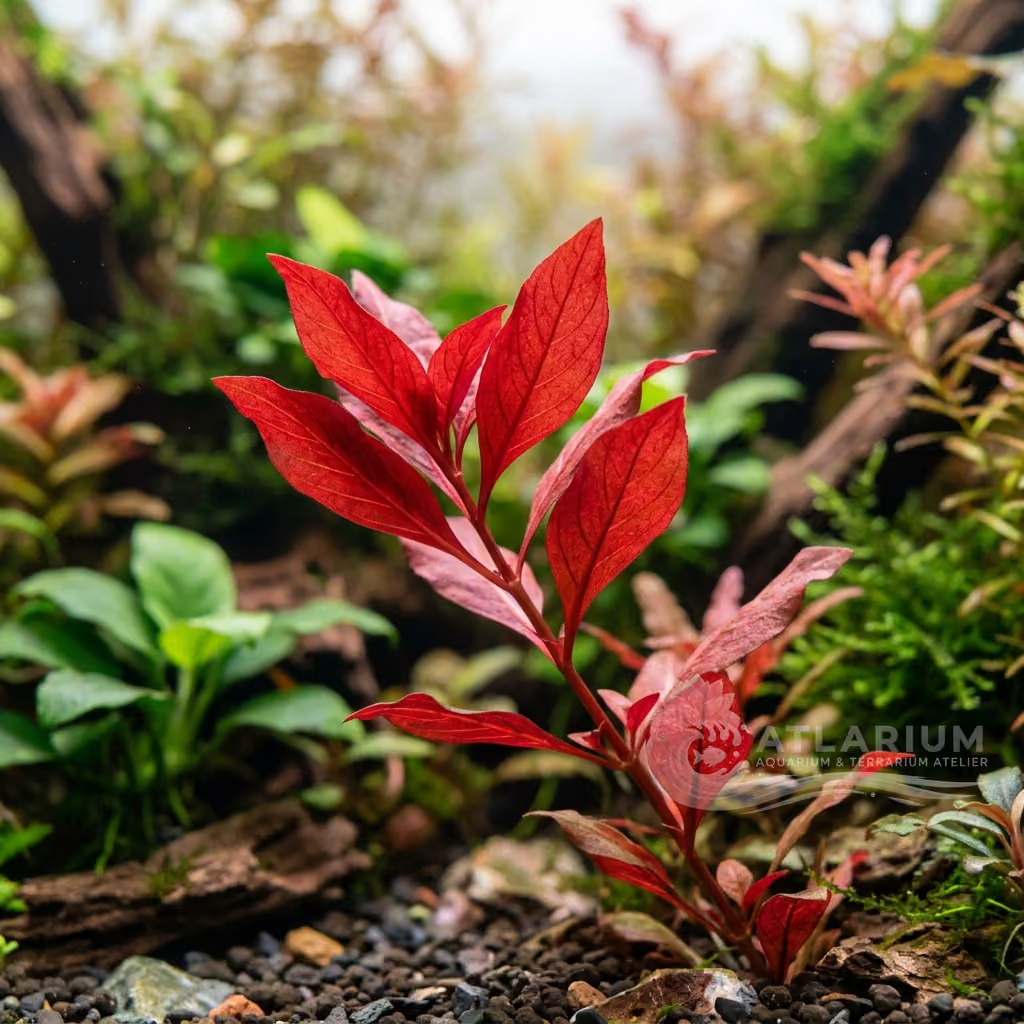
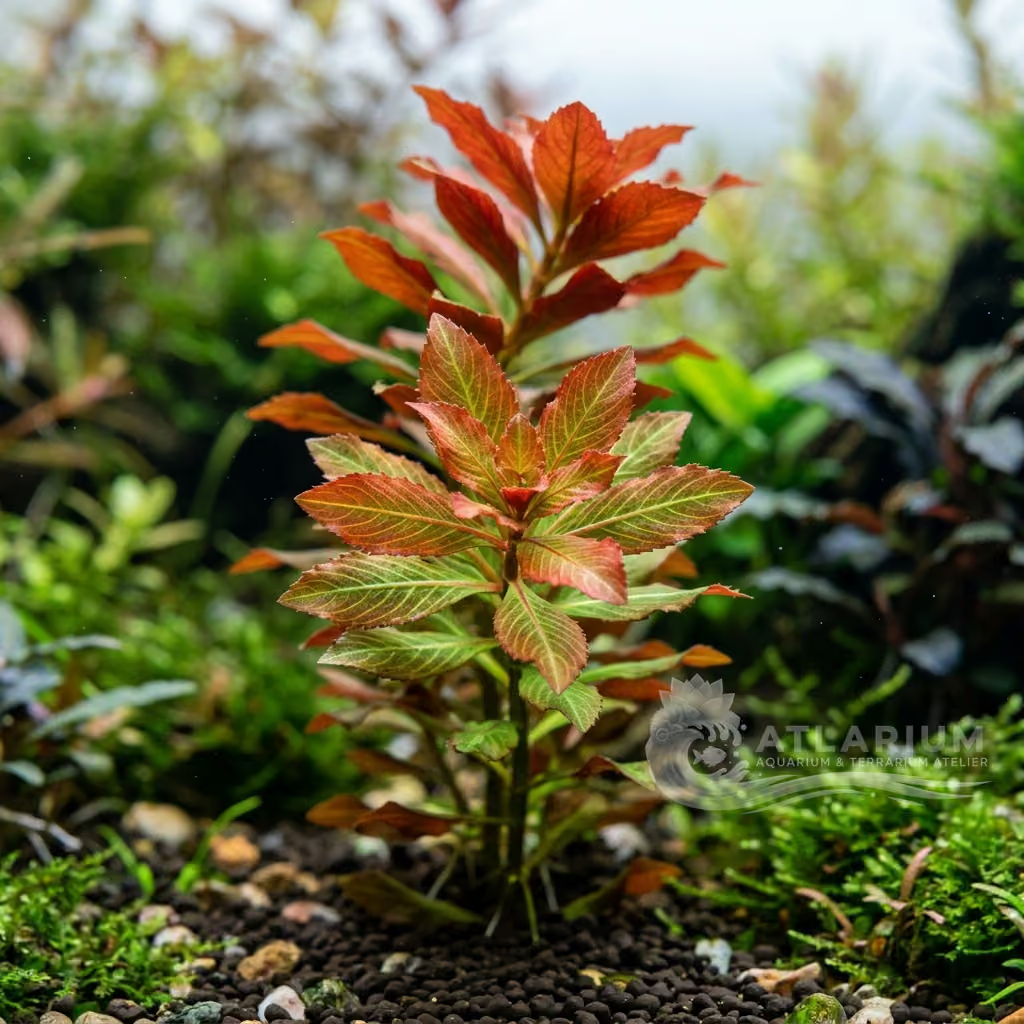
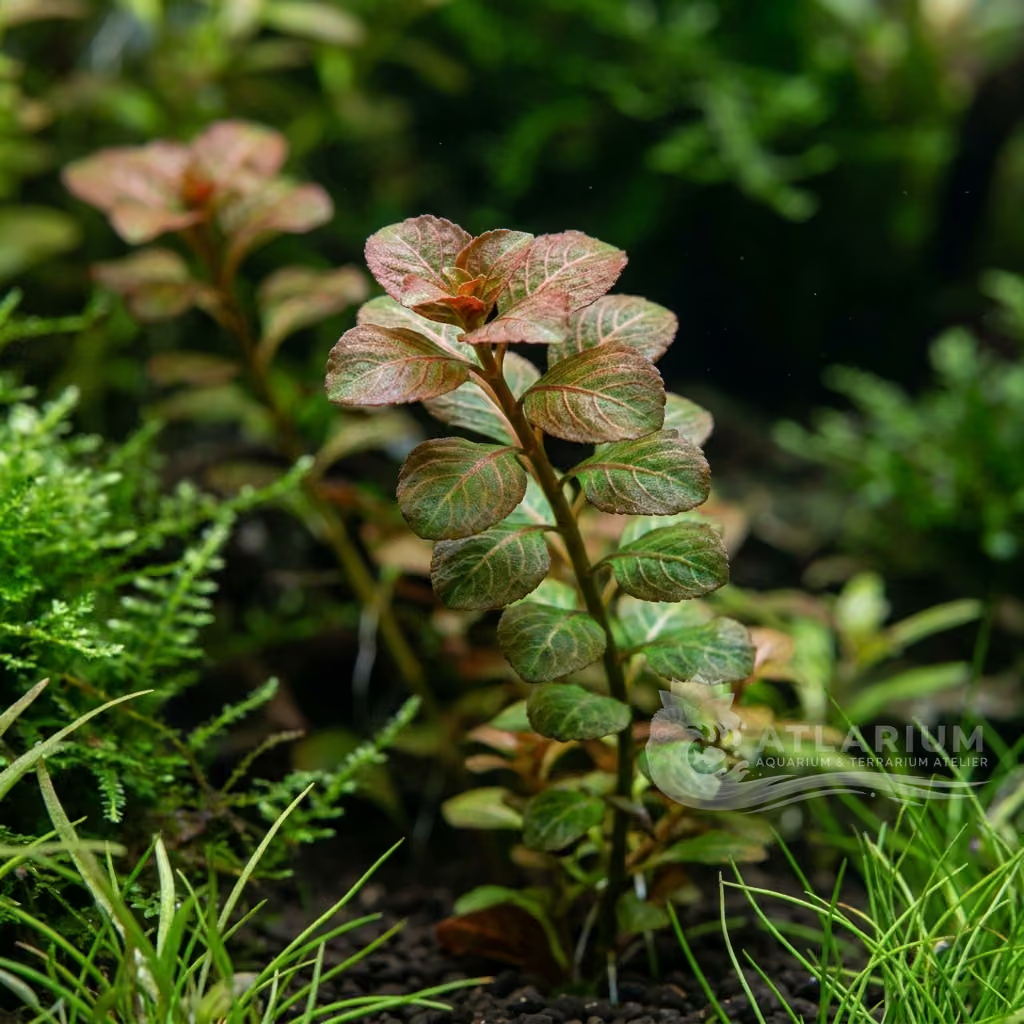
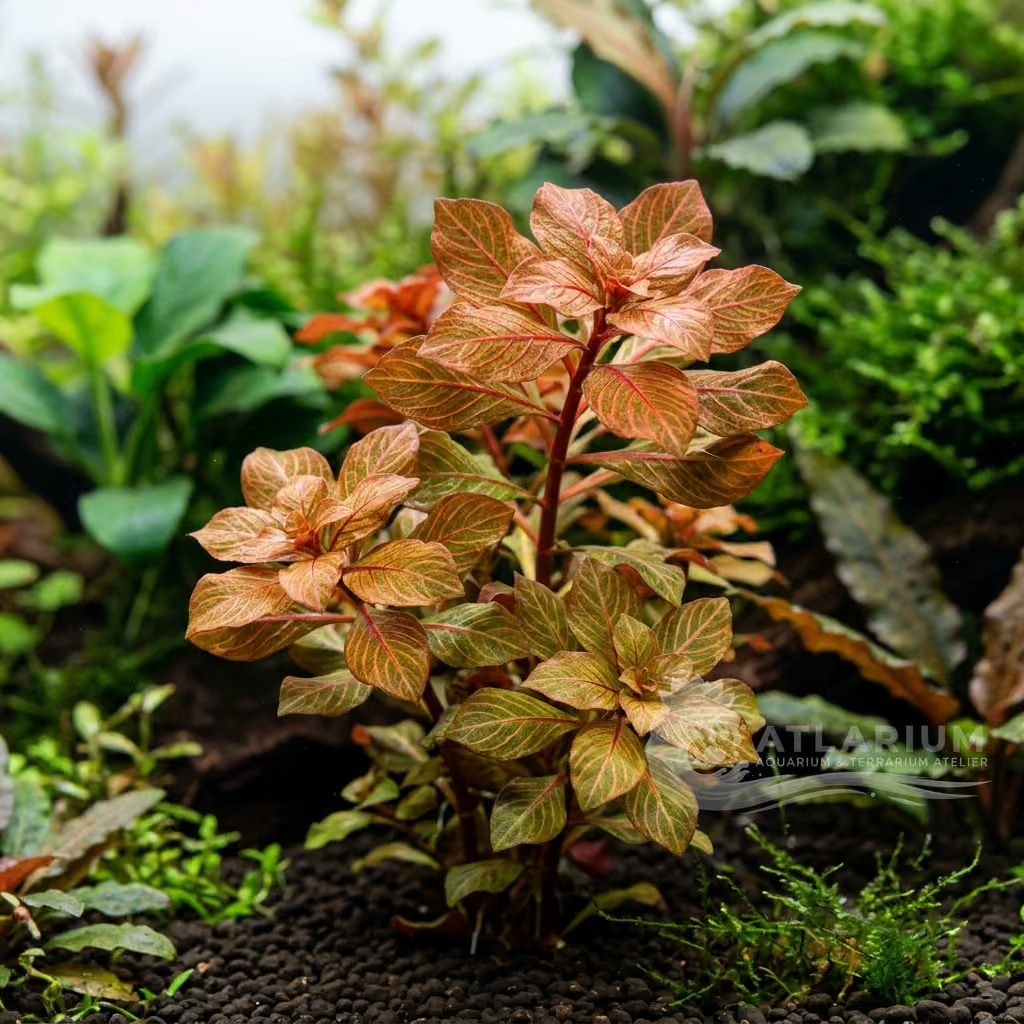
Color & Texture: The leaves display a dark green or olive green color on the upper surface, while the underside shows a highly pronounced deep pink to brick-red coloration. Under very intense lighting, the entire leaf can assume rich red hues. The texture is sturdy and regular, with smooth, slightly fleshy leaves.

Soins, reproduction et cohabitation
Lighting & CO2: Requires moderate to high lighting. The more intense the light, the redder the underside of the leaves will become. CO2 injection is not essential, but it promotes bushier growth, shorter internodes, and broader leaves.
Nutrition & Substrate: Thrives in fertile substrates but adapts to plain gravel if supported by a balanced liquid fertilization routine. It requires adequate levels of iron and microelements in the water to stimulate red pigmentation.
Water Chemistry: Extremely tolerant. It grows well in temperatures between 18 and 28°C (64-82°F), with an optimal pH range of 6.0 to 8.0. It adapts to soft, medium, and hard water, showing remarkable resilience.
Space Management & Placement: Placed mainly in the midground or background. Its rapid growth rate requires positioning where it will not shade surrounding plants. It can be planted in dense groups to create a striking red-green color contrast.
Pruning: Pruned by cutting the stem at the desired height. This stimulates the growth of numerous lateral shoots from the nodes below, making the clump much busier. The cut cuttings can be replanted in the substrate to propagate the plant.
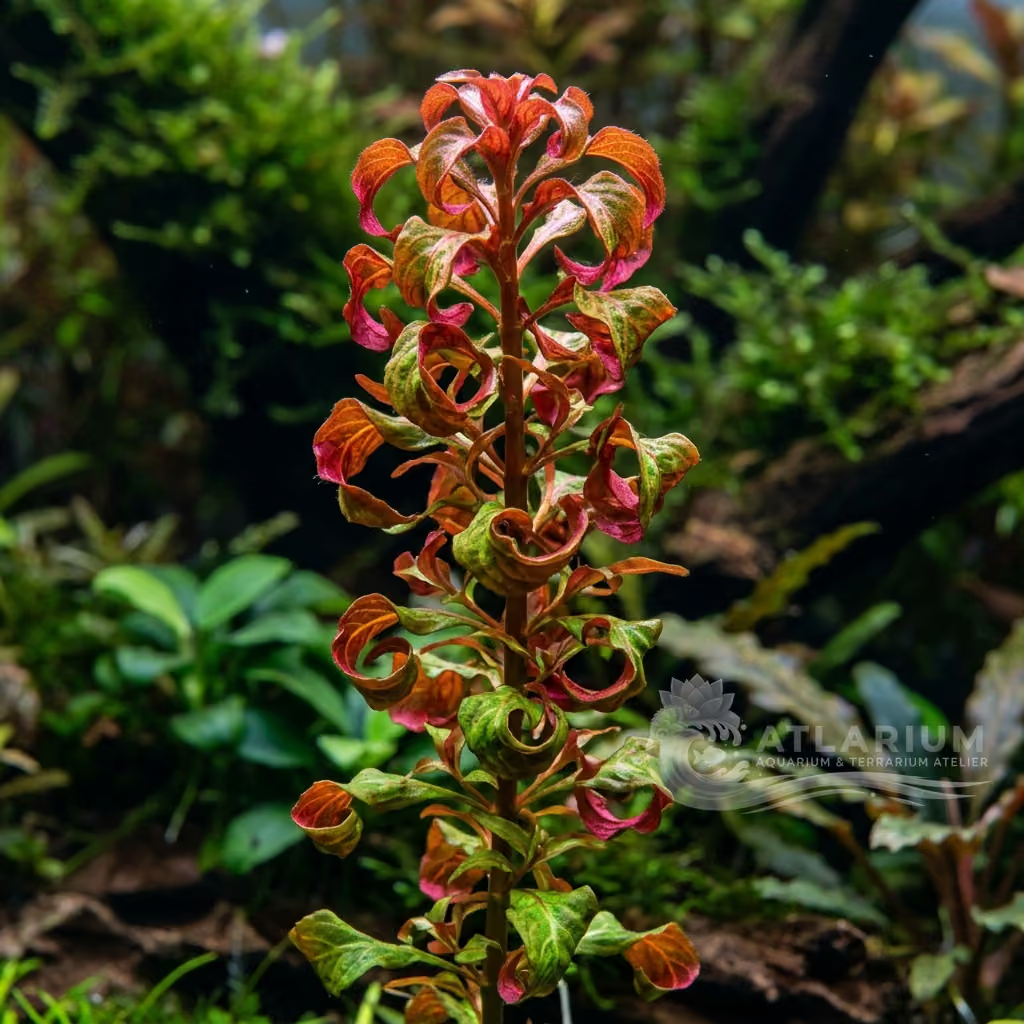
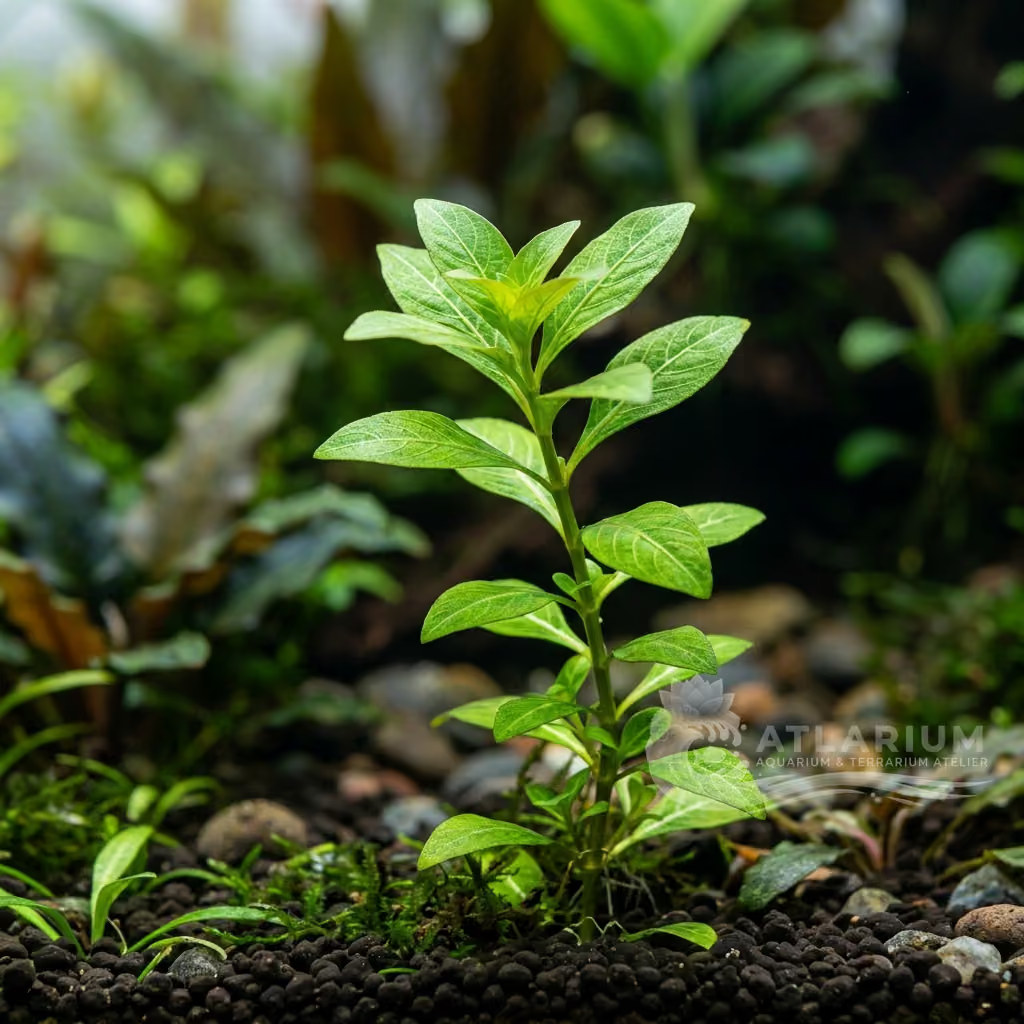
Risks & Diseases: If lighting is insufficient, the plant tends to lose its lower leaves and fade, assuming a dull green color. New leaves may grow deformed or small in the presence of severe potassium or microelement deficiencies.

Origine et répartition géographiques
Ludwigia repens is native to the Americas, widely distributed across the southern United States, Mexico, and the Caribbean islands. It populates calm or slow-moving waters such as marshes, ponds, lakes, and ditches. It grows both submerged and emersed, colonizing muddy shores and extending over the water surface.
Origine
Amérique du NordAmérique centrale et Caraïbes

Profil de plante
- Emplacement
- Arrière-plan
- It is typically used as a midground or background plant, depending on the height of the aquarium. It looks best when planted in dense groups of 5-10 stems. The varying green and red tones provide a beautiful, subtle contrast in the layout.
- Forme botanique
- Tige
- It features opposite, broad, ovate leaves on somewhat flexible stems. The top of the leaves is usually olive-green, while the underside can range from light pink to deep red. It often grows at an angle rather than straight up.
- Croissance
- Rapide
- This plant is known for its fast growth rate, especially in nutrient-rich, well-lit environments. It quickly reaches the surface and will often trail along it if not trimmed. Its vigorous growth makes it an excellent choice for newly established tanks.
- Substrat
- Moyen
- Ludwigia repens is relatively undemanding but will display its best growth and coloration when provided with a moderately nutritious substrate. Its roots are highly adaptable, capable of anchoring in fine gravel, sand, or aqua soil, though nutrient-rich soils yield thicker stems. A substrate bed of 4 to 5 centimeters is sufficient to secure the plant and allow its creeping root structure to expand.
- Fertilisation de la colonne d'eau
- Nécessaire
- A basic all-in-one liquid fertilizer is usually sufficient to meet its needs. Ensuring a steady supply of potassium and micronutrients keeps the leaves healthy and promotes color development. It is quite forgiving of occasional lapses in fertilization.
- Fertilisation racinaire
- Facultative
- While it absorbs nutrients from the water column, it roots profusely and benefits from a fertile substrate. Using aquasoil or root tabs will result in thicker stems and larger leaves. A strong root system anchors the fast-growing stems securely.
- Taille
- Occasionnelle
- Regular pruning is necessary due to its fast growth. Trimming the main stem encourages the growth of side shoots, making the plant bushier. The pruned tops can be replanted to quickly increase the size of the group.
- Propagation
- Boutures
- Propagation is very easy through stem cuttings. Simply cut a portion of the stem and push it into the substrate. It frequently produces aerial roots along the stem, making cuttings even easier to establish.
- Sensibilité
- Sensible
- L. repens is highly adaptable and robust, making it suitable for beginners. It may lose its lower leaves if planted too densely or if light is insufficient at the base. It thrives in a wide range of temperatures and water hardness levels.
- Rôle dans le décor
- Plan intermédiaire, Arrière-plan, group, accent
- It is a classic background or midground stem plant that provides volume and a touch of color. Its fast growth helps outcompete algae and provides cover for fish. It is widely used in both nature aquarium and Dutch styles for its reliable performance.

Espèces associées
Recommandations regroupées par proches parents, compagnons et soins similaires.