Acmella repens
Acmella repens
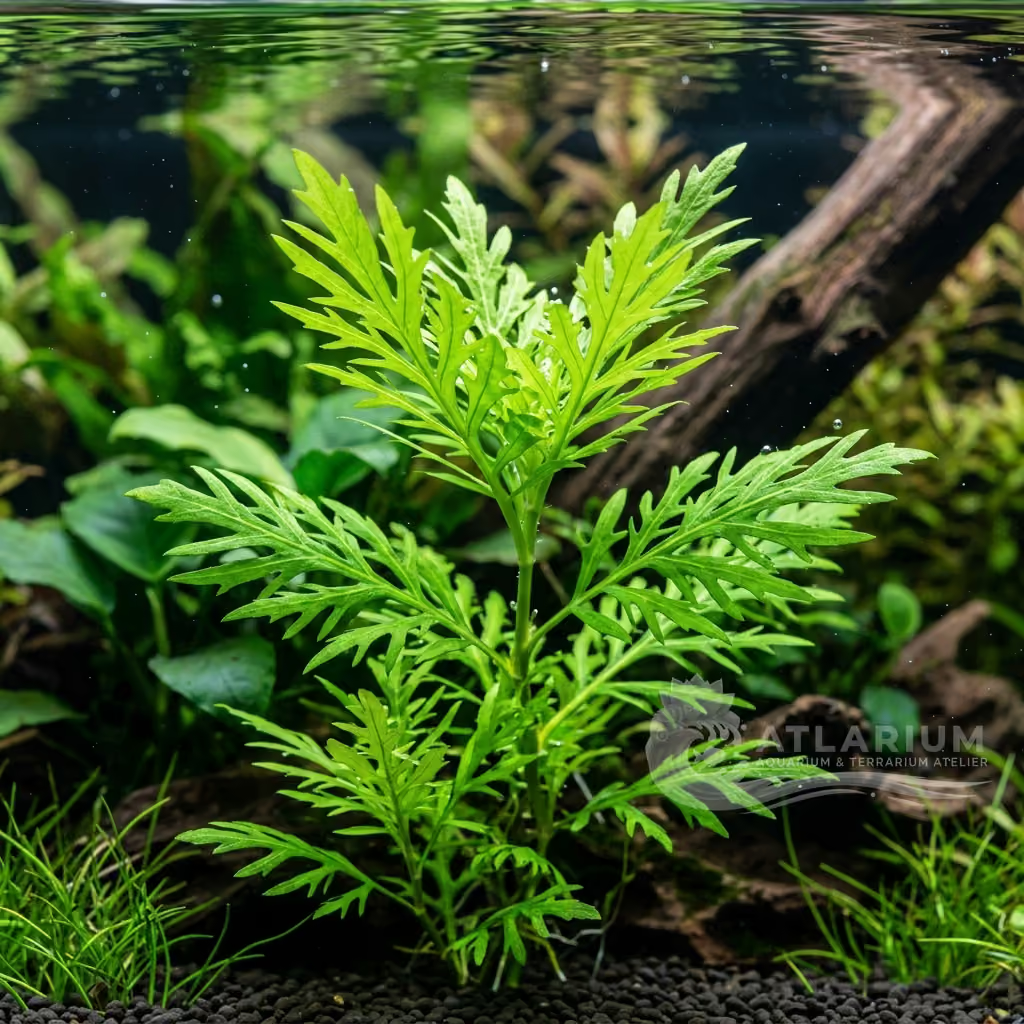
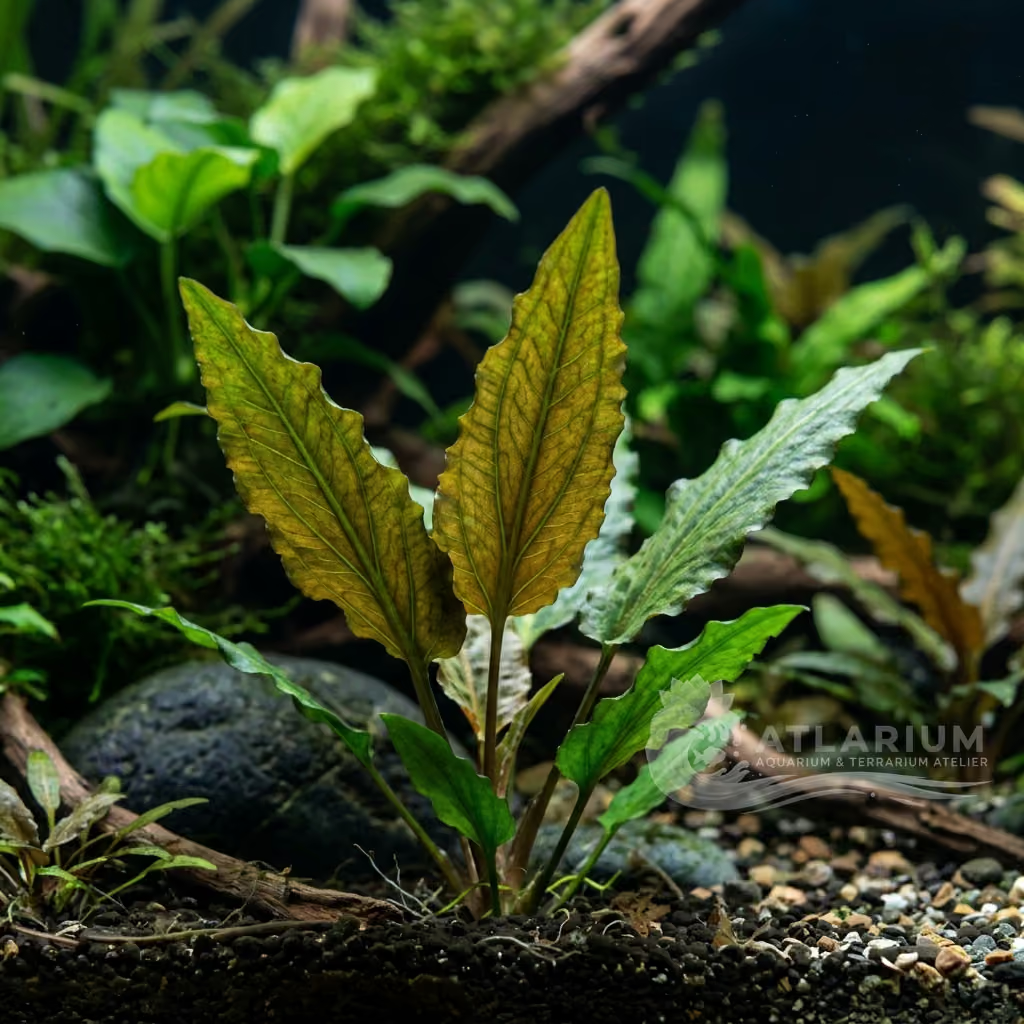
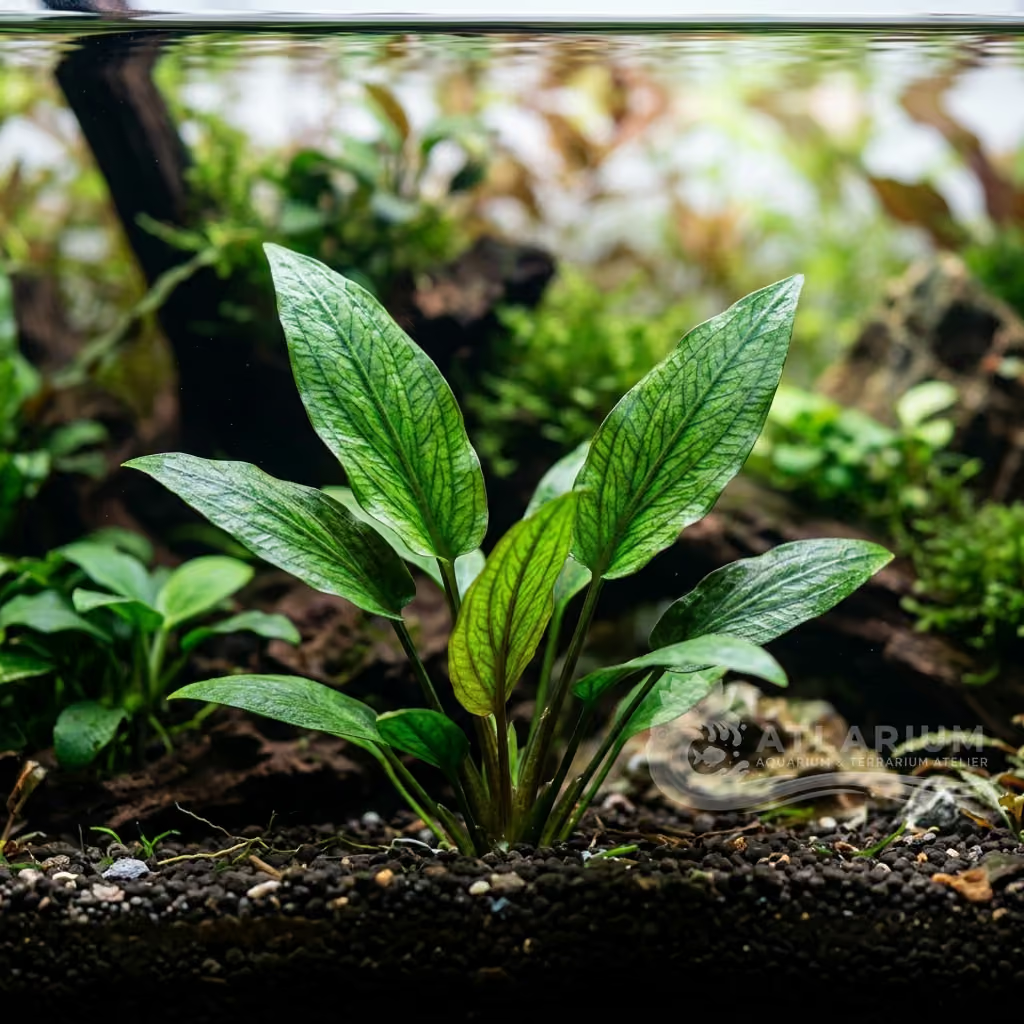
Acmella repens is a versatile midground or background plant with creeping reddish stems and deep green leaves. It adapts well to both submerged and emersed setups, thriving with rich substrate.
Température de l’eau
18 - 30 °C
Valeur du pH
6 - 7.5
Type d'eau
Eau douce
Lumière
Moyenne - Élevée
CO2
Moyenne - Élevée
Largeur attendue
5 cm
GH
4 - 15 dGH
KH
2 - 12 dKH

Description de l'espèce
Geographical Origin and Habitat: The species Acmella repens is native to the wetlands, ditches, and muddy banks of the southeastern United States, where it grows wild, adapting to both wet emersed soils and submerged conditions. In its natural environment, it is typically found in slow-flowing or stagnant waters, such as swamps, ponds, and tropical riverbanks, where it adapts beautifully to seasonal water level variations. This habitat provides a rich organic substrate and consistent, filtered light exposure. The plant's ability to grow both submersed and emersed is a testament to its extraordinary evolutionary resilience in these humid ecosystems.
Taxonomy & Genetics: From a taxonomic perspective, the plant belongs to the Asteraceae family, genus Acmella. It is popularly known in North America as the creeping spotflower due to its yellow button-like inflorescences. This phylogenetic placement places it within a group of vascular plants highly specialized for aquatic life. Genetically, species in this genus exhibit high phenotypic plasticity, meaning their outward appearance can vary drastically based on available light and nutrient conditions. Selection and hybridization efforts have led to the development of specific cultivars suited for aquarium cultivation.
Physical Structure: The morphology of this plant is characterized by creeping or erect stems with opposite, serrated leaves of textured consistency, featuring a slightly pubescent stem and adventitious roots. This structural conformation allows the plant to withstand moderate water currents and maximize the absorption of carbon dioxide and light. The root system is designed to anchor the plant firmly to the soil and absorb mineral nutrients. In aquariums, the vertical or creeping development provides excellent natural barriers and shelter zones for small fish and invertebrates.
Color & Texture: Aesthetically, the plant offers a deep dark green on the leaves that contrasts beautifully with the reddish stems, producing small yellow button flowers if allowed to grow emersed. The leaf texture, soft yet resilient to the touch, adds visual depth and a sense of naturalness to any aquascaping composition. The chromatic variation serves as an excellent color contrast compared to traditional, all-green plants. Under strong lighting and targeted fertilization, the intensity of the color reaches its maximum visual splendor.

Soins, reproduction et cohabitation
Lighting & CO2: For optimal growth, the plant requires medium to intense lighting and recommended CO2 to promote a stable submerged transition and stimulate compact leaf development. Intense light promotes shorter internodes and the development of more saturated colors, while the CO2 supply ensures stable photosynthesis, preventing plant tissue decay. In the absence of these elements, the plant will tend to stretch excessively towards the light, losing its lower leaves and exhibiting weak, stunted growth.
Nutrition & Substrate: Nutrition must be managed by providing balanced column fertilization and a rich substrate, with sufficient nitrogen and iron supply to maintain the deep green of the leaves. A fertile substrate or the use of root tabs near the root system significantly accelerates growth, while
Water Chemistry: This species prefers cool or warm temperatures between 18 and 30 °C, preferring soft or medium-hard water and regular changes to keep organic load low. Regular water changes are recommended to maintain stable parameters and low levels of pollutants such as nitrates and phosphates. Good mechanical and biological filtration will ensure an environment free of suspended particles, which could settle on the leaves and limit photosynthesis.
Space Management & Placement: The ideal placement is the midground or background of the aquarium, and it can also be trained horizontally as a ground cover in spacious aquariums. As a plant that can expand laterally or vertically, it is important to carefully calculate distances from neighboring species to avoid mutual shading. Proper water circulation among the foliage also prevents the formation of stagnant zones susceptible to bacterial infections.
Pruning: Maintenance is carried out by trimming the creeping runners or overly long stems with sharp scissors, replanting the cuttings which root very quickly. Periodically removing older or damaged leaves at the base stimulates the plant to focus energy on new growth. Using sterile, very sharp tools is essential to avoid crushing stem tissues, which could lead to necrosis or fungal infections.
Risks & Diseases: The main risks include leaf loss during the emersed-to-submersed adaptation phase, and the risk of rot if covered by debris or heavy organic sludge. Under conditions of poor water movement or nutrient imbalance, the leaves can be colonized by filamentous or green spot algae. In cases of severe stress, the stems can rot from the inside; if this occurs, damaged parts must be removed immediately to prevent infecting the entire plant.

Origine et répartition géographiques
The species Acmella repens is native to the wetlands, ditches, and muddy banks of the southeastern United States, where it grows wild, adapting to both wet emersed soils and submerged conditions. In its natural environment, it is typically found in slow-flowing or stagnant waters, such as swamps, ponds, and tropical riverbanks, where it adapts beautifully to seasonal water level variations. This habitat provides a rich organic substrate and consistent, filtered light exposure. The plant's ability to grow both submersed and emersed is a testament to its extraordinary evolutionary resilience in these humid ecosystems.
Origine
Amérique du Nord

Profil de plante
- Emplacement
- Plan intermédiaire
- Often creeping along the bottom or growing emergent. Carefully considering its final size and growth trajectory is important when choosing a location. It typically looks best in the foreground or midground zone of the aquascape. Ensure it is not overshadowed by faster-growing background species or large hardscape pieces. Its texture and color provide excellent contrast when positioned against different leaf shapes.
- Forme botanique
- Tige
- Botanically, it displays a fascinating arrangement of foliage and stems or rhizomes. Often creeping along the bottom or growing emergent. The leaf shape, venation, and overall structure are defining characteristics of this species. Its morphology can shift slightly depending on whether it is grown submersed or emersed. It provides exceptional structural diversity to any planted aquarium.
- Croissance
- Moyenne
- Under optimal conditions with high light and CO2, the growth rate is considered fast. Often creeping along the bottom or growing emergent. In lower tech setups, it will grow significantly slower and may adapt its morphology. Regular pruning may be necessary to maintain a compact growth form over time. Its growth speed is directly correlated with the availability of light, CO2, and dissolved nutrients.
- Substrat
- Élevé
- A nutrient-rich aqua soil is highly recommended for cultivating this species successfully. Often creeping along the bottom or growing emergent. The roots require a soft, porous medium that allows for easy penetration and nutrient uptake. While it can survive in inert substrates like sand or gravel, growth will be noticeably slower and less robust without heavy root tabs. Using a clay-based substrate can also help retain nutrients where the root system can easily access them.
- Fertilisation de la colonne d'eau
- Recommandée
- Often creeping along the bottom or growing emergent. Water column feeding plays a massive role in the overall vitality of this species. Consistent dosing of micro and macronutrients ensures the leaves remain vibrant and free of deficiencies. It is highly responsive to changes in liquid nutrient levels, making it a good indicator species. Employing a strict dosing schedule will yield the most consistent and impressive results.
- Fertilisation racinaire
- Aucune
- Often creeping along the bottom or growing emergent. Heavy root feeding is incredibly beneficial for maximizing the potential of this species. Even in mature tanks, replenishing the substrate with targeted root capsules promotes strong basal growth. A robust root network directly correlates with larger, healthier foliage. Ensure root tabs are buried deeply to prevent nutrient leaching into the water column.
- Taille
- Occasionnelle
- Regular trimming is required to maintain the desired shape and health of Acmella repens. Using sharp aquascaping scissors ensures clean cuts that heal quickly without inviting rot. Pruning also encourages denser regrowth and prevents lower portions from being overly shaded. Remove any decaying trimmed leaves promptly to maintain optimal water quality.
- Propagation
- Boutures
- Often creeping along the bottom or growing emergent. Multiplying this species can be done easily through standard propagation techniques for its type. Carefully dividing or cutting the plant allows aquarists to quickly expand their collection. The resulting segments should be planted or attached securely to encourage rapid establishment. Patience is required, but the success rate is typically very high under good conditions.
- Sensibilité
- Modérée
- Acmella repens can be somewhat sensitive to sudden fluctuations in water parameters. It may exhibit signs of stress or melt if exposed to abrupt changes in temperature or pH. Algae treatments containing copper or glutaraldehyde should be used with extreme caution around this plant. Maintaining a stable, clean environment is the best defense against health issues.
- Rôle dans le décor
- Plan intermédiaire, Arrière-plan, Premier plan
- In the aquascape, Acmella repens serves an important role by adding specific structural elements. It can be used to create focal points or to soften the transition between hardscape and open spaces. The plant's unique texture contrasts beautifully with both fine-leaved and broad-leaved neighbors. Thoughtful integration of this species greatly elevates the natural feel of the display.

Espèces associées
Recommandations regroupées par proches parents, compagnons et soins similaires.